






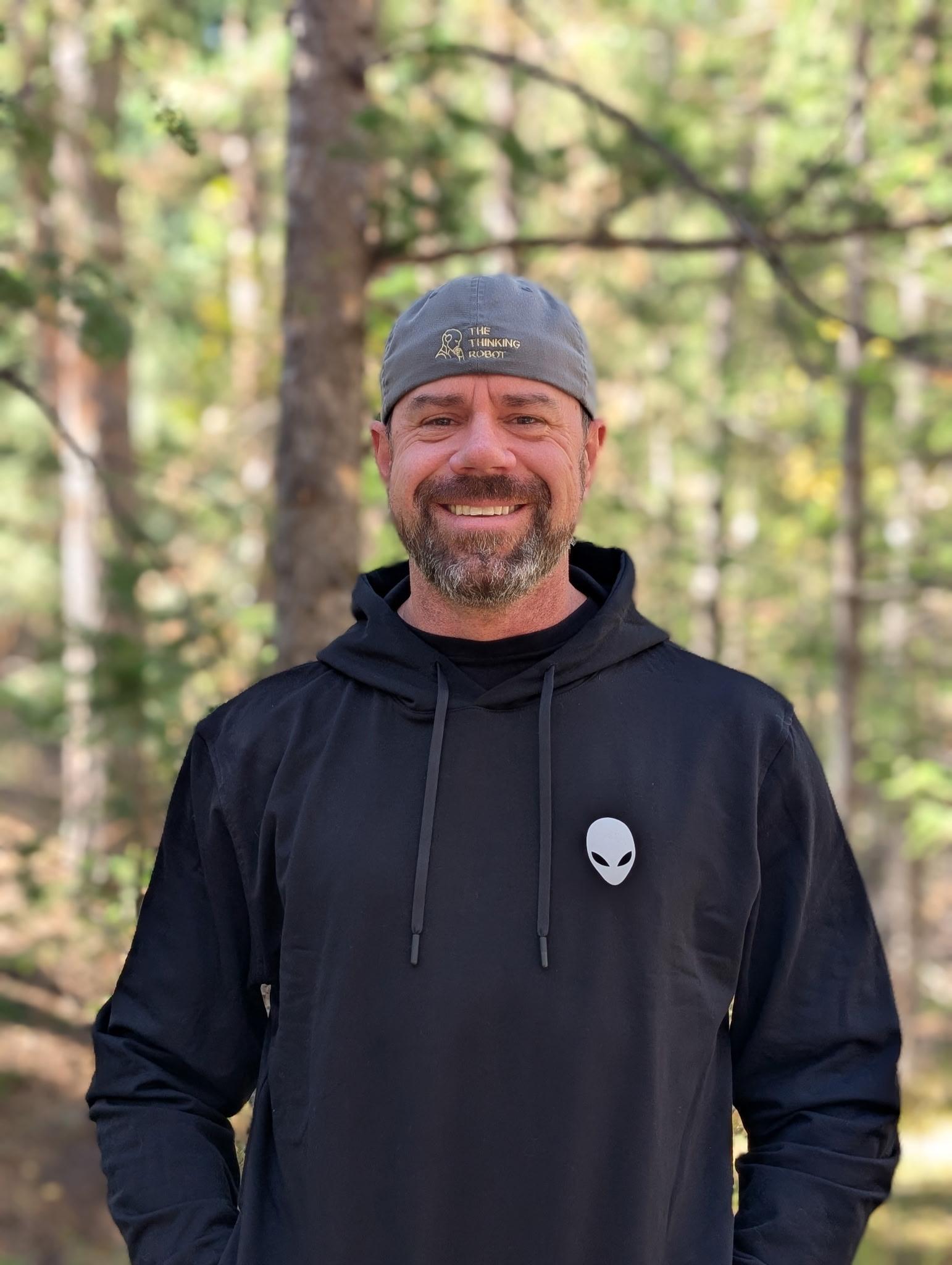
Today we’d like to introduce you to Ed Murray.
Alright, so thank you so much for sharing your story and insight with our readers. To kick things off, can you tell us a bit about how you got started?
I’m Ed Murray, and I run The Thinking Robot from the Denver area. I came to this from architecture and AEC work, where a missed detail costs real money and nobody notices until it’s too late.
I kept seeing the same quiet leak in very different businesses: the call that comes in while the person who closes the deal is busy doing the work. A practitioner in a treatment room. A charter broker on another line. An event producer three days into an install. Nobody hears about the caller who got voicemail and then dialed the next name on the list, because a missed call leaves no record of itself.
So I started building phone agents to answer those calls properly. The first build was for medical practices, which meant designing it from day one under the handling rules a clinic has to follow: a signed Business Associate Agreement before any patient data is handled, the least data needed, clear retention, nothing shared sideways. That turned out to be the right foundation for everything after it. When I pointed the same build at private aviation, yacht charter, luxury events and executive protection, the discretion standard came along with it.
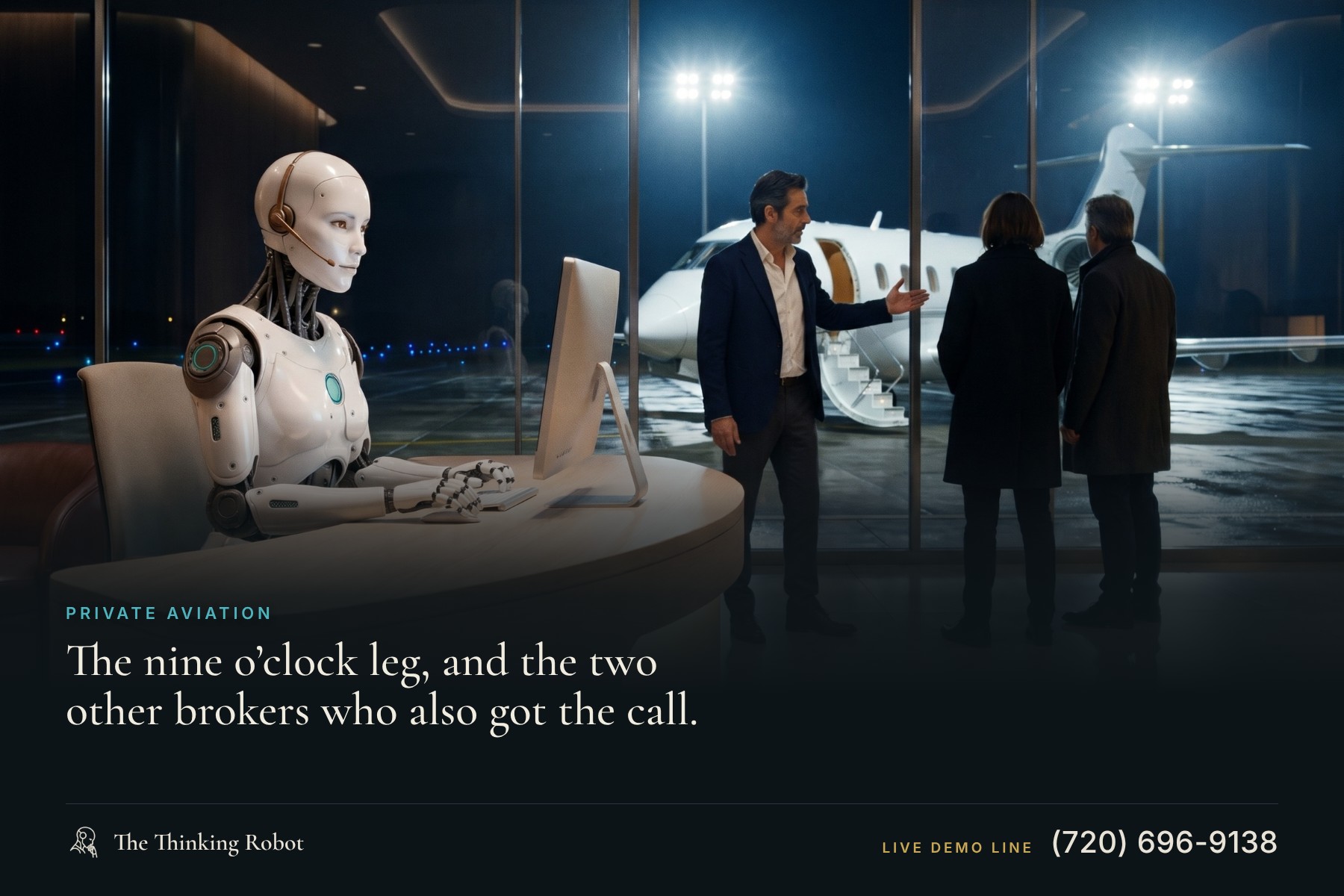
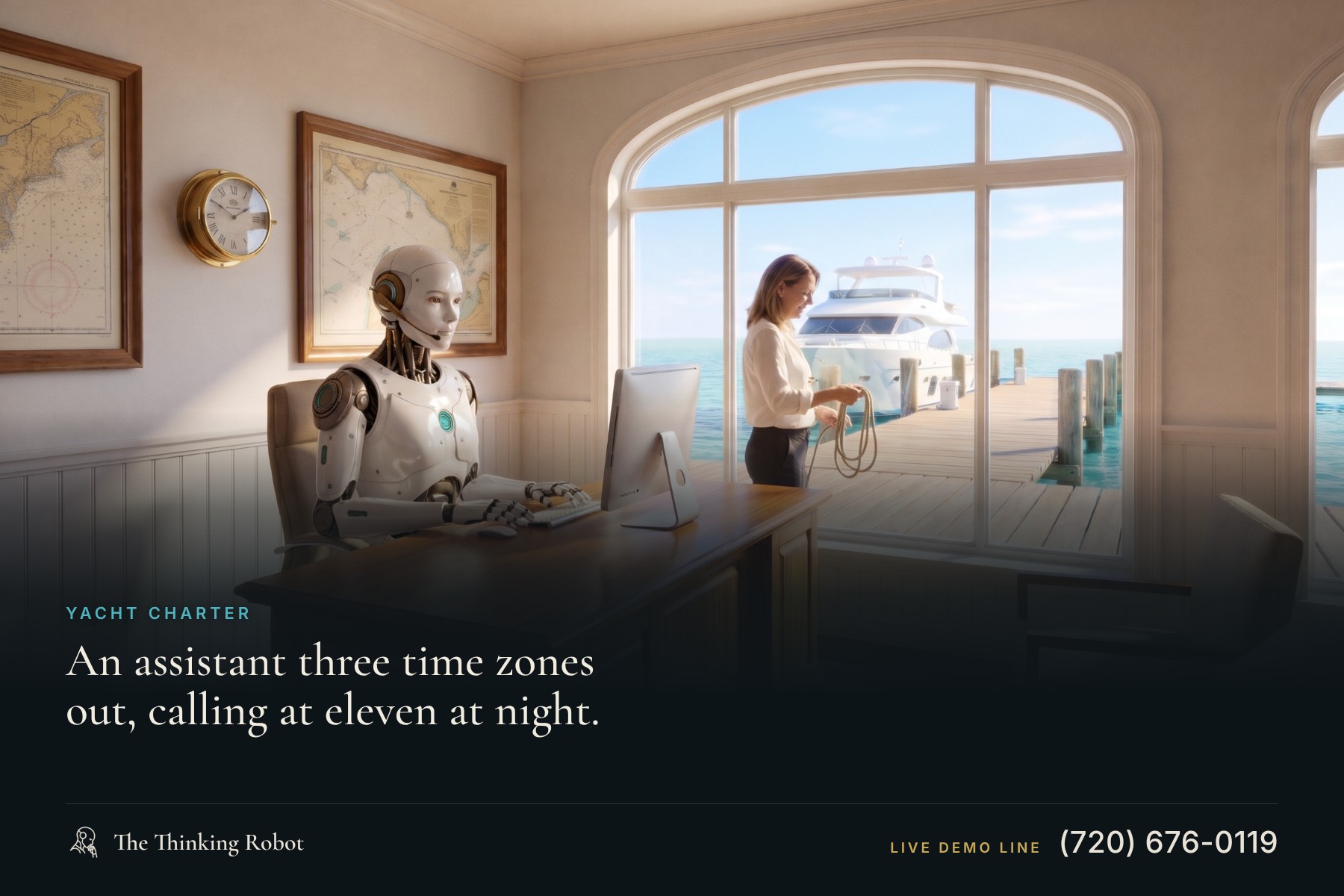
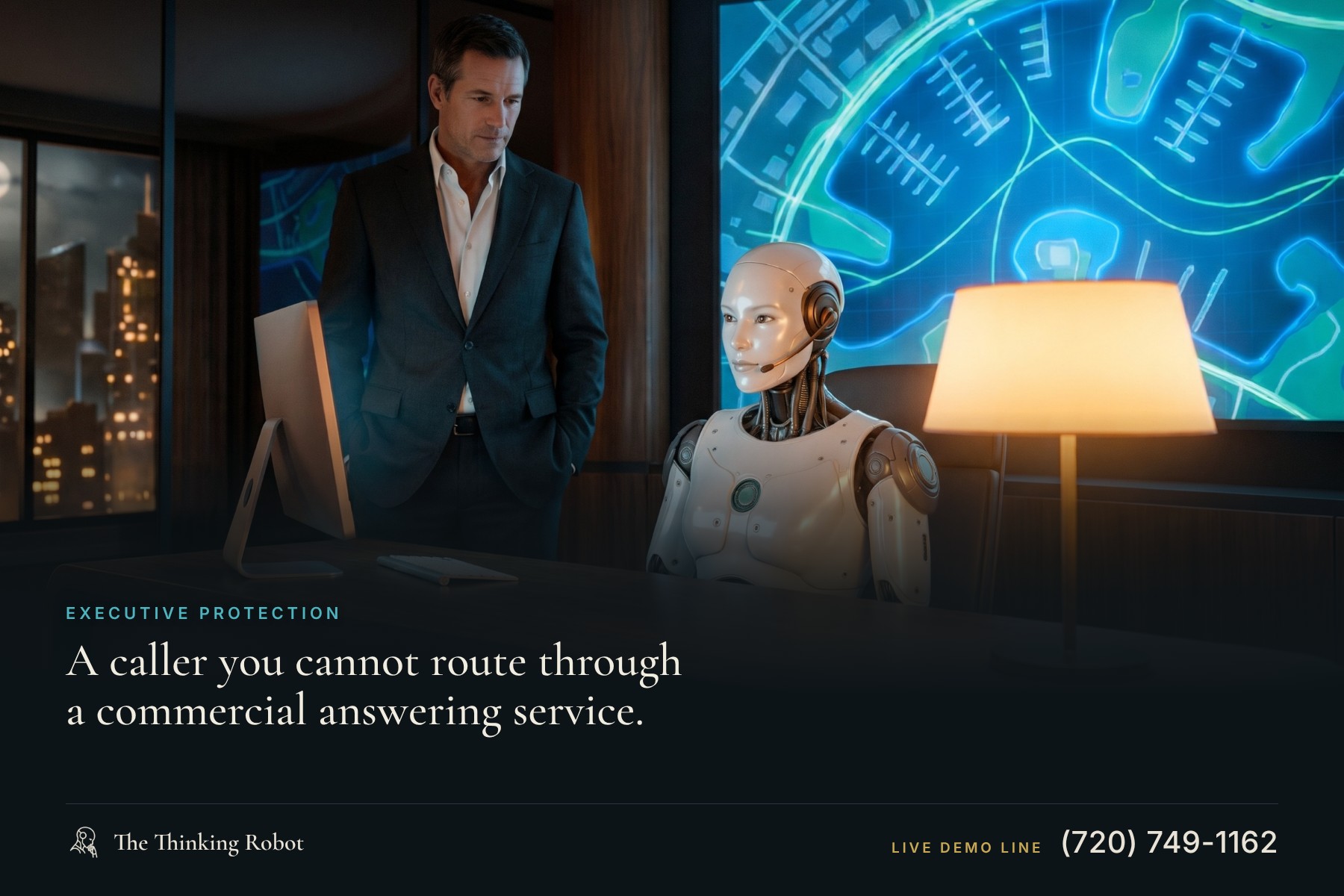
Today there are five live demonstration lines, one per trade, that anyone can call and try to trip up. Each agent is written for one trade’s intake. The yacht line asks crewed or bareboat before anything else, because that answer changes everything after it. The aviation line asks which airfield. The protection line is built to stop you when you start naming a principal, and to keep it out of the record.
I’ve also started writing for the trades themselves. My opinion piece for SuperyachtNews asks who should answer the charter inquiry that arrives at 11pm, and what belongs to the broker alone.
Can you talk to us a bit about the challenges and lessons you’ve learned along the way. Looking back would you say it’s been easy or smooth in retrospect?
Not smooth, and I don’t think it should be in this field.
The first challenge is trust. Everyone has heard an AI phone pitch by now, and a lot of them promise more than the product does. A new company can’t ask anyone to take its word for anything. That’s why I put live demonstration lines on the website instead of a demo request form: you can call one tonight and decide for yourself whether it handles your kind of caller.
The second is deciding what not to build, which takes more discipline than building. We turned down voiceprints rather than manage them. The executive protection agent is built to collect less, and to say so out loud. Our follow-up tier isn’t sold to protective services firms at all, on purpose. Each of those choices costs something in the short term, and I’d make every one of them again.
The third is being honest about limits. The entry tier doesn’t do ordered routing to an on-call clinician with confirmation that the handoff connected. A practice that needs that should start one tier up, and I’d rather say so on the page than have someone find out after the build.
There’s a personal one too. I’ve built this alongside my architecture work, which means nights and weekends and very little slack in the calendar.
Great, so let’s talk business. Can you tell our readers more about what you do and what you think sets you apart from others?
I am best known for our system of Revenue Recovery Infrastructure, and for my counter-intuitive stance of being a Human-First AI company. We build systems that are designed to enhance the most valuable resource in any company – the people. We lead with a company’s own honest math instead of AI hype – the cold, boring math getting handled behind the scenes is the thing that keeps a warm front desk.
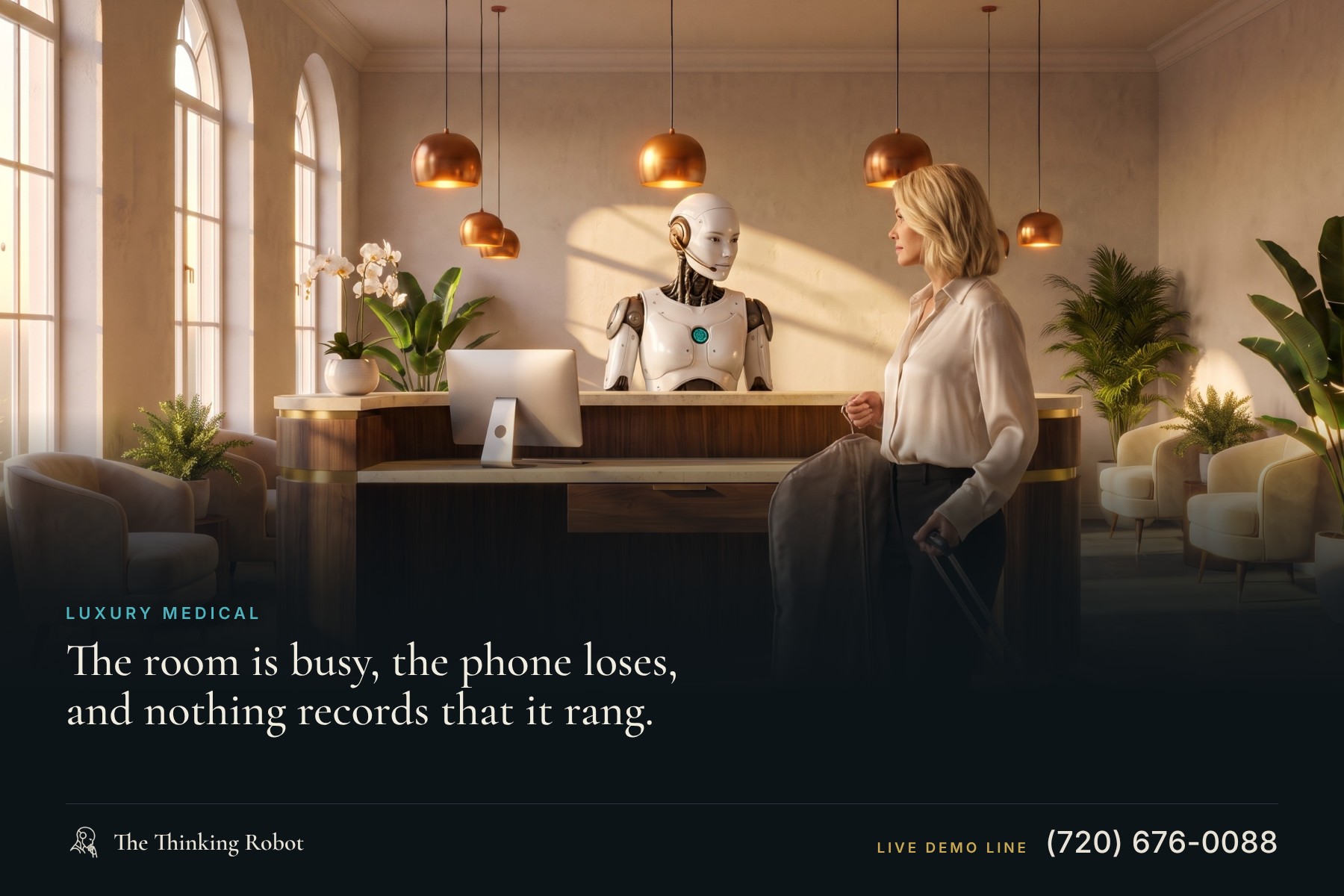
Our marketing revolves around our conversational Lifelike Automation named Rosey. She is built to answer inside two rings 24 hours a day, qualifies callers against a clinic’s defined protocols, and then books to your calendar or can escalate to a licensed staff member, if needed (during staffed hours) for anything clinical.
Again, a counter-intuitive stance on client’s systems is we do not take anything of our clients into our system – we connect their systems to each other with our automations. Clients keep ownership of everything – all customer data, the phone number, all hardware and existing systems that their employees are already familiar with. It is built with FTC, FCC, HIPAA and state rules in mind, and can revert back to the clinic’s old workflows almost instantly if they are unhappy with it – we take no hostages!
And, brand-wise, I am proud to let each business’ math determine if we are a good financial fit for them. If not, I am happy to give them free pointers and advice in order to become a client of ours in the future. We want to see businesses thrive, and when we can be a part of that process, it is a proud moment for us to be involved.
Where we are in life is often partly because of others. Who/what else deserves credit for how your story turned out?
My partner, my two kids and a few close friends. The kids have heard more test calls than anyone should, and all of them have put up with a lot of late nights and long weekends while I built this!
Pricing:
- Line Audit: $300, credited against setup if you go ahead
- First Watch: $2,500 setup, then $600 a month
- Standing Watch and Silent Watch: $7,500 setup, then $3,000 a month
- All tiers: 12-month commitment, 1,000 connected minutes a month included, no per-task add-ons
Contact Info:
- Website: https://www.thethinkingrobot.com
- Instagram: https://www.instagram.com/thethinkingrobot/
- LinkedIn: https://www.linkedin.com/company/the-thinking-robot
- Twitter: https://x.com/athinkingrobot
- Youtube: https://www.youtube.com/@TheThinkingRobot
- Other: https://www.thethinkingrobot.com/blog


Popular
-

Hidden Gems: Local Businesses & Creatives You Should Know
-

ATL’s Most Inspiring Stories
-

J. Avery Chester Is Turning Years of Pain, Growth, and Self-Discovery Into The Velvet Room
-

Portraits of Atlanta
-

From Corporate VP to Entrepreneur: Benny Williams is Making Executive Marketing Accessible to Churches, Nonprofits, and Businesses
-

Raven Parris Is Building the Village Every Mother Deserves During Pregnancy and Postpartum