


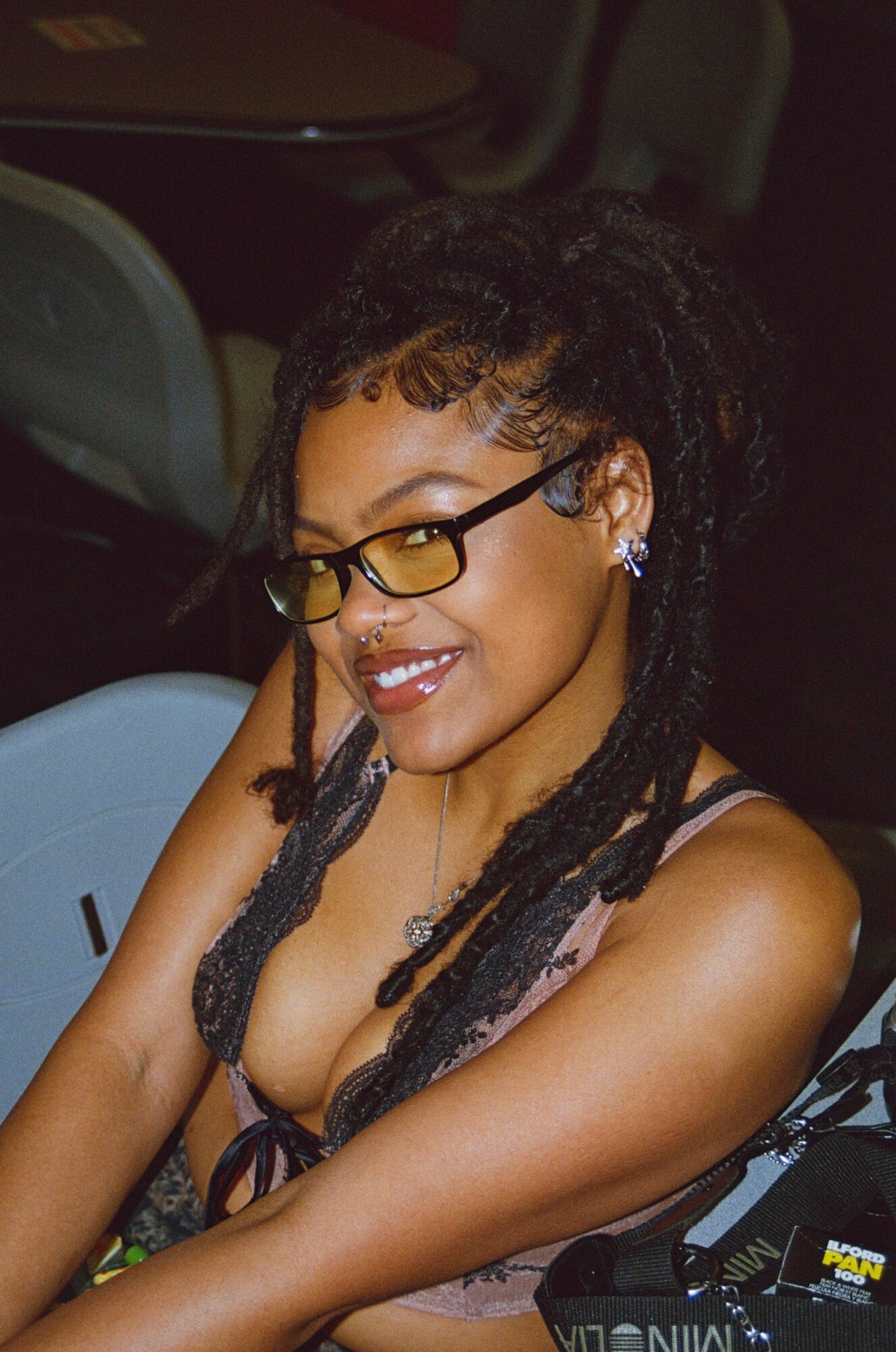
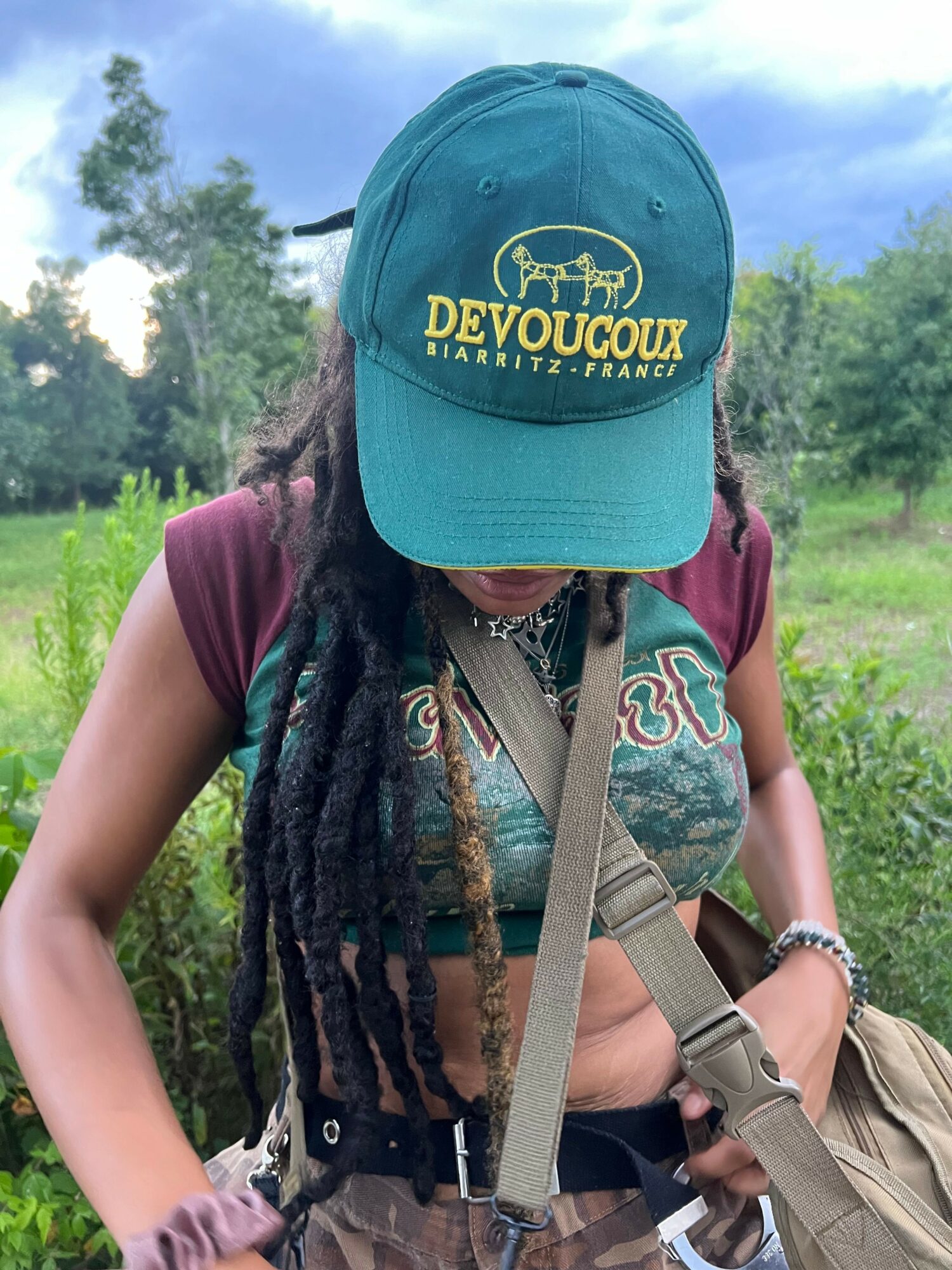
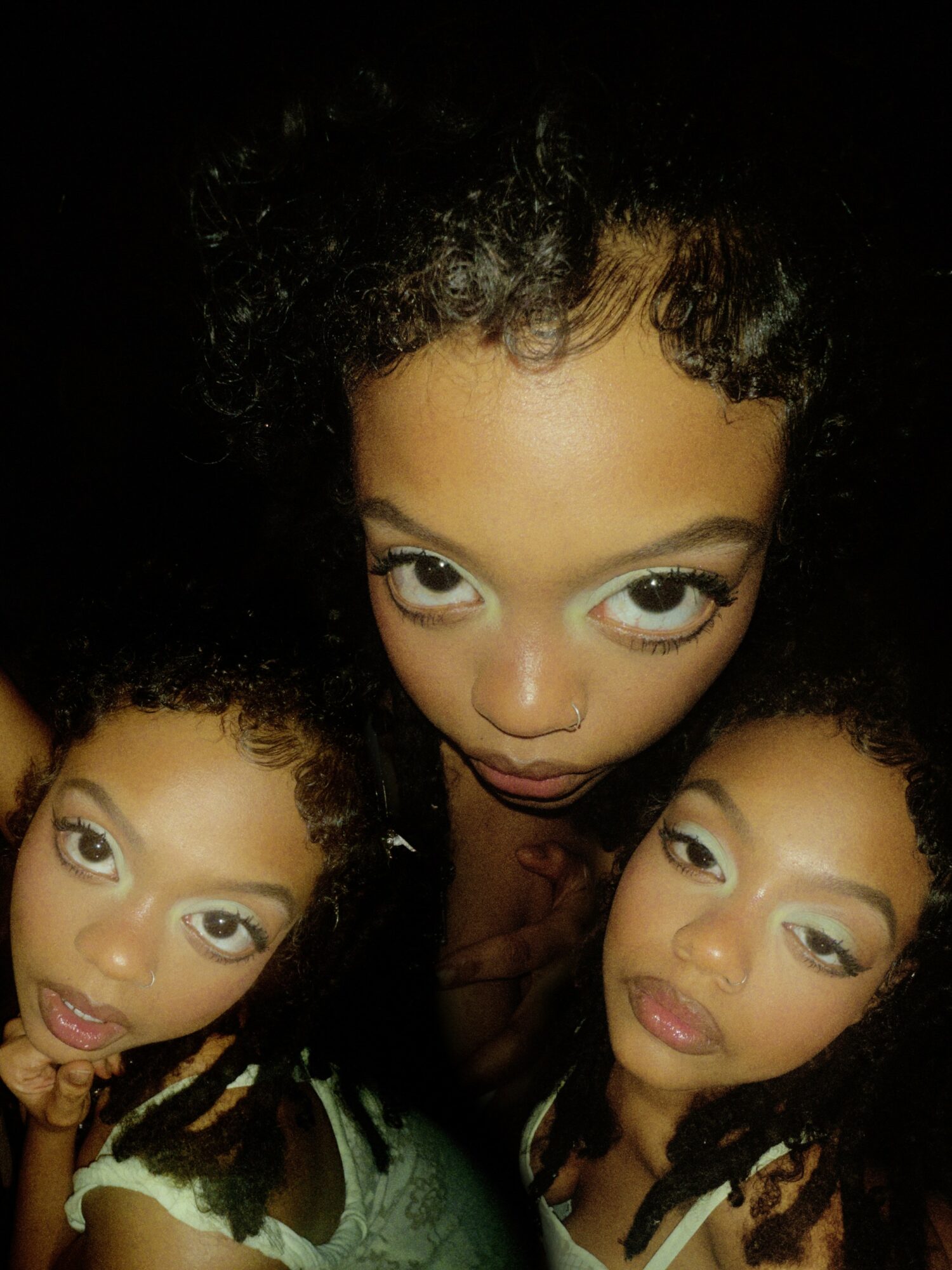
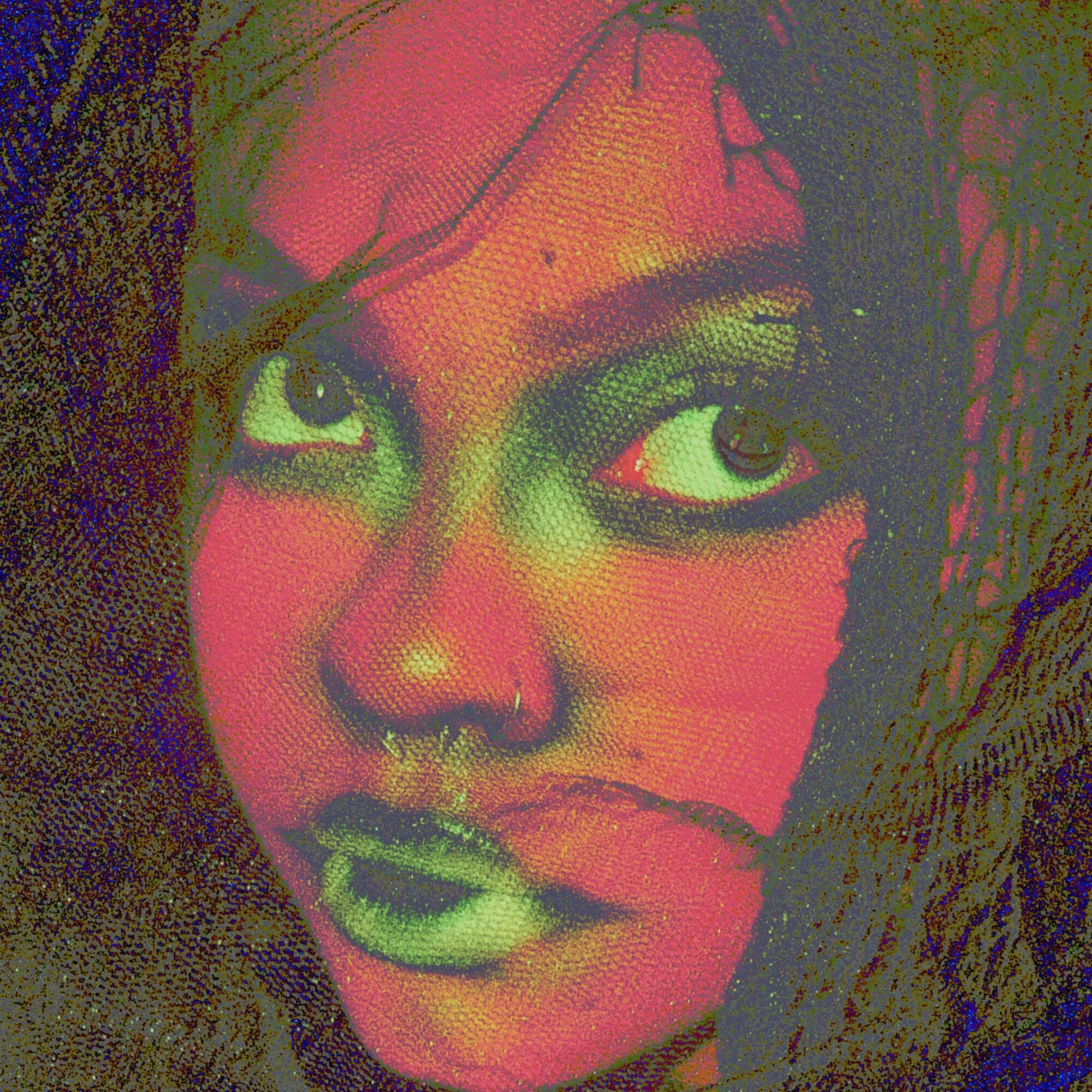
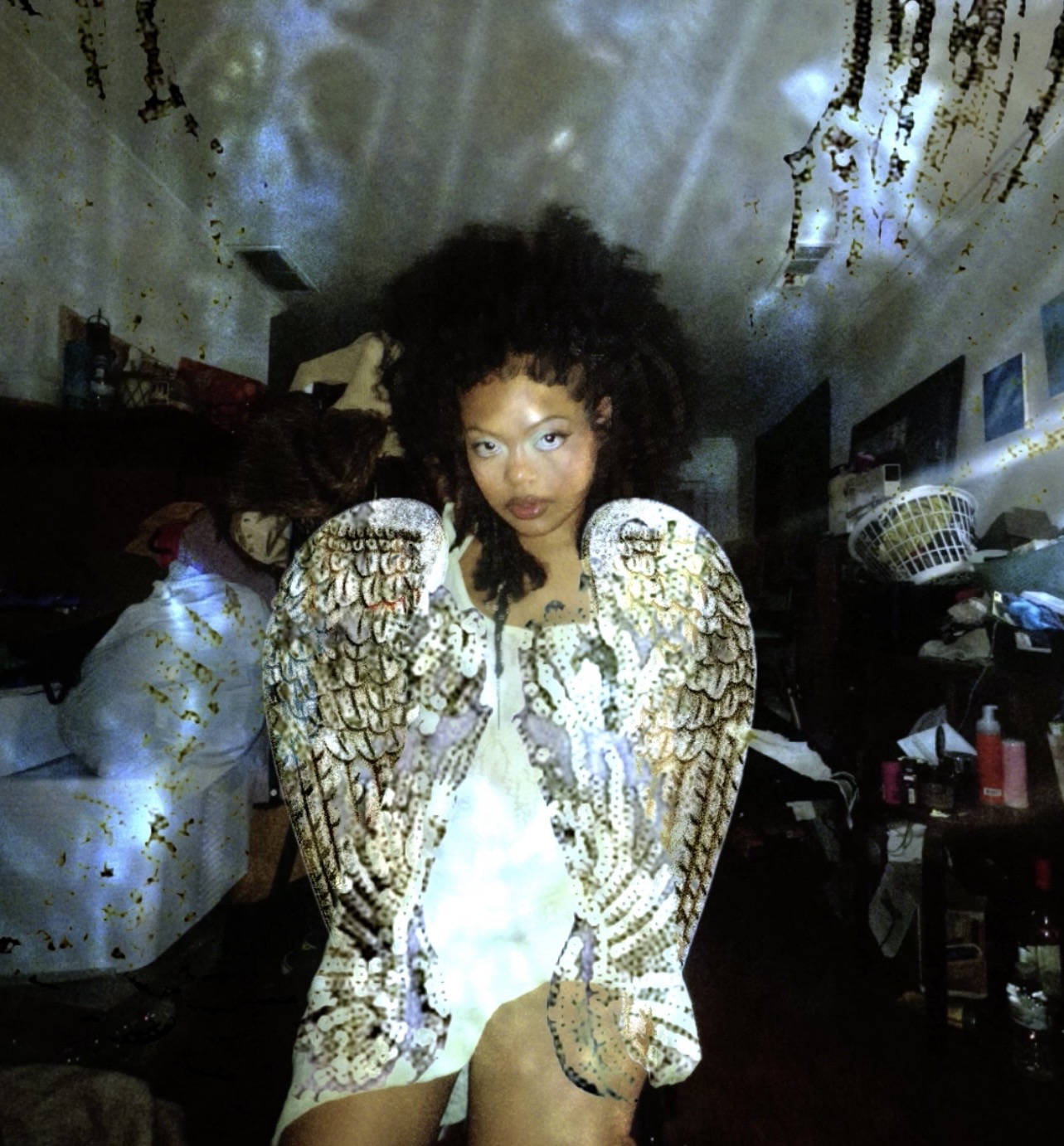
Today we’d like to introduce you to Aysha Miller.
Hi Aysha, so excited to have you on the platform. So before we get into questions about your work-life, maybe you can bring our readers up to speed on your story and how you got to where you are today?
I think my story really begins with movement.
During my elementary school years, I moved around a lot. I was constantly adjusting to new schools, new people, and new environments. I would make friends, build connections, and then suddenly have to start over somewhere else. Even though I learned how to connect with people quickly, there was always a loneliness that came with it. I think constantly being uprooted forced me to grow very early. Looking back now, it almost feels like life was always pushing me toward expansion before I even understood what that meant.
Because of that, I became extremely observant. I learned how to read people quickly, understand emotions, and notice the things others often ignored. From a young age, I felt deeply connected to the emotional worlds people carried around inside of them. If you are quiet enough around someone, you can almost feel what they are going through without them saying it directly.
That awareness shaped a lot of my life.
I grew up around strong personalities, complicated experiences, struggle, sacrifice, and love. I watched my mother take care of our family, and I watched my grandparents dedicate themselves to helping others, especially people in need. One of the greatest influences in my life was my grandfather, whose kindness and generosity deeply impacted the way I view people and purpose. Losing him was one of the most painful experiences of my life because he represented one of the purest examples of compassion I had ever known. But even through that loss, his life continued teaching me the importance of caring for people through action.
As I got older, I naturally became the “therapy friend,” sometimes even for adults in my life. For a long time, I thought my purpose was simply to help and serve others. That desire to understand people eventually led me toward psychology and anthropology later in life, but before any of that, it led me to creativity.
Creativity became the place where I could process everything I absorbed from the world around me.
Since I could hold a pencil, I drew, painted, wrote poetry, wrote stories, and eventually found my way into music. Music first entered my life through violin during middle and high school while attending Benjamin Banneker High School. Later, I started teaching myself guitar and piano. None of it felt accidental. Every artistic outlet felt like another language for understanding myself and other people.
One of the earliest moments that made me realize music could truly impact others happened during a songwriting class in high school. I wrote my own version of “Gravity” by Sara Bareilles, and two of my classmates cried listening to it. Later, when I recorded it for the assignment, I was compared to Adele, which felt surreal at the time. Ironically, I almost failed that class, but that assignment planted something in me. It made me realize art could genuinely move people.
Even then, though, I still struggled deeply with loneliness. I often felt alone even when surrounded by friends, family, or community. That feeling followed me into college at Georgia Southern University and later, Kennesaw State University where I studied psychology with a minor in anthropology being I originally wanted to become a therapist and eventually open my own practice.
What fascinated me most was understanding people — how culture, upbringing, environment, trauma, and relationships shape the way we move through the world. But I also believed something very strongly: the best advocates are people who understand what it feels like to sit in the chair themselves. Real empathy comes from lived experience, not just information.
Over time, though, I started feeling increasingly disconnected from the structure of both school and traditional work environments. Even while working jobs or pursuing education, there was always a feeling inside of me that I was being pulled toward something more creative, more meaningful, and more aligned with who I truly was. I constantly felt restricted, like parts of me were too large for the spaces I was trying to fit into. And this deeply affected my movement, because I couldn’t see how to move towards my dreams in cloudy rooms.
When COVID happened and everything moved online, that disconnect intensified. I lost motivation, felt emotionally overwhelmed, and eventually made the difficult decision to leave college my junior year.
At the time, it felt devastating. Now, I see it as liberation.
Leaving school forced me to confront who I was outside of survival, expectations, and external validation. It pushed me deeper into music, creativity, self-reflection, and understanding human nature in a more personal way. Through every relationship, hardship, mistake, obsession, loss, and moment of growth, I always found myself returning to art. No matter what happened in my life, everything eventually led me back to expression. And in that I finally understood my purpose.
Around that same period of my life, a few deeply impactful relationships also pushed me to take music and creativity more seriously. Those experiences forced me to confront my insecurities, my need for validation, the ways I minimized myself, and the disconnect between who I was internally and who I allowed myself to be externally. Through both love and heartbreak, I started realizing how much of myself I had been suppressing out of fear, shame, or the desire to be accepted.
That period ultimately gave birth to Tragic Ash. Not just as an artist name, but as a version of myself that was bolder, more expressive, more emotionally honest. Less afraid to take up space creatively. Music stopped feeling like just an outlet at that point and started feeling like a real calling. It became something I could no longer ignore, because every major experience in my life kept leading me back to expression, storytelling, and creation. Back to music. Back to self.
That journey taught me something important: human beings are creators by nature.
Everything around us is expression. From music, fashion, beauty, storytelling, architecture, conversation, movement, even the way we care for ourselves and others. Art is not separate from life. Art is how we survive life. It is how we process pain, communicate emotion, and understand ourselves.
One of the most transformative lessons in my own life has been learning how to transmute pain into something meaningful. Sometimes that became a song. Sometimes it became a conversation. Sometimes it was simply learning how to care for myself in ways I never believed I deserved before. Every experience we go through becomes material for who we choose to become.
My journey has involved loneliness, grief, people-pleasing, perfectionism, anger, anxiety, depression, obsession, unhealthy attachments, self-discovery, and learning how to realign with myself. I do not think growth is something you arrive at permanently. I think it is a lifelong process of becoming. Over and over again.
What matters most to me now is helping people remember that they are capable of more than they think they are.
I want people to dream bigger. I want people to reconnect with themselves creatively, emotionally, and spiritually. I want people to understand that their limitations are not always permanent truths. Sometimes the very things that hurt us become the force that propels us forward.
Music drew me in first, but my purpose extends beyond music alone. I want to create art, experiences, conversations, and spaces that make people feel seen and understood. I want to help build a world where people feel more connected to themselves, to one another, and to their own potential.
More than anything, I want people to understand that expression is power. That they contain power.
Move and all shall follow.
I’m deeply grateful for every experience that brought me to this point, including the difficult ones, because they shaped the perspective I carry today. And I’m incredibly grateful to Voyage ATL for giving me the opportunity to share my story and begin showing more of myself to the world.
Can you talk to us a bit about the challenges and lessons you’ve learned along the way. Looking back would you say it’s been easy or smooth in retrospect?
No, it definitely has not been a smooth road, but I think a lot of my growth came from learning how to move through discomfort instead of running from it.
One of my biggest struggles throughout life has been feeling deeply connected to people while also feeling deeply alone. Moving around so much during childhood made it difficult to hold onto connections, and over time I became very used to adapting to new environments while quietly carrying a sense of isolation with me. I was bullied at different points growing up, struggled heavily with insecurity, and often felt disconnected from my appearance and sense of worth. There were periods of my life where my confidence fluctuated between feeling completely inadequate and overcompensating with arrogance or self-righteousness because internally I did not yet feel whole.
As I got older, I also began recognizing how much of my identity had become tied to performance and overextension. I spent a long time believing my value came from how much I could give, how much I could help, or how much I could endure for other people. I poured so much of myself into relationships, friendships, and trying to earn love or validation that eventually I began resenting people for accepting the very things I was volunteering to give away. That was a difficult truth to confront because I had to realize it was never everyone else’s responsibility to teach me my worth. I had to learn that myself.
A lot of my journey has involved unlearning unhealthy patterns like people-pleasing, perfectionism, control issues, anger, unhealthy attachments, and the way I spoke not only to others at times, but to myself. Many of those behaviors were reflections of unresolved pain, insecurity, and survival mechanisms I developed early in life. For a long time, I thought healing meant trying to erase the past or become an entirely different person, but now I understand growth very differently.
You cannot undo what you have been through. You cannot rewrite every mistake, failed relationship, painful experience, or version of yourself that existed before awareness. What you can do is choose what you create from those experiences moving forward. That realization changed my life.
I think one of the hardest lessons for me was understanding the importance of choice and accountability while still allowing space for self-forgiveness. Healing is not avoiding responsibility for your actions or pretending your pain justifies everything. It is being willing to sit honestly with yourself and ask: “Does the life I’m living truly align with who I want to become?” And if the answer is no, being brave enough to try anyway, even before you fully believe in yourself.
That process pushed me deeper into creativity, self-reflection, and understanding human nature in a more personal way. Through every relationship, hardship, mistake, obsession, loss, and moment of growth, I always found myself returning to art. No matter what happened in my life, everything eventually led me back to expression.
I still don’t think growth is linear or easy. I am still learning every day. But I think the hardest parts of my journey ultimately pushed me closer to who I was meant to become rather than farther away from myself. And I think there is something powerful about listening to the part of yourself that refuses to give up. The quiet voice inside of you that keeps asking for more, even after disappointment, fear, or failure.
That voice changed my life.
Appreciate you sharing that. What else should we know about what you do?
At my core, I am an artist and creative director whose work revolves around emotional expression, storytelling, and human connection. Music is the center of what I do, but my creativity extends far beyond music alone. I write songs, build concepts and worlds, explore visual storytelling, fashion, symbolism, and immersive experiences. Everything I create is rooted in understanding people and translating emotion into something tangible.
I think what I specialize in most is emotional worldbuilding. A lot of my work explores themes like identity, obsession, loneliness, devotion, transformation, grief, desire, power, and self-discovery. I’m very interested in the emotional and psychological layers beneath people’s behavior, so even when my work becomes theatrical, symbolic, or fantasy-driven, it is still deeply human underneath. I love creating art that feels immersive — art that people do not just listen to, but emotionally step inside of.
Music became the strongest outlet for that because it combines so many forms of expression at once: sound, writing, performance, emotion, imagery, movement, and atmosphere. I think that is why I connected to it so deeply. It allows me to communicate feelings that are often difficult to explain directly.
What I am most proud of is the fact that I continued creating even during periods where I felt lost, uncertain, insecure, or unsupported. A lot of my work was born from moments where I was trying to understand myself in real time. I am proud that I chose to transform those experiences into something meaningful instead of allowing them to consume me.
I also think one of the most misunderstood parts of my journey is that my inner world has often been far more expansive than what people could externally see at the time. While I may still be early in my public journey as an artist, I have spent years building ideas, writing music, developing concepts, and creating worlds internally. I have always been deeply creative and deeply driven, but I also knew I needed to develop a stronger sense of self before fully throwing myself into such an influential and emotionally demanding industry. Because of that, a lot of my growth happened quietly.
I spent years creating while struggling with visibility, self-doubt, fear of being perceived, and the pressure that comes with wanting to share something meaningful with the world. Even so, I never stopped creating. I continued writing, imagining, planning, building, and believing in something larger than what was immediately visible around me. In many ways, I think I was learning how to become emotionally aligned with the vision I carried before trying to force the world to see it prematurely. I’m proud that I allowed myself to grow internally instead of chasing visibility at the expense of my wholeness. And I think that process made my work more honest, intentional, and emotionally grounded.
What sets me apart from others is probably the depth of intention behind everything I create. I don’t approach art as something purely aesthetic or performative. For me, creativity is deeply tied to emotion, philosophy, healing, transformation, and connection. Even the smallest details in my work usually carry symbolism, emotional subtext, or a larger narrative purpose.
I also think my perspective is shaped by how intensely I observe and process the world around me. I’m inspired by human behavior, relationships, psychology, spirituality, fashion, beauty, pain, mythology, music, and the ways people try to understand themselves. Because of that, I often see creativity as something much larger than entertainment alone. I see it as one of the most powerful ways human beings communicate, heal, and evolve.
More than anything, I want my work to make people feel seen. I want people to feel emotion when they experience what I create. I want them to feel less alone, more connected to themselves, and more inspired to express who they truly are without shame. I think that kind of connection is what gives art its real power.
Who else deserves credit in your story?
I think one of the biggest sources of support and inspiration in my life has always been my family. My mother, grandparents, siblings, and extended family all played major roles in shaping who I am. They taught me resilience, compassion, sacrifice, creativity, and the importance of caring for people. My late grandfather especially had a profound impact on me through his generosity and the way he dedicated himself to helping others. A lot of my values and the way I approach both art and people came from watching my family navigate life with strength even during difficult circumstances.
I also had teachers throughout my life who saw potential in me early on and encouraged my creativity, which meant a lot to me growing up. Even small moments of encouragement can stay with someone for years, and I’m very grateful for the people who took the time to remind me that my voice and perspective mattered.
Outside of direct mentorship, though, I think much of my inspiration came from observation. I learned from watching people closely — family, friends, relationships, strangers, and artists whose stories deeply impacted me. I pulled inspiration from many different places and experiences rather than one singular mentor figure.
Artists like Willow Smith, Lianne La Havas, Lady Gaga, Rihanna, and Adele and so many other artists and creatives influenced me heavily growing up, not just creatively but emotionally. Watching people build lives around authenticity, expression, and perseverance showed me that it was possible to pursue something deeper and more meaningful through art.
I’m also incredibly grateful for the friends, collaborators, and supporters who believed in me even during periods where I struggled to fully believe in myself. Every person who encouraged me to continue creating, listened to my music, supported my ideas, or reminded me not to give up played a role in helping me continue this journey.
I think success is rarely built alone. Even when growth feels personal or internal, there are always people whose love, encouragement, presence, or example help shape the person you eventually become.
Pricing:
- Songwriting / Song Concept Development — starting at $50–$200 depending on complexity and direction
- Creative Direction & Concept Building for Artists/Brands — starting at $100+
- Visual / Aesthetic Moodboards & Worldbuilding Concepts — starting at $50+
- Creative Consultation Sessions (artistic identity, branding, concepts, storytelling, etc.) — starting at $40/hour
- Performance / Creative Collaboration Inquiries — pricing varies depending on project
Contact Info:
- Instagram: https://www.instagram.com/tragic.ash?igsh=MW9iYnZ6MmF2bnNhMQ%3D%3D&utm_source=qr
- Youtube: https://youtube.com/channel/UCdOGIEFrwL4jYxL5Nxjyx_A?si=rpyctj32H7FRyRfp
- Soundcloud: https://on.soundcloud.com/tZzNCMAtV0u2F9imhT
Popular
-

Hidden Gems: Local Businesses & Creatives You Should Know
-

ATL’s Most Inspiring Stories
-

Portraits of Atlanta
-

Alexander Lewis on Betting on Himself, Building Momentum at Coco Studios, and Turning Opportunity into Ownership
-

Satoya Hayes on Turning Beauty 2 Extensions into a Platform for Affordable Confidence and Entrepreneurial Opportunity
-
Asha Ford on Building Krystal Klear Motion and Creating Purpose-Driven Design for Women