



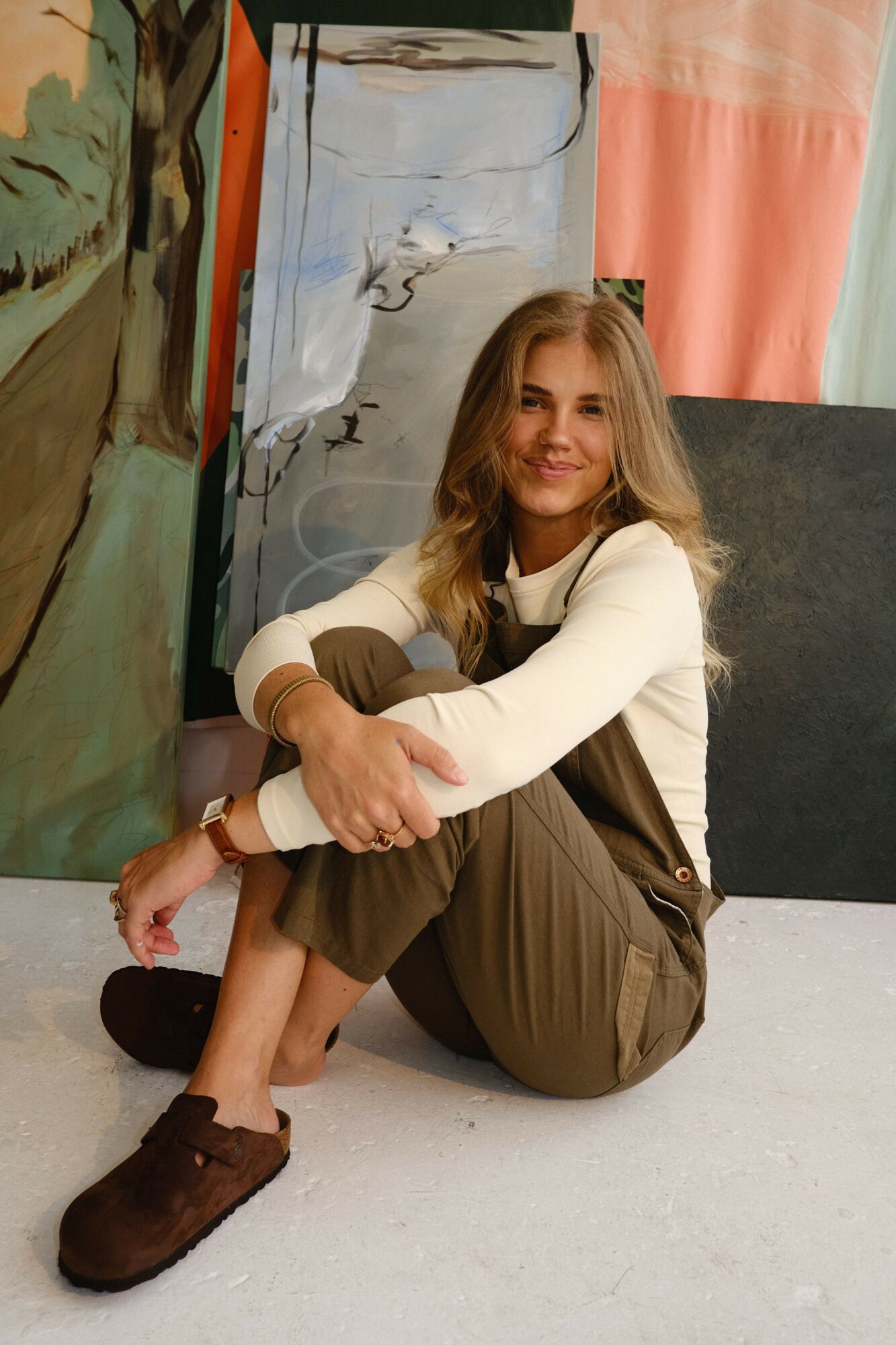
Today we’d like to introduce you to Cassady Fulbright.
Cassady, we appreciate you taking the time to share your story with us today. Where does your story begin?
I started painting as a way to stay connected to places and experiences that mattered to me: rivers, travel, time outdoors, and the stillness that comes with fly fishing. That connection naturally shaped my early work and helped me find an abstract style rooted in nature and observation. When I was first interviewed by Voyage, I was really focused on claiming that identity as an artist and trying to understand how to build a creative life that could actually last.
Since then, things have become more intentional. My studio practice has evolved as I’ve moved into smaller-scale works, started paying closer attention to pattern, repetition, and restraint, and learned when to push and when to let a piece breathe. At the same time, I am building a career in operations in advertising while working toward my MBA at GSU. That side of my life gave me a totally different perspective in terms of how to think long-term, manage complexity, and create structure.
Now, those two parts of my life work together instead of competing. I show up to my art with more patience and clarity, and a lot less pressure. I’m less interested in rushing toward outcomes and more focused on staying consistent and present with the work. Getting here hasn’t been about one big breakthrough, it’s been about continuing to show up, trusting the process, and allowing both my work and myself to grow over time.
Can you talk to us a bit about the challenges and lessons you’ve learned along the way. Looking back would you say it’s been easy or smooth in retrospect?
I wouldn’t describe it as smooth or rough, it’s felt more like a road with constant detours, roadblocks, and distractions. The challenge hasn’t been overcoming one big obstacle, but learning how to navigate everything competing for my time and energy. I care deeply about my career, my art, my hobbies, my family, and travel, and there are seasons where those things are all pulling at me at once.
One of the biggest lessons has been accepting that motivation isn’t constant. There are natural ebbs and flows, and I’ve had to learn how to recharge instead of forcing momentum when it’s not there. Seasonality plays a huge role in that. In the winter, when I’m cycling less and spending more time indoors, I naturally paint more and slow down. In the spring, summer, and fall, I want to be outside fishing, cycling, traveling, and my creative energy shifts with that.
Letting those seasons exist without guilt has been one of the hardest and most important parts of the journey. Instead of racing myself or trying to keep everything perfectly balanced, I’ve learned to work with those rhythms. That mindset has made the process feel more sustainable and more honest, over time.
Appreciate you sharing that. What else should we know about what you do?
At the core, I’m a painter. My work is rooted in trout, rivers, and the quiet details of time spent outdoors. I spend a lot of time paying attention to small details: how color shifts underwater, how repetition creates rhythm, how something familiar can feel different depending on how you slow down and look at it. The paintings are abstract, but they come from real places and real time spent outside. That connection is what people tend to respond to, even if they can’t quite put their finger on it.
Alongside my studio work, I’ve moved into content creation and brand management through my work with Murder Hornet and the Virginia Highland District. That side of my life taps into a more strategic part of my creativity, thinking about storytelling, consistency, and how ideas actually land with people. It’s still creative, just in a more strategic way.
What I’m most proud of is finding space for both. Painting is where things feel natural and instinctive; brand and content work is where planning and systems matter. Being able to move between those two has helped me protect my creative practice while also building work that’s sustainable and collaborative. It’s given me room to keep developing art that feels honest and meaningful, without burning out or forcing it.
I don’t see that balance as something I’ve mastered, but more so something I’m still learning from. Being open to that exchange has given me more space to grow, experiment, and make work that feels honest and thoughtful.
What do you like best about our city? What do you like least?
What I like best about Atlanta is that you can still carve out small pockets that feel grounded and livable. I’m not naturally a city person, so living in a dense, fast-moving place isn’t always ideal for me. But neighborhoods like Virginia Highlands feel more human and community-driven. You can walk down the street and see familiar faces, support local businesses, and feel a sense of rhythm that’s slower and more familiar.
What I like least is the constant noise and congestion that comes with city life. Traffic, crowds, and the general pace can feel overwhelming, especially if you’re used to more space and quiet. Atlanta can be rewarding, but it works best when you’re ready to meet it with intention and stamina.
Contact Info:
- Website: https://www.cassadycreates.com
- Instagram: https://instagram.com/cassadyfulbright
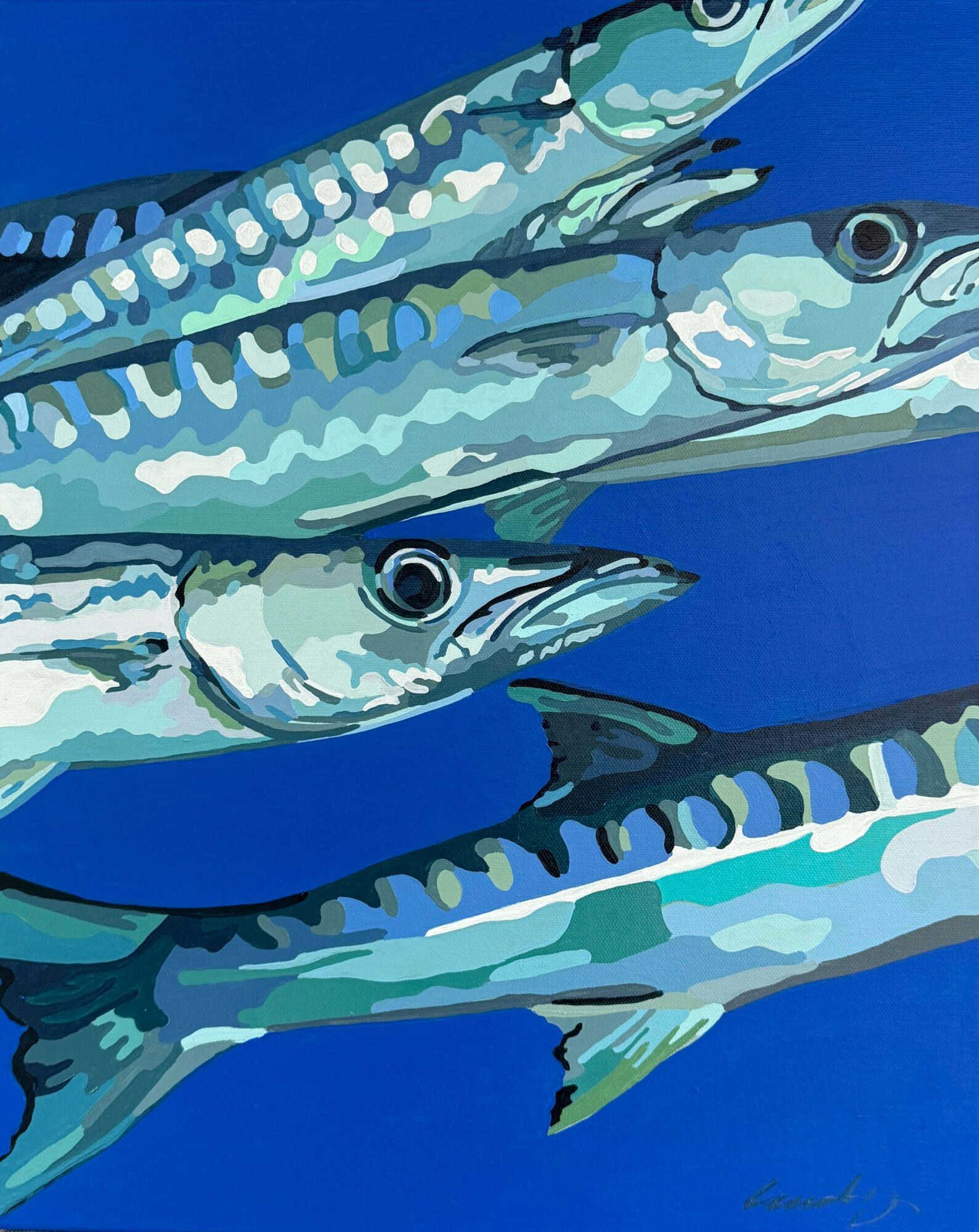
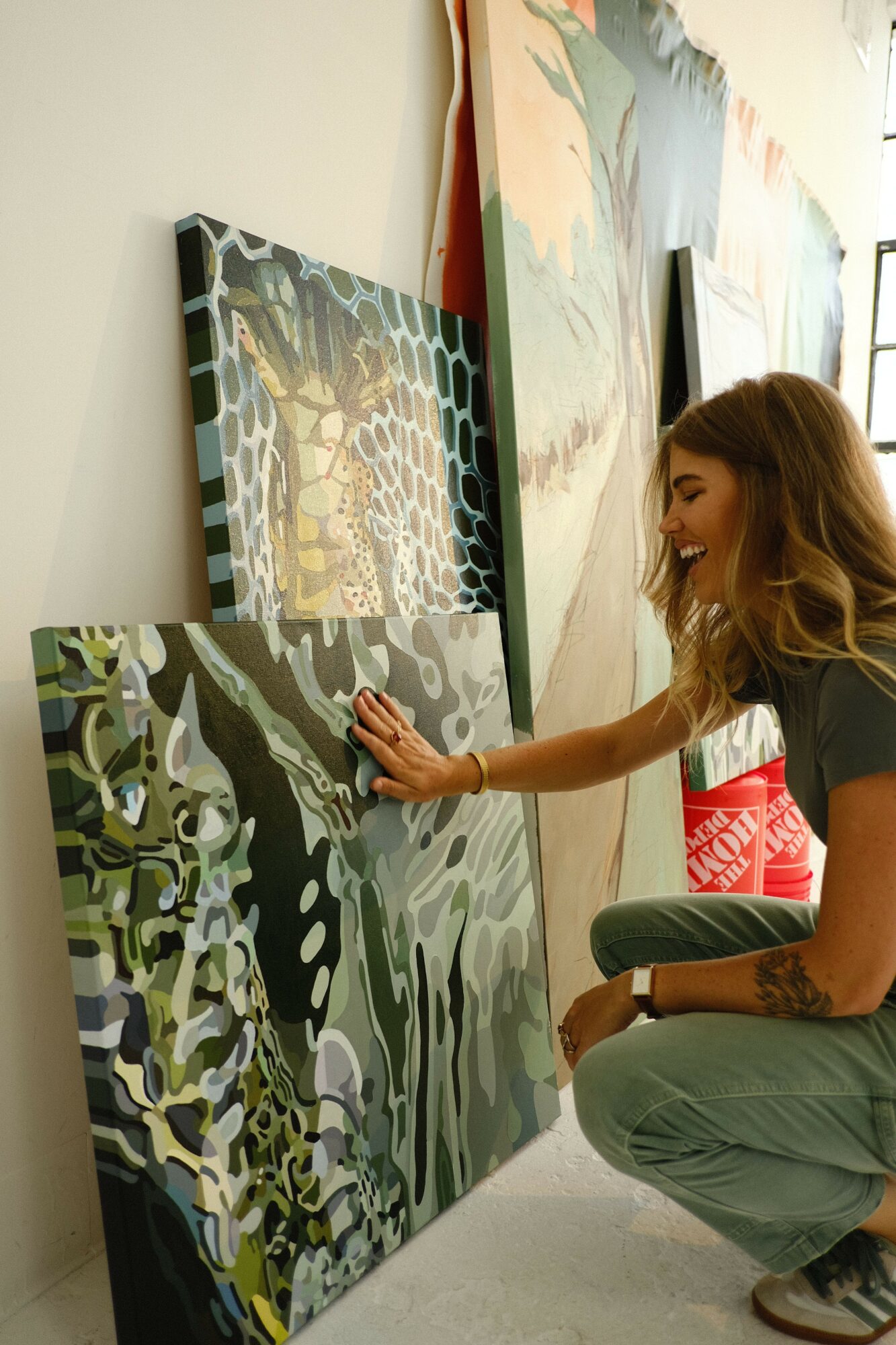
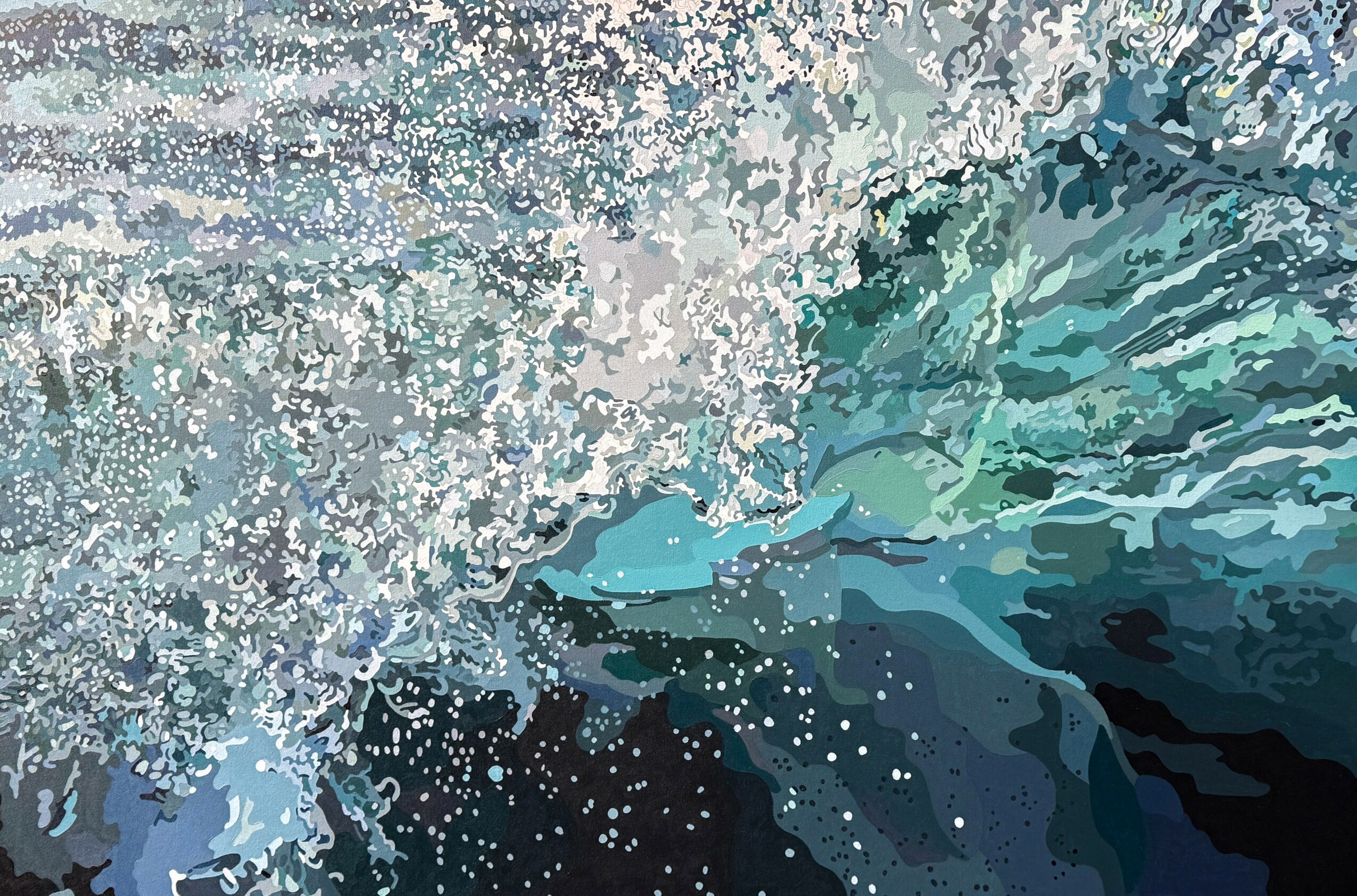
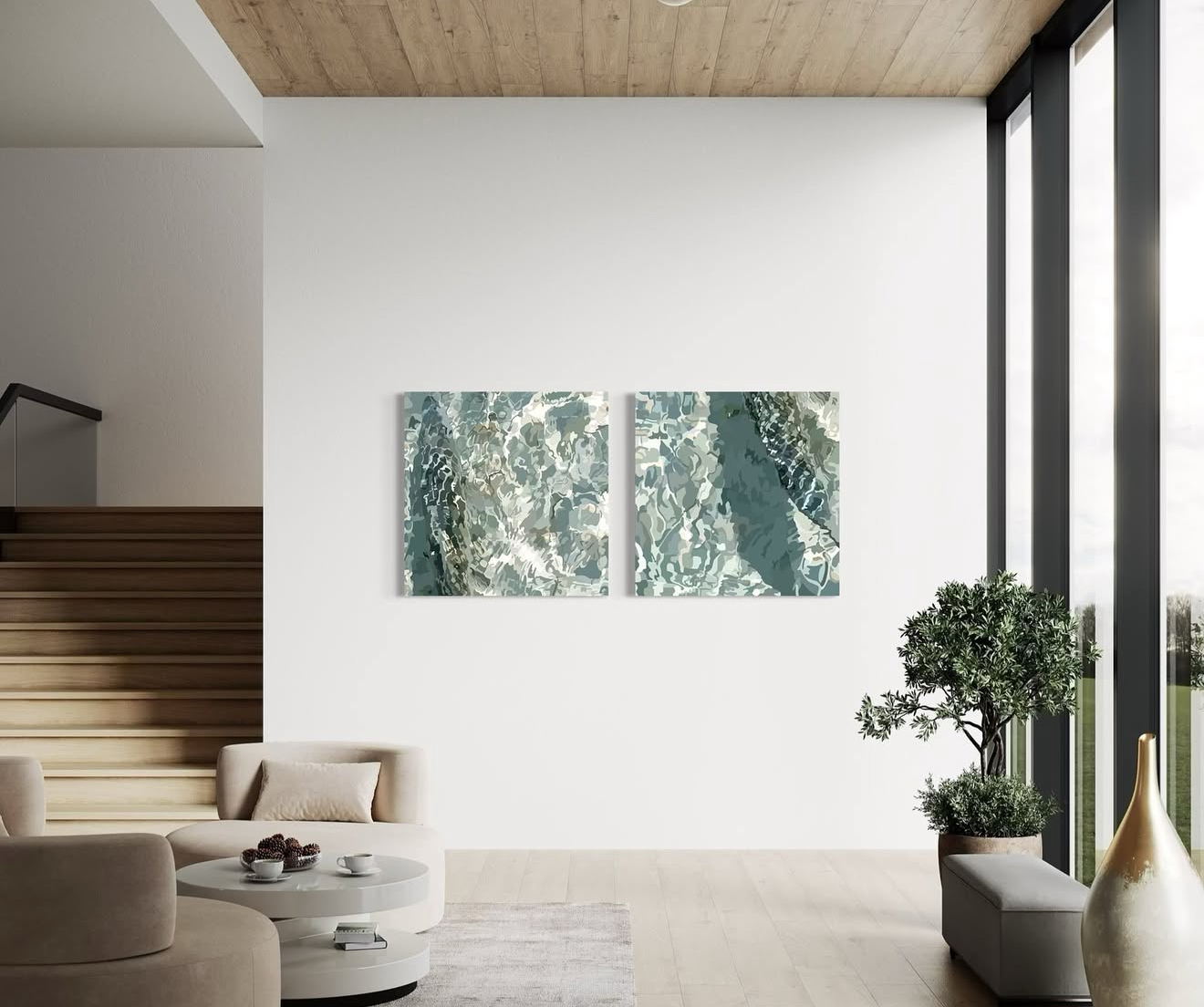
Image Credits
Justin Soto
Popular
-

Hidden Gems: Local Businesses & Creatives You Should Know
-

ATL’s Most Inspiring Stories
-

Seeing the Story Between the Moments
-

Portraits of Atlanta
-

Dr. Sinclair N. Grey III on Why Founders Stall—and How Discipline Breaks the Pattern
-

Meet Lee Patterson: Teaching Entrepreneurs How to Build Wealth the Right Way From Day One