



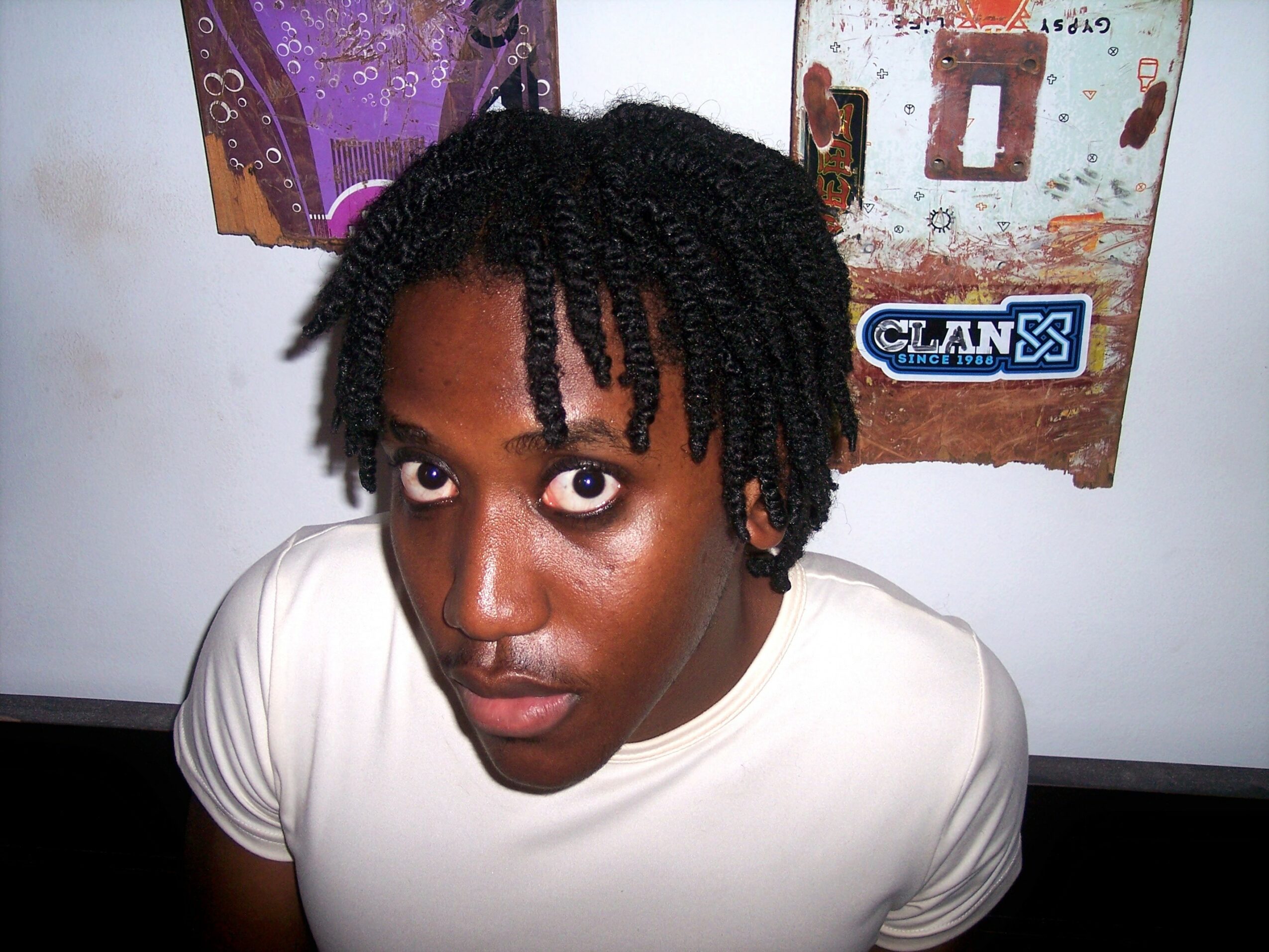
Today we’d like to introduce you to Osime Ugbodaga.
Hi Osime, we’re thrilled to have a chance to learn your story today. So, before we get into specifics, maybe you can briefly walk us through how you got to where you are today?
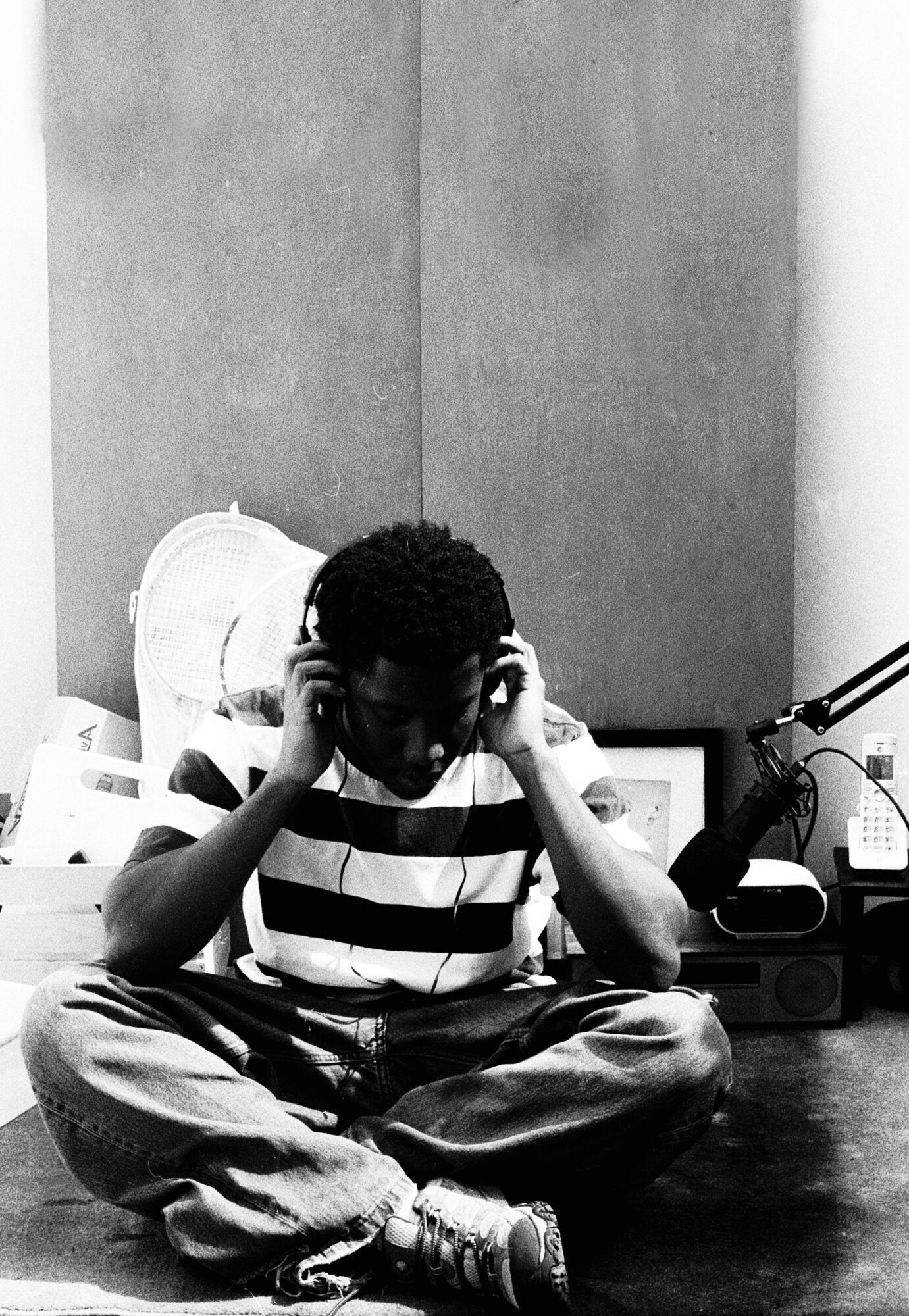
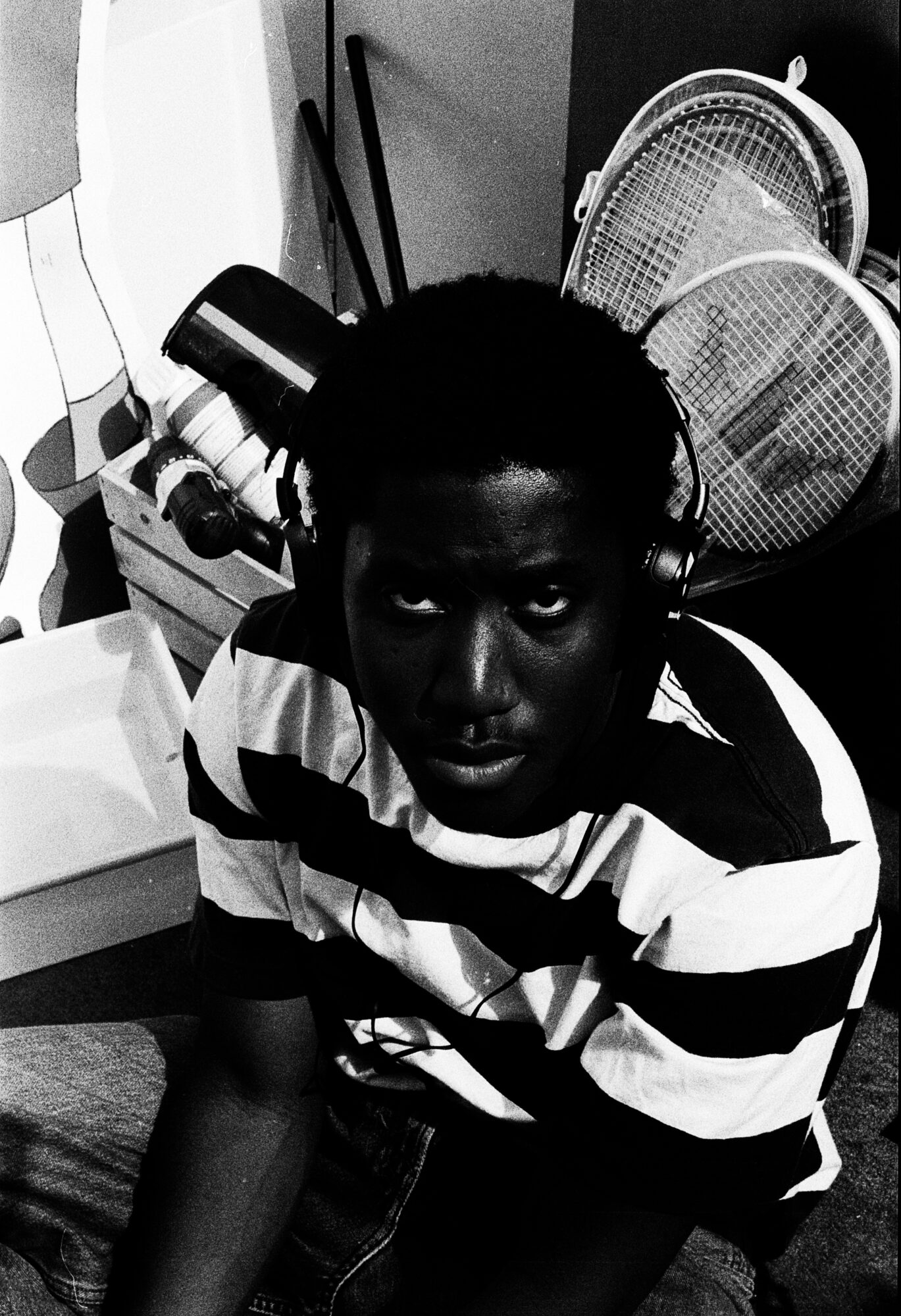
I am a storyteller. Film and music are the ways I tell stories. I’m from Lagos, and I came to Atlanta in 2022 to study film. Music found me not long after.
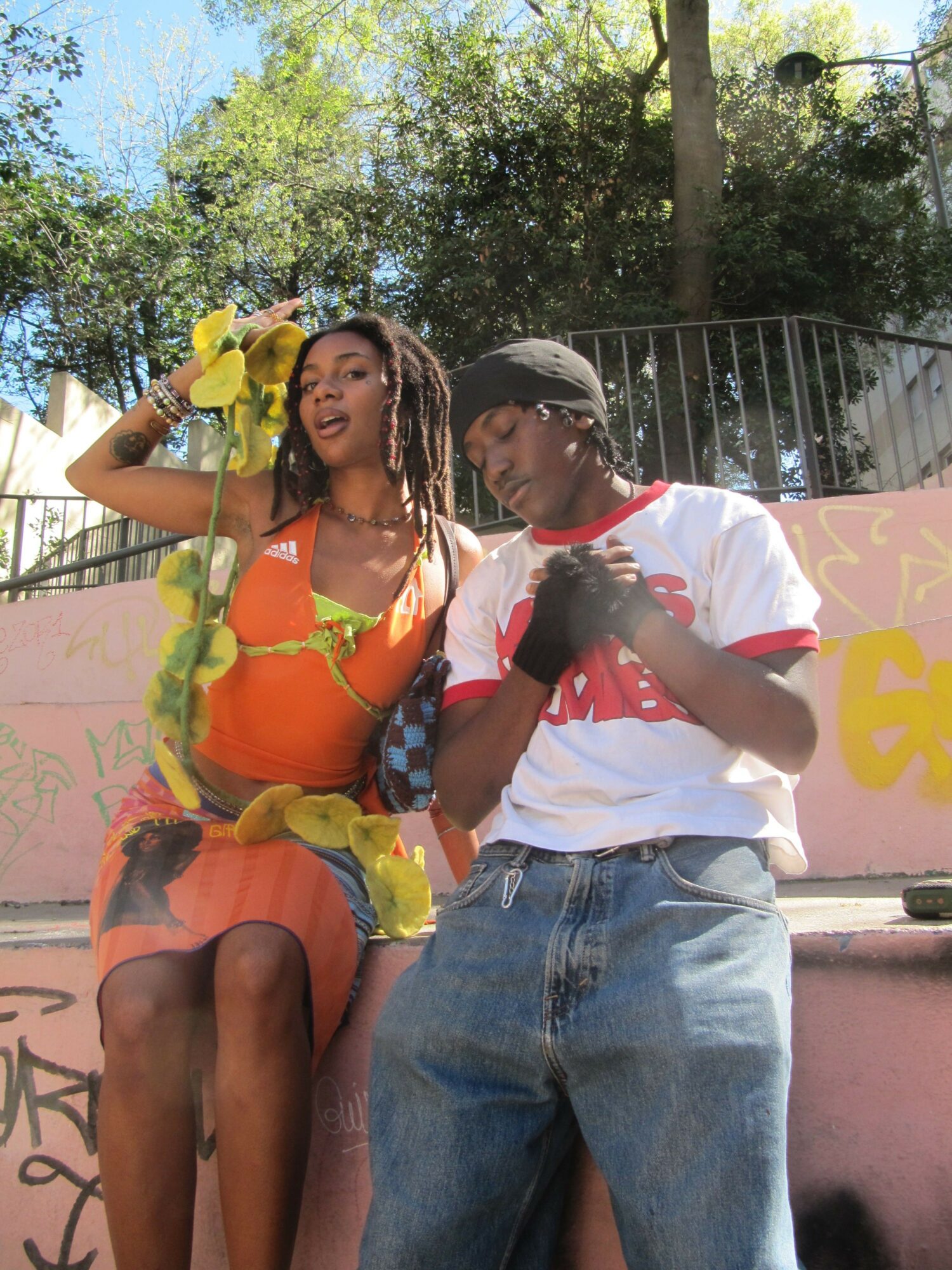
My roommate and best friend, Tyler Shuler, and I used to go out shooting music videos for upcoming artists around the city. That’s when I realized my two ways of expressing myself didn’t have to be separate. I’d made music before on SoundCloud back in middle school, but it never felt real. I wasn’t making the beats; the lyrics were weak, and I mostly did it to look cool. People liked it, but I wouldn’t call it honest art.
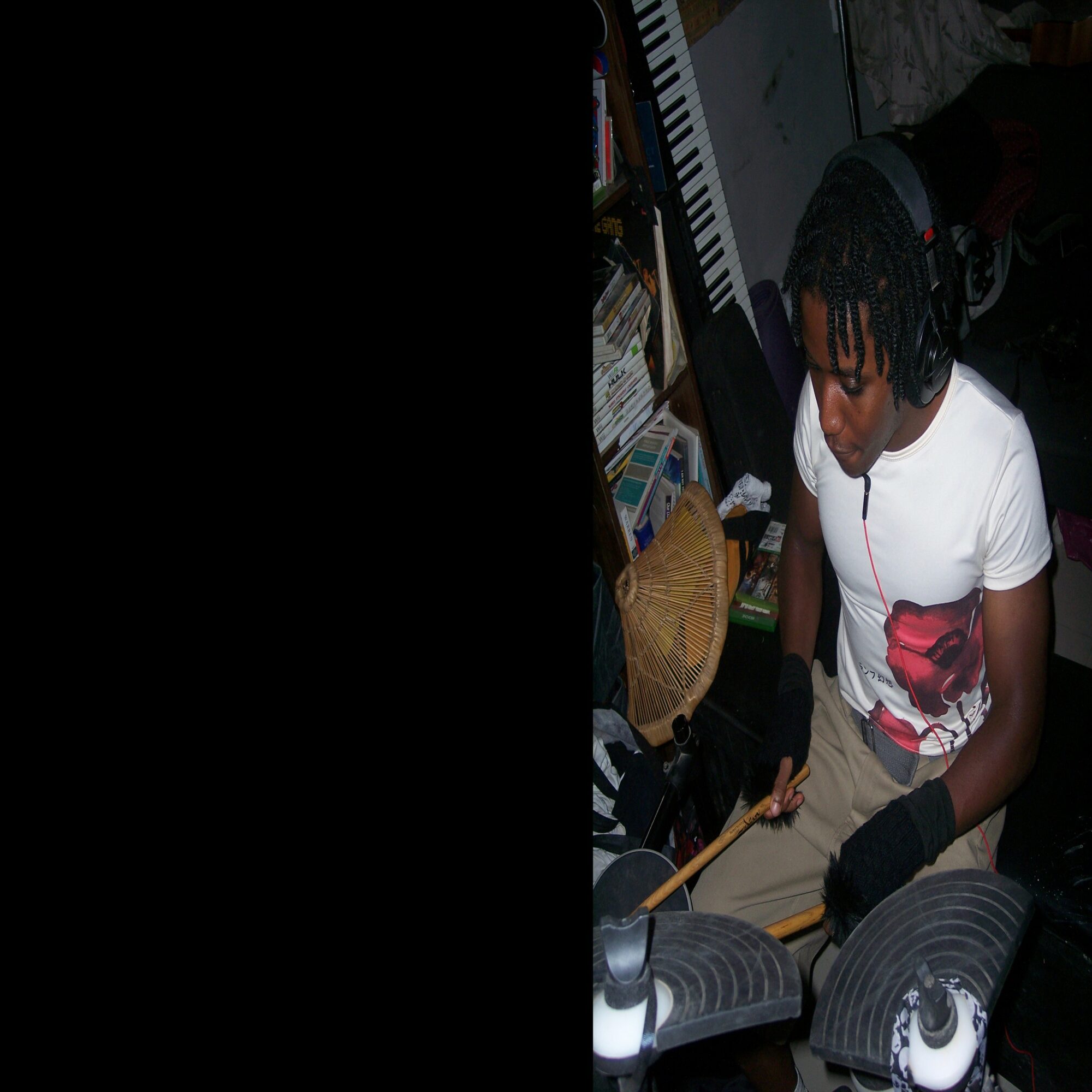
Tyler taught me how to use a DAW and make beats. That turned into me teaching myself how to mix and master. Before long, I was deep into synths, ambient electronic music, rapping, singing, whatever felt right in the moment.
By 2025, I knew I wanted to make an album. So I did. That summer, under the name Osime, I released Read Only Memory, my first full collection of self-produced music on streaming platforms. Sharing something that personal felt amazing.
At the same time though, Donald Trump had passed new immigration restrictions affecting Nigerians coming into the U.S. So while I was putting out my first album, I was also being forced to leave behind the life I had built. Indefinitely. As international students, it can feel like the system wants our money more than it wants us. But you keep pushing anyway, hoping something good comes from it.
From June to November, I was miserable. Not because Nigeria is a bad place, but because my life felt like it slammed into a wall. Music became the thing I turned back to. I started making singles across different genres, just creating whatever I felt and putting it out immediately.
That eventually became an album called GEOPOLITICS. A project about distraction, escapism, and trying to have fun in a world shaped by politics you can’t control. It’s meant to feel like a break from all of that. A reminder to love people and enjoy life the way you did as a kid. I genuinely think if people had a little more joy, billions could love.
I finished producing the album by December and released two singles from it: KNOW BETTER and WONDERLAND. Know Better mostly flew under the radar, which I expected. I barely promoted it, and at the time I was hiding my face online completely.
For Wonderland, I decided to do something different. I leaned into cinematography and started building a visual identity for myself online. Something people could connect faces, sounds, and visuals to. That song took me from 4 monthly listeners to over 1,000. It’s not huge, but it meant way more to me than people realize.
Since then, I’ve kept releasing singles leading up to the album. GEOPOLITICS is out this June. Maybe it flies under the radar, and I keep making music I love anyway. Or maybe it reaches thousands of people. Either way, I’m gonna keep giving it everything I have. Till billions love.
I’m sure it wasn’t obstacle-free, but would you say the journey has been fairly smooth so far?
It’s been an experience for sure, but far from a smooth road. Being an international student from Nigeria comes with a lot of invisible pressure that people don’t really see. You’re constantly dealing with visas, immigration rules, financial stress, and the feeling that your future can change overnight because of decisions completely outside your control.
A big challenge for me has been how limiting a Nigerian passport can be. There are opportunities, collaborations, and even simple travel plans that become complicated immediately. You can do everything right and still feel stuck because of paperwork or politics. At one point, immigration restrictions basically forced me to leave behind the life I had built in the U.S. right when I was beginning to find myself creatively. That was devastating.
Financially, it’s difficult. International students are expected to pay a lot, but we usually don’t have the same freedoms or safety nets as everyone else. You’re balancing school, survival, art, and uncertainty all at once. There were periods where I genuinely felt lost, especially after returning to Nigeria for a while. My life paused while everybody else kept moving.
Creatively, that isolation affected me too. I was making music during one of the lowest points of my life, trying to process homesickness, identity, and the fear of losing momentum. But weirdly enough, those struggles also pushed me deeper into my art. A lot of the music and visuals I make now exist because I had to figure out how to keep creating even when everything around me felt unstable. It’s cliché, but it showed me that we can make things out of nothing. You can always begin again.
I think the biggest challenge overall has been learning how to keep believing in yourself while living in systems that constantly remind you how temporary your position is. But honestly, that’s also what gave me my voice.
Appreciate you sharing that. What else should we know about what you do?
Well I’m a storyteller first. I work mainly through film and music, and I think both sides of my work feed into each other. Visually, I’m really drawn to atmosphere, emotion, and strong cinematography. Musically, I make a mix of electronic music, nigerian alté, hip-hop, and experimental pop. I produce my own music, mix it, creative direct visuals for it, and build the world around it myself.
I’d say what sets me apart is that I don’t really separate the music from the visuals. A lot of artists treat visuals like promotion, but for me it’s all one piece. The songs, the videos, the cover art, the mood, even the way I present myself online. It’s all part of the same story. Also, aside from what I’m known for, I love writing scripts and composing soundtracks for them.
What I’m most proud of is honestly, just building something real out of difficult circumstances. Even through immigration issues, financial stress, and feeling displaced at times, I kept creating. Projects like Read Only Memory and GEOPOLITICS came from that. I’m proud that people can feel the honesty in the work.
What were you like growing up?
I was an annoying little ankle biter as a toddler and somehow evolved into a full-time troublemaker by middle and high school. I got in trouble basically every day. I couldn’t sit still, my mind was always somewhere else, and half the time I had no clue what teachers were even talking about.
I was also really insecure growing up. I’d copy whatever I thought was cool because I wanted people to think I was cool too. My self-esteem was pretty terrible for a long time.
But the one thing that stayed consistent was creativity. I’ve always loved making things out of nothing. When I was little, my brother Mati and I would make short films with our action figures, creating these overly dramatic plots and characters like we were running a movie studio. We’d shoot on our Nintendo 3DS though, our studio didnt quite have the budget for an ARRI ALEXA yet.
Creativity was everywhere around me growing up. My grandfather Demas Nwoko, is a pioneering Nigerian architect and artist, and his work inspired me a lot. Before I could even talk properly, Every winter we’d drive down to Delta to stay in the family house he built in his style. I was surrounded by art and people making things. Honestly, without creativity, I have no idea who I’d be.
Contact Info:
- Instagram: https://www.instagram.com/osime.earth/?hl=en
- LinkedIn: https://www.linkedin.com/in/osime-ugbodaga-134bb8306/
- Twitter: https://x.com/osime808
- Youtube: https://www.youtube.com/@osime1909
- Soundcloud: https://soundcloud.com/user-534878995
Popular
-

Hidden Gems: Local Businesses & Creatives You Should Know
-

ATL’s Most Inspiring Stories
-

Portraits of Atlanta
-
Natasha Dillard on Redefining Beauty Standards and Empowering Women Through Unapologetic Self-Expression
-
Darren Paltrowitz on Blending Investigation, Media, and Culture to Uncover the Stories Behind the Stories
-

Naeemah Jade on Redefining Networking Through Trust, Proximity, and Intentional Community