


Today we’d like to introduce you to Aretta Baldon.
Hi Aretta, so excited to have you on the platform. So before we get into questions about your work-life, maybe you can bring our readers up to speed on your story and how you got to where you are today?
I’m a storyteller at heart — one who happens to use photography, research, strategy, and community engagement as my tools.
My journey started long before I ever picked up a professional camera. I grew up deeply curious about people, culture, and the stories that shape communities. That curiosity led me to Spelman College, where I earned a degree in mathematics — something that surprises people when they learn I’m a photographer. But math taught me how to see patterns, structure, and relationships, and that way of thinking still influences how I approach storytelling today.
After college, I spent nearly two decades in corporate America working in media, marketing, communications, and research with organizations like Leo Burnett and Turner Broadcasting. I worked on everything from qualitative and quantitative research to strategic communications and brand storytelling. That experience gave me a strong foundation in understanding audiences, asking meaningful questions, and connecting emotion with strategy.
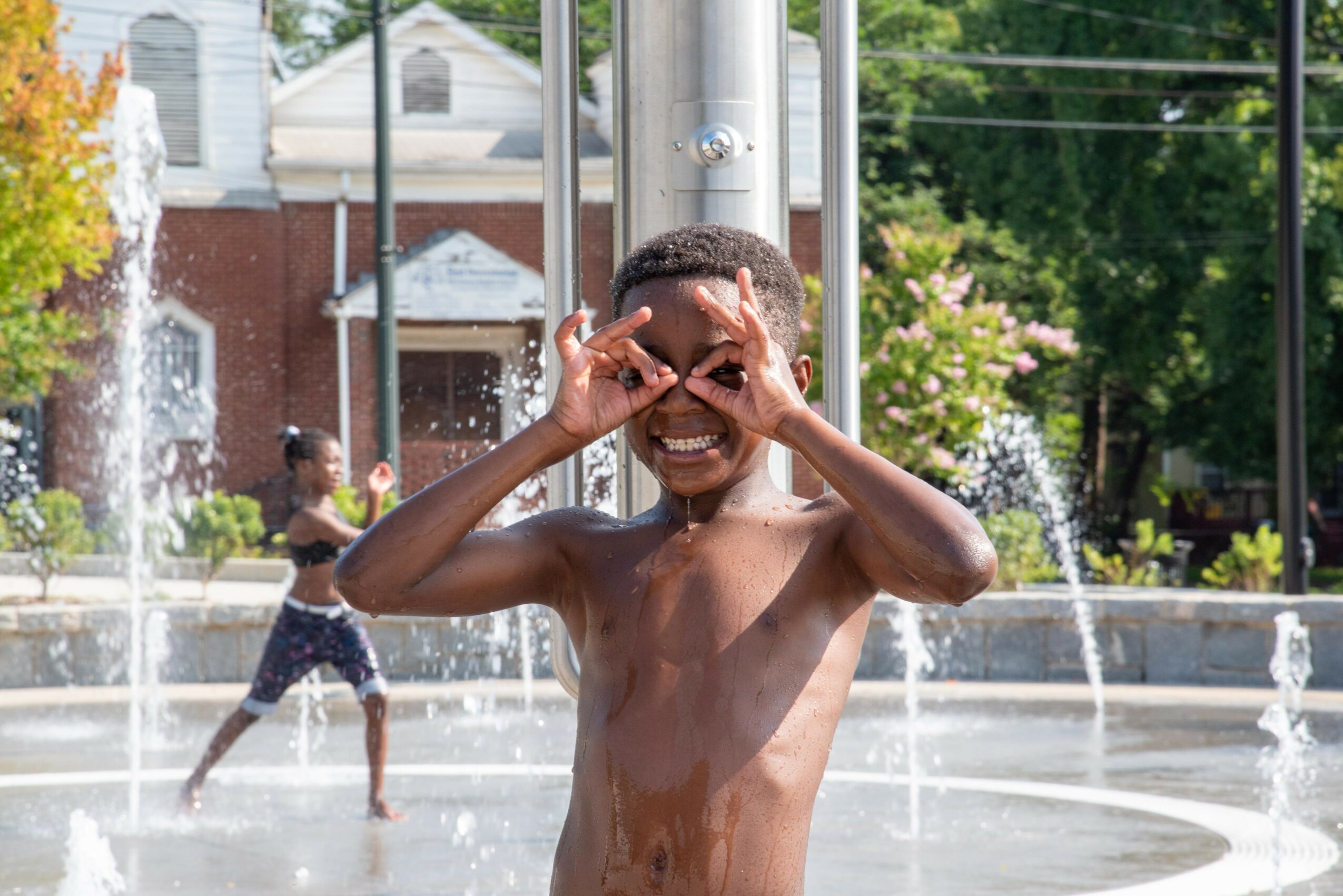
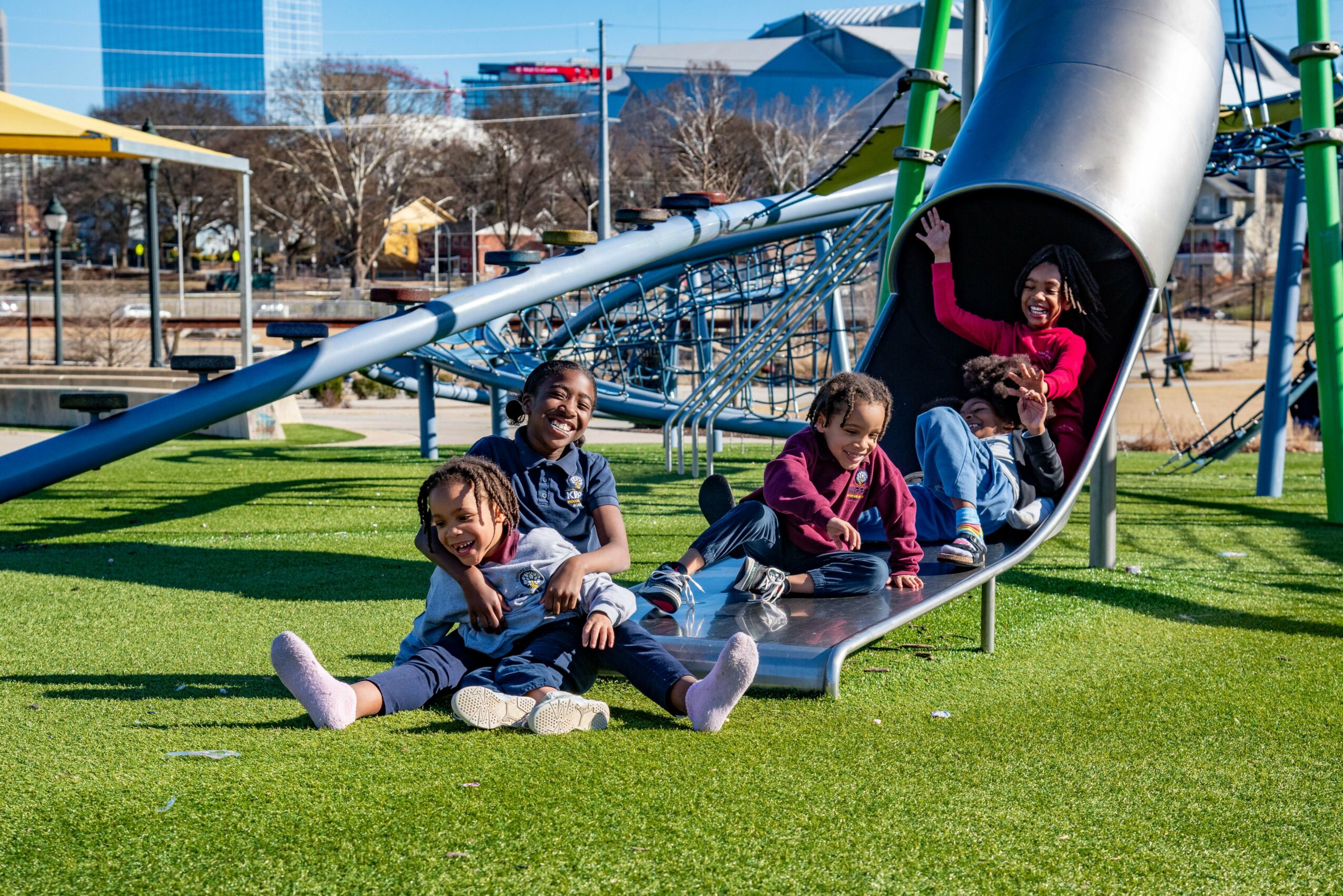
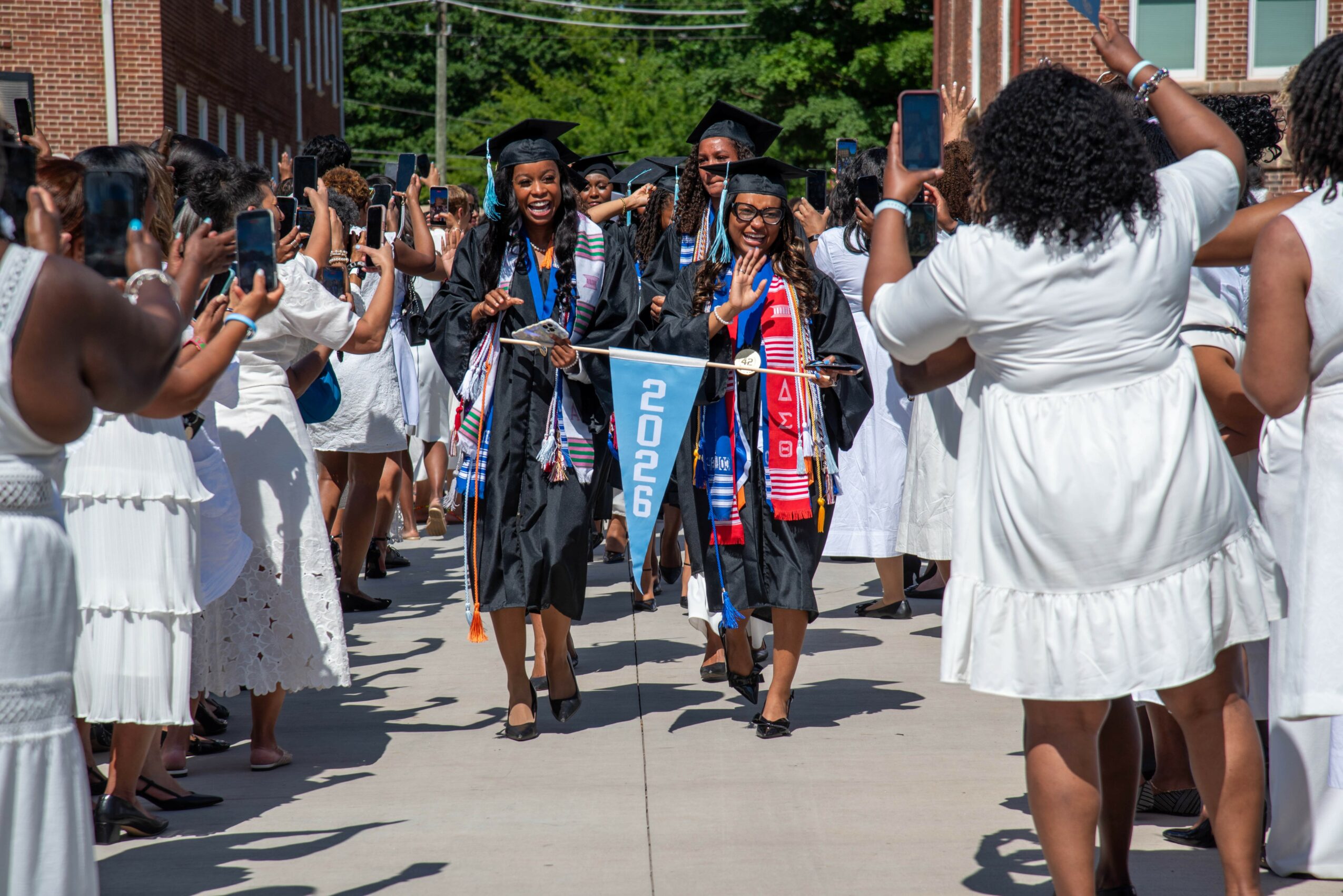
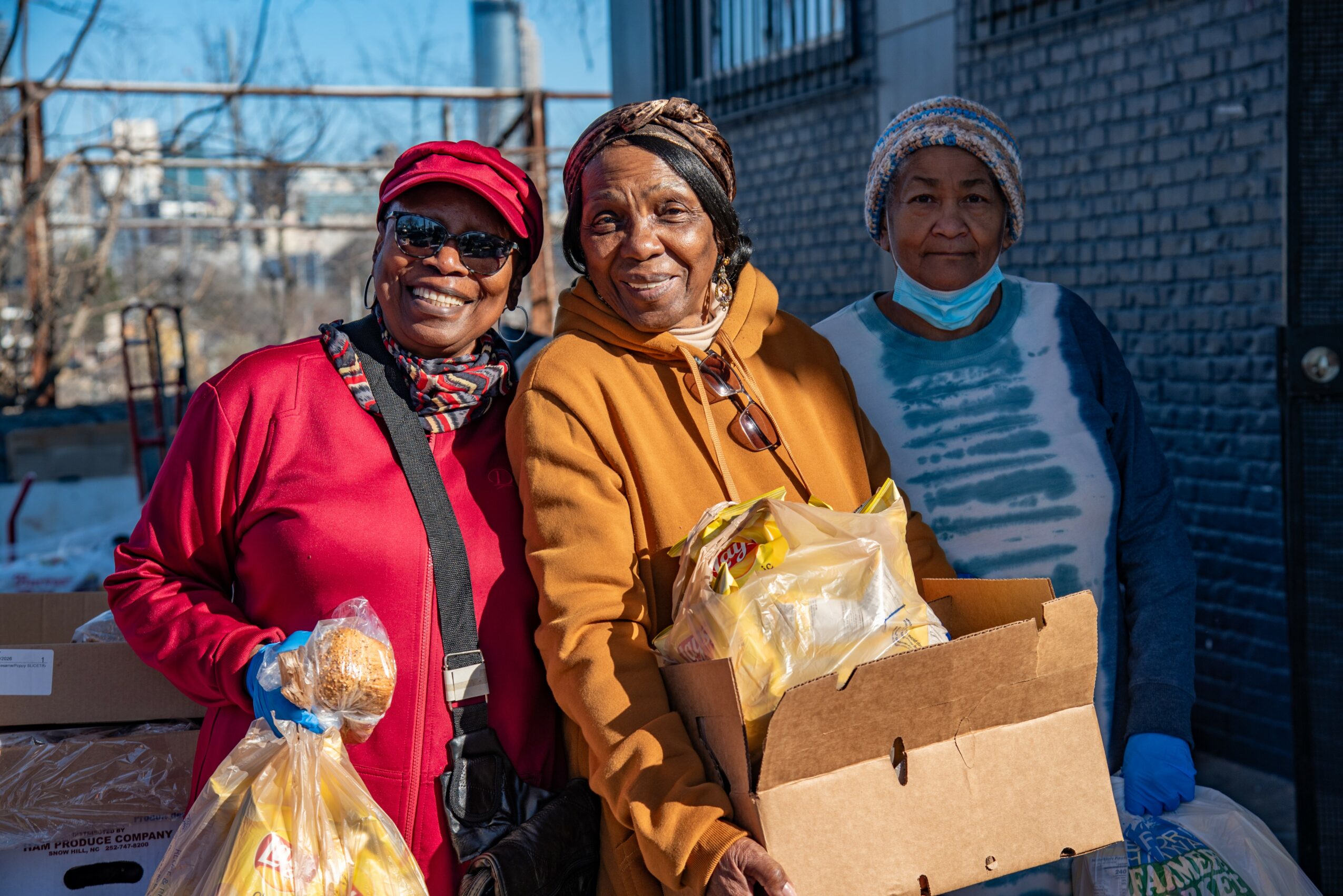
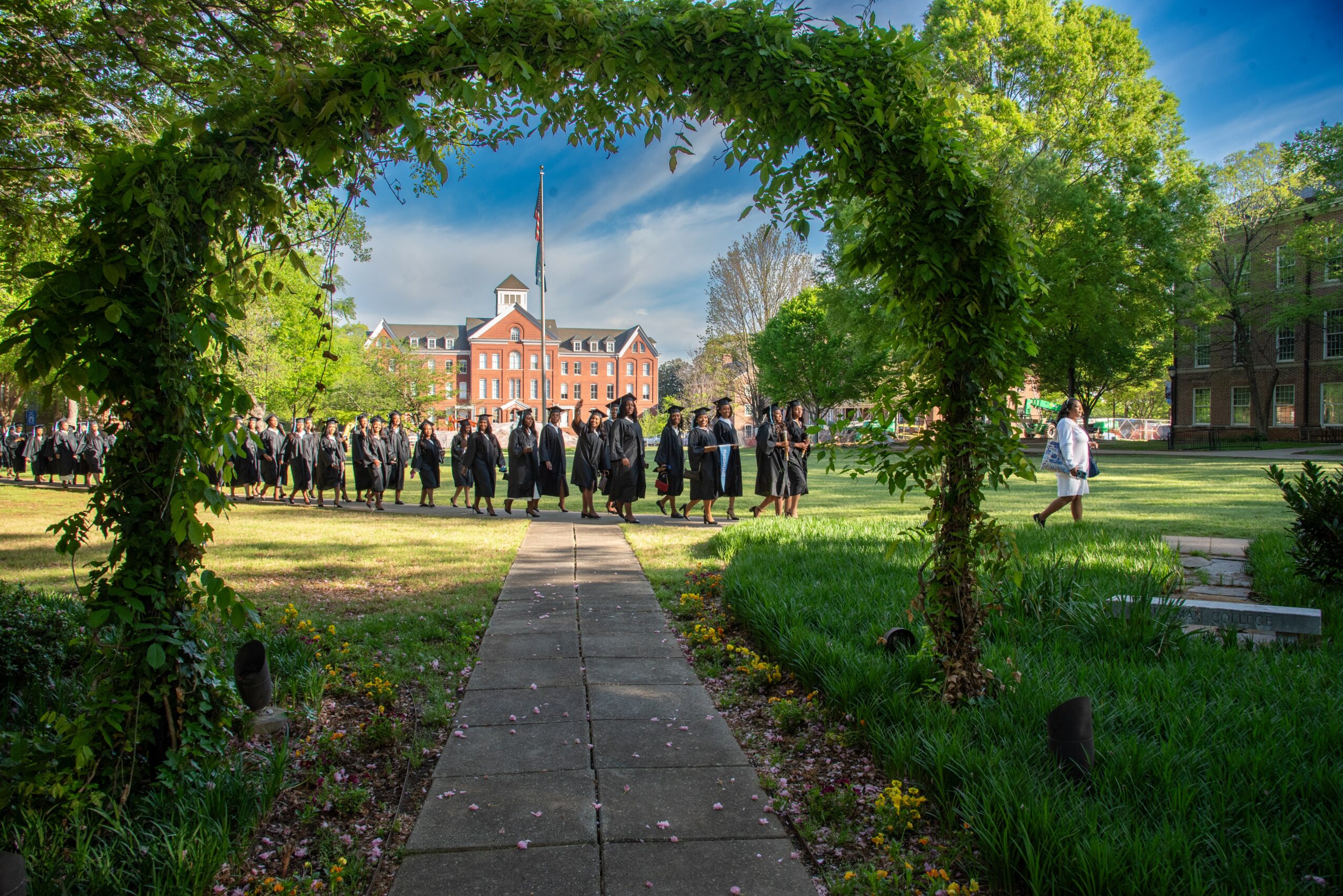
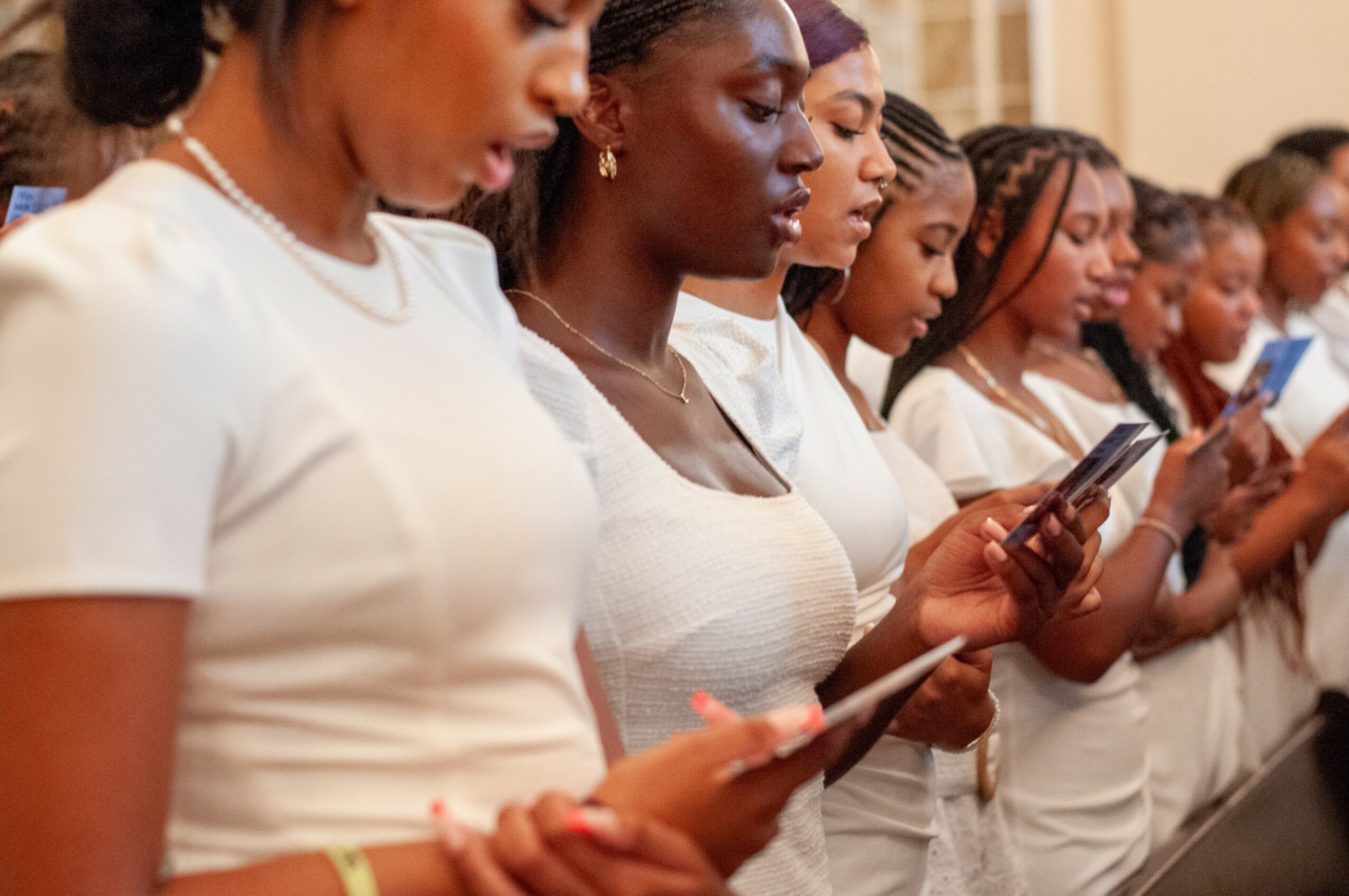
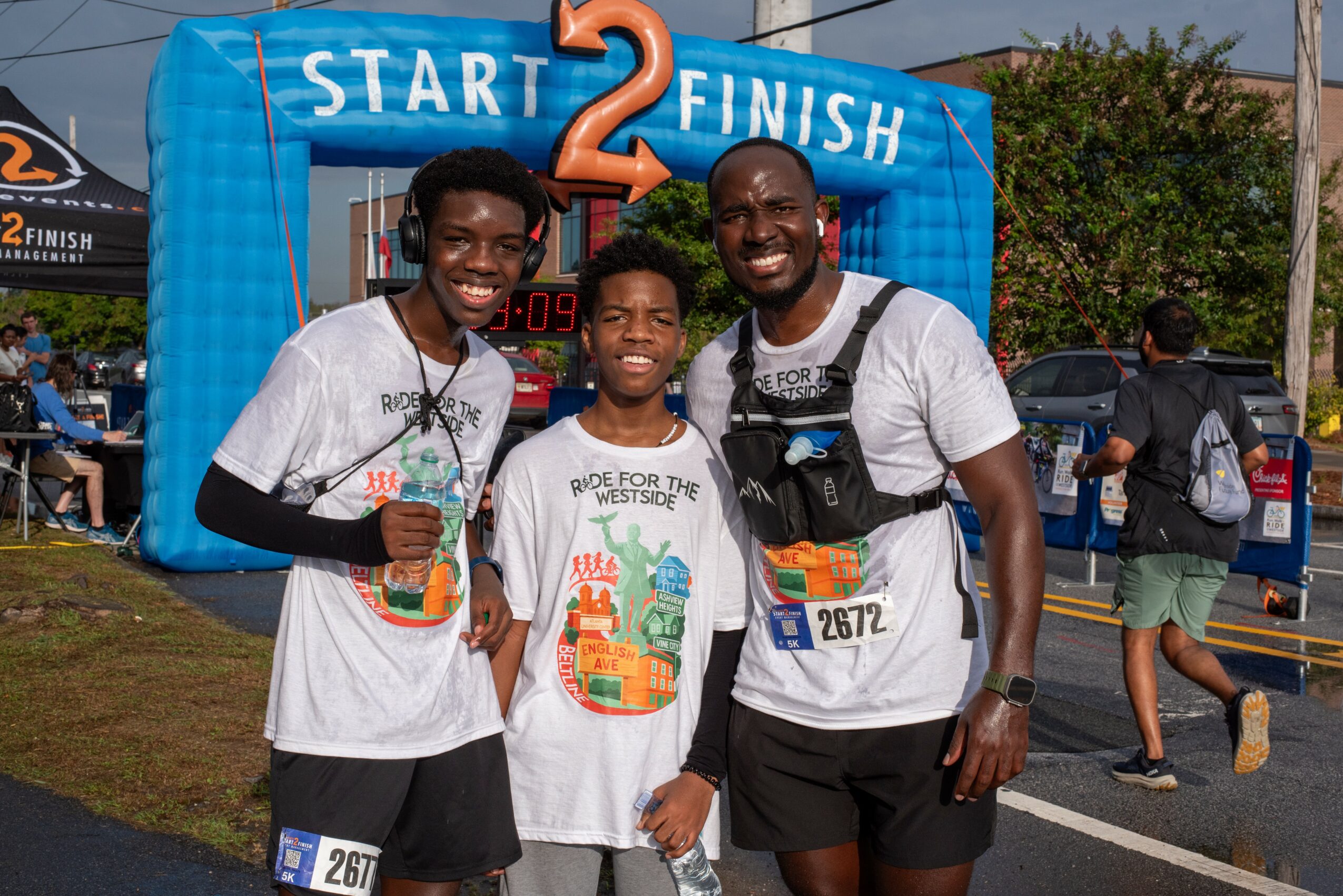
Photography evolved from passion to profession over time. What started as documenting moments became a way to preserve culture, amplify voices, and tell stories that often go unseen. Through my company, Shades of Light LLC, I’ve had the opportunity to work with colleges, nonprofits, civic organizations, and community-based initiatives throughout Atlanta — especially on the Westside, which holds deep personal meaning for me.
At the same time, my civic work became another major part of my journey. In 2019, I was elected to the Atlanta Board of Education representing District 2. Serving my community in that role taught me even more about leadership, governance, equity, and the importance of listening to people’s lived experiences. Whether I was in a boardroom, a school, or behind a camera, the common thread was always the same: people want to be seen, heard, and valued.
Today, those worlds are converging in a really meaningful way through projects like *Forever I Love Atlanta: Westside Story* — a photography and oral history exhibition centered on Atlanta’s historic Westside communities. The project combines documentary photography, fine art, memory, and community voice to explore legacy, change, resilience, and belonging. In many ways, it feels like the culmination of everything I’ve done so far — the research, the storytelling, the civic engagement, the photography, and my deep love for Atlanta.
Alright, so let’s dig a little deeper into the story – has it been an easy path overall and if not, what were the challenges you’ve had to overcome?
It definitely has not been a smooth road — but honestly, many of the struggles helped shape both my voice and my purpose.
Like many creatives, one of the biggest challenges has been balancing passion with practicality. I spent years building a successful corporate career while also trying to nurture my creative side. There were seasons where survival, responsibility, and stability had to come first, even when my heart wanted more space to create. Learning how to honor both the strategic/business side of myself and the artistic side has been an ongoing journey.
Another challenge has been navigating spaces where creativity and community work are deeply valued emotionally, but not always financially supported at the level they should be. A lot of community-centered artists and storytellers wear multiple hats — artist, producer, marketer, fundraiser, project manager, relationship builder — often all at the same time. People sometimes see the final image or exhibition but not the years of relationship-building, research, emotional labor, and persistence behind it.
Public service also came with its own set of challenges. Serving on the Atlanta Board of Education taught me a tremendous amount, but leadership work — especially in education and community spaces — can be emotionally heavy. You’re dealing with real people, real inequities, competing priorities, and deeply personal concerns. There were moments where I had to learn how to stay grounded, lead through criticism, and make difficult decisions while still holding onto empathy.
As a photographer and storyteller, I’ve also had to learn not to minimize my own value. Early on, I think I sometimes approached my work from a place of “just wanting to help” instead of fully recognizing the expertise, vision, and strategic thinking I bring to projects. Over time, I’ve become more confident in understanding that storytelling is not just art — it’s infrastructure, memory, advocacy, marketing, preservation, and sometimes even healing.
And of course, there’s the personal side of the journey — self-doubt, burnout, fear, reinventing yourself, learning to trust your instincts, and continuing to move forward even when the path isn’t fully clear. There have been moments where I questioned whether certain ideas were too ambitious or whether people would truly understand the vision. But I’ve learned that some projects require patience and faith before other people can fully see what you see.
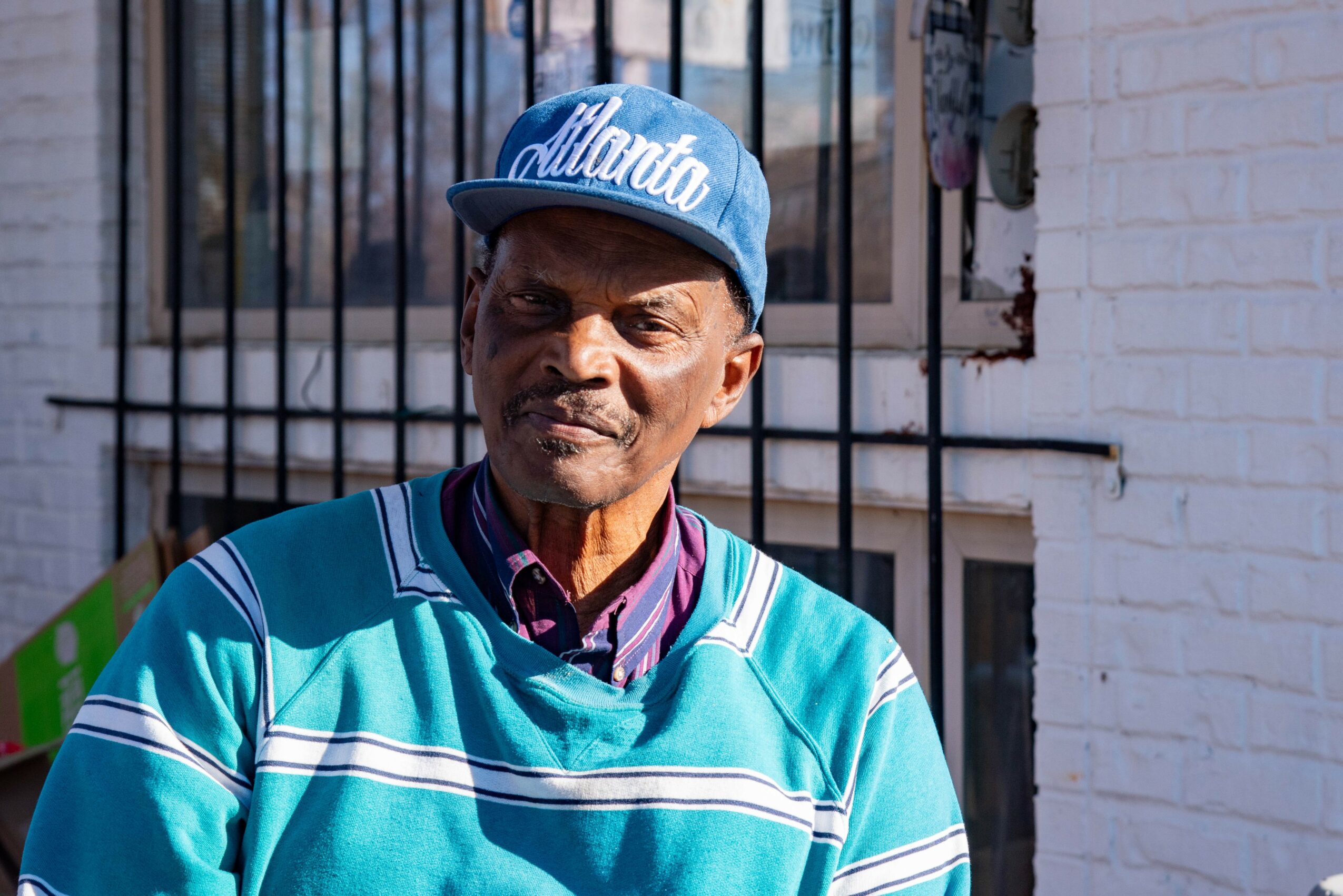
What keeps me going is knowing that the work matters. When someone sees themselves reflected with dignity in an image, when a community elder shares a story that might otherwise be lost, or when people feel emotionally connected to a place through my work — that reminds me why I started in the first place.
Appreciate you sharing that. What else should we know about what you do?
I’m a photographer, visual storyteller, strategist, and community-centered creative. Through my company, Shades of Light LLC, I create work that lives at the intersection of art, culture, history, and human connection.
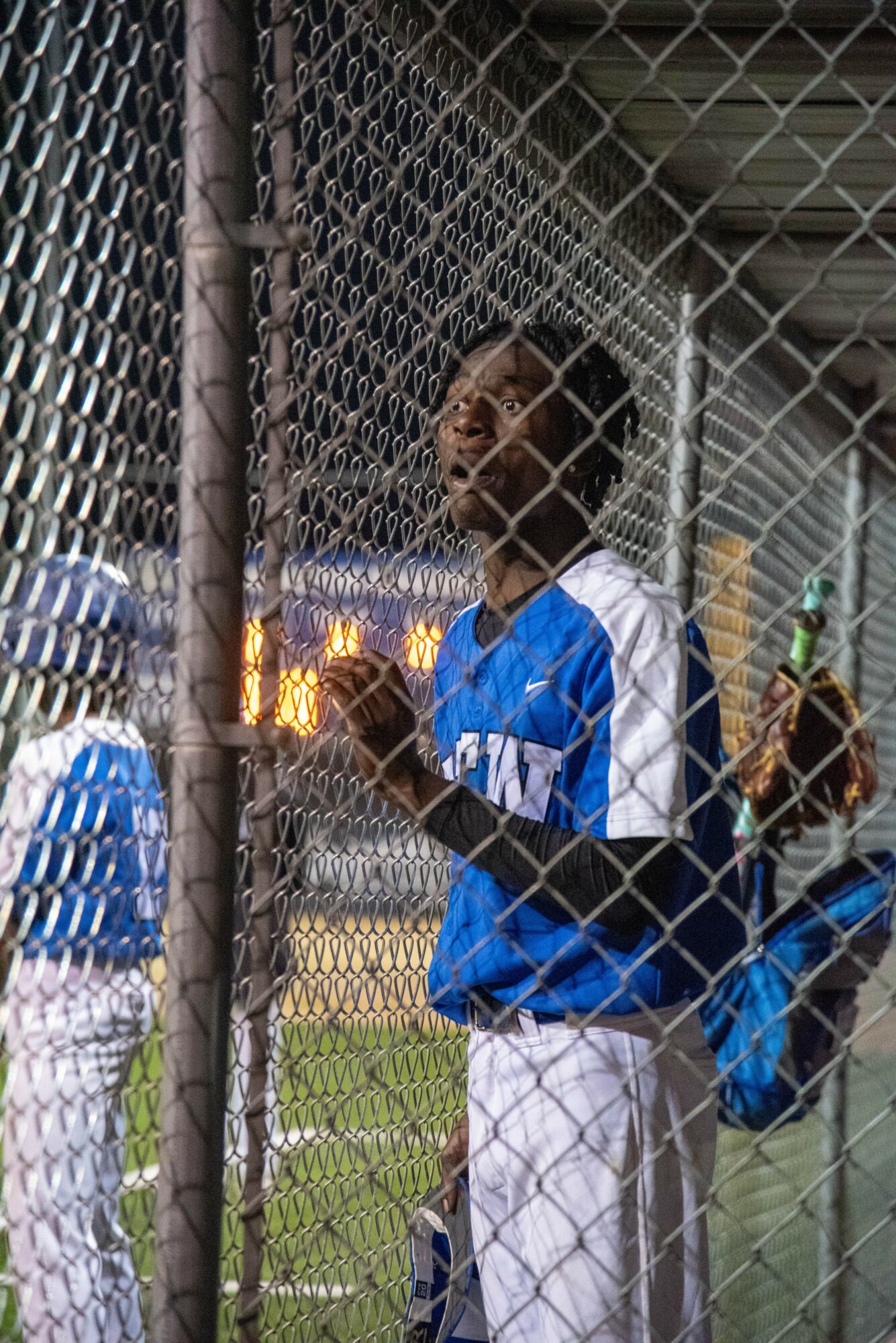
While I photograph a range of subjects — from portraits and events to community initiatives and higher education campaigns — I specialize in storytelling-driven imagery. I’m most drawn to work that captures the emotional truth of people and places, especially communities whose stories are often oversimplified, overlooked, or rapidly changing.
A lot of my recent work is rooted in Atlanta’s historic Westside communities. I’m particularly interested in the tension between legacy and transformation — what communities remember, what they’re fighting to preserve, and what they hope to become. My photography often blends documentary and fine art approaches, using elements like architecture, windows, reflections, texture, and portraiture to create images that feel layered both visually and emotionally.
I think what sets me apart is that my background extends far beyond photography alone. Before becoming a full-time creative entrepreneur, I spent nearly 20 years in corporate media, marketing, communications, and research. That experience taught me how to think strategically about audience, narrative, branding, and emotional connection. I understand how images function not just artistically, but communicatively. I know how to create work that helps organizations, institutions, and communities tell deeper, more intentional stories.
My experience in public service also shapes my perspective. Serving on the Atlanta Board of Education deepened my understanding of equity, leadership, systems, and the importance of representation. It reinforced my belief that storytelling is powerful because it influences how people see themselves and how communities are valued.
One project I’m especially excited about right now is Forever I Love Atlanta: Westside Story, an upcoming photography and oral history exhibition centered on Atlanta’s historic Westside communities. The exhibit explores legacy, culture, resilience, memory, and transformation through portraiture, documentary photography, and community storytelling. It’s deeply personal to me because it documents communities I’ve lived in, served, and loved for years.
The exhibition will run from June 18 through July 12 at 960 MLK Jr Dr, with an opening reception on June 18 from 4 p.m. to 9 p.m. With Atlanta welcoming visitors from around the world this summer, the exhibition feels like a powerful opportunity to celebrate the soul, history, and evolving story of the Westside through the voices and faces of the people who call it home. My hope is that the work not only creates beautiful imagery, but also sparks conversation, connection, and preservation of stories that deserve to be remembered.
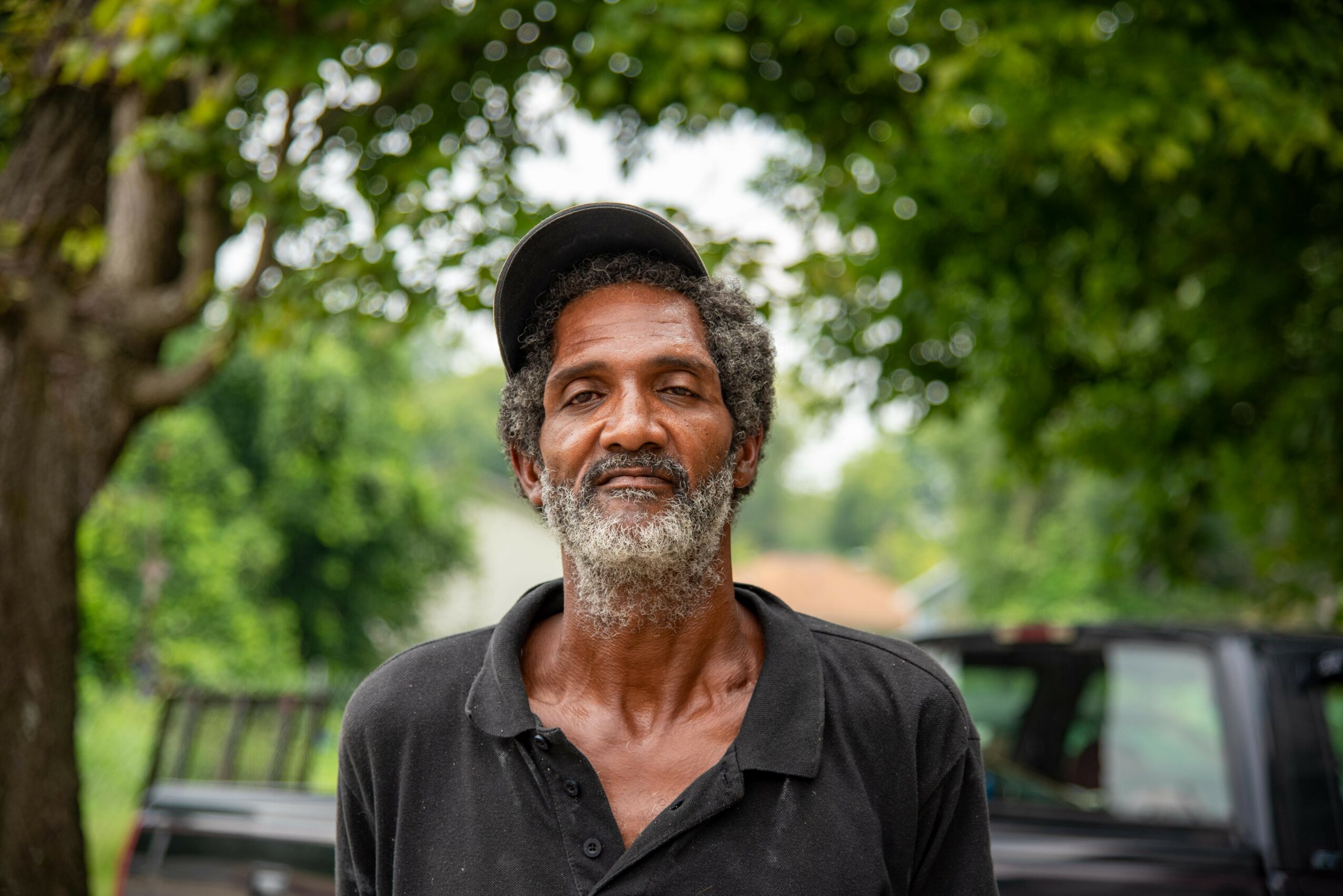
More than anything, I’m proud that people trust me with their stories. Whether I’m photographing a community elder, a student, a family, or a neighborhood advocate, I want people to feel seen with dignity and humanity. I want the work to feel honest, thoughtful, and emotionally connected — not performative.
I’ve realized over time that my real specialty is creating space for people and communities to be remembered, understood, and celebrated in ways that feel authentic to them.
Who else deserves credit in your story?
Absolutely. I don’t think any creative journey happens in isolation, and I’ve been fortunate to have people who believed in me, challenged me, guided me, and reminded me to keep going — sometimes before I fully believed in myself.
My parents were foundational. My dad gave me my first camera, which was really the beginning of everything. My mom has always encouraged me to chase my dreams and think beyond limitations. Growing up, she would always say, “If you believe it, you can achieve it,” and “Through God all things are possible.” That mindset stayed with me. Even now, when I’m stepping into something new or ambitious, I still hear those words.
My daughter, Ariel, who is also a photographer, is honestly one of my biggest cheerleaders. There’s something really special about sharing a creative language across generations. She understands both the beauty and the challenges of this work, and her support means a lot to me.
I’m also incredibly grateful for my circle of friends. Entrepreneurship and creative work can sometimes feel isolating, especially during seasons when you’re building something that other people can’t fully see yet. My friends have encouraged me, prayed for me, checked in on me, celebrated wins with me, listened to ideas while they were still rough drafts, and reminded me to keep going during moments of doubt. Having people around you who genuinely believe in your vision is invaluable.
Technically and artistically, some of my earliest growth came through photography classes with Michael Reese at the Fulton County Arts Center. Those classes helped me truly understand the relationship between shutter speed, aperture, and light — especially working in the darkroom. That hands-on process taught me patience and intentionality. You couldn’t just “fix it later.” You had to understand what you were creating.
Another major influence was my mentor Jim Alexander through the adult education program at Clark Atlanta University. Jim pushed me to pursue excellence. He would challenge me to stay in the darkroom until the print was right, not just acceptable. He also taught me something incredibly important early on: charge not only for materials, but for your time, expertise, and vision. That lesson shaped how I value myself professionally to this day.
At one point, I had a darkroom in my loft while Jim had a studio at Studioplex. I used to literally run back and forth between my darkroom and his studio, learning through experimentation, critique, and conversation. During that time, I spent a lot of time documenting the Old Fourth Ward before its major wave of gentrification. Some of that work was eventually published in *Free Magazine*, a New York publication, which was a meaningful early affirmation that the stories I was drawn to documenting mattered beyond my immediate environment.
More recently, Julie Yarbrough has been an incredible mentor and supporter. She’s guided me through everything from equipment purchases and technical troubleshooting to helping me think strategically about building my kit and business. I’ve also had the opportunity to shoot alongside her and even hire her on projects, which feels very full circle.
Julie is also the reason I began working with Spelman College. She referred me during one of her reunion years. I didn’t get that specific assignment, but another department saw my work and hired me for a separate project — and that relationship has continued ever since. That experience reminded me how powerful referrals, relationships, and community can be in creative industries.
I’m really grateful for all of those people because each of them contributed something different — belief, discipline, opportunity, encouragement, technical knowledge, or perspective. Their influence is woven throughout both my work and the way I approach storytelling today.
Contact Info:
- Website: https://www.arettalbaldon.net
- Instagram: shadesoflightphotography
- Facebook: shadesoflightphotography
Popular
-

Hidden Gems: Local Businesses & Creatives You Should Know
-

ATL’s Most Inspiring Stories
-

Portraits of Atlanta
-
Natasha Dillard on Redefining Beauty Standards and Empowering Women Through Unapologetic Self-Expression
-
Darren Paltrowitz on Blending Investigation, Media, and Culture to Uncover the Stories Behind the Stories
-

Naeemah Jade on Redefining Networking Through Trust, Proximity, and Intentional Community