
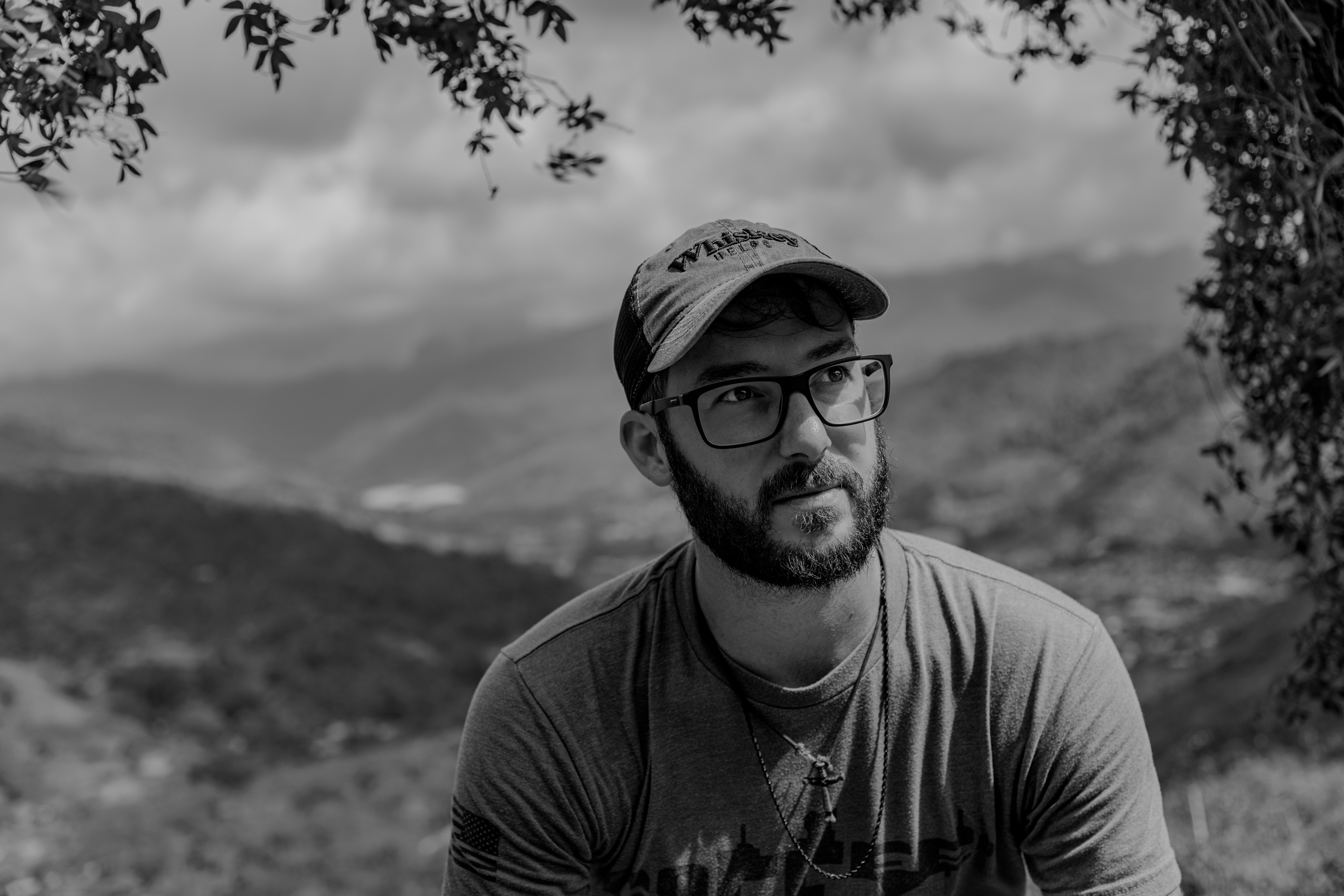
Today we’d like to introduce you to Ricky Getch.
Ricky, we appreciate you taking the time to share your story with us today. Where does your story begin?
I didn’t get into photography to build a business—it started long before that as something I was naturally drawn to. Growing up, I was always taking photos whenever I could—using my dad’s camera, shooting amateur shots at high school football games, chasing moments without overthinking it. I knew I enjoyed it, I loved the rush of capturing something in real time, but I never seriously considered it as a career.
That changed in college when I got my first camera—my Canon 6D. The moment I started shooting with it, everything clicked. It stopped being just something I enjoyed and became something I felt pulled toward. I realized I didn’t just like photography—I loved being behind the lens, observing, framing, and capturing moments as they naturally unfolded. That was the first time I saw it as something I wanted to pursue seriously.
As I got older, I started traveling more—and that’s where everything expanded. Moving through different states and countries, experiencing new cultures, landscapes, and ways of life, shifted how I saw the world. It made me realize how much depth exists in everyday moments, no matter where you are—and how often people overlook it because they’re moving too fast to notice.
That shift is what shaped the nomadic side of my work. Photography became more than just something I do—it became the way I move through the world. It pushes me to explore, stay curious, and connect with places and people in a more intentional way. It’s not about chasing locations as much as it is about understanding them—how light moves through a space, how people exist within it, and how a single moment can carry meaning across completely different environments.
Over time, that perspective grew into something I wanted to share. That’s where Nomadic Eye Productions came from. The goal isn’t just to create images—it’s to create work that makes people feel something, that reminds them there’s more depth, more beauty, and more connection in the world than we usually allow ourselves to notice.
Today, whether I’m shooting landscapes, wildlife, architecture, or working with clients, that mindset stays the same. I’m not trying to manufacture moments—I’m trying to recognize what’s already there and capture it honestly, wherever I happen to be.
I’m still exploring, still learning, and still chasing that connection. That’s what drives all of it.
Wherever I am, the goal stays the same—slow down, pay attention, connect, and find the beauty most people never stop to see.
Would you say it’s been a smooth road, and if not what are some of the biggest challenges you’ve faced along the way?
It definitely hasn’t been a smooth road—and I don’t think it’s supposed to be.
One of the defining challenges came when I moved across the country to Colorado to pursue photography more seriously—and then COVID hit almost immediately after. I had just uprooted my life, was still trying to establish myself, and didn’t have much of a support system there yet. Then everything shut down. Work became unpredictable, opportunities disappeared overnight, and I was left trying to build something from scratch in an environment where nothing felt stable.
That moment forced a decision—fully commit and figure it out, or walk away. I chose to commit.
There were stretches where I was juggling multiple jobs just to stay afloat. During COVID, I was working five different jobs at one point—a 9–5, a consistent weekend job, and three odd jobs—just trying to make ends meet while still holding onto the idea of building something of my own through photography. It wasn’t glamorous—it was long days, inconsistent income, and a constant question of whether it would actually pay off.
That period set the tone for a lot of what followed. A big part of my journey has been starting over—more than once. I’ve moved across states and countries, from Colorado to Costa Rica to Europe, and eventually back to the U.S. and Georgia. Each move came with its own reset—new environments, new routines, new challenges. There’s a level of instability that comes with that, but it also forces you to adapt quickly and figure things out as you go.
Even now, the challenges just look different. Travel is a huge part of my work, but it comes with its own realities. You’re constantly adapting—new environments, changing conditions, things not going according to plan. I’ve dealt with injuries on the road, like messing up my ankle while hiking for a shot in Ireland, or an allergic reaction in Costa Rica, and having to figure things out in the moment without the comfort of being home. There’s also the practical side people don’t see—moving through airports with camera gear, staying aware of your surroundings, protecting your equipment, and making sure everything gets where it needs to go safely.
Financially, it’s not always predictable. There are seasons where things are steady and others where you’re questioning your direction and trying to figure out your next move. That kind of uncertainty forces you to either commit fully or walk away—and I’ve had to make that decision more than once to keep going.
But the biggest challenge has been internal—learning to trust my own perspective. It’s easy to compare your work, your progress, your path to everyone else, especially in a creative field. Letting go of that and focusing on building something that actually reflects who I am has taken time.
It hasn’t been smooth, but it’s been honest—and that’s what’s shaped both me and the work.
As you know, we’re big fans of you and your work. For our readers who might not be as familiar what can you tell them about what you do?
What I’m most proud of is that the work feels like me. It’s not built around trends or trying to fit into a certain look—it’s built from experience, movement, and paying attention to what’s actually in front of me. I didn’t take the easy route with it, and I didn’t build it around what performs best—I built it around what feels real. That’s what continues to shape the work, and it’s what people connect with.
Do you have any advice for those just starting out?
Don’t wait until you feel ready—you won’t. Start shooting with what you have and figure it out as you go. Most of what you need to learn comes from doing the work, not from watching or planning.
And be honest with yourself—it’s hard. Most people don’t just get lucky or blow up overnight like it might look on social media. That’s the exception, not the reality. For most of us, it’s long days, a lot of patience, and a lot of time spent improving when no one’s paying attention yet.
Focus on paying attention, not just taking photos. Anyone can learn settings and editing, but developing your eye—learning to see light, timing, and real moments—is what actually separates people. Slow down and be intentional with what you’re capturing.
It’s easy to get pulled into comparison or trends. And there’s nothing wrong with being inspired by other photographers—that’s part of how you grow. But there’s a difference between learning from something and trying to replicate it. If you spend too much time chasing what works for someone else, you lose the chance to figure out what actually feels natural to you. That’s where your style comes from.
Timing matters more than people think. Sometimes things don’t work out—not because you’re doing something wrong, but because it’s not the right moment yet. A lot of good shots are missed not because the subject wasn’t there, but because the timing wasn’t right—and life works the same way. That doesn’t mean stop—it means stay ready and keep putting yourself in position until the moment comes.
There will be times where you’re balancing other jobs, questioning your direction, or wondering if it’s worth it. That’s part of it. The people who stick with it and keep refining their perspective are the ones who eventually separate themselves.
Trust yourself, stay consistent, and keep showing up—even when it feels like nothing’s working. That’s where real progress is made.
Pricing:
- Portrait Sessions: Starting at $125
- Couples / Engagement Sessions: Starting at $250
- Events: Starting at $350 (custom pricing based on coverage time and requirements)
- Weddings & Elopements: Starting at $850
- Travel / Destination Work: Custom quotes including travel and logistics
Contact Info:
- Website: https://nomadiceyepro.mypixieset.com/
- Instagram: https://www.instagram.com/nomadiceye.pro
- Facebook: https://www.facebook.com/share/19JqzsJqzK/
- LinkedIn: https://www.linkedin.com/in/ricky-getch-296639b0/
- TikTok: https://www.tiktok.com/@nomadiceye.pro
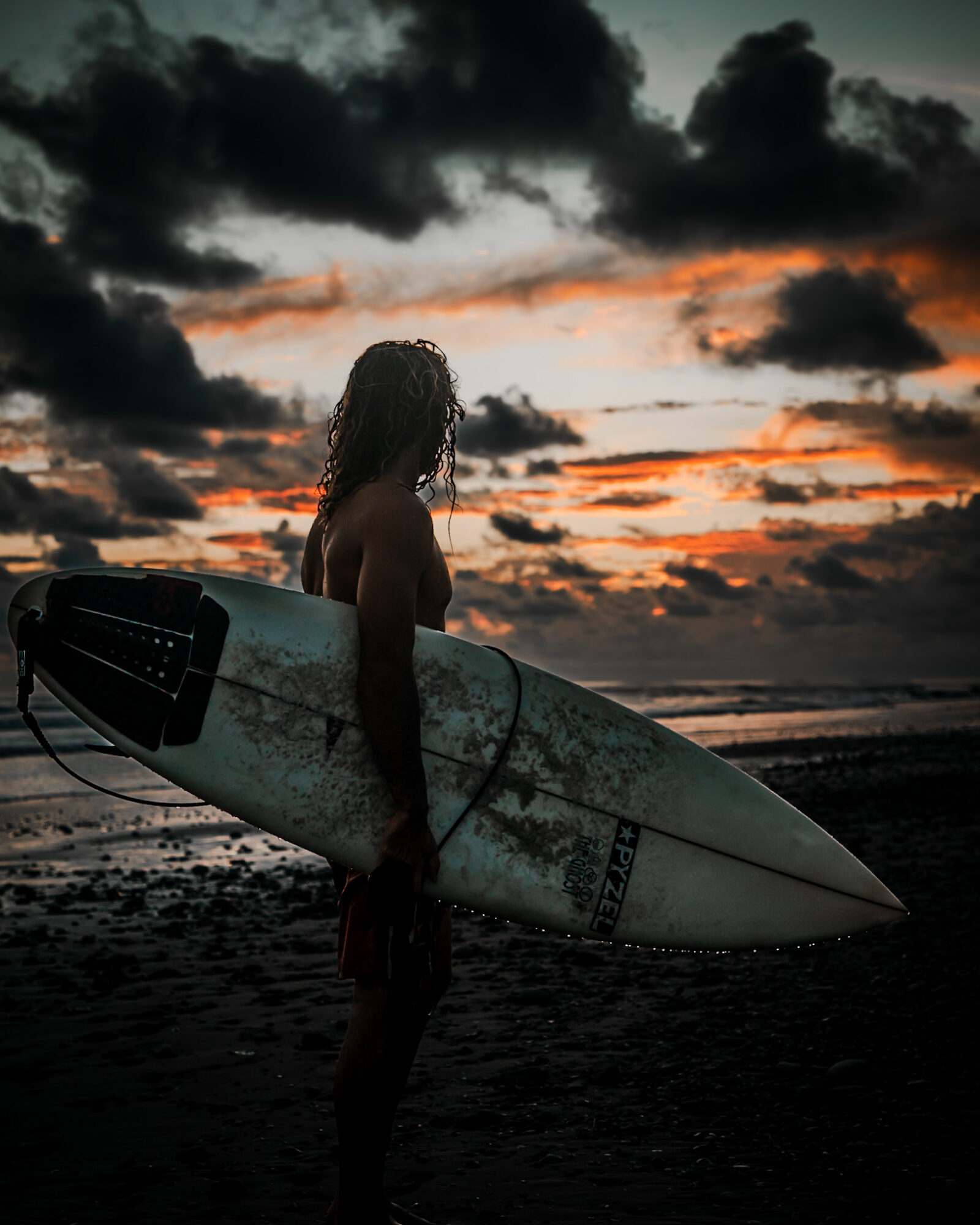
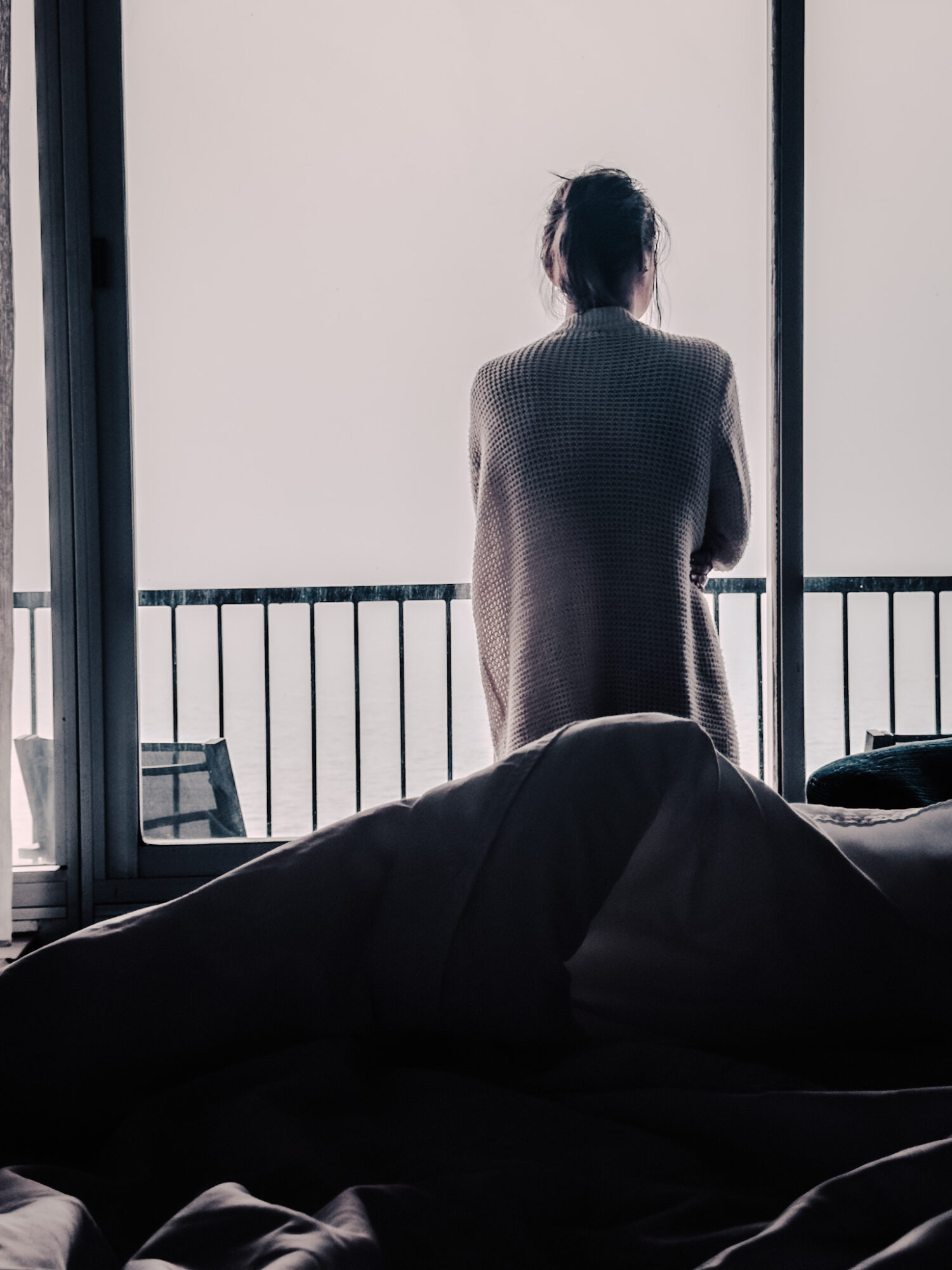
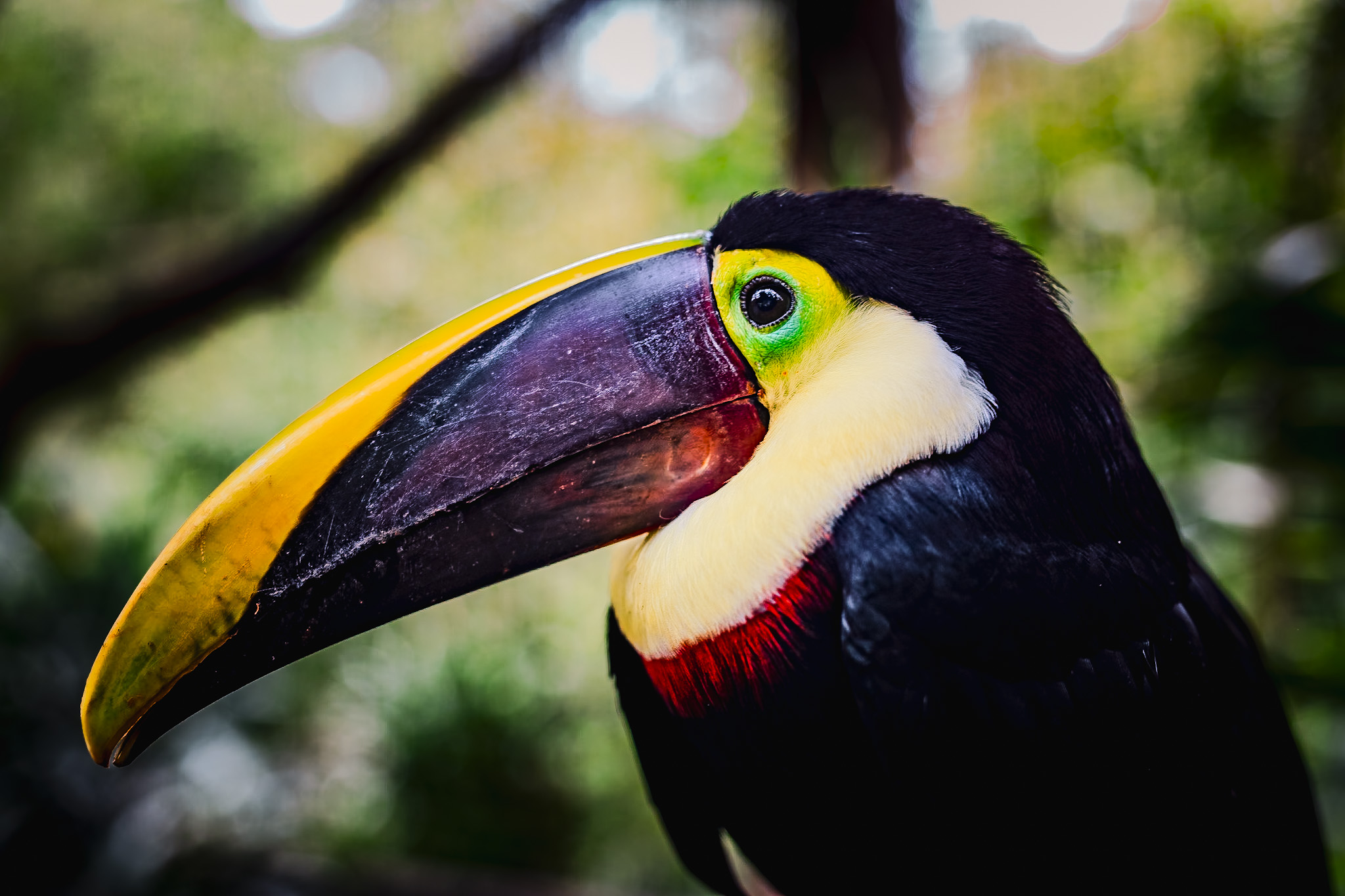
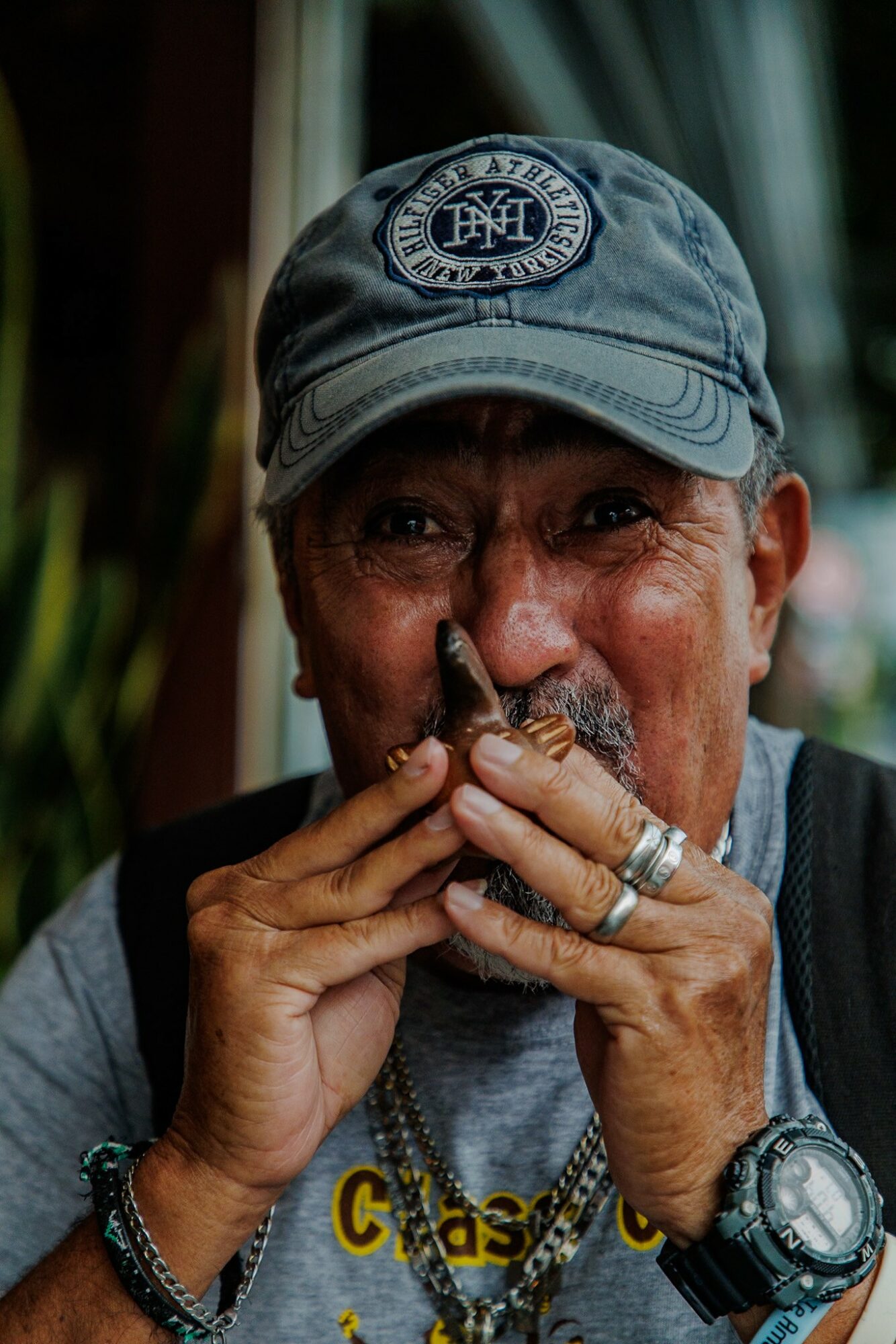
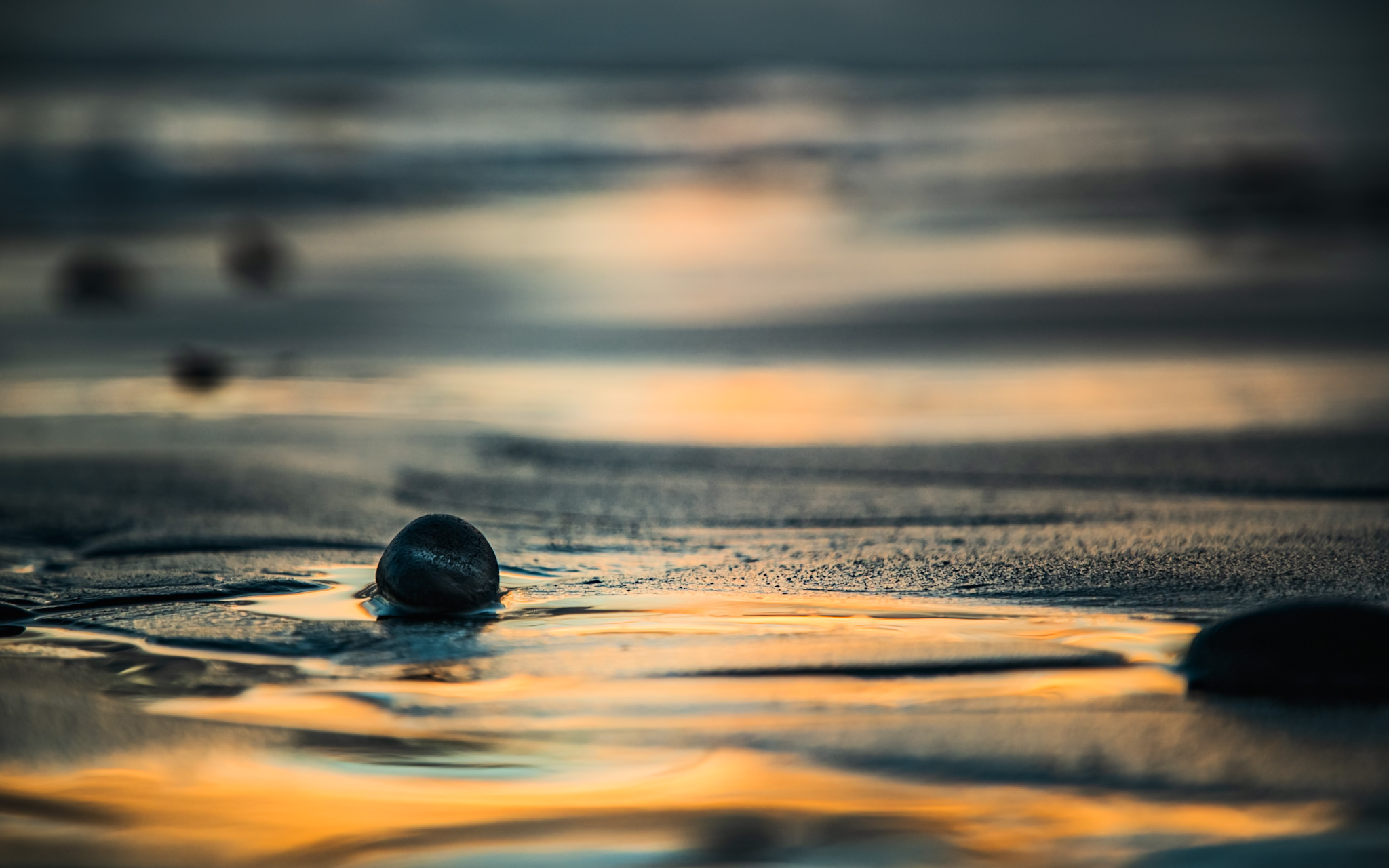
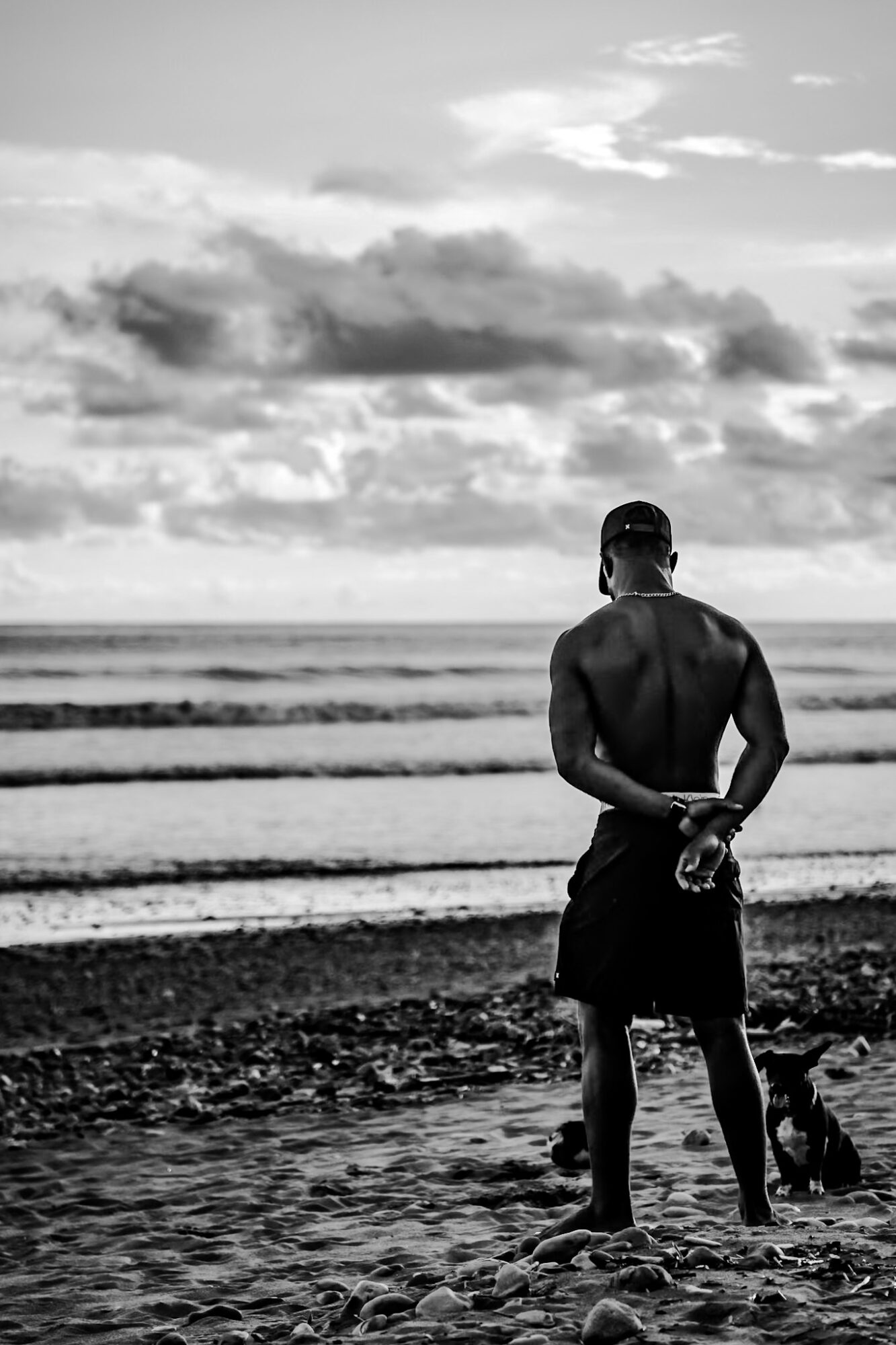
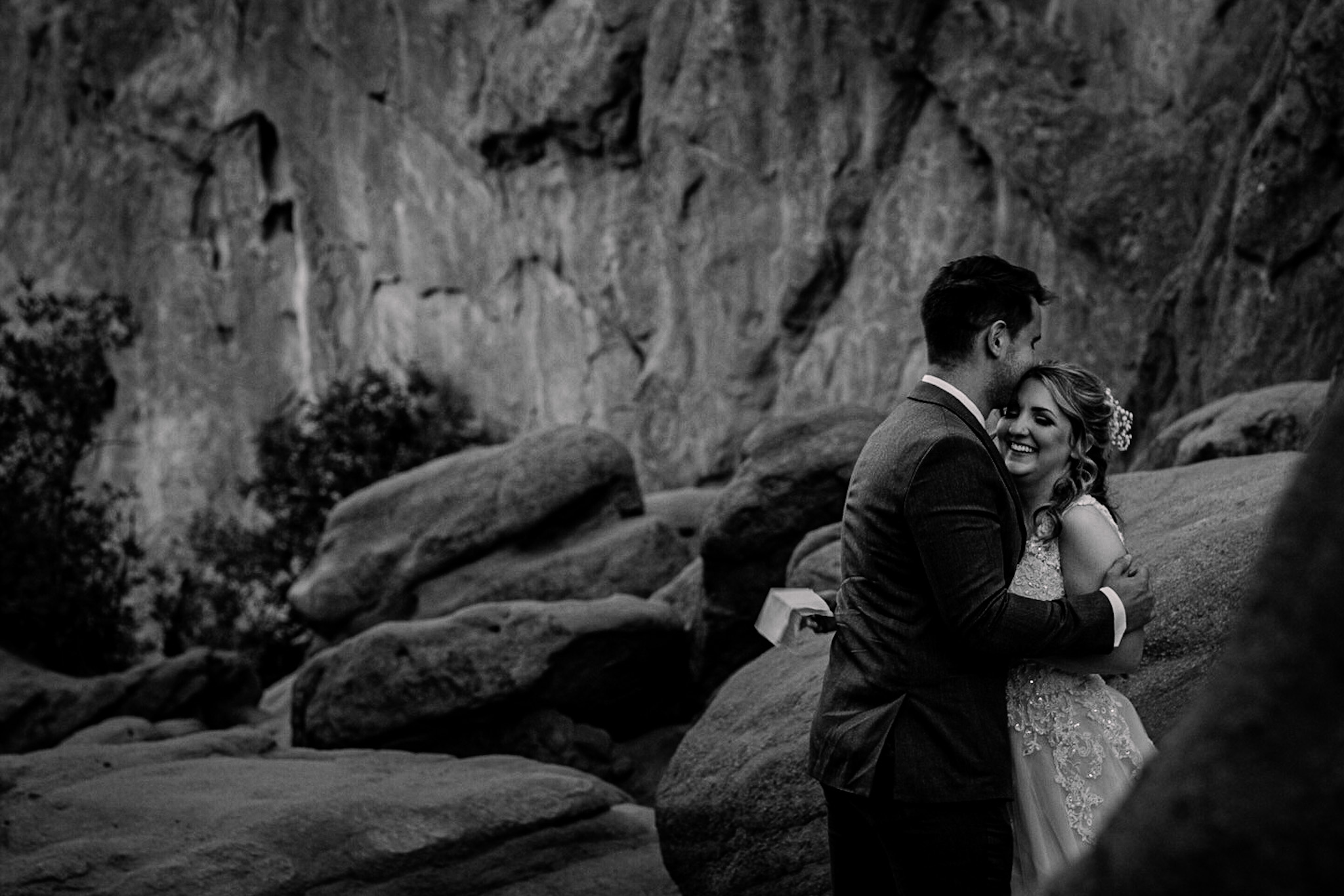
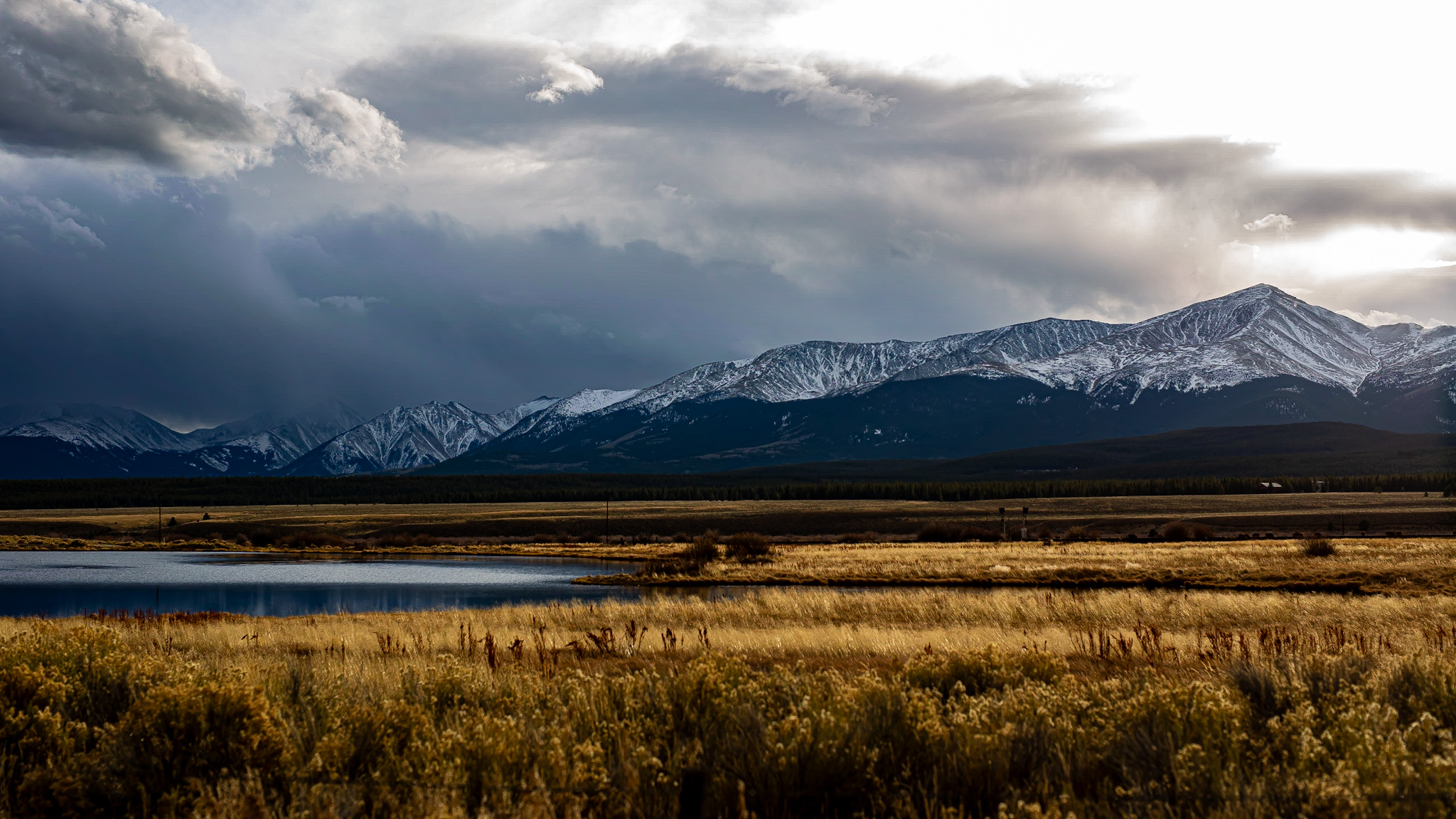
Image Credits
Ricky Getch / Nomadic Eye Productions
Popular
-

Hidden Gems: Local Businesses & Creatives You Should Know
-

ATL’s Most Inspiring Stories
-

Satoya Hayes on Turning Beauty 2 Extensions into a Platform for Affordable Confidence and Entrepreneurial Opportunity
-

Portraits of Atlanta
-

Asha Ford on Building Krystal Klear Motion and Creating Purpose-Driven Design for Women
-

Truth in Every Verse: Jay Erve on Identity, Experience, and Creating Art That Lasts