






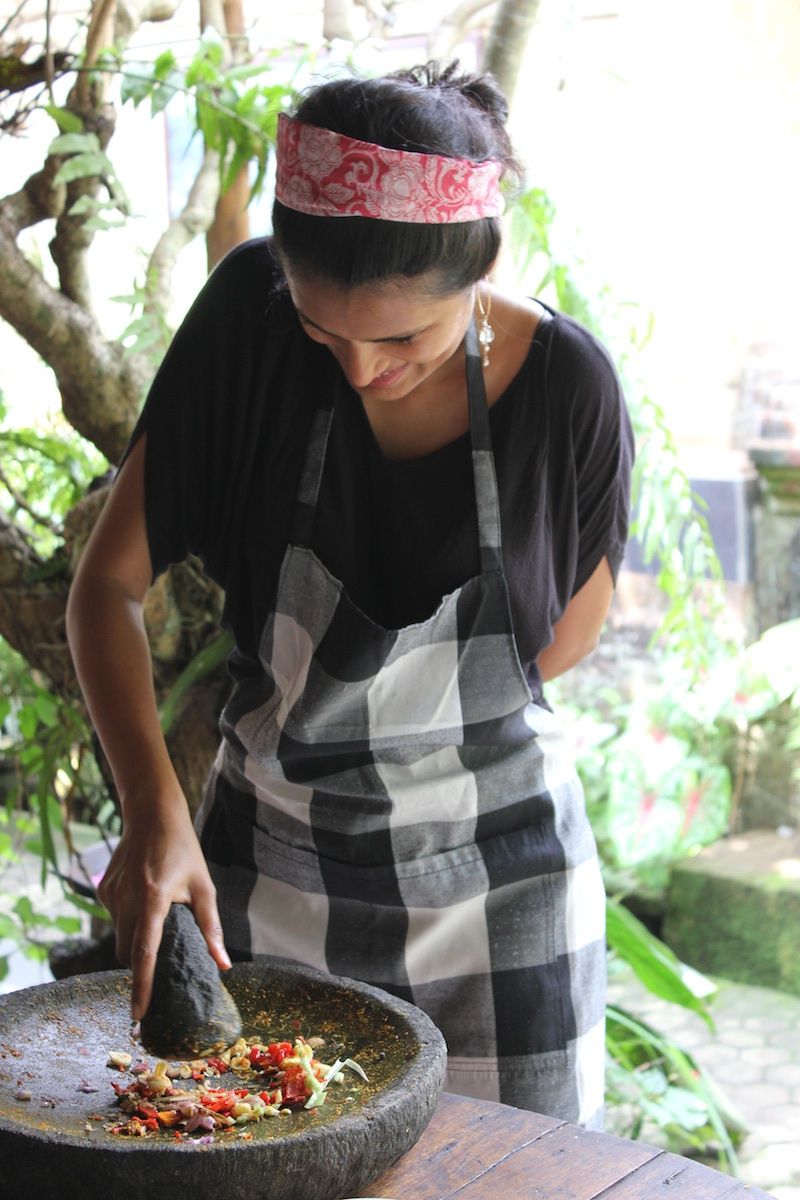
Today we’d like to introduce you to Aashi Vel.
Hi Aashi, we’re thrilled to have a chance to learn your story today. So, before we get into specifics, maybe you can briefly walk us through how you got to where you are today?
I started Traveling Spoon after a disappointing travel experience in Mexico’s Yucatán Peninsula in 2013. I was eager to discover authentic Mexican food, but the restaurants that came highly recommended were crowded, touristy, and catered largely to a Western palate. One day, on my way to yet another restaurant, I passed a woman’s home and caught a glimpse of her cooking through the window. I remember thinking, I wish I could eat with her and hear her stories.
A few months later, I met my co-founder, Steph, in business school. She had experienced something similar while living in China—she wanted to learn how to make dumplings from a Chinese grandmother but couldn’t find an opportunity to do so. We joke that Steph wanted to cook in people’s homes, while I simply wanted to eat there.
We decided to explore whether other travelers were looking for the same kind of experience. It turned out they were. Many travelers today want more than landmarks and restaurant reservations – they want genuine connections with the people and culture of a place. Food has a remarkable way of bringing people together, getting people to open up and share stories, and creating understanding. That’s why we built Traveling Spoon: to give travelers the opportunity to step into local homes, share authentic meals, and connect through stories they might otherwise never experience.
I’m sure it wasn’t obstacle-free, but would you say the journey has been fairly smooth so far?
The biggest challenge we faced was surviving the pandemic. As a company built around travel and in-person experiences, our revenue dropped to nearly zero within weeks of global lockdowns. At the time, I was seven months pregnant and found myself working harder than I ever had to keep the company alive.
What motivated us wasn’t just saving the business, it was supporting our hosts. Many relied on Traveling Spoon as a significant source of income, and we wanted to find a way for them to continue sharing their culture and earning a living despite the shutdowns.
Within just four weeks, we completely reimagined our business. We trained hosts around the world to teach online, showing them how to set up cameras, use Zoom, create ingredient and substitution lists, and adapt their in-person experiences for a virtual audience. We launched 25 private online cooking classes almost immediately, and today we offer more than 100 online experiences led by hosts everywhere from Athens to Ulaanbaatar.
As the pandemic evolved, so did we. We expanded beyond cooking classes to include outdoor experiences such as picnics and barbecues, and in recent years we’ve continued to grow our offerings with producer visits to olive oil mills, cheese makers, oyster farms, and balsamic vinegar producers, as well as mixology classes, garden tours, and foraging experiences.
One of the most rewarding outcomes was hearing from guests who said that, even through a computer screen, they formed genuine connections with our hosts. Many told us they planned trips specifically to meet those hosts in person once travel resumed. It reinforced our belief that meaningful human connection can transcend distance—and that food remains one of the most powerful ways to bring people together.
We’ve been impressed with Traveling Spoon, but for folks who might not be as familiar, what can you share with them about what you do and what sets you apart from others?
Traveling Spoon connects travelers with private, authentic food experiences in local homes around the world, from hands-on cooking classes and market tours to producer visits, foraging experiences, mixology classes and family meals. We believe that the best way to understand a culture isn’t by checking landmarks off a list—it’s by sitting around someone’s dining table, cooking together, and sharing stories.
What sets us apart is that every experience is hosted in a real home or by a local producer and is intimate. Rather than joining a large group at a cooking school or dining at a restaurant designed for tourists, our guests spend time one-on-one with carefully vetted local hosts who open not just their kitchens, but their lives. Imagine learning to make traditional pasta with a grandmother in her home in Bologna or making handmade tacos from scratch with a gastronomic historian in Mexico City.
We also build every experience around the passions of our hosts. When someone joins Traveling Spoon, we don’t simply ask what they can cook—we ask what they’re passionate about sharing. For some, it’s preserving a grandmother’s treasured recipe. Others want to showcase regional ingredients, introduce guests to their children and family traditions, or teach the craft of mixology they’ve spent years perfecting. We combine those passions with feedback from thousands of travelers to create experiences that are deeply personal and culturally meaningful.
Beyond creating unforgettable travel experiences, we’re proud of the impact our business has. Our mission is threefold: to create more meaningful travel, preserve culinary traditions, and provide sustainable income for local hosts and food producers. We’ve seen friendships form across continents—one of our hosts in India was later invited to celebrate Thanksgiving with guests she had hosted the year before in the United States. We’ve helped preserve family recipes that might otherwise be lost, like a host in Mexico whose children no longer have the time to learn her grandmother’s traditional mole, but who now joyfully shares that recipe with travelers eager to keep the tradition alive. And by connecting travelers directly with hosts, we ensure they receive the majority of the tourism dollar. It gives our local hosts the opportunity to make money, doing what they love.
At its heart, Traveling Spoon isn’t just about food. It’s about creating the kinds of human connections that remind us that, despite our different languages, cultures, and backgrounds, we have far more in common than we often realize. Food is simply the invitation to pull up a chair.
Where do you see things going in the next 5-10 years?
I believe that over the next 5–10 years, travelers will increasingly seek experiences that technology can’t replicate. AI will make travel planning easier than ever, but it can’t replace the feeling of being welcomed into someone’s home, cooking together, sharing a meal, and hearing family stories firsthand.
As our lives become more digital, authentic human connection will become even more valuable. Travelers are already shifting away from simply checking off famous landmarks toward experiences that help them understand a place through its people, traditions, and food. I think we’ll continue to see growing demand for smaller, more personal, and more meaningful experiences.
I also believe travelers will become increasingly intentional about where their tourism dollars go. They’ll want to know that the people hosting them and sharing their culture are benefiting directly. Experiences that preserve local traditions, support communities, and create genuine cross-cultural connections won’t just be a niche—they’ll become an important part of how people choose to travel.
At Traveling Spoon, we’ve always believed that food is one of the most powerful ways to bring people together. I think that belief will only become more relevant in the years ahead.
Contact Info:
- Website: https://www.travelingspoon.com
- Instagram: https://www.instagram.com/travelingspoons/
- Facebook: https://www.facebook.com/travelingspoon
- LinkedIn: https://www.linkedin.com/in/aashi-vel-9240201/

Popular
-

How Kaviar Sundays Is Building a Creative Career Fueled by Purpose, Community, and Staying Focused
-

Hidden Gems: Local Businesses & Creatives You Should Know
-

ATL’s Most Inspiring Stories
-

Portraits of Atlanta
-

How Kimberly D. Worthy Is Redefining Real Estate by Helping People Become Ready From the Inside Out
-

Summer McIntyre Is Building a Career at the Intersection of Sports, Media, Entertainment, and Digital Storytelling