





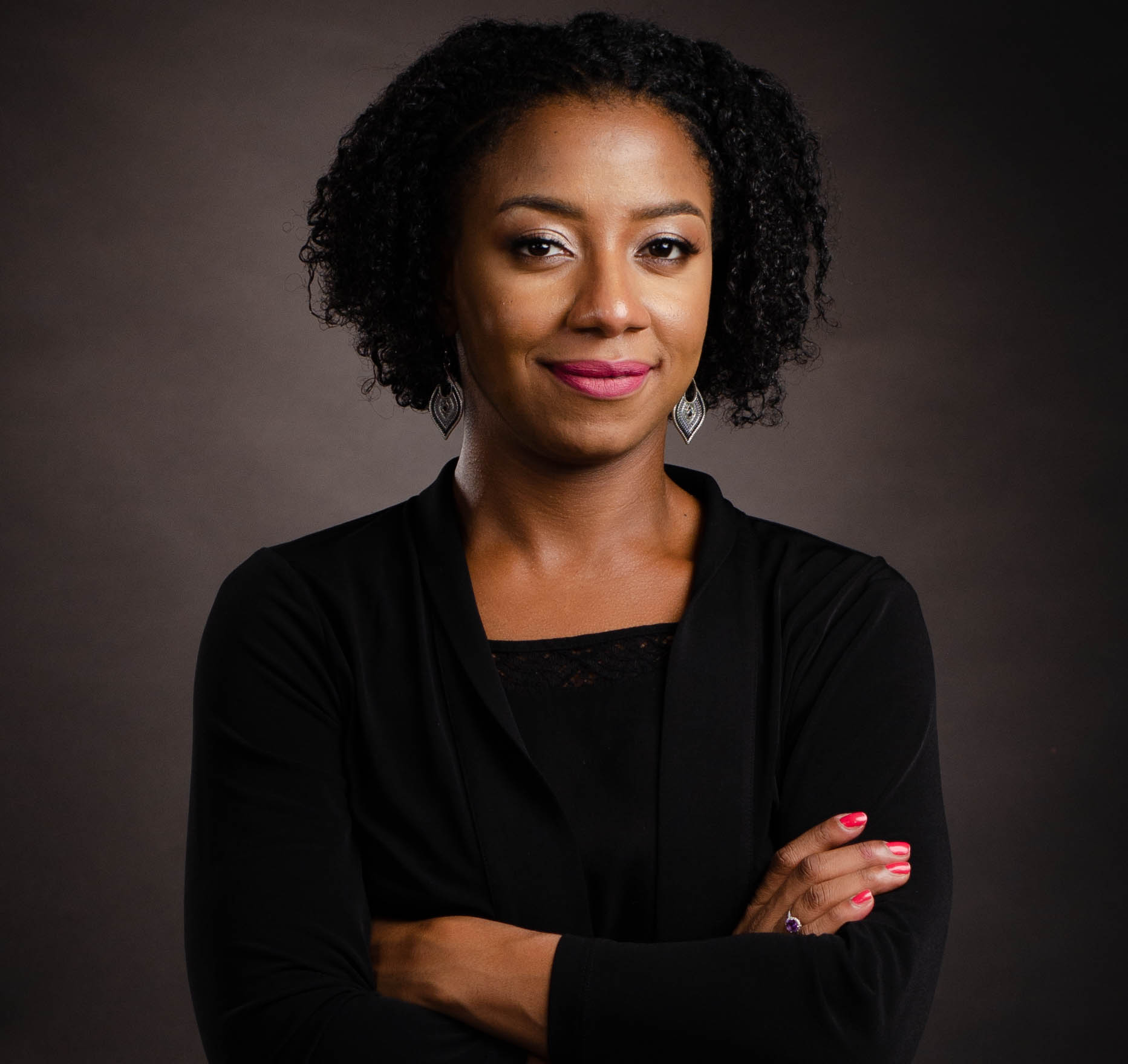
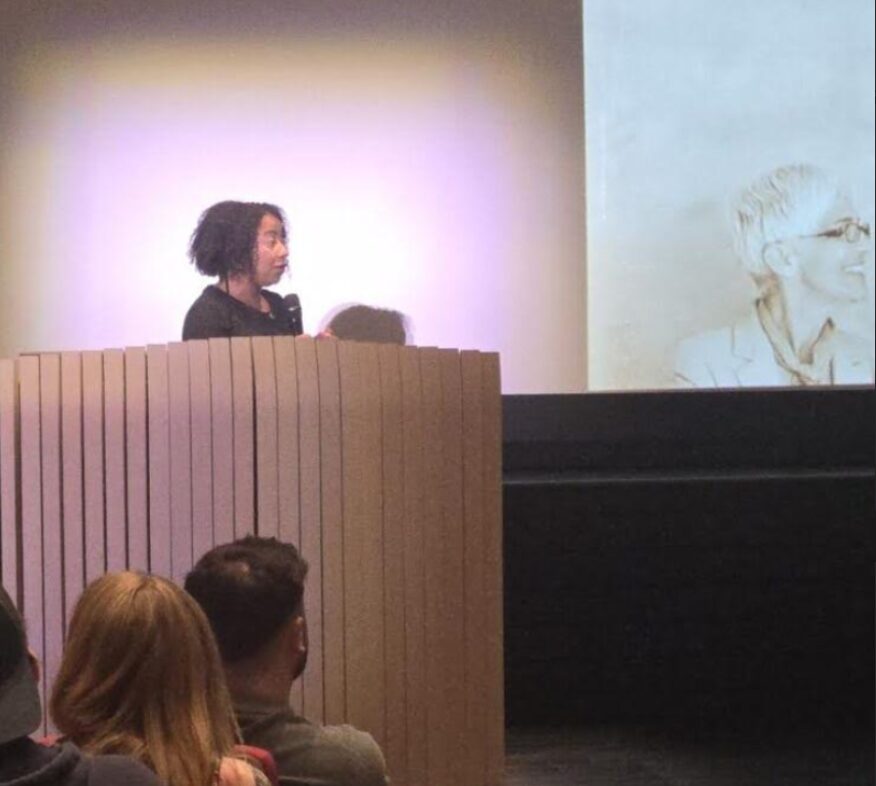
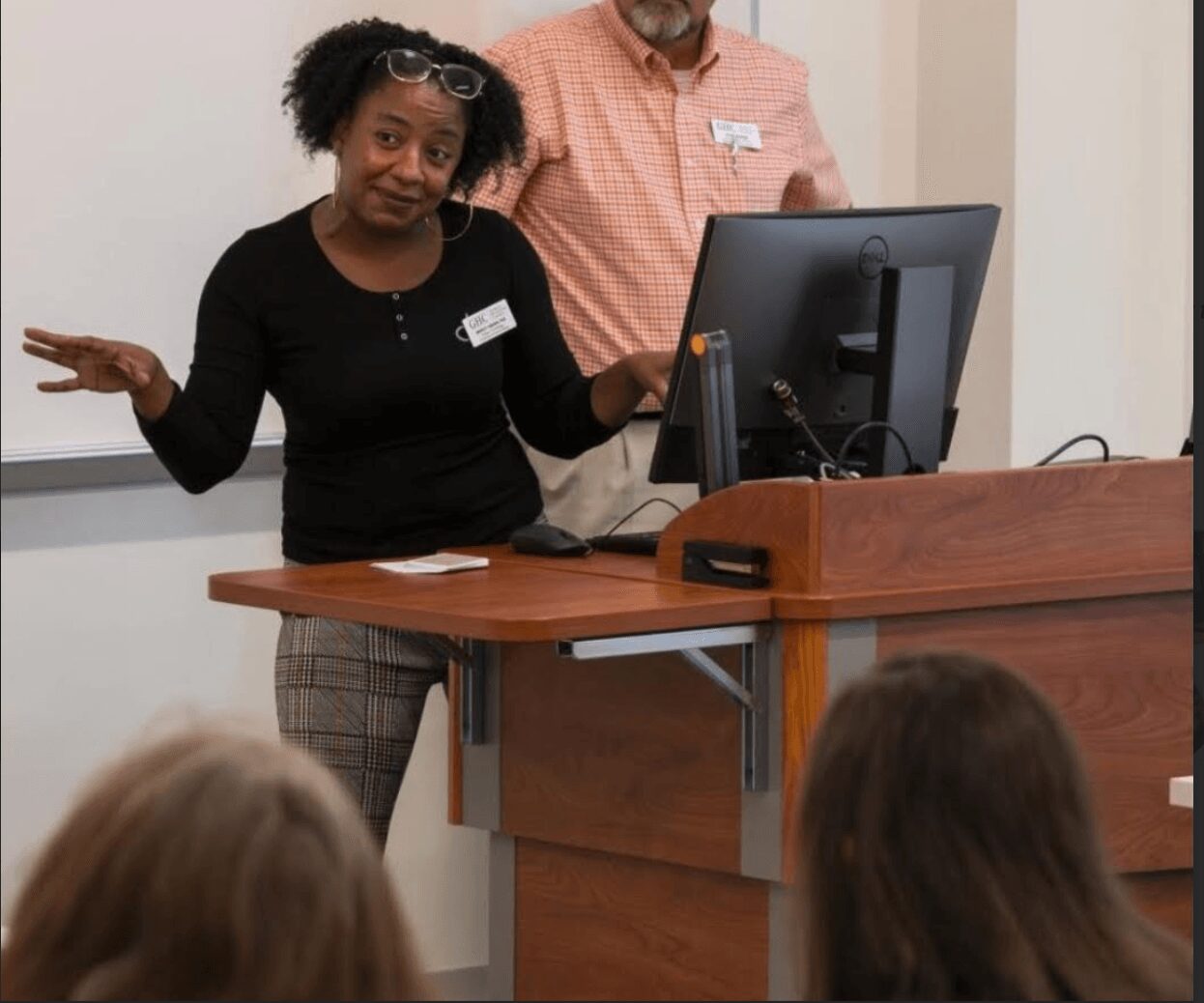
Today we’d like to introduce you to Bentley Gibson.
Hi Bentley, it’s an honor to have you on the platform. Thanks for taking the time to share your story with us – to start maybe you can share some of your backstory with our readers?
I am the daughter of Black parents who came of age in the Civil Rights Movement. My father integrated his high school in Ocilla, Georgia. My mother integrated Harvard Medical School. I am the great-great-great-great-great granddaughter of enslaved people. This work is not just professional for me—it is ancestral. It is in my history. It is in my blood.
I remember walking into my preschool classroom and noticing something that stayed with me: the children did not play with one another the way they played with me. As I moved through elementary school and high school, I saw more clearly how discrimination shaped teachers’ expectations and treatment of students. Even as a child, I could feel that something inequitable was happening.
College was a turning point. Attending Spelman College gave me something I did not realize I desperately needed—a safe space. For four years, I was able to cultivate my self-esteem, deepen my scholarship, and build lifelong sisterhood. At Spelman, I learned that I could become a social scientist and examine racism not just as lived experience, but through an empirical lens.
In a course called The Psychology of the African American Experience, taught by Dr. Angela Farris Watkins—Dr. Martin Luther King Jr.’s niece—I was introduced to the Implicit Association Test (IAT). The IAT, developed in the 1990s, measures unconscious biases and stereotypes. The moment I took it and saw my own results, I was fascinated—and surprised. I became obsessed with understanding how something unconscious could shape behavior so powerfully.
After leaving the protective environment of Spelman, I entered spaces that felt more like my earlier schooling—places where my Blackness and my strength were not always welcomed. But this time, I navigated those environments as a graduate student with confidence rooted in who I was and what I knew. In graduate school, I connected with a Dr. Andrew Baron- my mentor who had studied the IAT in children around 2010. At the time, there was little research on children of color. That gap became my opportunity to make a mark. I studied implicit bias in Black Americans from childhood through early adulthood, examining what factors are associated with the development and persistence of these biases.
As my research evolved, so did my curiosity. I expanded beyond race to study bias related to gender, sexuality, age, disability, and more. The science showed what many people resist acknowledging: even individuals who consciously value equality can hold unconscious biases that shape behavior in harmful ways.
I began my teaching career at Georgia Highlands College immediately after graduate school, bringing my passion for bias research into the classroom and into faculty and administrative training. For the past 16 years, I have developed research-based assessments and trainings to help people uncover their biases and learn strategies to mitigate them.
Many people say they do not discriminate and believe everyone is equal. Yet unconscious biases are subtle and persistent. They show up in classrooms—even in how teachers treat infants in daycare settings. They show up in hiring decisions, workplace evaluations, healthcare outcomes, and the justice system. They influence who is believed, who is promoted, and who is protected. At their most extreme, they can cost lives.
In today’s social climate, where conversations about race and equity are often resisted, this work has become more challenging. My research and career have felt that impact. But I remain committed. I am still standing and fighting for inclusivity and equity for all.
I have taken my lived experience as a Black woman in America and combined it with rigorous social science. My goal is to help others become aware of what operates beneath their conscious intentions—and to change how they see and treat people outside of stereotypes. Not simply to tolerate diversity, but to value it. To understand what is lost—intellectually, socially, morally—when we move away from it.
Can you talk to us a bit about the challenges and lessons you’ve learned along the way. Looking back would you say it’s been easy or smooth in retrospect?
It has not been a smooth road. Not even close! This work has tested my mental health, my resilience, and at times my spirit. Studying bias and discrimination academically is one thing. Living through political attacks on the very existence of that work is another.
When the backlash against DEI intensified, everything became harder. Institutions grew hesitant. Conversations shut down. Long-standing commitments wavered. I found myself not only defending my research, but defending the legitimacy of even talking about bias at all.
I had to rebrand—not because the science changed, but because the climate did. I began helping people come back to the table, or in some cases come to the table for the first time, by reframing the conversation. This is not about ideology. It is about humanity. Bias is a moral issue because it affects how we treat one another. But it is also a business issue. Unchecked bias creates legal risk, financial loss, reputational damage, and toxic cultures in workplaces and institutions. It shapes hiring, promotion, healthcare outcomes, education systems—every structure that touches human lives.
I have fought this attack since a child and in multiple institutions. I have stayed up late nights digging into research on the consequences of ignoring bias, and the evidence is overwhelming. When we fail to address discrimination, people suffer. Organizations suffer. Communities suffer.
At the same time, I have experienced attacks on my research and bias and discrimination personally. Navigating professional pushback while also processing personal experiences has been deeply challenging. There is a unique exhaustion that comes from defending both your work and your identity at the same time.
And yet, I am grateful. My lived experiences sharpen my lens as a social scientist. They allow me to approach implicit bias not just as data, but as reality. I understand it from the inside and the outside. That perspective strengthens my research and my training in ways that cannot be taught in a textbook.
The attacks have not made me retreat. If anything, they make me want to fight harder. I am a fighter. But fighting is hard. It requires intentional care. I have had to learn that resilience is not just pushing forward—it is also resting, protecting my mental health, and sustaining myself so I can continue this work long-term. It has not been smooth. But it has been purposeful. And that purpose keeps me going.
We’ve been impressed with The Bias Adjuster , but for folks who might not be as familiar, what can you share with them about what you do and what sets you apart from others?
My work sits at the intersection of lived experience, rigorous social science, and practical strategy. At its core, I am an implicit bias researcher. Everything I do—every training, every assessment, every framework—is grounded in empirical research, not trends or talking points. I help individuals and organizations understand a simple but powerful truth: bias is not just a moral issue. It is a measurable risk.
Unexamined biases shape hiring decisions, promotion pathways, performance evaluations, healthcare delivery, classroom discipline, marketing strategy, and leadership pipelines. They create legal exposure, financial loss, reputational harm, and talent attrition. Many leaders believe that because they value fairness, they are immune to bias. The research shows otherwise. Implicit biases operate automatically, often outside of conscious awareness, and even well-intentioned people can make decisions that unintentionally harm others.
What sets my work apart is that I do not stop at awareness. I specialize in using research-based assessments to help people see their own patterns. Awareness is step one. Step two is mitigation. Over the past 16 years, I have developed and refined specific, evidence-based strategies that reduce the impact of implicit bias in both personal behavior and institutional systems. My work translates complex psychological science into practical tools that change decision-making processes.
I am known for being able to explain bias clearly, without shame, but without minimizing the consequences either. I create space for difficult conversations while anchoring them in data. I help people understand not just that bias exists, but how it shows up in their policies, their metrics, and their everyday interactions—and what to do about it.
Brand-wise, what I am most proud of is that my work has remained grounded in integrity during a time when DEI has become politicized. I have adapted my language to meet the moment, but I have not compromised the science. In today’s backlash era, I help organizations move beyond performative statements and toward measurable accountability.
That commitment to measurement is at the heart of my upcoming book, 2025 DEI Scorecard: Measuring Corporate Commitments in the Backlash Era. In it, I provide a framework for evaluating whether companies’ commitments to diversity, equity, and inclusion are substantive or symbolic. The book challenges organizations to quantify their efforts, assess risk exposure, and build systems that can withstand political and social pressure. It is about moving from intention to evidence.
I want readers to know that my brand is not about blame. It is about clarity. It is about helping individuals and institutions see what they might otherwise miss—and giving them tools to do better. Bias will not disappear because we ignore it. But it can be mitigated with intention, structure, and science. That is what I offer: research-driven insight, practical strategies, and a framework for accountability that strengthens both people and institutions.
Before we let you go, we’ve got to ask if you have any advice for those who are just starting out?
Starting out in this field—or any field that challenges systems—requires more than passion. Passion will ignite you, but it will not sustain you on its own. One thing I wish I understood earlier is that credibility is currency. Good intentions are not enough. Ground yourself deeply in the research. Learn the methodology. Understand the data well enough that when someone challenges you, you can respond with clarity rather than emotion. When your work is rooted in evidence, it can withstand political winds and personal attacks.
I also wish I knew how important it is to separate your identity from every outcome. When you care deeply about equity and justice, the work feels personal—because it is. But not every rejection, every institutional “no,” or every critique is a referendum on your worth. Systems resist change. That resistance is predictable. Understanding that makes it easier not to internalize it.
Another lesson: build community early. This work can be isolating. Find mentors. Find peers. Find people who will tell you the truth, sharpen your thinking, and also remind you to rest. Resilience is not about constant fighting; it is about sustainability.
And finally, understand that awareness is only the beginning. If you want to create real impact, move beyond calling out problems and toward building solutions. Study what actually mitigates bias. Study what changes behavior. Study what shifts systems. That is where transformation happens.
If you are just starting out, know this: the road may not be smooth. You may face pushback. You may have to defend your work. But if you stay anchored in evidence, integrity, and care for yourself, you can build something that lasts.
The goal is not to win every argument. The goal is to advance understanding in a way that outlives the moment.
Contact Info:
- Website: https://www.thebiasadjuster.com
- LinkedIn: https://www.linkedin.com/in/dr-bentley-gibson-🩷💚-3712474b
Popular
-

Hidden Gems: Local Businesses & Creatives You Should Know
-

ATL’s Most Inspiring Stories
-
Seeing the Story Between the Moments
-

Portraits of Atlanta
-
Dr. Sinclair N. Grey III on Why Founders Stall—and How Discipline Breaks the Pattern
-

Meet Lee Patterson: Teaching Entrepreneurs How to Build Wealth the Right Way From Day One