






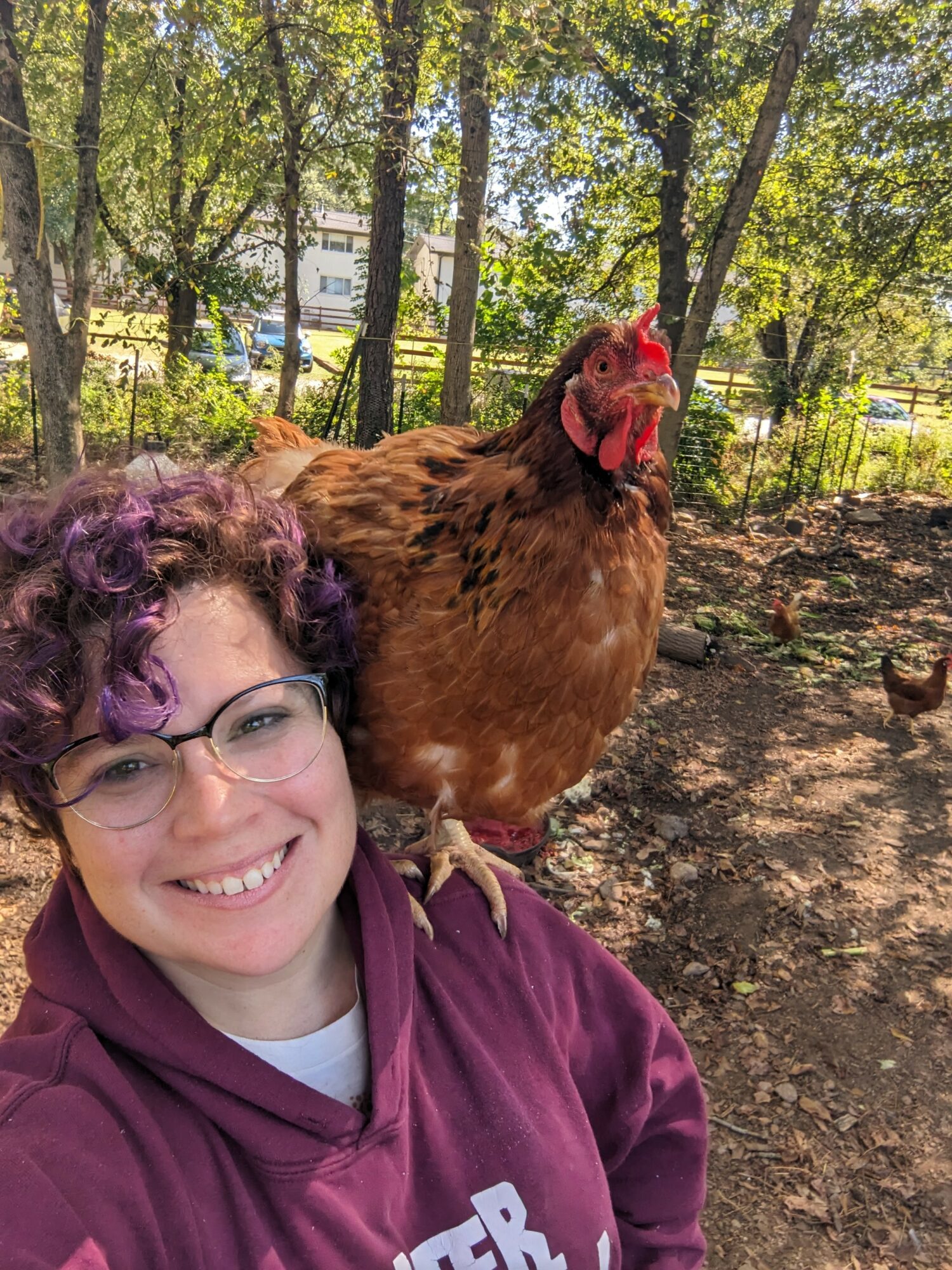
Today we’d like to introduce you to Katie Kissel.
Hi Katie, please kick things off for us with an introduction to yourself and your story.
My journey to Unearthing Farm and Market really started taking shape after spending about a decade working in the global food ingredient industry. While I was learning a tremendous amount about how food systems operate on a massive scale, my heart was always pulled toward the hyper-local level, specifically right here in Atlanta. Living in the Kirkwood and Edgewood neighborhoods, I got deeply involved in community organizing and eventually served as the President of the Kirkwood Neighbors Organization from 2020 to 2022. That experience in local governance and neighborhood planning really opened my eyes to how vital inclusive community spaces and local resilience are for our neighbors.
As I leaned more into those passions, I realized I wanted to pivot my career entirely to focus on urban land stewardship. I went back to school and completed my Master’s at Georgia State University in May 2025, concentrating on Philosophy, Politics, and Economics. That academic foundation gave me the tools to critically examine how we can build more equitable structures, cementing my desire to champion community-driven food access models like pay-what-you-can systems. I didn’t just want to be part of the food system; I wanted to help reshape it from the soil up.
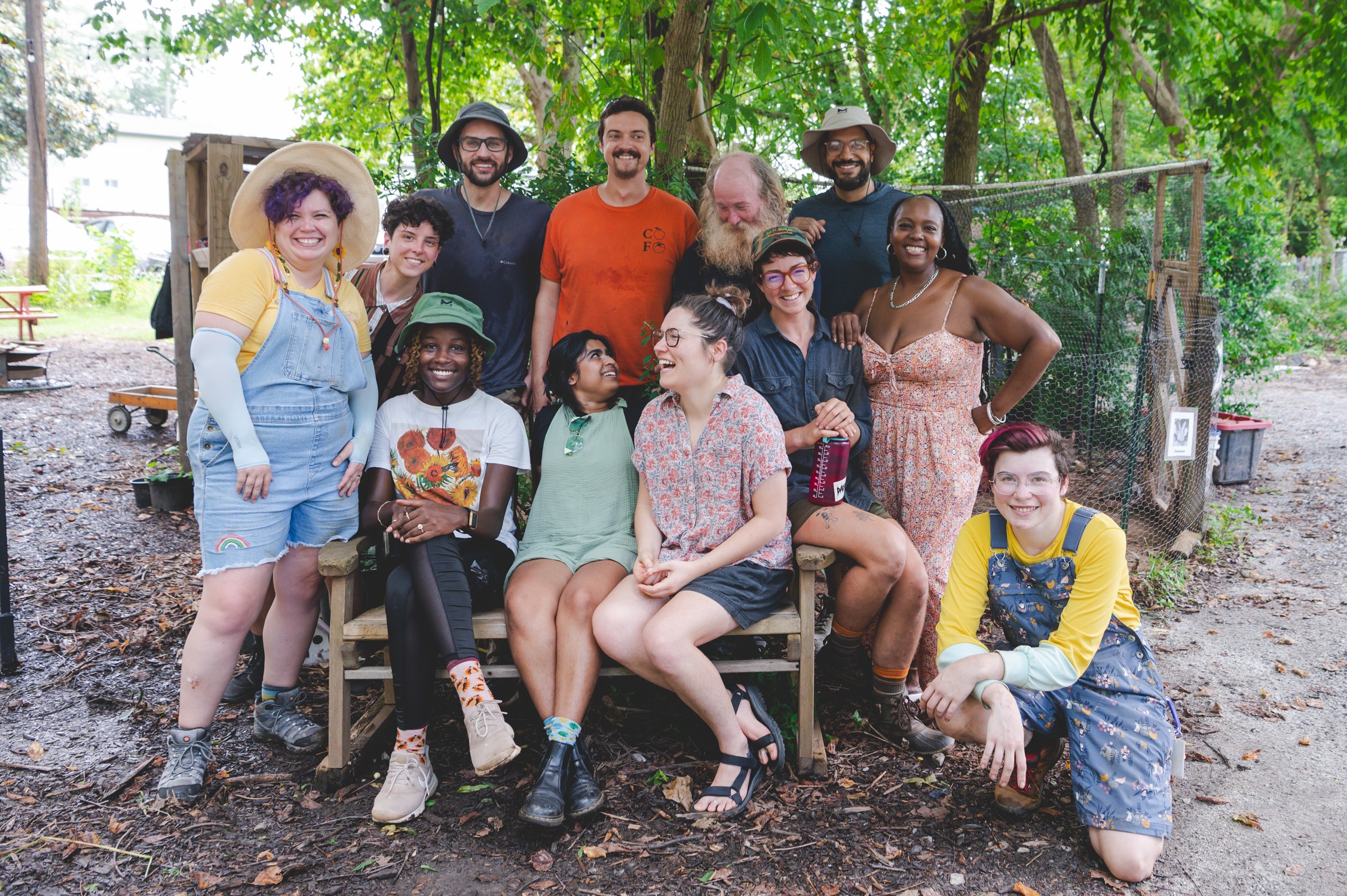
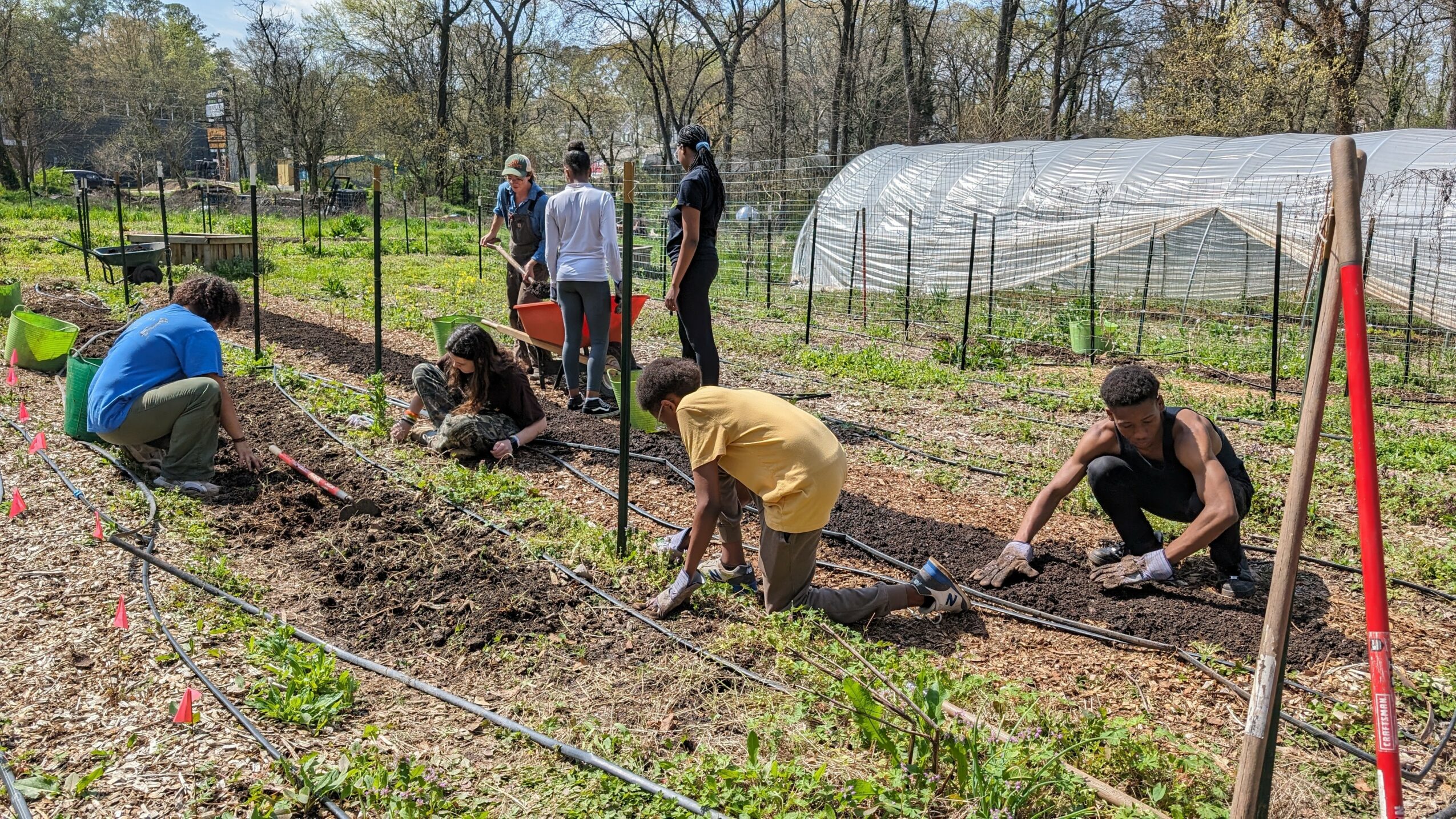
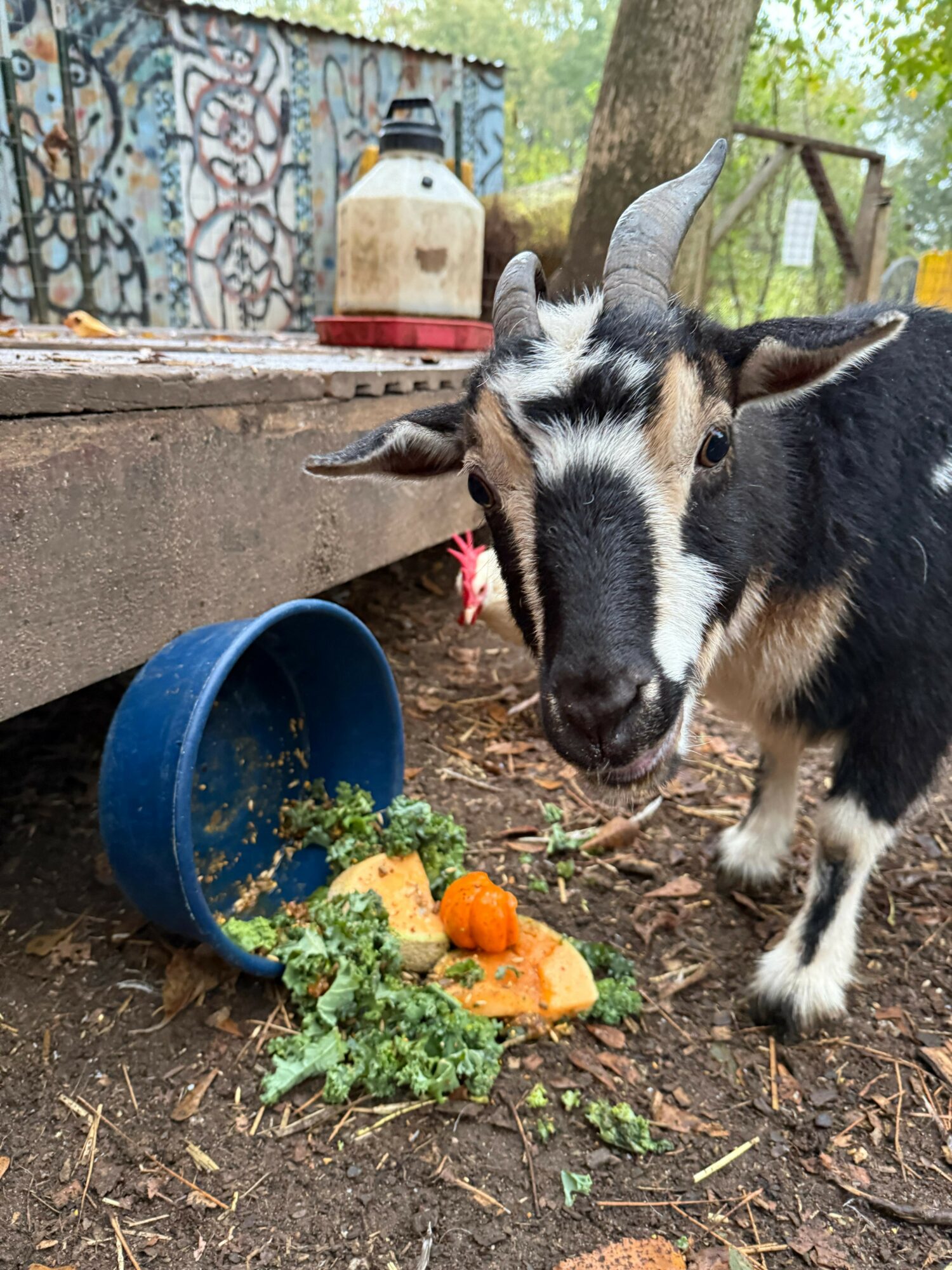
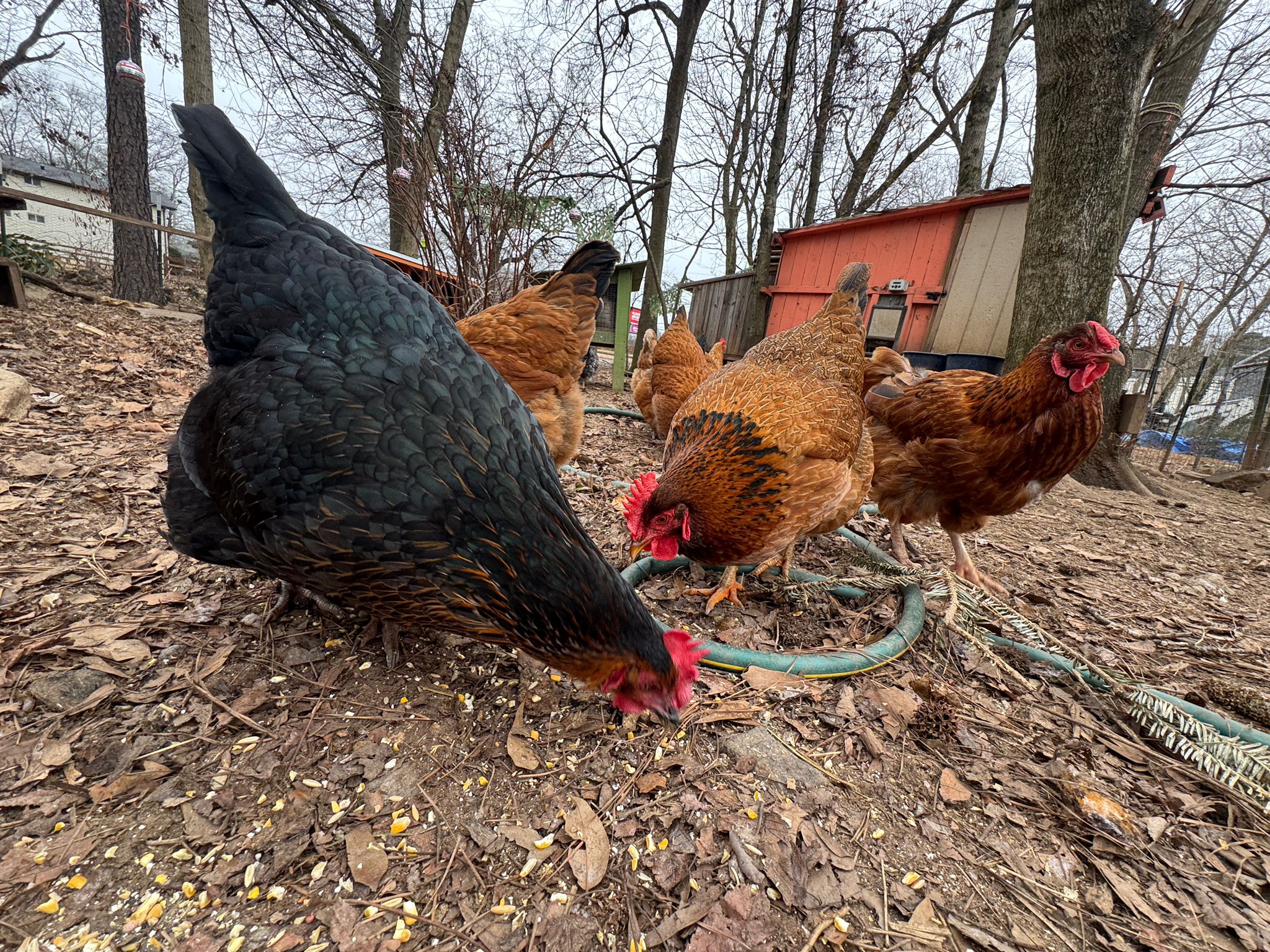
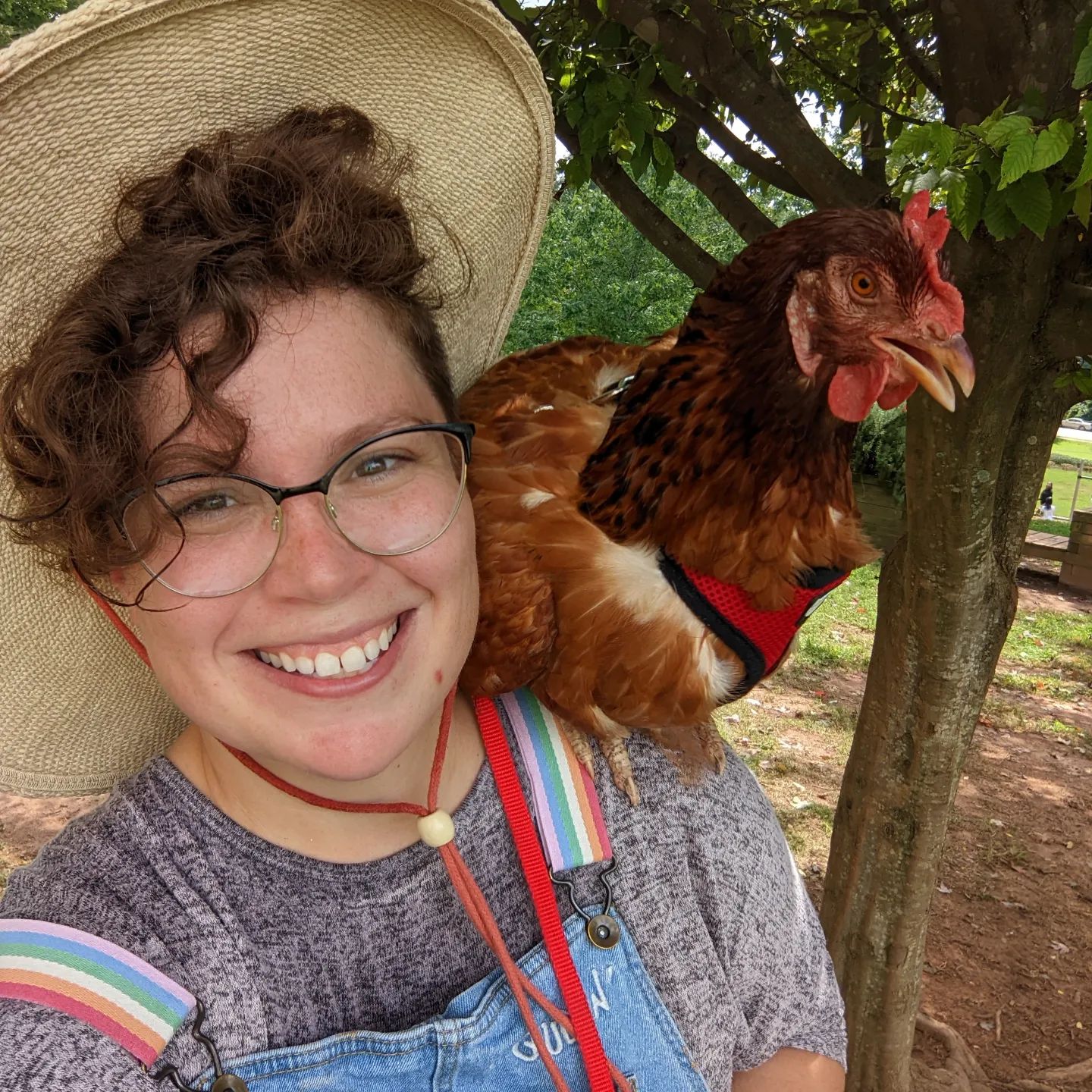
All of those experiences led me directly to Unearthing Farm and Market, where I officially stepped in as Executive Director at the beginning of this year. It has been the absolute perfect place to blend my background in systems and community leadership with my hands-on love for sustainable agriculture. We are a community-focused non-profit doing the hard, rewarding work of prioritizing soil health, composting, and regenerative farming right in the city. We even manage a wonderful, chaotic crew of farm animals—including chickens, pigs, goats, and bunnies—who play a huge role in our ecosystem and educational mission. Moving from the global corporate side of food to getting my hands in the dirt and ensuring our neighbors have equitable access to fresh food has been the most fulfilling work of my life.
Alright, so let’s dig a little deeper into the story – has it been an easy path overall and if not, what were the challenges you’ve had to overcome?
I think anyone who works in urban farming will tell you that the road is rarely smooth—it’s usually covered in mud and full of unexpected detours! Transitioning from the corporate food world to running a community non-profit was a massive shift in itself. You suddenly go from having specialized departments to wearing every single hat imaginable. But honestly, the most tangible struggles have been right there in the dirt with us.
When you are growing food in a city environment, you can’t ever take the land for granted. Last summer, we ran into a significant environmental challenge with our soil quality. We had to hit pause and initiate a comprehensive response strategy to remediate the earth and ensure it was safe and viable. It was a stressful hurdle that tested our timeline, but it also deeply reinforced our commitment to regenerative agriculture and proper land stewardship. You can’t cheat the soil; you have to do the work.
Logistics can also be incredibly chaotic. Just recently, we had to coordinate a temporary relocation for our farm animals and a significant portion of our physical infrastructure. If you’ve never had to orchestrate the movement of chickens, pigs, goats, and bunnies—along with all their fencing and housing—in the middle of an urban neighborhood, let me tell you, it is exactly as wild as it sounds! It was a massive puzzle that required all hands on deck. But navigating these hurdles, whether it’s moving a herd of goats or figuring out the financial modeling to sustain our pay-what-you-can systems, is just part of the ecosystem here. The struggles force us to be adaptable, and they make every successful harvest that much sweeter.
Great, so let’s talk business. Can you tell our readers more about what you do and what you think sets you apart from others?
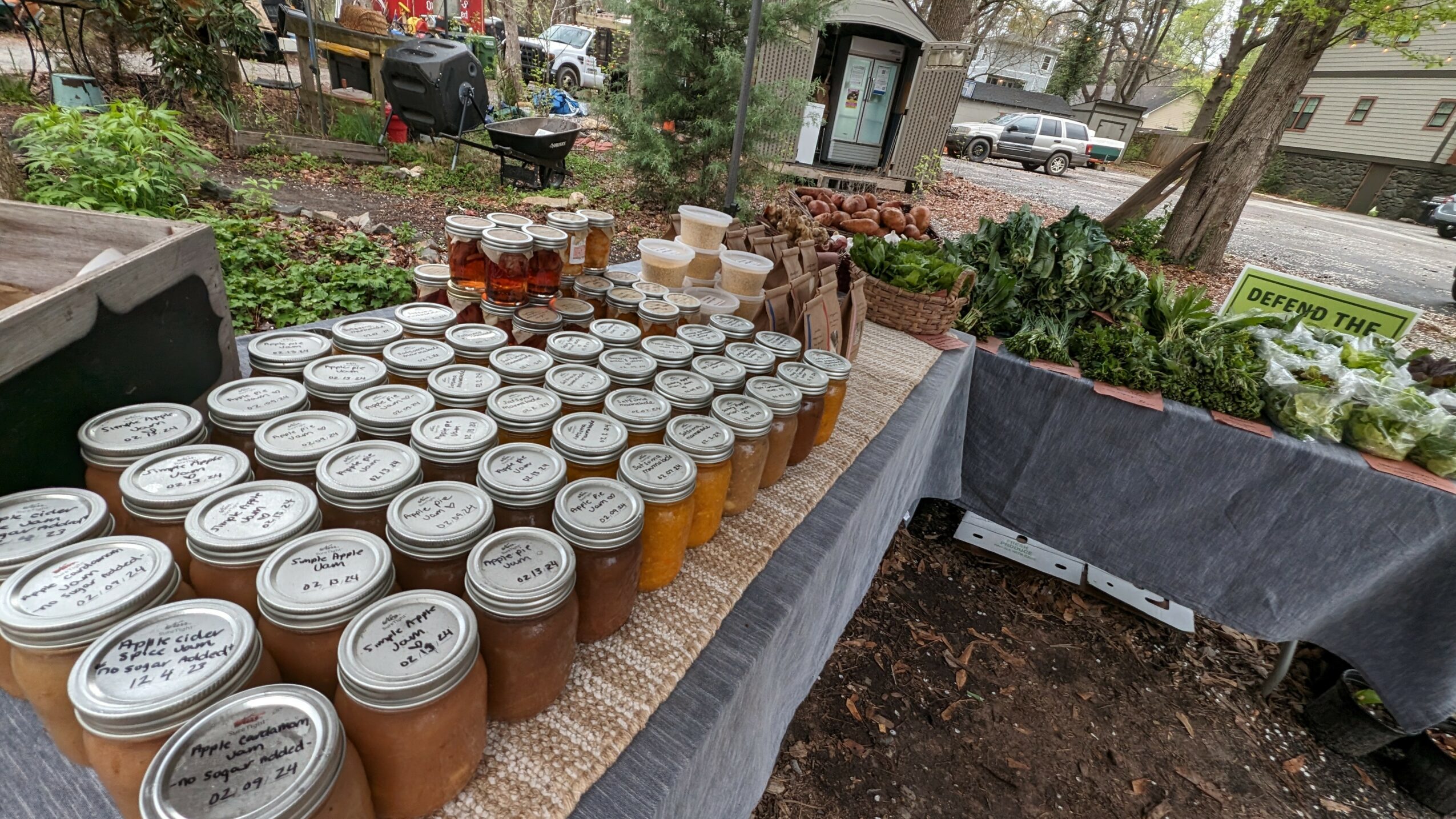
At its core, Unearthing Farm and Market is an Atlanta-based non-profit organization deeply committed to urban agriculture and building equitable community food systems. What I really want people to know is that we are not a private, exclusive farm; we are a community-centric space that exists entirely for the neighborhood. We specialize in regenerative farming practices, which means we put a heavy, daily emphasis on soil health, composting, and responsible urban land stewardship. On any given day, our work involves everything from tending to our crops to managing our incredible, bustling crew of farm animals—our chickens, pigs, goats, and bunnies—who bring so much life and educational value to our space. We do the dirty, joyful work of growing food right here in the city, but the agriculture is really just the vehicle for our larger mission.
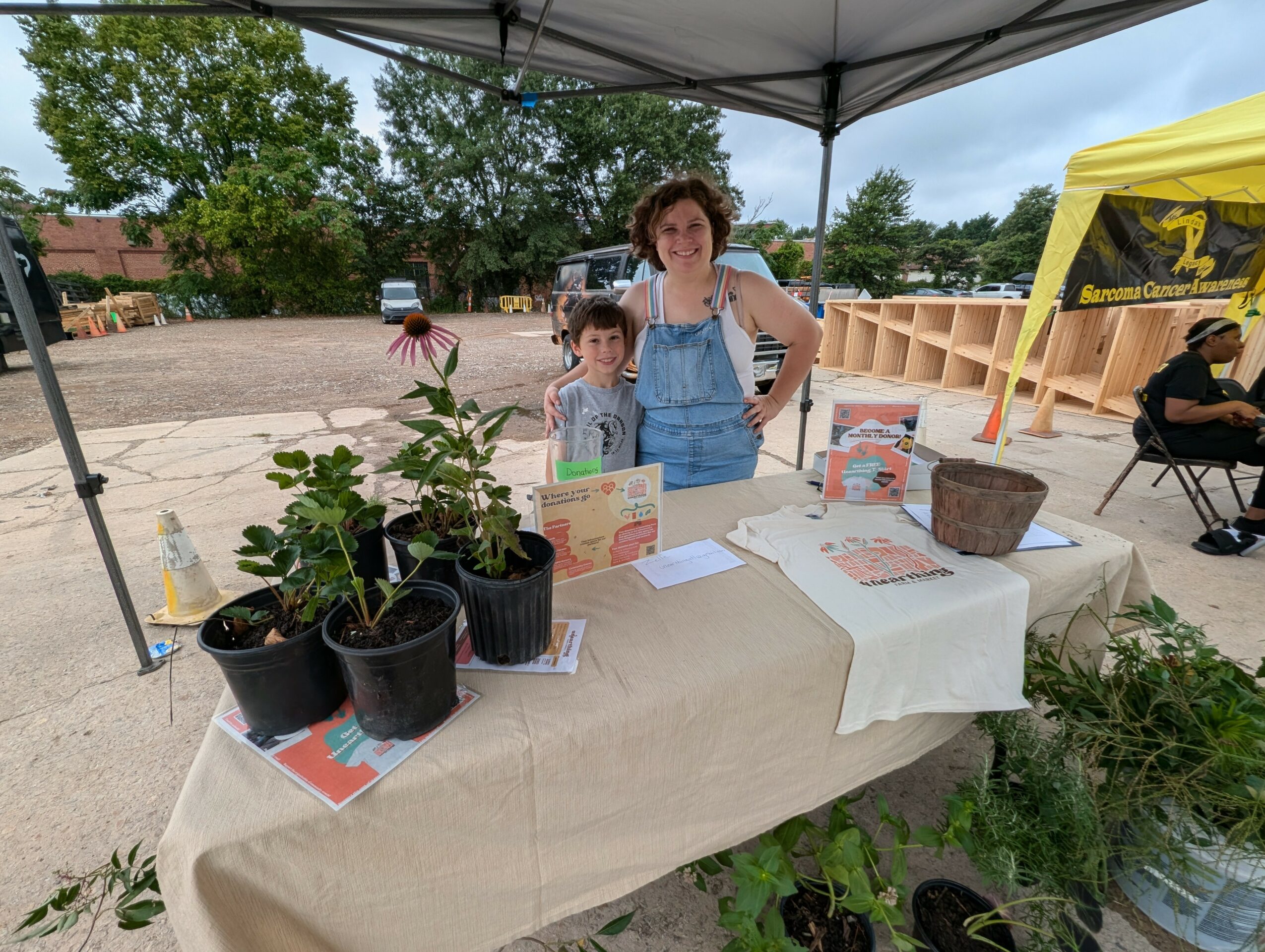
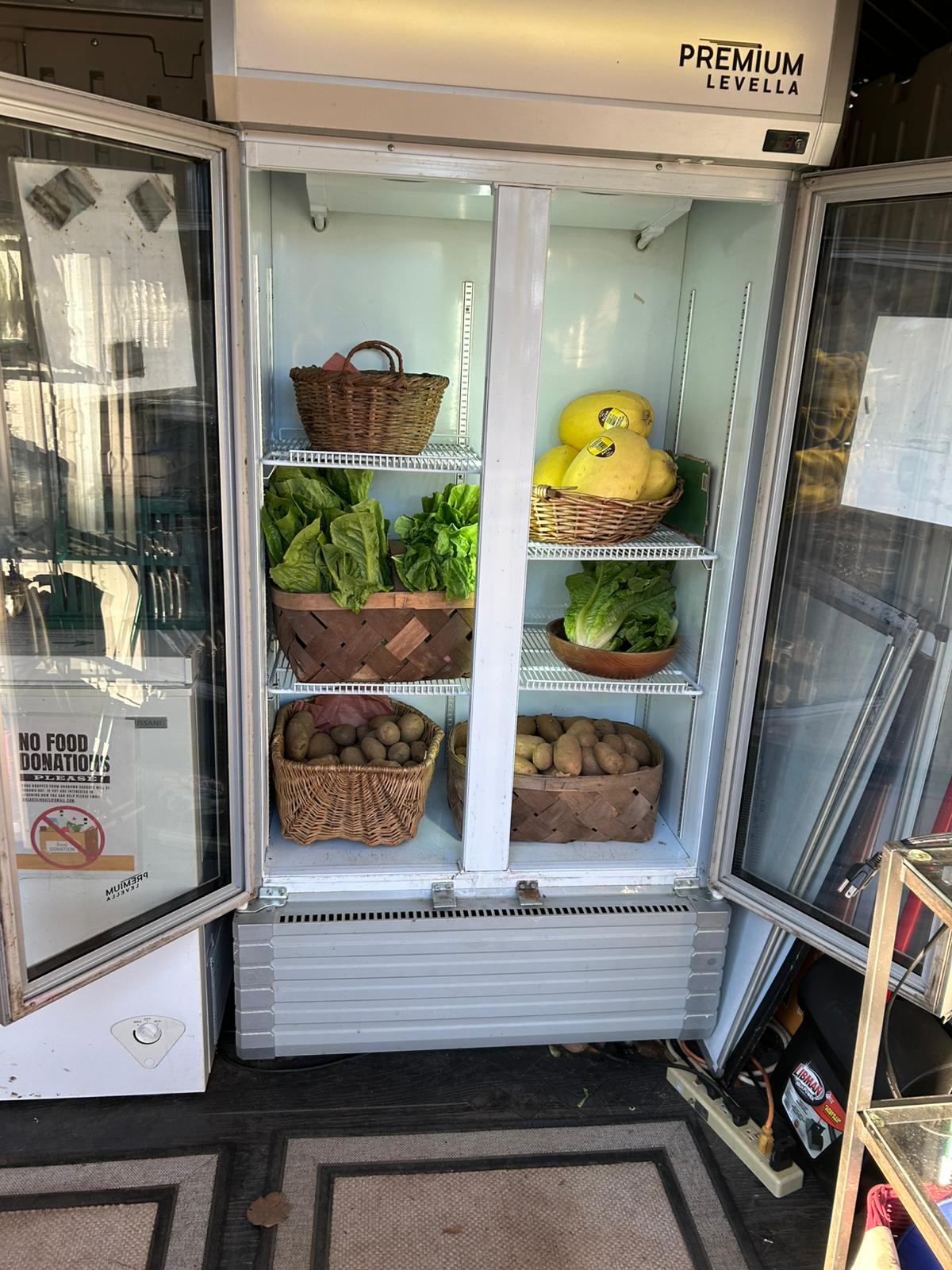
What truly sets us apart, and what I believe we are most known for, is our unwavering focus on nutritional equity. We don’t just want to grow high-quality produce; we want to ensure that everyone in our community has access to it, regardless of their income. We actively champion community-driven food access models, most notably our “pay-what-you-can” systems. There is often a frustrating disconnect in the local food movement where the healthiest, most sustainably grown food becomes a luxury item. We are working hard to break down that barrier. By operating as a non-profit rather than a traditional business, our bottom line isn’t profit margins; it’s feeding our neighbors and fostering an inclusive, welcoming space where people can connect with the earth and with each other.
Brand-wise, I am incredibly proud of the authenticity we represent. We aren’t just talking about sustainability or community building in a boardroom; we are practicing it in the soil, responding to environmental challenges in real-time, and adapting to the beautiful chaos of urban farming. I want your readers to know that when they support Unearthing Farm and Market—whether by visiting, volunteering, or engaging with our produce—they are investing directly into the health and resilience of Atlanta. They are supporting a model of neighborhood planning that says everyone deserves a seat at the table and a right to fresh, nourishing food.
Before we let you go, we’ve got to ask if you have any advice for those who are just starting out?
My biggest piece of advice for anyone just starting out in urban farming or the non-profit sector is to lean entirely into your community. You cannot do this work in a silo. Whether it’s joining professional associations like the North American Food Systems Network to connect with other food systems workers, or just getting deeply involved in your local neighborhood organization, those relationships are your actual infrastructure. When I was running my own consulting business, Urbanstead Solutions, helping folks with homesteading and small-scale operations, the most successful projects were always the ones that had strong, genuine community buy-in from the jump. You have to listen to what your neighbors actually need before you start planting.
I also highly recommend getting a solid grip on the administrative and legal realities of running an organization as early as possible. Right before I officially stepped into this Executive Director role, I went through an intensive, multi-session bootcamp with ProBono Partnerships Atlanta, and it was incredibly eye-opening. We all want to spend our days outside with the goats, the crops, and the soil, but knowing how to properly structure, fund, and protect your organization behind the scenes is what actually keeps the farm gates open and the pay-what-you-can programs running.
As for what I wish I knew? I wish I had fully grasped just how different the pacing is when you leave a decade in the global corporate world for hyper-local, community-based work. In the corporate sector, things move fast, and you have entire departments handling logistics. On an urban farm, progress is seasonal, and you are the logistics department. You have to learn to be incredibly patient with the land—like when we had to completely pause everything to remediate our soil last summer—and incredibly agile with your daily operations. I wish I had known early on that it’s okay if things are a little messy. The reality of farming in a city is chaotic, but that chaos is usually just a sign that you are doing real, tangible work in a living, breathing ecosystem.
Contact Info:
- Website: https://unearthingatl.org
- Instagram: https://www.instagram.com/unearthingfarmandmarket/
- Facebook: https://www.facebook.com/unearthingatl
- LinkedIn: https://www.linkedin.com/in/kkissel/
Popular
-

Hidden Gems: Local Businesses & Creatives You Should Know
-

ATL’s Most Inspiring Stories
-

Portraits of Atlanta
-

Alexander Lewis on Betting on Himself, Building Momentum at Coco Studios, and Turning Opportunity into Ownership
-

Satoya Hayes on Turning Beauty 2 Extensions into a Platform for Affordable Confidence and Entrepreneurial Opportunity
-

Asha Ford on Building Krystal Klear Motion and Creating Purpose-Driven Design for Women