






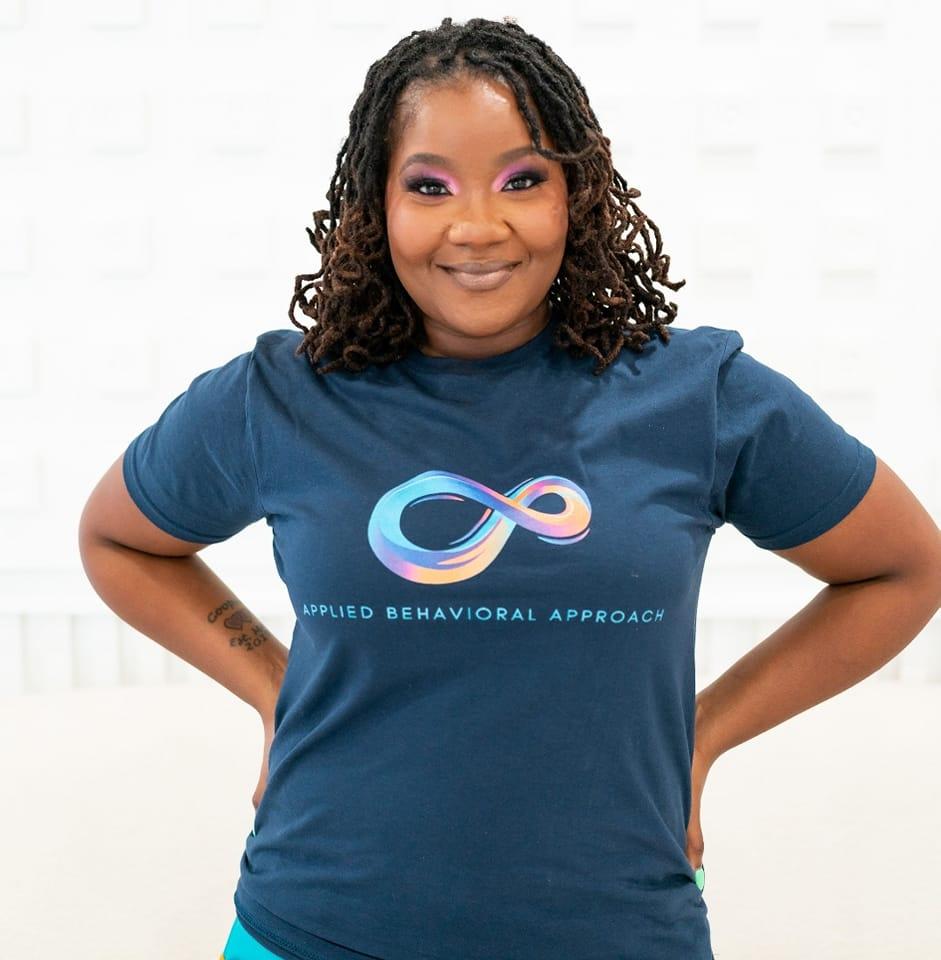
Today we’d like to introduce you to Lorneshia Cooper.
Lorneshia, we appreciate you taking the time to share your story with us today. Where does your story begin?
I got started simply through having a passion for working with children and families. As far back as I can remember, I always wanted to work with children in some capacity. When I was younger, I thought that meant becoming a doctor, but over time that vision evolved as I gained more experiences and exposure.
One of the experiences that had a major impact on me was an internship where I worked with children with neurodevelopmental differences, disabilities, and developmental delays. That experience deepened my passion and sparked my curiosity about how children learn, communicate, and experience the world around them.
My journey into Applied Behavior Analysis (ABA) began while working in childcare. I had the opportunity to work with a child with autism and found myself constantly asking, “How can I better reach this child?” That search led me to ABA, and I began building my career in the field.
As I continued to grow professionally, I also began noticing gaps and challenges within the system, not only in access to services but sometimes in how services were being delivered. Early in my career, I was taught to focus heavily on behavior itself. Over time, through experience, learning, and listening, my perspective expanded. I began shifting toward a more whole-person, neuroaffirming, and harm-reduction approach that considers the individual beyond the behavior.
Today, that philosophy shapes everything I do. Whether I’m supporting families, training professionals, or building resources, my goal is to help create environments where children and families feel understood, respected, and supported as people first.
Alright, so let’s dig a little deeper into the story – has it been an easy path overall and if not, what were the challenges you’ve had to overcome?
No, it definitely has not been a smooth road. One of my biggest challenges has been navigating imposter syndrome. As I grew in this field, I also began learning more about the experiences and perspectives of individuals who felt harmed or misunderstood by certain approaches within ABA. Those conversations challenged me to think differently and pushed me to reflect on the type of clinician I wanted to become.
There can be tension in being part of a field that is actively evolving and being willing to question practices that have traditionally been accepted. Growth sometimes requires unlearning, listening, and being open to difficult conversations. That process has been both uncomfortable and incredibly valuable.
I’ve also faced challenges that come with entrepreneurship and working independently. Being a solo business owner means there are moments where you’re the clinician, the leader, the marketer, the problem-solver, and the person trying to figure things out behind the scenes all at the same time. That can definitely bring moments of self-doubt.
But honestly, those challenges have shaped me. They pushed me to seek out more perspectives, do more research, continue learning, and become a more thoughtful clinician and person. I’ve learned that growth isn’t about having all the answers, it’s about being willing to keep learning and evolving.
As you know, we’re big fans of Applied Behavioral Approach Consulting. For our readers who might not be as familiar what can you tell them about the brand?
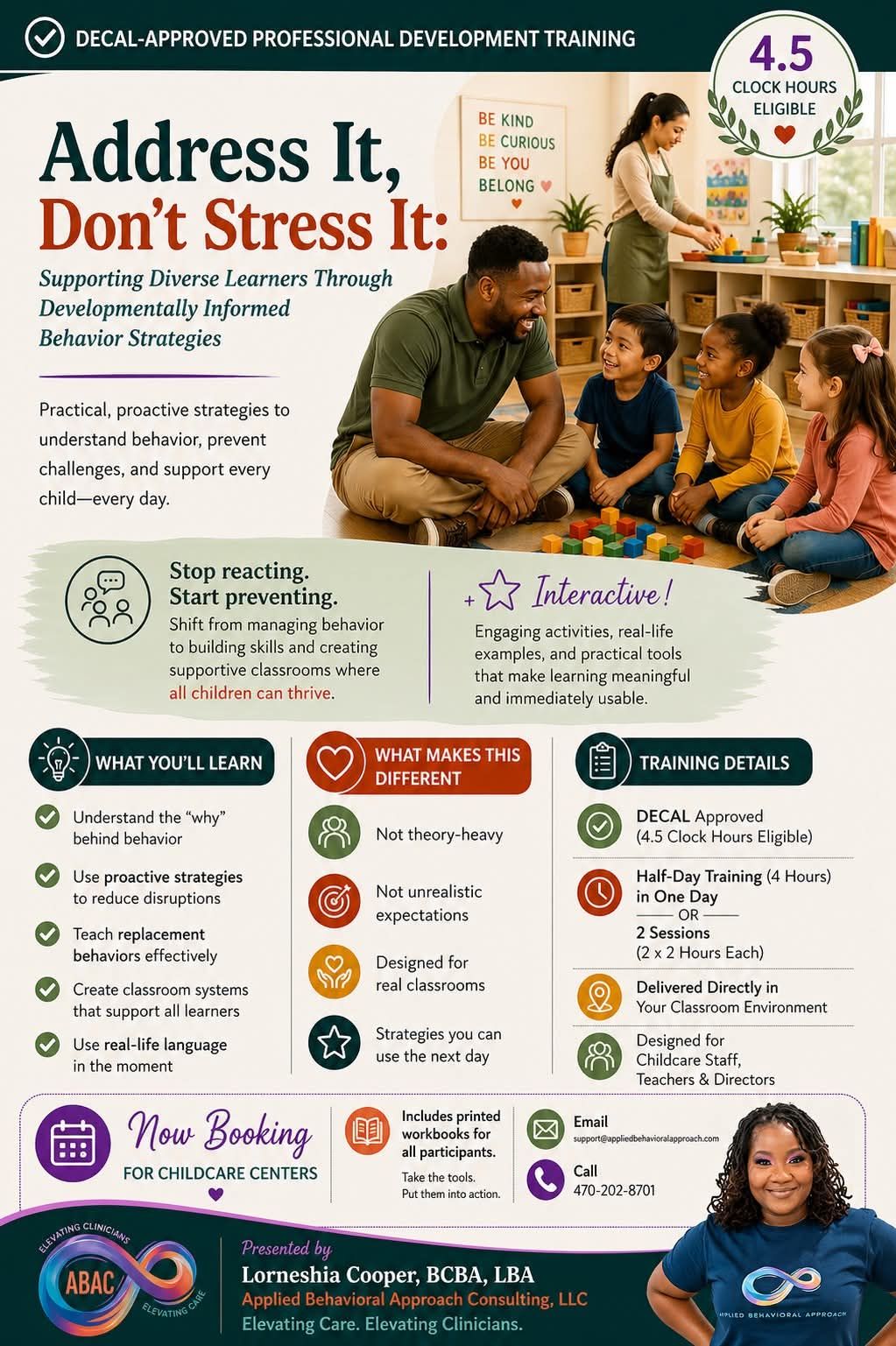
I am a solo independent Board Certified Behavior Analyst (BCBA) and the owner of Applied Behavioral Approach Consulting. I primarily work with children and families who need support navigating behavioral, developmental, social, or emotional challenges at home, school, and within the community.
What really sets me apart is my approach to ABA and how I think about the field as a whole. I believe ABA should continue evolving in ways that reduce harm, honor individuality, and focus on understanding the person beyond the behavior. A lot of my work centers around helping families, educators, and future clinicians move toward more neuroaffirming, relationship-based, and compassionate approaches while still remaining practical and evidence-informed.
I’m also passionate about mentorship and training. One of my long-term goals is to create meaningful internship and supervision opportunities for future BCBAs. I think many people entering the field are looking for real guidance, support, and hands-on learning experiences, not just signatures on paperwork. I want to help create spaces where future clinicians feel supported as they develop confidence, critical thinking skills, and ethical clinical practices.
Brand-wise, I’m probably most proud of finally allowing myself to become more visible. For a long time, I stayed behind the scenes, but over the past few years I’ve stepped more into sharing my perspective through social media, writing, trainings, and resources for both families and clinicians.
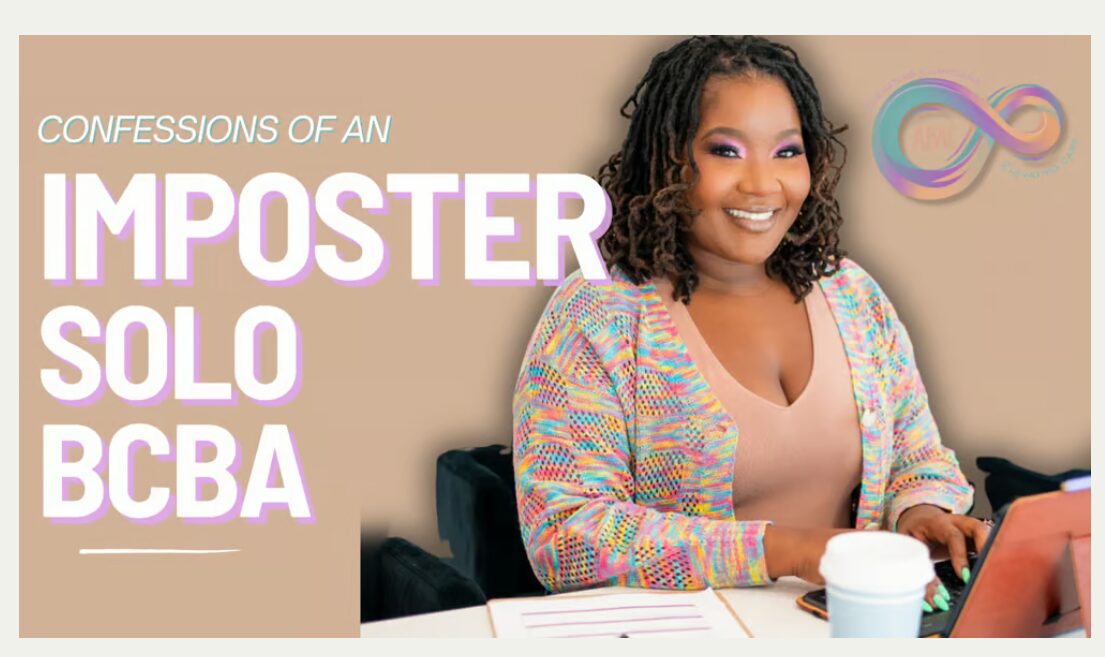
One project I’m especially proud of is my blog, “Confessions of a Solo Imposter BCBA.” It started as a therapeutic outlet for me to honestly process the challenges of entrepreneurship, imposter syndrome, and growth within this field. Over time, it unexpectedly became something that other clinicians connected with too. I think people appreciate honesty, transparency, and knowing they’re not alone in figuring things out.
More than anything, I want people to know that my brand is rooted in humanity. Whether I’m supporting a child, collaborating with parents, mentoring clinicians, or creating resources, my goal is always to help people feel seen, respected, and genuinely supported.
What matters most to you? Why?
What matters most to me is exactly what my tagline says: “Elevating Care, Elevating Clinicians.”
The reason that matters so deeply to me is because I’ve experienced this field from so many different levels. I’ve worked as an RBT, a BCBA, a lead BCBA, a clinical director, and now as a solo independent BCBA. Through all of those roles, I’ve been able to see the gaps that exist, not only gaps that impact clinicians, but gaps that ultimately impact the families and children receiving services.
I’ve seen what happens when clinicians are overwhelmed, under-supported, rushed through training, or expected to “figure it out” without meaningful mentorship. When clinicians don’t receive the support they need, families feel it too. The quality of care is directly connected to the quality of training, supervision, and support being provided behind the scenes.
At my core, I’m a teacher and a systems person. I genuinely enjoy creating systems, training opportunities, and structures that help people grow with confidence and intention. A huge passion of mine is helping future clinicians develop not only technical skills, but critical thinking, compassion, self-reflection, and the ability to truly listen to the people they serve.
I believe supervision and mentorship should be more meaningful, accessible, and supportive than what many people currently experience. Future BCBAs deserve opportunities to practice, receive feedback, ask questions, make mistakes safely, and learn under guidance while still being able to financially support themselves. That kind of investment doesn’t just elevate clinicians, it elevates the quality of care being provided to families.
I also think it’s important for clinicians to stay open to learning from autistic voices and lived experiences instead of becoming defensive when people share negative experiences with ABA. Those perspectives matter. We can’t improve care if we aren’t willing to listen, reflect, and evolve.
Ultimately, everything comes back to people. If we elevate clinicians, we elevate care. And when we elevate care, we create better outcomes and more meaningful support for the individuals and families we serve.
Contact Info:
- Website: https://www.appliedbehavioralapproach.com
- Instagram: https://www.instagram.com/bcbabestie/
- Facebook: https://www.facebook.com/LorneshiaCooper
- Other: https://payhip.com/ABAC

Popular
-

Hidden Gems: Local Businesses & Creatives You Should Know
-

ATL’s Most Inspiring Stories
-

Portraits of Atlanta
-
Natasha Dillard on Redefining Beauty Standards and Empowering Women Through Unapologetic Self-Expression
-

Darren Paltrowitz on Blending Investigation, Media, and Culture to Uncover the Stories Behind the Stories
-

Naeemah Jade on Redefining Networking Through Trust, Proximity, and Intentional Community