






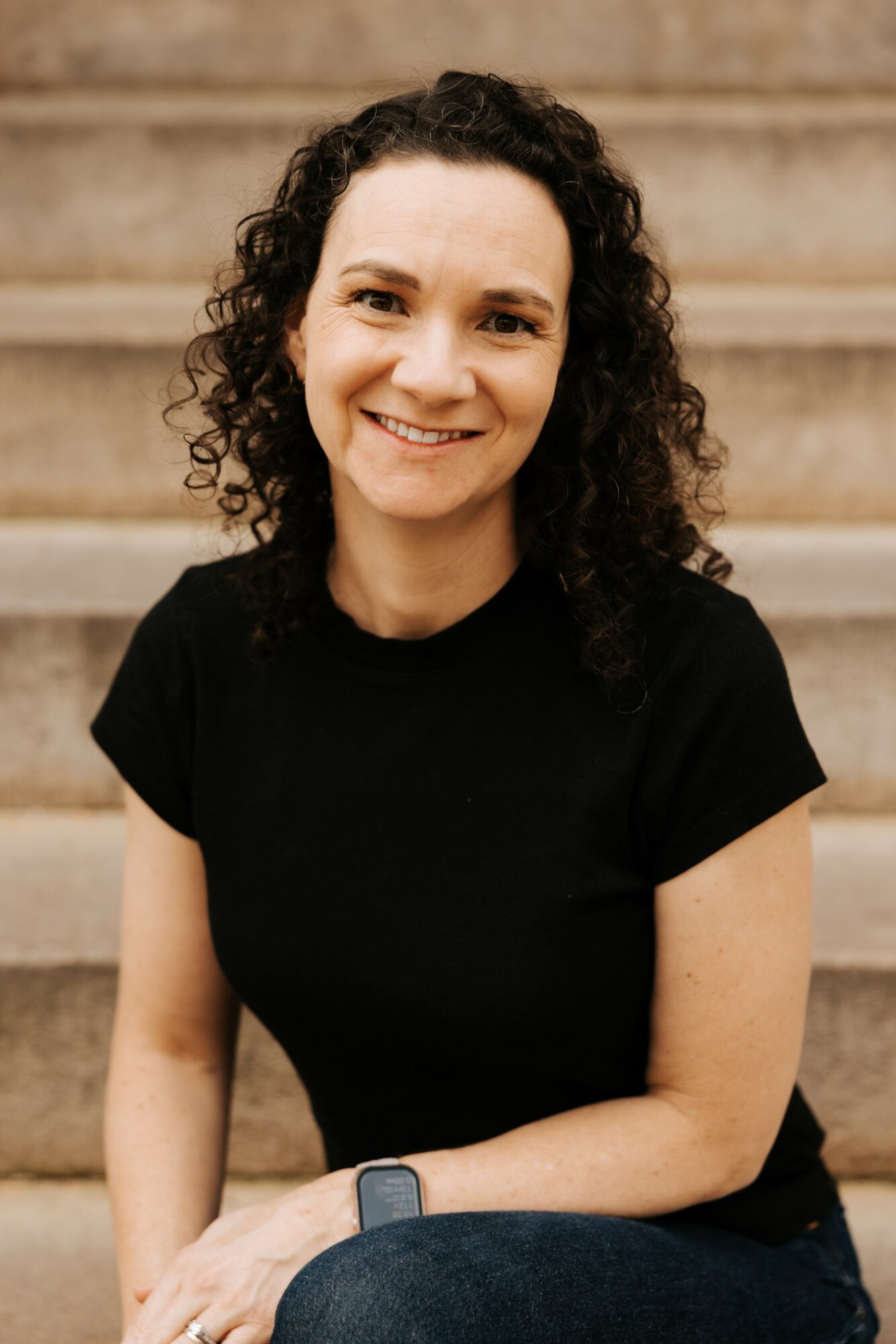
Today we’d like to introduce you to Tara.
Hi Tara, so excited to have you with us today. What can you tell us about your story?
I’ve always been interested in what makes people tick. From a young age, I found myself drawn to people’s stories—how they made sense of their experiences and why they thought and felt the way they did. When I took AP Psychology in high school, I realized there were entire frameworks and evidence-based approaches for understanding human behavior, which really solidified my interest in the field.
As I continued my education, that curiosity evolved into a desire not just to understand people, but to help them understand themselves in a deeper and more meaningful way. I earned my BA in Psychology from Emory University and went on to complete my Master’s in Social Work at Columbia University in New York City. I love the social work perspective that people both shape and are shaped by their environment.
I began my clinical work in California, where I became licensed and gained experience working with a wide range of clients. Over time, I found myself drawn to working with high-functioning, thoughtful individuals who often had a lot of insight but still felt stuck in patterns of anxiety, perfectionism, or emotional reactivity.
After moving to Georgia, I opened my private practice in 2017. Since then, I’ve continued to refine my approach, integrating modalities like EMDR, somatic-informed therapy, and ERP to help clients move beyond insight and create more lasting change.
I’m sure it wasn’t obstacle-free, but would you say the journey has been fairly smooth so far?
It definitely hasn’t been a completely smooth road. In many ways, my development as a therapist has been closely intertwined with my development as a person, so the challenges have existed on both levels.
Building a private practice comes with its own learning curve—figuring out the business side, navigating uncertainty, and adapting to changes in the field. Starting my practice before COVID brought a unique set of challenges as well. At the time, telehealth wasn’t a significant part of my work, so I had to quickly pivot and reimagine how I connected with clients and delivered care.
Along the way, one of the most important things I’ve learned (and am still learning) is how to trust myself to navigate challenges as they arise. That ability to adapt, problem-solve, and continue growing has been essential, both as a clinician and as a business owner.
Great, so let’s talk business. Can you tell our readers more about what you do and what you think sets you apart from others?
Decatur Counseling Center is a boutique private practice focused on working with high-achieving adults who are navigating anxiety, perfectionism, and trauma. Many of my clients are thoughtful, driven, and used to functioning at a high level, but internally feel overwhelmed, stuck in overthinking, or impacted by patterns they can’t seem to shift on their own.
What sets my work apart is the focus on going beyond insight. A lot of the individuals I work with have already done therapy or have a strong understanding of their patterns, but are looking for something that creates more meaningful and lasting change. I integrate EMDR and somatic-informed therapy to help clients process experiences at a deeper level and create shifts not just cognitively, but within the nervous system.
I’m also intentional about creating a more personalized, high-touch experience. As a smaller practice, I’m able to be thoughtful about the care I provide and the clients I work with, which allows for a more focused and collaborative process.
What I’m most proud of, from a brand perspective, is that the practice has become a space where high-functioning individuals feel understood in a nuanced way. There’s often a sense of relief when clients realize they don’t have to “optimize” their way out of perfectionism, and that there’s a more effective path forward.
In terms of your work and the industry, what are some of the changes you are expecting to see over the next five to ten years?
Over the next 5–10 years, I think one of the biggest shifts in our field will be how we navigate the growing presence of artificial intelligence in mental health. AI tools are becoming more accessible and, in many ways, can offer immediate support, psychoeducation, and even a sense of validation.
At the same time, therapy is fundamentally rooted in human connection. From my perspective, meaningful and lasting change happens through the therapeutic relationship—through co-regulation, attunement, and the experience of being understood by another person. These are the elements that help rewire the nervous system and allow people to process and integrate difficult experiences.
While AI can be a helpful supplement, it doesn’t replace the depth of work that happens in therapy. Growth often requires sitting with discomfort, exploring blind spots, and engaging in a process that isn’t always easy or immediately rewarding. That’s where the presence of a skilled clinician becomes essential.
I do think the field will continue to integrate technology in thoughtful ways, but there will also be an increasing need to clarify the difference between support and true therapeutic change. My hope is that as these tools evolve, the value of human-centered, relational work becomes even more clear.
Pricing:
- $250/50-55 minute session
Contact Info:
- Website: https://www.decaturcounselingcenter.com/
- Other: https://www.psychologytoday.com/profile/358925

Popular
-

Hidden Gems: Local Businesses & Creatives You Should Know
-

ATL’s Most Inspiring Stories
-

Portraits of Atlanta
-

Natasha Dillard on Redefining Beauty Standards and Empowering Women Through Unapologetic Self-Expression
-

Darren Paltrowitz on Blending Investigation, Media, and Culture to Uncover the Stories Behind the Stories
-

Naeemah Jade on Redefining Networking Through Trust, Proximity, and Intentional Community