





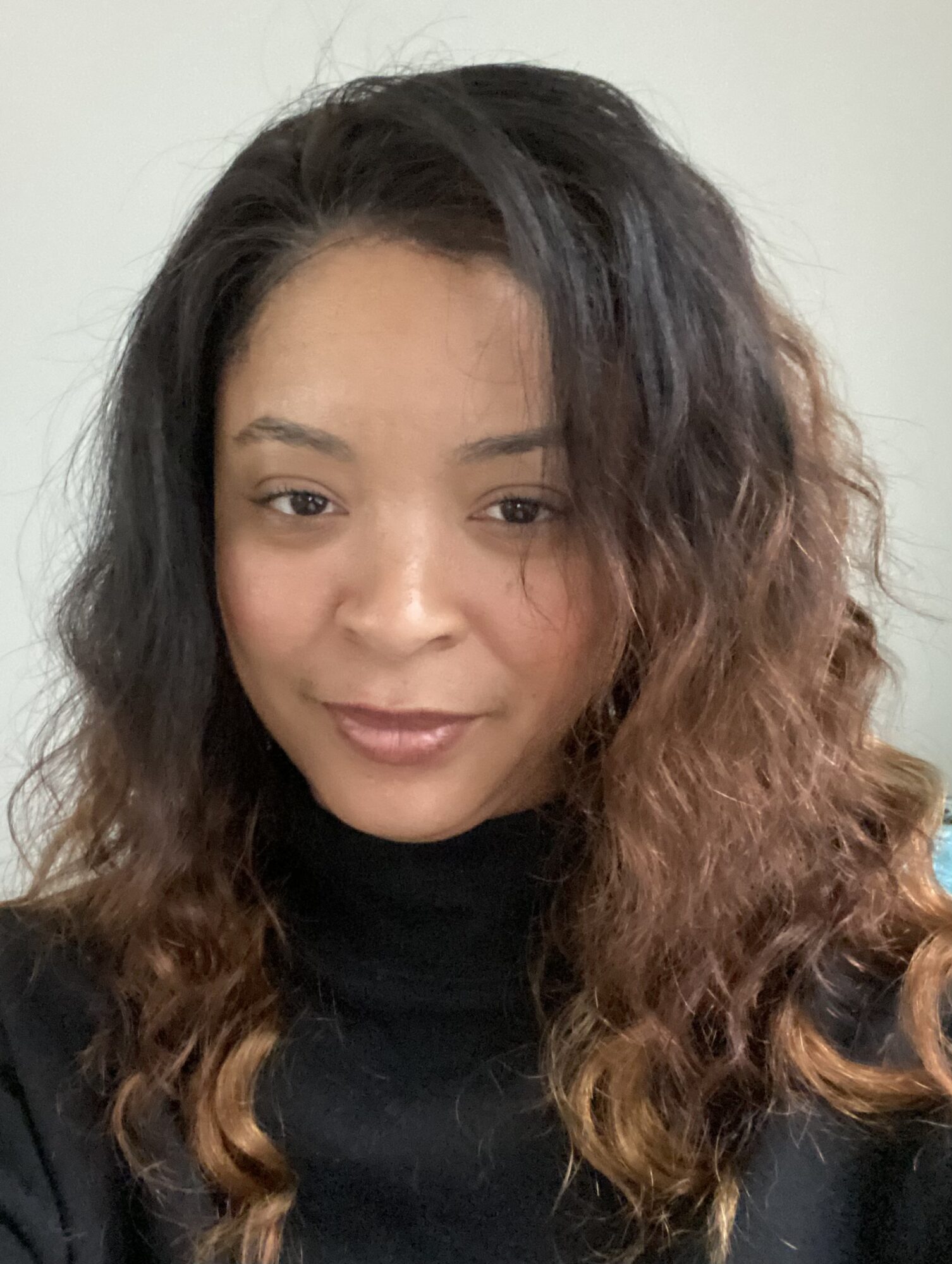
Today we’d like to introduce you to Kim Oliver.
Hi Kim, so excited to have you on the platform. So before we get into questions about your work-life, maybe you can bring our readers up to speed on your story and how you got to where you are today?
This project starts in a specific place. Ben Hill is home for me, and my family has been in the Atlanta area since the early 1800s. I grew up on family land there. My Father grounded me in our family history. He talked to me about landownership by Black American families in the Atlanta area, the community builders in our line, and our family roots. That history was part of what we knew. The work was making it verifiable on paper in a way that could not be ignored. Seeing what my ancestors accomplished, especially the women who secured land and made real investments, shaped my own expectations of what I could build and carry forward.
The turning point came in 2024, when I decided to fund the work and bring in the right experts. I began organizing a preservation effort focused on the cemetery site at Cobb Bethel AME Church. Part of the challenge is that our land was originally in Campbell County, and when it was absorbed into Fulton County in 1932, boundaries and paper trails shifted. That kind of change can make family history harder to trace if you do not know where to look.
What I found changed my understanding of my own family and of Black American history in Atlanta, and it also reshaped how I think about American history more broadly. With the team in place, I hired a professional genealogist and worked with other experts to pull material together from multiple sources, including material already on file at Cobb Bethel. One of the clearest examples is Benjamin Cobb, who the church is named after. He was a neighbor of my family, the Olivers, and part of a group of Black American landowners in that community who pooled resources to establish the church. He had been described as a white benefactor, but the evidence shows he was a Black American man, formerly enslaved, who bought land, worked as a drayman, and helped establish the church that still carries his name more than a century later.
That process led me to Ellen Oliver, an ancestor four generations back. In the early 1900s she deeded land so the community could build the first Black school in that area. That school later became Thomas Oliver Elementary School, named for her son, Thomas Oliver. Years later, I attended the school that carried that name.
The cemetery is what made it urgent. My Father is buried there, along with multiple generations of my family. The cemetery also holds people born into enslavement and veterans. This is a historic site, and preserving it matters. Cobb Bethel Cemetery is one of the oldest cemeteries in Atlanta and an important part of the city’s earlier history.
That is when I established the project and started putting structure around the work. We secured official cemetery registration in August 2024, which placed the cemetery on the City’s record. We have identified 156 graves so far, with more likely present due to missing and deteriorated markers. The work now is verification, stabilization, and restoration planning to protect the cemetery long-term.
Today, the work is focused on confirming the burials on the site and protecting the cemetery long-term. We have secured official cemetery registration, identified 156 graves so far, and we believe more are present because markers are missing and conditions have deteriorated over time. This is ongoing work, but the goal is clear: preserve a historic cemetery and make sure the people and families connected to it remain documented, respected, and visible in the city’s earlier history.
I’m sure it wasn’t obstacle-free, but would you say the journey has been fairly smooth so far?
Overall, it has been an amazing journey. I have worked with some incredible people along the way, including local colleges and universities, volunteers from the Atlanta area, and other partnering cemeteries. I have been genuinely impressed by the support, especially from people in the cemetery preservation community who have been willing to share expertise and show up when it counts.
The biggest challenge has been capacity. We are a small organization with limited staff and a limited budget, so progress depends on careful planning, the right sequencing, and getting the right people in place at the right time. That also means I spend a lot of time coordinating, following up, and keeping momentum moving forward.
The physical work has been a challenge as well. Before we could even assess the cemetery properly, we had to clear years of overgrowth and remove trees that had taken over sections of the site. After that, we were able to bring in ground-penetrating radar to better understand the graves that may not be marked. Volunteer support has been strong, but managing a work site safely takes real organization. Tools, timing, safety, and supervision all matter.
Even with those challenges, the work has been moving forward because people have been willing to support it. Over time, the goal is to build the structure to sustain this work long-term and keep building on what has already been started.
As you know, we’re big fans of you and your work. For our readers who might not be as familiar what can you tell them about what you do?
Cobb Bethel AME Cemetery Preservation is a descendant-led effort focused on protecting the historic cemetery connected to Cobb Bethel AME Church in Atlanta. The work is about making sure the cemetery is cared for properly, documented clearly, and protected for the long term.
The day-to-day work is bringing the right people together and keeping the effort organized. That includes lining up expert support when it is needed, coordinating research and documentation, leading volunteer workdays, and keeping the work moving in a responsible way so the site can be maintained and preserved over time.
What sets this effort apart is that it is family-connected and descendant-led, so there is real accountability behind the work. The work is managed with clear priorities, careful coordination, and consistent follow-through. The goal is steady progress and long-term protection of an Atlanta historic site that deserves to be preserved. The hope is that this work also encourages other families to research, document, and protect their own history with the same care. The goal is steady progress and long-term protection of an Atlanta historic site that deserves to be preserved.
We’d love to hear about any fond memories you have from when you were growing up?
One of my favorite childhood memories is my Father coming to pick me up from school on Niskey Lake Road in Atlanta and taking a few minutes to talk with my teachers about our family’s history and what that neighborhood meant. You could tell they were impressed by how much he knew, and after that day, it shifted how they looked at me in the best way.
A lot of my best memories are also tied to growing up on our family land, especially around the holidays. We lived next door to my aunts, uncles, and extended family, with our homes all right there together on the same family land, so family felt constant, not occasional. Their children were right there with me, and we grew up together. Looking back, those memories connect. They taught me early that our history had weight, and they planted the seed for why preserving it matters to me now.
Contact Info:
- Website: https://cobbbethelcemetery.carrd.co/
- Instagram: https://www.instagram.com/cobbbethelcemetery/?hl=en
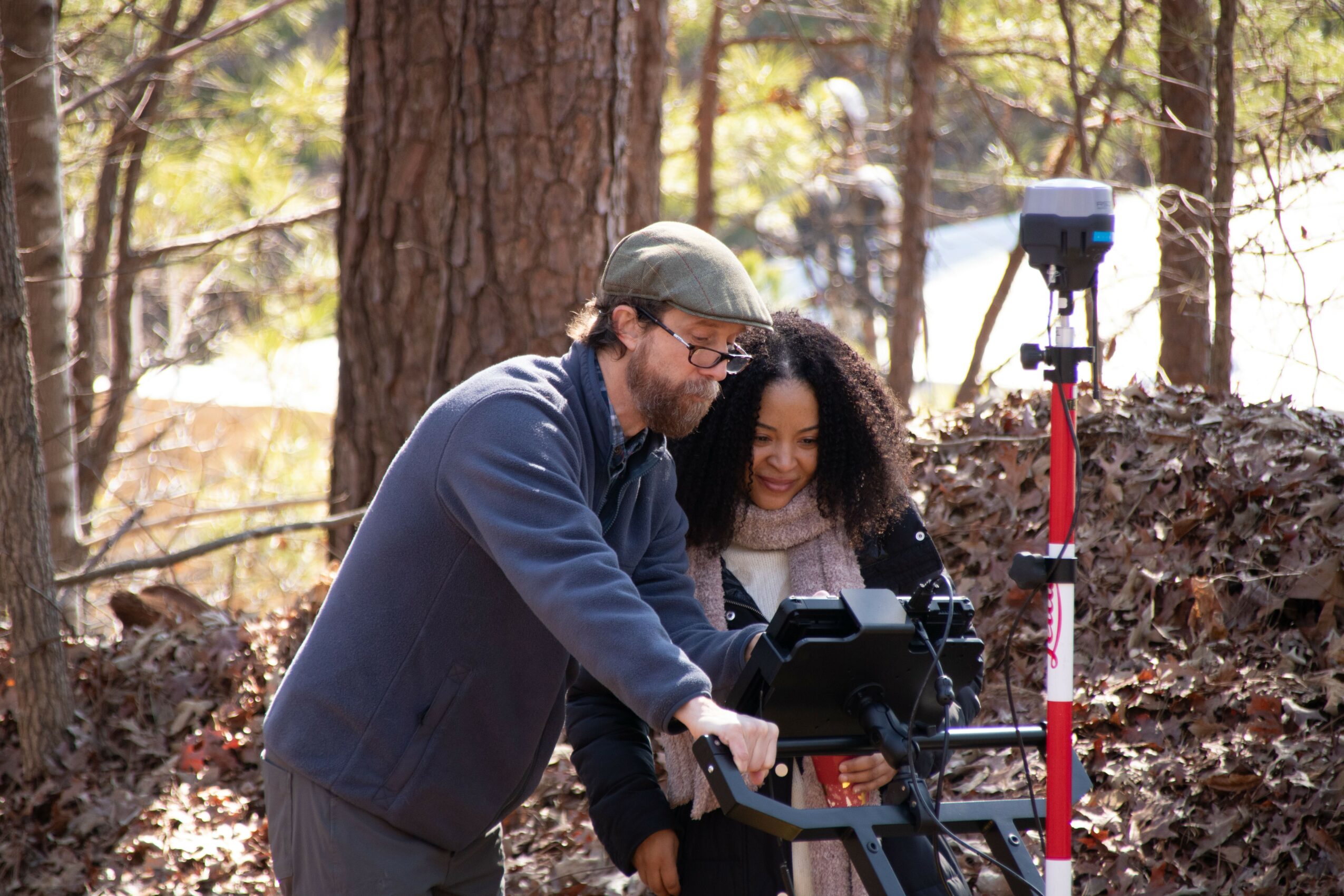
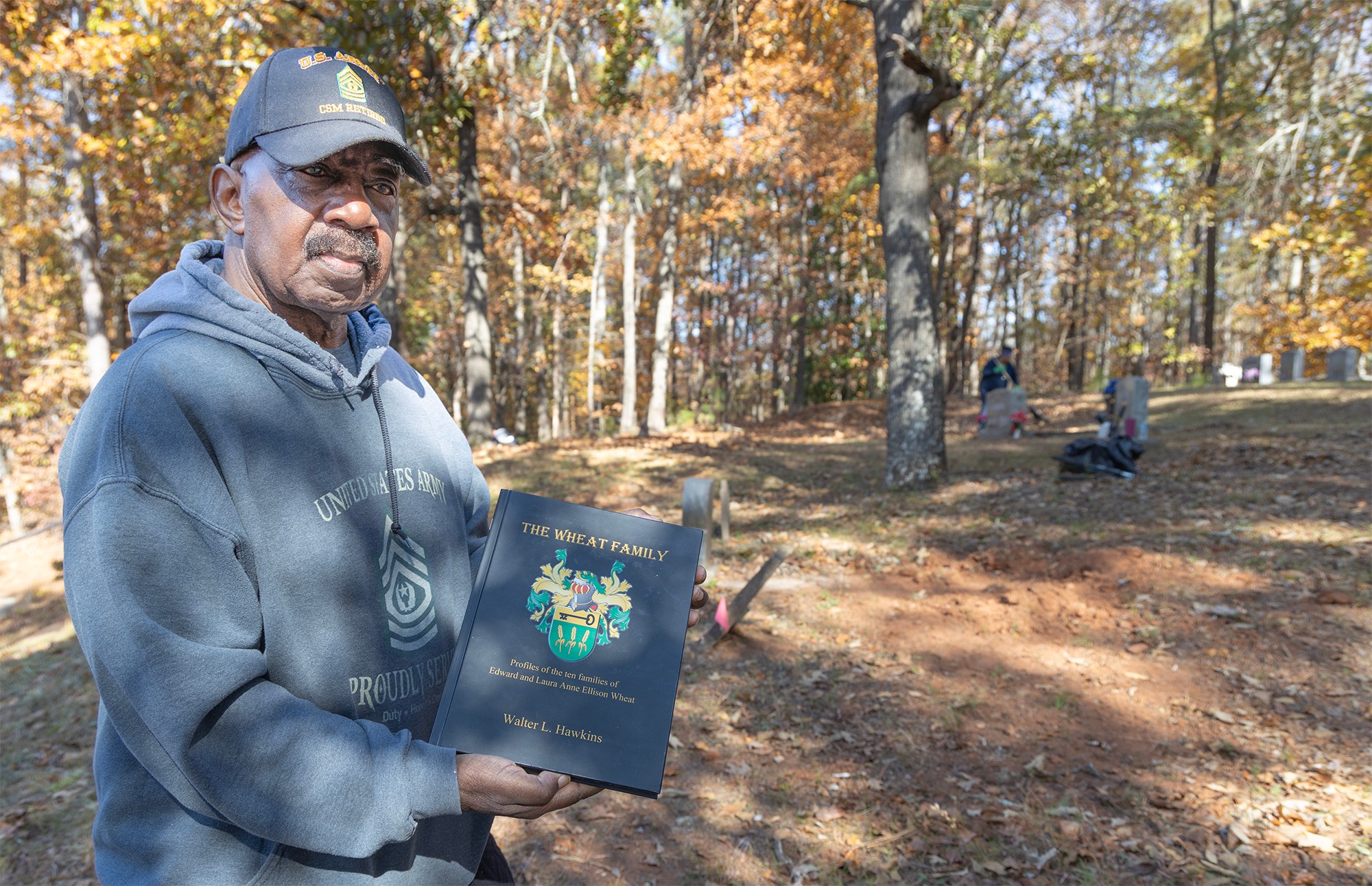
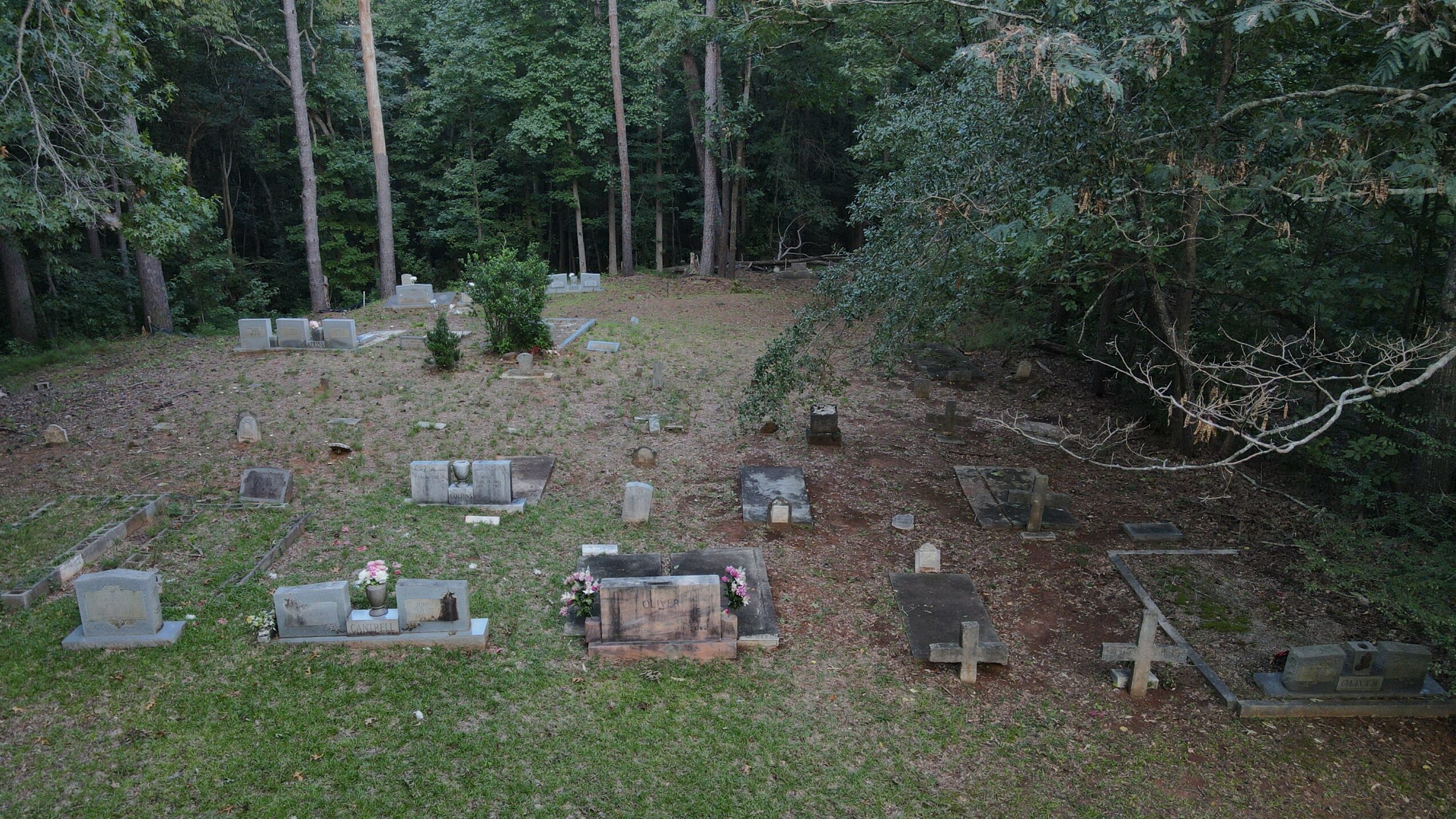
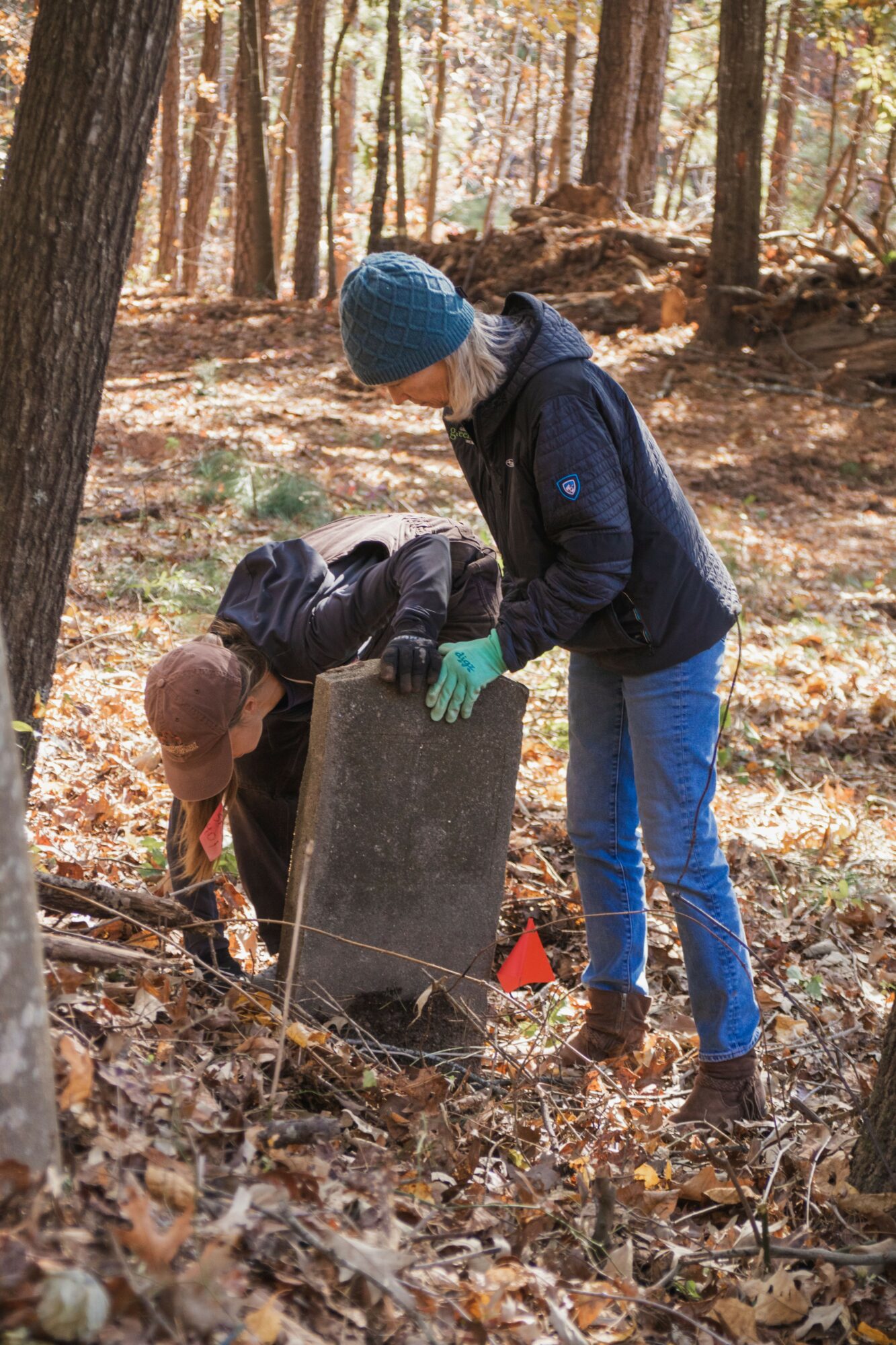
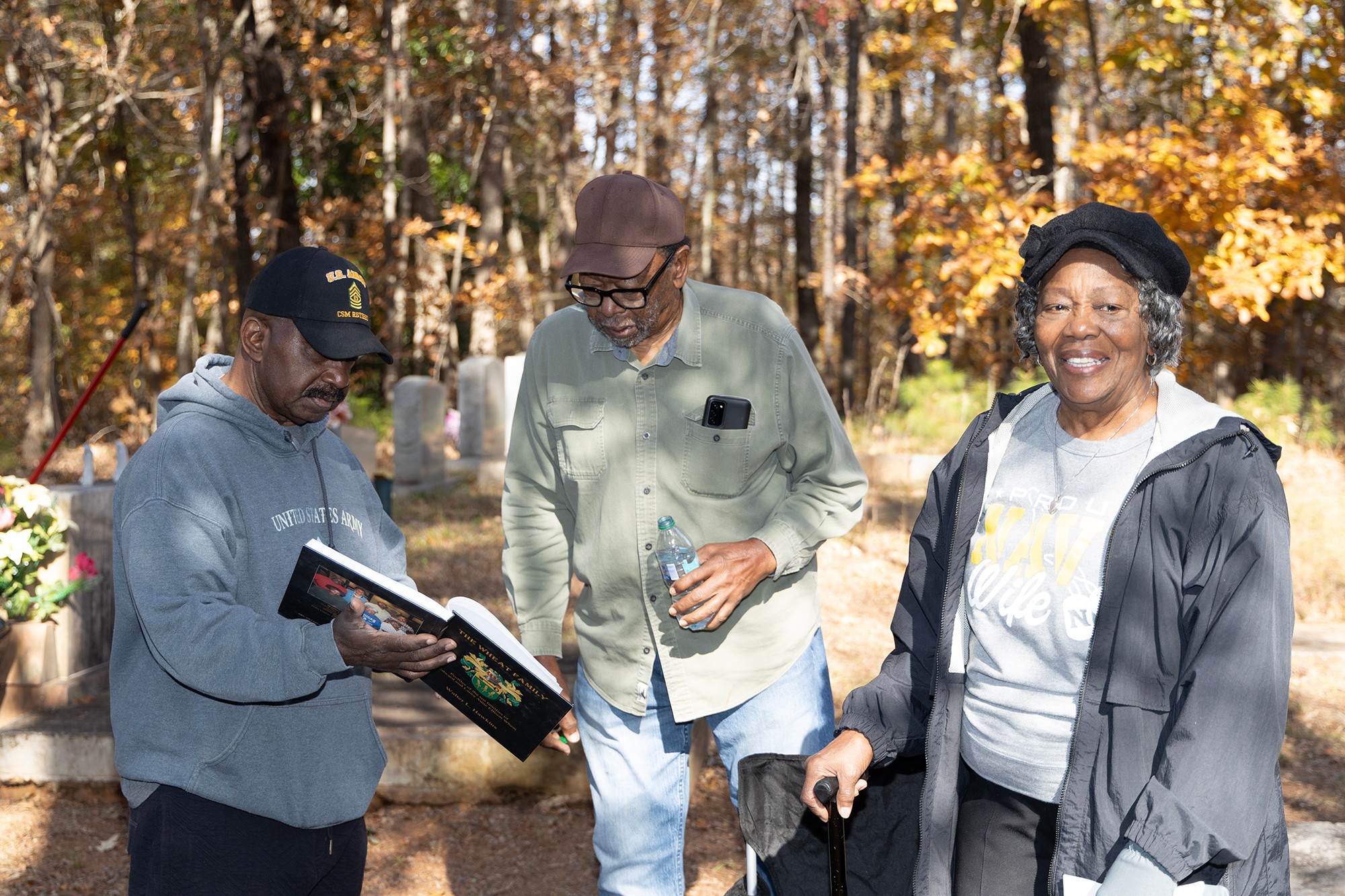
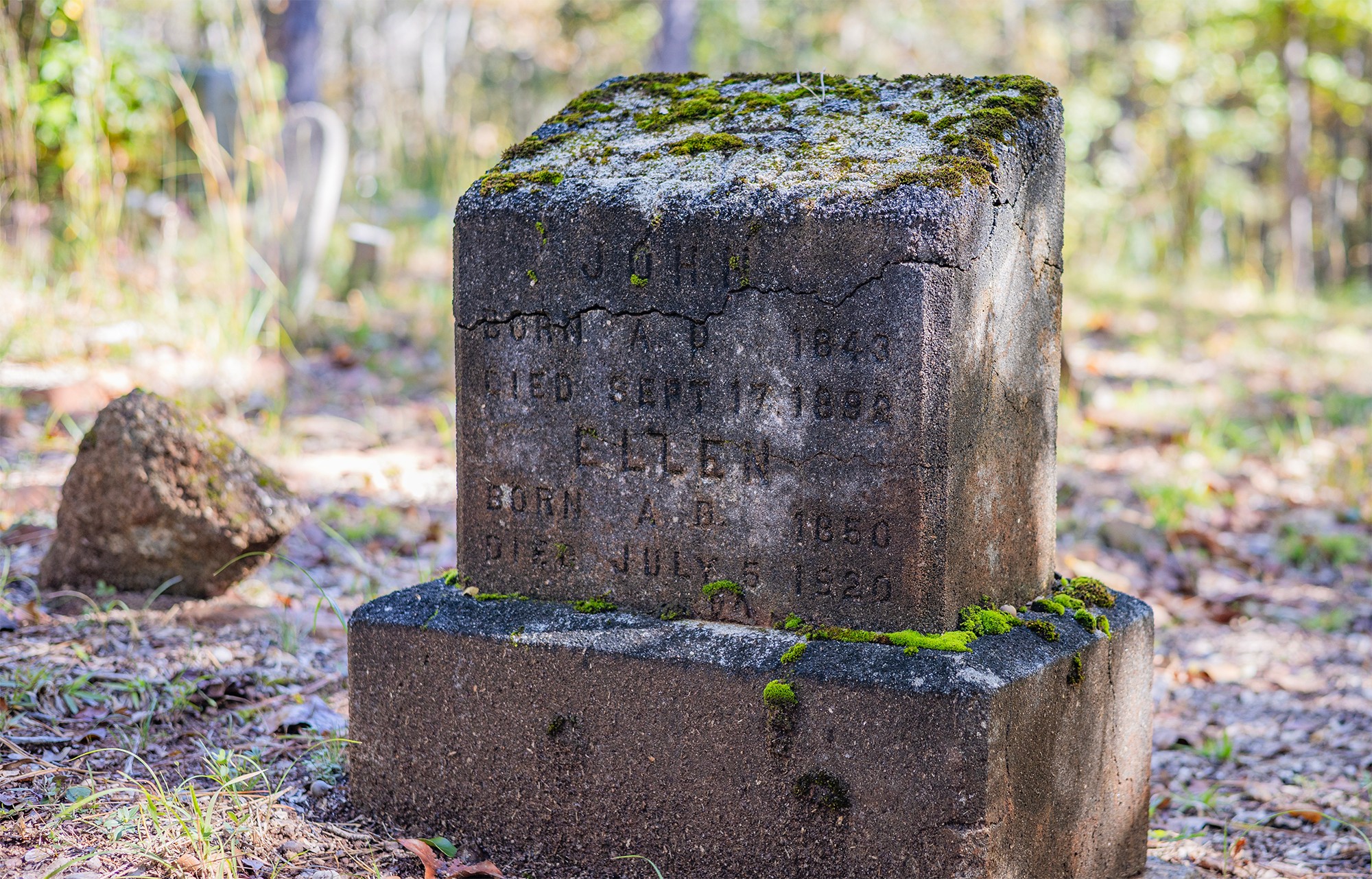
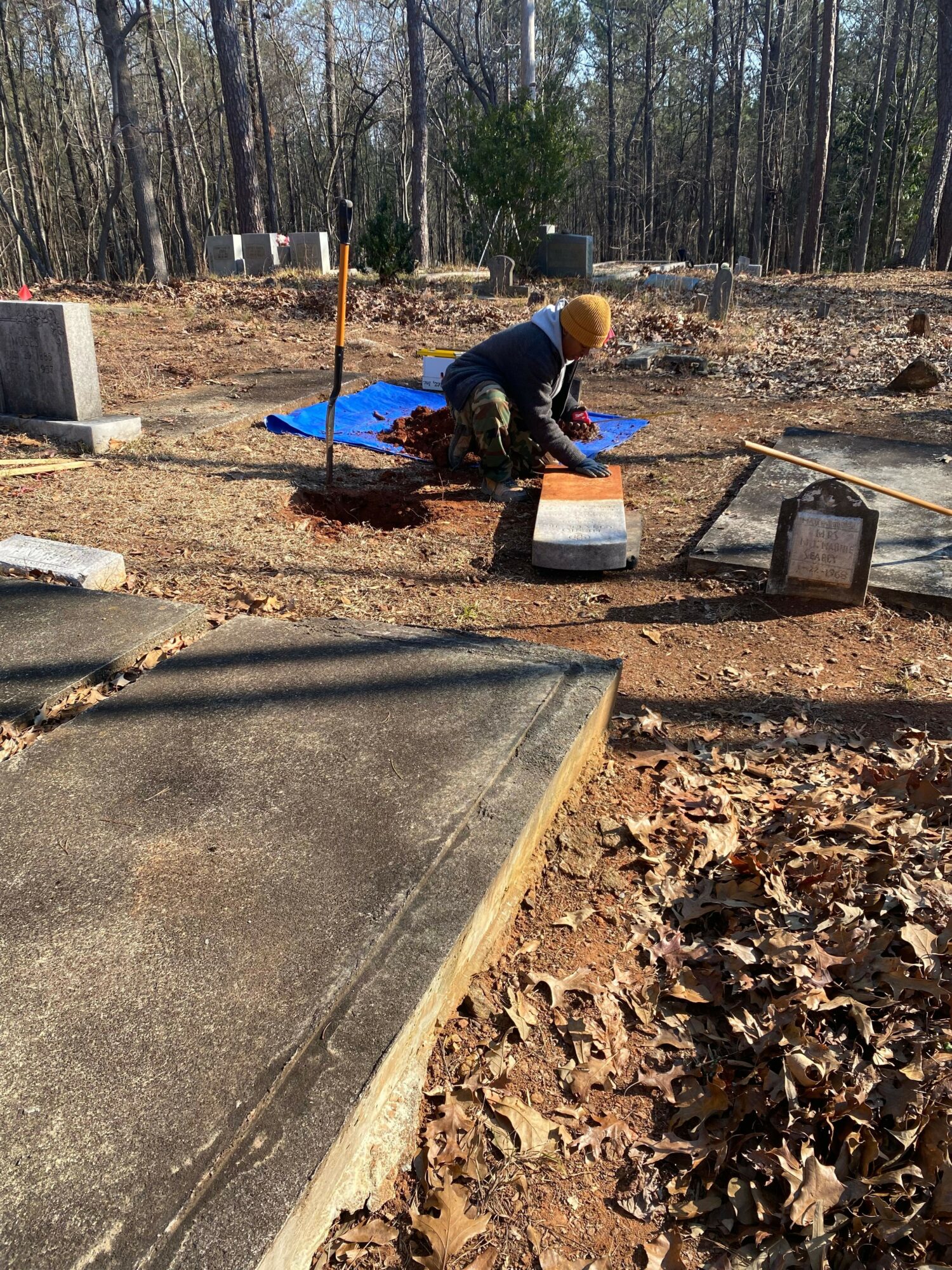
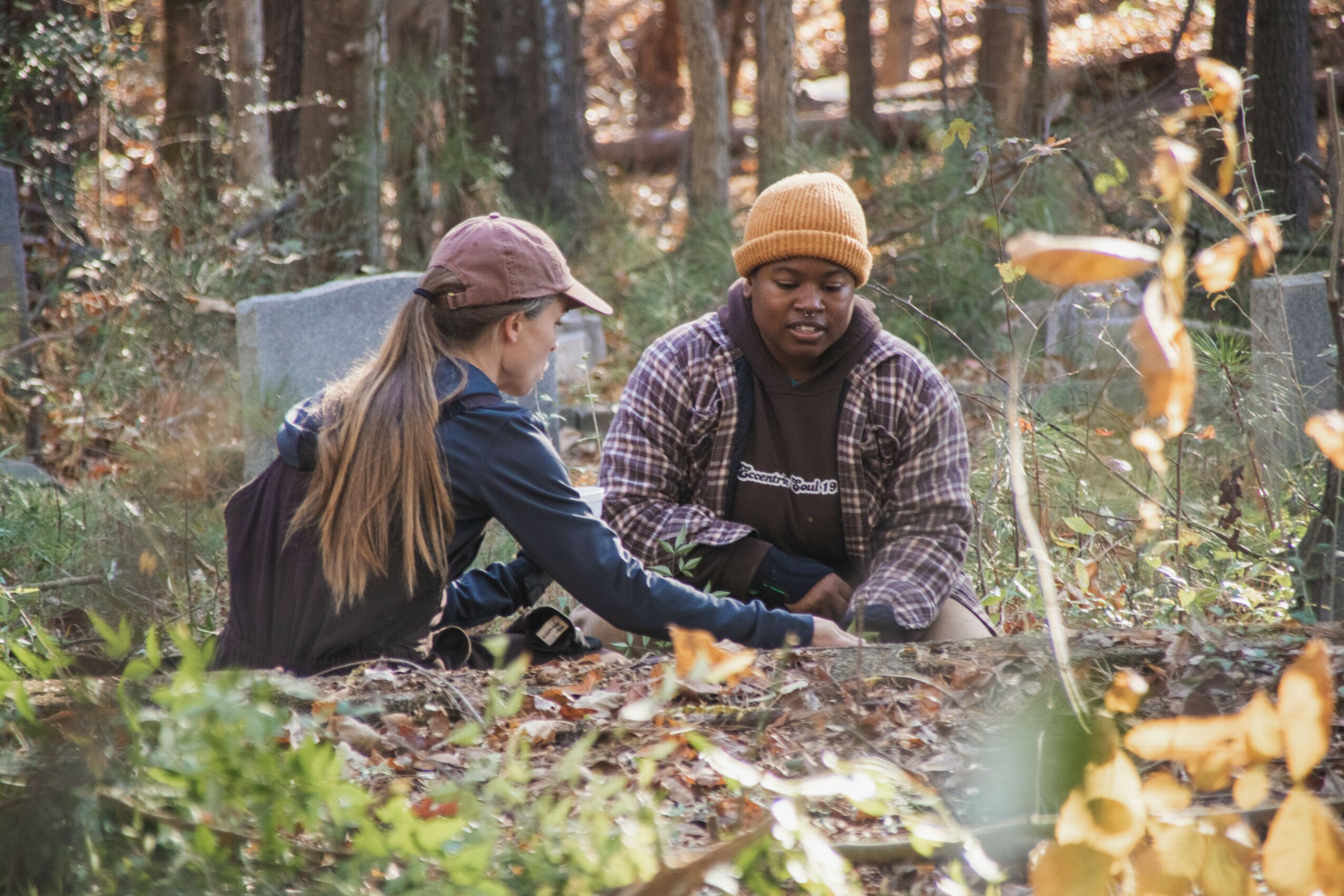
Image Credits
Lorace Deen and Steven Westbrook.
Popular
-

Hidden Gems: Local Businesses & Creatives You Should Know
-

ATL’s Most Inspiring Stories
-
Seeing the Story Between the Moments
-

Portraits of Atlanta
-
Dr. Sinclair N. Grey III on Why Founders Stall—and How Discipline Breaks the Pattern
-

Meet Lee Patterson: Teaching Entrepreneurs How to Build Wealth the Right Way From Day One