







Today we’d like to introduce you to Matthew Quinn.
Hi Matthew, so excited to have you with us today. What can you tell us about your story?
I’ve been writing since I was a little kid — one of my earliest memories is writing a story about dinosaurs wearing diving helmets on my grandmother’s typewriter when I was probably in preschool. I remember writing short stories my father would proofread and offer commentary on since third grade at least. My first professional submission was when I was a junior in high school in 2001. It was a dystopian vampire story I sent to THE MAGAZINE OF FANTASY AND SCIENCE FICTION whose rejection slip bore the rather ominous date of Sept. 11, 2001. I kept writing throughout college; my first publication was the short horror story “I am the Wendigo,” which was purchased by the now-defunct webzine CHIMAERA SERIALS in 2006 and published in early 2007 when I was a senior at the University of Georgia.
For awhile most of my publications were short fiction, often through the Canadian publisher Digital Fiction Publishing’s anthologies. However, in 2014 fellow Atlanta writer James R. Tuck offered to help me put together what would become the short story collection FLASHING STEEL, FLASHING FIRE. In 2017, Digital Fiction Publishing’s horror imprint Digital Horror Fiction published my Georgia-set Lovecraftian first novel THE THING IN THE WOODS. My next publication was the horror-crime-farce novella “Little People, Big Guns” via Portland’s Deadite Press in 2019, followed soon afterward by my independent steampunk military fantasy BATTLE FOR THE WASTELANDS.
In June 2020, I put out the BATTLE prequel novella “Son of Grendel,” in which the villain’s son Falki is the main character. Not long afterward, since DFP stopped publishing, I reissued THING with a new cover and independently published a sequel, THE ATLANTA INCURSION, which takes the action from the small town to the big city. 2023 saw the BATTLE sequel SERPENT SWORD, while in late 2024 I used a Kickstarter to fund the production of the second THING sequel THE WALKING WORM, which premiered for general audiences in early 2025.
We all face challenges, but looking back would you describe it as a relatively smooth road?
I cannot claim to have faced truly severe obstacles like many authors who have disabilities, family loss, etc. but keeping my writing going in the face of leaving one career (newspaper journalism) to enter a newer and more challenging one (social studies education) requires discipline and good time management skills. Oftentimes I’d force myself to get a chapter done by committing to have it for the next writing-group meeting whether it was finished or not, which meant I now had a deadline.
Furthermore, something I’ve learned along the way is that rather than writing when one feels inspired, one should simply make oneself write — often that’s when “the inspiration” will come and then one can be surprisingly productive. On June 9 2025, for example, I wrote 2,701 words for the third BATTLE FOR THE WASTELANDS novel simply by making myself sit down — once I got started, the words came.
As you know, we’re big fans of you and your work. For our readers who might not be as familiar what can you tell them about what you do?
I am a writer of science fiction, fantasy, and horror primarily, although one could describe my Deadite Press novella “Little People, Big Guns” as horror-comedy, a mystery or crime novel, and a farce. My Lovecraftian scifi-horror “Long War” series (THE THING IN THE WOODS, THE ATLANTA INCURSION, and THE WALKING WORM), although I didn’t start out writing it as young adult, ended up becoming a young adult/New Adult series by virtue of the characters’ ages and life situations. It also takes place in Georgia, not New England like many stories in its genre.
The BATTLE FOR THE WASTELANDS series (BATTLE FOR THE WASTELANDS, “Son of Grendel,” SERPENT SWORD) is an odd duck — it’s secondary-world fantasy without magic and it’s steampunk that doesn’t take place in our world in the late 19th Century or early 20th Century. When I sell the books at conventions, I pitch it as “THE DARK TOWER meets GAME OF THRONES.” There’s an Old West aesthetic and “The Fall” that ended the Old World is never described in detail, but there’s war and political intrigue on a larger scale, as opposed to the adventures of one man and his friends.
FLASHING STEEL, FLASHING FIRE is a multi-genre collection with science fiction, fantasy, horror, and alternate-history tales. What makes it unique is that is has commentary with each story — the inspiration, publication history, etc.
“Little People, Big Guns” is just plain absurdist, with unique protagonists, zany action, and bizarro humor.
I am also a regular participant in the comedic film podcast Myopia Movies, in which we discuss “childhood movies” (for most participants this is the late 1970s through early 2000s), poke fun at them, and discuss how they’ve held up.
Contact Info:
- Website: https://matthewwquin.substack.com/
- Youtube: https://www.youtube.com/@mquinn1984
- Other: https://www.amazon.com/stores/Matthew-W-Quinn/author/B00A8ZZZZW
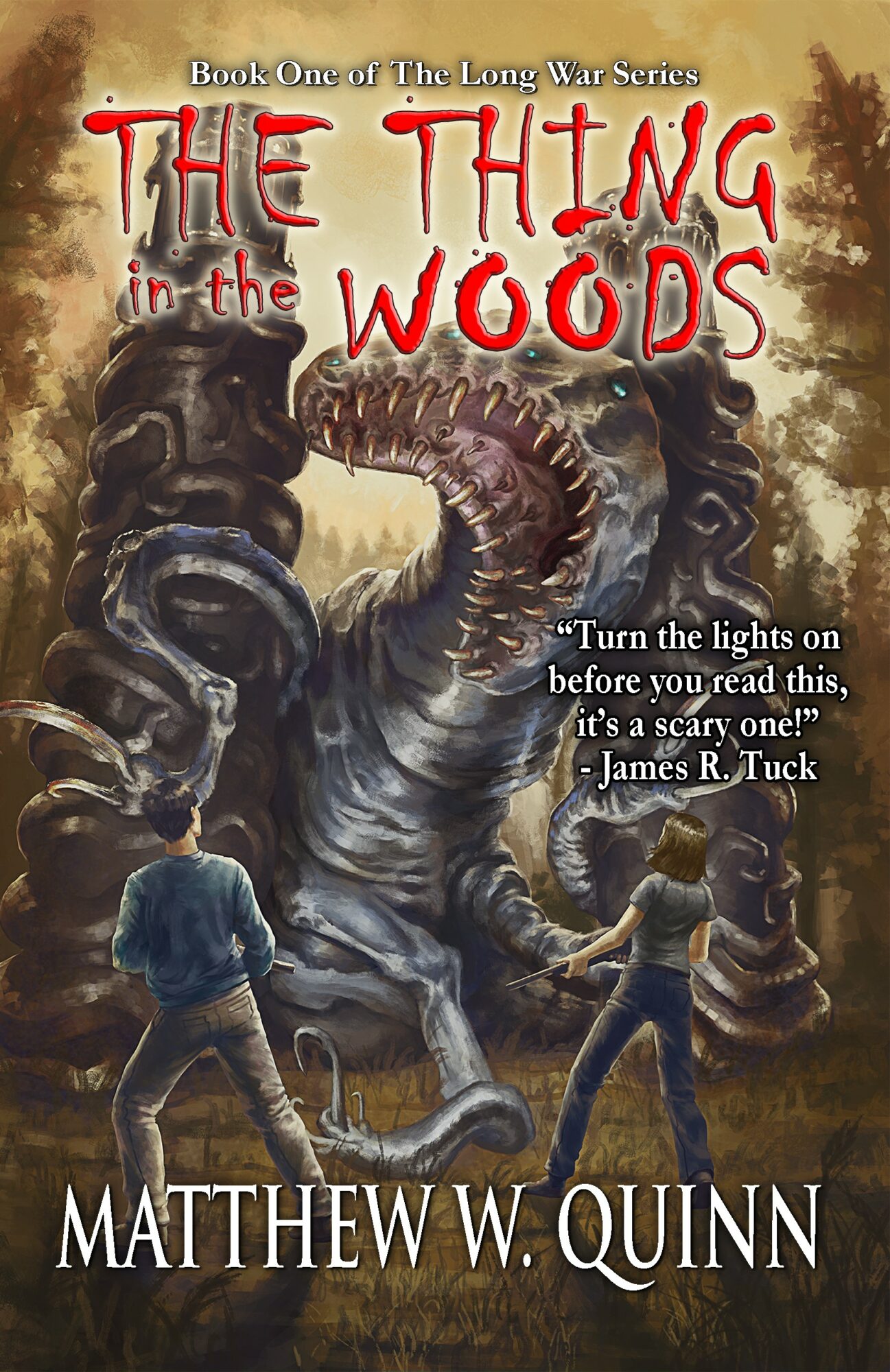
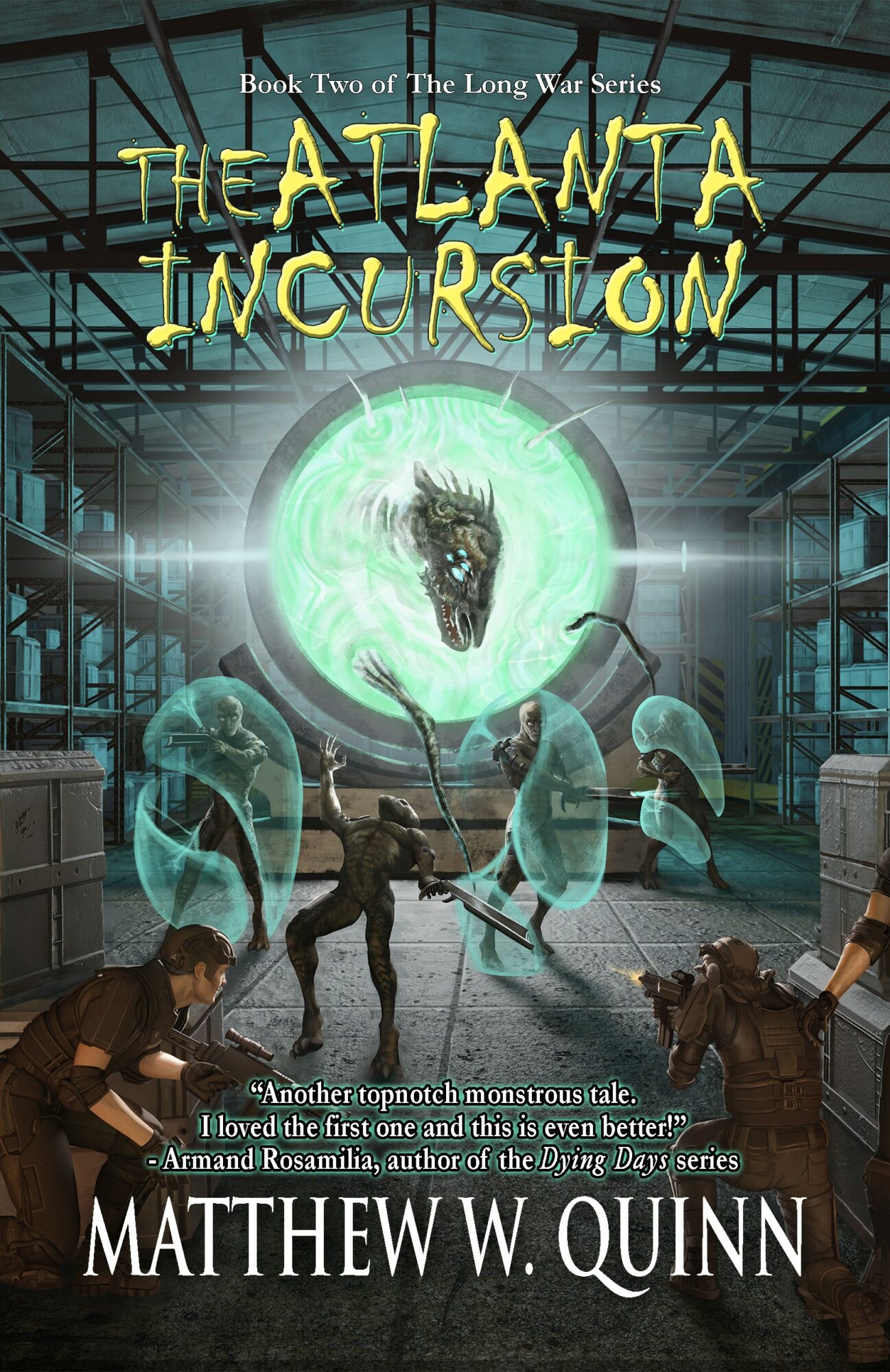
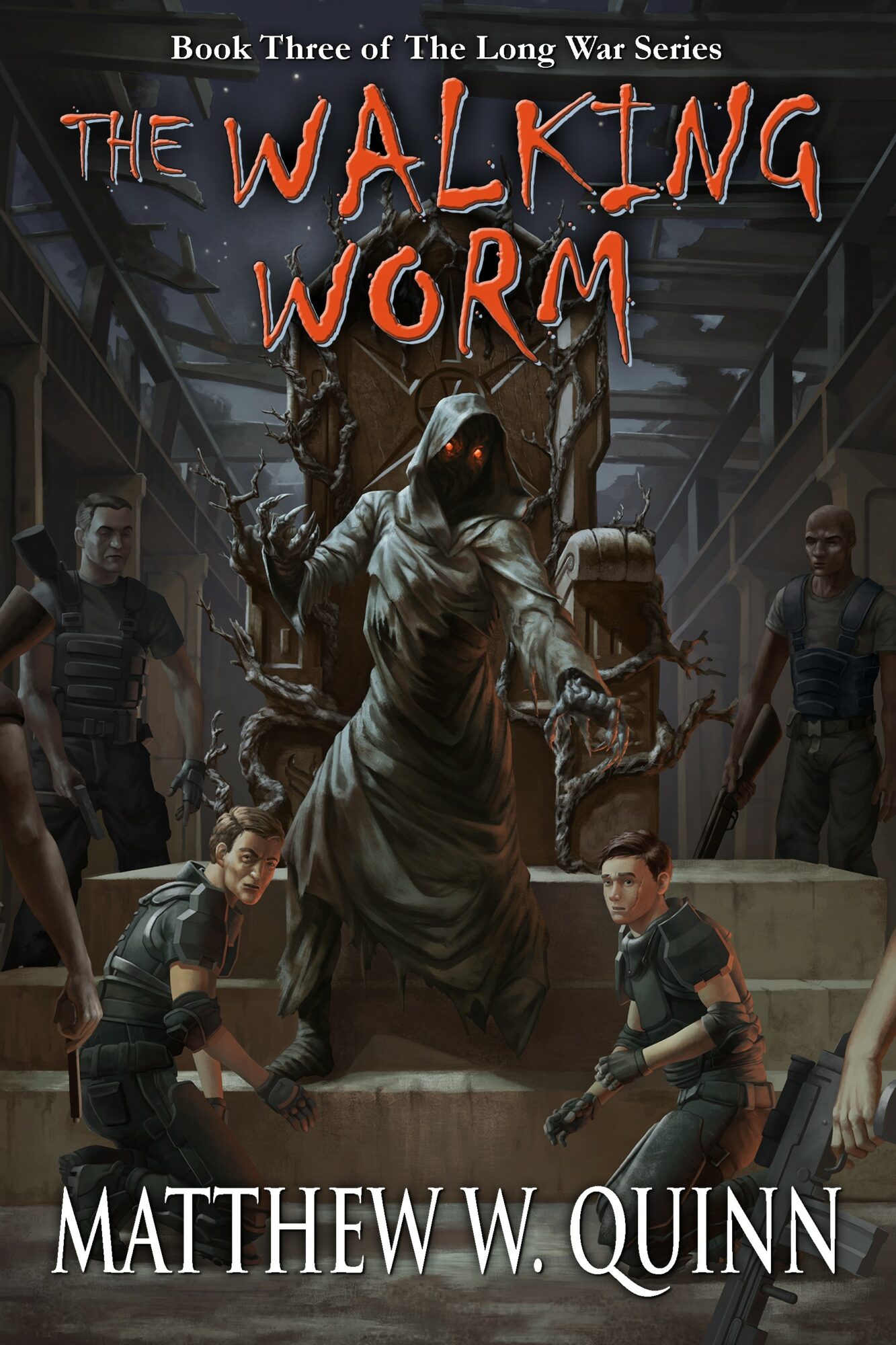
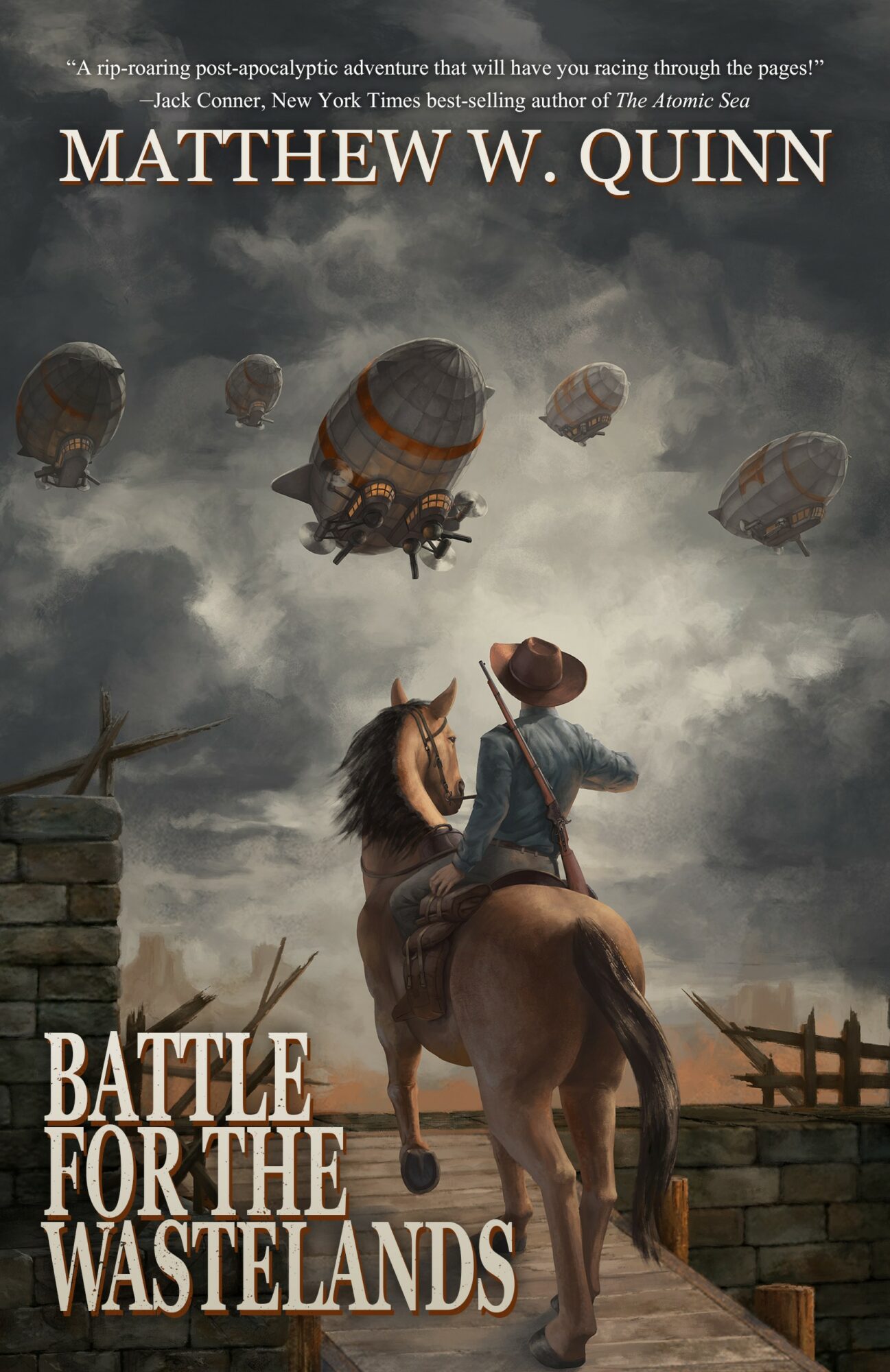
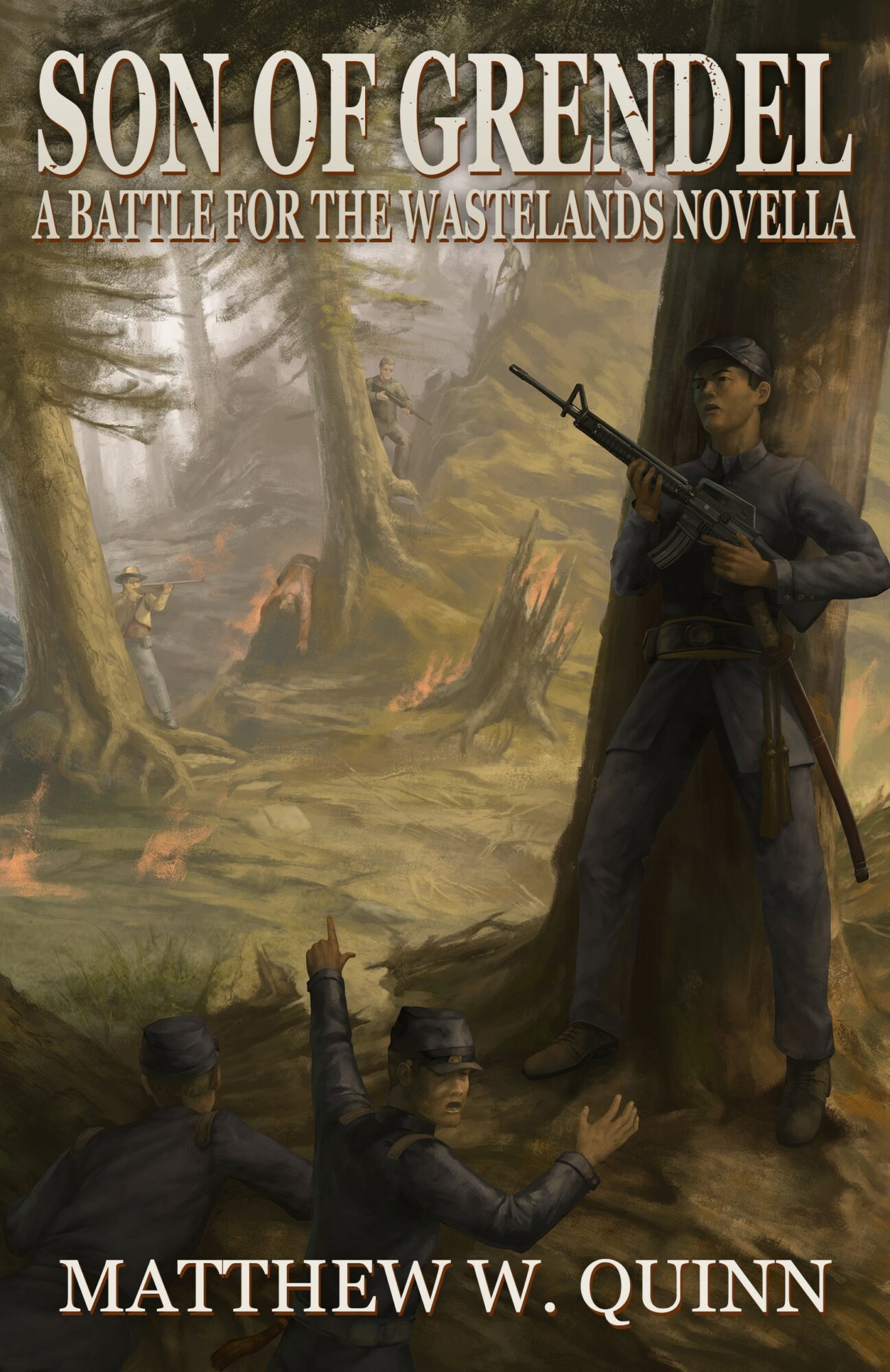
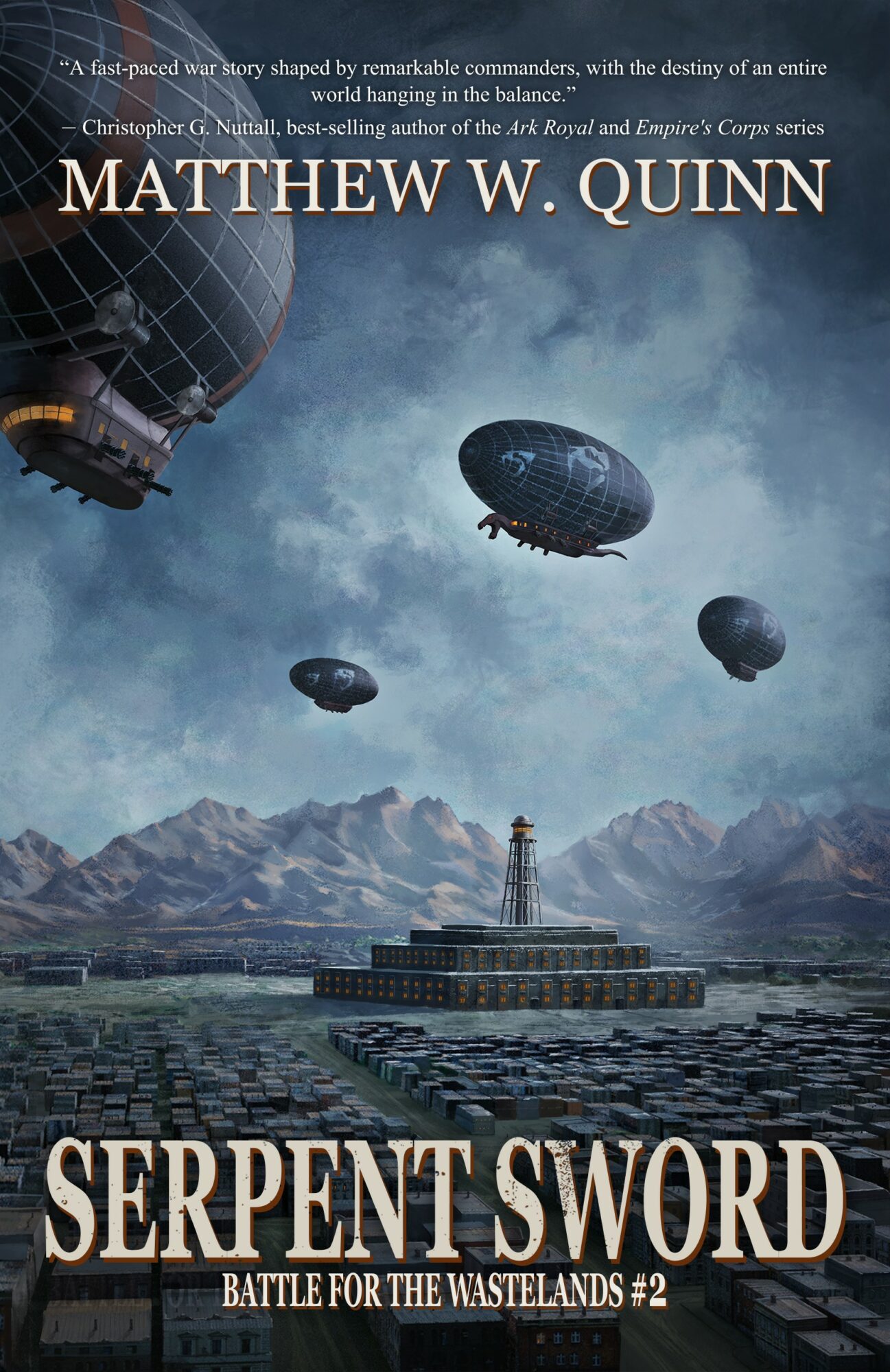
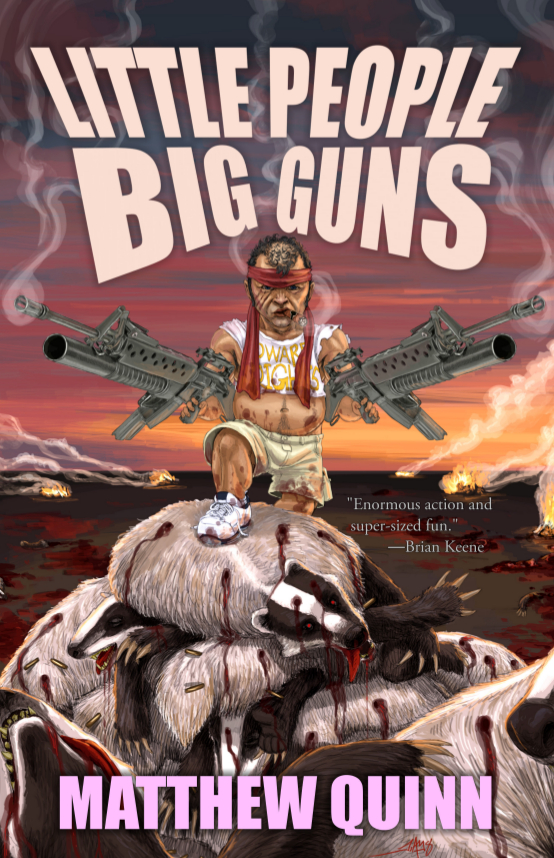
Image Credits
My headshot was done by Scott Miller. The book covers other than “Little People, Big Guns” were illustrated by Matthew Cowdery, while “LPBG” was done by Jim Agpalza.
Popular
-

Alexander Lewis on Betting on Himself, Building Momentum at Coco Studios, and Turning Opportunity into Ownership
-

Hidden Gems: Local Businesses & Creatives You Should Know
-

ATL’s Most Inspiring Stories
-

Portraits of Atlanta
-

Satoya Hayes on Turning Beauty 2 Extensions into a Platform for Affordable Confidence and Entrepreneurial Opportunity
-

Asha Ford on Building Krystal Klear Motion and Creating Purpose-Driven Design for Women