


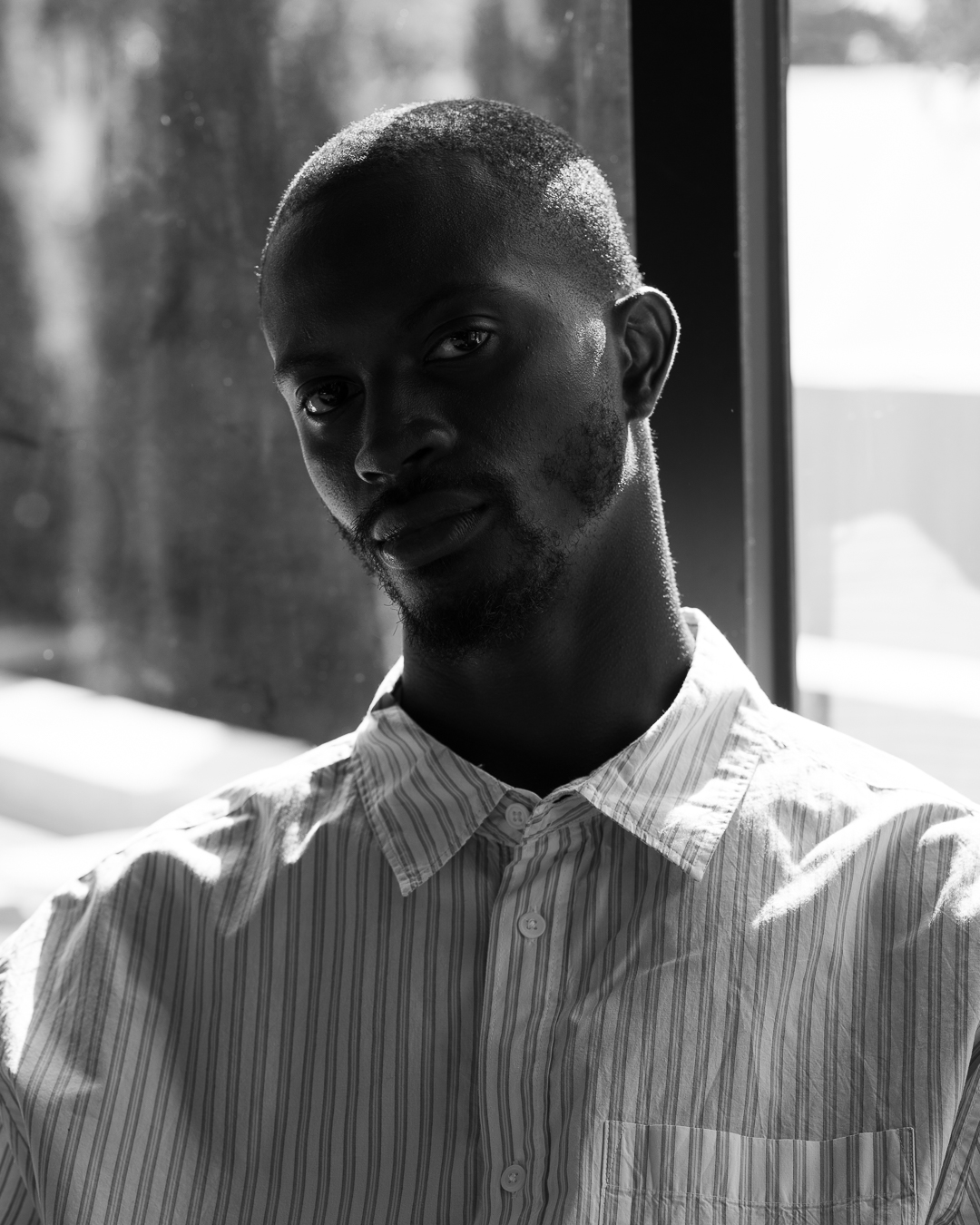
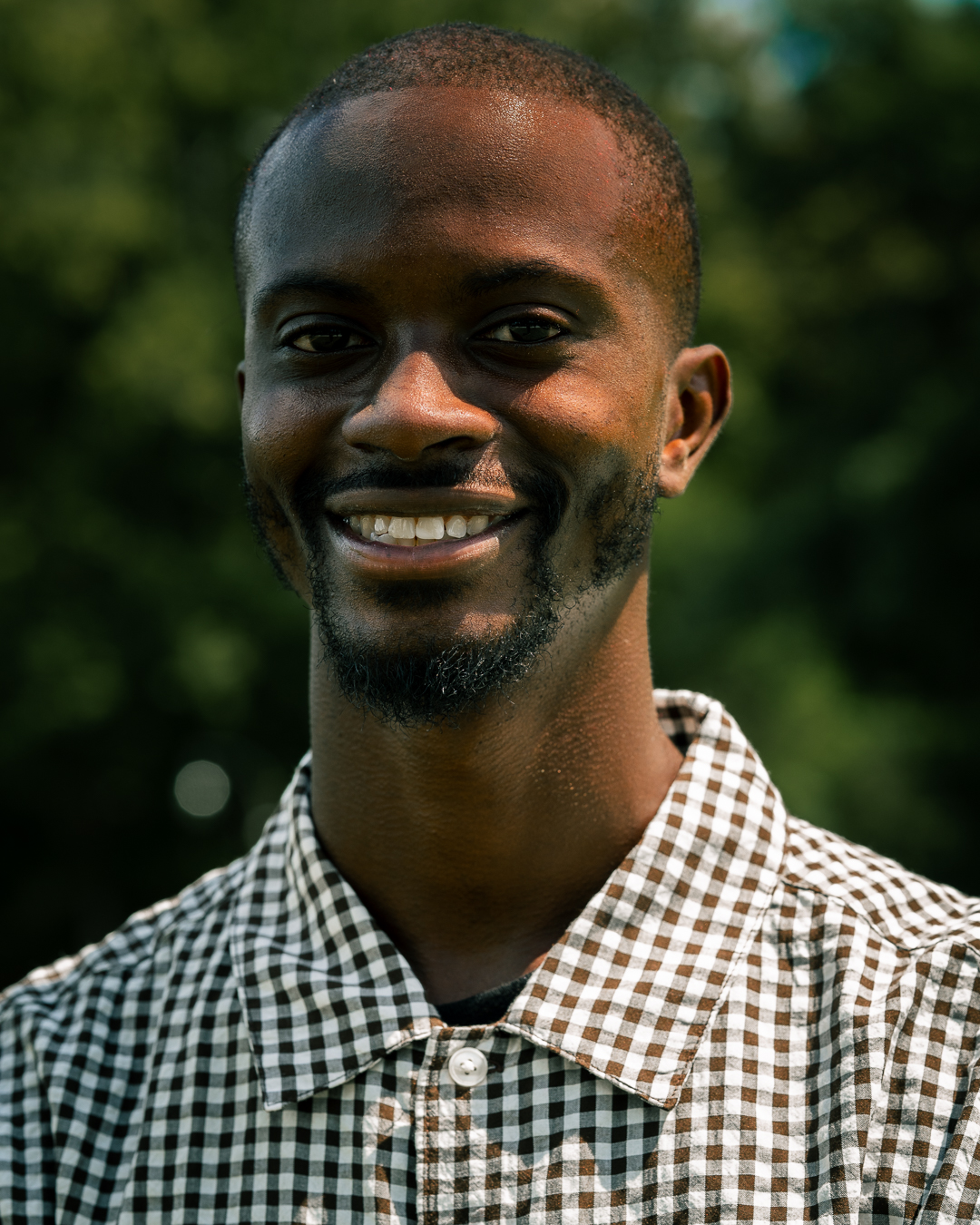
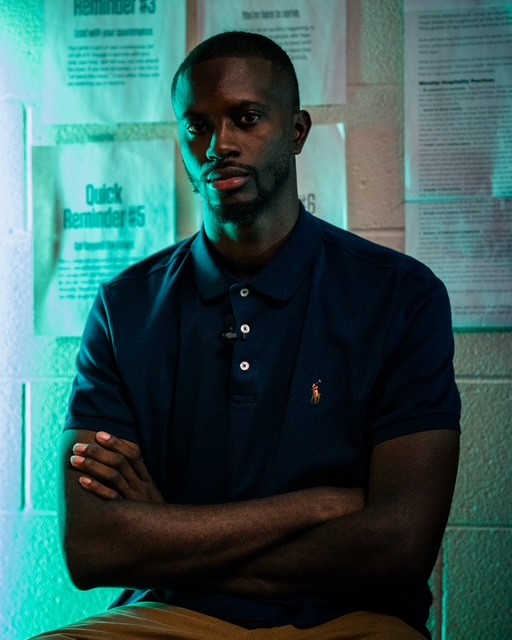
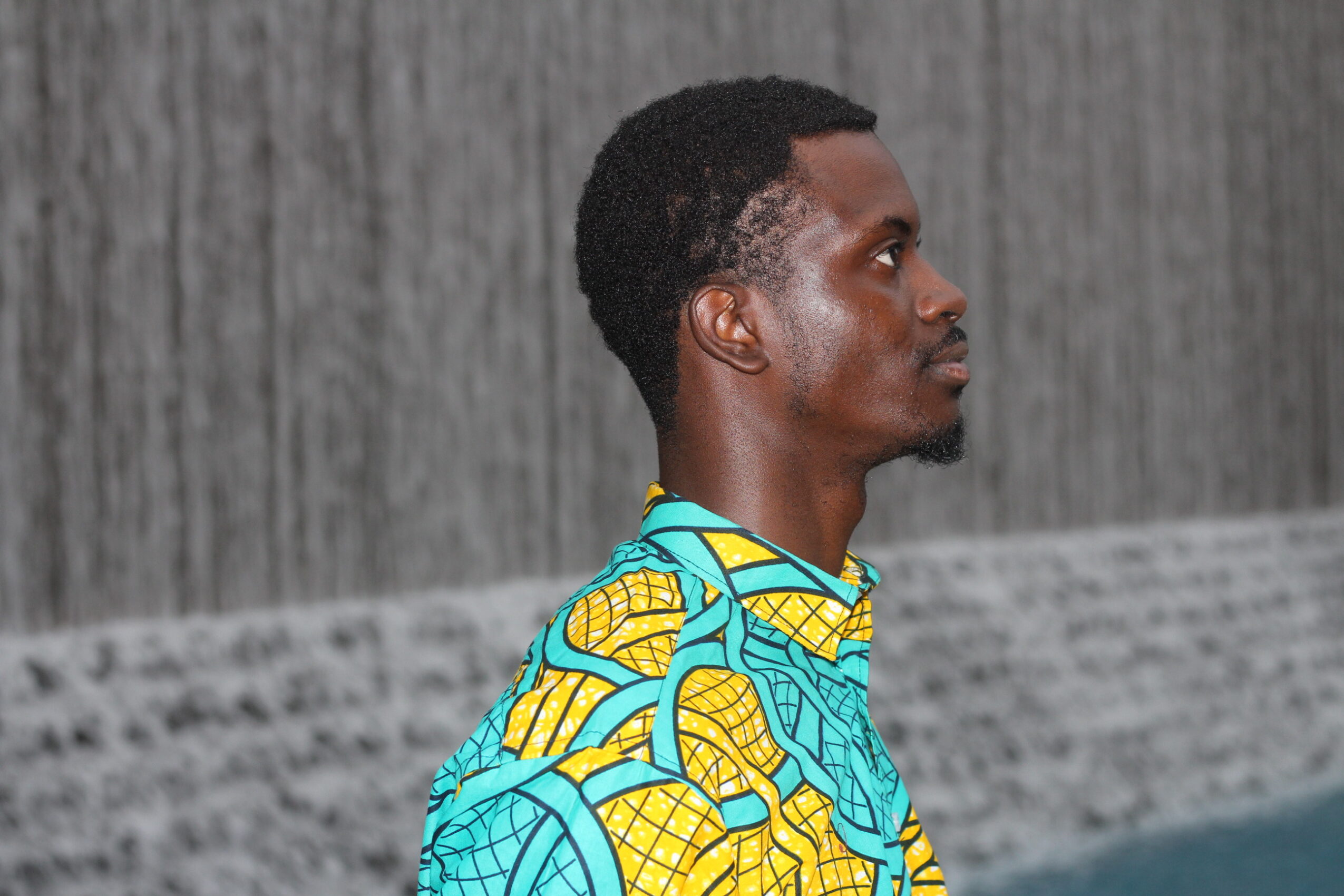
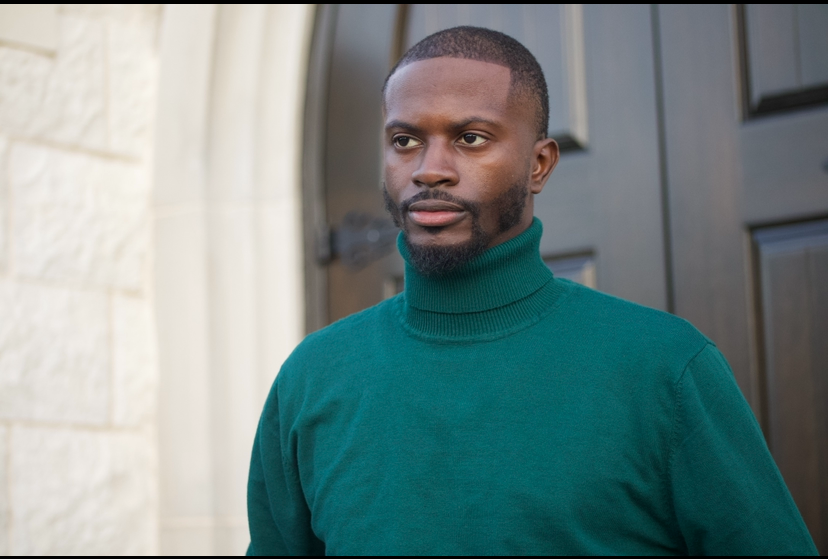
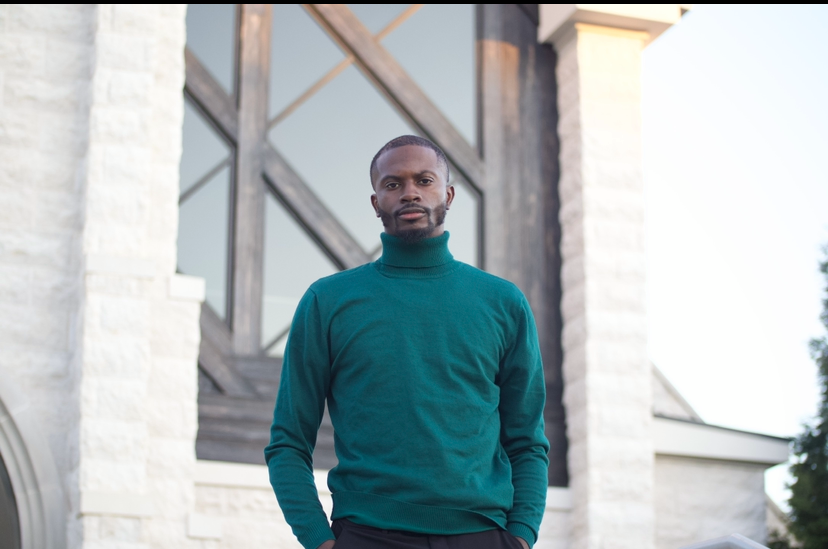
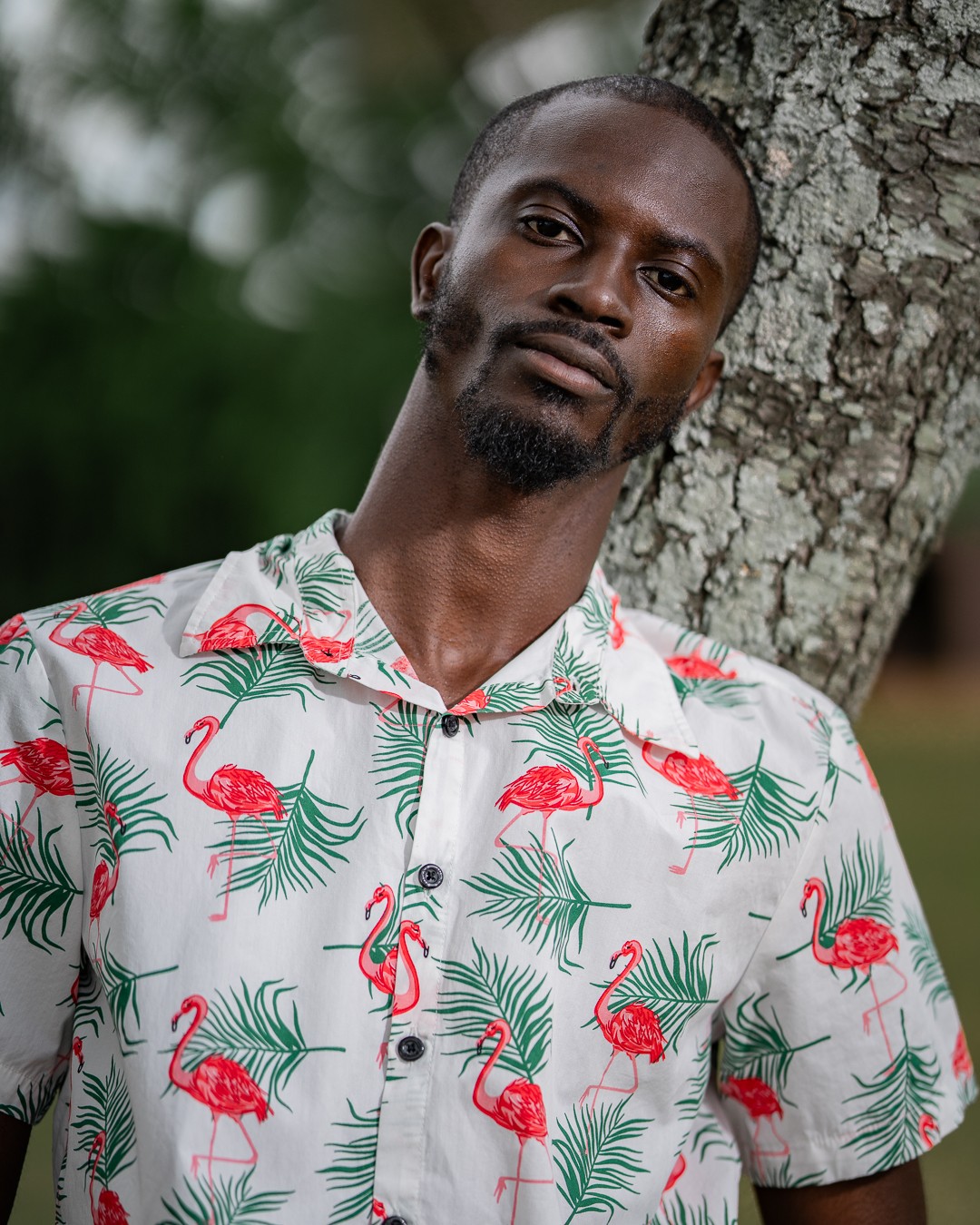
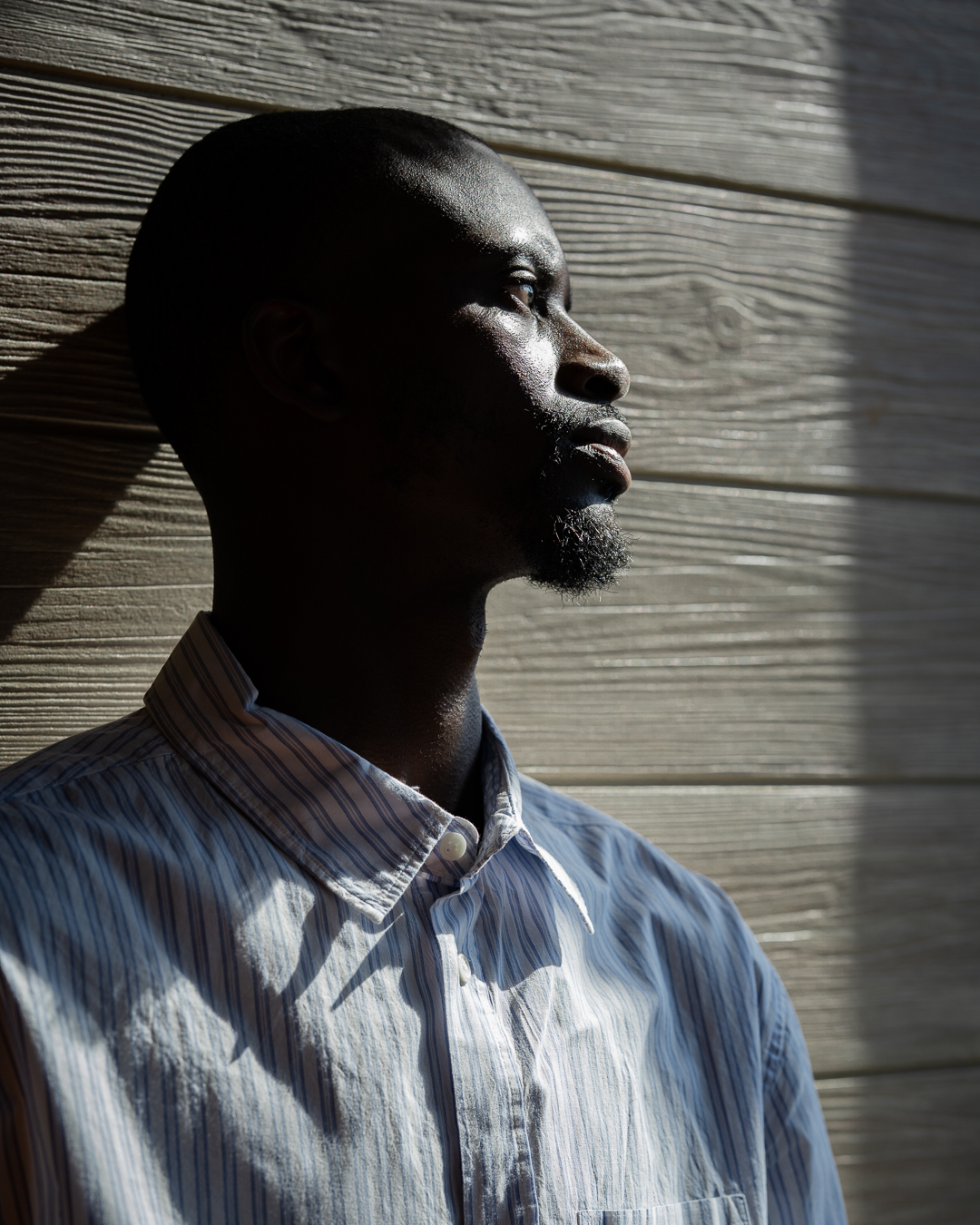
Today we’d like to introduce you to Andrew Kouassi.
Hi Andrew, it’s an honor to have you on the platform. Thanks for taking the time to share your story with us – to start maybe you can share some of your backstory with our readers?
First, I want to thank Voyage ATL for taking the time to feature me. This is truly a blessing, and I am grateful to to my Lord and and Savior Jesus Christ for making this opportunity happen. All glory goes to the Lord Jesus Christ. I hope this gives individuals an opportunity to share their journey and experiences in life, the good and the bad, because every experience tells a story and you never know who it may reach or motivate along the way. Sometimes sharing your story can inspire someone else, while also giving you the opportunity to channel your own thoughts, put your ideas into words, reflect, and find ways to better yourself and keep going.
My name is Andrew Kouassi. I was born in Atlanta, Georgia, at Grady Memorial Hospital, making me what people call a “Grady baby.” Although Atlanta is where my story began, my roots extend to West Africa, particularly Côte d’Ivoire, also known as the Ivory Coast. I have always been someone who is ambitious, determined, and passionate about pursuing the things I set my mind to. I believe that when you have something you genuinely want to accomplish, you have to be willing to put in the time, effort, and dedication to make it happen.
I am a full-time podcaster, and interestingly enough, my introduction to podcasting came from growing up with CNN playing on the television every evening. During the weekdays, my parents wanted my siblings and me to focus solely on school, which meant I couldn’t watch my favorite television shows. Instead, I got used to seeing Anderson Cooper on television every Monday through Thursday. At the time, it was annoying because I loved Cartoon Network, Nickelodeon, and Disney Channel. If you ask me, Disney Channel was my favorite, followed by Cartoon Network and then Nickelodeon.
Even though watching Anderson Cooper for years helped influence my decision to get into podcasting, another reason was that I eventually grew tired of traditional journaling. I had been journaling since middle school, and it got to the point where I was accumulating so many notebooks by the end of each year. I started thinking about another way to document my life, and podcasting became that outlet. I don’t necessarily look at podcasting as podcasting. I look at it more as a digital journal, something that will stay with me as I get older. It is my personal digital journal, where I can document my thoughts, experiences, and different chapters of my life.
Outside of podcasting, I am involved in short-film and purpose-driven cinematic projects. The idea of experimenting with cinematic projects was originally introduced to me by a friend. I took that idea, incorporated it into my own interests, and added my personal style and flair. Let’s say it is a cloudy day. I might start thinking about different ideas for cinematic projects, and when the day is right, I bring those ideas to life with my cinematographer.
One thing about me is that I didn’t grow up with gaming systems. The closest thing I had to a gaming system was a Game Boy Advance. I definitely think that had an effect on me because, as I got older, many of my projects and interests became outdoor-related. My cinematic projects are my version of having fun and being “lit” because these are the things I enjoy doing. Everybody has their own way of entertaining themselves, and this is one of mine.
I also love the sport of basketball. My first basketball game was during the 2008 NBA Finals. I remember watching a player I didn’t know was Kobe Bryant at the time, practically torching the Orlando Magic. Over the years, I learned more about Kobe and realized how motivated he was to win another championship after losing to the Boston Celtics in the previous NBA Finals.
Kobe Bryant definitely influenced me because he was the first basketball player I ever watched. And if you know anything about Kobe Bryant, you know he was aggressive. He did not play around when it came to his passions, his life, his goals, or where he wanted to be in life. He wanted to win, and he always wanted to be great.
When you watch an NBA player like Kobe Bryant for the first time, it can have an impact on you, your life, your plans, and your goals. People sometimes say he wasn’t the greatest teammate, but this is how I look at it: Do you want to be great at what you do, or do you want to settle for being mediocre or average? That mentality is something I have carried with me.
Even though podcasting and my cinematic projects are things I do outside of other everyday responsibilities, I take them very seriously because the opportunities and end results are endless. I believe people are like magnets. They are attracted to individuals who share similar mindsets and ambitions. When you take your life seriously, you naturally gravitate toward people who also take their lives seriously. That doesn’t mean everything has to be serious when you’re around these individuals, but there is an understanding of when it’s time to have fun and joke around and when it’s time to lock in.
Another reason Kobe Bryant’s influence stands out to me is what he accomplished after basketball. When he retired on April 13, 2016, he continued pursuing his interests in cinema and storytelling. On March 4, 2018, he won an Academy Award for Best Animated Short Film for Dear Basketball. He accomplished that in less than two years after retiring from the NBA. I believe that says a lot about his mindset. He took the same passion and hunger he displayed on the basketball court and applied it to another field.
That is something I admire because it shows that you don’t have to limit yourself to one area of life. You can be passionate about multiple things and pursue them with the same level of dedication.
There are people who have fun going to lounges and clubs, and then there are people who have fun going all in on the things they are passionate about. Neither has to be the same for everybody, but I know what I enjoy doing. Every day, you have to pick your lane in life. Are you going to make a name for yourself? Are you going to watch other individuals make it happen? Or are you going to choose to remain clueless? Those are questions I believe everyone should ask themselves at some point.
Another thing I do is record my basketball highlights. I started doing this when I realized that people are often wired to things they can physically see rather than simply hearing someone tell them what they did. We are only getting older, and I started thinking about how important it is to document the moments we experience while we are still able to enjoy them.
I realized that it would be wise to record my basketball games so that when the time eventually comes when I can no longer play the game I love, I will have digital memories to look back on. Professional athletes have their games and matches recorded through personal photographers, videographers, and media coverage. But what about the regular person who enjoys playing tennis, basketball, or whatever sport they are passionate about? The average person isn’t necessarily thinking, “Let me record this.”
I started looking at it differently. Just because someone isn’t a professional athlete doesn’t mean their experiences aren’t worth documenting. I am young, I am in my physical prime, and I want to preserve these moments while I can.
I am not doing this to boast or show off. I am doing it for myself. I want to archive and preserve moments that represent who Andrew Jackson Kouassi JR. is. I want to have something I can look back on and appreciate years from now. It is another way of preserving my life journey.
Lastly, I am also involved in photography. With my interests in podcasting and cinematic projects, it makes sense that photography would eventually become something I gravitated toward. I started taking picture-taking more seriously after graduating from high school. That summer became my experimental phase. I started taking pictures of every sunset and moon phase I could find.
When you’re new to photography, I think landscape photography is a great place to start because it teaches you patience and allows you to experiment without feeling as much pressure. I began paying more attention to the environment around me, especially the lighting, scenery, and different perspectives I could capture.
There is a saying that “a picture tells a thousand words,” and I believe there is a lot of accuracy behind that statement. A photograph shows emotion through the relationship between light and shadow, which helps dictate the overall mood. It shows the natural landscape and background. It can show what needs to be improved because there is no such thing as a perfect picture. A photograph can even reveal the intent, perspective, or state of mind of the person behind the camera.
Most importantly, a photograph captures a slice of time that will never happen in exactly the same way again. It acts as a historical record, preserving a moment that can be revisited and appreciated for a lifetime.
I could keep going, but I think the main point I want readers to understand is that I live for moments I wish to keep and hold on to. I look at a camera almost like a surfboard. It gives you access to moments and experiences that can last a lifetime. Whether you are taking a photograph, working on a cinematic project, or getting involved in storytelling, you are creating something that can be treasured long after that particular moment has passed.
I take sunset and moon photography seriously because I genuinely enjoy hunting for the best locations to capture a sunset or a full moon. There is something about finding the right spot, waiting for the right moment, and finally getting that picture that makes the experience worthwhile.
When I look at everything I do, I realize that there is a common connection between my interests. Podcasting allows me to preserve my thoughts and experiences. Cinematic projects allow me to bring ideas to life through storytelling. Basketball allows me to challenge myself physically, while recording my highlights allows me to preserve those experiences. Photography allows me to capture moments that I may never get to experience in exactly the same way again.
Ultimately, I enjoy documenting my life and creating memories that I can revisit as I get older. I want to have something to look back on, not just to remember what I did, but to remember who I was during those different stages of my life. That is something I genuinely value, and it is something I intend to continue doing.
Can you talk to us a bit about the challenges and lessons you’ve learned along the way. Looking back would you say it’s been easy or smooth in retrospect?
No, it hasn’t always been a smooth road. One thing I’ve learned is that just because you are passionate about something doesn’t mean everything will automatically fall into place. You can have ideas, ambitions, and plans for what you want to accomplish, but turning those ideas into reality requires patience, consistency, and determination.
One of the things I’ve had to learn is how to keep going even when things aren’t moving at the pace I would like them to. When you’re involved in creative projects, whether it’s podcasting, photography, or cinematic projects, not every idea is going to turn out the way you envisioned it. Sometimes, you have to go back to the drawing board, make adjustments, or put an idea on hold until the right opportunity presents itself. I’ve learned that there is nothing wrong with that because not everything has to happen immediately.
Another struggle I’ve experienced is being a perfectionist. I can be very particular about certain things, especially when it comes to my creative projects. Whether it’s podcasting, photography, or cinematic projects, I sometimes have a specific vision of how I want something to look, sound, or turn out. There are times when I can spend so much time thinking about the little details because I want everything to come together the way I envisioned it. Sometimes, that can make it difficult to move forward because I start thinking about what could be better or what I could have done differently. I’ve had to learn that there is a difference between wanting something to be good and expecting everything to be perfect. There is no such thing as a perfect picture, a perfect project, or a perfect outcome. At some point, you have to appreciate what you’ve created, recognize what you can improve, and keep moving forward. I still have that perfectionist mindset, but I’m learning not to let it prevent me from accomplishing the things I want to do.
Another challenge I’ve experienced is having individuals understand what I’m trying to portray, especially when it comes to my cinematic projects. Sometimes, I have an idea in my head of how I want a particular scene, shot, or project to look, but explaining that vision to someone else isn’t always easy. What I envision in my head and what another individual interprets can be two completely different things. I think that’s one of the challenges of being creative. People have different perspectives, different ways of thinking, and different interpretations of what they see. Just because something makes sense to me doesn’t necessarily mean someone else will immediately understand what I’m trying to accomplish. I’ve learned that communication plays a major role when working with other people. You have to be able to explain what you’re looking for while also understanding that other individuals may have their own creative input. At the same time, you don’t want to lose the original vision you had in mind. Finding that balance can be challenging, but it’s something I’ve learned to work through.
I also think one of the biggest challenges in life is learning how to manage your time and remain consistent. There are days when you have the motivation to get things done, and there are other days when you have to remind yourself why you started in the first place. That’s where discipline comes in. You cannot always depend on motivation because motivation comes and goes. You have to be willing to put in the work even when you don’t necessarily feel like it.
Something else I have learned is that you cannot spend too much time comparing your journey to someone else’s. Everybody has their own timeline, their own circumstances, and their own definition of success. Just because someone else is accomplishing certain things at a particular age doesn’t mean you are falling behind. I believe it’s important to focus on what you’re doing, where you want to go, and what you need to do to get there.
I wouldn’t say the journey has been easy, but I also wouldn’t say that the challenges I’ve encountered are reasons to give up. If anything, they have taught me to become more patient, intentional, and disciplined with the things I want to accomplish. I’m still learning, still experimenting, and still figuring things out. I don’t believe you have to have everything figured out to keep moving forward. Sometimes, you just have to trust the process, remain committed to your ambitions, and continue putting one foot in front of the other.
Another struggle I’ve experienced is people assuming that I’m looking for attention, clout, or fame. When you’re someone who enjoys documenting your life, creating cinematic projects, recording basketball highlights, and sharing different experiences, people can sometimes interpret your intentions differently from what they actually are. Some individuals might look at what I’m doing and automatically assume that I’m trying to get noticed or become famous. But this is how I look at it: Just because someone enjoys recording their experiences or sharing what they’re doing doesn’t necessarily mean they’re seeking attention. I record my basketball games because I want to have something to look back on when I’m older. I take pictures of sunsets and moon phases because I enjoy photography and want to preserve moments that won’t happen the exact same way again. I work on cinematic projects because I enjoy bringing my ideas to life. These are things I genuinely enjoy doing, and I don’t want people to confuse my interests with a desire for fame or attention. I understand that people are going to have their own opinions, but I’ve learned that you cannot spend your time trying to convince everyone of your intentions. At some point, you have to be comfortable with what you’re doing and why you’re doing it.
As a whole, I feel like the struggles I’ve experienced help put a stamp on the things I’ve been passionate and determined about. I believe that if there is no struggle, there is less room to challenge yourself, improve your craft, and develop that extra edge needed to become the best at what you do. The goal is to go above and beyond, and in order to do that, there has to be some form of struggle along the way. That struggle isn’t there to make you fold, tap out, surrender, or give up. Instead, it exists to help you unlock a certain side of yourself that you might not have discovered otherwise. You learn more about yourself through these experiences because you’re forced to adapt, think differently, and find a way to overcome whatever is in front of you. Sometimes, you don’t realize what you’re capable of until you’re put in a position that requires you to figure things out. That’s one thing I’ve come to appreciate about the struggles I’ve encountered. They have challenged me to look at things differently, become more intentional, and continue finding ways to improve at the things I genuinely care about.
Alright, so let’s switch gears a bit and talk business. What should we know about your work?
Independent Creative | Creative Director | Podcaster | Model
As an independent creative, I enjoy having the freedom to explore different interests and experiment with ideas that come to mind. One thing about me is that I don’t like limiting myself to one particular creative outlet. I enjoy being able to take an idea, think about how I want to execute it, and find ways to bring it to life. Whether it’s photography, cinematic projects, or documenting different experiences, I enjoy having the creative freedom to do things my way. I believe that creativity doesn’t have to be limited to one category because there are so many different ways to express yourself.
As a creative director, I enjoy coming up with ideas and figuring out how I want to portray them visually. Sometimes, I’ll be going about my day and an idea will randomly come to mind. Sometimes it can even take a week of serious thinking before something pops up. When I come up with an idea, I’ll start thinking about the scenery, the shots, the atmosphere, and how I want the overall project to look. I enjoy taking those ideas and working with my cinematographer to bring them to life. One thing I’ve learned is that having an idea and actually executing that idea are two different things. You have to be able to communicate your vision, pay attention to the details, and understand what it takes to make everything come together. For me, the rewarding part is seeing something that started as an idea in my head become an actual project.
As a podcaster, I don’t necessarily look at podcasting as just podcasting. I look at it more as a personal digital journal that I can revisit as I get older. I’ve been journaling since middle school, and eventually, I got to the point where notebooks were adding up at the end of the year. I felt that podcasting would be another way for me to document my thoughts, experiences, and different stages of my life. I enjoy having the opportunity to express myself and preserve moments that I can look back on years from now. We’re constantly growing, experiencing different things, and developing different perspectives. I think it would be interesting to revisit something I recorded years ago and see how much I’ve changed or what I was thinking at that particular point in my life.
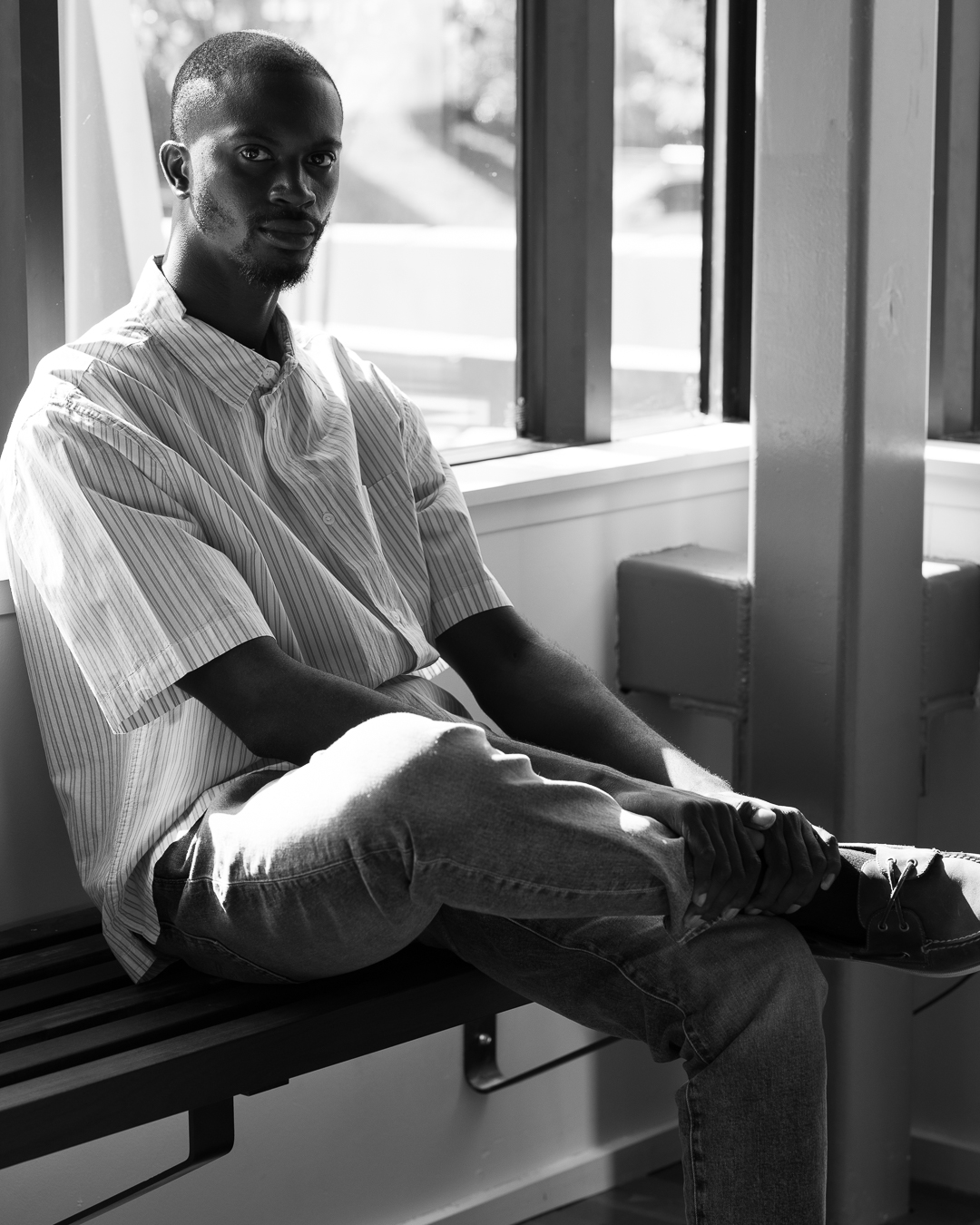
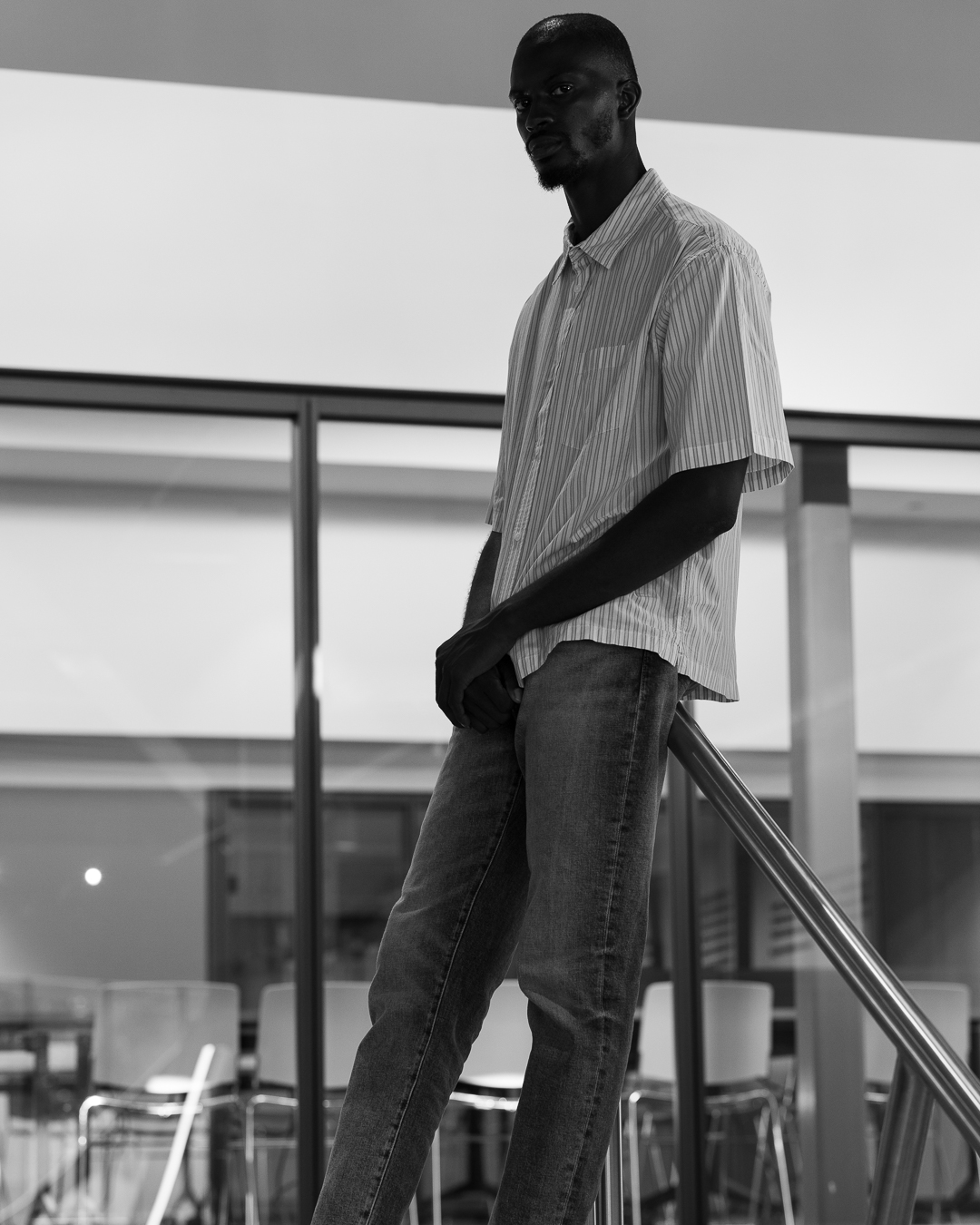
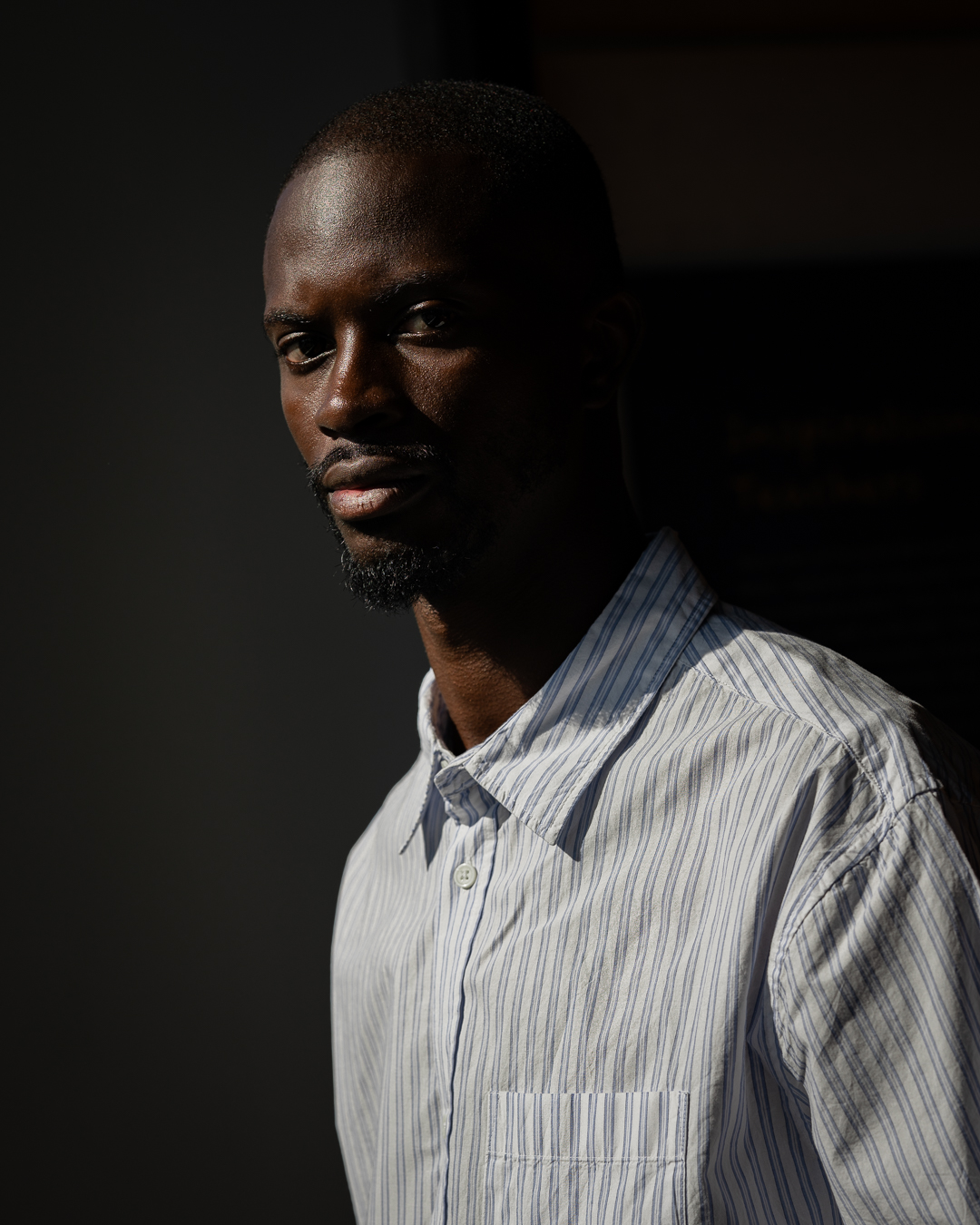
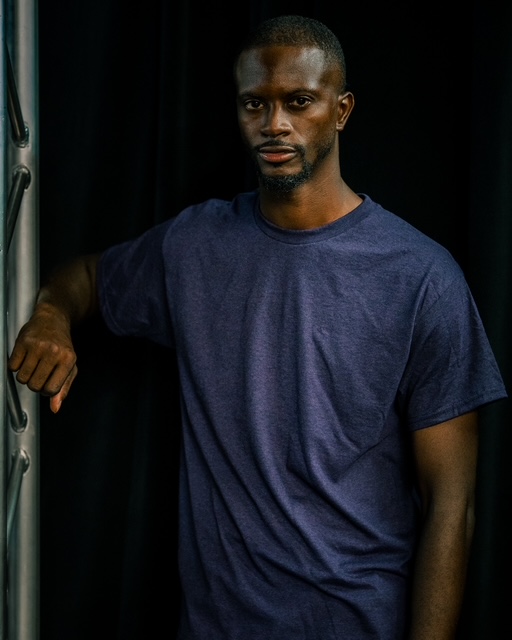
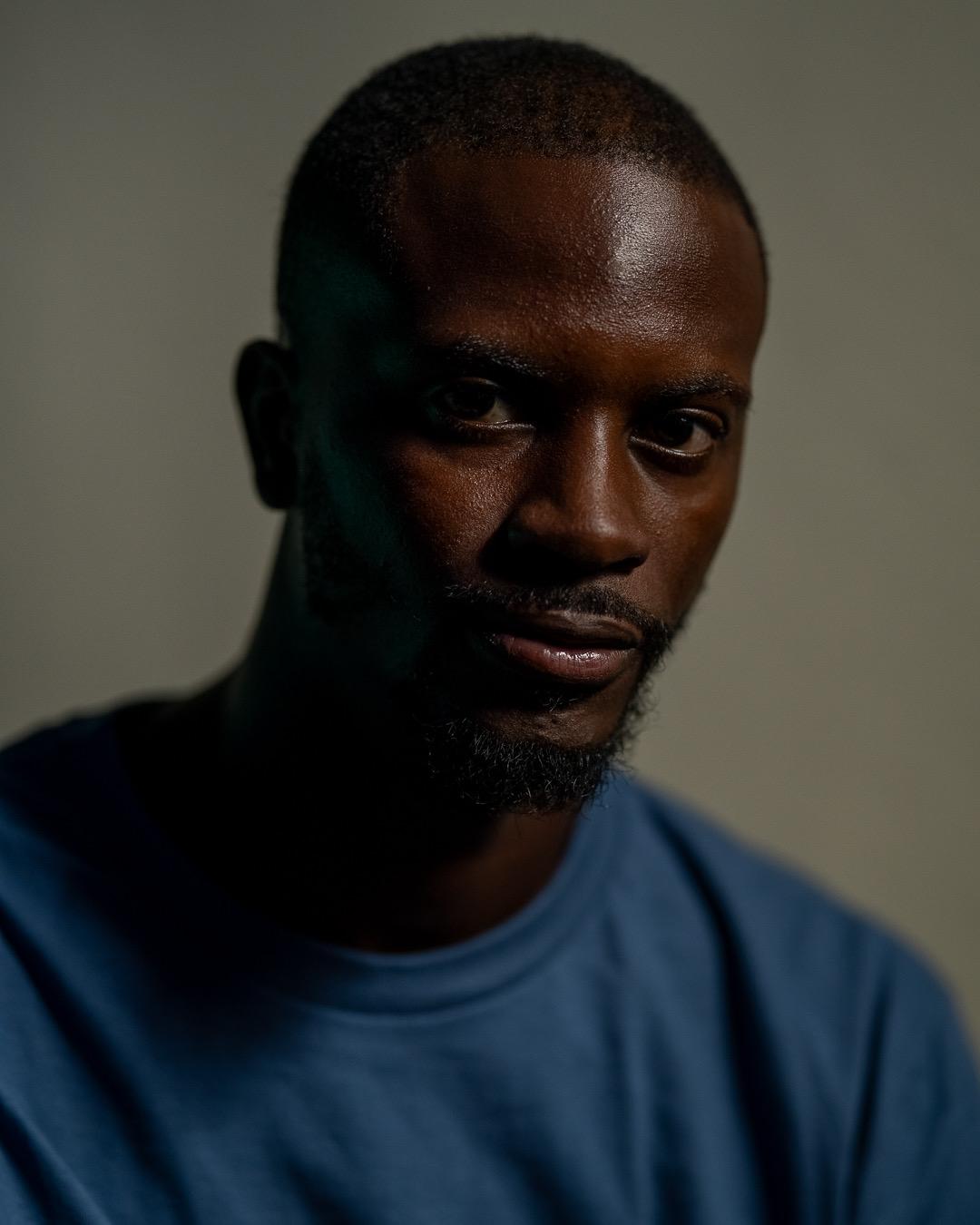
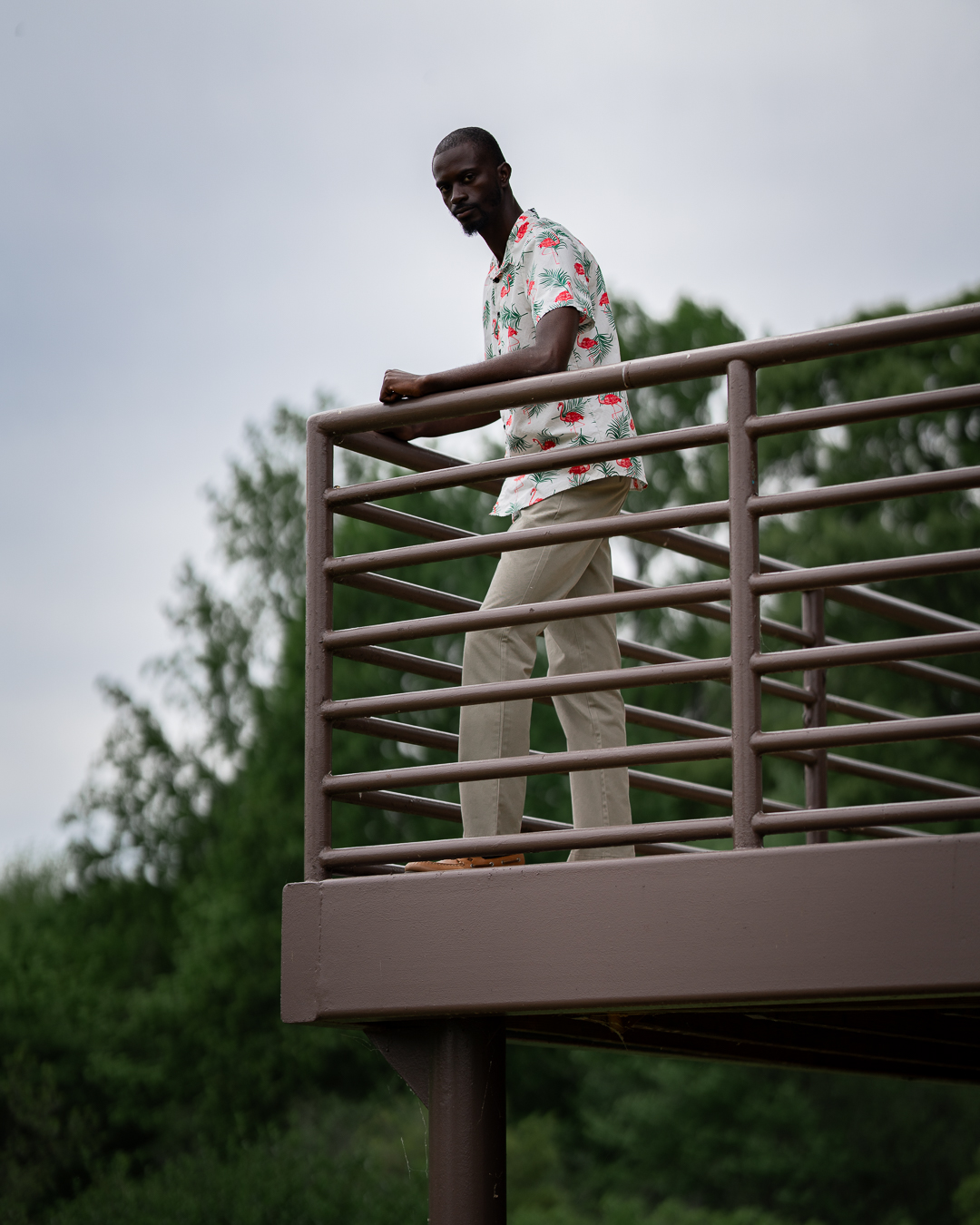
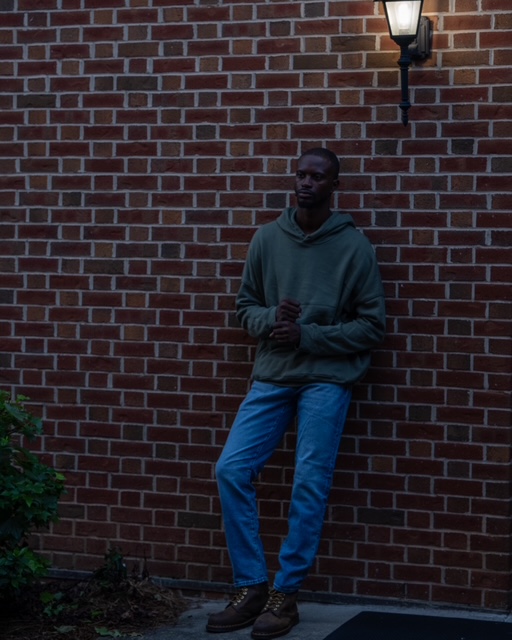
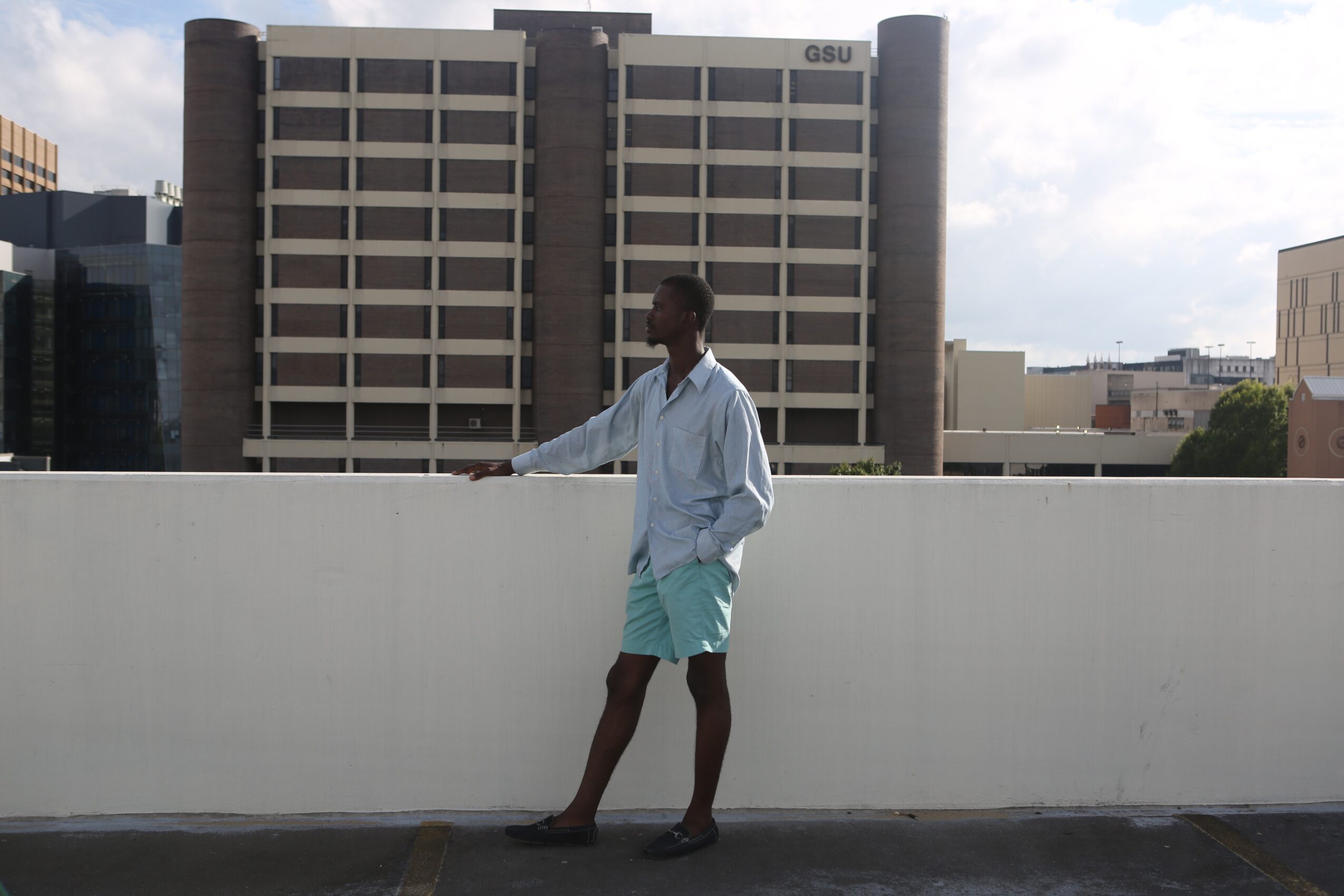
As an independent model, I enjoy having another creative outlet that allows me to express myself in front of the camera. Modeling gives me an opportunity to participate in visual projects while also experiencing the creative process from the perspective of being in front of the camera rather than always being behind it. With my interests in photography and cinematic projects, I appreciate the different elements that go into creating a particular image or visual presentation. I think modeling complements my other creative interests because it allows me to explore another side of the creative industry and step into different concepts and presentations. I am not exclusively an independent model, as I am also open to freelance opportunities when there is flexibility in scheduling, creative collaborations, and opportunities to work with individuals who have ideas they want to bring to life. I enjoy exploring different creative environments and connecting with people who share similar ambitions, interests, and creative visions.
All four of these positions require a certain level of creativity, determination, patience, and willingness to step outside your comfort zone. One thing about me is that I don’t like limiting myself to one particular area because I believe there is always something new to learn, something to experiment with, and another opportunity to explore. Whether I’m coming up with ideas for a cinematic project, recording a podcast, participating in a modeling opportunity, or working on something independently, I want to make sure that I’m putting my best foot forward. I believe that when you are passionate about something, you shouldn’t approach it halfway. You should want to get better, challenge yourself, and see how far you can take it. At the end of the day, I’m still learning, still experimenting, and still finding different ways to express myself creatively. I don’t know what every opportunity will lead to, but I’m looking forward to seeing what I can accomplish along the way.
Networking and finding a mentor can have such a positive impact on one’s life and career. Any advice?
I am very open when it comes to networking. I believe presentability, approach, and one’s ability to communicate effectively play a major role in determining whether someone can establish connections with individuals in a safe and professional environment. You can have the ambition to network and meet different people, but you also have to understand how to approach individuals, carry yourself, and communicate in a manner that makes people comfortable engaging with you.
This may rub some individuals the wrong way, but I believe that school is important, although it does not determine your success in life. School, however, can be useful in acquiring skill sets that you can carry with you for the rest of your life. These are skill sets that go beyond academics. They include your mannerisms, your ability to communicate effectively with different individuals, and your awareness of certain social situations. For example, you have to recognize when you’re talking too much, when someone is showing a lack of interest in a particular conversation, or when it’s time to allow someone else to contribute. Communication is not just about knowing what to say; it’s also about knowing when to speak, when to listen, and how to read the room.
Just like how I am open to networking, I also understand when it’s time to lock in on what I have going on. I believe networking is important, but you also have to understand that there needs to be a balance. Too much networking can sometimes result in giving in to other people’s demands, interests, and expectations while unintentionally devaluing your own goals, passions, and priorities. You can spend so much time trying to establish connections with other individuals that you lose sight of what you’re trying to accomplish yourself. A healthy balance is good; as a matter of fact, I believe it’s essential. You want to build relationships with people, but you also want to make sure you’re building something for yourself.
When it comes to finding a mentor, I believe it’s important to connect with individuals whose experiences, work ethic, and mindset are aligned with the direction you want to go in. You don’t necessarily have to agree with everything someone says, but you should be open to learning from people who have experiences you can benefit from. At the same time, I believe mentorship and networking should be genuine. You don’t want to establish connections with people simply because of what they can do for you. You want to build relationships where there is mutual respect, communication, and an opportunity for both individuals to learn and grow.
If I were to distinguish the two, I would say that mentorship is having someone guide you while still allowing you to discover and develop your own style. I don’t believe mentorship is about taking everything someone teaches you and applying it exactly the way they do, almost like a robot. We’re humans, not robots. We all have different personalities, thought processes, and ways of approaching things. We naturally like adding our own flair to the things we do. You can learn from someone who has more experience than you, take what you’ve learned, and incorporate it into your own approach. At the end of the day, the goal should be to develop yourself, not become a replica of someone else.
When it comes to networking, I look at it as putting your character, personality traits, experiences, and everything that makes you who you are into the real world. It’s about allowing people to get a sense of who you are, what you bring to the table, and what you represent. Everyone has something different to offer, and I believe the way you carry yourself, communicate, and interact with others can make a difference in the relationships you establish. Networking gives you the opportunity to meet individuals, exchange ideas, explore opportunities, and connect with people who may have similar interests or different perspectives from your own.
As a faith-based believer, I like using biblical stories when making a point. The Bible has every form of theme and message we face on this planet. When it comes to mentorship and mentoring, I wish to illustrate the story of Moses and Joshua. Joshua was under the guidance of Moses. When Moses spent 40 days and 40 nights at the top of Mount Sinai, Joshua accompanied him up the mountain. I look at Joshua’s presence during this time as an example of mentorship. He was being shaped and prepared to take the stage after Moses’ leadership.
When Joshua became the next leader after Moses, he was not like Moses. Moses had a deep care for his people and acted as a shepherd. He prayed for them even when they were reckless and out-of-pocket. Joshua, on the other hand, was more of a military leader and commander. His leadership required him to be more commanding, especially when it came to leading the Israelites into battle. Joshua was mentored by Moses, but he had his own flair and style when it came to being a leader. Joshua took what he learned from Moses and incorporated it into his own leadership approach, which was more military-oriented compared to Moses’ shepherd-like leadership style.
Another thing I want to mention when it comes to mentorship is being able to communicate with your mentor about what you wish to accomplish. You have to let that individual know what you’re trying to achieve, where you see yourself going, and what you’re looking to get out of the mentorship. Don’t be a “yes sir” or “yes ma’am” to everything your mentor says. We’re humans, not robots. You have to be able to think for yourself, have your own opinions, and speak up when something comes to mind. Just because someone has more experience than you doesn’t mean you have to agree with everything they say. Respect is important, but you also have to have a voice. I believe you want to be a good guy, not just a nice person. There’s a difference between having good intentions and simply agreeing with people because you don’t want to rub them the wrong way. You can respect someone, appreciate their guidance, and still stand on what you believe in. At the end of the day, mentorship should be a two-way conversation where you can learn, ask questions, express yourself, and communicate what you wish to accomplish.
The point I wish to get across is that mentorship doesn’t mean you have to become a carbon copy of the person guiding you. You can learn from someone’s experiences, take their advice, and apply what you’ve learned while still finding your own style. We’re humans, not robots. We all have different personalities, different ways of thinking, and our own flair when it comes to doing things. Just because someone has more experience than you doesn’t mean you have to follow everything they do. You can appreciate someone’s guidance while still developing your own approach. At the end of the day, mentorship should help you grow into your own person, not become someone else.
We have all been in situations where we network with someone, become close to them, and sometimes get a little too close. There is nothing necessarily wrong with that, but one thing I believe is important is understanding that networking in the real world involves separating professionalism from your personal life. You need to have that separation because it creates a safe space and helps prevent hiccups, personal issues, and weirdness. Just because you network with someone doesn’t necessarily mean that you have to become personally involved with them. Networking involves choosing who you wish to become close with in the long run, who you wish to maintain a professional relationship with, or whether you want both.
You also have individuals who network with you because they want to get something out of you. I’ve come to realize that this is a common practice in the real world. Not everyone has your best interests at heart, and you have to be mindful of that. Sometimes, people come into your life for a season, and that’s something you have to understand. Not every connection is meant to last forever.
You will network with people whom you might never network with again, even though you still have their contact information. You will network with people whom you eventually become close with, only to find yourselves going your separate ways. As adults, we develop a natural understanding of who we want to keep in our lives, who we want to maintain professional relationships with, and who we may want both types of relationships with.
All these experiences are part of networking, and I believe they involve a learning process. You learn how to approach people, how to carry yourself, when to establish boundaries, and when to recognize that certain connections are not meant to go beyond a professional relationship. Networking is more than just meeting people and exchanging contact information. It’s also about understanding people, recognizing intentions, and knowing how to navigate different relationships.
Contact Info:
- Instagram: https://www.instagram.com/andrew_madeit/
- Youtube: https://www.youtube.com/@TheConvoGuy
- Other: https://www.tiktok.com/@theconvoguy
Popular
-

Hidden Gems: Local Businesses & Creatives You Should Know
-

ATL’s Most Inspiring Stories
-

J. Avery Chester Is Turning Years of Pain, Growth, and Self-Discovery Into The Velvet Room
-

Portraits of Atlanta
-

From Corporate VP to Entrepreneur: Benny Williams is Making Executive Marketing Accessible to Churches, Nonprofits, and Businesses
-

Raven Parris Is Building the Village Every Mother Deserves During Pregnancy and Postpartum