






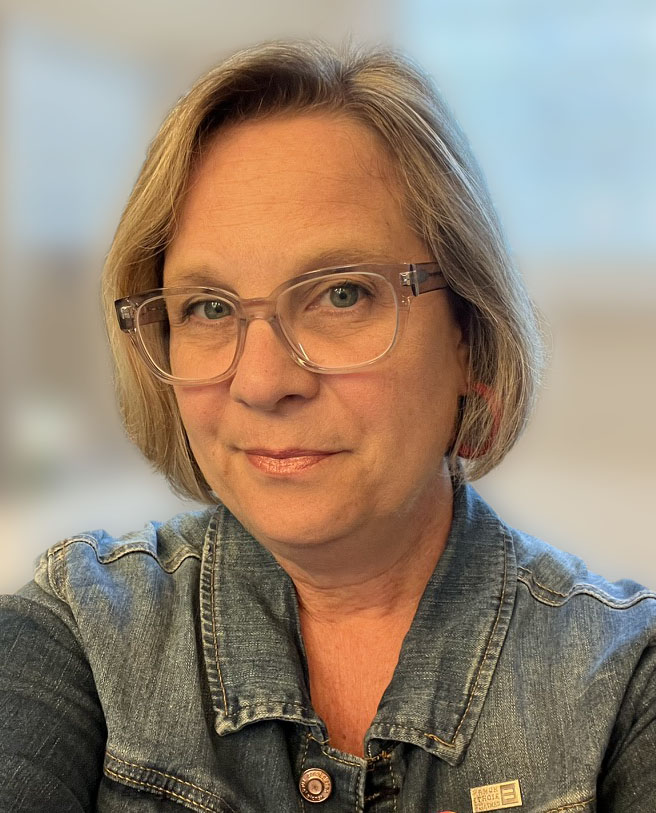
Today we’d like to introduce you to Lauri Jones.
Hi Lauri, thanks for joining us today. We’d love for you to start by introducing yourself.
My journey has always been driven by curiosity. I’ve kept a creative practice throughout my life, though its form has shifted with different chapters. I graduated from Rhode Island School of Design in 1990 with a BFA in Graphic Design. I spent the majority of my career as a designer working in motion media, designing promotional animations and main titles for television networks. The daily work fulfilled my need to be creative and make things. In 2009 I graduate from SCAD with an MAT in Art Education. When I transitioned to art education, my personal studio practice became robust again. I immersed myself in bookmaking and printmaking, and eventually became obsessed with rust printing. I started hand and machine stitching on my prints, and before long I realized — why not try rust printing on fabric instead of paper?
That simple shift changed everything. Working on textiles opened up an entirely new world for me. As my stitching grew more intricate and layered, it became obvious that I needed to learn how to quilt. I started quilting about ten years ago and fell in love instantly. I spent the next few years honing my skills, experimenting without restraint, taking classes, joining a guild, and connecting with generous quilters and artists who have inspired me along the way.
We all face challenges, but looking back would you describe it as a relatively smooth road?
It definitely hasn’t been a completely smooth road, but it’s been a meaningful one. Balancing my work as a textile artist alongside a full-time teaching job (I teach middle school visual arts at the Westminster School) and the responsibilities of parenting meant that time was always the biggest challenge. Studio hours were carved out in early mornings, late nights, and school vacations, which required real discipline around time management and setting goals—even when I didn’t always meet them. Learning to give myself grace while still staying committed to the work was part of the process. Space was another limitation for many years; my “studio” was the dining room, which meant constant setup, cleanup, and working within tight physical boundaries. Recently, with my children grown, I’ve finally been able to turn one of their bedrooms into a dedicated studio, and it’s been a total game changer—affirming that persistence really does pay off.
Can you tell our readers more about what you do and what you think sets you apart from others?
My work centers on creating intricately stitched art quilts that sit at the intersection of fiber, design, and storytelling. With a background in graphic design, I bring a deep love of typography, structure, and grids into my quilting practice, and those influences are woven directly into my original designs. I often begin each piece by sketching in Adobe Illustrator, using it as a tool to explore rhythm, balance, and different color stories before I ever touch fabric. That said, the sketch is only a starting point—once I begin free-motion stitching, the work takes on a life of its own and often shifts dramatically from the original plan. My process is a constant conversation between planning and play, structure and improvisation. What sets my work apart is this blend of precision and intuition, allowing the materials to guide me as much as the concept. I’m most proud of the way each piece ultimately reveals its own narrative, and of staying open and responsive enough to let that story emerge fully by the time the work is complete.
We love surprises, fun facts and unexpected stories. Is there something you can share that might surprise us?
Something that often surprises people is that, alongside my studio practice, I teach middle school art. When people see my work—which is conceptual, intricate, and process-oriented—they’re often surprised to learn that I spend my days with sixth graders in a chaotic, energetic, and messy classroom. A single piece in my studio can take months to complete, and on the surface that kind of slow, deliberate practice might seem at odds with the pace and spirit of middle school art. In reality, the two are deeply connected. Patience, open-mindedness, and optimism are central values in both my art-making and my teaching. My studio practice continually reinforces the importance of experimentation, persistence, and embracing uncertainty—lessons I bring directly into the classroom. At the same time, working with adolecents keeps me curious, flexible, and playful in my own work, reminding me to take risks and stay open to possibility. Each practice informs the other, creating a feedback loop that strengthens both who I am as an artist and as an educator.
Contact Info:
- Website: https://www.laurijonesartist.com
- Instagram: @laurijonesartist
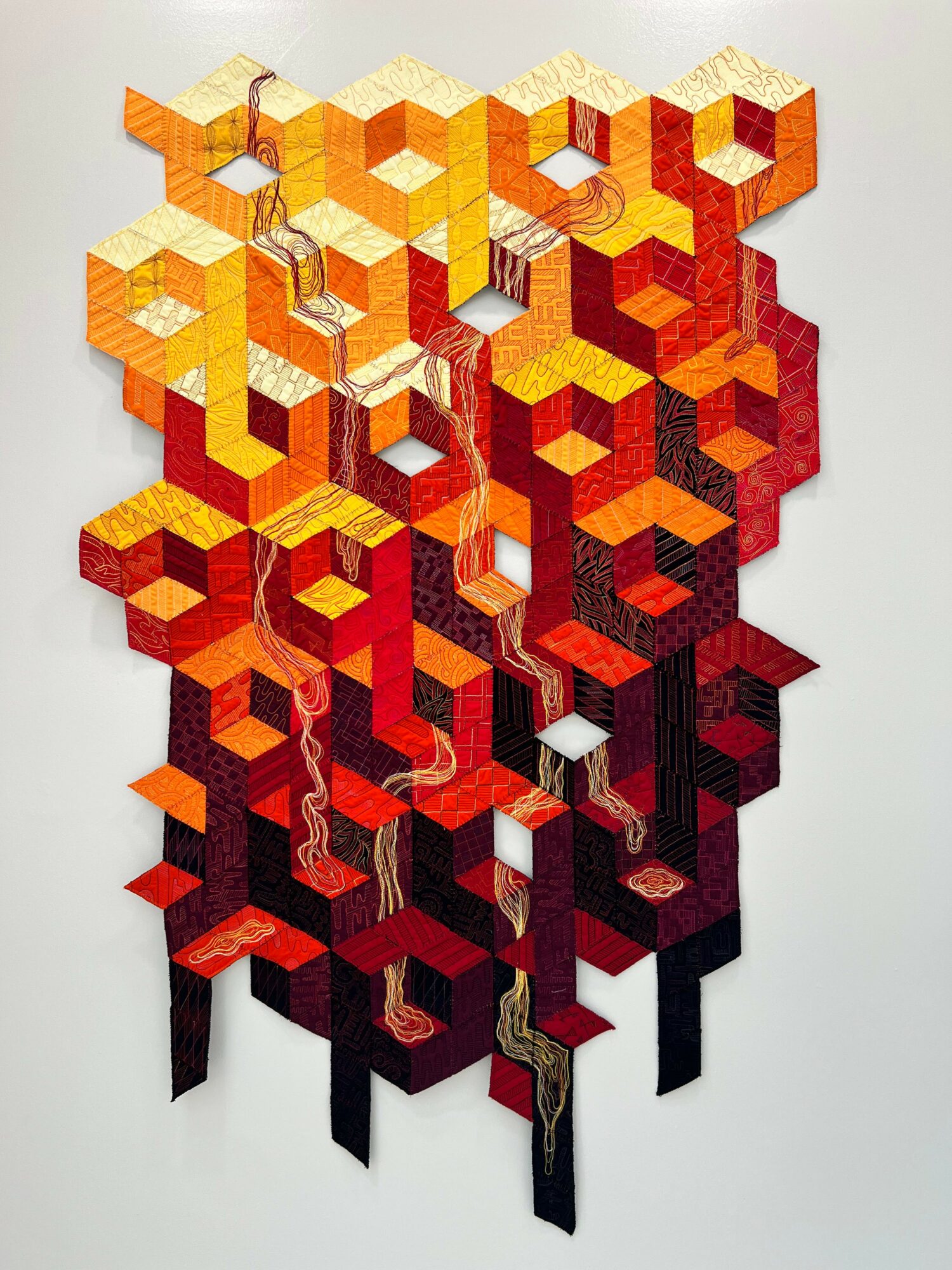
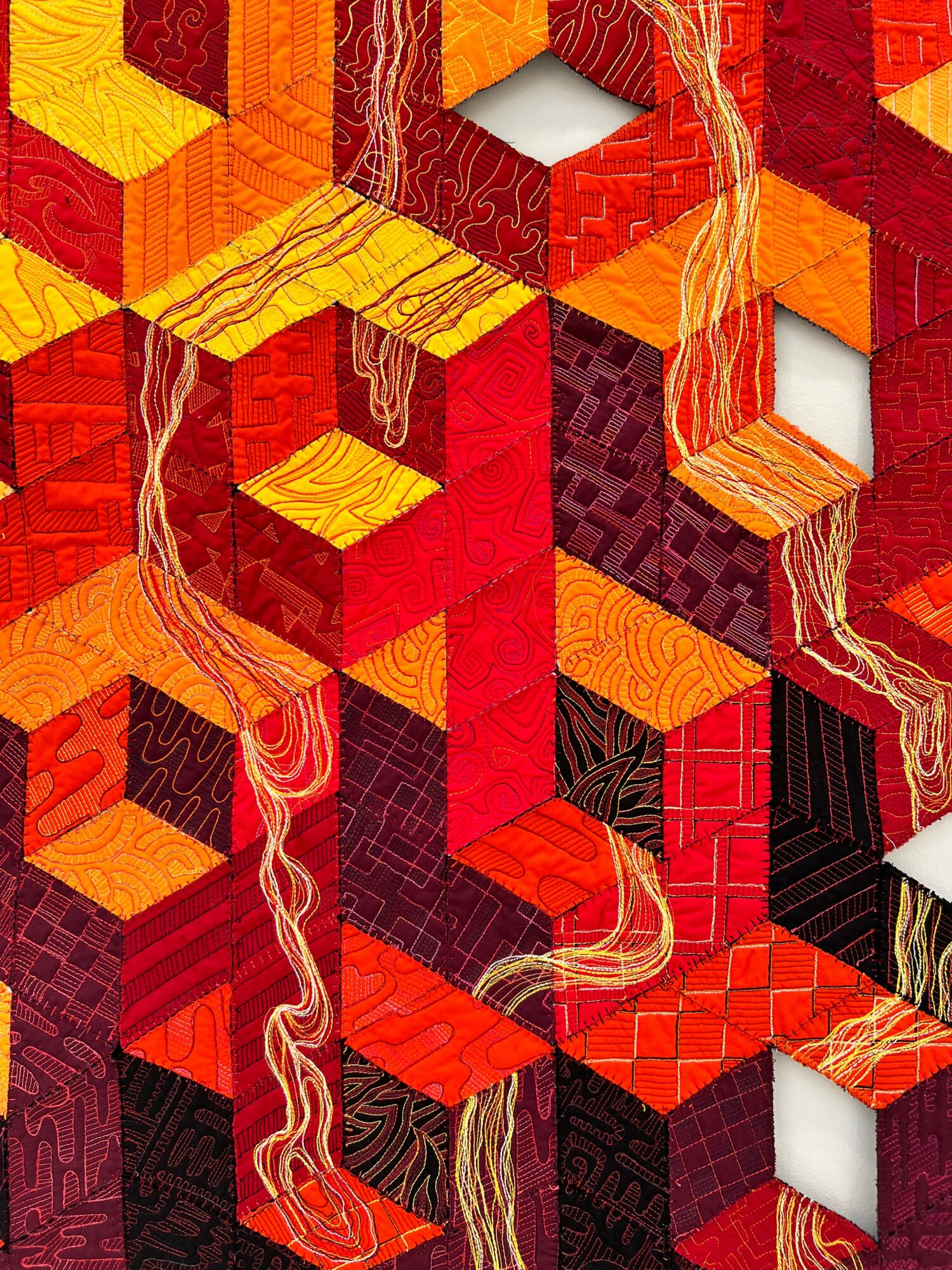
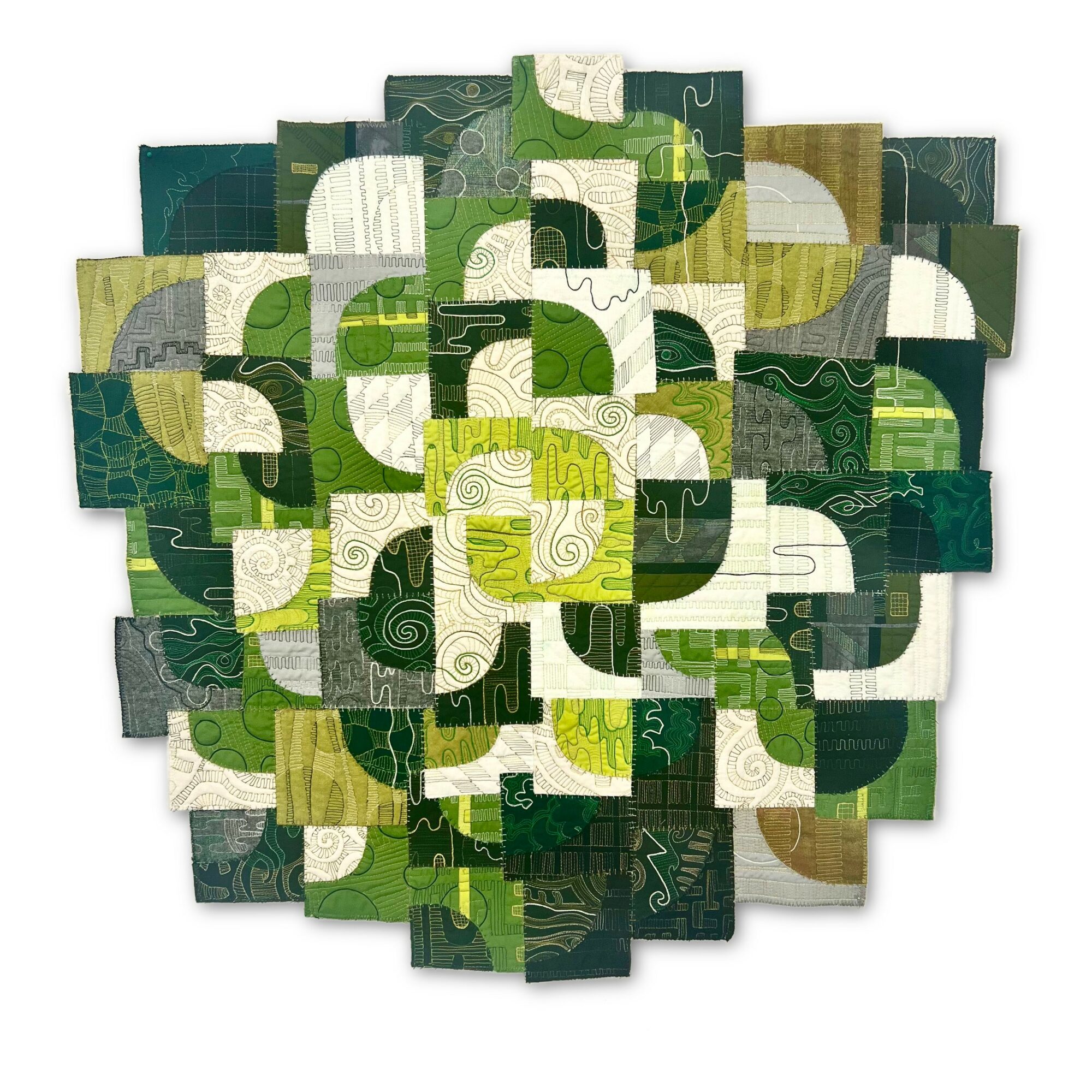

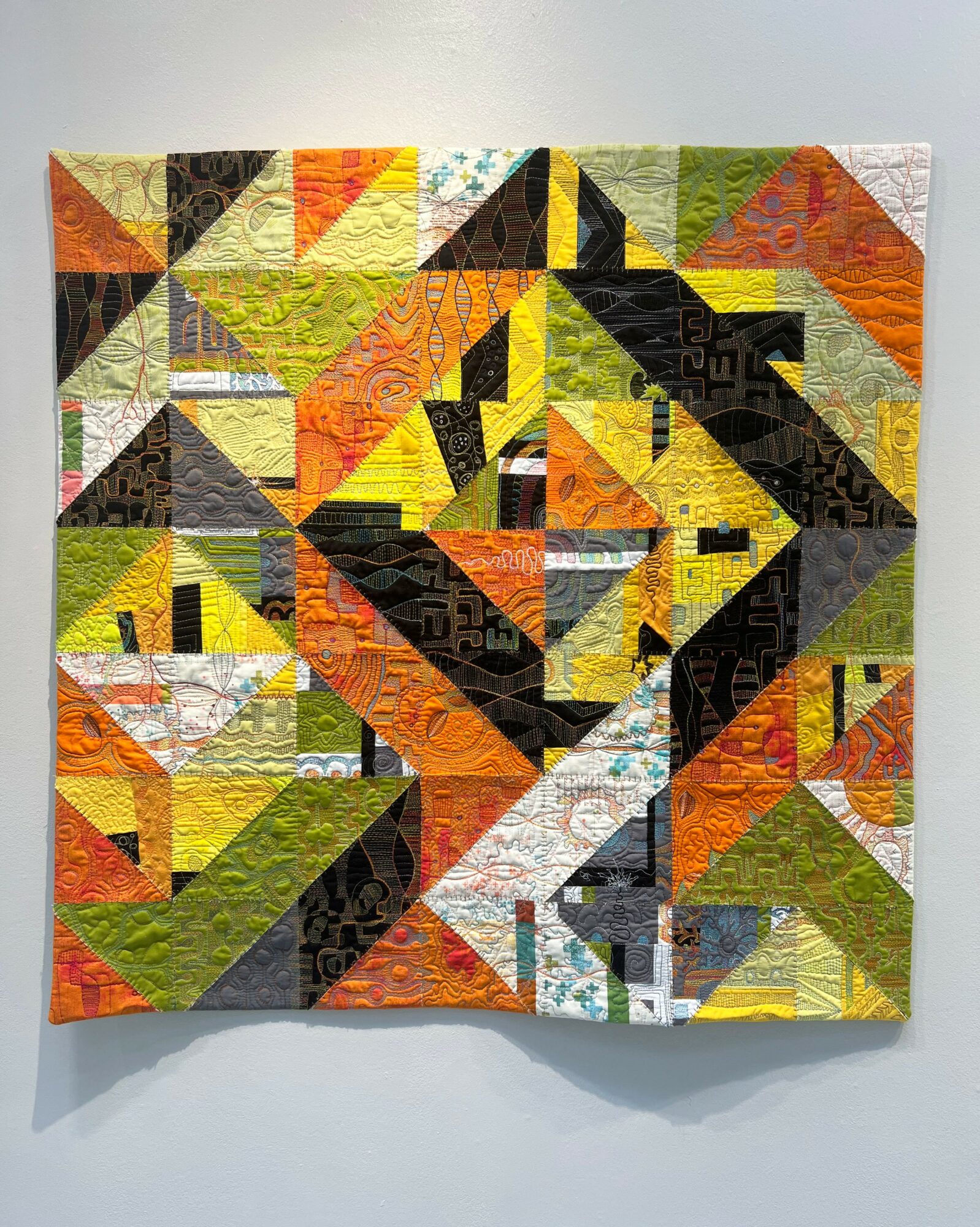
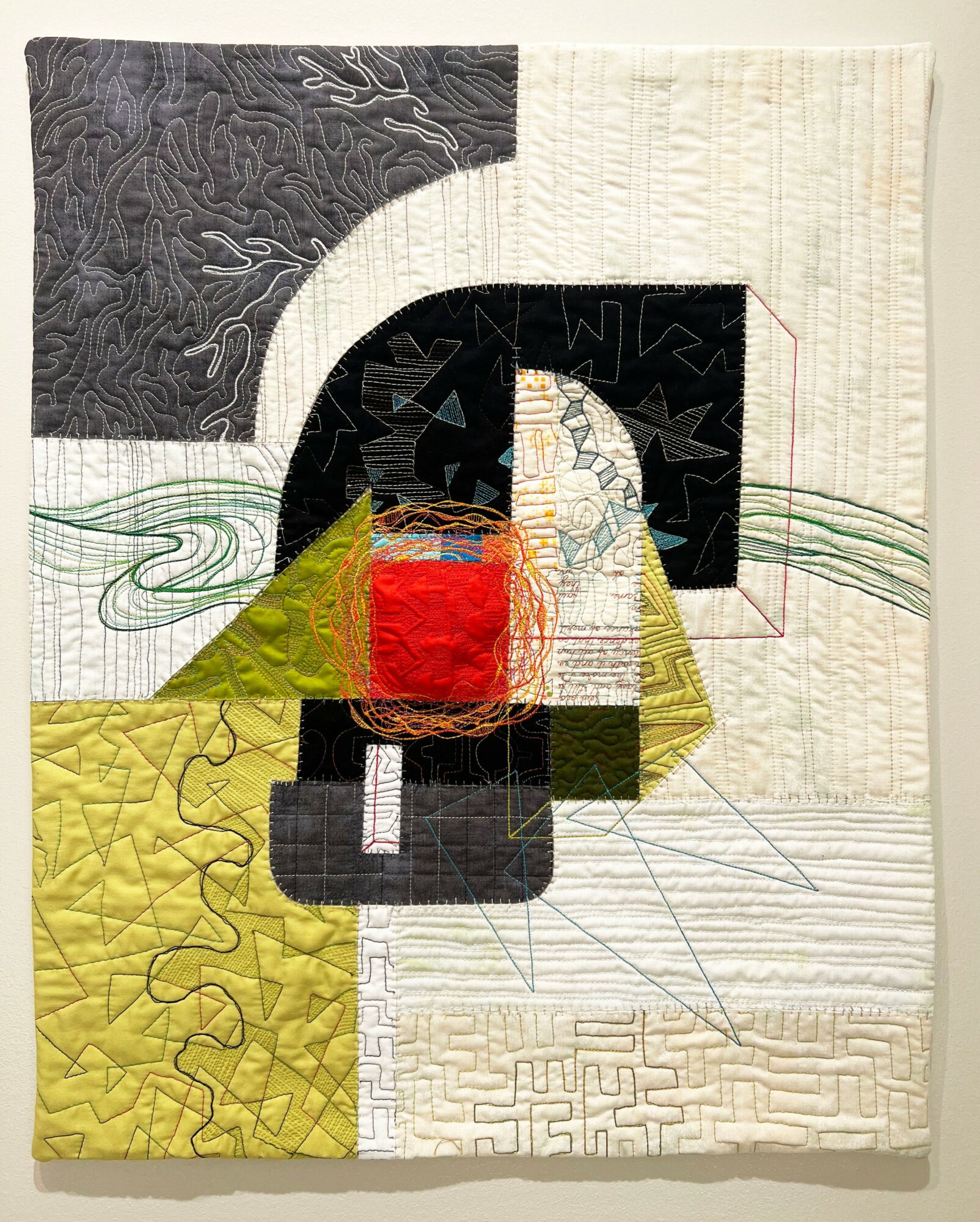
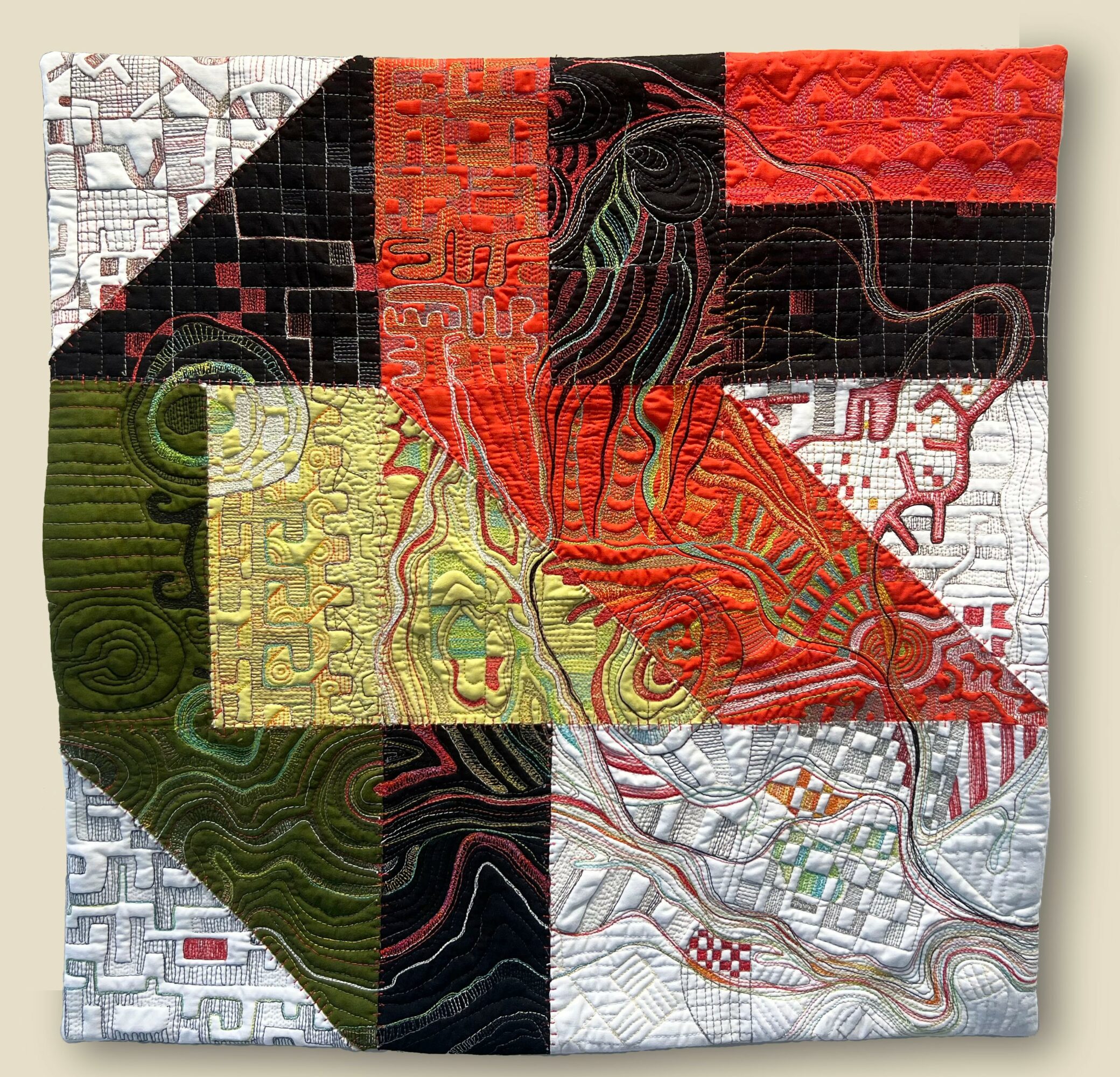
Image Credits
All photos by the artist (Lauri Jones)
Popular
-

Hidden Gems: Local Businesses & Creatives You Should Know
-

ATL’s Most Inspiring Stories
-

Seeing the Story Between the Moments
-

Portraits of Atlanta
-

Dr. Sinclair N. Grey III on Why Founders Stall—and How Discipline Breaks the Pattern
-

Meet Lee Patterson: Teaching Entrepreneurs How to Build Wealth the Right Way From Day One