



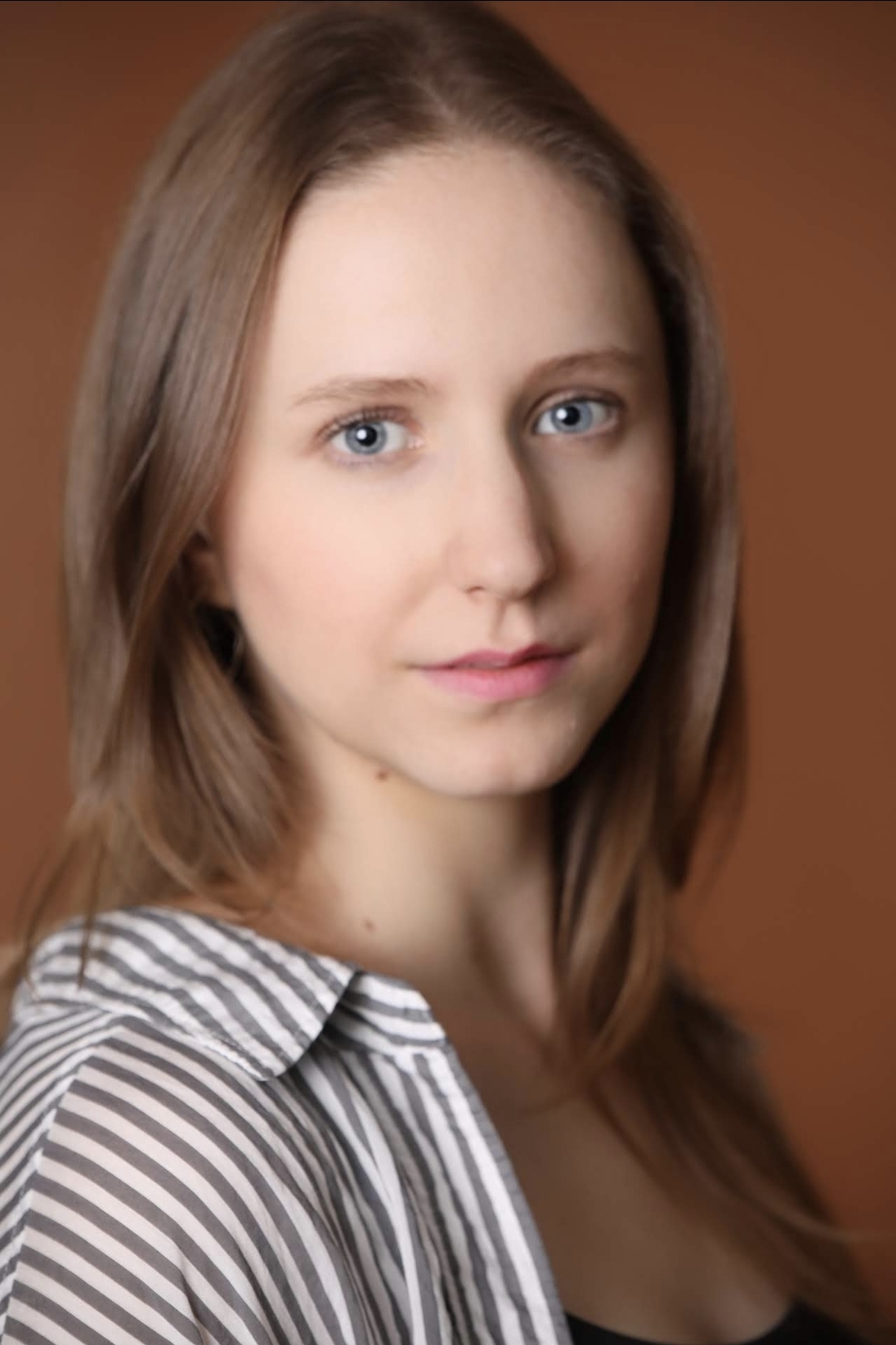
Today we’d like to introduce you to Paulina Ophelia Sophie.
Hi Paulina , thanks for joining us today. We’d love for you to start by introducing yourself.
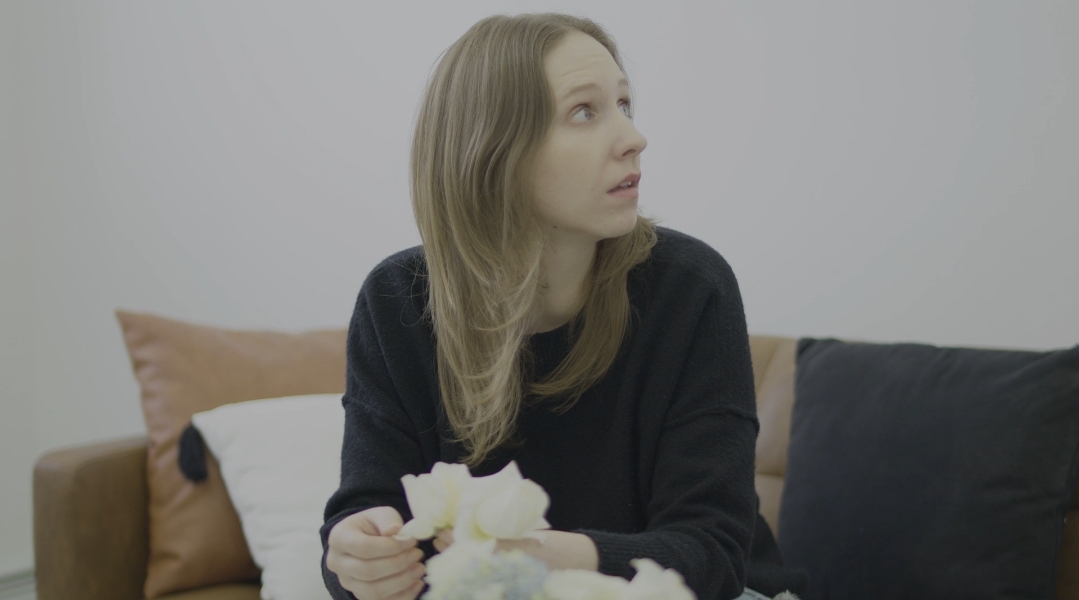
I was born and raised in Munich, Germany, but I grew up dreaming in English. From an early age, I was drawn to cinema and storytelling — especially performances that felt raw, human, and emotionally fearless. I didn’t just want to watch stories unfold; I wanted to live inside them.
In 2023, I was accepted into The Lee Strasberg Theatre & Film Institute in New York, where I trained in Method acting. That experience deeply shaped me — not only as an actor, but as a person. The work required vulnerability, discipline, and a willingness to confront parts of myself I had long overanalyzed. Learning to trust my impulses instead of controlling them became one of my greatest challenges — and greatest breakthroughs.
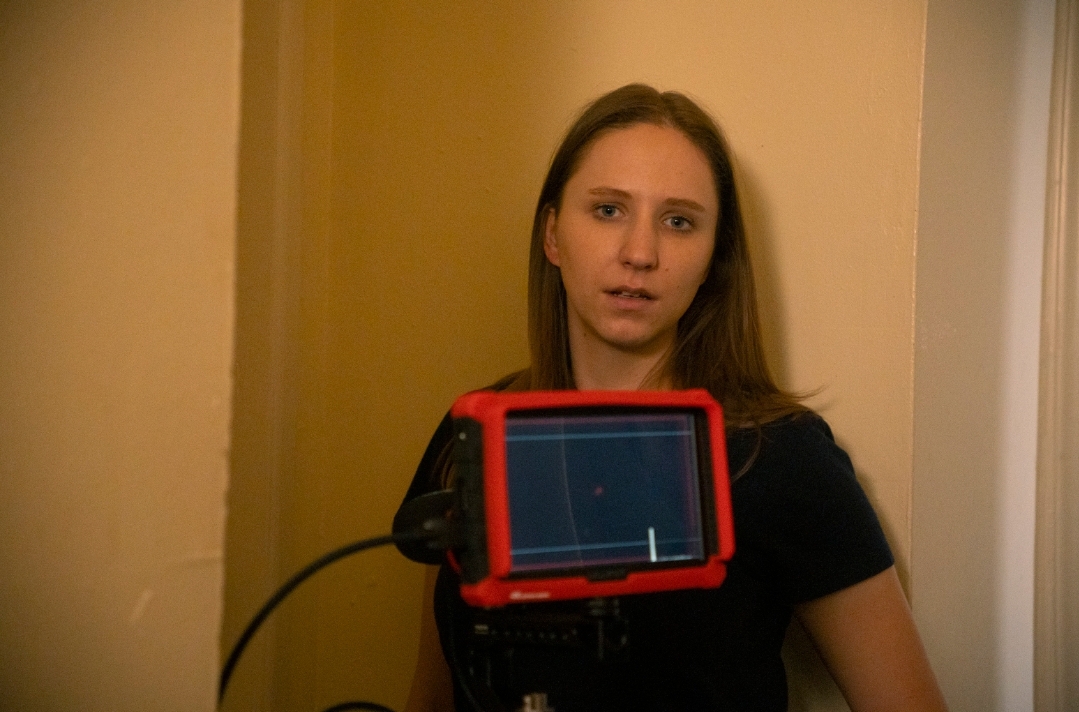
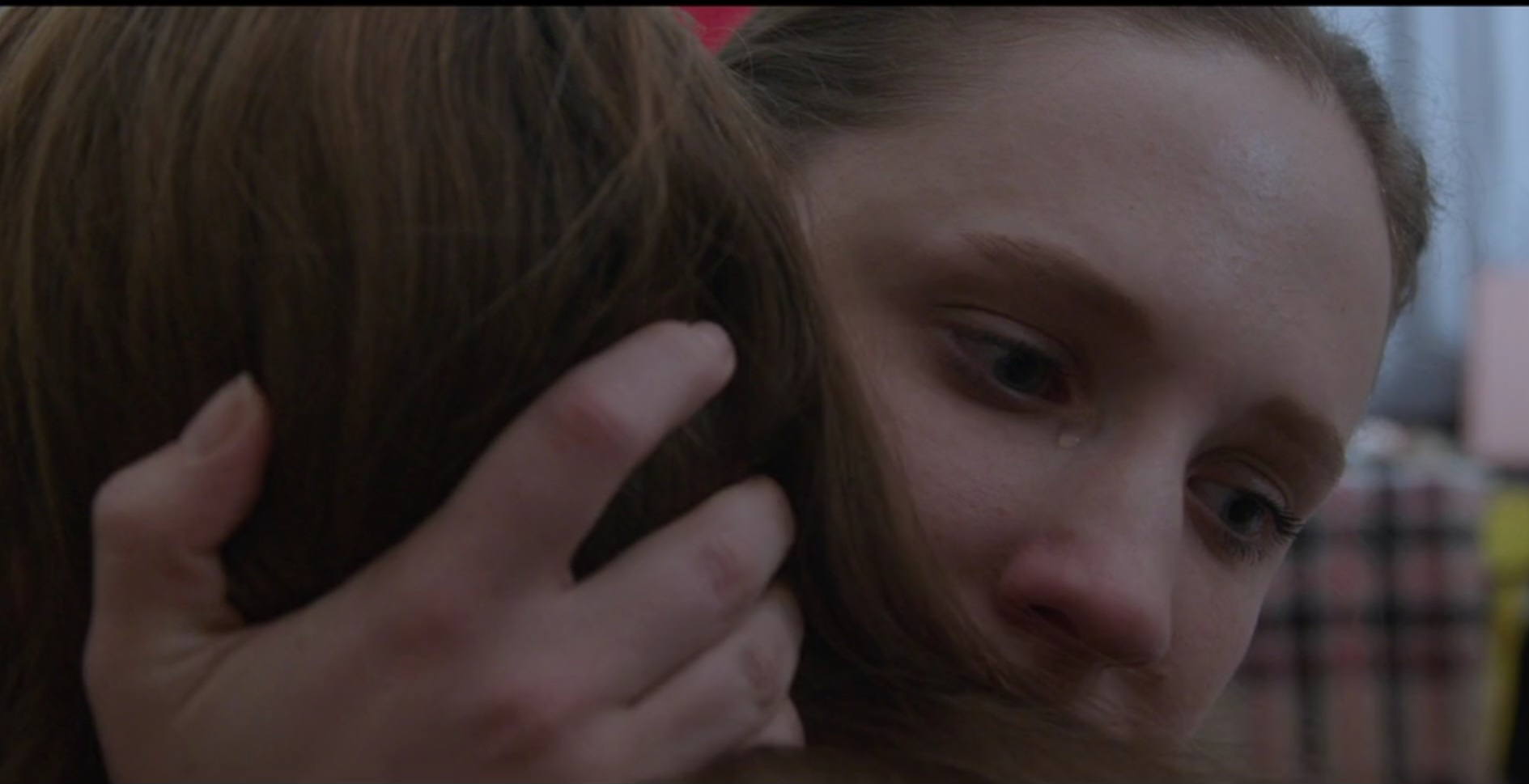
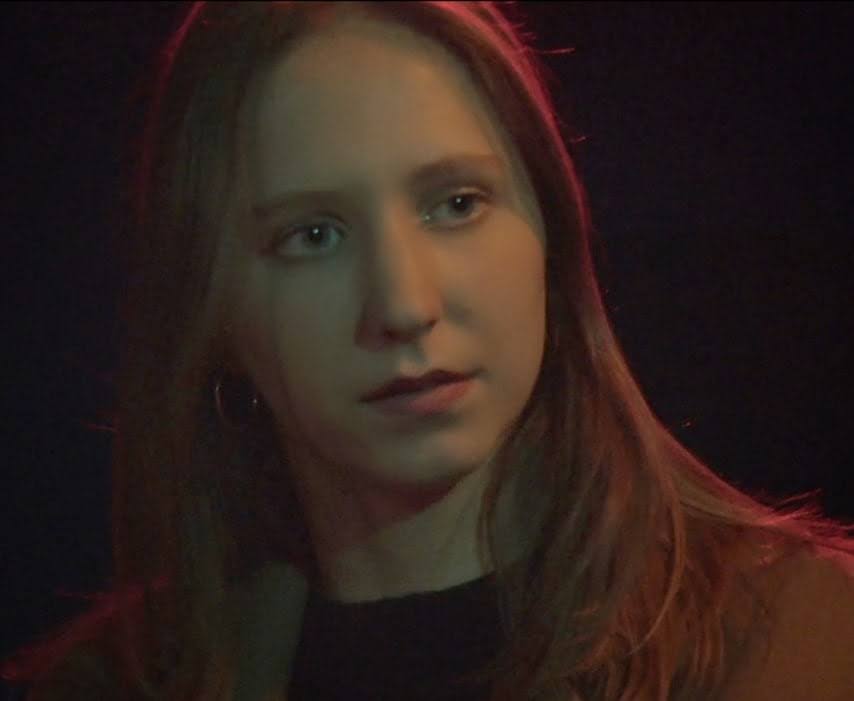
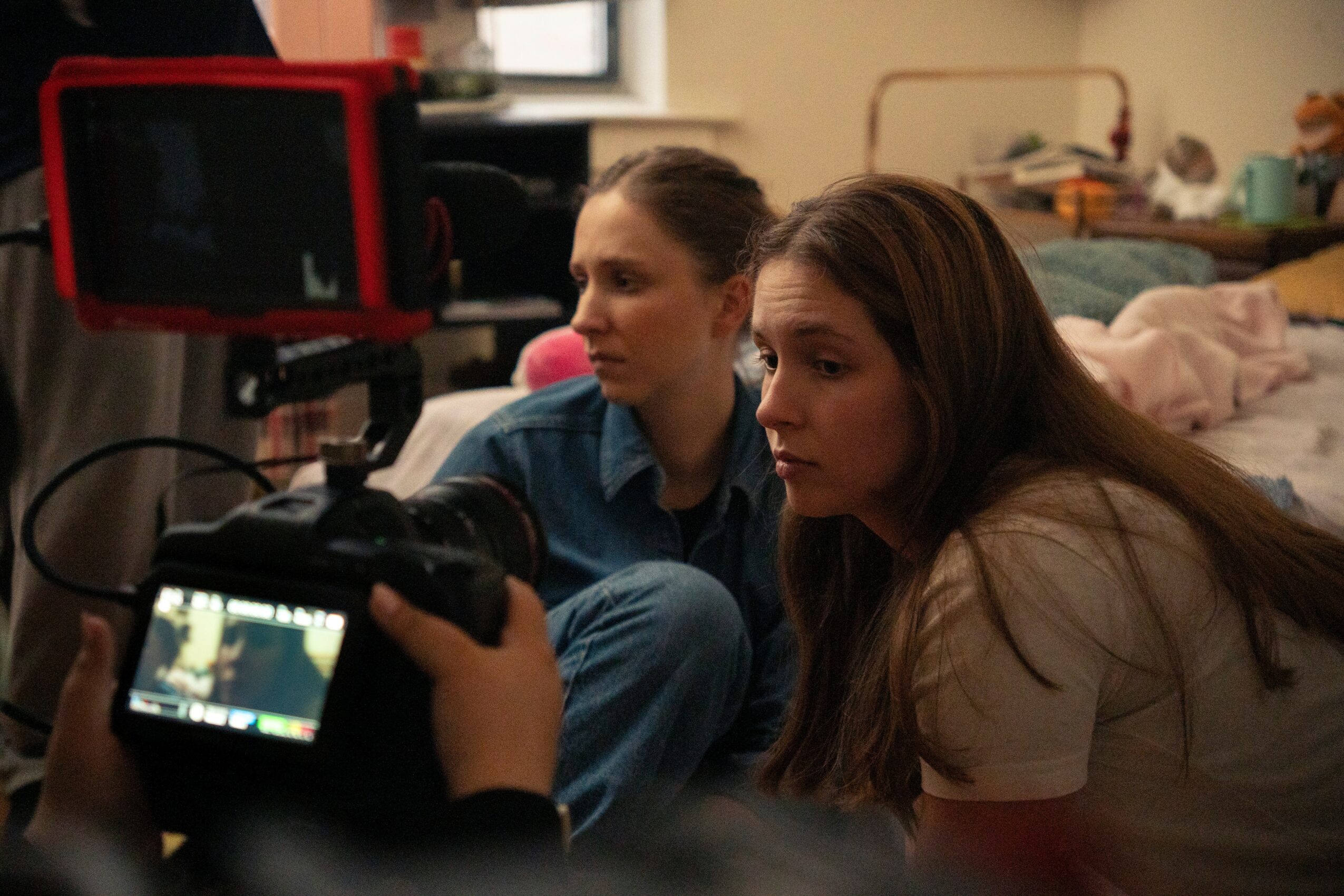
Since moving to New York, I’ve worked on short films, made my New York theatre debut, and collaborated with artists who challenge and inspire me. I’m drawn to stories that explore emotional complexity and the subjects society often hesitates to address — stories that give voice to the unseen and the misunderstood.
I’m still at the beginning of my journey, but I’m building a career rooted in truth and depth. My goal is to create work that resonates deeply — the kind of storytelling that makes audiences feel understood, unsettled, and ultimately less alone.
Can you talk to us a bit about the challenges and lessons you’ve learned along the way. Looking back would you say it’s been easy or smooth in retrospect?
It definitely wasn’t a smooth road.
Pursuing acting in another country comes with constant uncertainty — creatively, financially, and legally. Building a life in New York while training and working meant balancing survival with artistry. There were moments where the practical realities — especially around visas and long-term stability — felt overwhelming.
Artistically, the biggest challenge was internal. Method training demands radical honesty and deep self-examination. As someone who tends to overthink and approach things with discipline, learning to trust my impulses fully — without trying to control or “perfect” them — was a real shift. It required letting go of intellectualizing the work and instead allowing it to be lived in the moment.
There were also professional setbacks — auditions that didn’t go my way, projects that almost happened but didn’t. But those experiences sharpened my focus. They clarified my commitment and strengthened my resilience.
The road hasn’t been smooth — but every challenge has deepened my craft and strengthened my conviction that this is exactly where I’m meant to be.
Thanks for sharing that. So, maybe next you can tell us a bit more about your work?
I’m a New York–based actor trained in both Method acting and the Meisner technique, with professional training at The Lee Strasberg Theatre & Film Institute. My work focuses on emotional depth, psychological complexity, and characters who live in moral gray areas. I’m drawn to stories that explore vulnerability, identity, and the parts of human experience that often go unspoken.
With a foundation in Method work and Meisner’s emphasis on truthful, in-the-moment response, I approach every role from the inside out while remaining deeply present with my scene partners. I build characters through emotional truth, sensory work, active listening, and detailed script analysis, allowing them to feel lived-in rather than performed.
In addition to acting, I write screenplays. Writing allows me to explore character and structure from a different perspective and deepens my understanding of storytelling as a whole. It strengthens my work as an actor by giving me insight into narrative architecture and character arcs beyond my own role.
I’ve worked in short films and on stage in New York, and I continue to collaborate with filmmakers and theatre artists who value authenticity and bold storytelling.
What I’m most proud of is my commitment to the craft. I approach storytelling — both as an actor and a writer — as a discipline that requires rigor, emotional honesty, and continuous growth.
What sort of changes are you expecting over the next 5-10 years?
I think we have to talk about AI when we discuss the future of the industry — it’s inevitable. We’re already seeing films use AI, including digital actors, and that’s a big shift from where we are now. Personally, I don’t fear it, but I do think it changes the landscape. AI will never be able to create stories with the emotional depth, human nuance, and lived experience that a real person can bring — but it’s something we have to engage with because it’s coming.
Beyond technology, I hope the industry continues to embrace bold, authentic storytelling. In recent years, I’ve felt there’s been a lack of truly daring stories in Hollywood, but 2025 was actually an encouraging year. Films like One Battle After Another — which I think is one of the best of the decade — and a few others showed that audiences are hungry for stories that are emotionally rich and resonant.
Looking ahead five to ten years, I hope the industry continues in that direction: telling stories that are challenging, honest, and human. AI may shift how films are made, but the need for human stories — ones that resonate emotionally, morally, and culturally — will remain at the heart of cinema.
Contact Info:
- Instagram: @Paulina_ophelia_
Popular
-

Hidden Gems: Local Businesses & Creatives You Should Know
-

ATL’s Most Inspiring Stories
-
Seeing the Story Between the Moments
-

Portraits of Atlanta
-

Dr. Sinclair N. Grey III on Why Founders Stall—and How Discipline Breaks the Pattern
-

Meet Lee Patterson: Teaching Entrepreneurs How to Build Wealth the Right Way From Day One