





We’re looking forward to introducing you to Eden Gutstein. Check out our conversation below.
Hi Eden, thank you for taking the time to reflect back on your journey with us. I think our readers are in for a real treat. There is so much we can all learn from each other and so thank you again for opening up with us. Let’s get into it: What’s the most surprising thing you’ve learned about your customers?
This is a great question that could be answered in multiple different ways. Through my experience of tattooing over the past few years, I’ve met people from all walks of life, from all different backgrounds, different cultures, different belief systems, ethnicities and religions. Some found me online, some through referrals, from friends, or from a casual conversation sitting at a bar. And perhaps what surprises me the most about all my customers, we are all so similar despite of what we might see as differences. Tattooing is such an intimate experience that within the few hours of the practice, you really make a connection with the person who is in front of you, and in a beautiful way you learn a lot about each other. What I am trying to articulate is that the shared humanity we all have as people really has very little to do with who we think we are, or perhaps who others think we are. It made me realize that we really all have a capability of sharing and creating deep connections with people and finding so much in common with people who we normally wouldn’t feel drawn to connect with. Across the board, the common denominator I find is that no matter the age range, gender, ethnicity or religious background, so many of us have shared experiences that are all so similar. As King Solomon said, “There is nothing new under the sun”.
Another factor I’d have to say is surprising to me is the variety of professions my clients hold. I used to believe in the stereotype that tattoos attract a few specific groups of people, such as people working in the art fields, biker guys, or the alternative crowds in vibrant cities, like Atlanta for instance. But I am honestly so fascinated with the kinds of people I get to meet and their incredible and unique walks of life that are so specific to them. A few examples are college professors, kindergarten teachers, sports broadcasters, grant writers, vets, medical students and the list keeps going. I always learn so much from the people I meet and I want to take this as an opportunity to thank each and every person who I’ve had the privilege to tattoo and connect with.
Can you briefly introduce yourself and share what makes you or your brand unique?
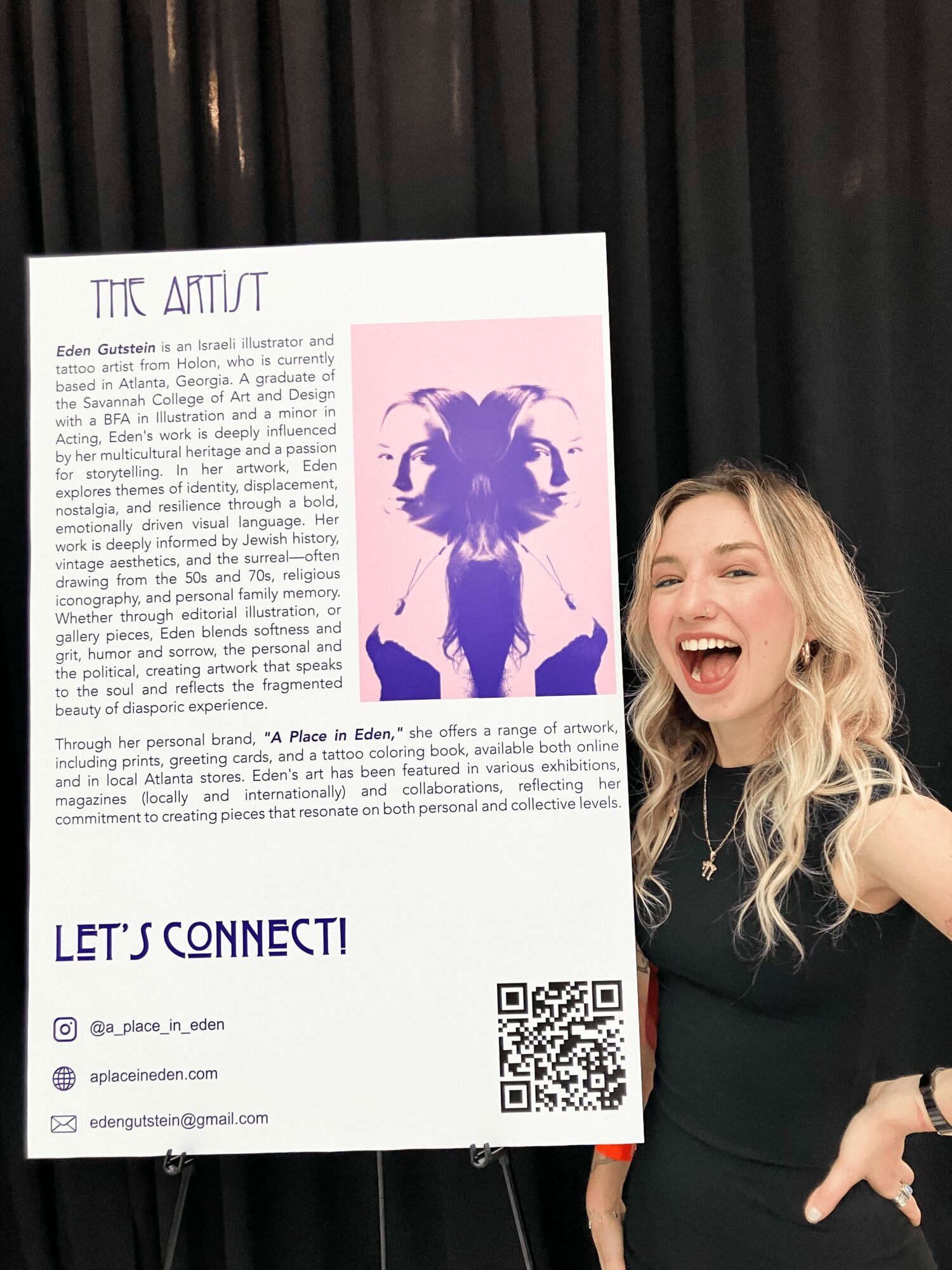
Hi! I’m Eden Gutstein and I am an illustrator and tattoo artist who is currently based in Atlanta, Georgia. I started my journey with tattooing around 2018, a little bit before I started college. I always had a passion for drawing but did not see it as more than a hobby until later in life. Tattooing was just a hobby when I was in college that I would do on friends and family in the very beginning, as I was focused on theater and acting during my first year in college. But soon enough I came to realize that I really am passionate about the creation of visual arts (this includes tattoos as well as other medias of artwork). Tattooing culture in the south was predominantly focused on thick, bold line tattoos that are mainly known as American Traditional. And I do have great appreciation for this incredible style of work. With that being said, I wanted to do something different. Perhaps something that was not very popularized yet, at least not in Atlanta. My style has evolved from silly sketchbook designs, to pieces I truly enjoyed drawing, which is mainly botanical tattoos. I was very late to using the iPad, and most of my designs up until 2021 where all drawn on a piece of paper in my sketchbook and later scanned to Photoshop for touch-ups. I recently found myself gravitating towards a more naturalistic method of drawing, and I ensure to create all my designs in my sketchbook first and go over them with a micro-pen. I later scan it and upload it to my iPad for tweaks and touch ups. My style is still changing and evolving, and so am I, as a person. Ornamental style is also one I integrated into my work in the last couple of years, as I think it is timeless. There is something special about creating decorative patterns that have a nostalgic feel.
Since 2023, one of the biggest shifts in my practice has been creating tattoo designs that reflect my culture. I come from a very Jewish household and was raised on Judean values that guide me every day. I realized I wanted my work and my life to reflect who I truly am, not just what people might like. Part of my purpose is giving back to my community and sharing our culture, customs, language, history and heritage in a way that sheds light and creates connection. For me, staying true to values like integrity, honesty, and authenticity is what makes my work meaningful, even when it feels isolating or scary.
Okay, so here’s a deep one: What breaks the bonds between people—and what restores them?
That is quite a broad question. Lots of different factors can come into play, and I am sure many of us have experienced a broken bond at some point, whether it is with a friend, a cousin, sibling, parent or a lover. Sometimes it could be due to misunderstanding and judgement and even miscommunicated expectations. Often, the person in front of us is not necessarily intending to hurt us or cause distress, but rather just doing the very best they know how to at that given moment in time. In these types of scenarios, unspoken standards are set too high, and when it becomes impossible to meet them, the gap can fracture a connection.
Fear, shame, or guilt can also play a big part, which can lead to prolonged periods of silence. Perhaps fear of taking accountability when you find yourself knowingly wrong in a situation you put someone else through. And to further that point, the guilt that is associated with the mess you may have caused can consume you and paralyze you from taking action and apologizing. That paralysis creates distance. This can lead to indecision and inaction, causing people to drift apart.
Sometimes forgiveness itself feels impossible, and not necessarily because of anger, but yet again, because of fear. A fear of a situation repeating itself if we allow ourselves to forgive. And this stems from a collective belief that people cannot change, therefor, we give up on connections and lose faith in people we were once close to.
What restores them? It depends on the people and the situation. But if both are willing to grow from their mistakes, to see the humanity in each other even after disappointment, that’s a good place to start. I do believe if people truly have a strong connection, despite distance or time apart, they can eventually get to a point where love overweighs the fear, and that in itself takes bravery and courage. I think time apart can also help people to reflect, grow and forgive.
The more I reflect on this question, the more I realize that true vulnerability and honesty are essential for restoring any connection. When a bond breaks between people, especially when things feel heavy, the instinct is to protect ourselves. We start building layers of pride, overthinking, avoiding, and pretending we don’t care. In truth, all of that is the psyche’s way of protecting itself. Yet the paradox is that these very defenses are what keep us from finding peace, reconnection, and reconciliation. When people allow themselves to let go of those barriers and show up with openness and honesty, that is often what heals the bond and restores peace.
I am no expert on this subject by any means. I am learning as I go, just like the rest of us. And sometimes the most challenging part is finding the courage to soften the heart.
What did suffering teach you that success never could?
Although as humans, we tend to stay away from suffering, it can also teach us a lot. Suffering doesn’t discriminate, it touches us all somehow. Everyone experienced some form of suffering in life, some to a much larger degree, and some on a more modest scale. As my great aunt would to say, “Even if the pain is only in your pinky, it is still your pinky so therefor you are allowed to feel the pain.”
Firstly, in my own journey in life, my experiences with suffering helped me develop a bigger sense of humility, compassion and understanding for others. It is similar to the principal of not judging someone else if we haven’t walked in their shoes. Sometimes you find yourself in less than ideal situations, that perhaps cause a moderate to a deep sense of suffering. Those are not exactly situations you thought you’d find yourself in, and maybe you’ve even judged other in the past for being in these types of scenarios. So at least from my own journey, this taught me to have a bigger degree of compassion for people, even if I don’t fully understand their situation. You never know what suffering they’ve gone through that led them to make certain decisions or perhaps close themselves off. This understanding helped me try and make a conscious decision every day to treat others in a way I wish I would have been treated in times where I found myself in a great deal of pain and distress. I would not want to put someone else in a position I was put in by another. This is not an overnight realization but more of a reflection and transformation that happens overtime through deep introspection. This is not something I necessarily could have learnt in times where I’d felt successful.
From a more personal and perhaps religious perspective, suffering itself taught me a deeper call for faith, the true meaning and purest form of prayer. A person doesn’t usually feel the need to have faith or divine intervention when things are going smoothly. It is only at times of rock bottom that there is a form of hunger for miracles, faith, and God, even for people who would consider themselves completely atheist.
Rabbi Nachman of Breslov emphasized in his teachings that there is a great value to yearning born from suffering. This forms an honest prayer straight from the most broken parts of your being, rather than a performative ritual. And you won’t even realize you’re praying, but there is some last bit of faith you keep holding onto when there is literally nothing left to do. And this is the truest form of prayer. The Rabbi taught that in order to ascend, we must first descend. He framed this as a paradox: the exact moments when you feel lost and broken are the very moments that you call forth your faith, courage, strength, and eventually transformation.
I think our readers would appreciate hearing more about your values and what you think matters in life and career, etc. So our next question is along those lines. Where are smart people getting it totally wrong today?
Firstly, it is important to differentiate smartness from wisdom. I think some people who are smart can feel superior to others at times, especially to those they see as less educated or who did not pursue a prestigious desirable degree. But being book smart, analytical, or skilled at problem-solving does not automatically grant you true life wisdom. Wisdom is gained through experience, through navigating ups and downs, and through the ability to see your own mistakes and shortcomings and learn from them. It is more intuitive than something you can learn from a book or a classroom.
Another challenge I see is when people start to believe that their intelligence reflects the quality of who they are as a person. In truth, a person’s worth is not measured by the degrees they earned, their ability to solve calculus problems, or their jobs in high-tech or prestigious environments. The real question is who are you as a human being. How do you treat others? Can you reflect inward, acknowledge your own negative habits, and strive to be better for yourself and for others? Do you have the ability and the humility to admit you were wrong? Do you hold empathy and compassion for other people? Do you uplift others who may not be doing so great, or do you use someone else’s struggles to feel better about yourself?
At the end of the day, it is not what you achieve or how smart you are that defines you. It is the kind of person you choose to be. This is something I learned from my beloved great-aunt Arlette Attia, whose grace and kindness left a lasting mark on everyone who knew her. She carried herself with humility and strength, and always found a way to bring light & love into other people’s lives and uplift them. I try to carry that same light forward in my own way, hoping to honor the legacy she left behind.
Thank you so much for all of your openness so far. Maybe we can close with a future oriented question. If you retired tomorrow, what would your customers miss most?
If I retired tomorrow, I think my clients would mostly miss the atmosphere I try to create during a tattoo appointment. Beyond the work itself, I aim to make each session feel therapeutic, a space where they are truly seen and valued as a person, not just a customer. I approach each tattoo with care and attention, hoping it becomes a shared moment of trust and creativity. They might miss my style of work and the way I try to make the experience feel meaningful, even in small ways, rather than just a tattoo. Perhaps they’ll miss the conversations too. I find myself having some of the best philosophical and existential conversations with my clients.
Contact Info:
- Website: https://www.trampstamp420.com/
- Instagram: @tramp_stamp_420
- Other: https://www.aplaceineden.com/
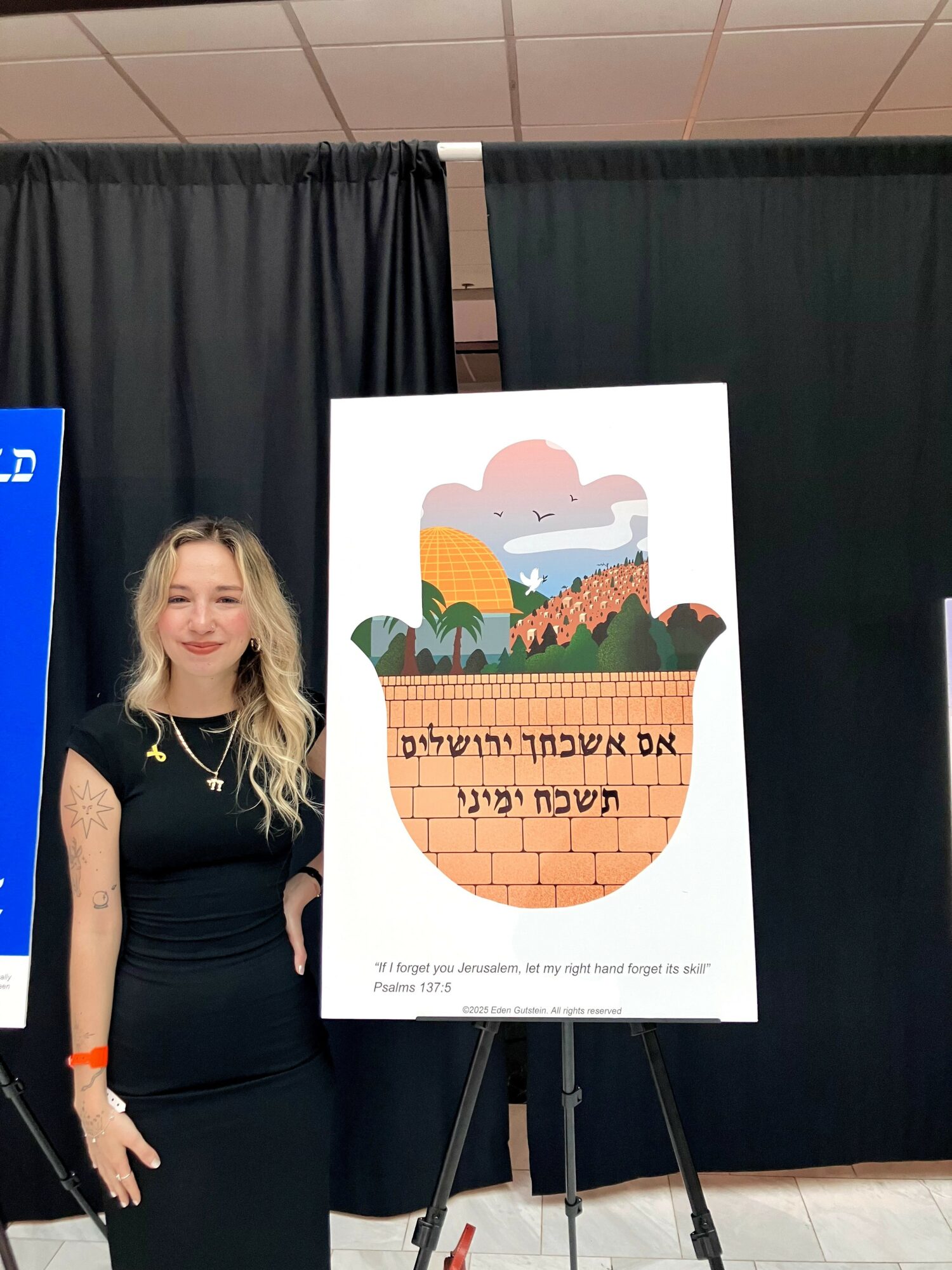
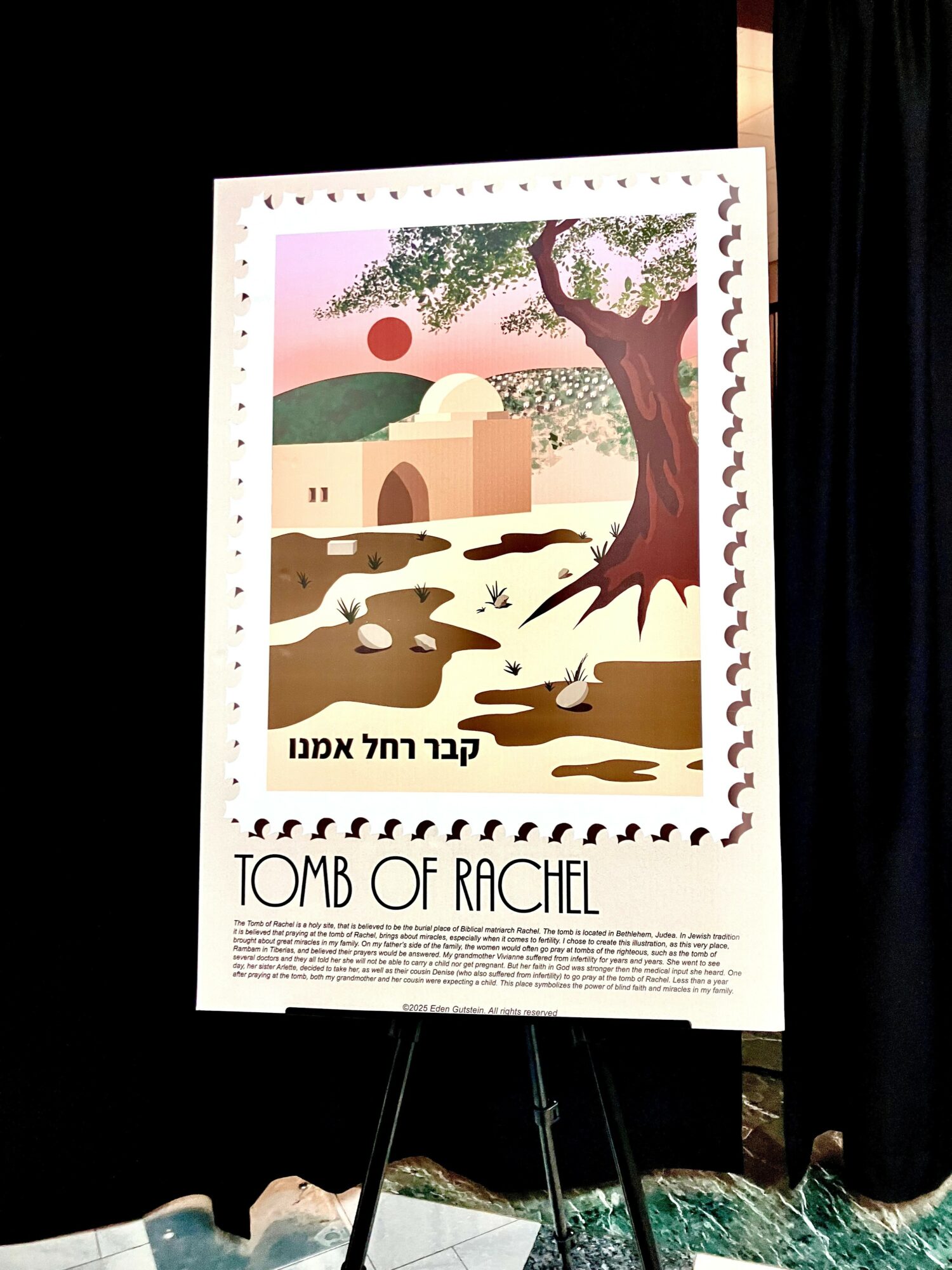
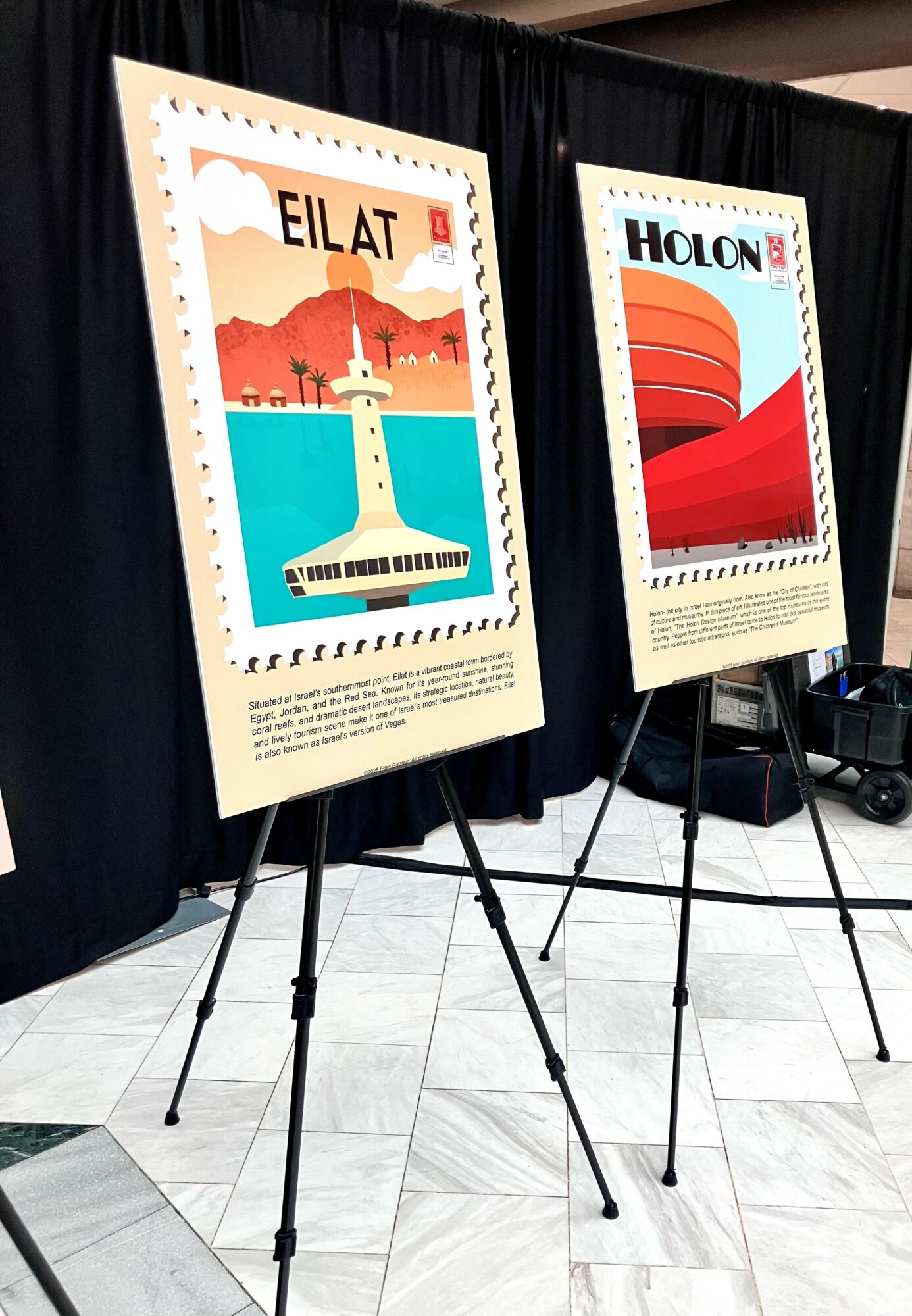
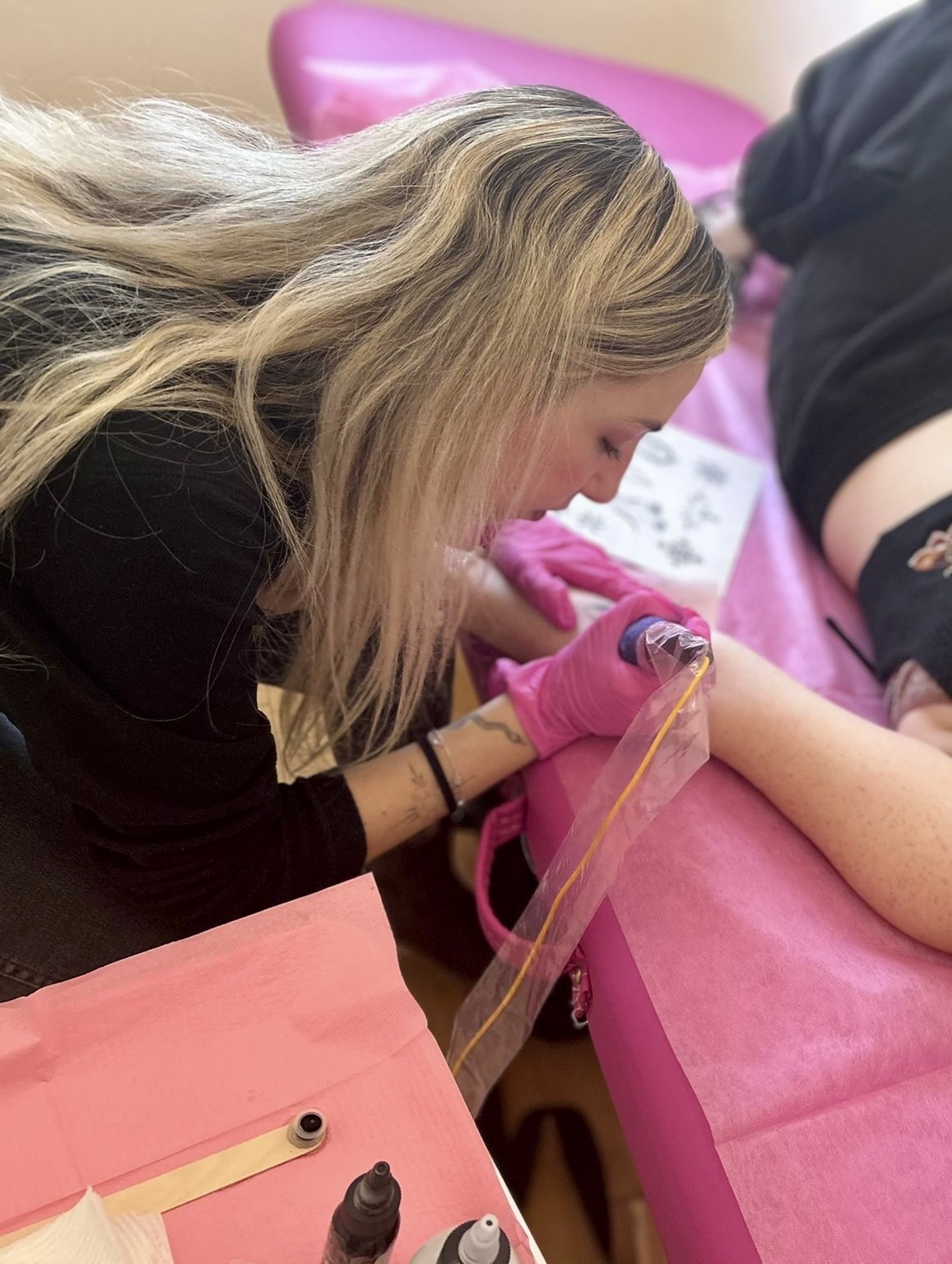
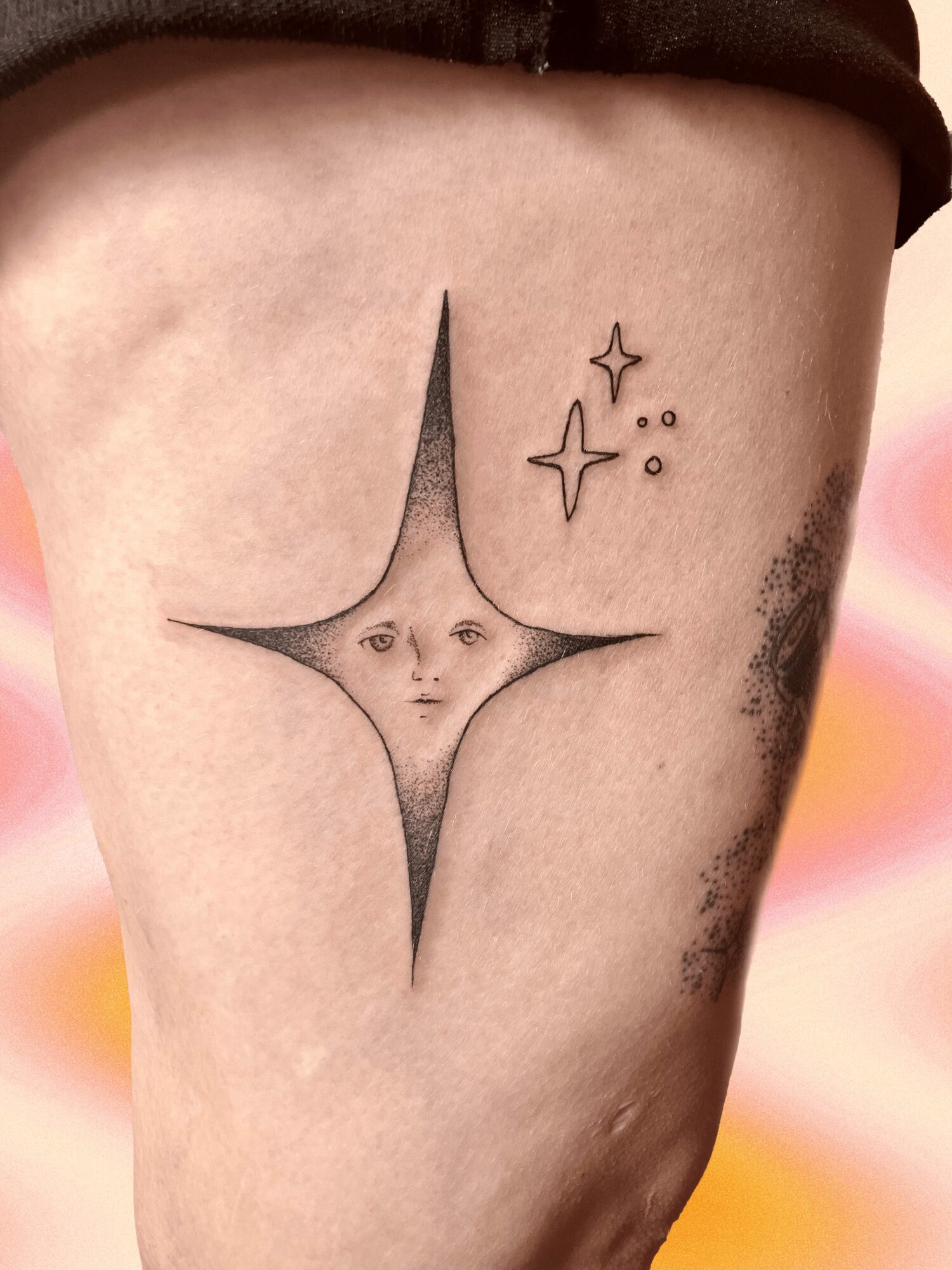
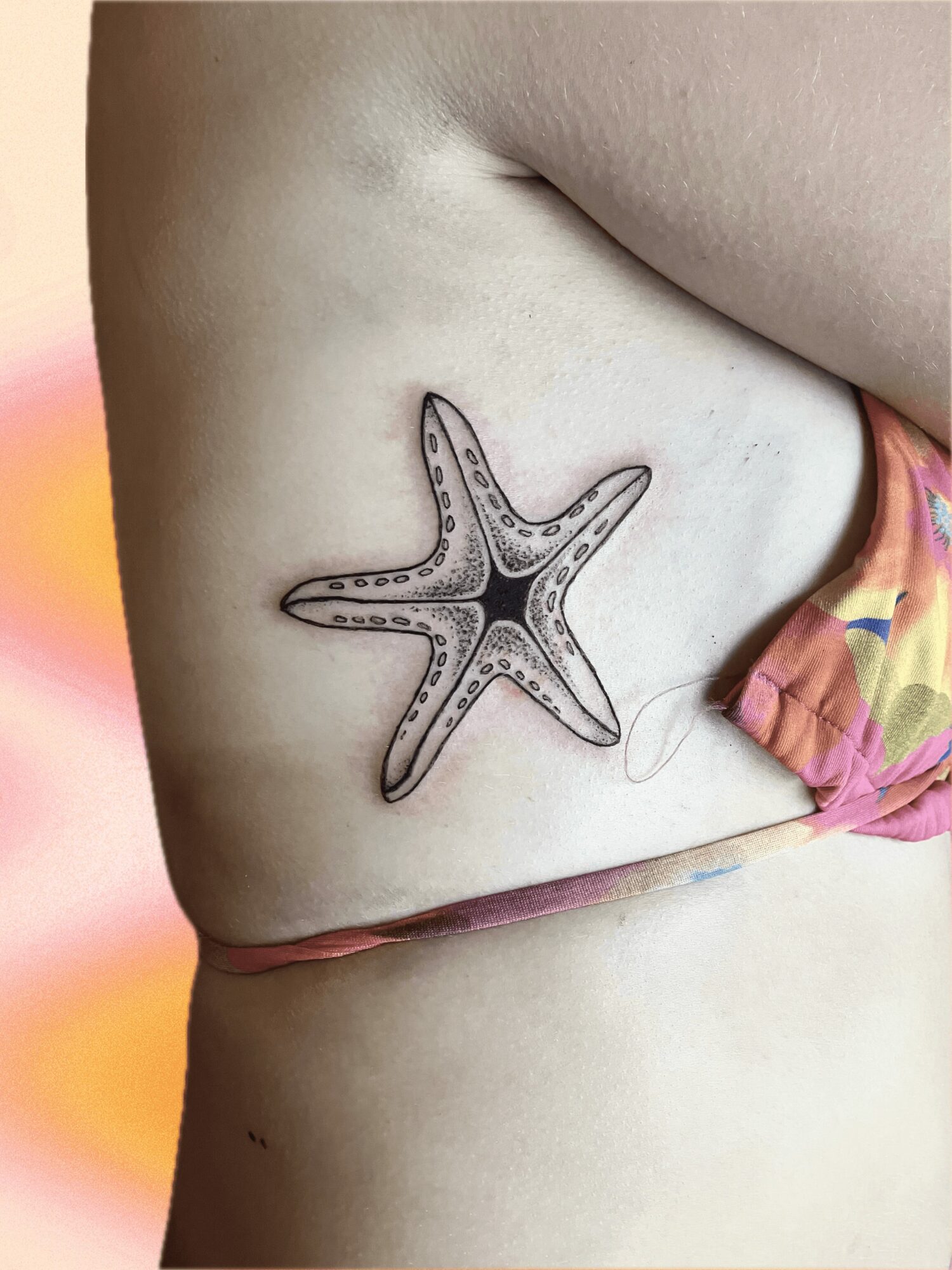
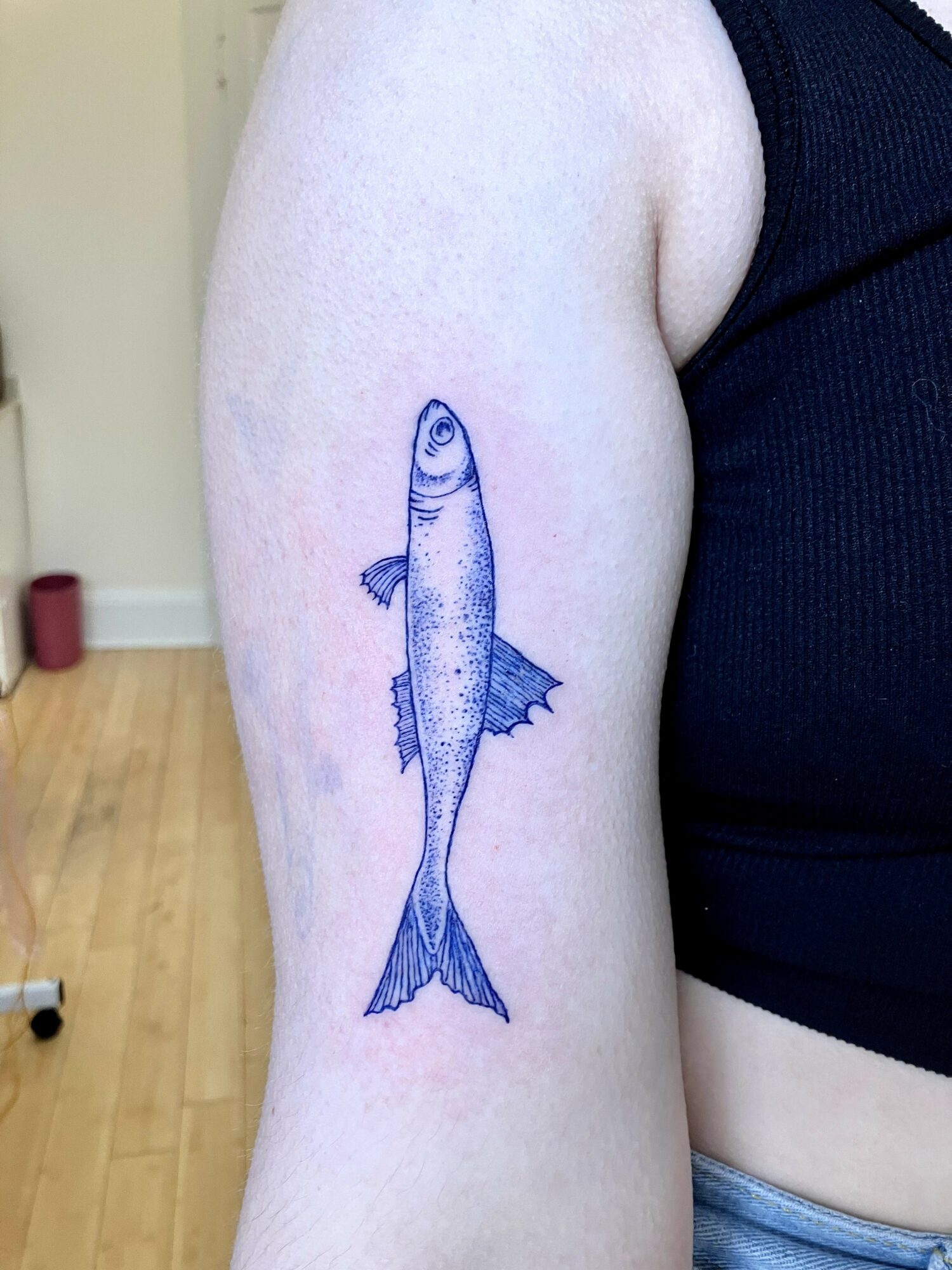
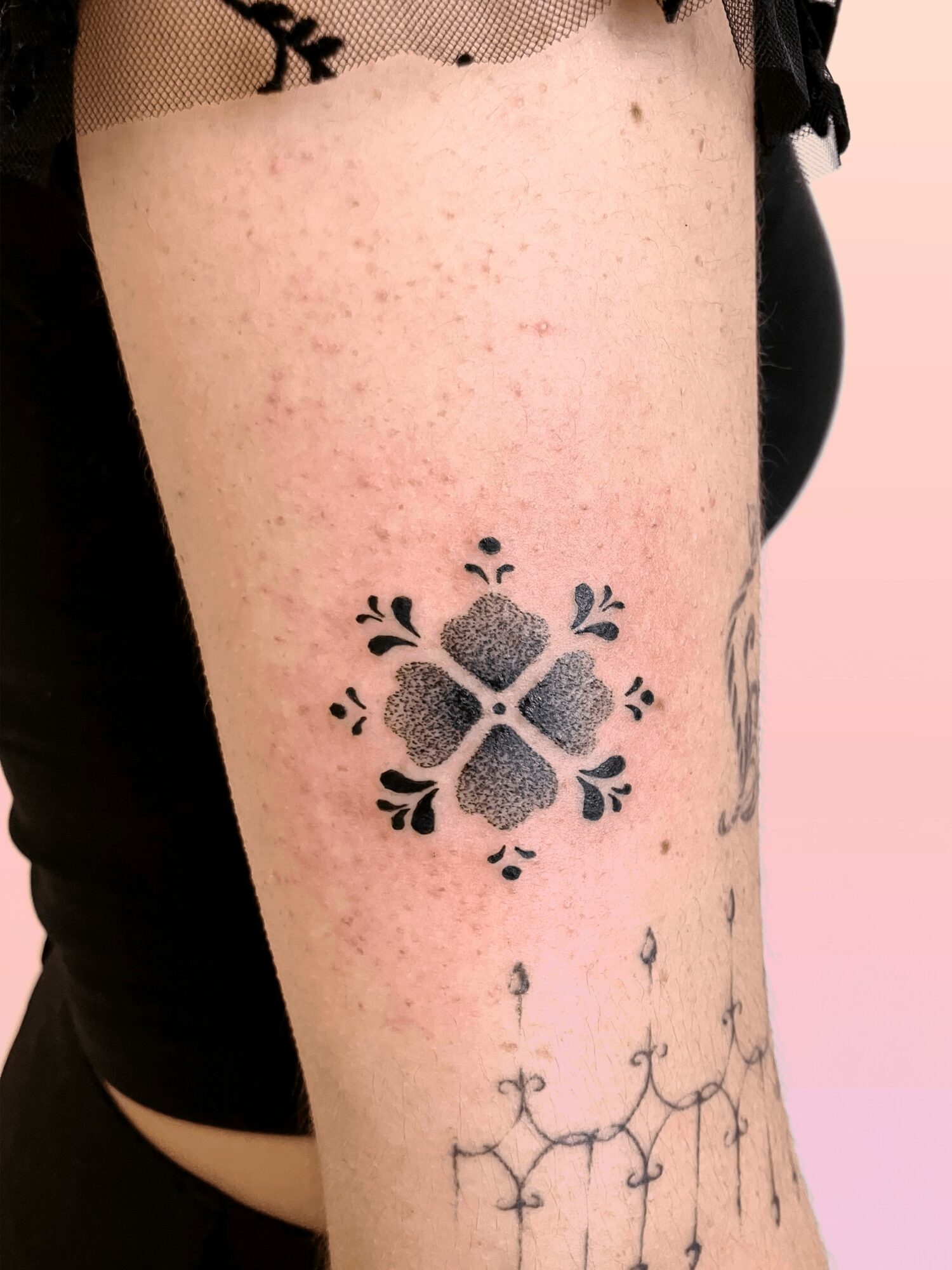
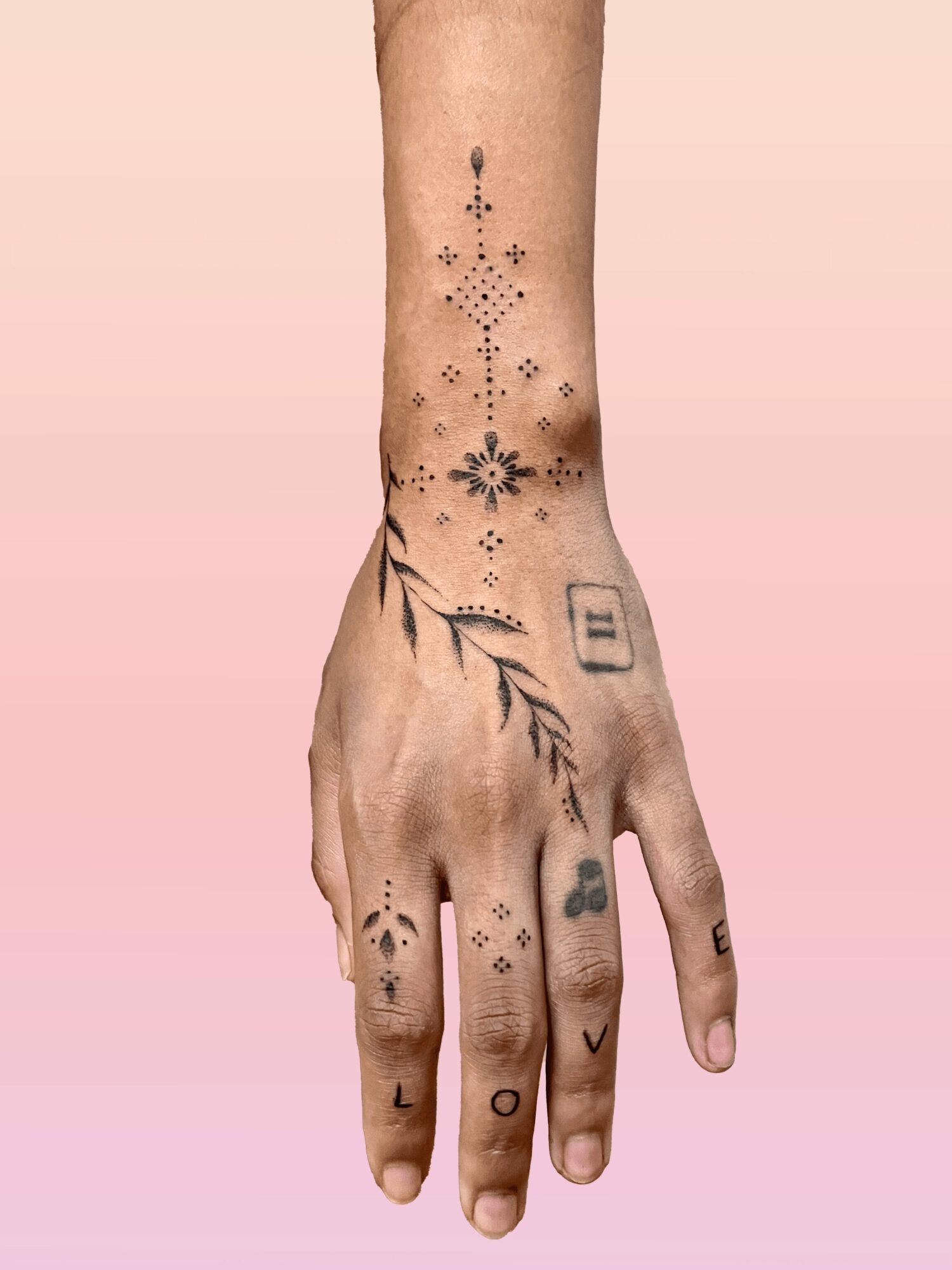
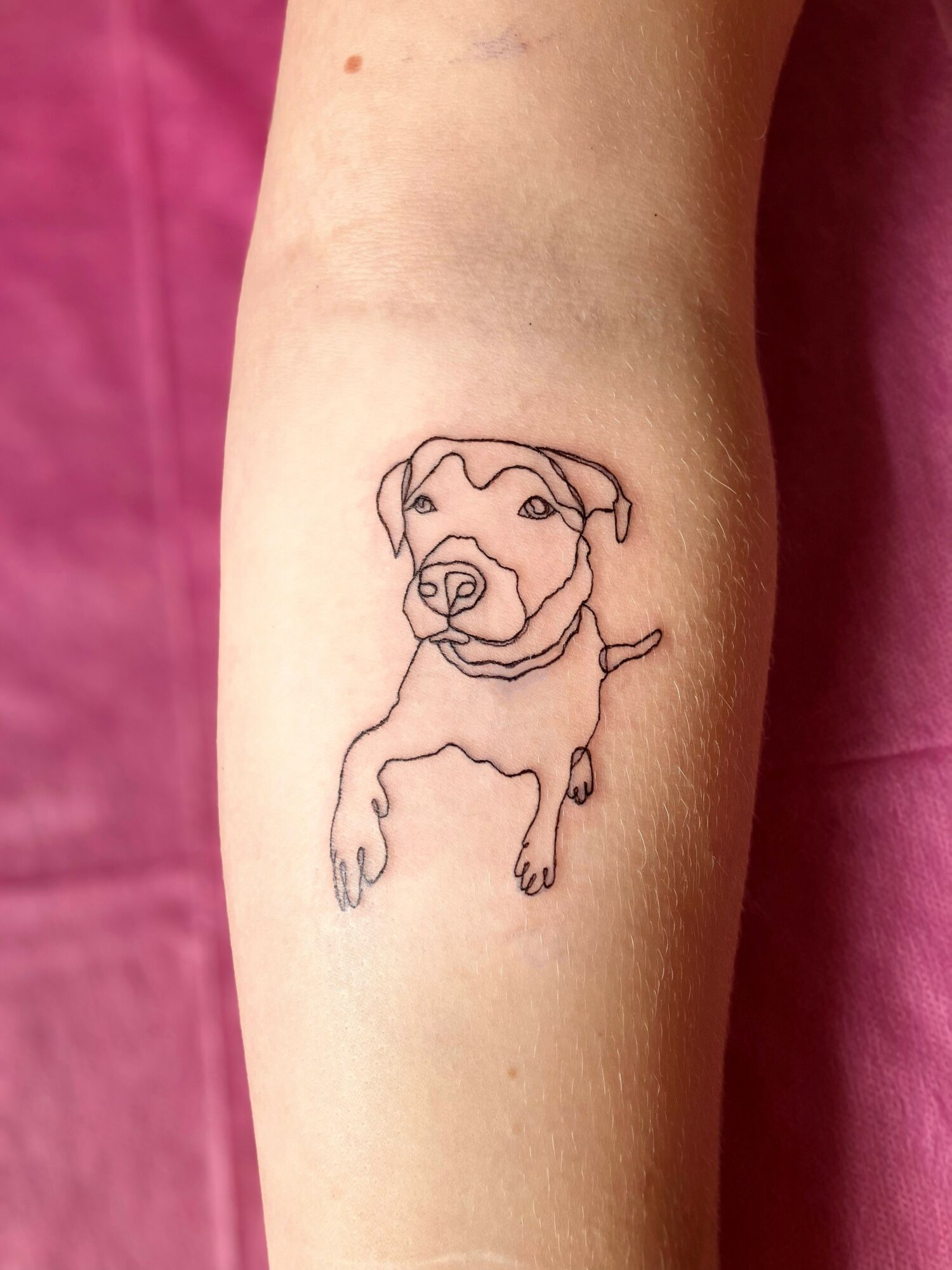
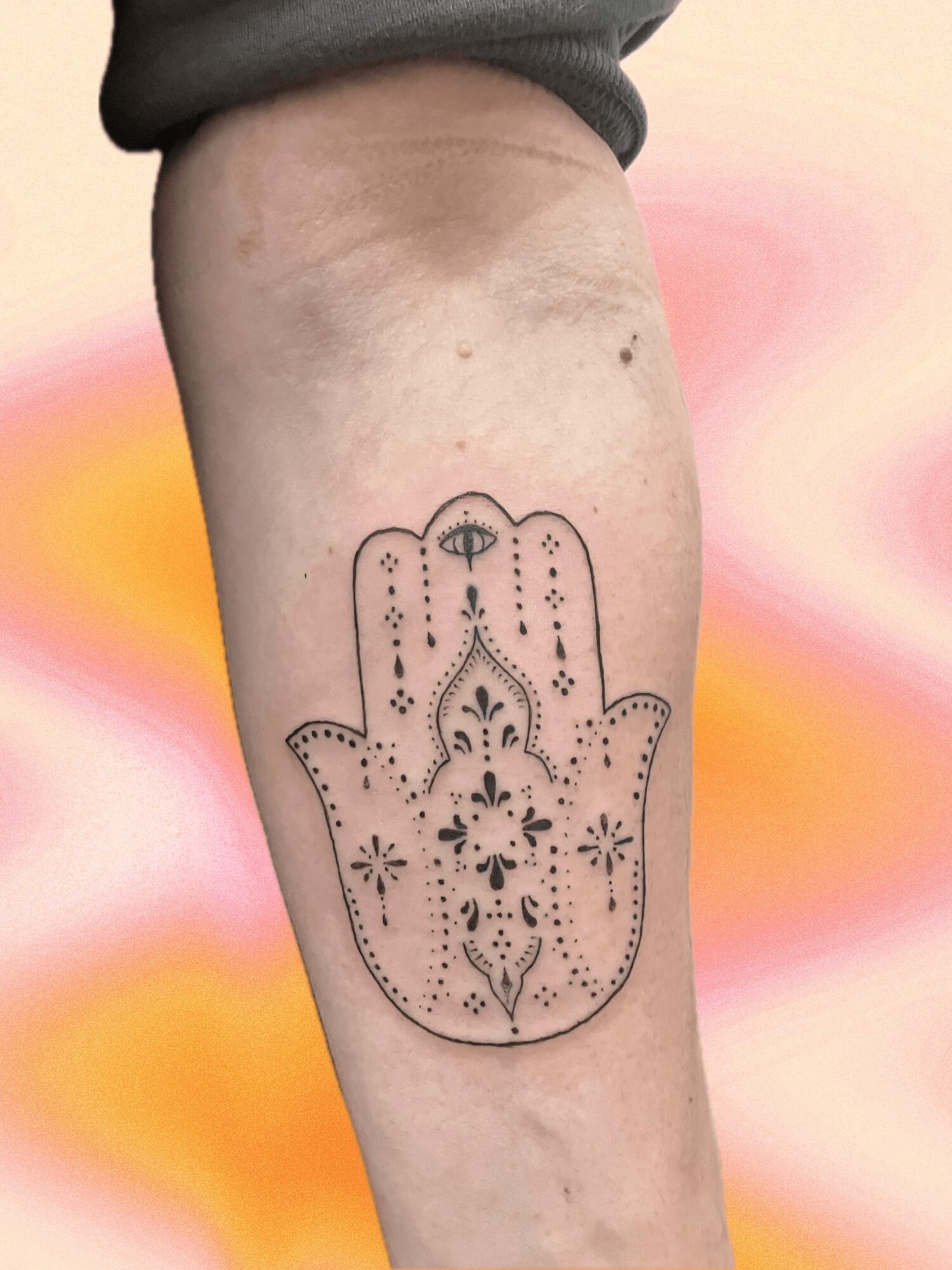
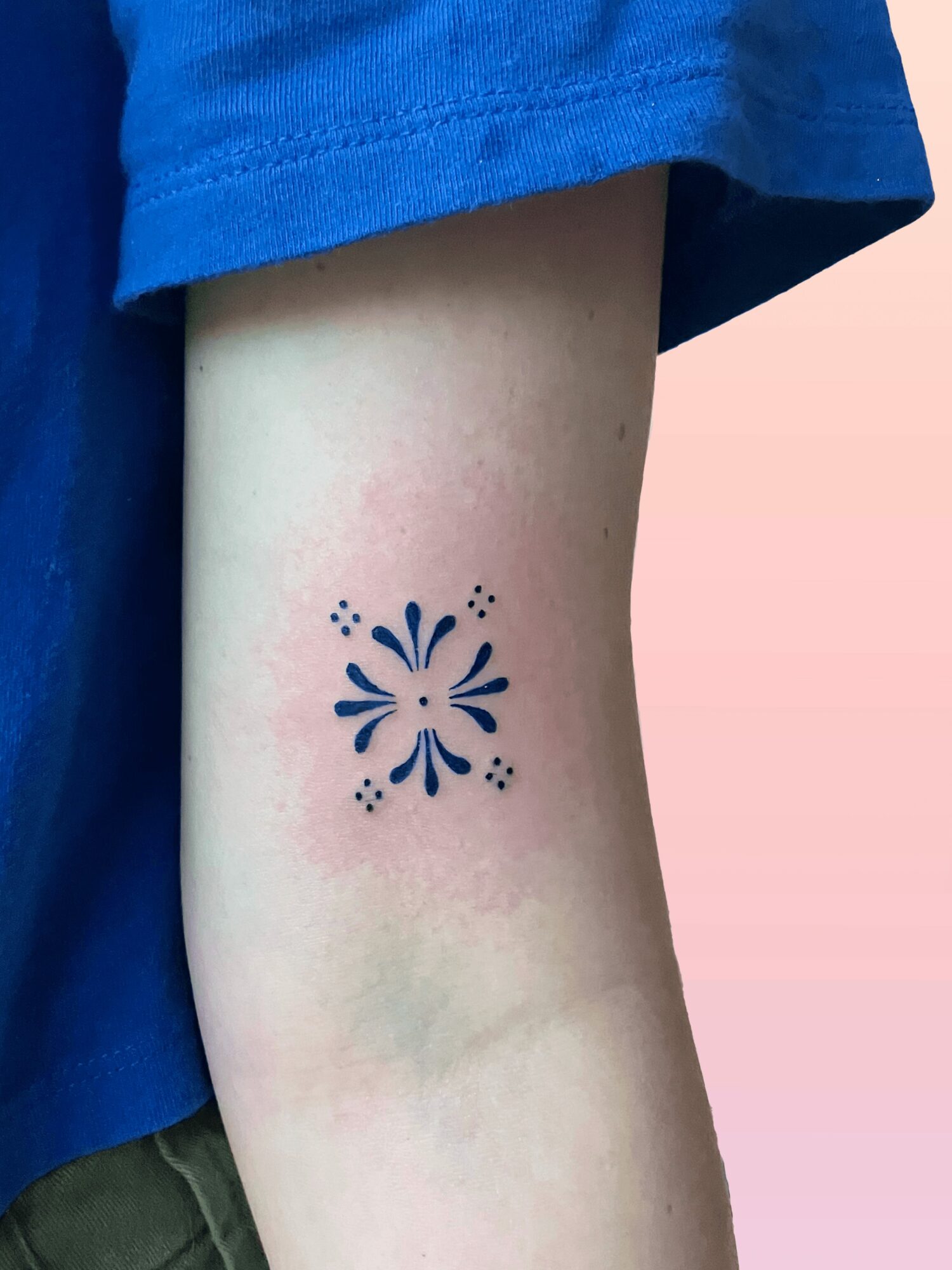
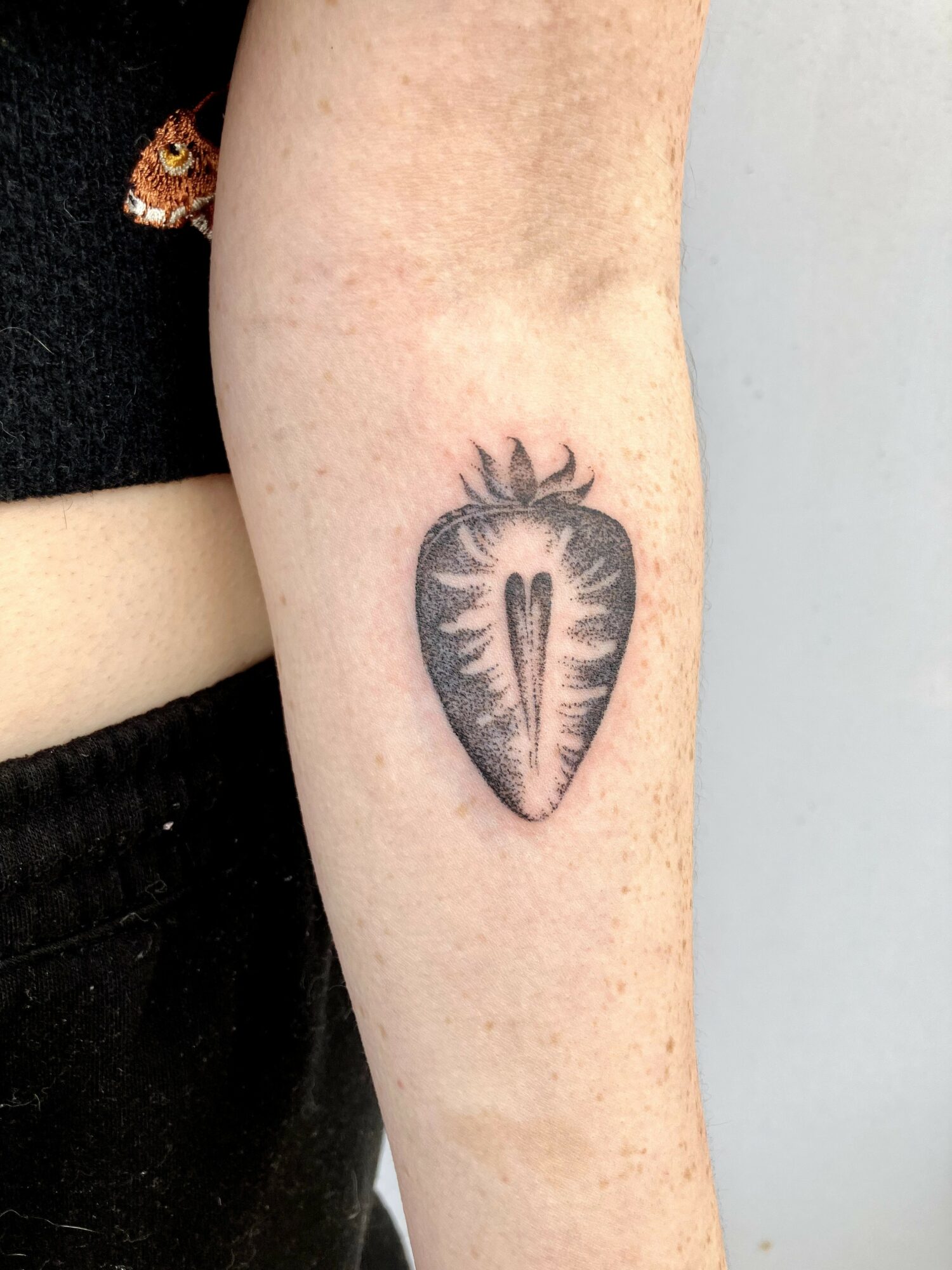
Image Credits
Eden Gutstein
Popular
-

Hidden Gems: Local Businesses & Creatives You Should Know
-

ATL’s Most Inspiring Stories
-

Portraits of Atlanta
-

Dr. Hildiah Martin-Suggs Is Building Second Chances for Youth Who Were Almost Lost in the System
-

From Showing Up to Seeing His Face on a Billboard: Anthony Green Is Just Getting Started
-

Wayne Smith Jr on Survival, Psychological Thrillers, and the Cost of Staying Alive