



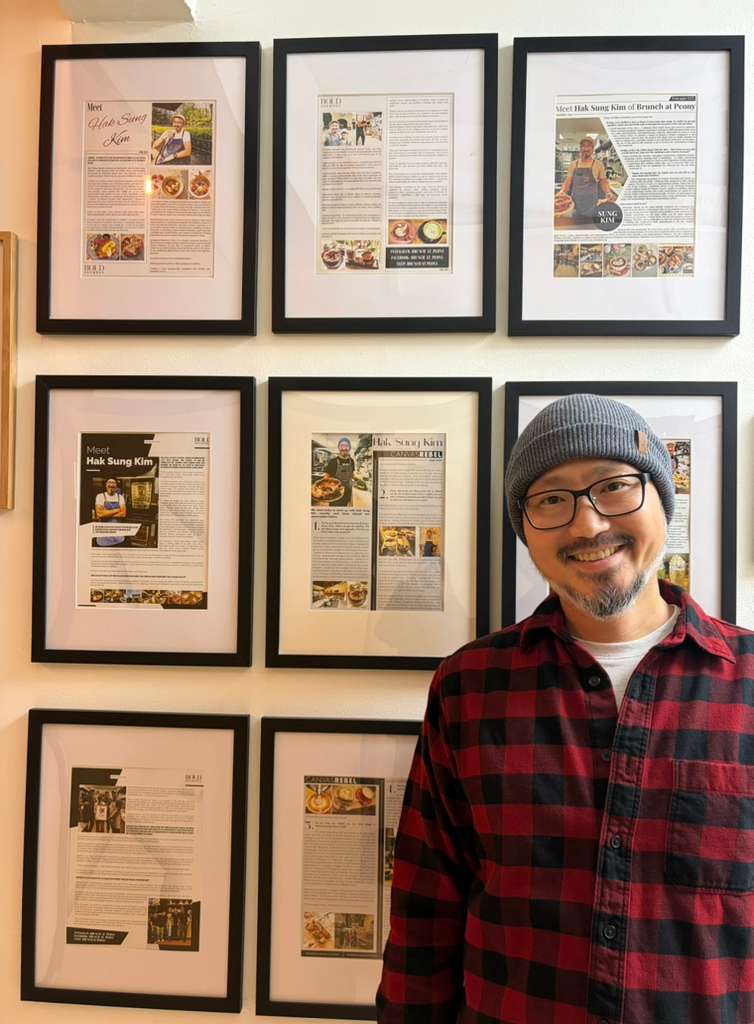
We recently had the chance to connect with Hak Sung Kim and have shared our conversation below.
Hi Hak Sung, thank you so much for taking time out of your busy day to share your story, experiences and insights with our readers. Let’s jump right in with an interesting one: When have you felt most loved—and did you believe you deserved it?
Beyond differences such as ethnicity, religion, race, or background, as human beings we all need to feel loved. I believe love is the fundamental engine that gives us reasons and dreams to keep moving forward. It is the force that helps us endure difficult moments and rediscover hope.
Personally, I think many of us—including myself—tend to search for happiness in the future instead of recognizing that the present moment is what truly matters. Feeling loved allows us to appreciate the now, to feel happy today, to observe our surroundings, and to be grateful for the people who love us—and to understand why we should also love others.
The moment I feel this most strongly is during family dinners. No matter how busy everyone is with their own responsibilities, I try to make dinner a time to come together, to have relaxed conversations, and to avoid bringing problems or frustrations to the table.
For example, I have children who love video games, so I focus on topics that interest them. With my wife, I share jokes, light conversations, and positive moments.
In reality, giving love is not as complicated as we often think—it is about listening and accepting rather than criticizing or trying to control. Yet it can be difficult because we are often more emotional than rational.
I consider myself truly blessed by the love I have received. And yes, like everyone else, I believe I deserve to be loved.
Can you briefly introduce yourself and share what makes you or your brand unique?
My name is Hak Sung Kim. I was born in South Korea and raised in Argentina, which gave me a deep appreciation for different cultures, flavors, and ways of thinking. I’ve been working as a cook and chef for over 20 years, and today my goal is to grow into a successful entrepreneur in the culinary industry.
I am the chef and owner of Brunch at Peony, located in Suwanee, Georgia. Our restaurant focuses on classic brunch—breakfast and lunch—with a subtle European influence. What makes us unique is our constant effort to balance quality, price, and efficiency without compromising the dining experience.
I’m particularly passionate about developing and standardizing food using technology. For me, consistency and innovation are just as important as creativity in the kitchen. Through my work, I aim to build a sustainable brand that delivers great food while continuously evolving and improving.
Thanks for sharing that. Would love to go back in time and hear about how your past might have impacted who you are today. What’s a moment that really shaped how you see the world?
I’ve experienced several hard moments in my life, and a few of them truly shaped how I see the world today.
One of the strongest was when I started my own business outside of gastronomy, believing that if I followed what others were doing, everything would work out. It didn’t. The business failed badly, and I spent many years exhausted, working just to pay off the debts caused by that collapse.
Another defining moment was being betrayed by a business partner I trusted more than once. That experience taught me a difficult but important lesson: friendship and business don’t always align, no matter how strong the bond seems.
The third moment was a double blow. I gave everything to a company, only to be fired without any clear reason. Ironically, they rehired me three days later. With time, I realized that the dismissal had been strongly influenced by someone who was both a friend and a mentor to me—someone who suddenly turned against me for reasons I still don’t fully understand.
I share these experiences because they are part of life. Some people go through even harder moments—death, irreversible losses, or broken relationships—and suffer deeply. In one way or another, most of us experience similar blows.
These moments didn’t make me see life negatively. Instead, they changed my perspective. I remain optimistic, but I no longer rely only on hope. I plan differently. I always think about a plan B—what happens if things go wrong, what alternatives exist, and why I’m doing what I’m doing. I prefer understanding the risks rather than leaving everything to chance.
Life can be cruel, but it’s also beautiful and worth living. I still believe in partnerships, I still trust in people’s potential, I continue to take risks, and I still believe in friendships—I don’t put everyone in the same box because of past experiences.
In the end, I believe we should always give our best—but intelligently, not naïvely. Experience is the key, and the blows make you stronger as long as you don’t give up.
What have been the defining wounds of your life—and how have you healed them?
Rather than speaking about specific moments in my personal history, I think about this question in a broader, human sense. These wounds are something we all experience. We cannot live alone—being part of an environment and surrounded by others is essential to life. Yet, paradoxically, that same environment can hurt us, reject us, betray us, or even destroy us.
This vicious cycle is painful, but it also shapes us. It forces us to grow, to reflect, to understand what is right and what is wrong. It pushes us to build strong principles and to prepare ourselves mentally and spiritually—either to stand for others or, in some cases, simply to endure and survive.
Death, pain, disappointment, betrayal, and deception always coexist on a fragile line alongside loyalty, honesty, love, and life itself. Sometimes that line is crossed unintentionally, creating misunderstandings and wounds that cannot be repaired. Other times, it is crossed deliberately, driven by ego or instinct.
No matter how much we reflect on it, this pendulum never truly stops. There will always be more pain, but also unexpected moments and lessons ahead. Understanding and accepting how this dynamic works helps me continue walking forward accepting whatever comes and trying to give my best, even though I admit it is not easy.
Repentance alone is not enough. What matters more is the intention to live better today than yesterday. I believe that may be the mission God gave us. I don’t necessarily live as if today were my last day—because we rarely feel that until the moment arrives—but I do believe it helps to wake up with the intention of living today better than I did yesterday. And I will admit, honestly, that even that is a daily struggle.
Sure, so let’s go deeper into your values and how you think. How do you differentiate between fads and real foundational shifts?
It’s difficult to draw a perfectly clear line between the two, but I can share my perspective with humility. One example of a passing fad is molecular cuisine. At one point, it experienced a huge boom, but today it is rare to find restaurants fully dedicated to it. When you look closely, it was an unsustainable trend from a business perspective—extremely expensive ingredients, highly specialized equipment, and very skilled labor, all for a single plate. It was impressive, but hard to maintain long-term.
Another example is the rise of specialized coffee shops. Many people believe they are easy and inexpensive to open, but the massive increase in supply has begun to create a collective decline, where the market is oversaturated and demand cannot keep up. I don’t believe specialty coffee will disappear entirely, but I do think it will shrink significantly, leaving only those who are strong enough to survive.
On the other hand, an example of something more durable is artisanal sourdough bakeries. Growth may be slow, but over time people become loyal to the unique flavor. Additionally, it has been proven that naturally fermented bread is easier on the body than many industrial alternatives. This matters, especially in a time when people are increasingly concerned about health and carbohydrates.
Another foundational shift is the integration of technology and artificial intelligence across all areas of gastronomy. Unlike in the past, these technologies are now accessible, efficient, and incredibly powerful. They help eliminate time and labor limitations, improve consistency, and support standardization without sacrificing quality.
In summary, I look at market positioning, long-term profitability, and broad consumer acceptance to determine whether something is a fad or a lasting shift—though nothing is ever 100% certain. For those who want to start a business and feel unsure, I would add one more factor: intuition. Listen to your inner voice. If you truly believe in something, give it everything—even if you fail trying. But if you feel doubt deep inside, pause and wait, even if your environment is pressuring you. There is always risk, and nothing is perfectly predictable, but it’s important to look at the bigger picture and ask yourself where this project could realistically be in five or ten years.
Thank you so much for all of your openness so far. Maybe we can close with a future oriented question. What are you doing today that won’t pay off for 7–10 years?
I think this is a very personal question. For me, I’ve always planned with a long-term mindset. I usually think in terms of at least five years, and I don’t really do anything expecting it to pay off sooner than that.
If someone wants fast money, they can gamble, but that’s not planning — that’s hoping for a miracle. Something happening is not the same as planning for the short term.
I don’t believe in the idea that everything works out quickly and perfectly in business, projects, or life. When someone says success will come fast, most of the time it’s not real. Everything takes time. Things need to be shaped through experience, mistakes, and learning.
At the same time, I don’t believe in waiting forever. There’s a limit to how long a person can stay motivated. For me, three to five years is a realistic base, and seven to ten years feels like a reasonable maximum. What really matters is the process — watching things grow, solving problems, and gaining knowledge and experience along the way. I’m prepared for the hard moments, and also for the celebrations.
That said, I always think about balance. I would never take a risk that could cause my family to suffer. Long-term thinking is important, but it has to be balanced with how your decisions affect the people around you.
I believe thinking long-term at a young age is a blessing, because it allows you to focus more deeply. Right now, I’m focused on growing my restaurant and expanding it, while also exploring other opportunities where I can use my full potential and build something much bigger — not limiting myself to just restaurants.
Contact Info:
- Instagram: brunch_at_peony
- Facebook: https://www.facebook.com/profile.php?id=100082832997117
- Yelp: https://www.yelp.com/biz/brunch-at-peony-suwanee?osq=Brunch+at+Peony
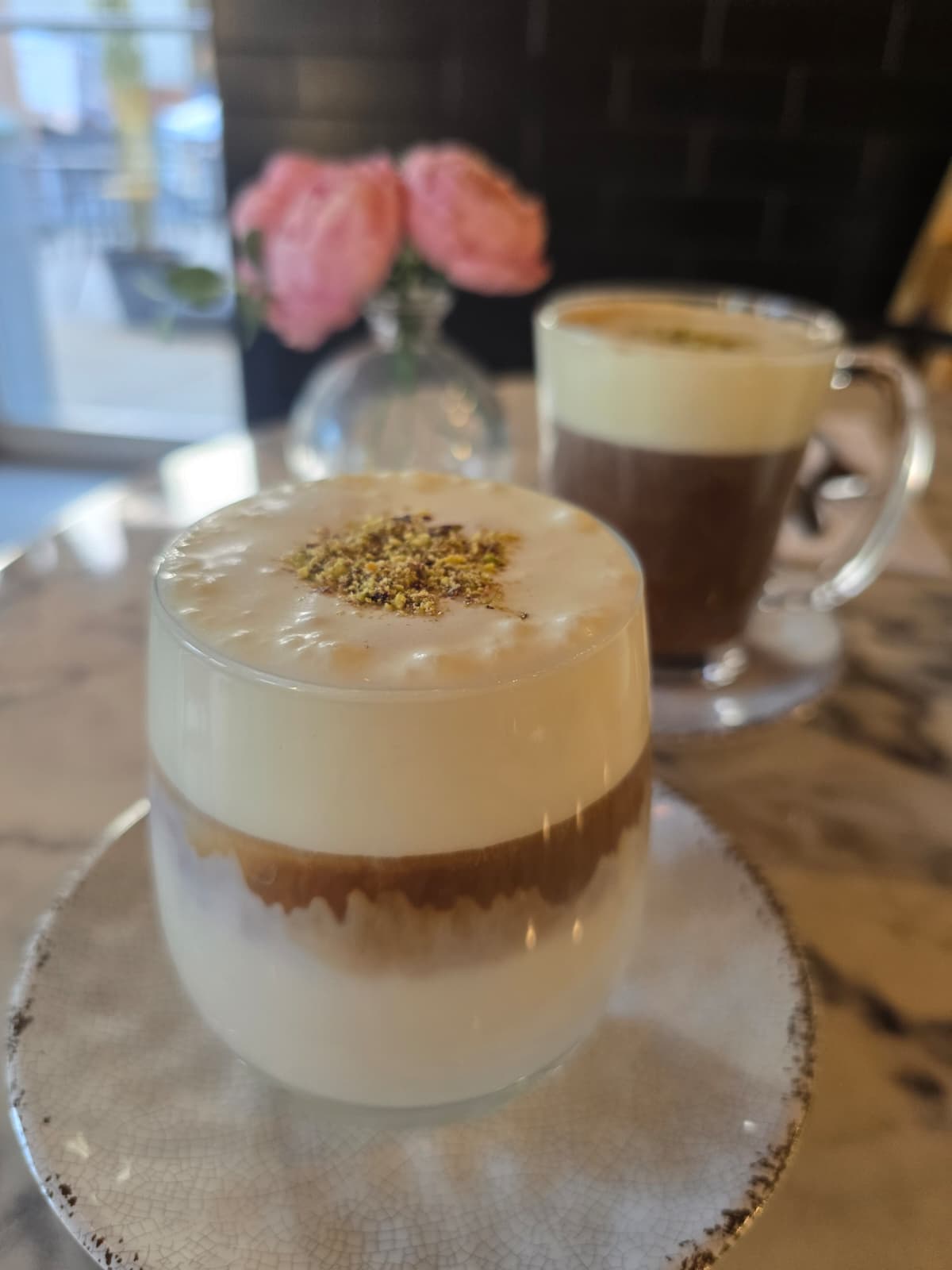
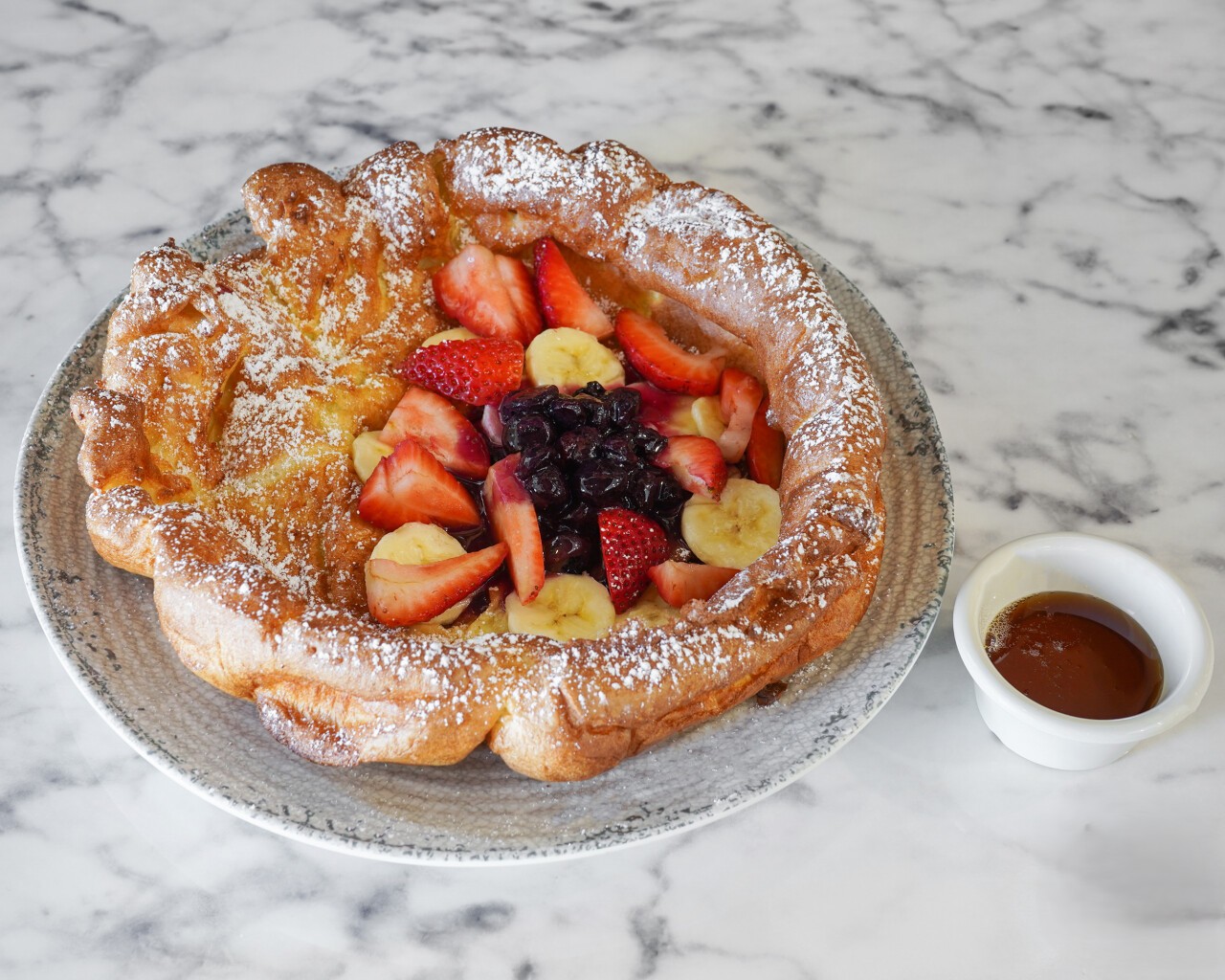
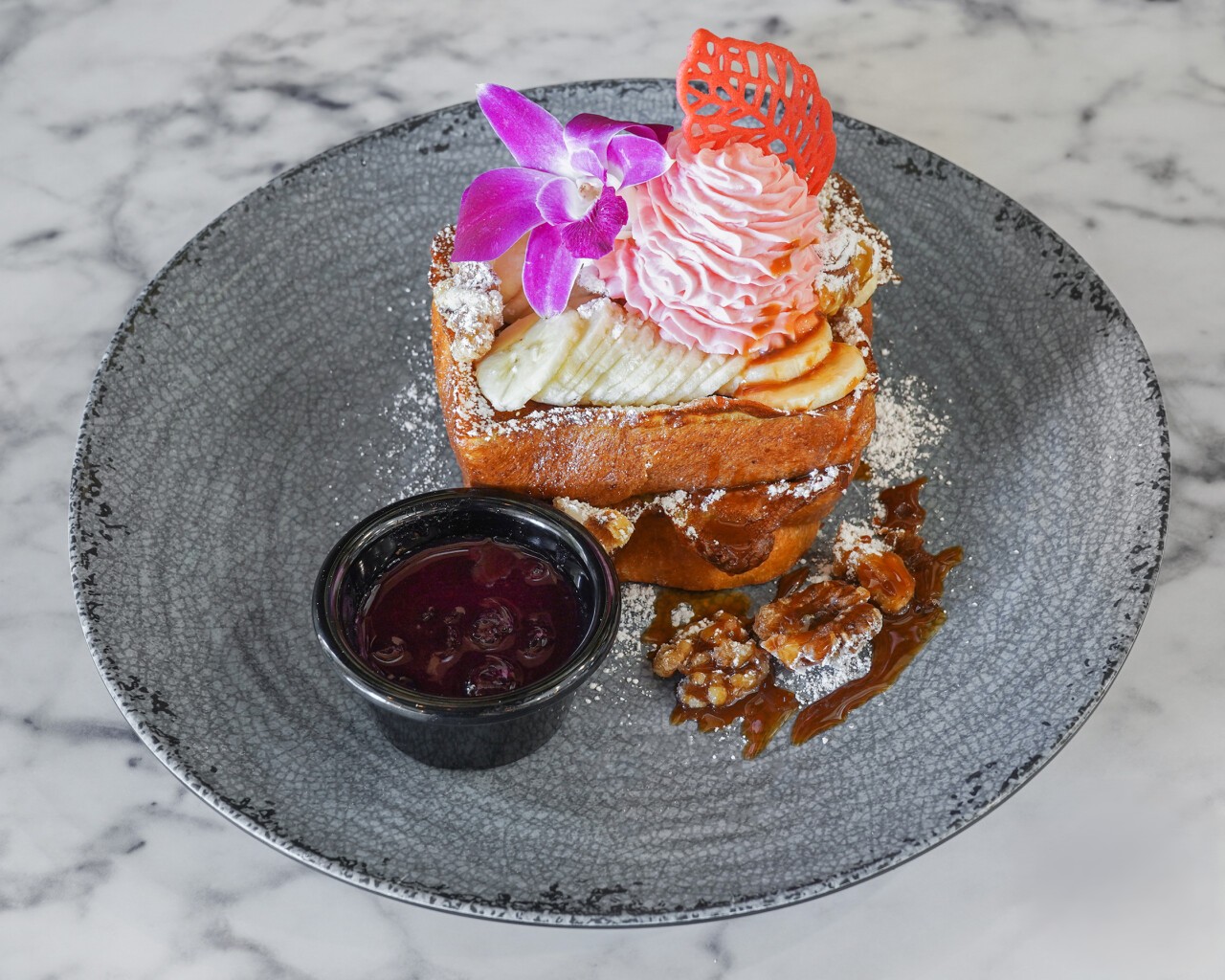
Image Credits
HakSung kim
Popular
-

Hidden Gems: Local Businesses & Creatives You Should Know
-

ATL’s Most Inspiring Stories
-

Portraits of Atlanta
-

Dr. Hildiah Martin-Suggs Is Building Second Chances for Youth Who Were Almost Lost in the System
-

From Showing Up to Seeing His Face on a Billboard: Anthony Green Is Just Getting Started
-
Wayne Smith Jr on Survival, Psychological Thrillers, and the Cost of Staying Alive