


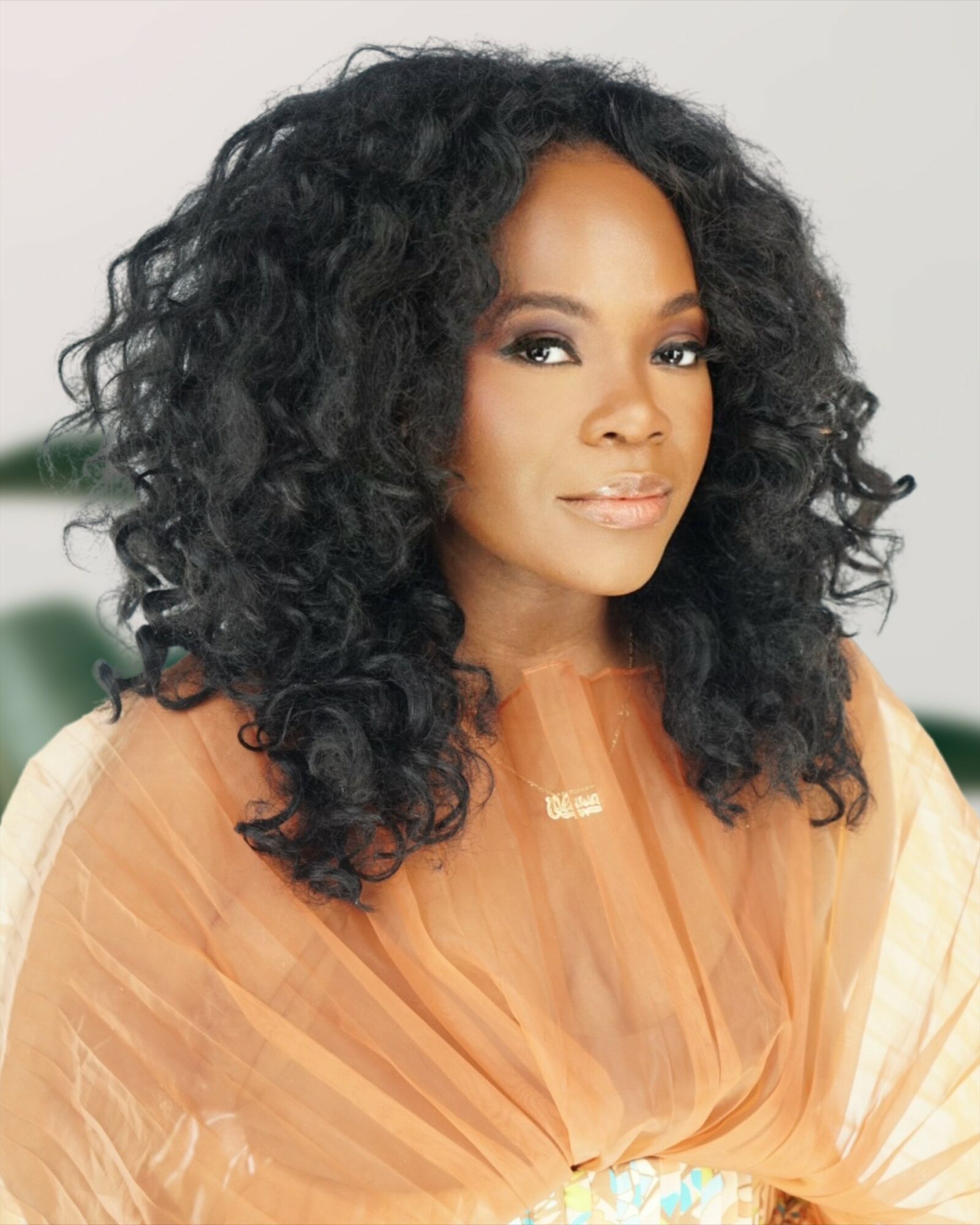
Tope Mitchell PhD shared their story and experiences with us recently and you can find our conversation below.
Good morning Tope, we’re so happy to have you here with us and we’d love to explore your story and how you think about life and legacy and so much more. So let’s start with a question we often ask: What are you most proud of building — that nobody sees?
What I’m most proud of building—what nobody really sees—is the inside of Reflekt Me: the way we work together.
In a startup world that often romanticizes founder drama as “grit,” we’ve built something quieter and far more powerful: a leadership team anchored in trust. The relationship between our CTO (Jorge Cuel) and COO (Gerald Mitchell, Ed.D) is one of the most strategic assets we have. Over the years, we’ve learned how to disagree without disrespect, solve problems without ego, and push the work forward without burning each other out. It’s respectful. It’s creative. And it’s rare.
We’re also building while raising kids—which changes what “success” means. Every decision we make is shaped by a simple conviction: the future should feel more humane than the present. We’re not just scaling a platform; we’re building a company that reflects the world we want our children to inherit—one where people are seen, valued, and represented in everyday spaces… including something as ordinary—and as intimate—as shopping online.
That culture doesn’t show up in a product demo. But it’s the reason the product works.
Can you briefly introduce yourself and share what makes you or your brand unique?
I’m Dr. Tope Mitchell, a sociologist by training and a tech founder by necessity. I spent years in consumer insights—running focus groups, segmenting audiences, and helping some of the world’s biggest brands understand why people buy. What became impossible to ignore was the growing gap between what brands knew about consumers and what shoppers actually experienced online.
Today, I’m the CEO and co-founder of Reflekt Me, a retail technology company reimagining the product page for how people actually shop now. We make product pages as engaging as TikTok, with higher conversion rates than Instagram, and at a lower cost than Google ads. And that’s especially relevant right now. Brands are selling out on TikTok—then sending shoppers to websites with 90% bounce rates because the experience doesn’t match the energy, inspiration, or personalization that got people excited in the first place.
Reflekt Me fixes that disconnect. We bring entertainment, inspiration, and social proof directly onto the product page—gamified, personalized, and rooted in real people. Instead of a single “ideal” model image, shoppers see how products look on someone with a similar body type, style, skin tone, hair texture, or lived reality. Whether it’s fashion, beauty, hair, or personal care, we help people imagine how a product fits into their life—not an aspirational fantasy that no longer sells the way it used to.
What makes this work is that it’s grounded in human behavior, not hype. People are already online with hundreds or thousands of images of themselves. They don’t want to wait for a future body, face, or lifestyle—they want to look good today. They want the clothes to fit, the foundation to slay, the hair to pop. And brands are learning—often for the first time—how their products are actually used, styled, and loved by real people beyond an algorithmic design process.
Reflekt Me sits at the intersection of culture, commerce, and technology. We help brands move from static product pages to living, dynamic experiences—and in doing so, we turn representation into performance.
Great, so let’s dive into your journey a bit more. What was your earliest memory of feeling powerful?
My earliest memory of feeling powerful came when I learned to read.
I started school early—around four—and I was often labeled “smart,” but the real power didn’t come from the label. It came from the way my mother and grandmother poured into me. My grandmother was a psychiatric nurse, and I spent time with her as she worked, listening, observing, and learning how words could calm, connect, and heal. My mother, brilliant in her own right, had experienced firsthand how the education system can fail people—especially women like her—so she made it her mission to make learning joyful for me. She still jokes that she used flashcards on her pregnant belly.
When I began reading aloud to them at night—really reading—their faces changed. Pride, wonder, reverence. It felt electric. I remember thinking it felt like being a superstar on stage in the late ’80s—fully seen, fully heard, commanding the room. I wasn’t just decoding words; I was captivating two women I deeply loved and admired. Books gave me a voice, but their response taught me the power of being celebrated and believed in.
That moment shaped everything. Education became sacred to me—not just as a pathway to success, but as a source of agency and possibility. My first business was an educational solutions company. I now serve on the board of an education-focused organization. And one of my deepest passions is helping more children learn to read around the world, because literacy doesn’t just open doors—it teaches you that your voice matters.
That’s where my sense of power began: at the intersection of learning, love, and being fully witnessed.
What have been the defining wounds of your life—and how have you healed them?
Burnout has been one of the defining wounds of my life—and for a long time, I mistook it for ambition.
I come from generations of entrepreneurs. Hard work was never optional; it was the air I breathed. I worked in family businesses as a child, held multiple jobs at once, excelled academically, went to college early, paid my own way, and kept pushing long before hustle culture had a name. Grinding wasn’t something I learned—it was something I inherited.
But motherhood, entrepreneurship, and leadership collided in a way I wasn’t prepared for. I believed that if I just worked harder—longer days, fewer boundaries—success would arrive faster. There was a season of my life that felt like one very long day with naps. I rushed my children to sleep so I could get back to work. I felt guilty for having boundaries. And I hid the exhaustion, confusion, and fear beneath polished pitches and professional composure.
I also thought I had to look perfect. So I learned how to do everything myself—hair, makeup, nails—on top of being a founder, a mother, a partner, a caregiver. Another job added to an already impossible list. Somewhere in that process, I lost myself.
Then my body started to speak. Medical issues surfaced. And then loss arrived—deep, personal loss. Aunts. Cousins. People I loved. I remember standing in line to board a plane to a conference in Beverly Hills when I got word that another cousin had passed. I started crying right there in the airport. It hit me that if he hadn’t died, I probably wouldn’t have prioritized seeing my family at all—I had convinced myself that love could wait until after the first million.
That moment changed me.
Healing didn’t come from slowing down my ambition—it came from expanding my definition of success. I began choosing presence alongside performance. I reconnected with friends, talked to my family regularly, showed up in group chats, went to the gym, laughed more, lived more. I learned that rest isn’t a reward—it’s a requirement for sustainable leadership.
Today, I lead differently. I build differently. I honor boundaries—not just for myself, but for my team. And I know now that the most powerful companies are built by founders who are whole, not hollowed out.
Burnout taught me that endurance without care is not strength. Alignment is.
Sure, so let’s go deeper into your values and how you think. Is the public version of you the real you?
The public version of me is real—but it’s not the whole story.
Like many people, I contain multitudes. I’m an ambivert. I love quiet—sitting in the dark with a candle, reading, hiking, observing. And I also love joy in motion: dancing in the kitchen, laughing loudly with my family, singing Tems with my kids, turning ordinary nights into full-on comedy improv sessions. I need both sides of myself to feel whole.
Public personas, though, don’t leave much room for that kind of complexity. We tend to reduce public figures to shortcuts—three words, a headline, a trope—because nuance requires effort. I believe that kind of flattening is dehumanizing. At the same time, I’m very intentional about what I share. I don’t believe in performing imperfection for public consumption. Privacy is not dishonesty; it’s discernment.
My relationship to a public persona is also shaped by culture. I’m bicultural—my father is Nigerian, my mother is African American with deep Southern roots. Even though I grew up on the West Coast, I was raised with a Southern sensibility around respectability, observation, and knowing when to speak. Later, I lived in a place where there were only ten Black people—myself, my mother, my grandmother, a cousin, and a few others. In that environment, code-switching wasn’t a branding exercise; it was a safety skill.
So the version of me that shows up publicly is not an invention—it’s an adaptation. It’s the result of moving through different cultural worlds, learning how to read a room, protect myself, and still remain grounded in who I am. I sometimes wish it were more strategically curated, but in many ways it’s been a natural evolution of navigating identity with care.
What people see is real. It’s just not everything. And that, to me, is the difference between authenticity and exposure.
Thank you so much for all of your openness so far. Maybe we can close with a future oriented question. What will you regret not doing?
If I regret anything, it’s not traveling sooner.
I moved through life at an accelerated pace. I went to college before finishing high school, earned two undergraduate degrees—not a double major, but two distinct degrees with distinction—then went to graduate school at twenty. I completed a master’s degree, designed and executed a mixed-methods dissertation, and worked as an institutional researcher. Then I started building companies. One milestone after another. Forward motion, always.
What I didn’t do was pause to see the world.
And that’s ironic, because I love people. I love culture, food, art—almost obsessively. I watch travel shows the way some people watch sports: eating my way through cities, wandering natural wonders, absorbing history, style, sound, rhythm. It’s real FOMO.
Instead of traveling, I studied people. I studied them deeply—with the same curiosity my grandmother brought to her work as a psychiatric nurse. I wanted to understand how people live, what shapes them, and how systems of injustice distort something that should be simple: our shared humanity. In many ways, I was trying to heal—others, and myself—through understanding.
I’ve always been an open, joyful, curious person, which is why the negativity in the world genuinely confuses me. Travel, I believe, is one of the most powerful antidotes to that—it reminds us how expansive, textured, and connected life really is.
The funny part is that my technology has seen more of the world than I have. Reflekt Me launched in the U.S. and across multiple European markets, with patents in several countries. My software has traveled globally before I have.
So my regret isn’t about what I missed—it’s about what I’m still making room for. The world is vast, beautiful, and full of teachers. And I plan to meet them.
Contact Info:
- Website: https://www.reflektme.com
- Instagram: https://www.instagram.com/reflekt_me
- Linkedin: https://www.linkedin.com/company/reflekt-me
- Facebook: https://www.facebook.com/reflektme
- Other: https://apps.shopify.com/reflekt-me-dev

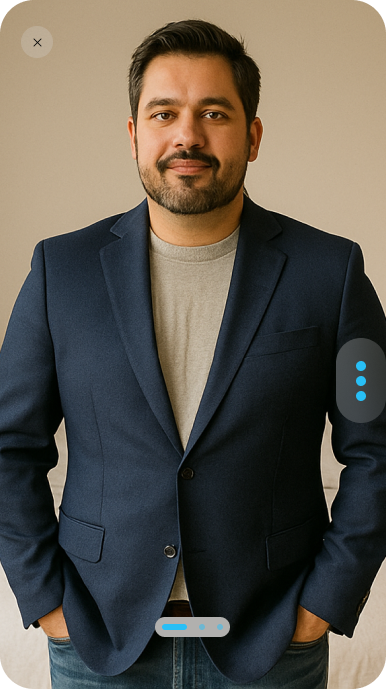
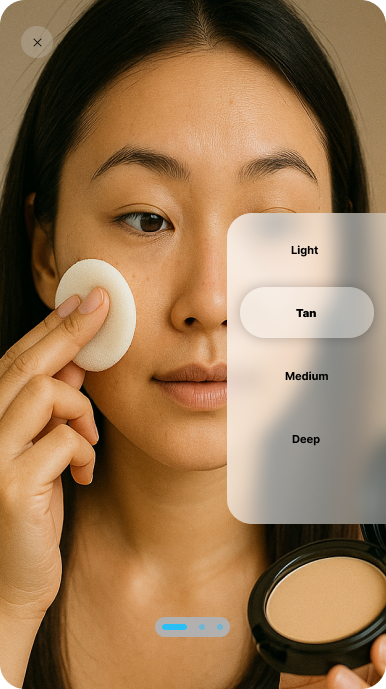
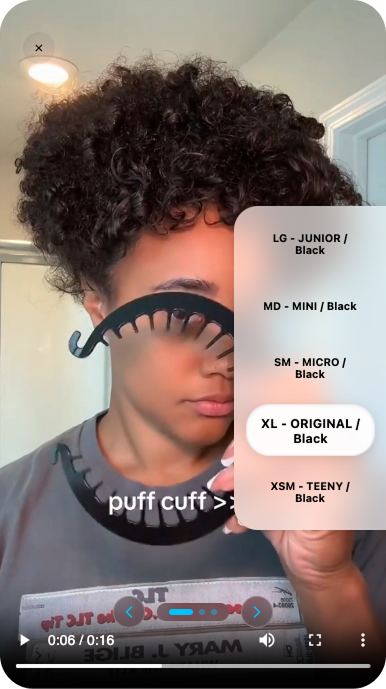
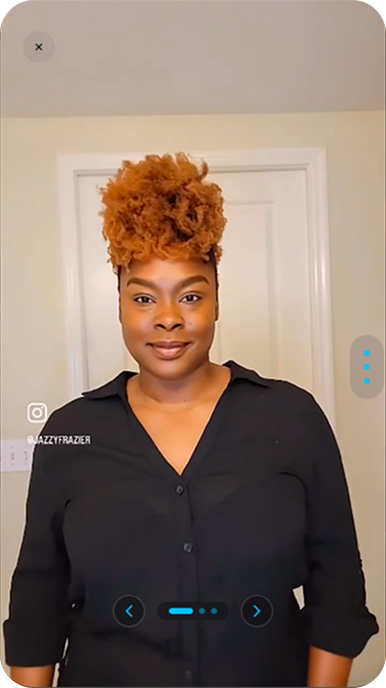

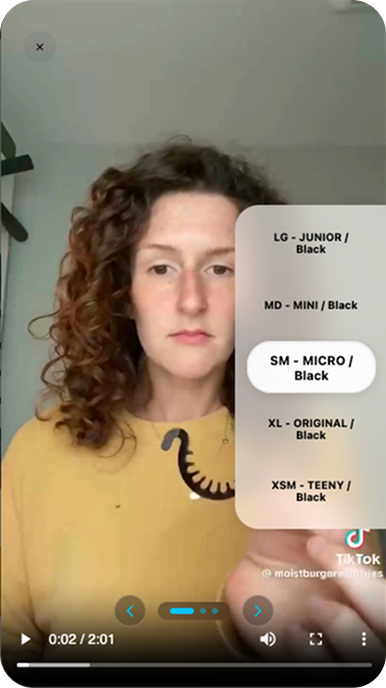

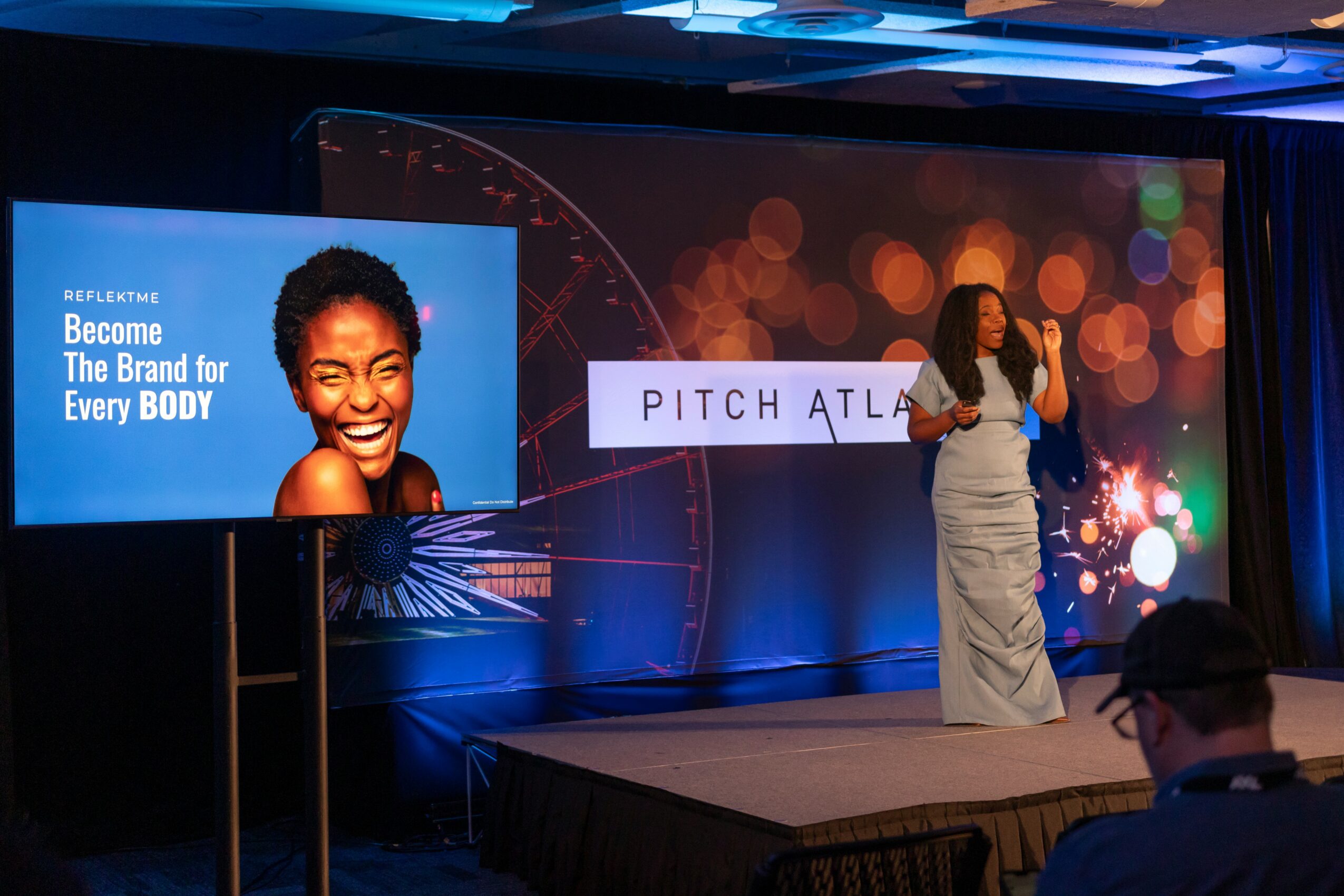
Image Credits
Jorge Cuel, CTO and Gerald Mitchell, Ed.D. COO
Popular
-

Hidden Gems: Local Businesses & Creatives You Should Know
-

ATL’s Most Inspiring Stories
-

Portraits of Atlanta
-

Dr. Hildiah Martin-Suggs Is Building Second Chances for Youth Who Were Almost Lost in the System
-

From Showing Up to Seeing His Face on a Billboard: Anthony Green Is Just Getting Started
-
Wayne Smith Jr on Survival, Psychological Thrillers, and the Cost of Staying Alive