






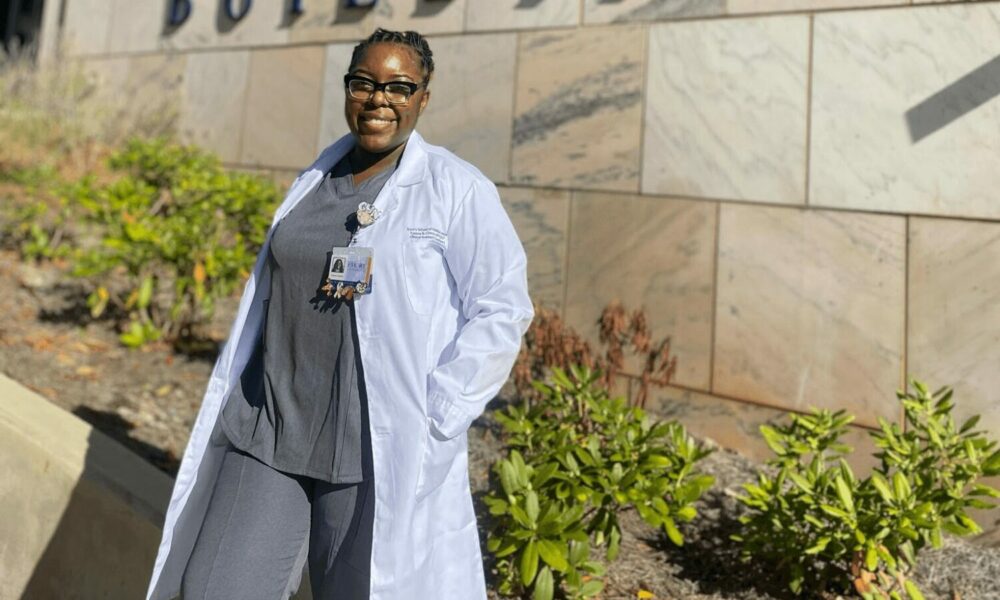
Today, we’d like to introduce you to Tyanna Choyce.
Hi Tyanna, so excited to have you with us today. What can you tell us about your story?
A day in the life of a clinical research coordinator.
I started off working At Emory Winship Cancer Institute as a program coordinator. My workday focused on managing the day-to-day operations of programs and projects, ensuring they are delivered on time, within budget, and meeting quality standards. I am responsible for a blend of administrative oversight, strategic planning, and operational support tailored to the unique objectives and requirements of the program my department oversaw.
Although I had a solid foundation when it came to project management skills and an excellent understanding of how to manage projects with strict deadlines while staying within budget constraints, there was a deeper connection I was missing and wanted to focus more on. That focus was to get back into research.
I have been in school all my life, from my younger age straight to my Master’s program, without taking a break or year off. With that being said, I have a professional background in Public Health with a focus on research, planning, implementing, and evaluating different programs. Because of this, I decided to spend my days improving women’s health and reducing mortality by increasing my understanding of the reproductive process.
I have been working alongside a Maternal and Fetal Medicine MD over the past year, and it has been one of the best choices I have made in my life. Our goal is to use basic and observational clinical trial discoveries to develop new approaches to women’s health issues and improve care.
For example, our research studies are the only way to objectively measure scientific knowledge about pregnancy physiology by providing the first insight into the role of CNS inflammation within the hypothalamus in pathological gestational weight gain.
Can you talk to us about the challenges and lessons you’ve learned? Looking back, would you say it’s been easy or smooth in retrospect?
Working in research can be challenging and stressful, but becoming a clinical research coordinator is one of the hardest career choices because it is all about doing something for the first time—all while trying to understand what you did and explain to others exactly how you did it.
Conducting research often requires a high level of specialized knowledge, critical thinking, and problem-solving abilities. Researchers must design rigorous studies, analyze complex data, and draw insightful conclusions, which can be mentally taxing. Research frequently involves exploring uncharted territory or tackling problems without clear solutions.
Researchers must be comfortable working with incomplete information and ambiguous findings, which can create stress and frustration. Making meaningful contributions through research often requires immense perseverance. Researchers may face numerous setbacks, failed experiments, or rejections before achieving a breakthrough and testing their resolve.
Securing sufficient funding and access to necessary equipment, facilities, and personnel can be an ongoing challenge for many researchers, especially those in academic or non-profit settings. There is significant pressure in many research fields to publish findings in high-impact journals, which can create a competitive and stressful environment. The demanding nature of research, with long hours and tight deadlines, can make it difficult for researchers to maintain a healthy work-life balance.
So, in summary, the intellectual rigor, uncertainty, resource constraints, and publication pressures associated with research can all contribute to it being considered a difficult and challenging profession for many individuals. The ability to thrive in this environment requires a unique combination of skills, persistence, and resilience.
As you know, we’re big fans of you and your work. What can you tell our readers who might not be as familiar with your work?
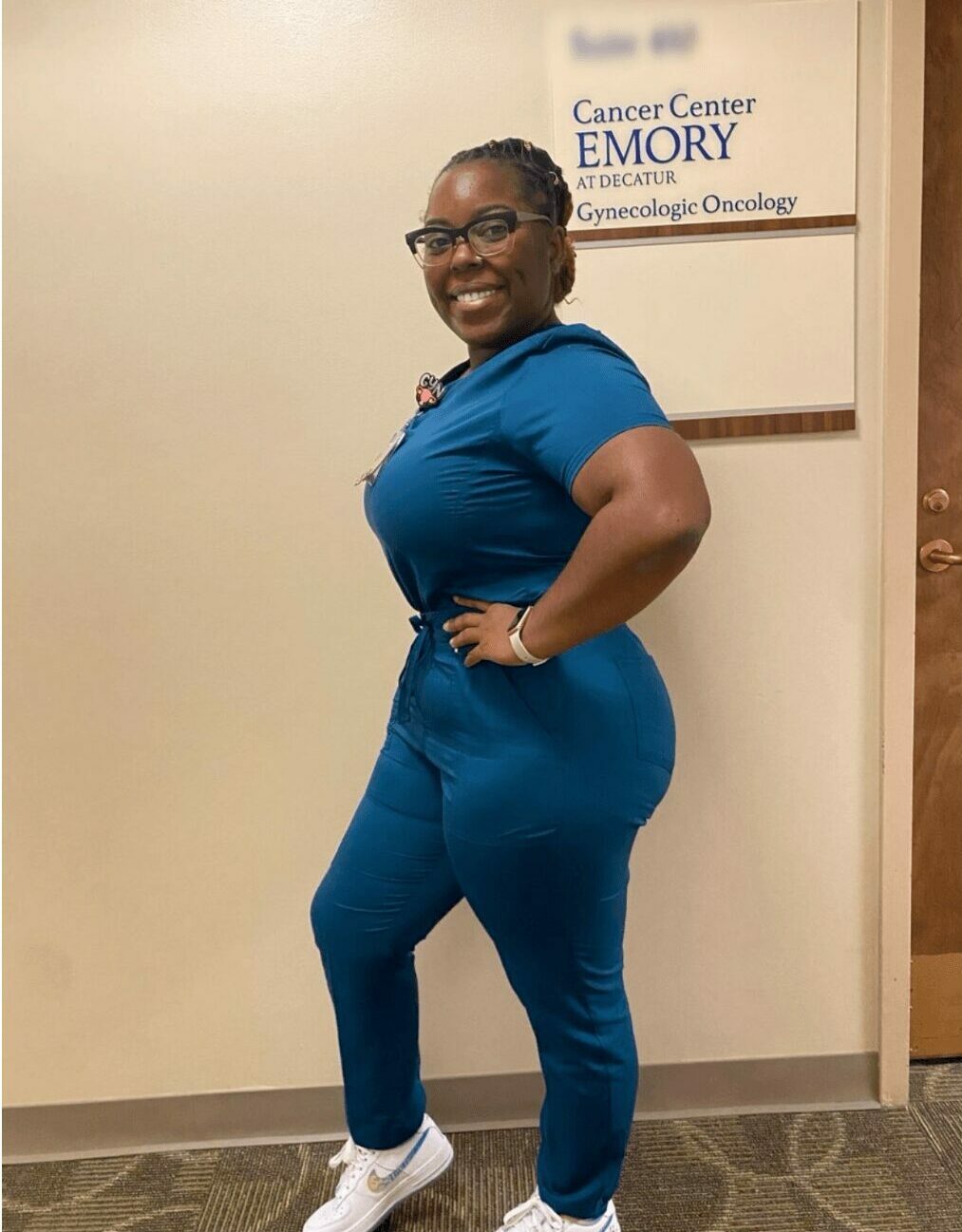
I am a clinical research coordinator who focuses and helps improve understanding of diseases as well as developing new diagnostic methods, treatments, or medical devices that will ensure better patient care. The research team at Emory Gynecology and Obstetrics partners with Emory Healthcare to give our patients access to cutting-edge treatments based on scientific evidence.
I am responsible for assisting with administrative activities generally associated with the conduct of clinical trials, patient consenting, recruitment, and participant engagement. As a coordinator I provide guidance to less experienced staff, manage research project databases, develop flow sheets and other study related documents, and completes source documents/case report forms.
I am known for formulating and applying mathematical modeling and other optimizing methods to develop and interpret information that assists management with decision-making, policy formulation, or other managerial functions. My essential qualities are good for critical thinking, analytical skills, curiosity, creativity, perseverance, integrity, adaptability, and effective communication skills.
I am proud to have reached my goals and to have followed my dreams of moving to Georgia and working at Emory University School of Medicine.
What sets me apart from others is my extensive experience working with Emory School of medicine and Emory healthcare Epic software system and my ability to work well under pressure make me a strong fit for the role I work for. Additionally, my track record of consistently meeting and exceeding deadlines sets me apart from other colleague candidates that I have come to work with.
We’d be interested to hear your thoughts on luck and what role, if any, you feel it’s played for you.
Some say that luck is more important to career success than people think and can affect even the most rational professions. For example, early career experiences like an encouraging boss or an unexpected assignment can be lucky breaks.
Lucky people may also be more likely to notice opportunities, take risks, and persevere through failure. However, some say that luck’s role in success shrinks as a company grows and that decisions become more rational over time. I wouldn’t say I believe in luck, but I believe I am blessed.
I received a good education, which is not available to everyone. There are thousands who only dream of becoming college graduates. I was blessed that I had a family who instilled education in me and helped and guided me to get my education, which is now more expensive than ever.
Contact Info:
- Website: https://linktr.ee/Choycebusinessfirst
- Instagram: https://www.instagram.com/choycebusinessfirst/
- Linkedin: www.linkedin.com/in/choycebusinessfirst

Popular
-

Hidden Gems: Local Businesses & Creatives You Should Know
-

ATL’s Most Inspiring Stories
-

Closing the Hidden Gap: M-T Strickland on Rethinking Youth Athlete Development Beyond the Field
-

Building Beauty with Purpose: How Gabrielle Lewis Is Balancing School and Entrepreneurship to Create a Lasting Brand
-

Portraits of Atlanta
-

Creating Without Limits: How Zen J. Jackson Is Building a Unified Ecosystem for Boundless Storytelling