




Today we’d like to introduce you to Isaac Stovall.
Hi Isaac, please kick things off for us with an introduction to yourself and your story.
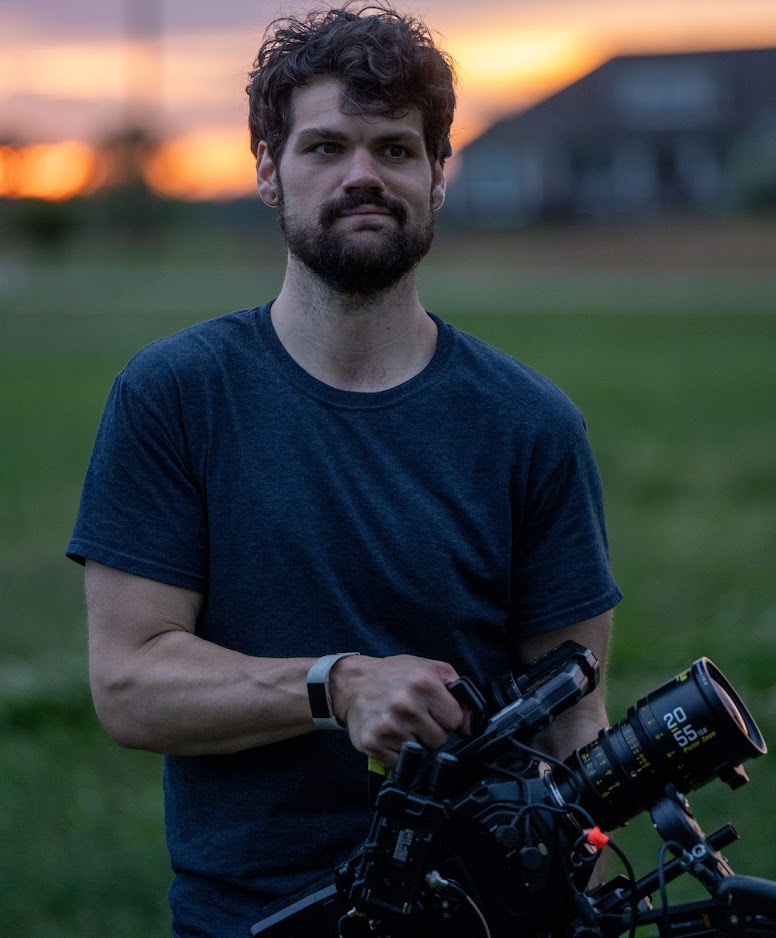
When I was in elementary school, I had a quick moment on the school news — I got to sing the Pledge of Allegiance. It was low quality, I was in first grade, and schools had just started doing those morning announcements. But something about seeing myself on camera flipped a switch in my mind. From that point on, I became fascinated with cameras, editing, and storytelling.
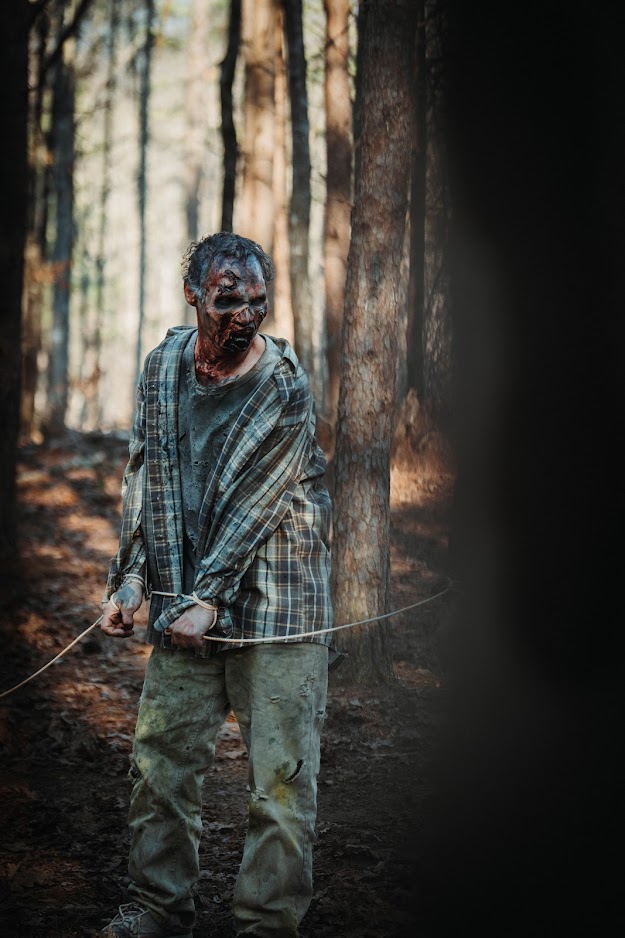
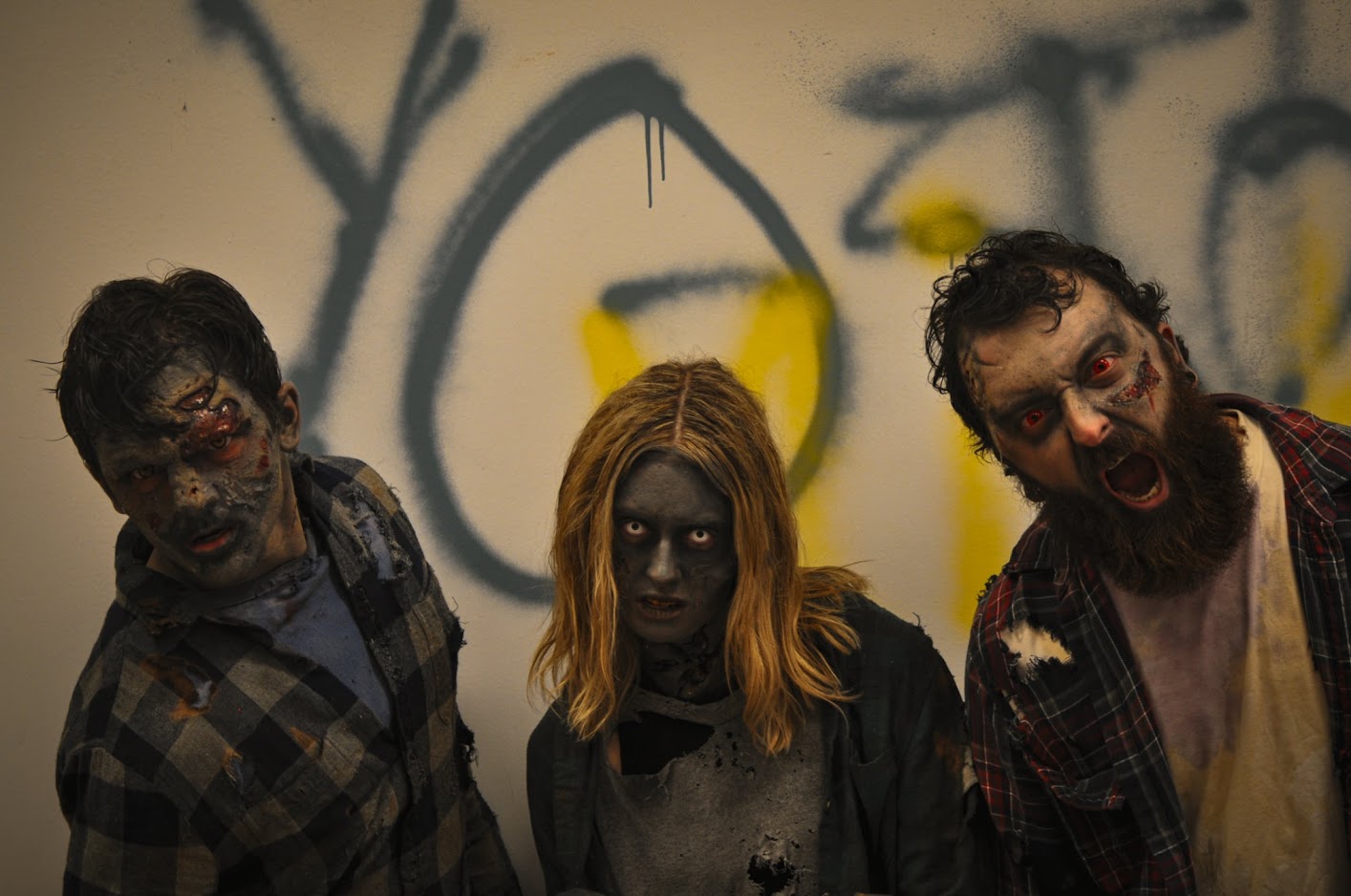
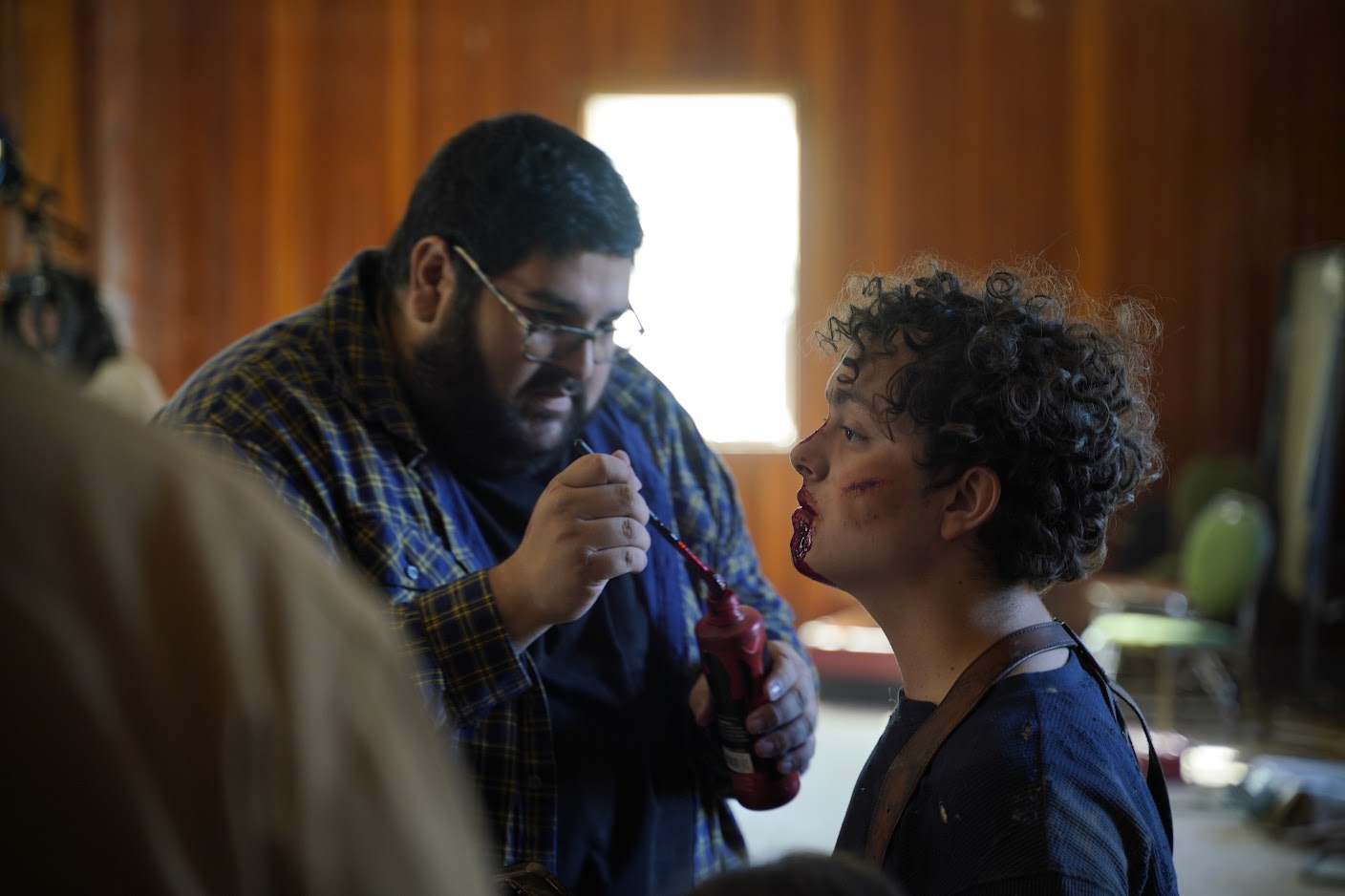
At 12, I got my first camera. I started filming everything — my house, my backyard, my parents, anything I could point the lens at. I was obsessed. By 13, I began working on my first real project: A Rotted World Series, a homemade zombie show. It was messy and raw, but it was mine — and it marked the beginning of a goal that would drive me for the next decade: to one day create a zombie series that felt real, emotional, and cinematic.
Before I ever set foot in a film school, I had already taught myself the basics of filmmaking. I spent years learning Adobe Premiere, After Effects, Photoshop, and developing the skills I needed to shoot, edit, write, and direct. I studied the way indie filmmakers worked — how they told bold stories on small budgets — and I applied that to every personal project I made.
Eventually, I did go to film school, but by the time I got there, I had already laid a strong foundation. I flew through the program because I had spent years teaching myself what I needed to know. In 2023, I was proud to be named Student of the Year at my college — a milestone that validated everything I had worked for up to that point.
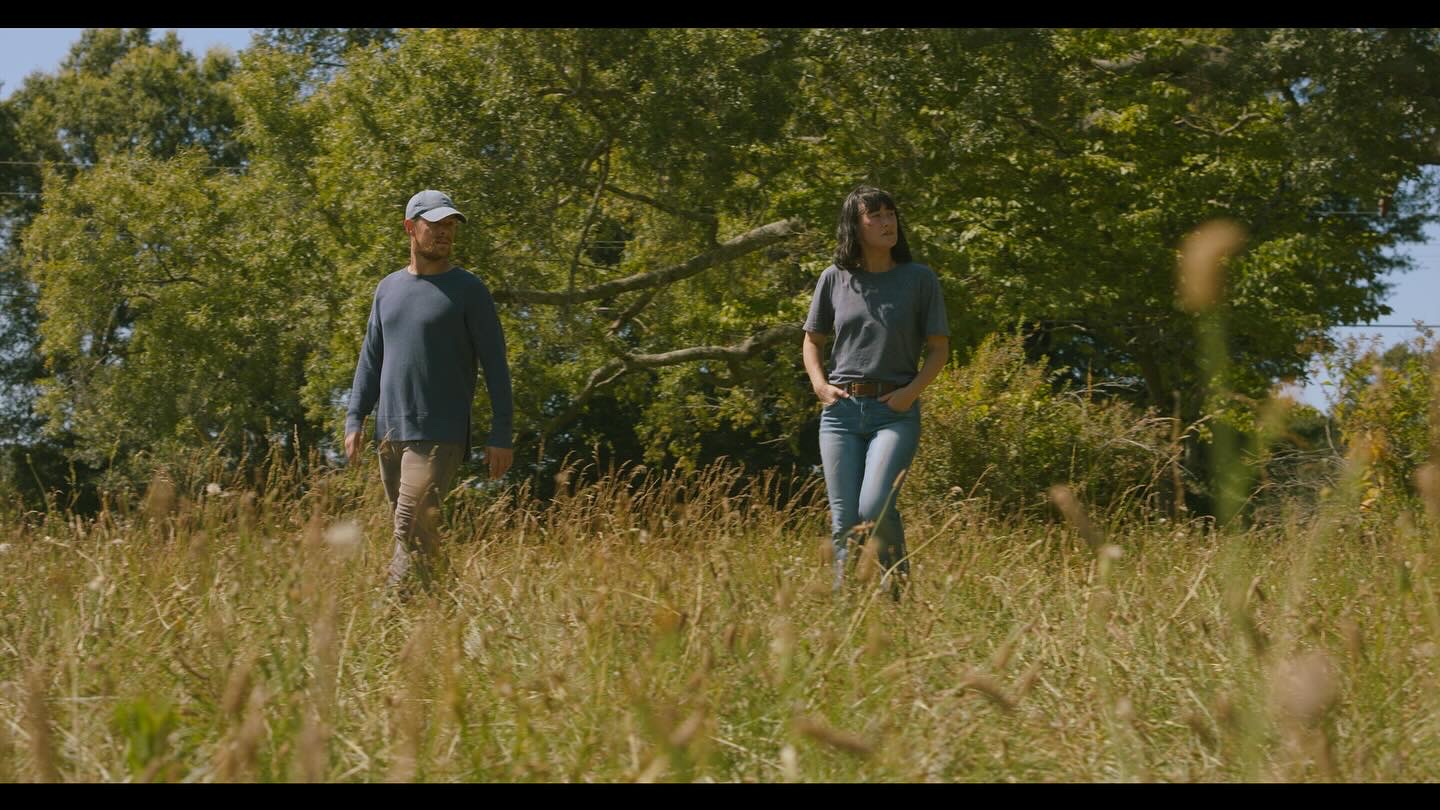
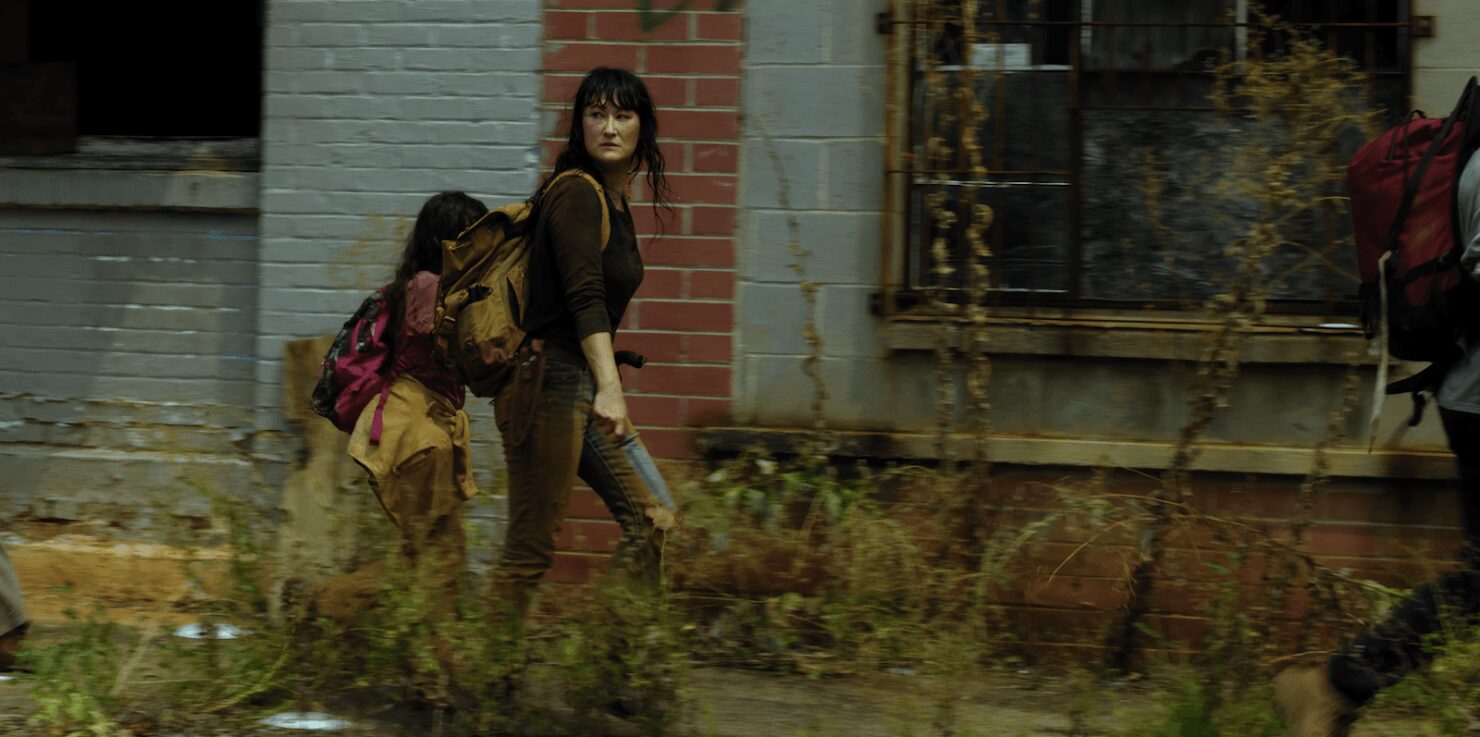
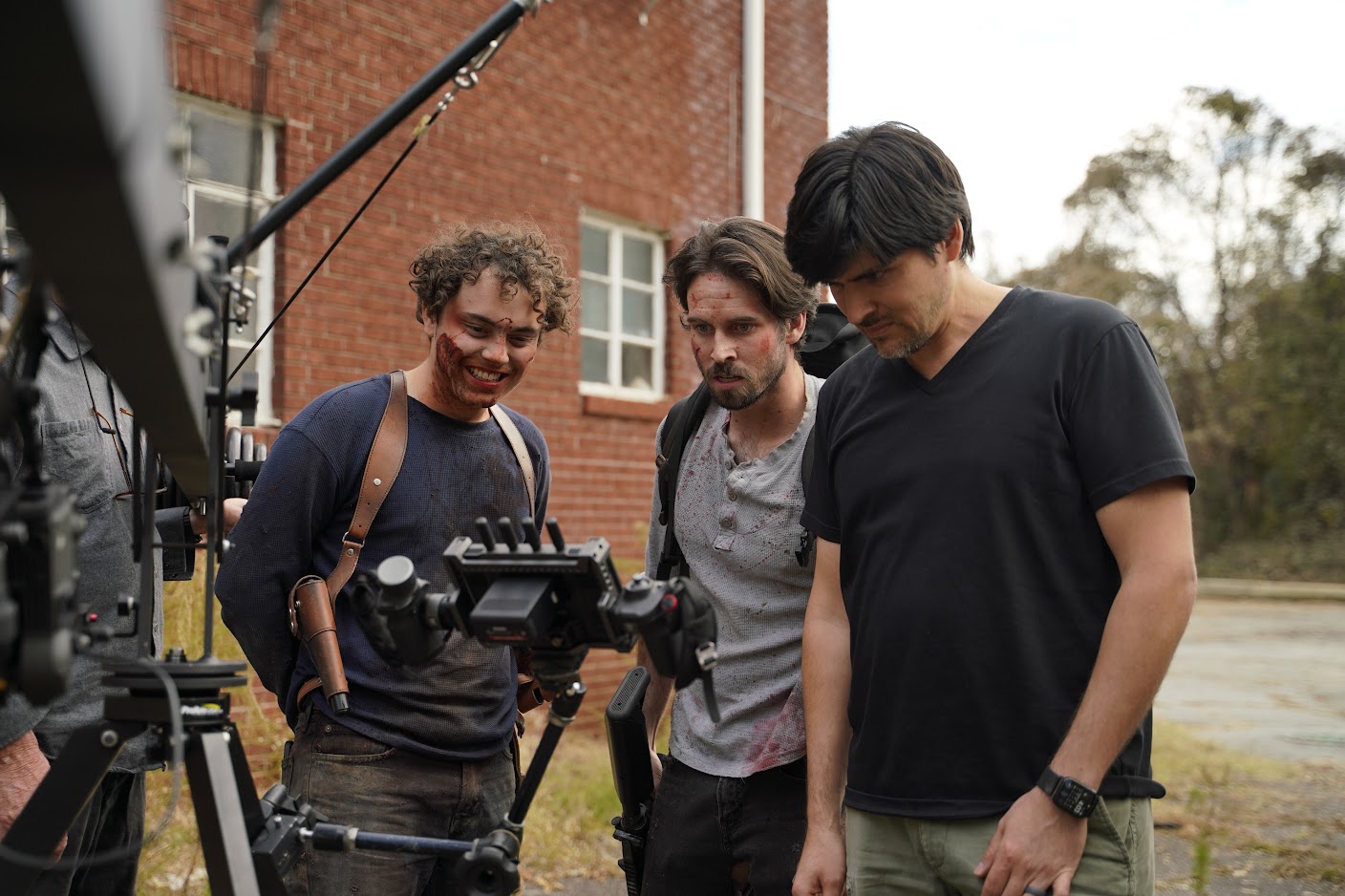
Now at 24, I’m completing the most ambitious project I’ve ever taken on: On The Run. It’s a high-budget indie series, still rooted in the zombie genre, but with far more depth and artistry than anything I’ve done before. I am hoping to have it stream on Prime Video, or Paramount. Nothing in the story is random — every choice, every line, every moment serves a purpose. I’ve poured 13 years of learning and passion into this project. On The Run is the realization of the vision I had when I was a kid with a camcorder and a dream.
Can you talk to us a bit about the challenges and lessons you’ve learned along the way. Looking back would you say it’s been easy or smooth in retrospect?
It’s definitely been a fun road, but I wouldn’t call it smooth — and honestly, I don’t think indie film is supposed to be smooth. If it were easy, everybody would be doing it. That’s part of what makes it rewarding.
When I was younger, between 13 and 18, the biggest challenge was the inconsistency. I was trying to create episodic projects — full stories with continuing arcs — and that meant I needed the same cast over and over again. But at that age, everyone had school, sports, family vacations, or just stopped showing up. Trying to coordinate schedules as a teenager with no budget and no production infrastructure? That was the first big lesson in patience and problem-solving.
Now that I’m older, the struggles look a little different. I have more tools, more experience, and bigger projects, but that doesn’t mean it gets easier — it just shifts. These days, one of my biggest challenges is learning when to stop. I’m constantly tempted to add one more scene, one more line, one more emotional beat. I’ve had to learn how to trust what’s already there and know when the story is complete.
I also struggle with the weight of every decision — the pressure of making the right edit, cutting the right moment, or rewriting a single line that could change the tone of a scene. These are the kinds of challenges you don’t really understand until you’re deep into post-production and realize how much power you hold as an editor and director.
But through it all, I’ve kept the same mindset I had when I was 12: trust the process. That’s been my anchor. Whether I’m filming in a backyard with no budget or editing a key scene in a larger-scale series, I’ve learned to lean into the chaos a little — because that’s where the best art tends to come from.
Thanks – so what else should our readers know about your work and what you’re currently focused on?
I’m an independent filmmaker — a director, writer, editor, and sometimes even actor — but more than anything, I’m a storyteller. I specialize in long-form, episodic storytelling, often rooted in the horror and post-apocalyptic genre. My work leans heavily into realism — I’m not too interested in jump scares or gore for shock value. I want the audience to feel something real. That’s what I’m most proud of: crafting stories that look like chaos on the surface but are driven by emotion, subtle detail, and purpose.
I’m probably best known for my zombie work. It started with my very first series, A Rotted World, and now I’m creating a much bigger, more mature version of that dream with On The Run. It’s a character-driven zombie series where every moment matters — nothing happens just to fill time. What sets this project, and honestly, what sets me apart in general, is how personal the work is. I don’t just write and shoot — I live in these stories. I obsess over every shot, every line, every character motivation. I spend months laying out arcs that are invisible to the audience until they pay off later. That level of layering and intention is something I take a lot of pride in.
What sets me apart is that I’ve done this my whole life. I didn’t stumble into film — I built my path from scratch. I taught myself the Adobe Suite before ever attending film school, and when I did enroll, I already had the knowledge and work ethic to earn Student of the Year in 2023. I understand every step of the process, from pre-production to post, because I’ve done it all myself — not out of preference, but out of necessity. That independence gave me range, flexibility, and a deep understanding of how to make great stories happen even with limited resources.
At the end of the day, I think what makes my work different is that I never treat a scene like it’s “just a scene.” I treat it like it matters — because it does. Every second on screen is a chance to make someone feel something, and I don’t take that lightly.
Where we are in life is often partly because of others. Who/what else deserves credit for how your story turned out?
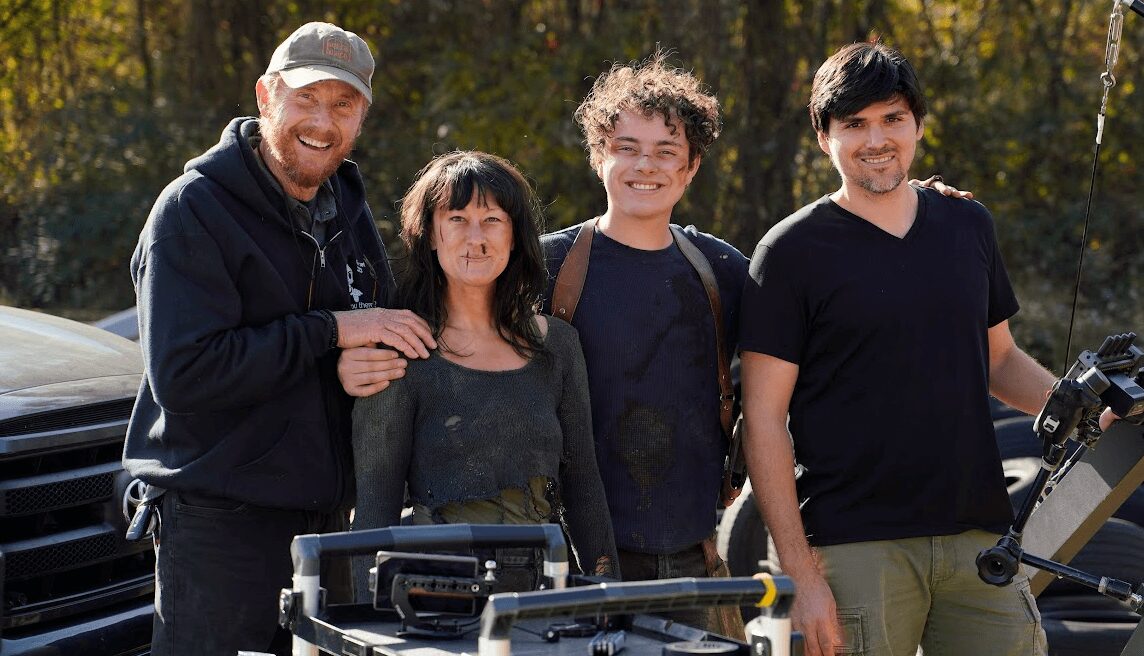
First and foremost, Tabitha Jordan deserves a massive amount of credit. She’s the lead in both my series Isolation and now On The Run, and she’s been by my side creatively since 2022. Tabitha isn’t just an actor I cast — she’s my writing partner, my co-director, and someone I’ve built stories with from the ground up. We’ve created so many layered, emotional narratives together, and what we’ve done with On The Run is something I’m incredibly proud of. It’s rare in indie film to find someone you can grow a career with, someone who gets your vision and helps sharpen it. Tabitha is that person for me.
I also have to mention Jonathan Baty and Erik Olsen — both experienced filmmakers who’ve worked with me on On The Run. They’ve taught me things I could’ve never picked up in a classroom. Being on set with them, watching how they problem-solve, communicate, and build a world from scratch — those are lessons that stay with you. They’ve helped me grow not just as a director, but as a team leader and collaborator.
Contact Info:
- Youtube: https://youtu.be/18b9cC44daE
Popular
-
Darren Paltrowitz on Blending Investigation, Media, and Culture to Uncover the Stories Behind the Stories
-

Naeemah Jade on Redefining Networking Through Trust, Proximity, and Intentional Community
-

Dr. Cortnie Baity on Expanding Beyond Therapy to Build Scalable Tools for Intentional Living and Relationships
-

Dr. Shameka Campbell on Embracing a New Identity and Guiding Others Toward Purpose and Spiritual Breakthrough
-

ATL’s Most Inspiring Stories
-

Kareem “Reemo Meerak” Tyson on Building The C.U.T.S. Podcast and Creating a Space Where Culture Lives and Breathes