






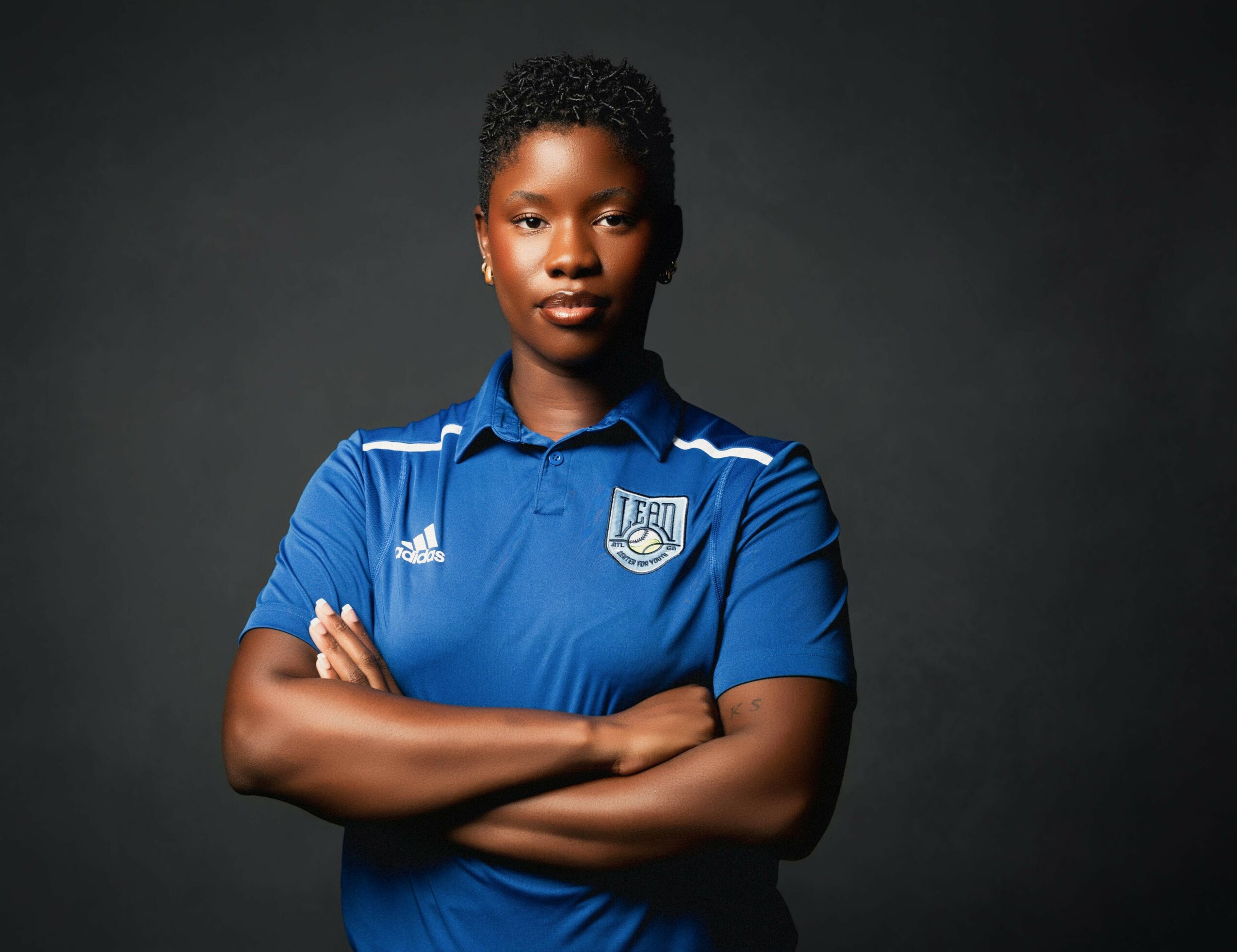
Today we’d like to introduce you to Mackenzi Stewart.
Hi Mackenzi, thanks for joining us today. We’d love for you to start by introducing yourself.
I first played tennis when I was only three years old. My parents, in an effort to get me more active, decided to go to our local Walmart and browse the sports section. Apparently I was drawn to this Venus & Serena tennis racket. They took me to our neighborhood courts to try out the racket, and I guess I did better than they thought. They then took me to our local tennis center for some tennis lessons with a professional tennis instructor, and the rest is history!
As I began playing competitive tournaments and training at different tennis academies, I noticed that I was always one of the only (if not the only) Black girl out there. I felt a strong sense of loneliness and isolation as a tennis player, to the point where I treated it more like a job instead of something fun. It wasn’t until I met more Black coaches and players that could understand me on a deeper level that I really found a joy and passion for tennis.
I earned a full scholarship to compete at Southern University and A&M College where I was named to the 2021 SWAC All-Conference Women’s Tennis Team. I graduated summa cum laude with a B.A. in political science. For my grad year, I brought my talents back home to Georgia State University where I earned my graduate certificate in Nonprofit Management & Social Enterprise.
In 2023, as the Director of Tennis for my family’s sport-based youth development nonprofit organization, the L.E.A.D. Center for Youth, I launched our Lady Ambassadors tennis program for girls. L.E.A.D.’s mission is to advance equity and well-being through youth sports, specifically baseball for boys and tennis for girls. The Lady Ambassadors tennis program is a mentorship, leadership, character-building, and tennis development program for Black girls that desire to play collegiate and professional tennis. Our programming is designed to equip our athletes with the athletic, cognitive, social-emotional, and practical skills they need to flourish and succeed both on and off the court. I am proud to continue on the legacy my parents established back in 2007 when they first founded L.E.A.D.
Alright, so let’s dig a little deeper into the story – has it been an easy path overall and if not, what were the challenges you’ve had to overcome?
I definitely struggled with impostor syndrome as many athletes do, but I believe it was heightened and more complex because of the struggles I also dealt with as a Black girl navigating a predominantly-white sport. I already struggled to believe that I deserved to be in certain spaces despite how talented I was, but I also struggled to believe that tennis was really “for me” because so many social cues and unfortunate incidents of racial discrimination/bias told me it wasn’t. Outside of seeing Venus and Serena play on my television, I didn’t see much everyday representation in the sport until later on in my junior career.
I’ve also received both praise and backlash throughout my life for my authenticity and ability to speak my truth regardless of where I am and who I’m around. I’ve noticed that it can rub people the wrong way when dark-skinned Black women show up unapologetically and set boundaries. These qualities, though, have served me well and I intend to keep being my authentic self while encouraging and empowering others to do the same.
As you know, we’re big fans of you and your work. For our readers who might not be as familiar what can you tell them about what you do?
In 2023, as the Director of Tennis for my family’s sport-based youth development (SBYD) nonprofit organization, the L.E.A.D. Center for Youth, I launched our Lady Ambassadors tennis program for girls. L.E.A.D.’s mission is to advance equity and well-being through youth sports, specifically baseball for boys and tennis for girls. The Lady Ambassadors tennis program is a mentorship, leadership, character-building, and tennis development program for Black girls that desire to play collegiate and professional tennis. Our programming is designed to equip our athletes with the athletic, cognitive, social-emotional, and practical skills they need to flourish and succeed both on and off the court. Lady Ambassadors can participate as early as third grade, and we continue to mentor and support them through high-school, college, and into their adult years. There’s no monetary cost to their families. Our Lady Ambassadors maintain their “scholarship” with us by maintaining good grades, attendance, and behavior at school and at L.E.A.D. programming.
To be the best possible coach-mentor I can be, I lean very heavily on my own personal experience as a Black girl navigating a once unfamiliar, predominantly-white sport. I want to be known for developing a holistic program that consistently sends Black girls to college or the pro circuit. Even though I’ve only been coaching for two years, I’m well on my way to achieving this goal. I’m proud of the camaraderie my Lady Ambassadors have built and the sense of pride they feel in being apart of L.E.A.D. I’m proud of the fact that most of my players had never picked up a racket before meeting me, and now, after much hard work and dedication on their part, they have a strong foundation to build from as they continue on their tennis journeys. I’ve watched my girls become more confident in themselves and their abilities (both on and off the court), and I look forward to how much more they’ll grow in the coming years.
I believe what sets me apart is my emphasis on mentoring and developing Black girls specifically. I think this is a demographic that is commonly overlooked when it comes to restorative programming and initiatives that are offered to youth. Being that most of my struggles (both tennis related and general) are directly tied to my identity as a Black woman that was once a Black girl, I believe it’s only right that my program is uniquely tailored to this group.
What was your favorite childhood memory?
When I was much younger and L.E.A.D. only offered baseball for boys, I loved being outside at the baseball park. There were always other kids for me to play with, and I loved to eat ballpark food like hot dogs, chips, peanuts, candy, etc. I remember constantly being at our around a baseball field for hours and hours on end rotating between watching our Ambassadors play baseball, playing with their younger siblings/nieces/nephews, and eating the best ballpark snacks. Times seemed so much simpler and more carefree then.
Contact Info:
- Website: https://leadcenterforyouth.org
- Instagram: https://www.instagram.com/mackenzistewart
- Other: https://www.tiktok.com/@mackenzi.stewart
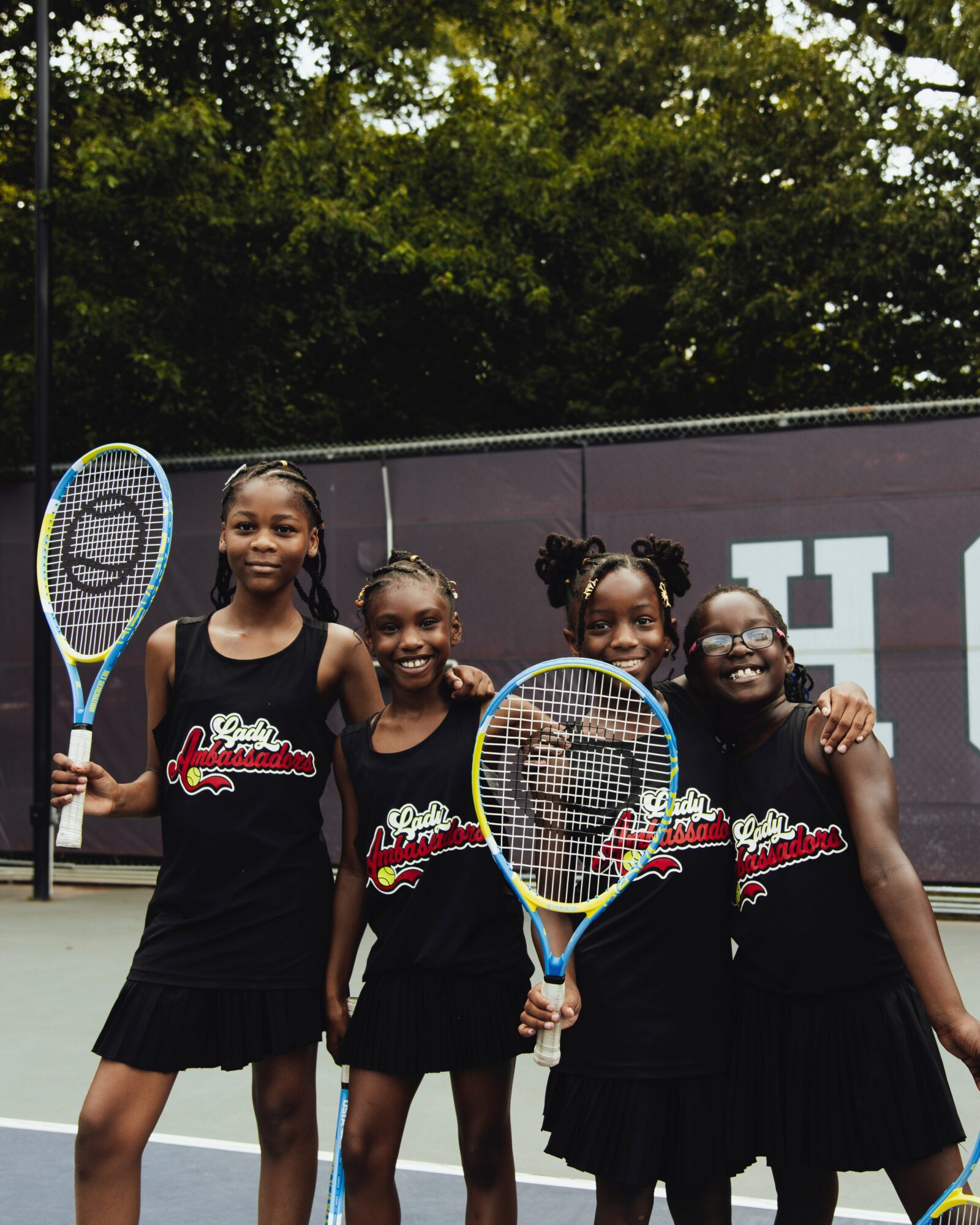
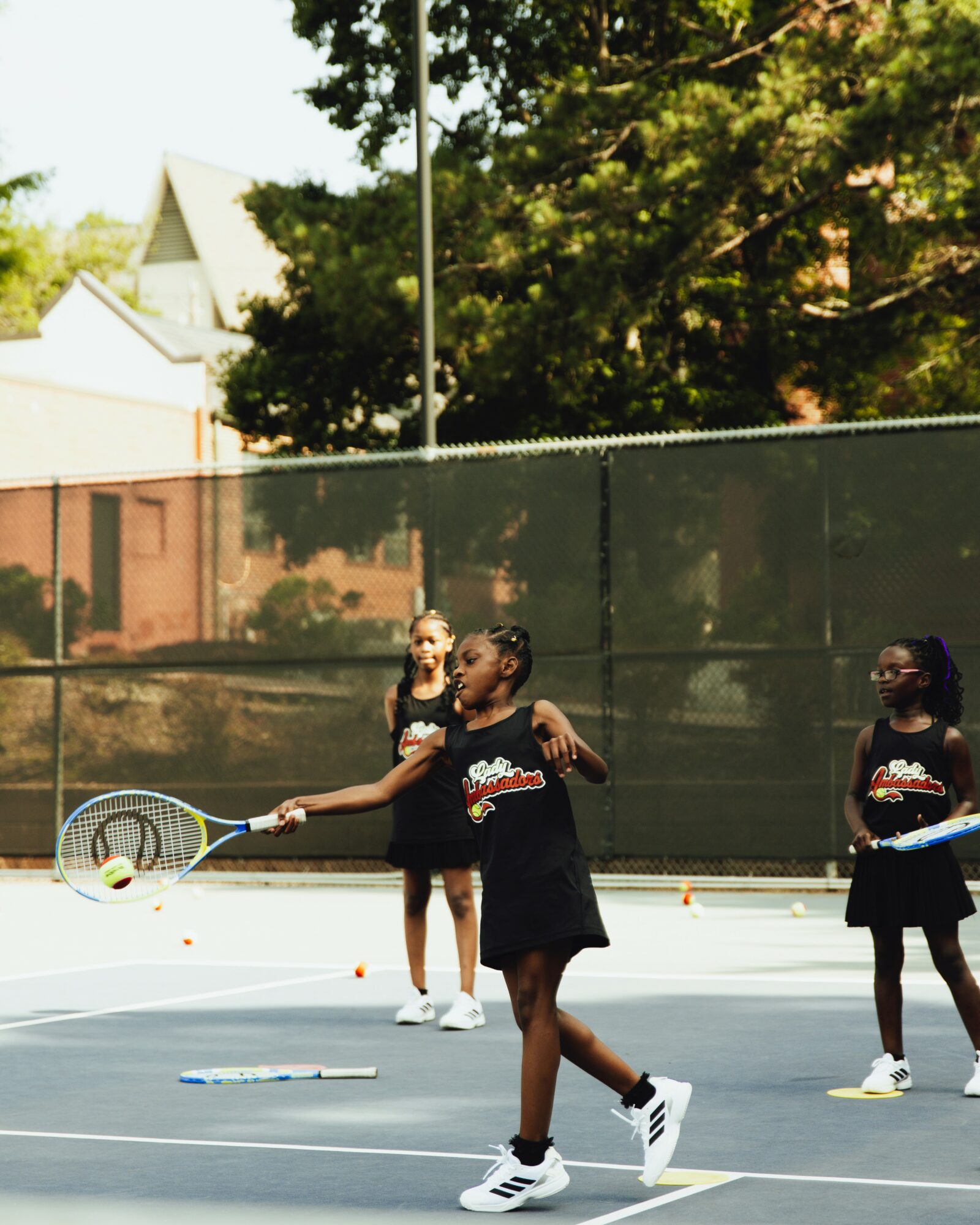
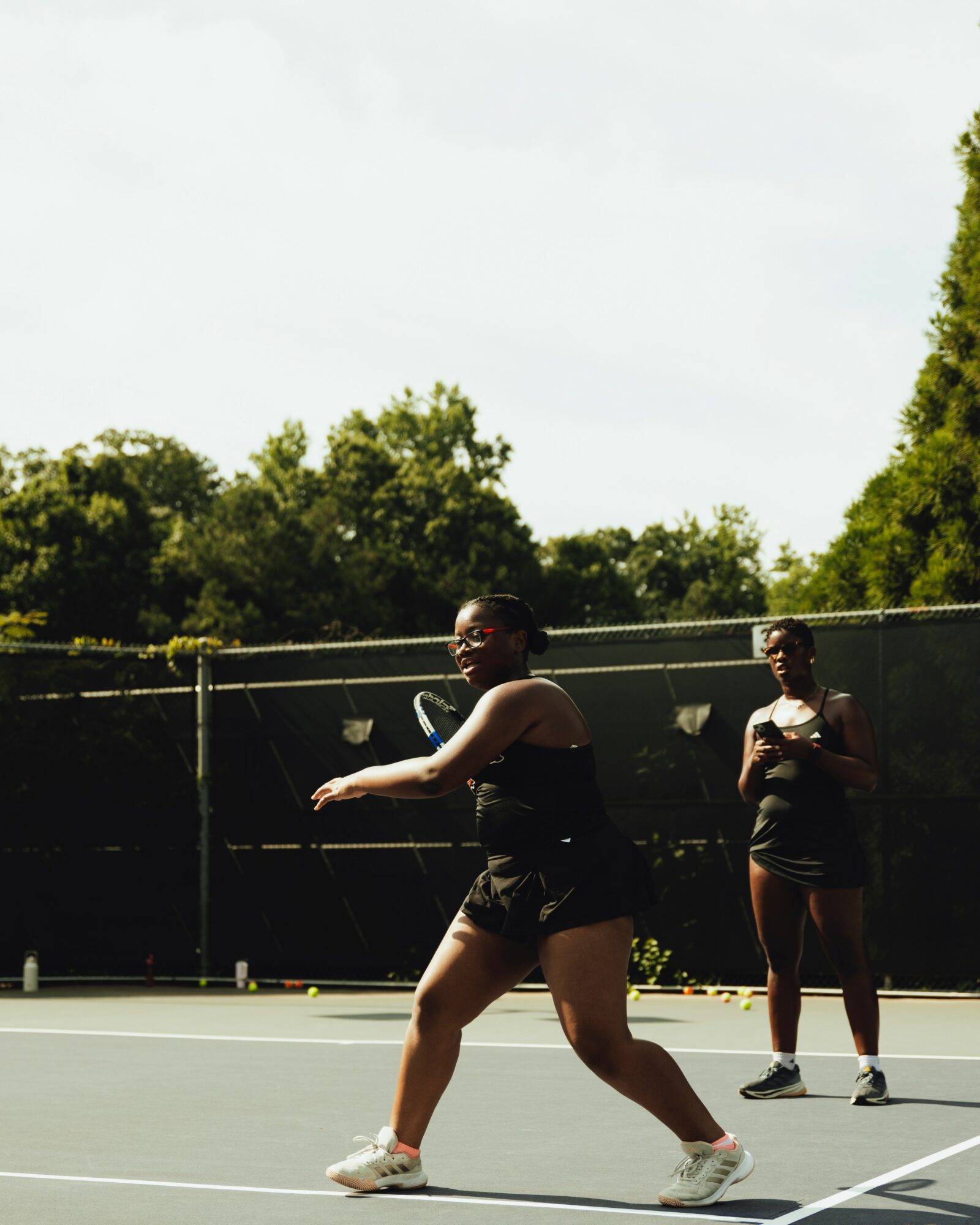
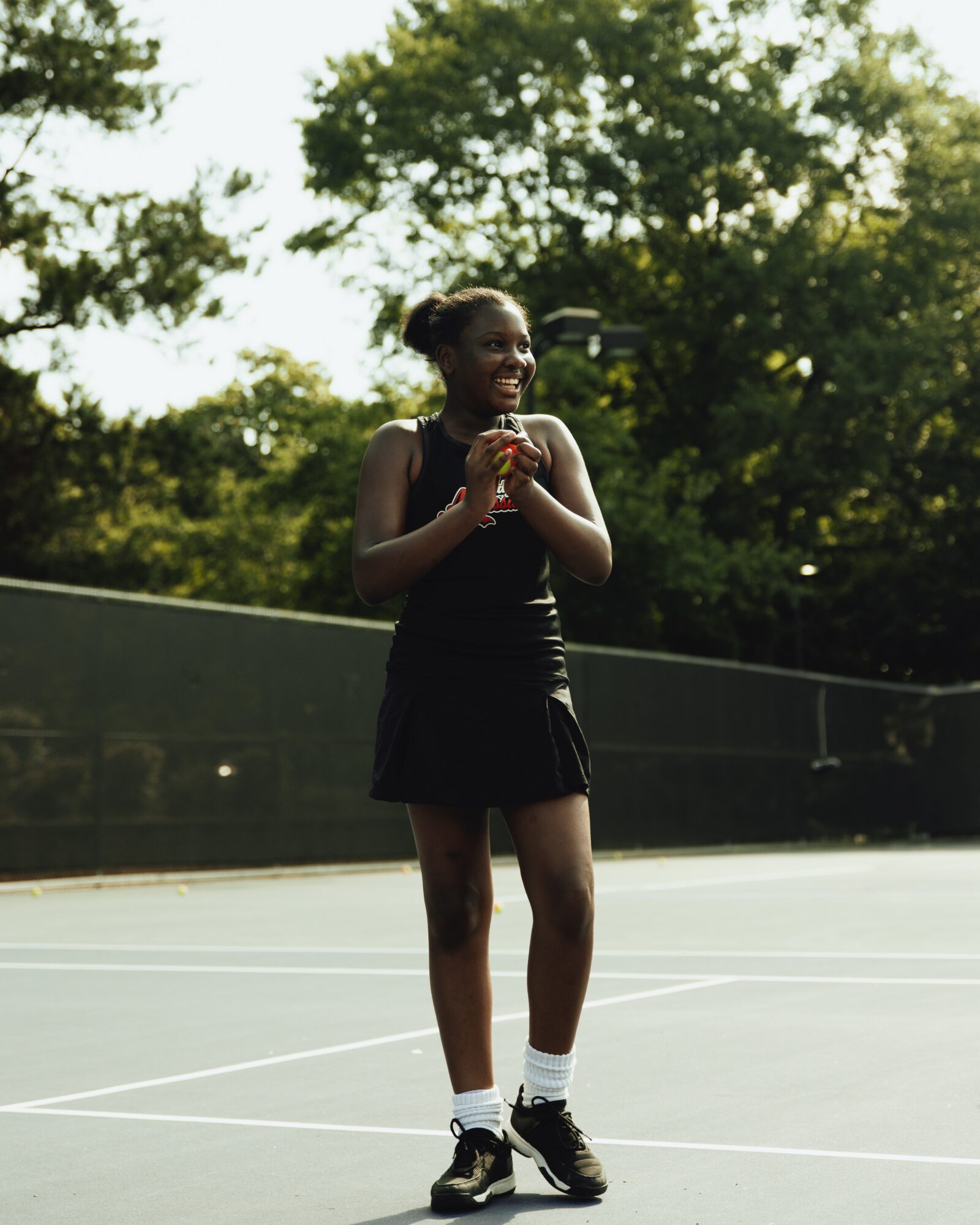
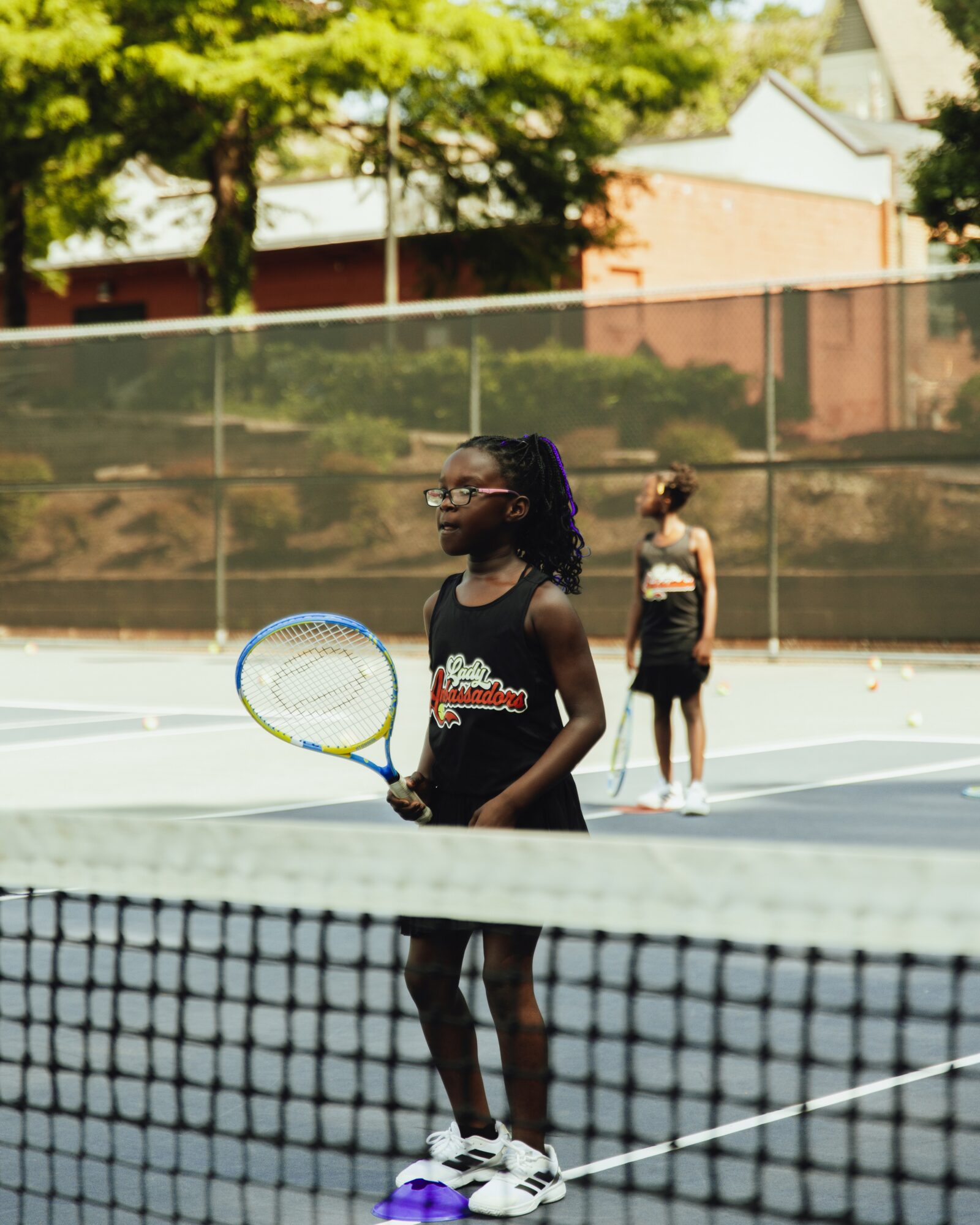
Image Credits
iSmooth Media
Website | https://www.ismoothmedia.com
Instagram | @ismoothllc
Popular
-

Natasha Dillard on Redefining Beauty Standards and Empowering Women Through Unapologetic Self-Expression
-

Darren Paltrowitz on Blending Investigation, Media, and Culture to Uncover the Stories Behind the Stories
-

Naeemah Jade on Redefining Networking Through Trust, Proximity, and Intentional Community
-

Dr. Cortnie Baity on Expanding Beyond Therapy to Build Scalable Tools for Intentional Living and Relationships
-

Dr. Shameka Campbell on Embracing a New Identity and Guiding Others Toward Purpose and Spiritual Breakthrough
-

ATL’s Most Inspiring Stories