



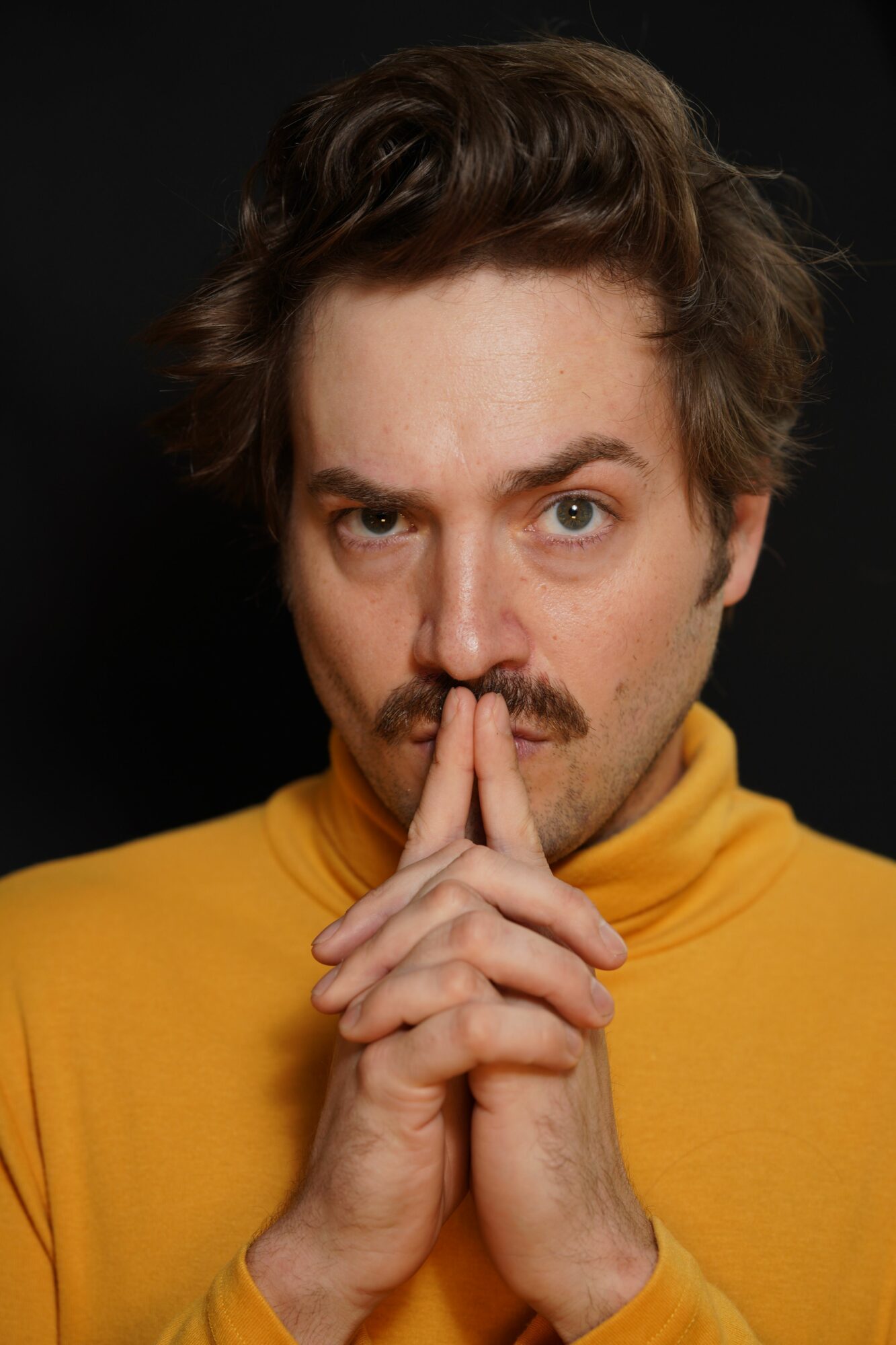
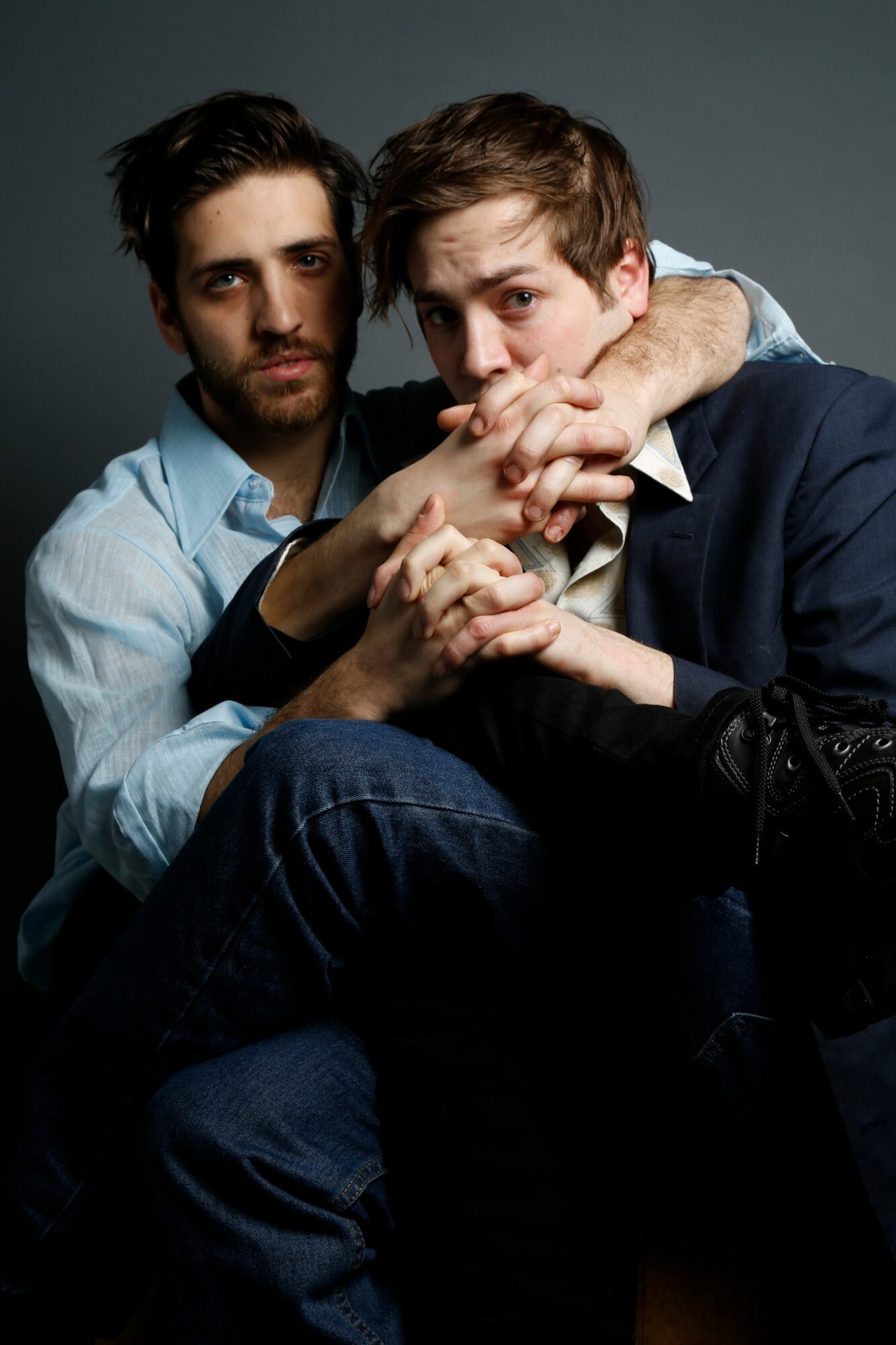
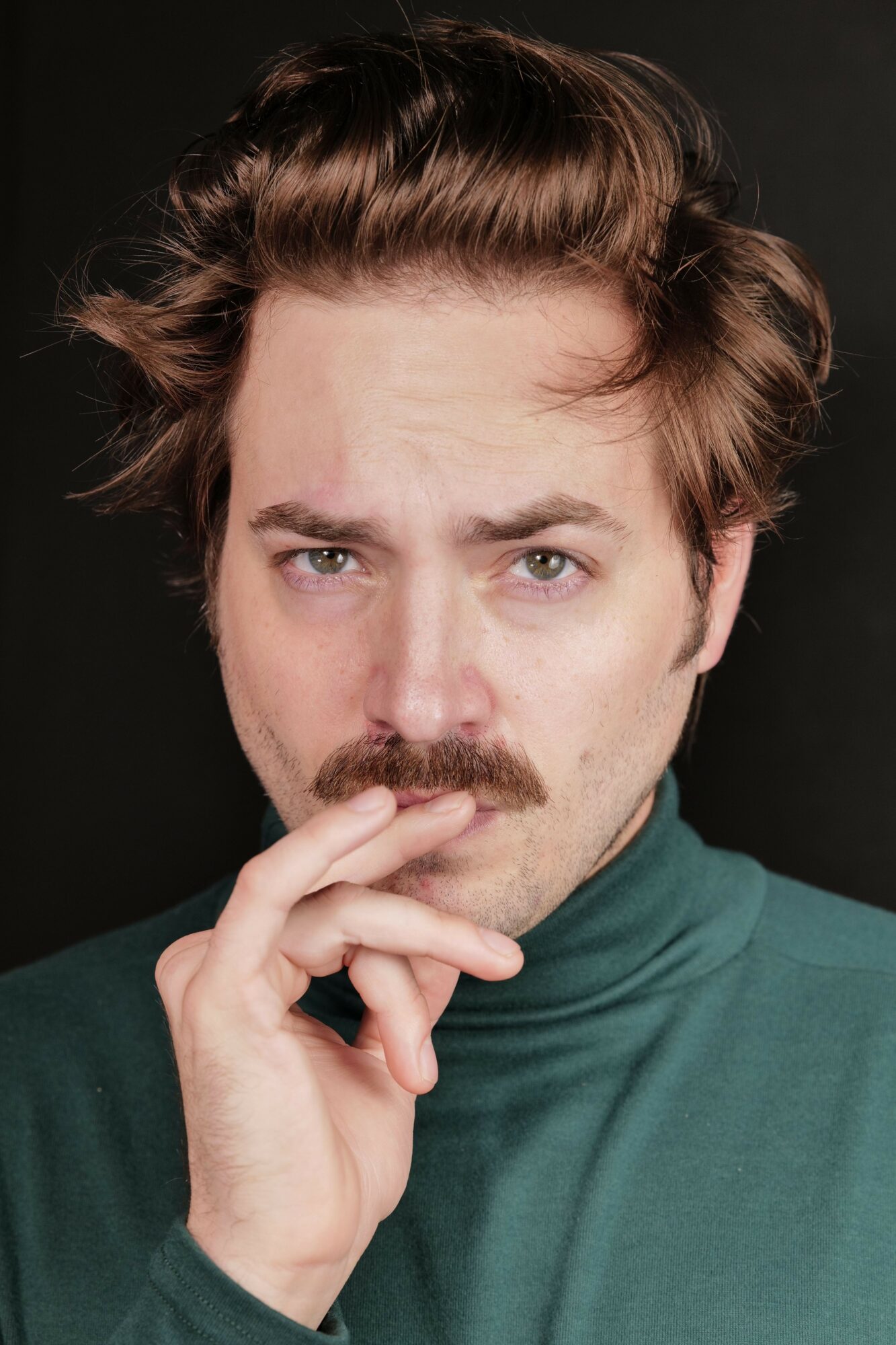
Today we’d like to introduce you to Alex McKelvey.
Hi Alex, so excited to have you with us today. What can you tell us about your story?
I started out like any number of hopeless creatives my age: a band in high school, a Journalism degree I’m not using, a decade in New York, stints in the improv and open mic scenes, and several failed campaigns to legitimize myself on video-sharing platforms.
It’s important to note that other things happened in this time — love, loss, service gigs, seasonal ego deaths, etc. — but for the purposes of the interview I’ll focus on my dedication to a Serious Art Life™ and my ongoing battle for relevance.
A major turning point creatively was making a web series with Blaze Bateh (my kenka-tomodachi) and a few DPs we found off Craigslist — Corey Beasley, Tim Ciavara, and Julian Kapadia. THE BLAZE & ALEX SHOW became a kind of DIY film school for me and eventually landed us a shopping agreement with PictureIt Productions in Atlanta that didn’t amount to much. Blaze went on to prioritize his band Bambara while I continued to humiliate myself online, solo — eventually reframing it as “virtual performance art” to protect my ego.
Somewhere along the line, the work started connecting with kindred spirits and led to paid opportunities in film by way of writing and acting.
Now most of what I do exists under the branded hashtag #aseriousartist — a longform project that plays with the tension between sincerity and performance, self-mythology and psychological oversharing. Ideally, the viewer is never entirely sure whether the persona is joking, spiraling, or telling the truth. Sometimes it’s all three simultaneously, which is how I tend to experience being a person anyway.
We all face challenges, but looking back would you describe it as a relatively smooth road?
Where I am today doesn’t feel noteworthy to me (maybe next year?), but regardless, getting here was hard. If it had been easy, I probably wouldn’t be arrogant enough to call myself a poet in passing, and my persona wouldn’t have enough material to romanticize our suffering.
Anyone whose primary commitment is under-recognized art is going to struggle in other areas. Years of choosing undignified survival jobs for their flexibility. Self-medication, self-sabotage. Relationships strained by your tendency to disappear into your head for weeks at a time or by using your romantic partners as unpaid extras in your world-building. All this comes with real opportunity cost. You sacrifice a lot of the structure that makes adulthood legible to most people.
Early on, I wanted to be taken seriously as a comedian, so I kept trying to force myself into formats built around immediacy, but my sensibilities were never that punchy. My stuff is wordy, and it wanders. I also tend to mirror the uglier, more repressed parts of us, so it can feel like I’m having a different conversation than most audiences are looking to have.
Eventually I stopped trying to correct that and made the wandering itself the form. A lot of my work is basically me trying to think myself into dignity and then failing publicly.
Thanks for sharing that. So, maybe next you can tell us a bit more about your work?
What I’m most proud of is probably the narrative world-building I continue to do across platforms that actively cheapen narrative world-building. People see TikTok poetry, #storytime content, clipped video essays, increasingly concerning captions, etc. — but all of it orbits the same fragile ego.
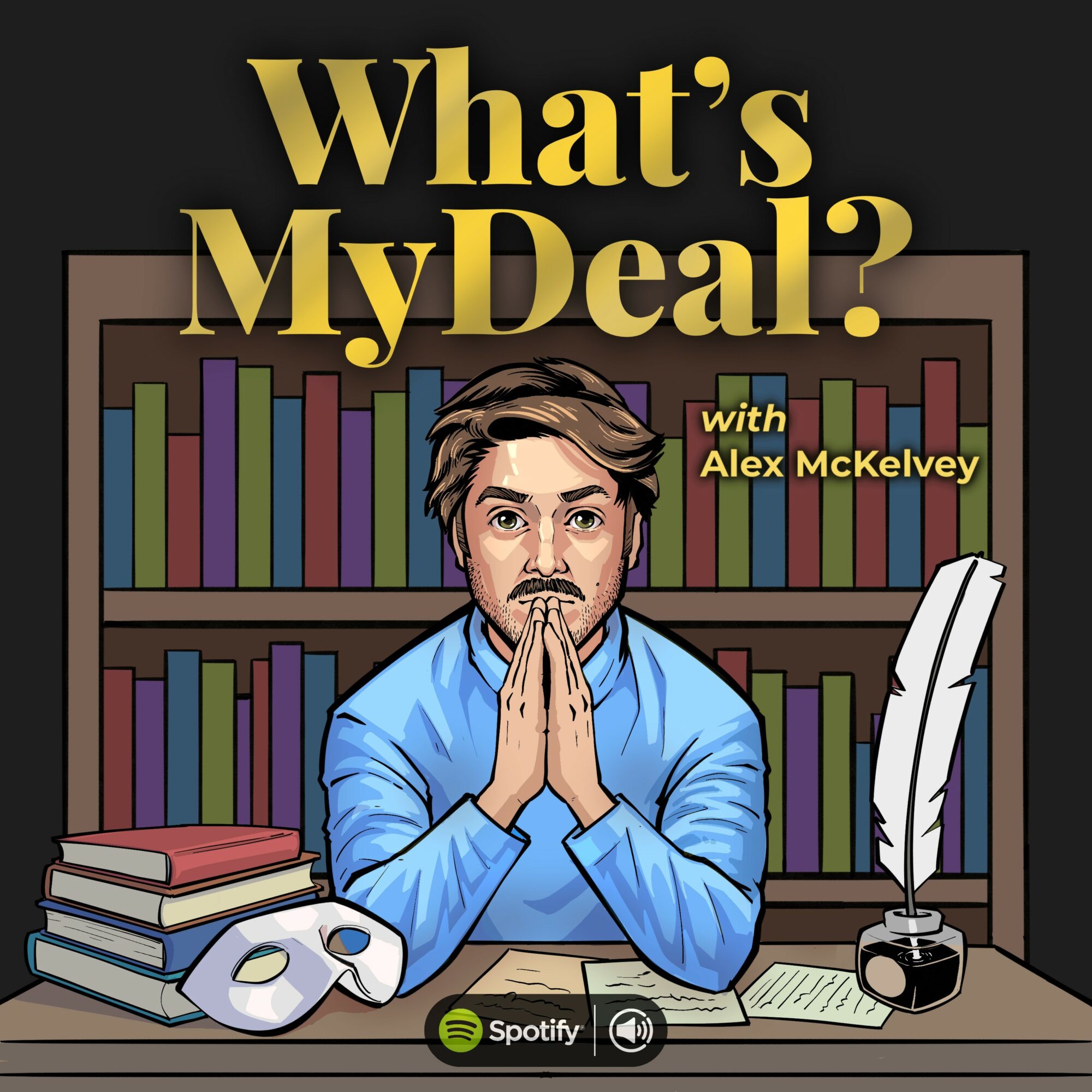
I recently started a podcast, What’s My Deal? with Alex McKelvey, which gives a lot of my ideas more room to breathe. Right now the work seems to be exploring masculinity, ambition, loneliness, identity construction, performance, and the psychological effects of prolonged internet exposure.
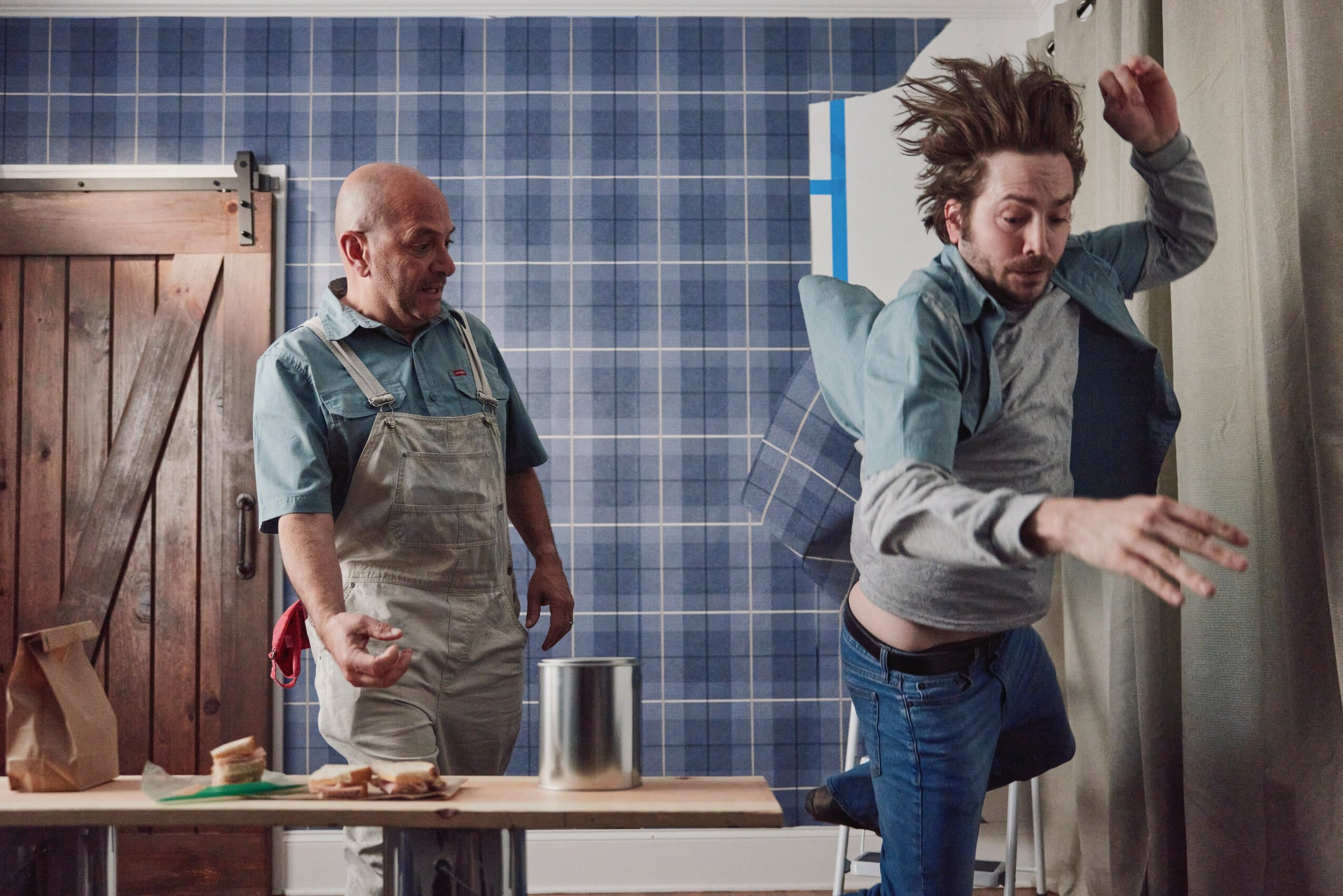
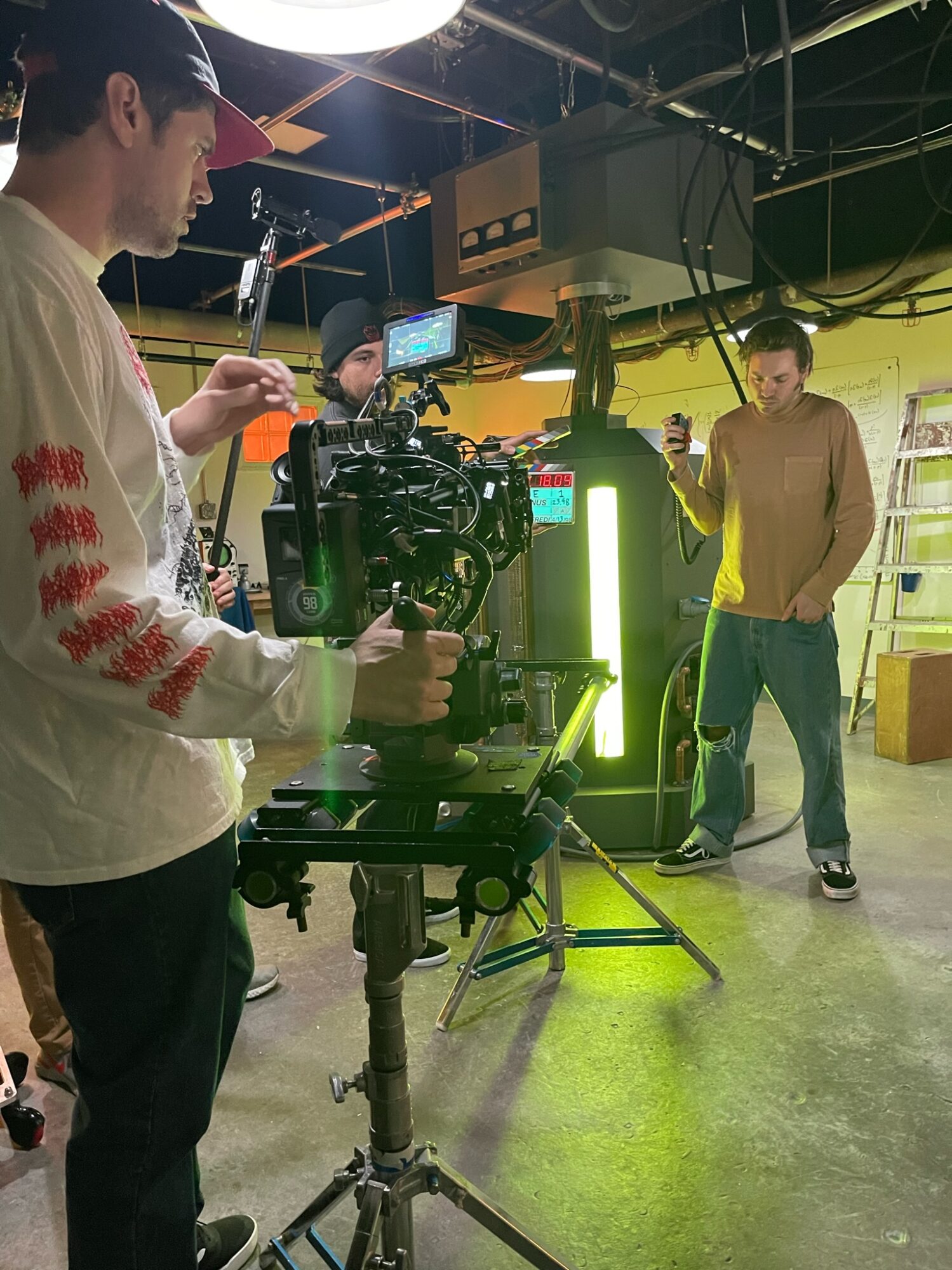
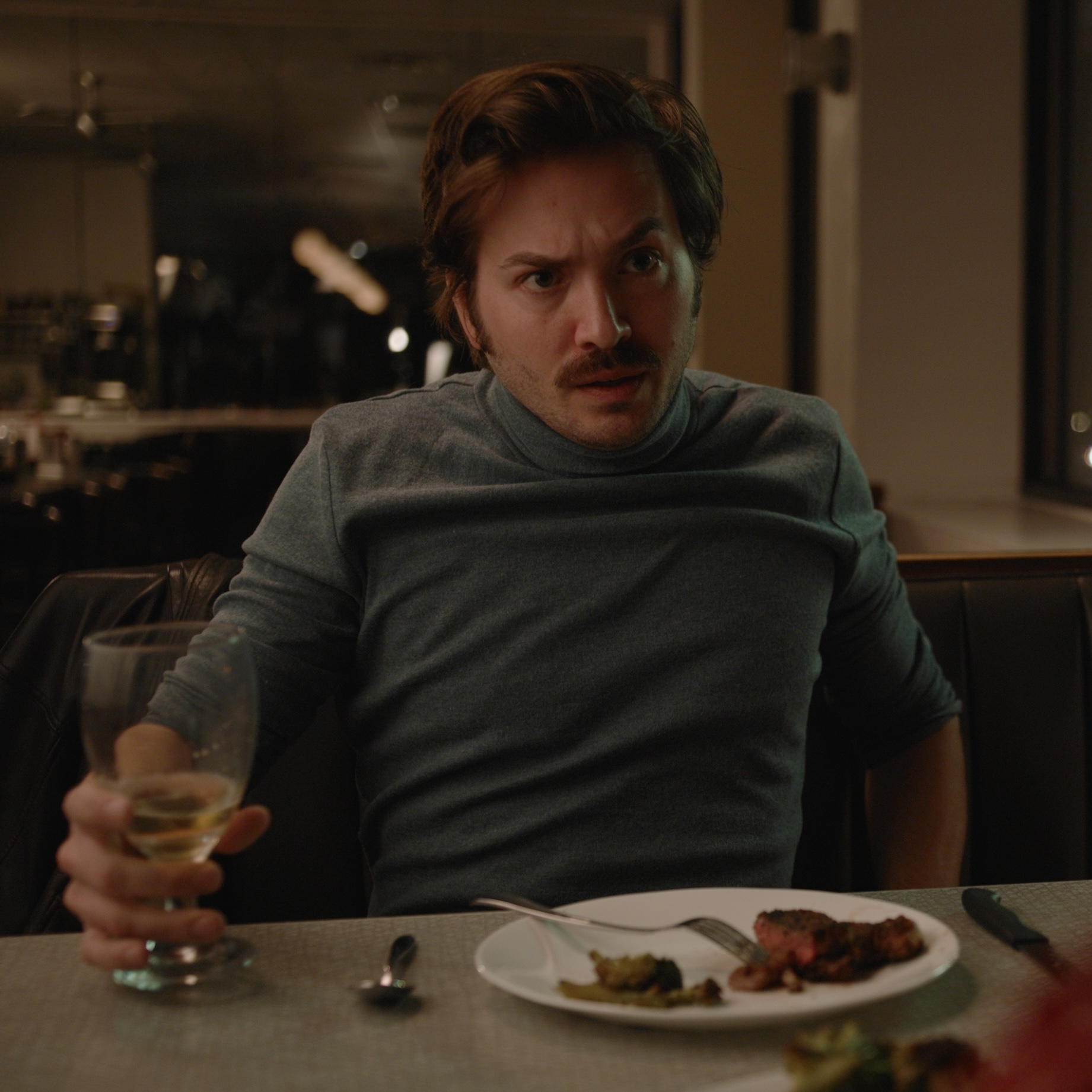
That said, I’m focusing on film more and more because it’s collaborative and, in turn, healthier. I co-wrote and starred in Terminus — a coming-of-age-in-your-30s buddy-comedy time-travel slasher Christmas movie directed by Tim Reis. It premieres later this year, and I’m proud to have reached a version of adulthood where I can use a maximalist genre description like that in a professional context.
My short film Man on the Street, a stylized autobiographical comedy directed by Mike Wiley, recently won a gold medal at the London-Worldwide Comedy Short Film Festival, which was validating because it suggests this voice can, in fact, translate beyond social media, if only to the British.
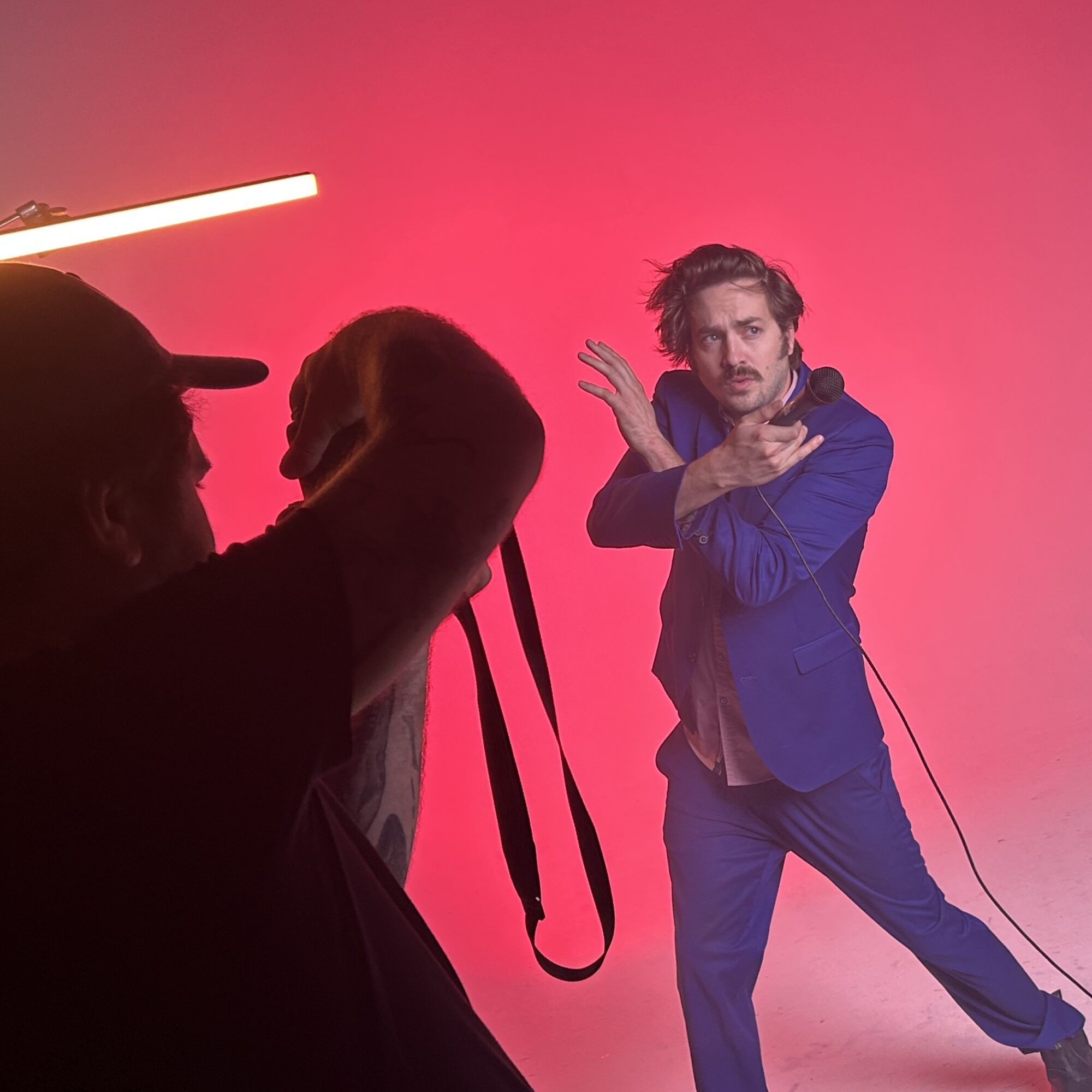
I also appear in Orville Peck’s music video for The Curse of the Blackened Eye as his prospective rebound from Norman Reedus. That’s technically a featured extra role, but I mention it because my persona gives me full permission to name-drop wherever possible.
Any big plans?
Mainly consolidation. Taking the fragmented universe of #aseriousartist and translating it into more durable forms. Social media is a useful low-stakes laboratory for experimentation, but it tends to reward qualities I’m not inclined toward — certainty, simplification, emotional compression, etc. I’m committed to nuance, and nuance is an inefficient online career strategy.
Like I mentioned before, the focus is on film these days — writing screenplays, acting, and developing longer narrative projects. I recently completed the first draft of my next feature, an alien-slug road movie I have high hopes for. I’ll cast myself as a main character, naturally.
More broadly, I plan to keep following the muse to its logical conclusion, and to secure enough financial stability to scale the operation.
#aseriousartist
Contact Info:
- Website: https://open.spotify.com/show/0LoPxEf8ZUSjWKNr8WIeyq
- Instagram: https://www.instagram.com/_alex_mckelvey_/
- Youtube: https://www.youtube.com/c/AlexMcKelvey
- Other: https://www.tiktok.com/@_alex_mckelvey_
Popular
-

Dr. Cortnie Baity on Expanding Beyond Therapy to Build Scalable Tools for Intentional Living and Relationships
-

Dr. Shameka Campbell on Embracing a New Identity and Guiding Others Toward Purpose and Spiritual Breakthrough
-

ATL’s Most Inspiring Stories
-

Kareem “Reemo Meerak” Tyson on Building The C.U.T.S. Podcast and Creating a Space Where Culture Lives and Breathes
-

Hidden Gems: Local Businesses & Creatives You Should Know
-

Portraits of Atlanta