

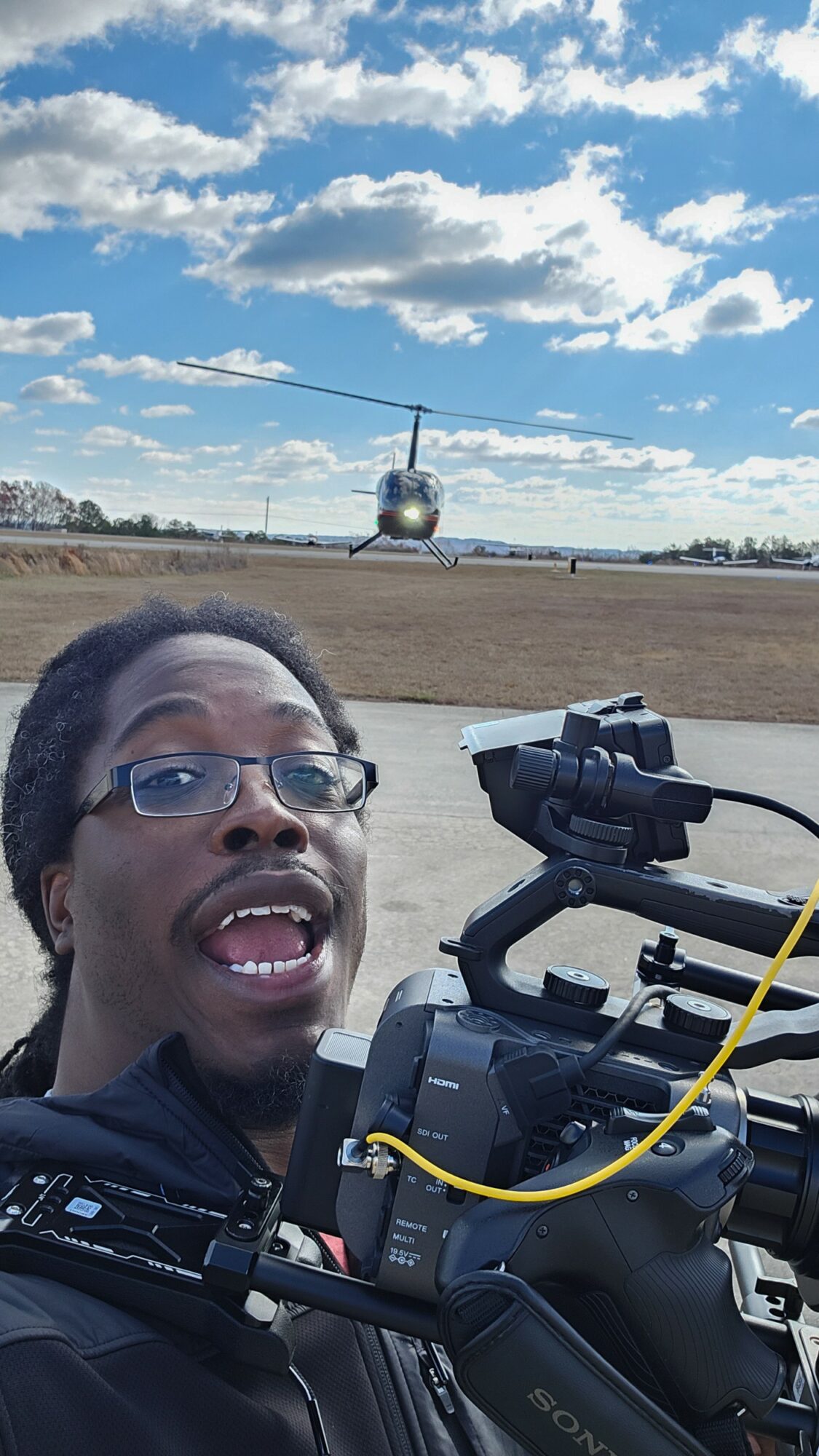
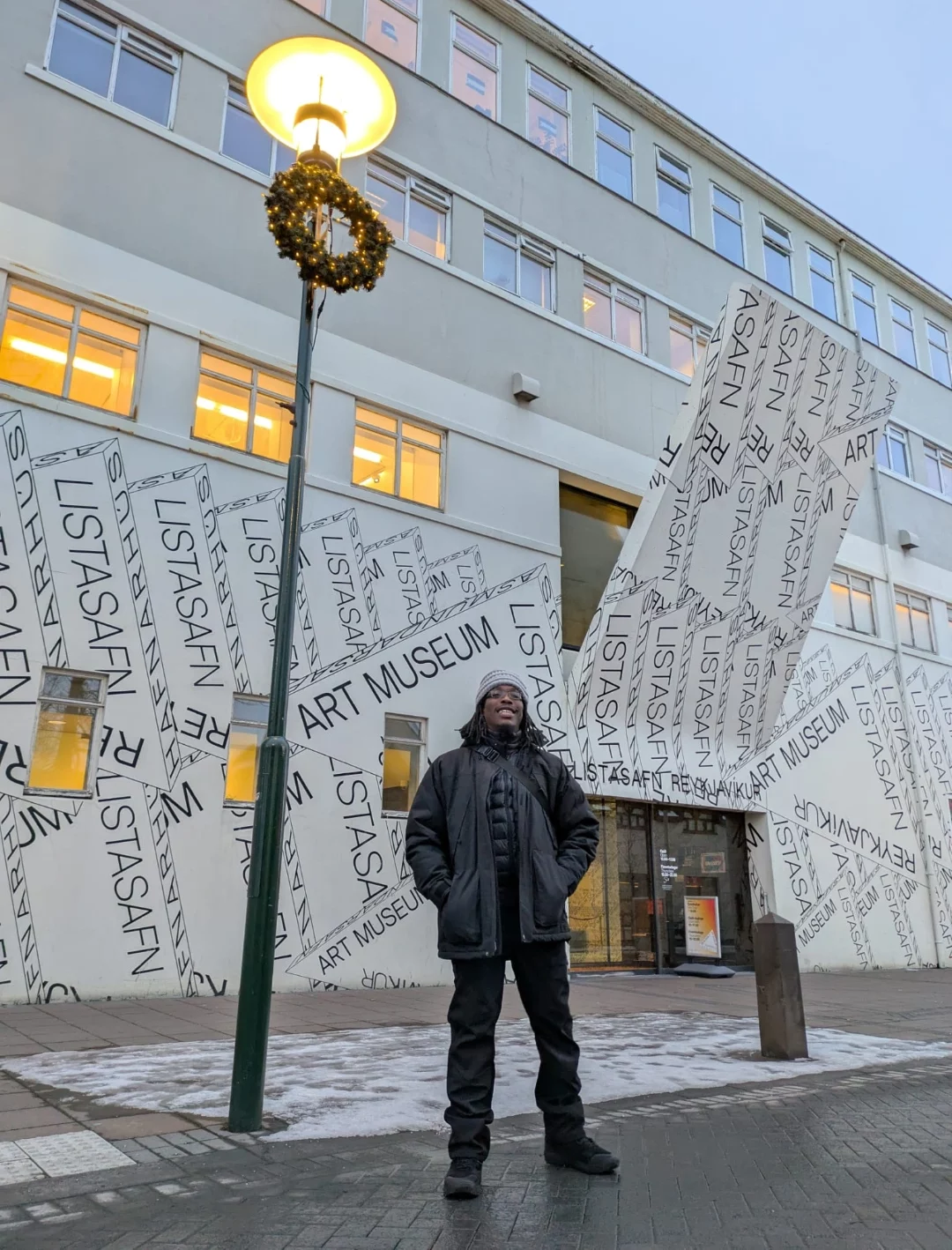
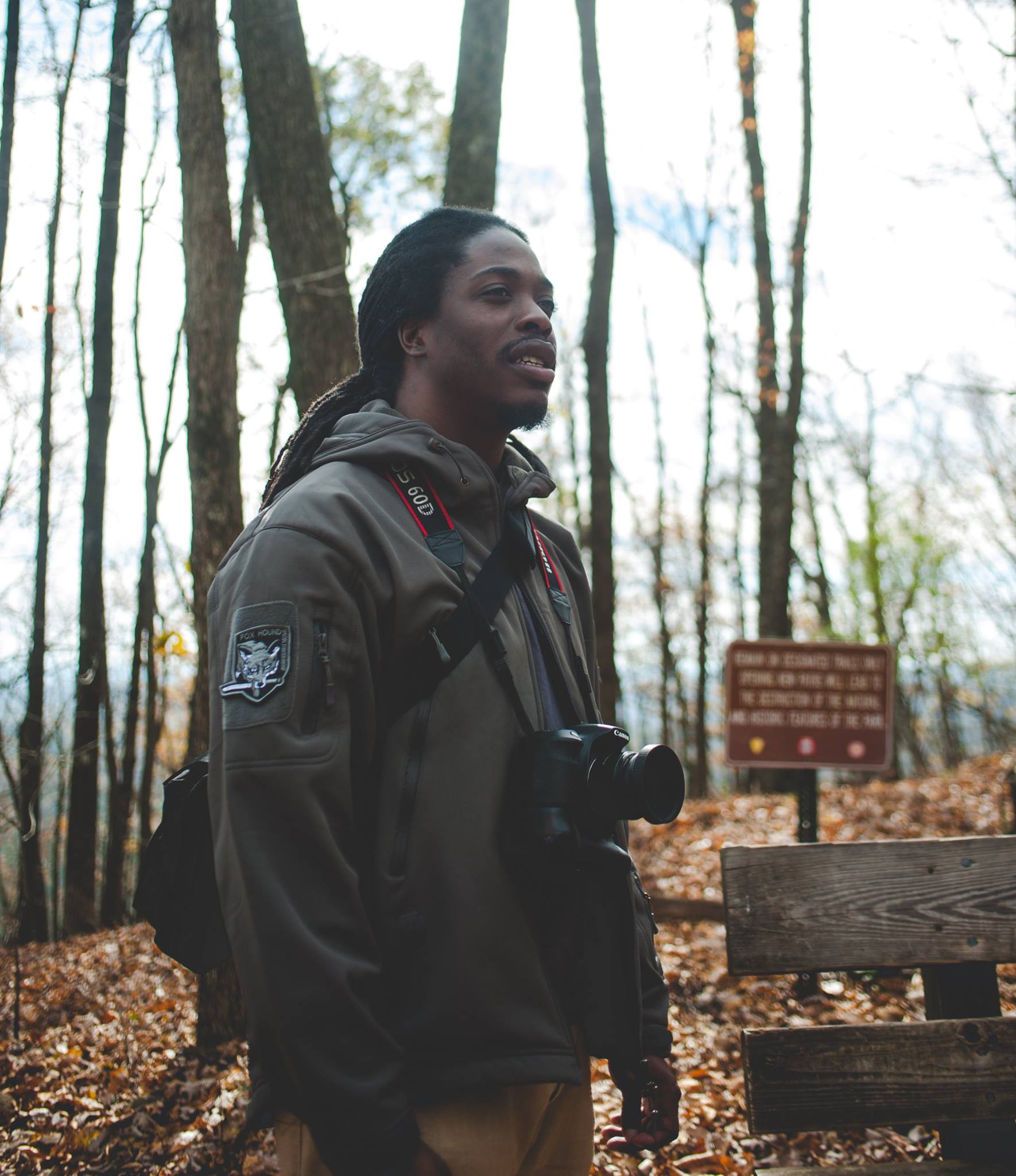
Today we’d like to introduce you to Shahlayo Ranson.
Hi Shahlayo, we’re thrilled to have a chance to learn your story today. So, before we get into specifics, maybe you can briefly walk us through how you got to where you are today?
I’ve always been a multi-hyphenate. Growing up, creativity was just part of how I moved — I learned photography from my mom, taught myself graphic design, and whenever I came to her with a new interest, she found a way to make it happen. I remember her taking me to Pearl Paint in New York to buy inking tools because I wanted to draw comics. She always made room for me to explore.
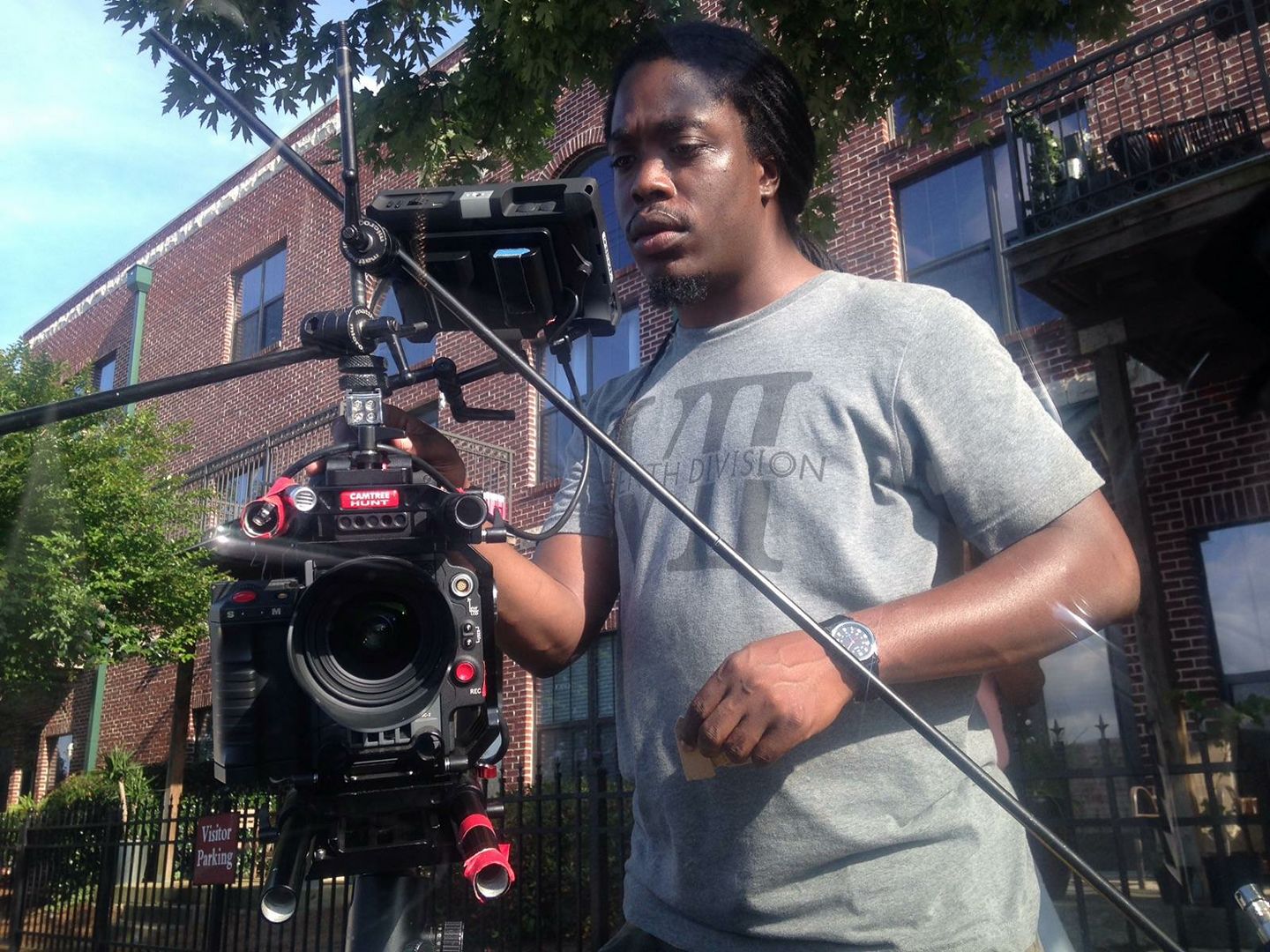
By high school, music and marketing both had my attention. I was deep into learning production and engineering while also interning at an e-commerce company during a moment when brands were just beginning to understand the power of social media. I had a front-row seat to where marketing was headed, and I started seeing a lane for myself at the intersection of music and digital strategy — something like A&R, but built for a new era. So I went to undergrad for audio production, figuring that if I could merge technical music knowledge with marketing instincts, I’d be formidable. What I didn’t anticipate was how quickly that vision would evolve. The music industry wasn’t where I wanted to land after all. Sound design and post-production started pulling me in a different direction — until the Great Recession hit in my final year of college and made that path nearly impossible to enter. So I bet on myself instead. I started a production company with friends from college, jumping into music videos for independent artists and corporate work. I was handling audio and producing initially, but when the opportunity came to step behind the camera, I took it. I studied cinematography, camera operation, and editing with the same obsession I’d brought to everything else, and I hit the ground running.
Freelancing was fulfilling, but I knew it had a ceiling at the level we were at. Businesses deploying substantial marketing budgets aren’t just looking for someone to execute — they want strategic thinking to guide the work. If I wanted a bigger seat at the table, I needed that side of the skillset too. So I went back to school at the University of Florida and earned my master’s in global strategic communications. The combination that I once thought would take me into music had taken me somewhere more interesting: deep into media, communications, and the business of creativity itself.
From there, I’ve moved fluidly between corporate and freelance — and that dual experience has been the real education. Corporate taught me scale: how large organizations think, how campaigns get built across teams, and how creative work functions inside systems and processes at a Fortune 500 level. Freelance kept me sharp, adaptable, and accountable to results without a safety net. At most places I’ve worked, I’ve been the only person in the room who could do both — develop the strategy and execute it at a high level.
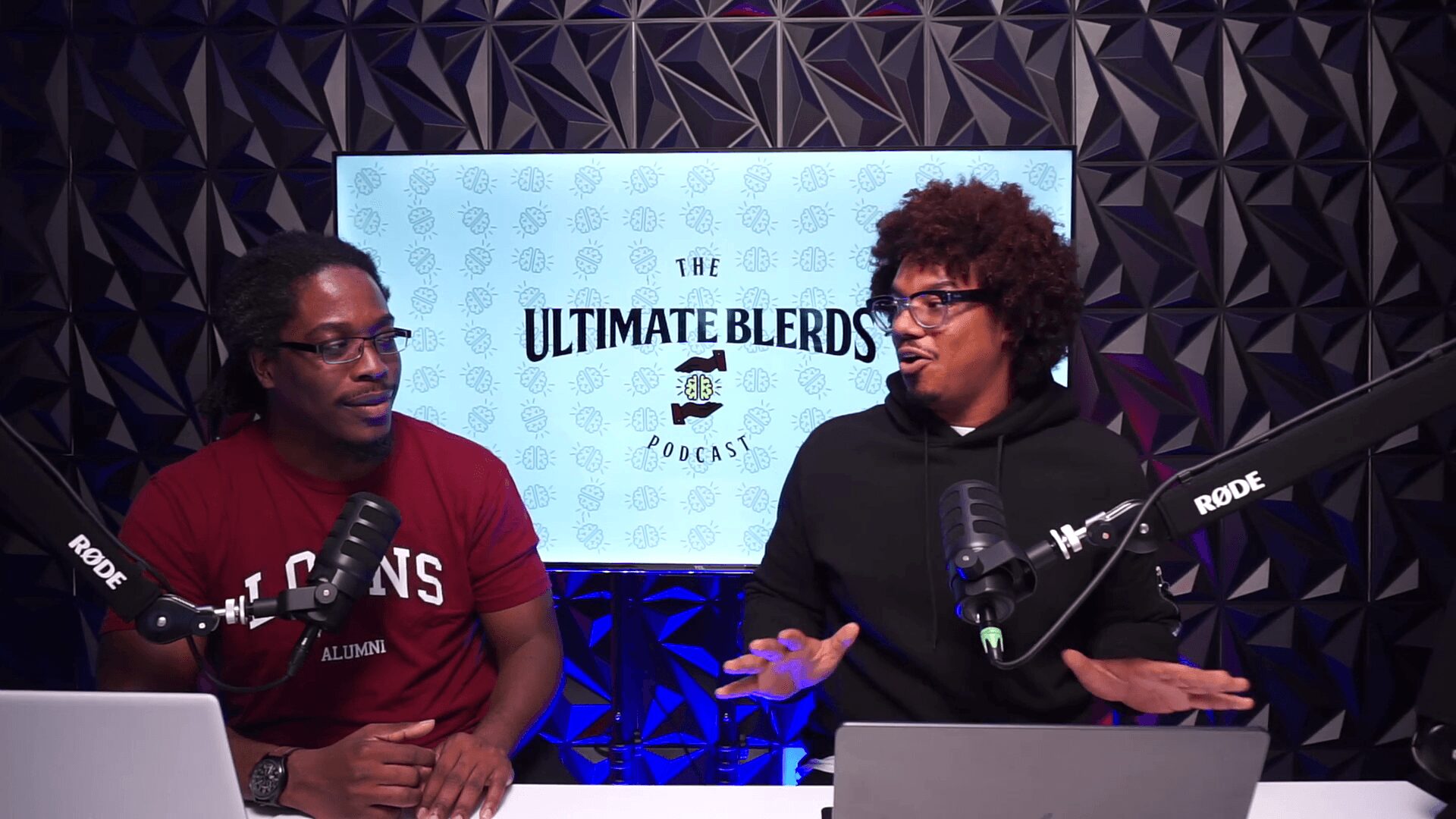
Now, with 15+ years across both worlds and clients ranging from Charles Schwab to independent small businesses, I’ve learned how to bring large-scale thinking to streamlined (not cheap!) budgets. That’s led to work I’m genuinely proud of: the Ultimate Blerds podcast on the WOE Network, producing diverse microdramas for Vertyz and 7/28 Studios, launching Not Yet Rated as an independent short film screening event, and producing my own short film. The throughline in all of it is what it’s always been — finding the intersection of creativity and strategy, and building something interesting and unique there.
Alright, so let’s dig a little deeper into the story – has it been an easy path overall and if not, what were the challenges you’ve had to overcome?
The road has had some real rough patches. The first major one hit at the worst possible time — my final year of college, when I had finally figured out the direction I wanted to go in sound design and post-production, the Great Recession wiped out most of the entry points. Studios weren’t hiring. Post-production houses were contracting. The plan I’d built my education around essentially evaporated before I could execute it. That forced me to pivot fast and bet on myself before I felt fully ready.
Freelancing solved that immediate problem to an extent, but created new ones. Building a client base from scratch, doing free work to earn credibility, and trying to run a business while still sharpening the actual craft — all of that at the same time — is a grind that doesn’t have a clean timeline. There were stretches where the work slowed down and the uncertainty of not having a guaranteed paycheck wore on me more than felt sustainable.
The corporate world brought its own friction. Being told to stay in your lane when you know you have more to offer is a specific kind of frustrating — especially when you’ve put in the work to develop those skills intentionally.
What’s gotten me through all of it is learning to separate what I can control from what I can’t. When things stalled, I’d let myself sit with that feeling long enough to actually process it, not suppress it, and then make a conscious decision about the next move. That’s not a formula that makes the hard times easy. But it’s kept me from making reactive decisions out of frustration, and it’s kept me moving forward every time the path shifted under my feet.
As you know, we’re big fans of you and your work. For our readers who might not be as familiar what can you tell them about what you do?
What I do is sit at the intersection of creative production and strategic communications. I’ve spent 15+ years building the skillset to operate across both sides of that line intentionally. Media production, content strategy, strategic execution: those are the lanes I work in. But what I actually specialize in is understanding how all of those things connect and knowing when to lead with which one.
I run Ranson Productions, where I work with clients ranging from Fortune 500 companies like Charles Schwab to independent small businesses and creators who are building something from the ground up. The range is deliberate. Working at both ends of that spectrum has given me something most people in this space don’t have. I know how creativity functions inside large systems and processes, and I know how to execute at that level on a streamlined budget. That’s a rare combination, and it’s where I add the most value.
On the independent side, I’m probably most visible through the Ultimate Blerds podcast on the WOE Network, where my co-host and I have built a community around Black nerd culture: anime, sci-fi, gaming, comics. Three seasons in, with a growing audience that responds to the fact that we actually know what we’re talking about and can produce at a high level. I’ve also been involved in producing microdramas for Vertyz and 7/28 Studios, and most recently launched Not Yet Rated: Dream to Screen, an independent short film screening event in Atlanta designed to give emerging filmmakers a real exhibition opportunity without gatekeepers in the way.
What I’m most proud of isn’t any single project. It’s the fact that I can walk into any room, from a corporate boardroom to an indie film set, and be genuinely useful. That’s what I’ve built toward: the ability to develop the strategy, execute the work, and understand the business case for all of it, without having to choose which one I am.
Is there a quality that you most attribute to your success?
The most important characteristic to my success has been the ability to learn quickly and adapt without losing my footing. Not just being open to change, but actively seeking out the knowledge that the next version of my career is going to require before I actually need it.
I’ve never had a straight-line path. I went to school for one thing and built a career in something adjacent. I started as the audio guy in my production company and taught myself cinematography and editing from scratch because I could see where the value was heading. When freelancing hit its ceiling, I didn’t just push harder at the same thing, I went back to school and added the strategic layer that would make everything else more valuable. Each one of those moments required me to assess the situation honestly, identify the gap, and go fill it.
That same instinct applies at the project level too. Whether I’m working with a Fortune 500 marketing team or producing an independent short film screening on a tight budget, the problems are never exactly the same. The ability to walk into a new context, understand its specific constraints and opportunities, and build a strategy around what’s actually there rather than what I wish were there is what’s kept me useful across very different rooms and very different clients.
Flexibility without a foundation is just improvisation. What I’ve tried to build is the kind of adaptability that’s backed by enough real knowledge and experience that when things shift, I’m not starting from zero. I’m just finding a new angle.
Contact Info:
- Website: https://shahlayoranson.com
- Instagram: https://instagram.com/recruitzero
- LinkedIn: https://www.linkedin.com/in/shahlayoranson/
- Youtube: https://www.youtube.com/@WoeNetwork
- Other: https://vertyzapp.com
Popular
-
Dr. Cortnie Baity on Expanding Beyond Therapy to Build Scalable Tools for Intentional Living and Relationships
-

Dr. Shameka Campbell on Embracing a New Identity and Guiding Others Toward Purpose and Spiritual Breakthrough
-

ATL’s Most Inspiring Stories
-
Kareem “Reemo Meerak” Tyson on Building The C.U.T.S. Podcast and Creating a Space Where Culture Lives and Breathes
-

Hidden Gems: Local Businesses & Creatives You Should Know
-

Portraits of Atlanta