



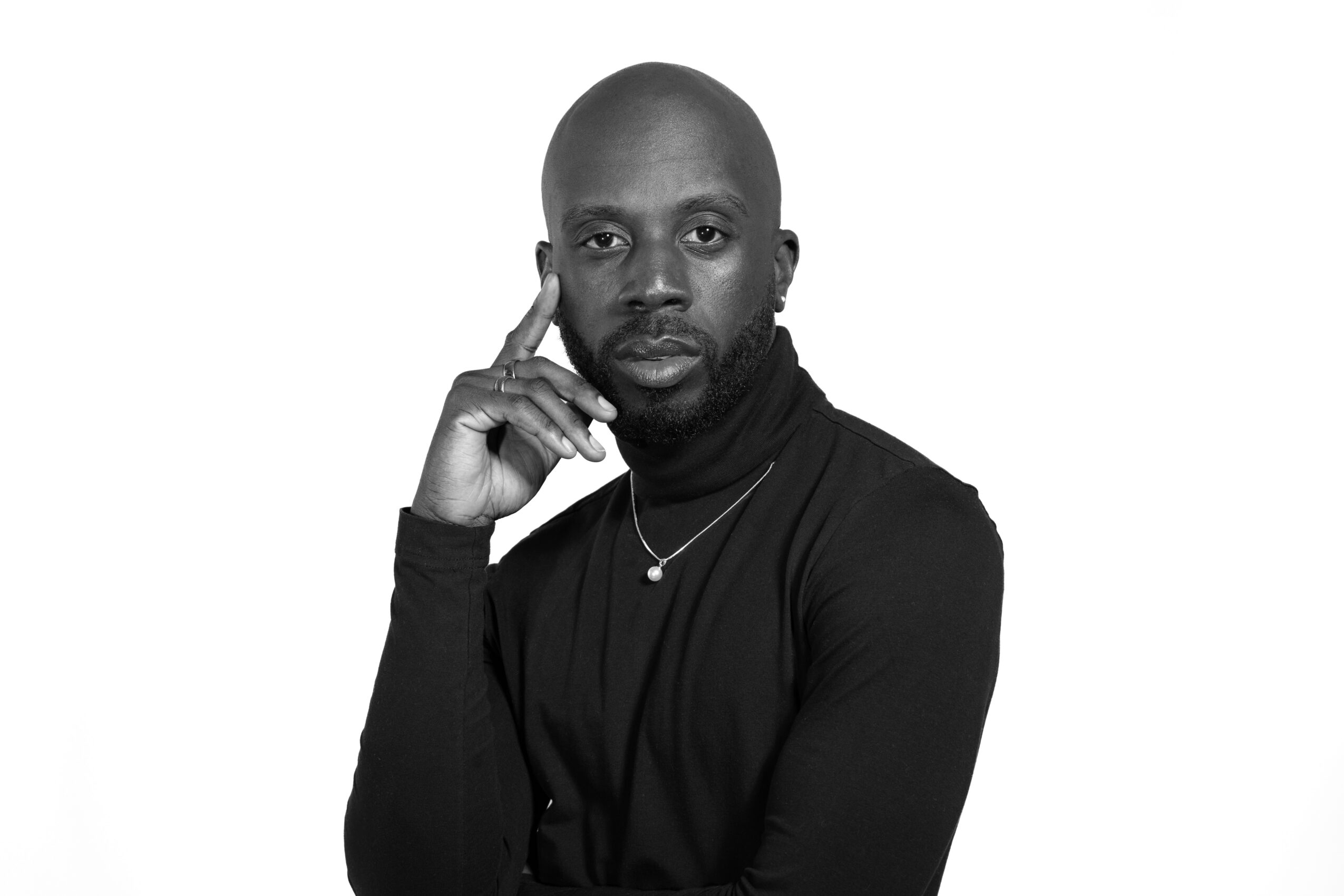
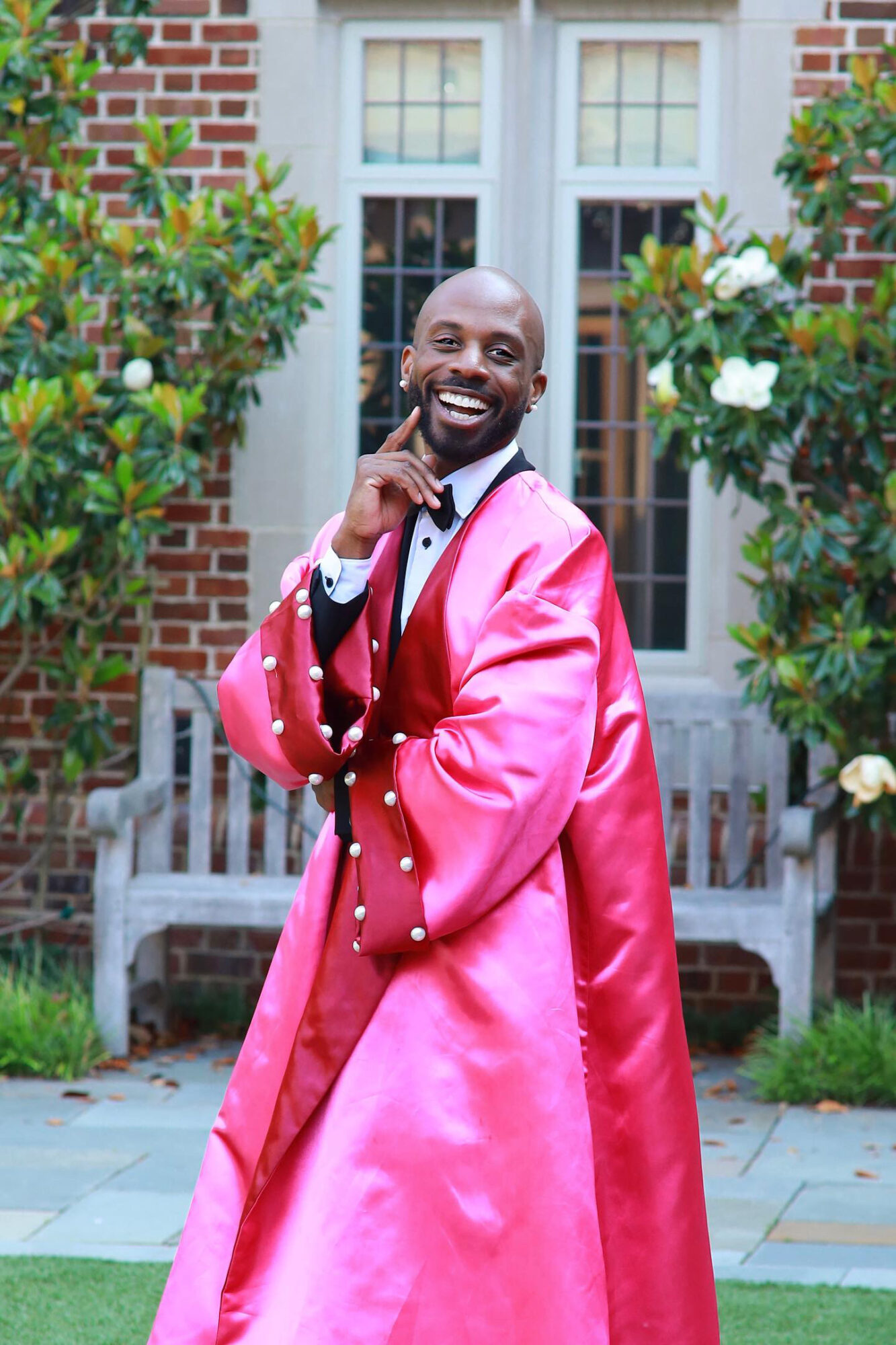
Today we’d like to introduce you to Kadeem Alphanso Fyffe.
Hi Kadeem Alphanso, we’d love for you to start by introducing yourself.
I was born in Queens, New York, to Jamaican immigrant parents and raised in Durham, North Carolina. I’ve always been drawn to the arts and interested in fashion, but I really began to hone my skills and build toward my goals as a student at Durham School of the Arts. That was the first place I started to take my creative voice seriously and understand fashion as a path, not just an interest. It was also during this time that my commitment to LGBTQ+ advocacy began—an ethos that has stayed with me ever since. I’ve always believed in using my voice and my platform to support and fight for marginalized communities, especially the most vulnerable among us.
I went on to study Studio Art and Women, Gender, and Sexuality Studies at the University of Richmond, where I deepened my understanding of identity, culture, and visual expression. From there, I continued my formal fashion training at Parsons School of Design in New York City. Being back in New York—and specifically in that environment—was a turning point. It solidified my commitment to the industry and pushed me to define myself before the world tried to do it for me.
After Parsons, I immersed myself in the New York fashion industry, starting with internships and assistant roles that quickly evolved into leadership opportunities. Over the past decade, I’ve worked across luxury couture, global fashion houses, and independent ventures—everything from Michael Kors to Burberry to leading design and production for emerging brands.
Today, I operate at the intersection of creative direction and operations, leading couture production, consulting on new brands, and building my own body of work as a designer and author. In addition to my creative work, I serve on the board of BTTC/MIQ-USA, where I continue to support LGBTQ+ visibility and advocacy through community-centered initiatives.
My career has never been linear—it’s been about building infrastructure for my own success. Whether it’s showing at New York Fashion Week, producing work at the Kennedy Center, or publishing my book Threading the Needle, everything I’ve done has been about creating space where it didn’t previously exist—and ensuring that others can exist in those spaces as well.
I’m sure it wasn’t obstacle-free, but would you say the journey has been fairly smooth so far?
It definitely has not been a smooth road. Fashion is a relentless, often cutthroat industry, and building a career in it requires both resilience and clarity of purpose.
Showing up fully as myself in every room I walk into has come with a cost. Being Black, young, and operating at a high level in spaces that aren’t always designed for you means you’re often navigating bias, being underestimated, or overlooked entirely. There have been moments where I’ve had to work twice as hard for opportunities that others are simply handed.
At the same time, those challenges have sharpened me. They’ve forced me to become not just a designer, but a strategist—someone who understands how to create my own opportunities rather than wait for them. I’ve learned how to advocate for myself, how to build independently, and how to maintain my sense of identity in an industry that can sometimes try to dilute it.
So no, it hasn’t been easy—but every challenge has contributed to the level of precision, discipline, and self-possession I bring to my work today.
Thanks – so what else should our readers know about your work and what you’re currently focused on?
I think of myself first and foremost as a multidisciplinary artist. Fashion is my primary medium, but my work extends into visual art, writing, and cultural production. I operate across design, creative direction, and storytelling—whether that’s building a collection, producing an experience, or writing about identity, fashion, and becoming.
I specialize in bringing ideas to life from concept through execution. That can look like couture design and studio direction, consulting and building brands from the ground up, or creating work that exists in more artistic or institutional spaces. At the core of everything I do is a focus on identity, presence, and how we use aesthetics to define ourselves in the world.
What I’m most proud of is the range and intention behind my work. Having the opportunity to show and present work internationally—especially through my residency in Greece—was a major moment for me. It affirmed that my perspective and voice translate beyond a single city or industry. I’m also incredibly proud of building a body of work that spans New York Fashion Week, the Kennedy Center, and my writing as an author.
What sets me apart is that I’ve never limited myself to one lane. I’ve been able to do—and will continue to do—anything I set my mind to, on my own terms. I don’t wait for permission or traditional pathways. I build my own structure, follow my own rules, and move across disciplines in a way that feels fluid but intentional. That freedom, and that level of self-definition, is at the core of my work.
What’s next?
Right now, I’m focused on expanding my work beyond fashion and deeper into storytelling and authorship. I’m currently working on my second book, Sunday Best: Notes on Fashion, Faith, and Becoming, and I’m represented by Susan V. Colmant at Jabberwocky Literary Agency.
Sunday Best is a love letter to the Black church pew as a front row seat—to the women whose Sunday looks could part seas like Moses, and to the boy who watched it all in awe. It sits at the intersection of fashion history, cultural commentary, and personal archive, exploring how church style shaped a generation through a deeply personal, millennial lens. Structured chronologically to mirror my own coming of age, the book traces the evolution of church fashion from the ’90s to today—moving through non-denominational megachurches, Southern white Pentecostal spaces, and traditional Black Southern Baptist congregations.
At its core, the book is about how fashion functions as language—how a wide-brimmed hat, a sharp suit, or a stiletto heel can communicate hierarchy, aspiration, reverence, and resistance all at once. It’s about the church as my first runway, my first classroom, and the place where I began to understand style as power. With cultural commentary, vivid storytelling, and a deep reverence for the ritual of getting dressed, Sunday Best explores identity, faith, and legacy—and ultimately charts my journey toward becoming a designer shaped by spirit, memory, and style.
Alongside the book, I’ve been developing a body of work on Substack—an evolving collection of essays that both stands on its own and helps inform the book. It’s been a powerful way to share my voice in real time, build community, and refine the ideas that will live in Sunday Best.
Looking ahead, I’m excited to continue expanding this work and sharing more of my story with the world. I’m focused on building a body of work that moves fluidly between fashion, writing, and visual art—one that feels intentional, expansive, and fully my own.
Contact Info:
- Website: IN PROGRESS: https://kadeemalphansofyffe.com
- Instagram: https://www.instagram.com/k_alphanso/
- LinkedIn: https://www.linkedin.com/in/kadeem-alphanso-fyffe-86a416137/
- Other: https://kadeemalphansofyffe.substack.com
Popular
-

Dr. Cortnie Baity on Expanding Beyond Therapy to Build Scalable Tools for Intentional Living and Relationships
-

Dr. Shameka Campbell on Embracing a New Identity and Guiding Others Toward Purpose and Spiritual Breakthrough
-

Kareem “Reemo Meerak” Tyson on Building The C.U.T.S. Podcast and Creating a Space Where Culture Lives and Breathes
-

Hidden Gems: Local Businesses & Creatives You Should Know
-

ATL’s Most Inspiring Stories
-

Portraits of Atlanta