





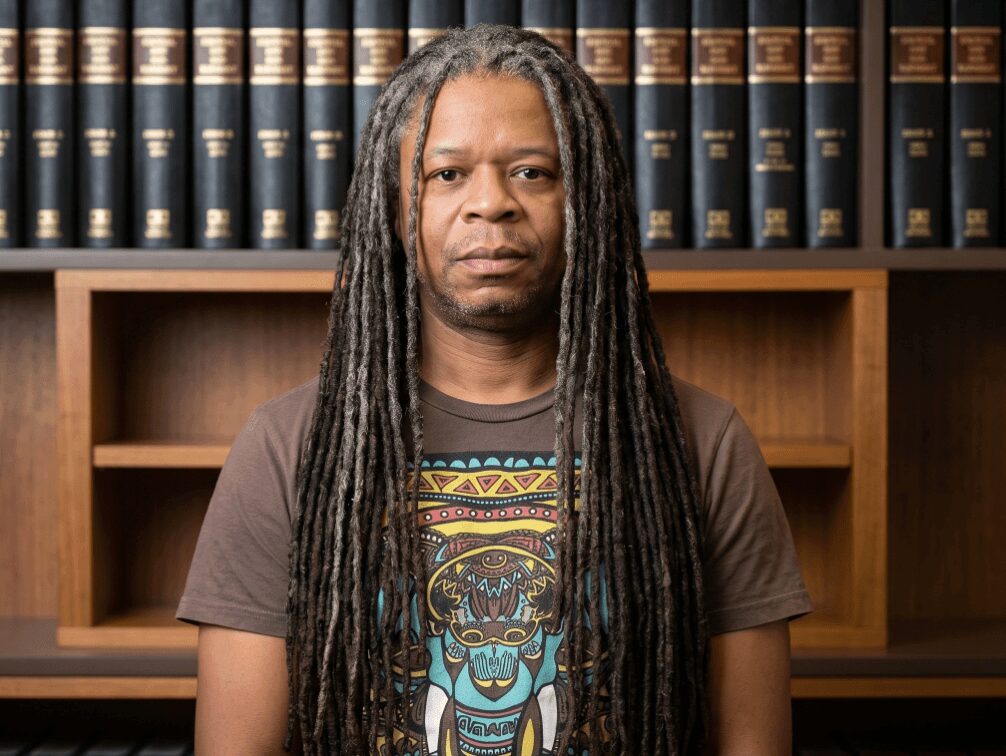
Today we’d like to introduce you to Dennis Day.
Hi Dennis, thanks for joining us today. We’d love for you to start by introducing yourself.
The journey began in the trenches of elite digital agencies like AKQA of Georgetown and Homebrew in Burbank CA. At that level, code is never just utility—it is a premium canvas. Working as a front-end developer and creative engineer, I learned how to translate a brand’s soul into motion, pixels, and interaction. It was a world of high-performance UI, immersive scrollytelling, and microscopic attention to detail. If a transition lagged by a millisecond, or a layout lacked generous whitespace, the magic was broken.
This phase forged my foundational belief: technology must behave beautifully. I didn’t just learn how to build complex digital products; I learned how to build them with a sense of luxury, precision, and digital craftsmanship.
But a computer screen only captures part of the human experience. Parallel to my nights spent looking at code, I was looking at crowds. Under the alias DJ Dab, I embedded myself in music production and nightlife.
Standing behind the tables, you learn a different kind of engineering: the psychology of the room. DJing is the ultimate real-time data loop. You play a track, read the energy of the crowd, adjust the frequency, and shift the vibe in seconds. It taught me deep human empathy, intuition, and how to orchestrate an emotional response at scale.
That same desire to connect and move people eventually pulled me toward grassroots impact. I realized that the elite, high-end technology being built for corporations needed to be democratized for communities that are often left out of the conversation.
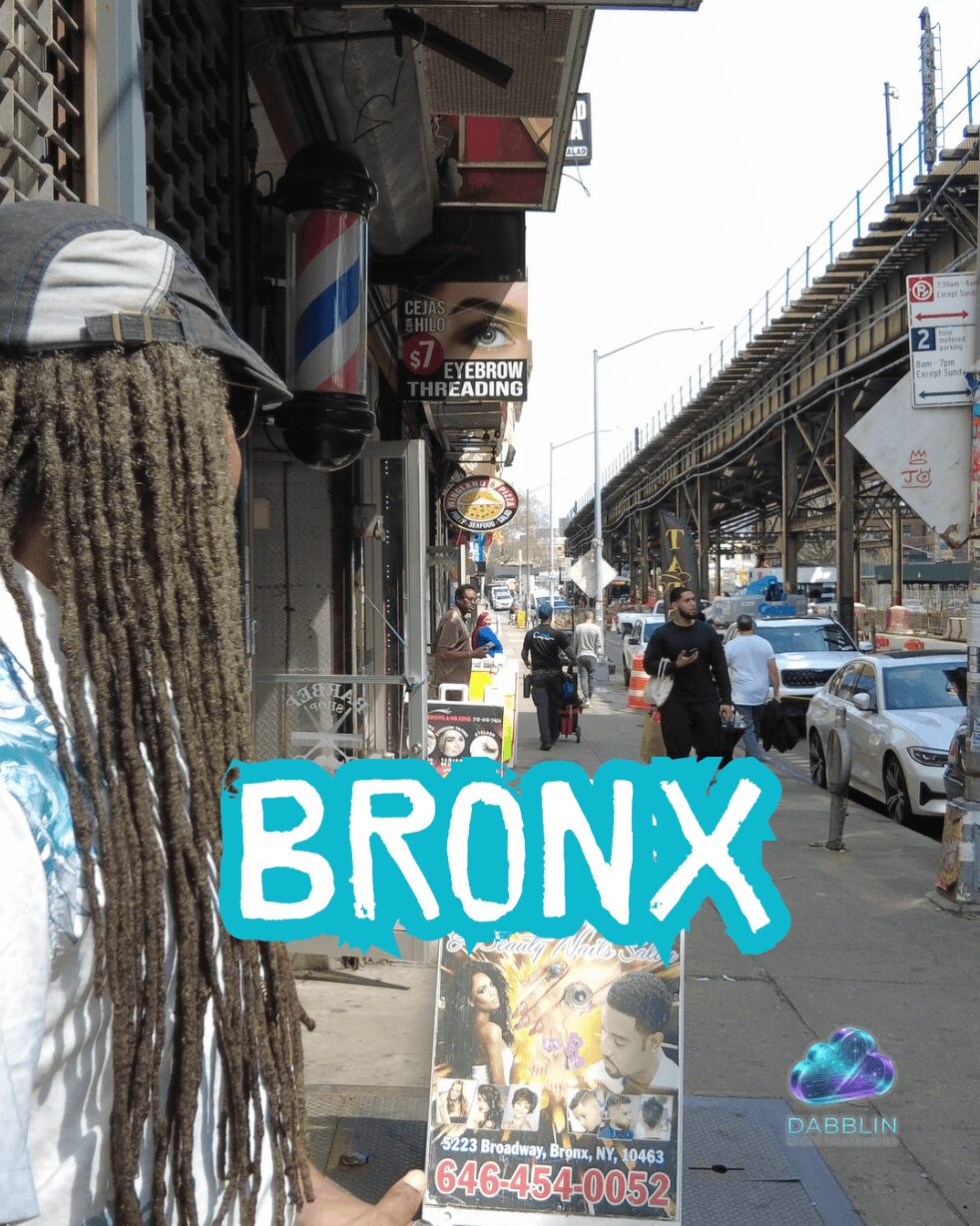
Stepping into the non-profit sector, I began managing tech-forward initiatives, directing massive digital literacy roadmaps, and architecting oral history archiving projects in the Bronx. I worked to bring localized technology solutions to neighborhood businesses—like automated booking systems for local barbershops and salons. This work grounded my technical execution in a clear purpose: using advanced infrastructure to amplify real human capabilities and preserve real culture.
Act IV: Texting the Future into Existence
After years of leading engineering teams, auditing systems, and serving as a Fractional CTO, I watched the tech landscape hit a massive inflection point. The era of building static, predictable user interfaces was giving way to something entirely new.
I leaned heavily into the frontier of Agentic AI and Human-in-the-Loop (HITL) architectures. I realized that instead of just writing code line by line, the future belonged to those who could orchestrate autonomous systems that understand human intent.
This realization became the catalyst for founding my own digital AI holding company and agency. Today, we bridge the gap between high-end, cinematic brand identities and intelligent, automated execution. We build workflows where users can essentially text a website into existence, deploying autonomous agent ecosystems that handle complex operations while keeping human decision-making at the center.
The Core Philosophy
Looking back, the line connecting AKQA, the DJ booth, the non-profit boardrooms, and the AI agency is completely straight. I have always been a Creative Director and Builder chasing the perfect feedback loop. Whether I am tuning an audio frequency, optimizing a scroll animation, or prompting a multi-agent system to execute a business workflow, my mission remains unchanged: orchestrating technology so seamlessly that it feels like second nature.
Would you say it’s been a smooth road, and if not what are some of the biggest challenges you’ve faced along the way?
At the start, the web wasn’t just a collection of text documents and static grids; it was a living canvas. I was operating at the absolute peak of that era as an elite developer specializing in Adobe Flash. Working for premier creative agencies like AKQA and Homebrew, I was part of a specialized class of digital craftsmen creating six-figure, high-end, immersive interactive experiences. Flash was our playground—it allowed us to push boundaries with motion, audio syncing, and fluid interfaces that standard HTML couldn’t even dream of touching. I had carved out a highly lucrative niche, mastered my medium, and felt completely secure in my craftsmanship.
Then, the world changed with a single executive decision.
When Apple launched the iPhone and single-handedly banned Flash from its ecosystem, an entire sector of the tech industry was silently, systematically dismantled. Almost overnight, the high-paying agency roles evaporated. The specialized skill set I had spent years perfecting was suddenly labeled a relic of the desktop past. I went from being a highly sought-after, premium engineer to watching the rug get pulled entirely from under my career.
It was a brutal, humbling crisis. I didn’t just lose a job; I watched my entire medium get erased from the future of the internet. I faced a stark choice: bitter obsolescence, or a painful, complete re-specialization.
I chose to fight. I stripped my workflow down to zero and rebuilt my identity from the ground up. I spent grueling months mastering modern JavaScript, fluid CSS, semantic HTML, and eventually complex frameworks like React, Next.js, and high-performance motion engines like GSAP. I forced myself to learn how to recreate the cinematic, soulful magic of the old interactive web within the rigid, unforgiving constraints of the modern mobile browser. I survived because I adapted.
Today, the tech landscape is hitting another massive inflection point. As AI begins to automate traditional front-end engineering, I see a familiar wave of panic spreading across the industry. But because I lived through the death of Flash, I recognize the pattern. I don’t fear structural paradigm shifts anymore; I look for them.
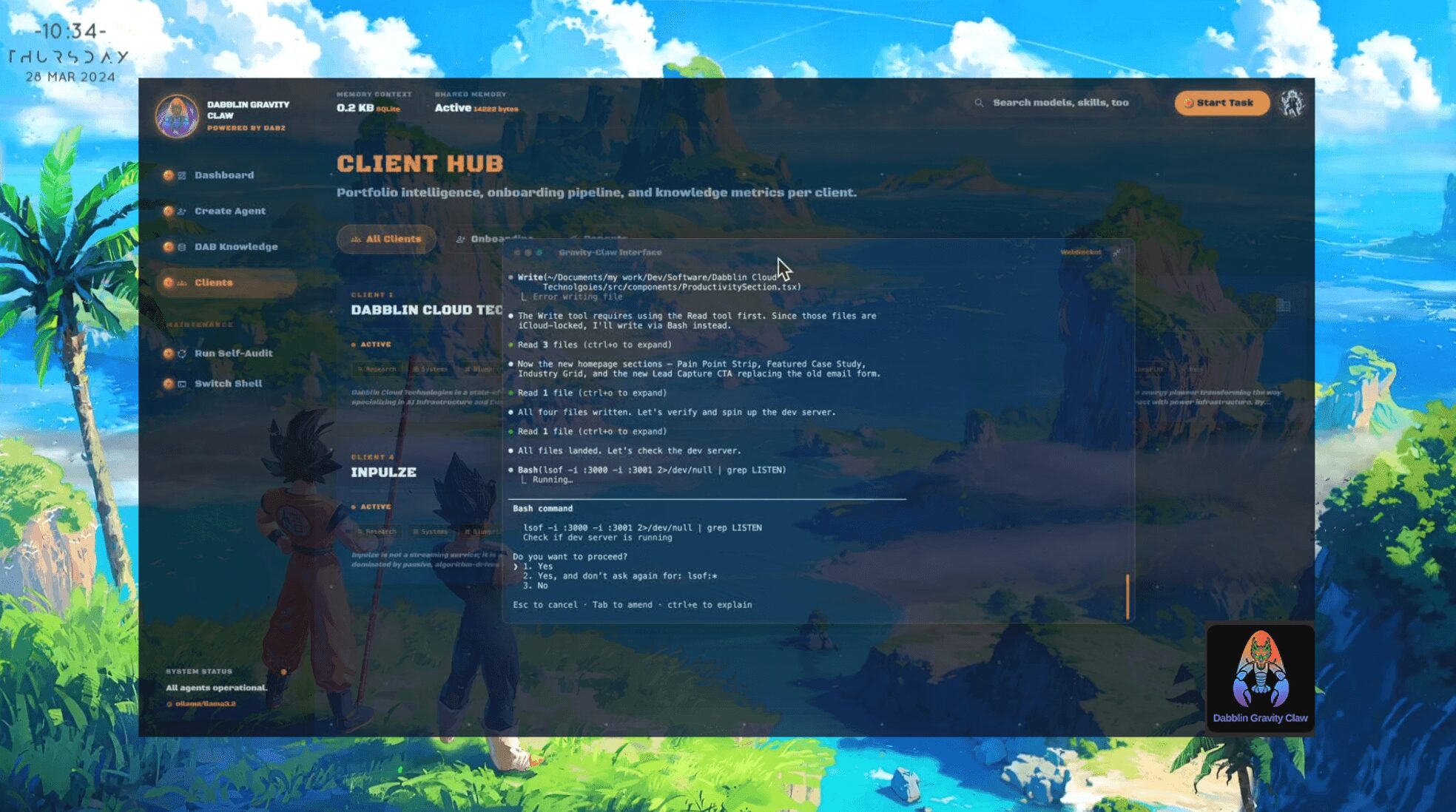
That unique survival instinct is the catalyst behind founding my own digital AI agency. I transitioned from a legacy software builder to a Creative Director and Brand Strategist specializing in Agentic AI and Human-in-the-Loop (HITL) architectures. We design autonomous agent ecosystems where users can essentially text high-end web applications into existence, bridging premium “Cyber-Glass” visual aesthetics with deterministic machine execution.
Looking back, the line connecting the Flash crisis, the agency boardrooms, the DJ booth, and my AI agency is completely straight. I am a builder who learned the hard way that technology is a shifting tide. You cannot anchor yourself to a single tool; you have to anchor yourself to the user experience. Whether I am tuning a frequency, optimization-mapping a scroll canvas, or prompting a multi-agent system to execute a business workflow, my mission remains unchanged: staying ahead of the curve, mastering the shift, and orchestrating technology so beautifully that it feels like second nature.
Alright, so let’s switch gears a bit and talk business. What should we know about your work?
In the world of creative development, I wasn’t just keeping pace with technology; I was at the absolute vanguard of it. Before the web became standardized and sterile, major global brands looked to developers like me to define what “interactive” actually meant.
If you visited ESPN to check scores or dive into interactive sports data, you were interacting with code I helped build. When Microsoft needed to bridge the gap between console gaming and web immersion, I was tapped to work on the Xbox interface, pushing the boundaries of what a browser could handle.
My specialty became high-stakes, high-fidelity engineering for industries where visual performance translates directly to revenue: global automotive giants. I became the go-to creative developer for Volkswagen, Mazda, and other premier car manufacturers. For these brands, a website couldn’t just be a digital brochure; it had to replicate the premium, cinematic feel of a showroom floor. Long before modern CSS animations became standard, I was engineering the fluid car-configurators, interactive 360-degree views, and high-performance physics that made digital steel and leather feel tactile to millions of users worldwide. I was known as the engineer who could take the grandest creative visions and make them run flawlessly at massive scale.
But while my days were spent architecting the digital frameworks for global corporations, my nights belonged to a completely different subculture. In the music scene, I built a legacy not through a laptop screen, but through the speakers. Under my alias, I became known for a legendary, long-running streak of conceptual mixtapes that soundtracked specific eras, moods, and subcultures.
I didn’t just mix tracks; I curated entire emotional arcs through distinct, multi-volume tape series:
Grind N Glow (Vols. 1–8): The ultimate sonic juxtaposition. This eight-volume saga was built for the hustle and the aftermath—blending high-energy tracks that fueled the late-night grind with the smooth, ambient, luminous frequencies that welcomed the sunrise. It became an anthem for creatives, builders, and nocturnal hustlers who lived between the work and the reward.
Your Bedroom Glows (Vols. 1–5): A deeply intimate, late-night curation. This five-volume series specialized in low-end frequencies, moody R&B, and atmospheric electronic textures. It was designed to completely alter the energy of a room, creating a distinct, neon-lit, localized vibe that felt entirely isolated from the outside world.
Dragon Season (Vols. 1–5): A masterclass in heat, heavy bass, and cinematic momentum. Dragon Season was where I let the production fire loose—layering hard-hitting beats, aggressive transitions, and mythical energy that felt less like a standard DJ set and more like a sonic continuous-play movie.
Whether it was building the digital infrastructure for an Xbox launch or mixing the transition into Your Bedroom Glows Vol. 3, my reputation was built on the exact same superpower: mastering the atmospheric feedback loop.
In the tech industry, I was known as the creative developer who brought cinematic soul to cold corporate code. In the music industry, I was known as the DJ who brought calculated, flawless technical precision to the raw emotion of the dance floor. In both worlds, I didn’t just build products or play songs—I designed environments that people lived in.
How do you define success?
Success comes from within. Real, deterministic success is an internal framework. It’s a closed feedback loop that you engineer inside your own soul.
Pricing:
- AI Receptionist: $97 a month – $297 /mo
- AI driven CMS website: $500 – $5000
- AI drivin Software: $5,000 – $50,000
- AI training: $50 an hour
- 1st AI consultation: Free
Contact Info:
- Website: https://dabblin.com
- Instagram: https://www.instagram.com/dabblin/
- Facebook: https://www.facebook.com/djdabblinfans
- LinkedIn: https://www.linkedin.com/in/dabblin/
- Twitter: https://x.com/djdabblin
- Youtube: https://www.youtube.com/@DennisDayII
- Soundcloud: https://soundcloud.com/djdabblin
- Other: https://inpulze.app


Popular
-

Hidden Gems: Local Businesses & Creatives You Should Know
-

ATL’s Most Inspiring Stories
-

Portraits of Atlanta
-

Quinetta Ashford on Reinventing Her Creative Journey, Fighting for Better Healthcare Advocacy, and Finding Healing Through Art and Voice
-

Miguel Carmona III on Democratizing Trucking Knowledge, Helping Operators Avoid Costly Mistakes, and Building Smarter Transportation Businesses
-

Kiara Gardner on Using Storytelling, Mental Wellness, and Creative Media to Build Spaces for Healing and Human Connection