


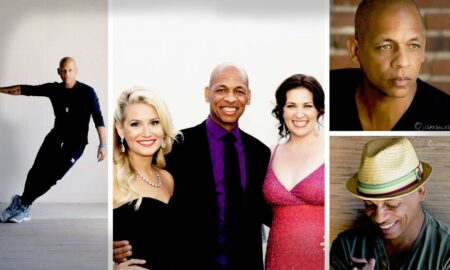



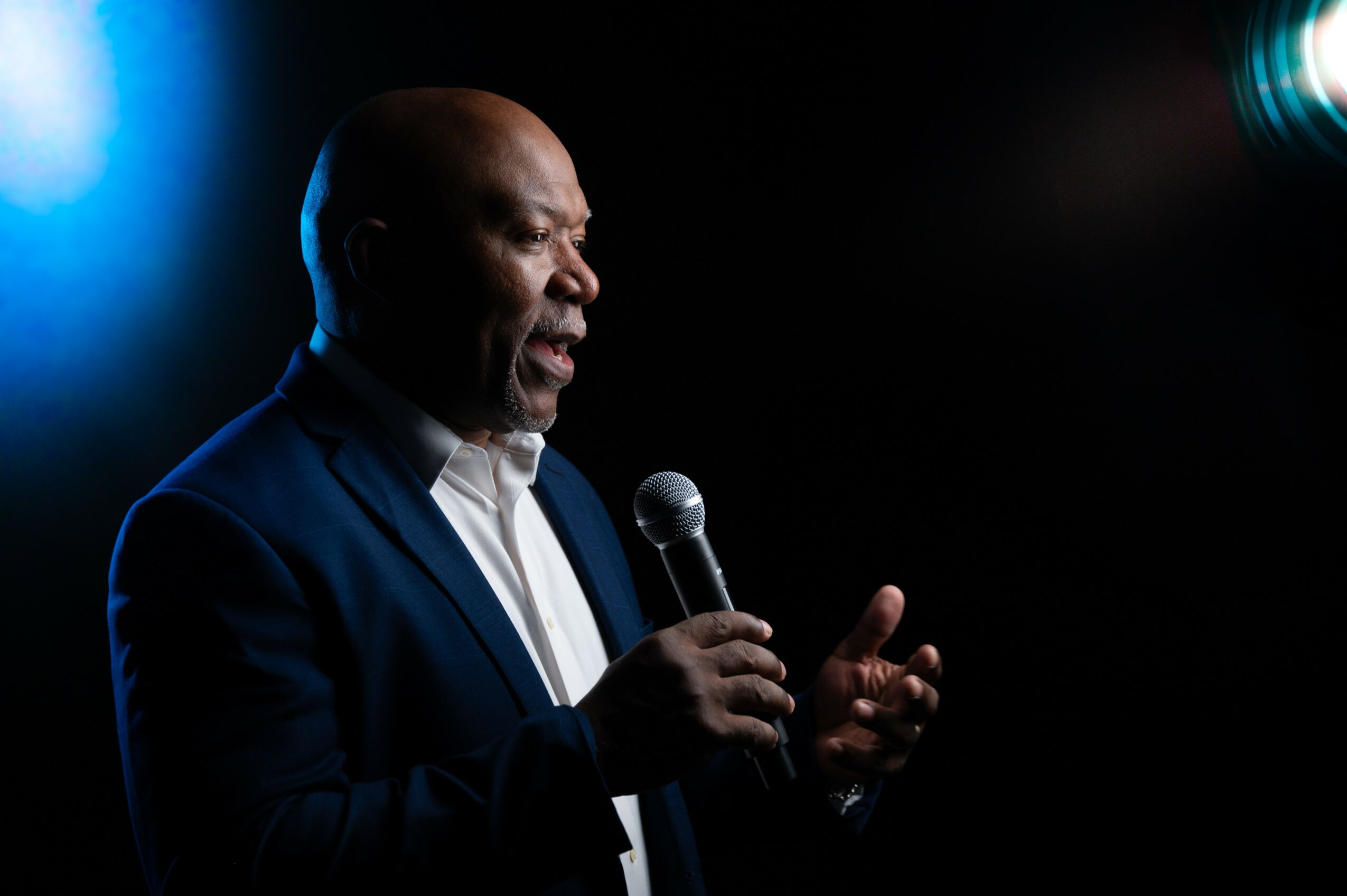
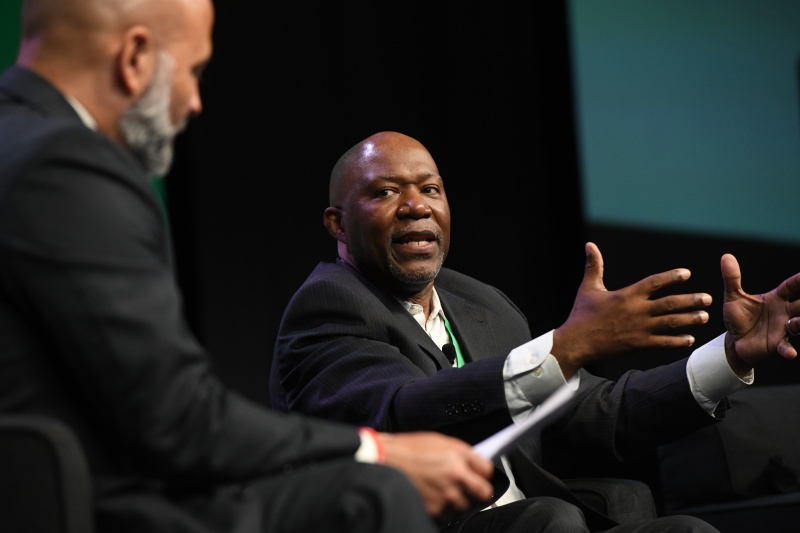
Today we’d like to introduce you to Dr. I. David Daniels
Hi Dr. I. David, please kick things off for us with an introduction to yourself and your story.
My story has taken a unique path from a professional perspective. However, I don’t know that I would trade the road I’ve traveled to become the safety professional I am today. I am the eldest child of a single Mom of seven, born and raised primarily in Seattle, Washington, but I also lived in East St. Louis, Illinois. While I didn’t know that I would become a safety professional as I was growing up, I now know that I was exposed to several psychosocial and physical hazards in the communities where I was raised.
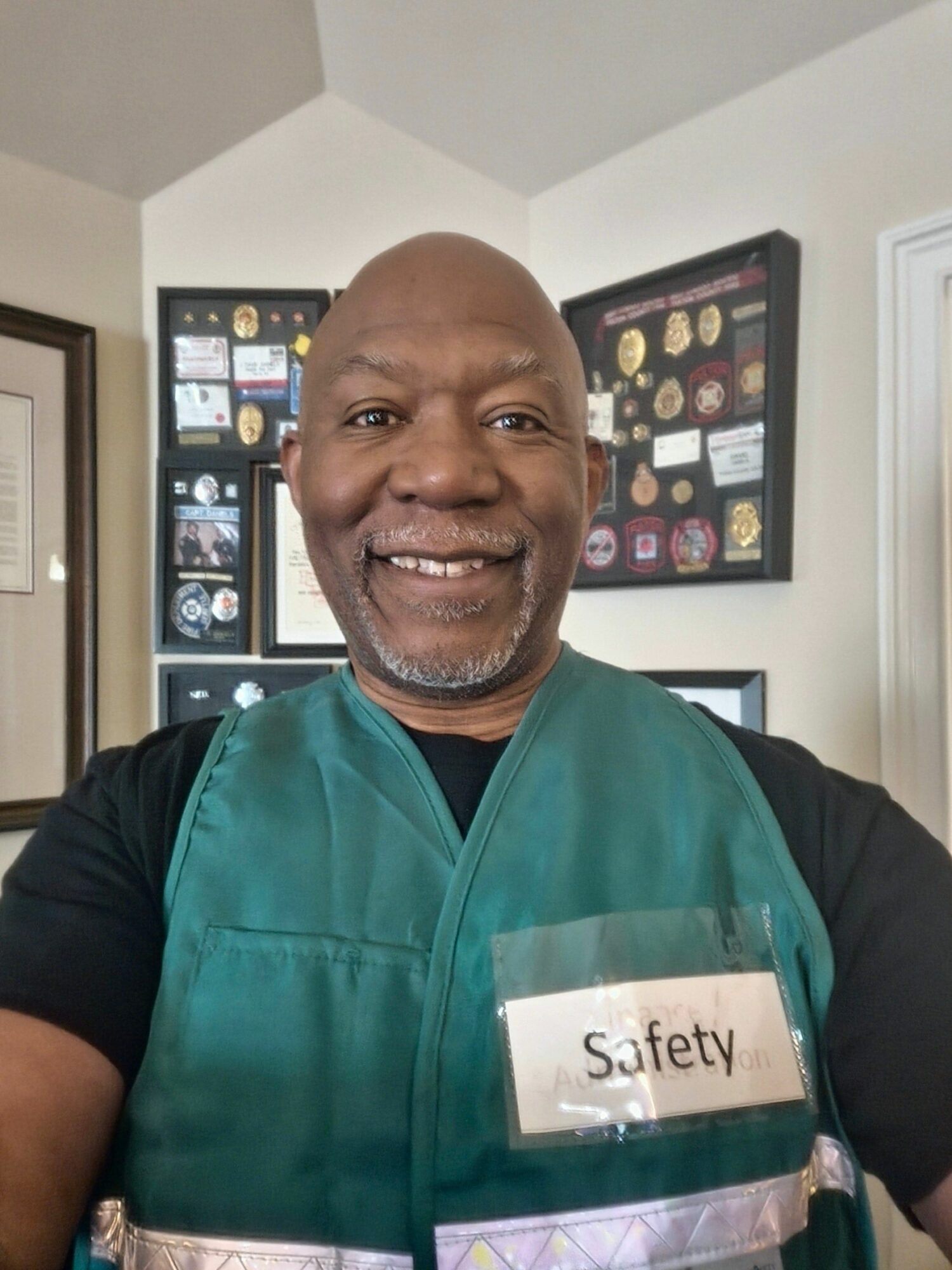
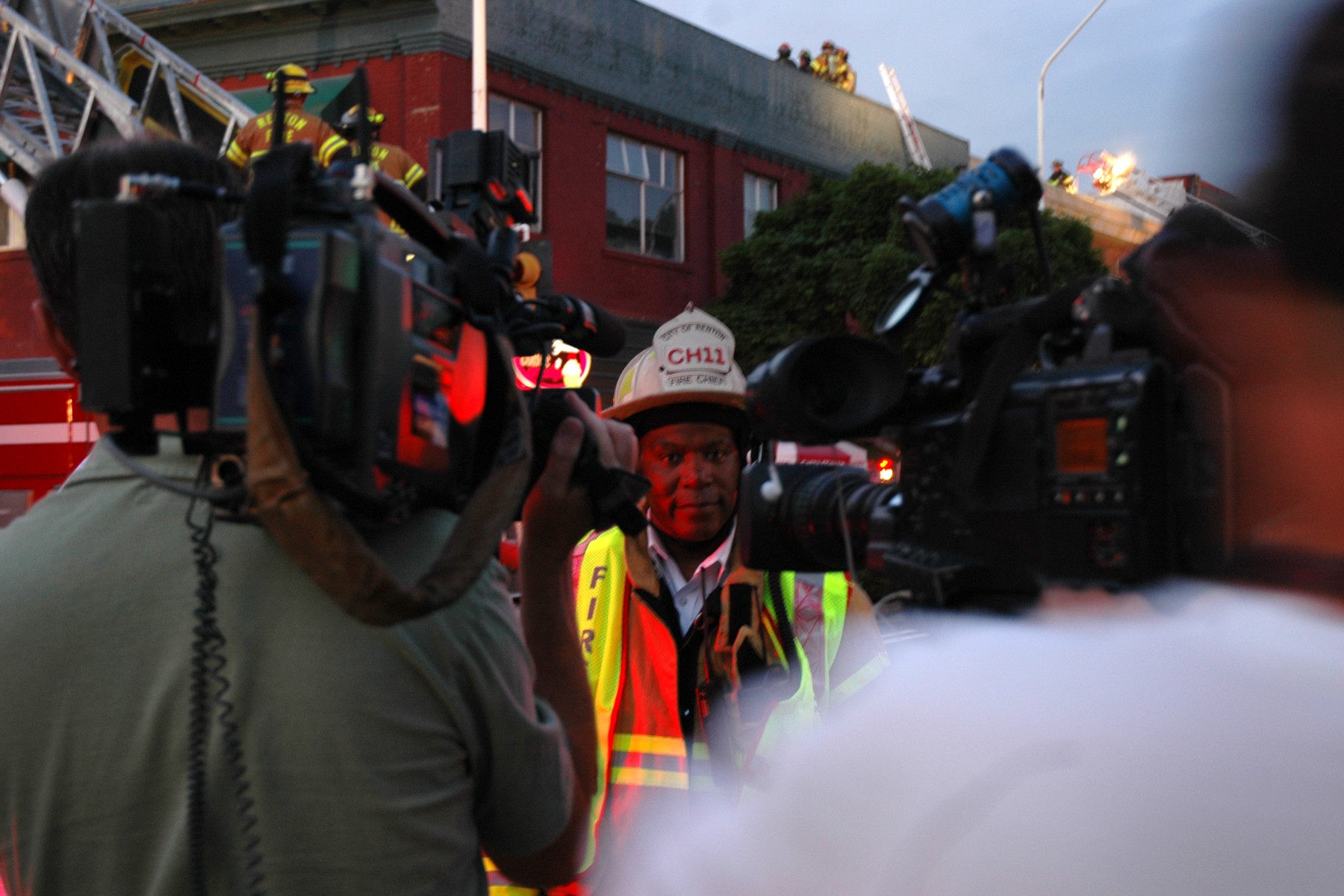
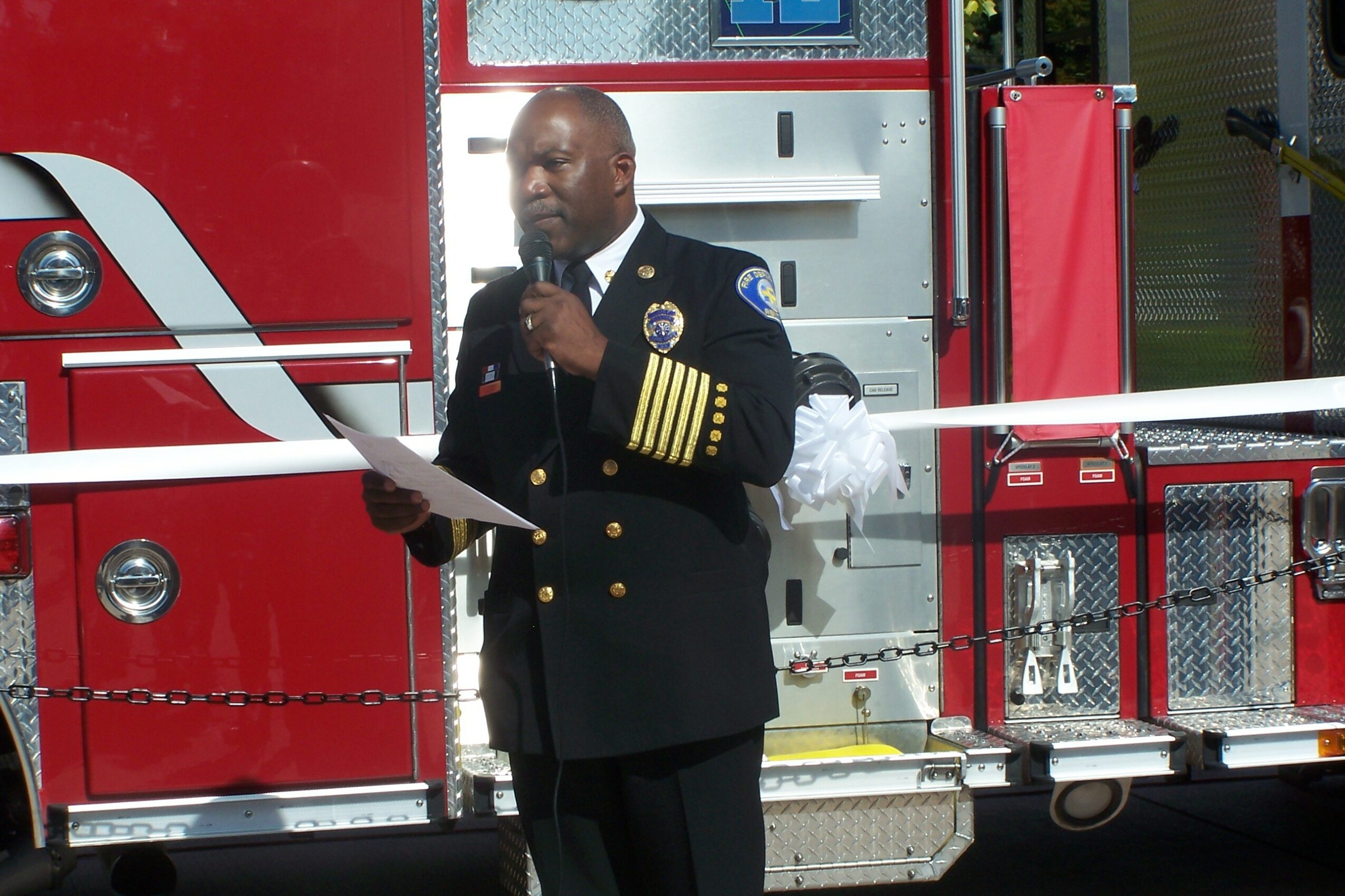
After graduating high school, I became a carpenter for a few years before becoming a firefighter in Seattle, Washington. Over 20 years, I was assigned to 28 spots, including serving as a FEMA Urban Search and Rescue Task Force member, responding to national incidents such as the Loma Prieta Earthquake and the Oklahoma City Bombing. My last assignment was as the Assistant Fire Chief of Safety and Employee Services, responsible for human resources, equal opportunity employment, training, and safety. I left Seattle to serve as fire chief in Fulton County, Georgia. I also served at the national level as the chair of the International Association of Fire Chiefs (IAFC) Safety Committee, the founding chair of the Safety Health and Survival Section of the IAFC, and the first safety perspective on the IAFC Board of Directors. In 2021, I was inducted into the National Fire Heritage Center’s Hall of Legends, legacies, and Leaders. I was the first living African American to be inducted.
I’ve strived to improve my knowledge and skills through various educational and vocational pursuits. As a nontraditional student, I completed an undergraduate degree in fire services and administration over twelve years. I attended the Senior Executive in State and Local Government program at Hazardd University before completing my master’s in human resource management. I was among the first black male recipients of a Ph.D. in occupational health and safety in the United States. I also recently completed a Diversity, Equity, and Inclusion certificate from Cornell University.
My work as a safety professional has primarily focused on the private sector in fire rescue, publishing works, water utilities, and general government. I have spent much time working with small and medium-sized organizations that often lack safety experience but are exposed to significant and pervasive hazards. I was the founding chair of the National Safety Council’s (NSC) Government and Public Sector Division and received the NSC’s highest honor, the Distinguished Services to Safety Award.
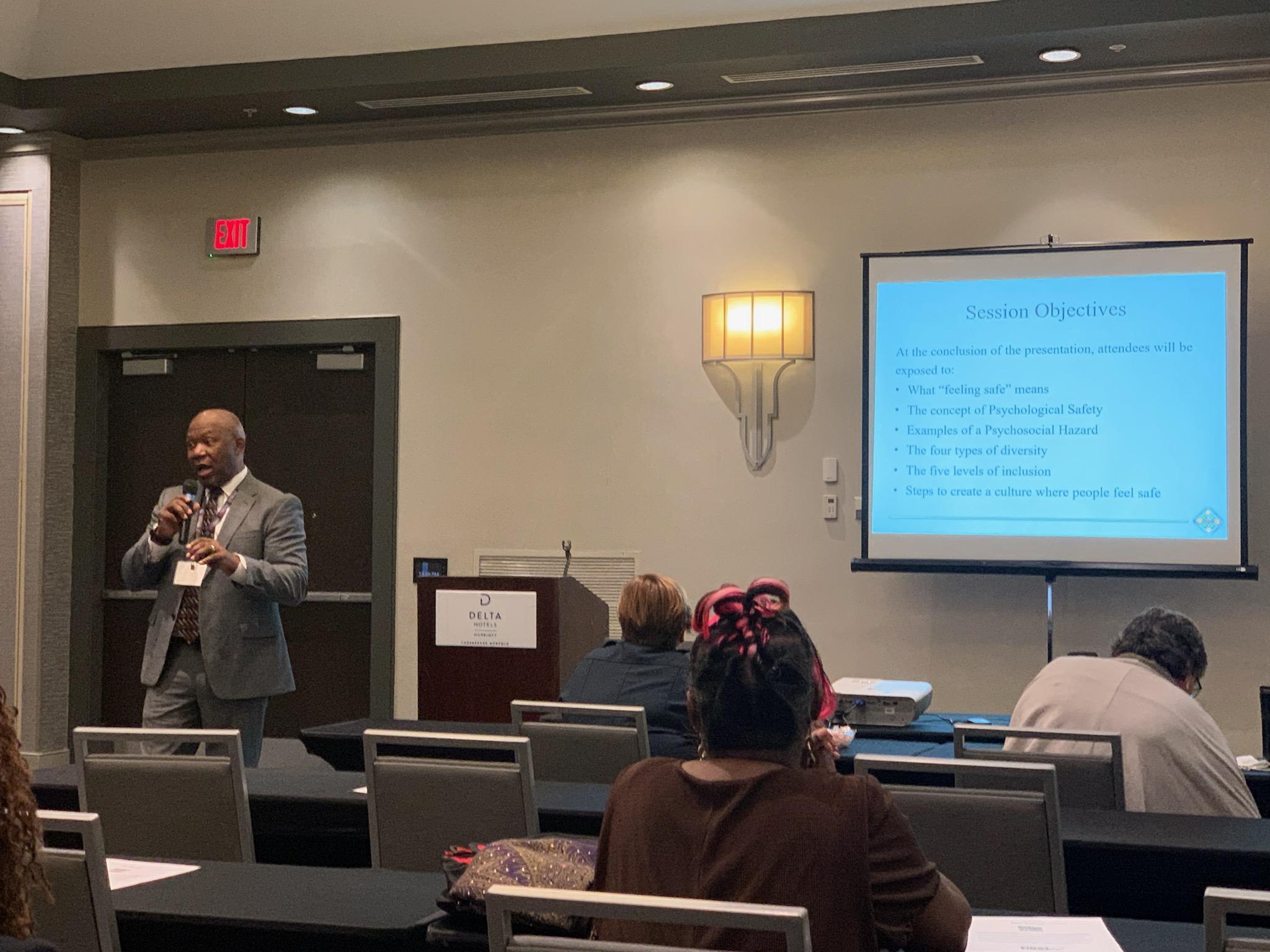
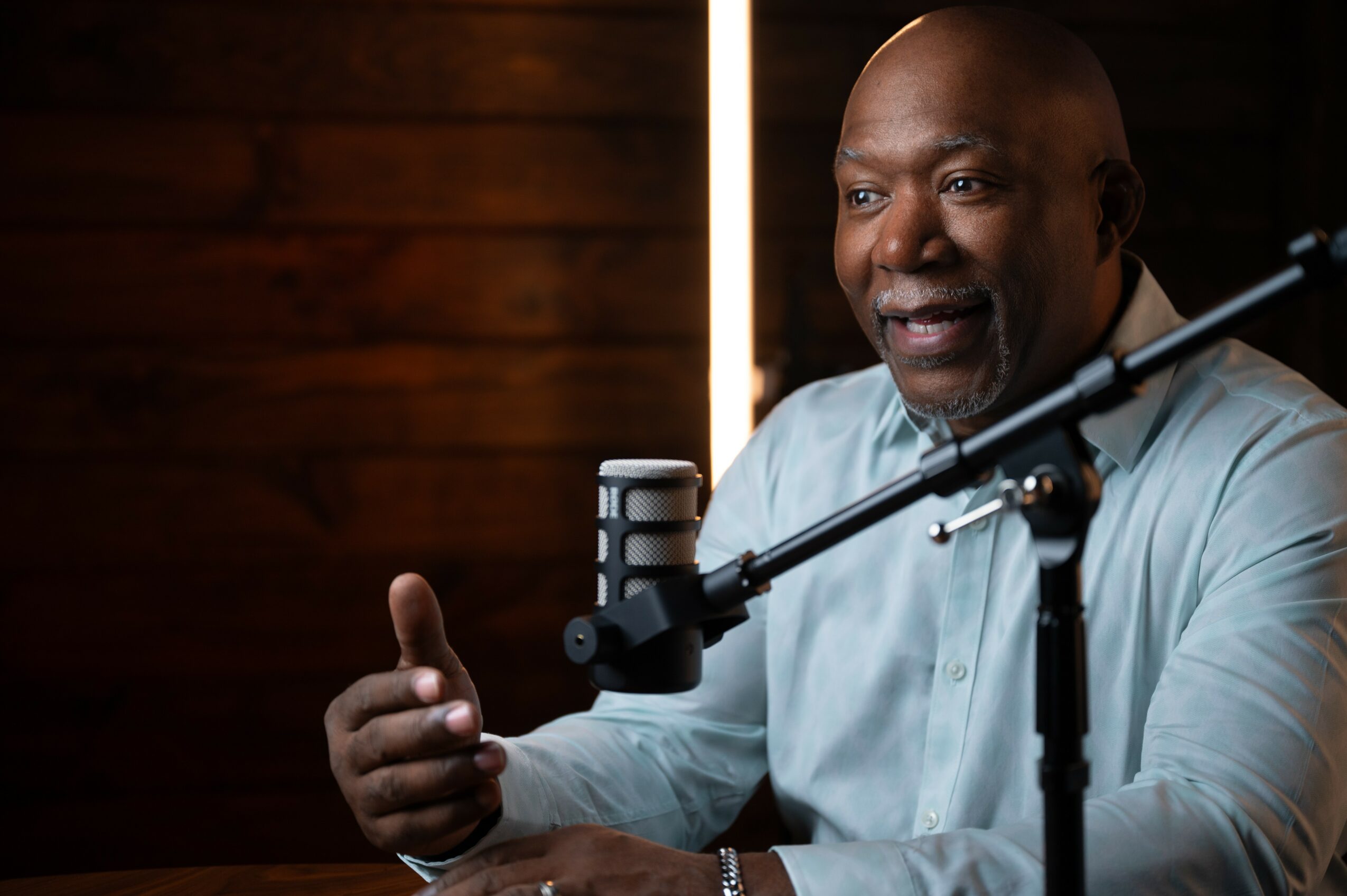
My doctoral research focused on psychosocial hazard exposure, which led to my writing “Psychosocial Hazards Are Real!” It is one of the first books ever written focusing on non-physical safety-related hazards. My research and background have opened up opportunities to speak about psychological safety globally, including hosting the Psych Health and Safety USA podcast. I can speak and consult globally on safety-related topics, including the connection between safety, diversity, equity, and inclusion.
My story also includes 37 years with my high school sweetheart and enjoying the success of other family members, including one who travels the globe as a singer and songwriter and another who is a published author, music producer, and entrepreneur.
We all face challenges, but looking back would you describe it as a relatively smooth road?
My road has not been smooth. Like most members of the African diaspora, the many inherent economic, health, and safety-related inequities that exist in a system not designed with my best interest in mind make necessities in life more complicated. These issues were complicated by the fact that I had few male role models to help me navigate the challenges and opportunities males have in the United States.
On top of this, I chose to pursue the fire rescue service as a profession. I was exposed to not only the significant psychological and physical issues of those to that I was called to provide service but also the significant issues that my colleagues faced daily. In fact, throughout my fire rescue career, 30 of my colleagues were either killed at work or died from occupational exposure.
In my career as a safety professional, I had the personal experience of being in a role that resulted in my experiencing a level of stress that landed me in therapy to address the emotional trauma that I experienced as a result of the working conditions in a safety role in a private sector company.
Thanks – so what else should our readers know about your work and what you’re currently focused on?
I started my consulting practice after leaving my last fire chief position. Forming the company represented an opportunity for self-determination and expression without the limitations I had experienced as part of larger organizations. My work has always focused on safety or safety-adjacent topics, including hazard assessments, strategic planning, policy development, training, evaluation, inspection, and investigation. My fire rescue background gave me a depth of understanding of the extreme impacts of a lack of focus on safety from my years responding end to everything from workplace and other accidents to building fires and natural disasters. It has evolved into a focus on identifying psychosocial hazards, which are at the heart of every situation of psychological and physical harm.
I’m most proud of the work I’m doing now to introduce the concept of non-physical hazard identification, assessment, and mitigation to the United States. There are currently nearly 40 countries around the world that have seen the importance of addressing psychological health and safety in the same way that physical safety is addressed. However, the United States is still awakening to the importance of this issue. One of the primary drivers is the prevalence of the global economy, and the example is set by countries like Austria and Canada, which have taken the lead in the global conversation.
My work is unique from several perspectives. The first is the fact that I don’t shy away from the fact that I am black in America. I don’t raise this distinction as some political statements, though some have turned conversations of diversity, equity, and inclusion into supposedly controversial conversations. For me, it is a fact of life that the environment I exist in is generally less structurally safe for me than they are, especially for white males. This being said, I do enjoy some of the privilege that goes along with gender identifying as male. My experience in fire rescue services gives me a much broader view and perspective on what safety is and the significant consequences of failing to give it the appropriate level of attention.
As a safety professional, I aim to utilize my experience and expertise to seek spaces where I can be psychologically healthy and safe and help those interested do the same. I also respect and honor the right of people to see these issues as very different from mine. This includes the fact that some perceive and experience my embrace of blackness as a threat to their way of life. While there is a small percentage of people who are emotionally and mentally predisposed to fear those who are different from them, I don’t believe that safety is a zero-sum game. There is enough safety for all of us, amplified when we feel safer based on our inherent differences. Safety is not effective when done TO people or FOR people; it is most effective when done WITH people.
What makes you happy?
What makes me happy is the opportunity to be in dialogue with others. I’m a talker and always have been. I have been a public speaker for over forty years, but even as a child, I was interested in being in conversations. While I was told occasionally that I should be “seen and not heard,” my internet communication only increased. As I’ve had more birthdays, I’ve come to understand that the value of dialogue is the opportunity to share what I have to say and hear what others have to say.
Happiness comes from being a part of a dialogue. It requires me to have others contribute, but it also requires me to be able to take time to listen to the contributions of others and be willing to go where the dialogue takes us. This is another aspect of being a podcast host that is fun. I get a chance to meet people with similar but unique ways of seeing the world and dialogue around a topic that interests me.
Contact Info:
- Website: https://id2-solutions.com/
- Facebook: https://www.facebook.com/id2solutions
- Other: https://www.linkedin.com/company/id2solutions
Popular
-

Hidden Gems: Local Businesses & Creatives You Should Know
-

ATL’s Most Inspiring Stories
-

Portraits of Atlanta
-

Natasha Dillard on Redefining Beauty Standards and Empowering Women Through Unapologetic Self-Expression
-

Darren Paltrowitz on Blending Investigation, Media, and Culture to Uncover the Stories Behind the Stories
-

Naeemah Jade on Redefining Networking Through Trust, Proximity, and Intentional Community