





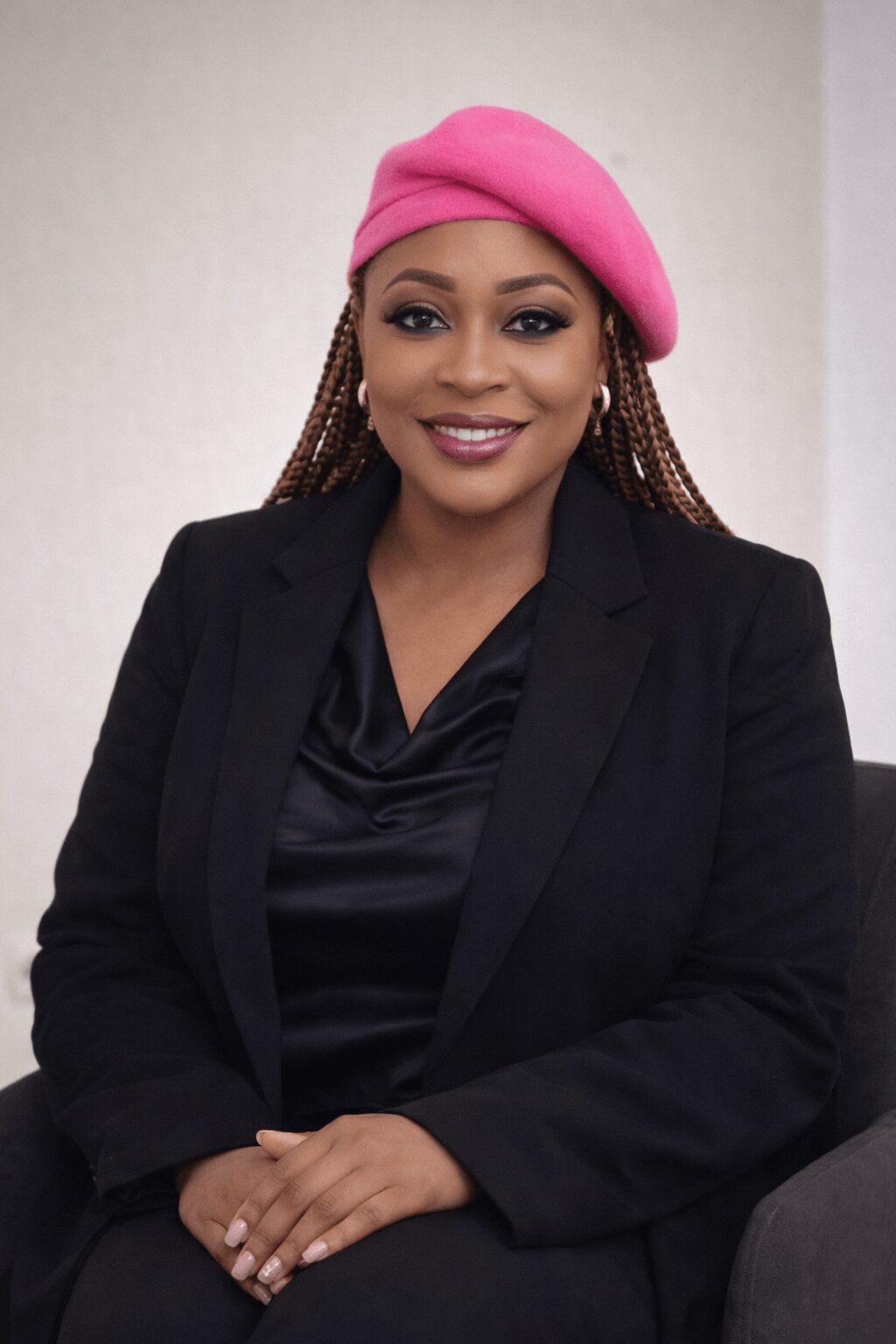
Today we’d like to introduce you to Jennifer Hembafan Alih.
Hi Jennifer Hembafan, so excited to have you on the platform. So before we get into questions about your work-life, maybe you can bring our readers up to speed on your story and how you got to where you are today?
My journey really began with a moment that changed the way I saw the world. Growing up, I was very close to a young girl in my community who became pregnant at a young age. In fear and desperation, she attempted an abortion and sadly lost her life. Around the same time, many other young girls from our area would leave for the city in search of better opportunities. They would return appearing successful, but many eventually came back sick and some later died.
Seeing these things at such a young age deeply affected me. I also noticed that many people around me were not interested in education because they believed it would not change their lives. Even some who went to school still faced hardship, illness, and poverty. These experiences forced me to ask myself a difficult question: would my life follow the same path, or could I choose something different?
I decided very early that my circumstances would not define my future. I came from a family where my parents worked very hard to provide for us, but with five children and limited resources, life was not easy. Poverty was something I experienced personally. Still, my mother fought tirelessly to keep her children in school, and that determination became one of my greatest inspirations.
As I grew older, I remained grateful how my parents prioritized our education and I worked very hard to support myself and continue my education. I sold clothes, slippers, recharge cards, inner wears, basically everything I could think would sell and make me much profit.. I even learned practical skills such as hairdressing and beauty services, including fixing lashes and styling hair just to keep a steady income. During my time at university, water scarcity was a serious problem, so I started selling water. What began as a small hustle eventually grew into a small business where I sold water in trucks and even employed others who needed work. These experiences taught me resilience, entrepreneurship, money management and the value of hard work.
Over time, I realized that the struggles I witnessed growing up were not isolated stories. Many women were working tirelessly like my mother but still could not keep their children in school. Today, so sad but millions of children in Nigeria remain out of school, and the cycle of poverty continues for many families.
These realities motivated me to establish the Julebrama Women and Children Initiative (JUWACI). Through this organization, we focus on empowering women and youth with practical skills, financial literacy, health education, and leadership opportunities so they can achieve economic stability and build better futures for themselves and their communities.
Education for children is especially close to my heart. Through initiatives like our Back-to-School and Stay-in-School programs, we support vulnerable children to access education and remain in school because I strongly believe that children are the leaders of tomorrow.
However, as my work expanded across communities, particularly in parts of Benue, Borno, Kogi, the FCT, Nasarawa State and other regions facing insecurity and conflict, I began to see a deeper connection between poverty, lack of education, and social instability. Many communities that experience violence are also communities where people struggle with economic hardship, limited opportunities, and weak social support systems.
This realization led me to begin developing what I call the Hembafan Integrated Resilience Model.
The principle behind the Hembafan Integrated Resilience Model (HIRM) is simple but powerful: sustainable peace and stability cannot exist without education, economic empowerment, and strong social systems working together.
In many cases, young people who become involved in violence are themselves victims of manipulation, poverty, or lack of opportunity. Individuals who are economically stable, educated, and supported by healthy communities are far less likely to be vulnerable enough to be recruited into violence or destructive activities. When people have hope, dignity, and the means to provide for their families, they are much less vulnerable to manipulation by those who sponsor conflict and instability.
The Hembafan Integrated Resilience Model (HIRM) therefore focuses on strengthening three key foundations of stability: education, livelihoods, and social resilience. By empowering women economically, ensuring children remain in school, teaching young people skills and building community awareness around peace and responsible leadership, we believe communities can become more resilient against forces that fuel violence and insecurity.
One thing that motivated me was my decision to not end up like many others in my community I did not want to end up with. With that determination, Today, by God’s grace, I am a wife, a mother of three, an entrepreneur running two businesses, and a social impact leader.
Through my organization the Julebrama Women and Children Initiative (JUWACI), we have been privileged to reach and impact more than one million people through empowerment programs, educational interventions, and community development initiatives.
Looking toward the future, my hope is to see a Nigeria where people are economically stable, healthy, and living peacefully with one another. When I was growing up, communities shared meals, neighbors cared for each other, and there was a strong sense of unity. Today, insecurity and hardship have strained many communities.
My work is driven by the belief that empowering women, educating children, and strengthening communities are not just development goals, they are essential foundations for building lasting peace, dignity, and stability in society.
I’m sure it wasn’t obstacle-free, but would you say the journey has been fairly smooth so far?
No, it has certainly not been a smooth road. The journey has come with many challenges, both personal and societal.
One of the earliest challenges I faced was confronting stereotypes. As a woman growing up in Africa, there are often assumptions about what women can or cannot achieve. Women’s voices are sometimes overlooked or underestimated. Being a Tiv girl added another layer of difficulty because there are long-standing stereotypes associated with Tiv women. Rather than allowing these perceptions to discourage me, they became a source of motivation. I made a personal decision early in life that I would define my own identity through dignity, discipline, and purpose.
Another major challenge was poverty and limited resources. I had many ideas about how to create change in my community, but for a long time there was no one willing to listen or support those ideas. Even getting people to take my vision seriously was difficult. It took years of persistence before doors slowly began to open and people began to recognize the value of the work.
Community acceptance was also a challenge in the early stages of our initiatives. In many communities, deeply rooted cultural beliefs can make it difficult to introduce new ideas, particularly around education, gender equality, and poverty reduction. Some families believe schooling is not necessary, especially for girls, and convincing them that education can transform a child’s future requires patience, dialogue, and trust. In many cases, women are still viewed as secondary in decision-making and are discouraged from pursuing financial independence, largely because of long-standing assumptions about gender roles.
Another reality we encountered is that empowerment is not always immediately embraced. In communities where people have long relied on short-term assistance, some individuals initially prefer direct financial help rather than opportunities that require learning new skills and building sustainable livelihoods. Changing that mindset takes time, but we have seen many people eventually embrace skills training and begin building their own economic stability.
Operating from Nigeria has also presented its own challenges because of the stereotypes that sometimes exist globally about the country. In many situations, I have felt the need to work twice as hard to demonstrate credibility and show that our work is genuine, transparent, and impactful.
Despite all of these challenges, every obstacle has strengthened my determination.
My vision has always been greater than the difficulties along the way. I want to challenge harmful stereotypes, amplify the voices of those who are often unheard, and demonstrate that regardless of where someone comes from, it is possible to rise above circumstances and create meaningful change in society.
These experiences also shaped the way I design community development strategies today, focusing on long-term empowerment rather than temporary solutions.
Thanks for sharing that. So, maybe next you can tell us a bit more about your work?
My professional life sits at the intersection of social entrepreneurship, women’s empowerment, business, and public service as an executive administrator.
For the past ten years, I have served as a staff member at the University of Nigeria, working as an Executive Administrative Officer. In this role, I have gained extensive experience in administration, human resource management, and institutional coordination. Working closely with the Human Resource Department and engaging daily with students, lecturers, and administrative leaders across various faculties including the social sciences, education, arts, and sciences has exposed me to a wide range of perspectives, challenges, and leadership styles.
These experiences have shaped my understanding of people, institutions, and systems. Over the years, I have developed strong skills in communication, organizational management, professional correspondence, and strategic coordination, skills that have significantly strengthened my work beyond the university environment. Many of the administrative competencies I developed, such as writing proposals, responding to institutional communications, managing documentation, and navigating complex systems, have directly supported my work in the social impact space.
Alongside my professional career in public service, I am also the founder of the Julebrama Women and Children Initiative (JUWACI), a community-based organization focused on empowering women and youth with practical skills, financial literacy, leadership training, and access to opportunities that promote economic stability and social wellbeing.
Through this work, I design and implement community development strategies that address some of the most pressing challenges faced by vulnerable populations in Nigeria, including poverty, lack of access to education, youth unemployment, and gender inequality. Our programs focus strongly on equipping women and young people with practical, self-reliant skills that enable them to build sustainable livelihoods and contribute meaningfully to their communities.
My background in entrepreneurship and small business development has also influenced my approach to empowerment. Having personally experienced the realities of grassroots enterprise, I understand the importance of economic opportunity as a pathway to dignity and independence.
Over time, my work has evolved into building systems and initiatives that support women, protect vulnerable children, and create pathways for young people to become productive and responsible members of society. Through the programs and partnerships of JUWACI, we have been privileged to reach and impact over one million people through empowerment initiatives, educational support programs, and community engagement efforts.
What I am most proud of is not just the number of people reached, but the transformation that takes place when individuals gain the tools and confidence to change their own lives. What sets my work apart is the belief that lasting change requires more than temporary support, it requires building resilient systems that combine education, economic empowerment, and social stability.
My goal moving forward is to continue developing scalable community development models that strengthen families, empower women economically, and ensure that children have access to education and opportunities capable of transforming their futures.
Through years of working directly with communities, I began to observe that many of the challenges people face poverty, insecurity, lack of education, and social instability are deeply interconnected. These experiences led me to begin developing what I call the Hembafan Integrated Resilience Model, a framework that focuses on strengthening three key pillars of community stability: education, economic empowerment, and social resilience. The idea behind the model is simple: communities become more stable and peaceful when people have access to education, sustainable livelihoods, and strong social support systems.
By strengthening these foundations, individuals and communities become less vulnerable to manipulation, conflict, and cycles of poverty are broken
What does success mean to you?
For me, success is defined by impact, the ability to create meaningful and lasting change in the lives of others.
Growing up, I witnessed poverty, inequality, and limited opportunities for many women and children in my community. Those experiences shaped my understanding of what truly matters. Today, when I see a young girl return to school because of an educational intervention, a woman gain financial independence through skills training, or a young person discover their potential and begin building a better future, that is what success looks like to me.
Success is also about resilience and purpose. It means having the courage to rise above difficult circumstances, remaining committed to your values, and continuing to pursue a vision that improves the lives of others.
Through my work with the Julebrama Women and Children Initiative (JUWACI), I measure success not only by numbers, but by the transformation we witness in communities the confidence of empowered women, the hope restored within families, and the opportunities created for the next generation.
Real success is not measured by personal achievement alone, but by how many lives are uplifted along the way.
Ultimately, success for me means knowing that my life and work are contributing to a more just, peaceful, and dignified society where people, regardless of their background, have the opportunity to thrive.
Pricing:
- Partnership opportunities for organizations interested in supporting women and youth empowerment programs.
- Sponsorship opportunities for education initiatives such as Back-to-School and Stay-in-School programs.
- Collaboration with institutions, NGOs, and development partners on community development projects.
- Volunteer and mentorship opportunities for individuals who want to contribute to community empowerment efforts.
- Donations and support for programs serving vulnerable women and children.
Contact Info:
- Website: https://www.jenniferalih.com and www.juwaci.org
- Instagram: https://www.instagram.com/chiefjenniferhalih
- Facebook: https://www.facebook.com/share/19mk3winGN/
- LinkedIn: https://www.linkedin.com/in/chief-jennifer-hembafan-alih-9a635913b/
- TikTok: https://www.tiktok.com/@jenniferalih
- Youtube: https://youtube.com/@chiefjennifer
- Other: https://www.amazon.com/dp/B0CW1JWHT3
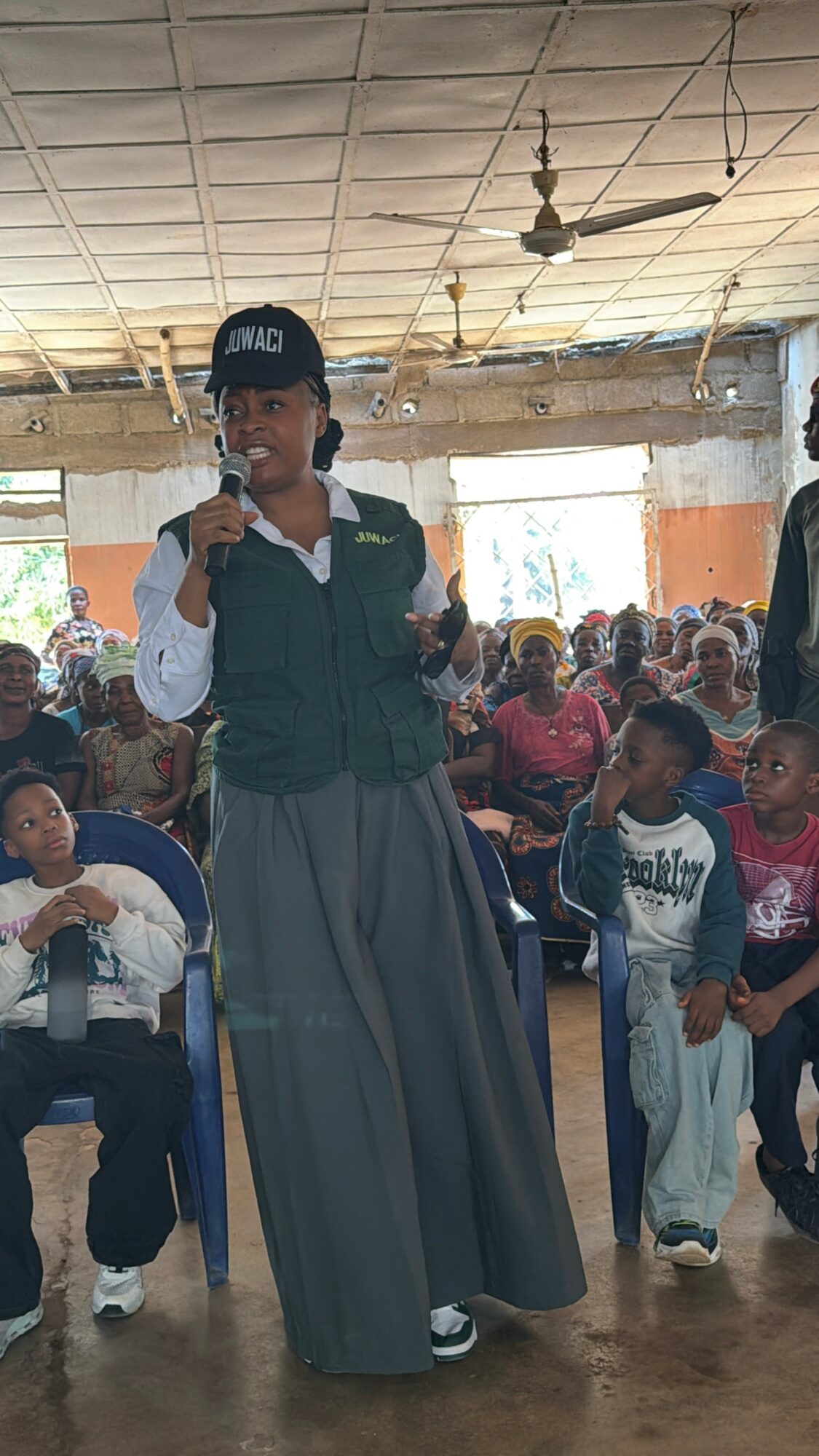
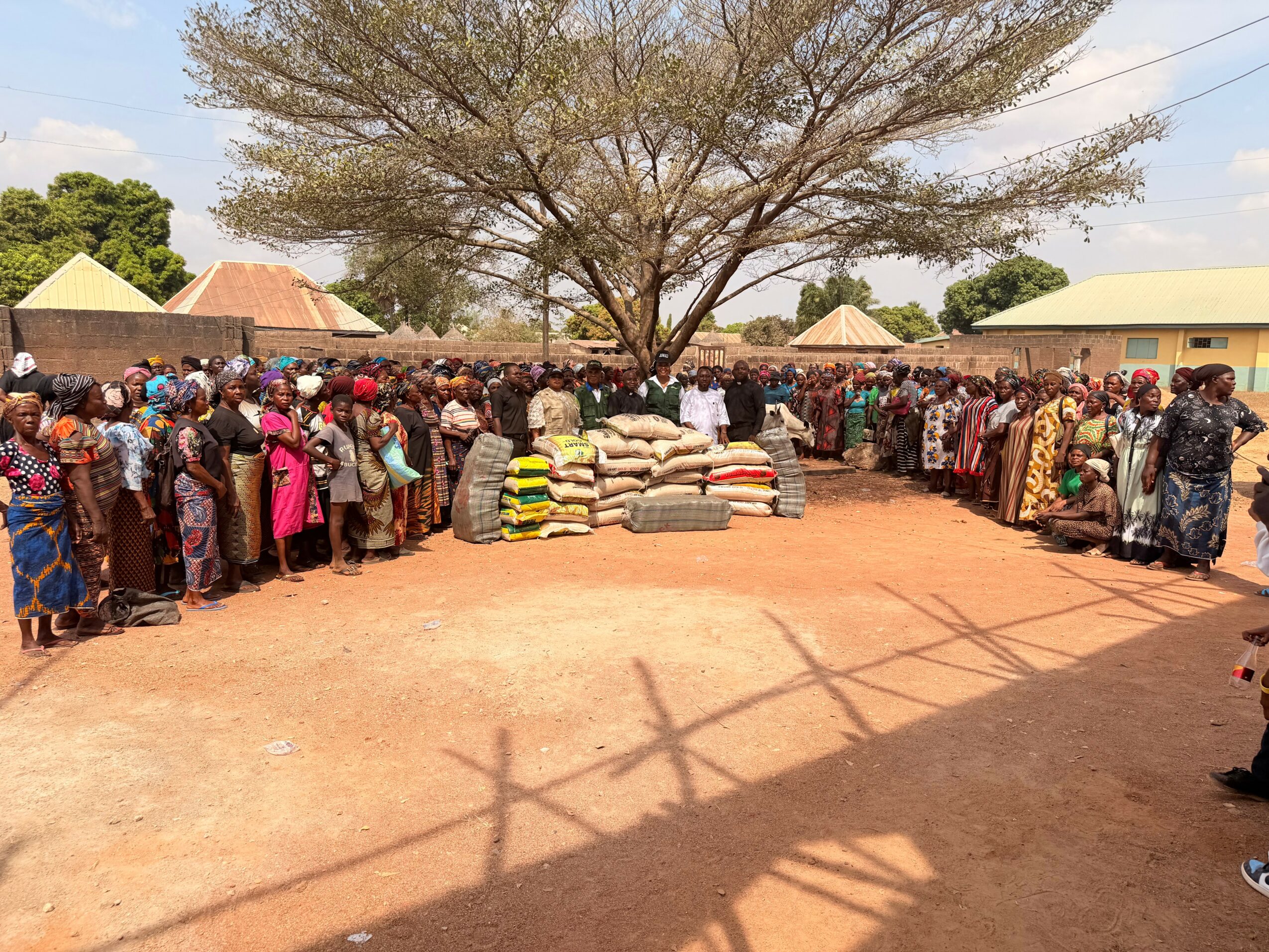
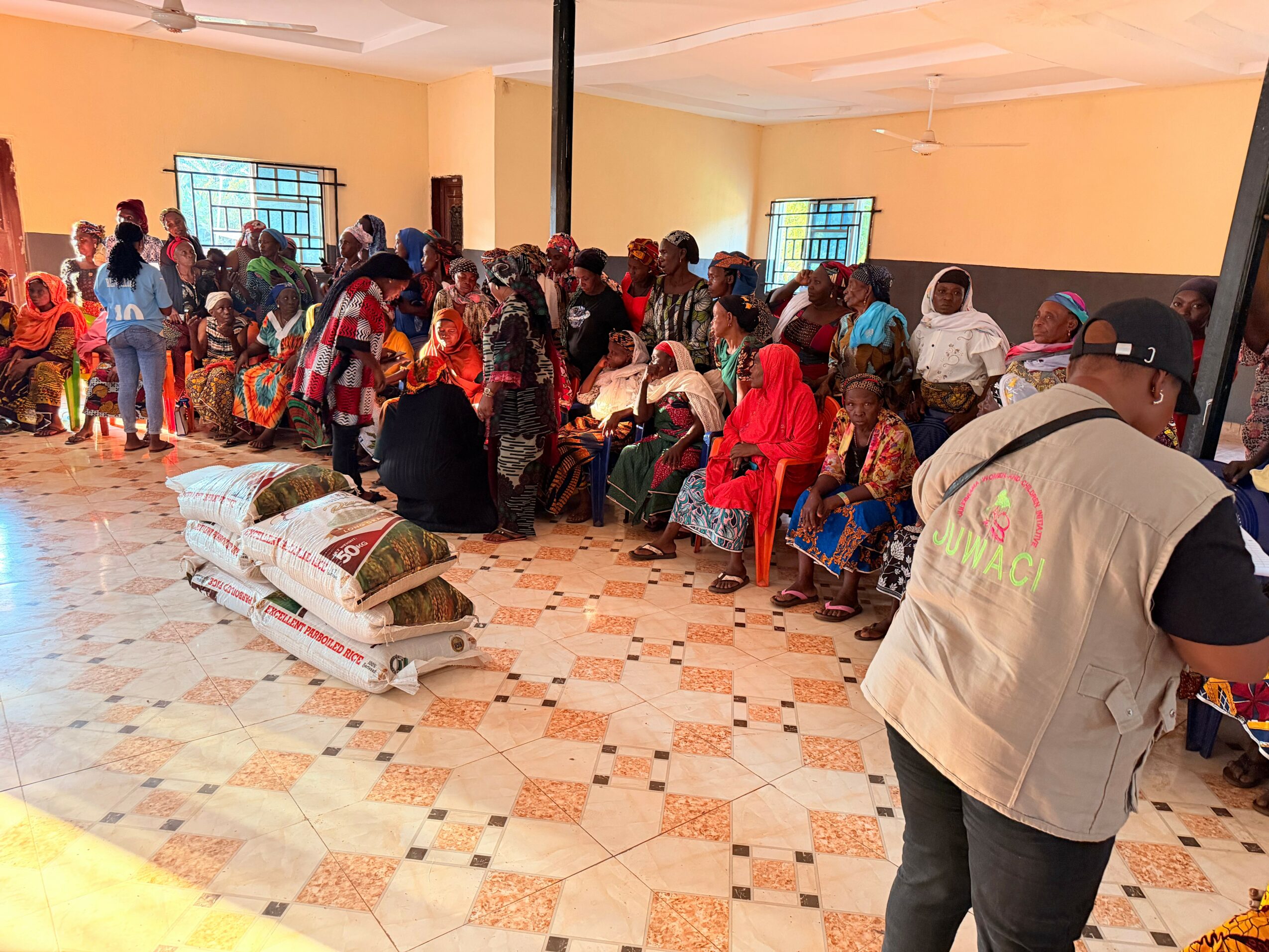
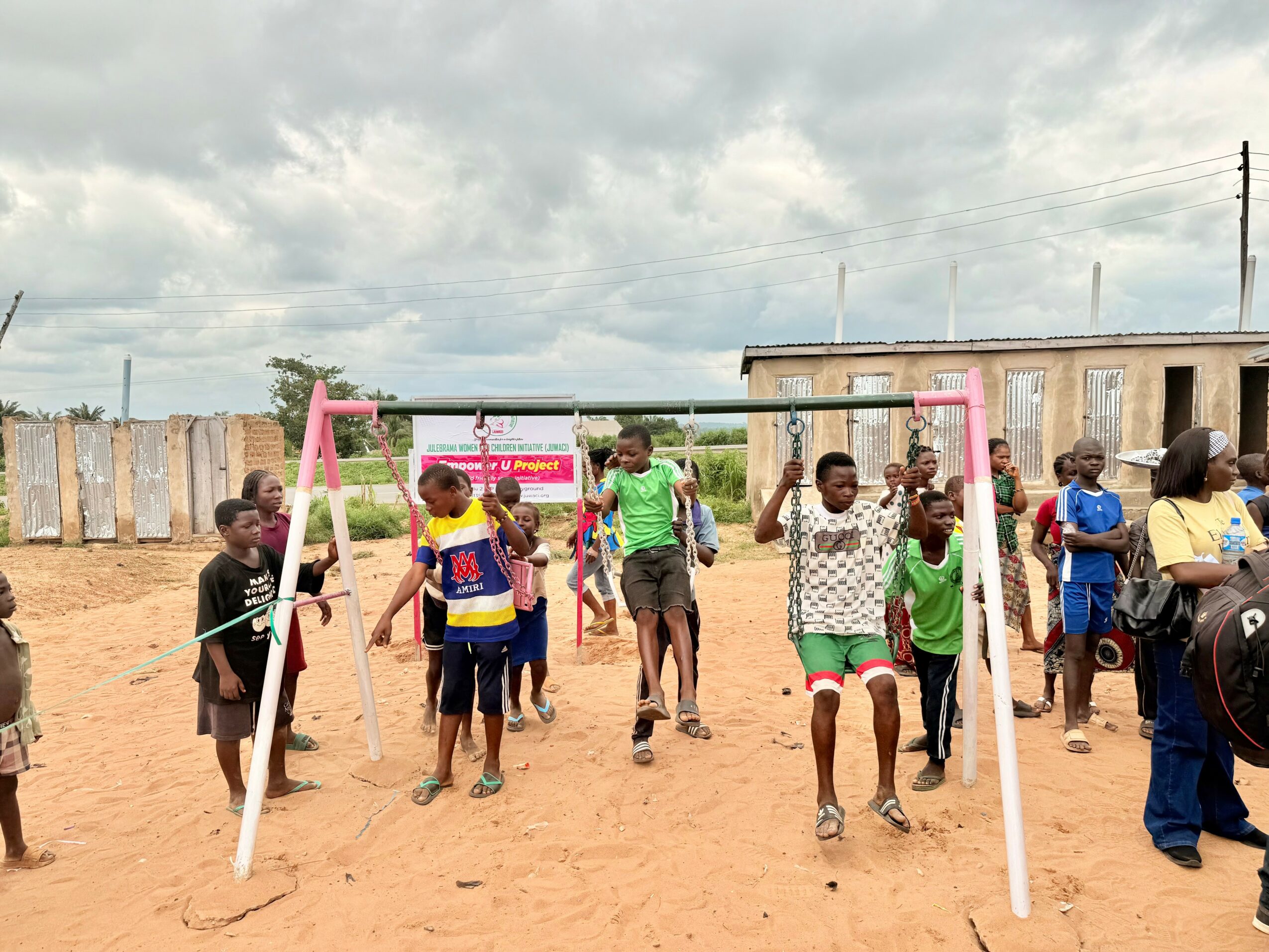
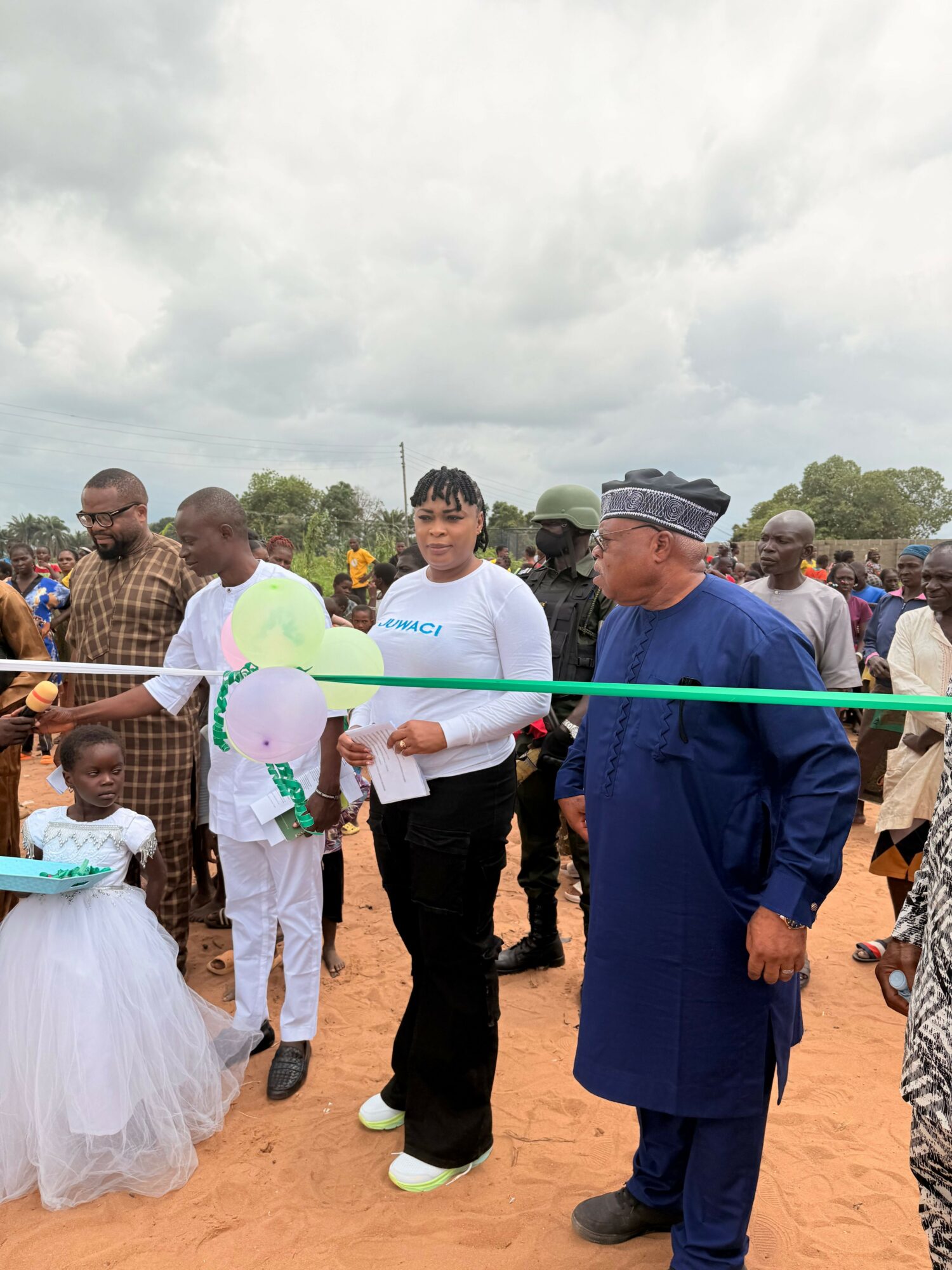
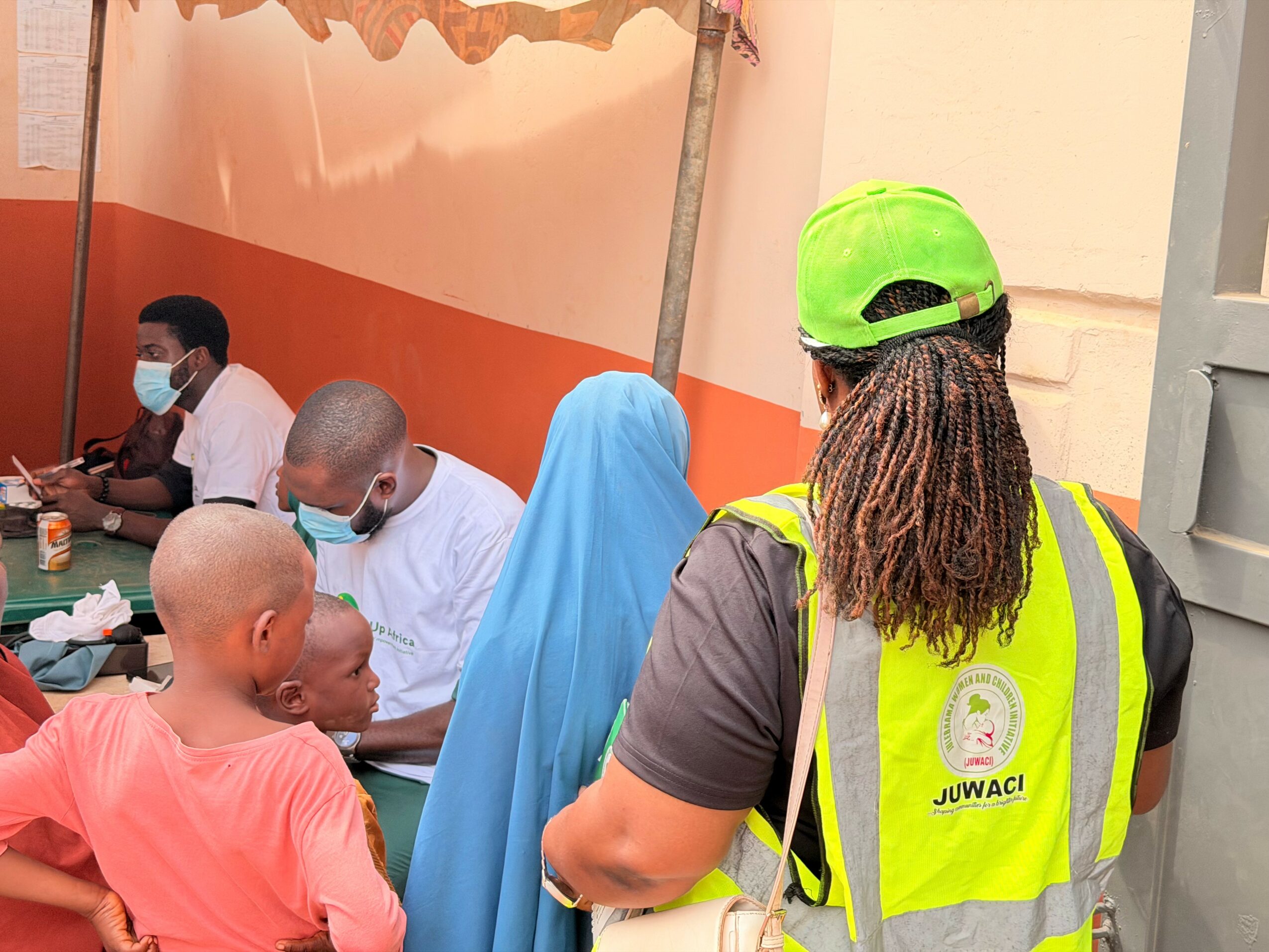
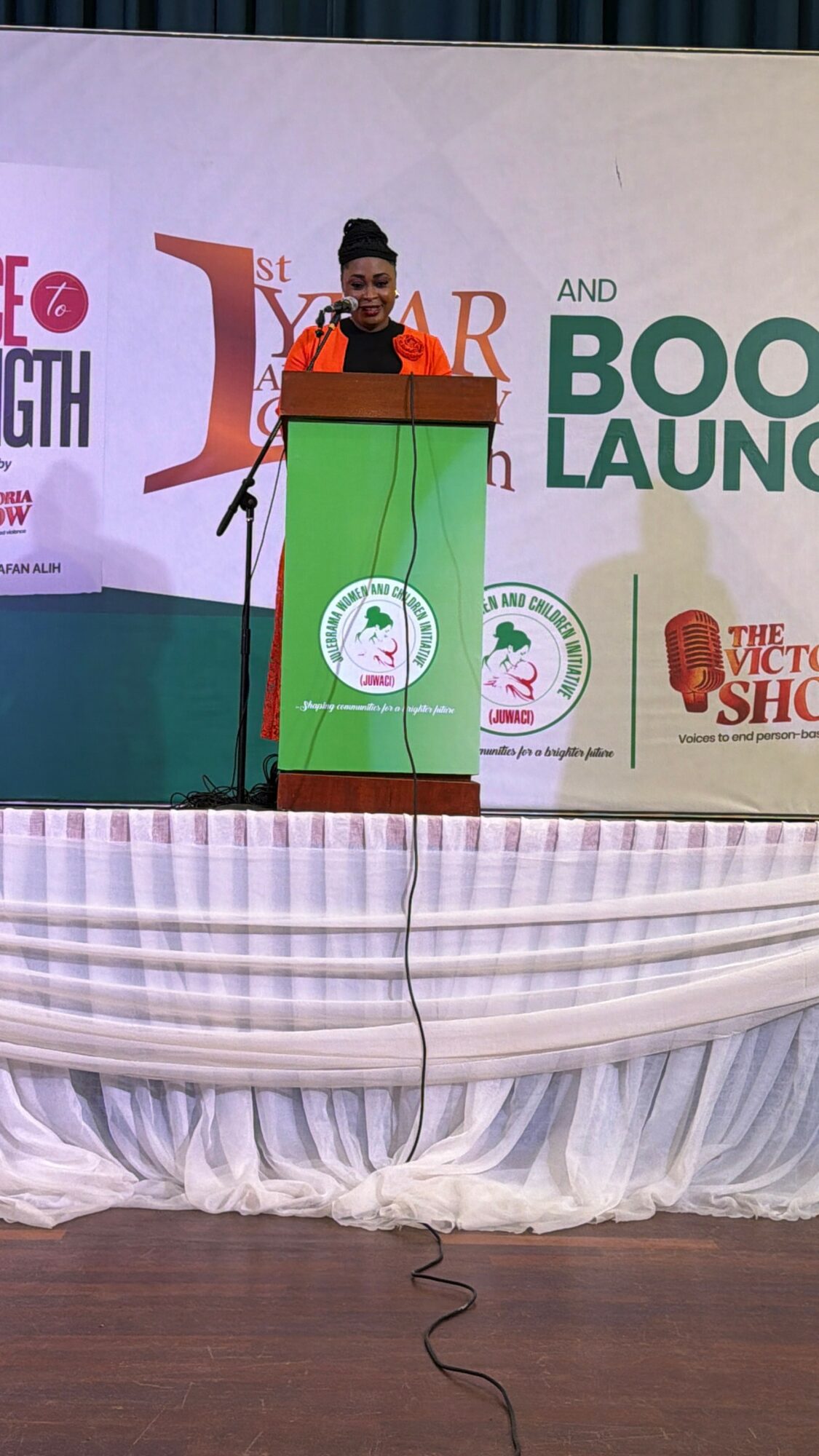
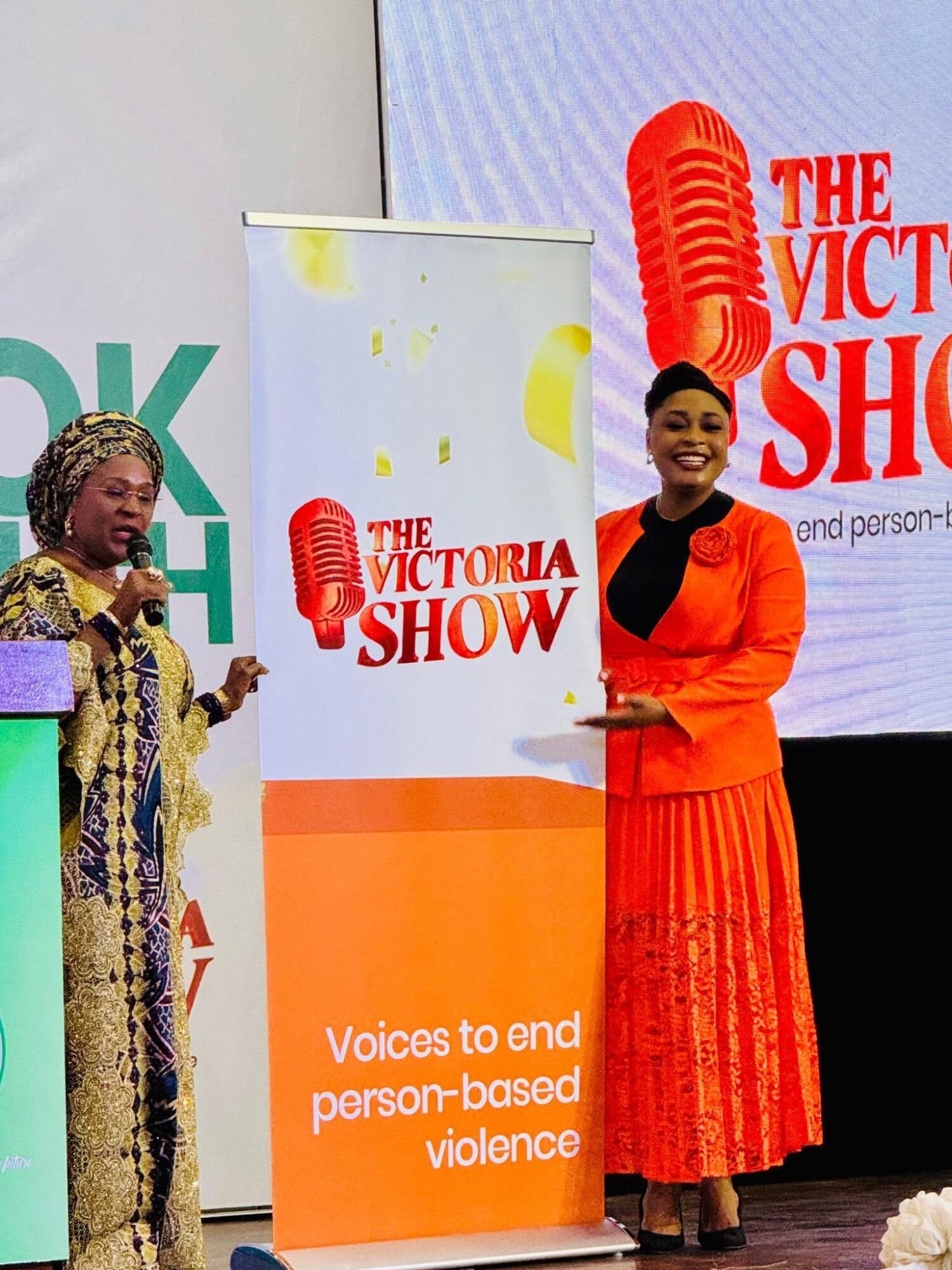
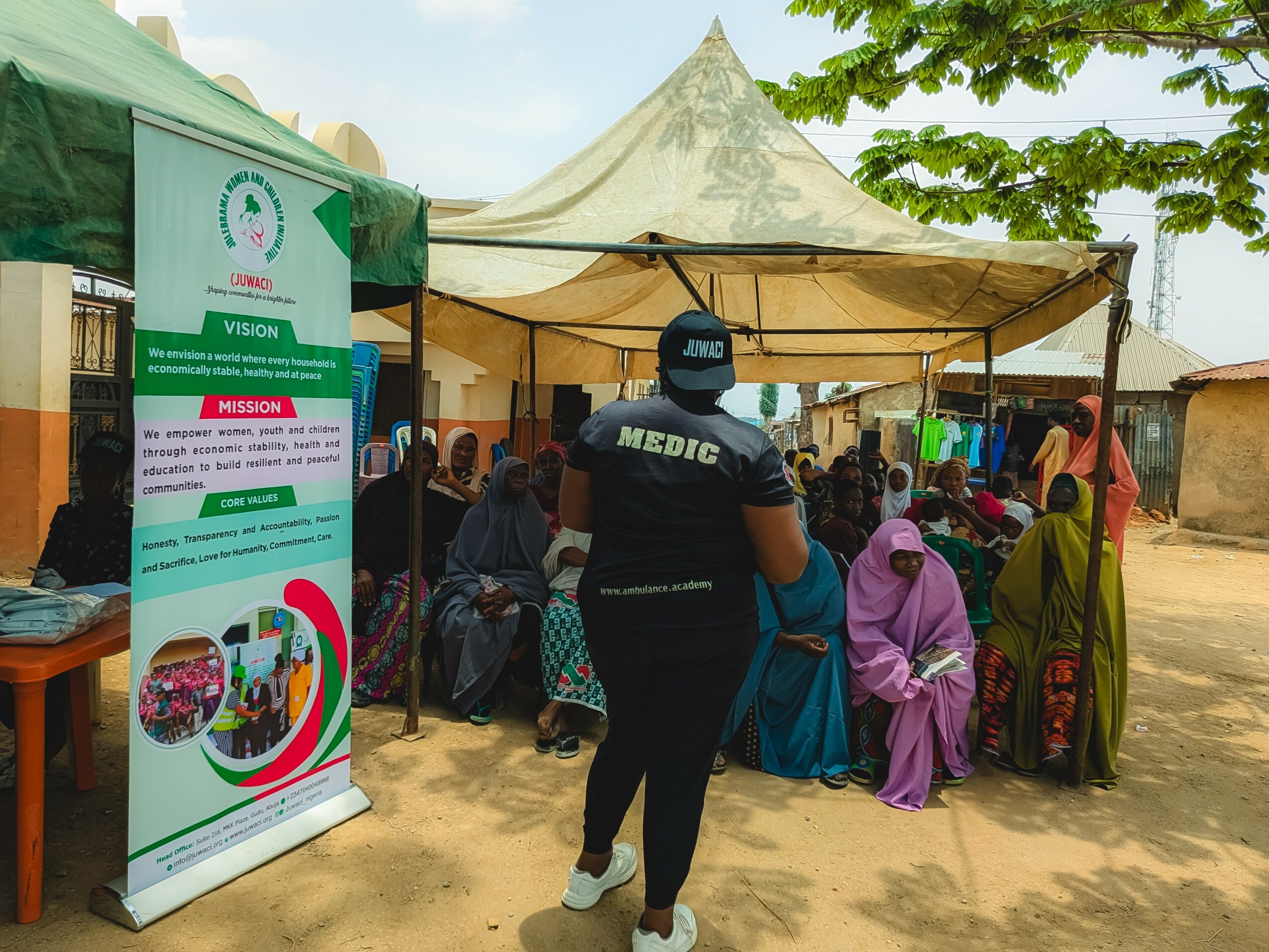
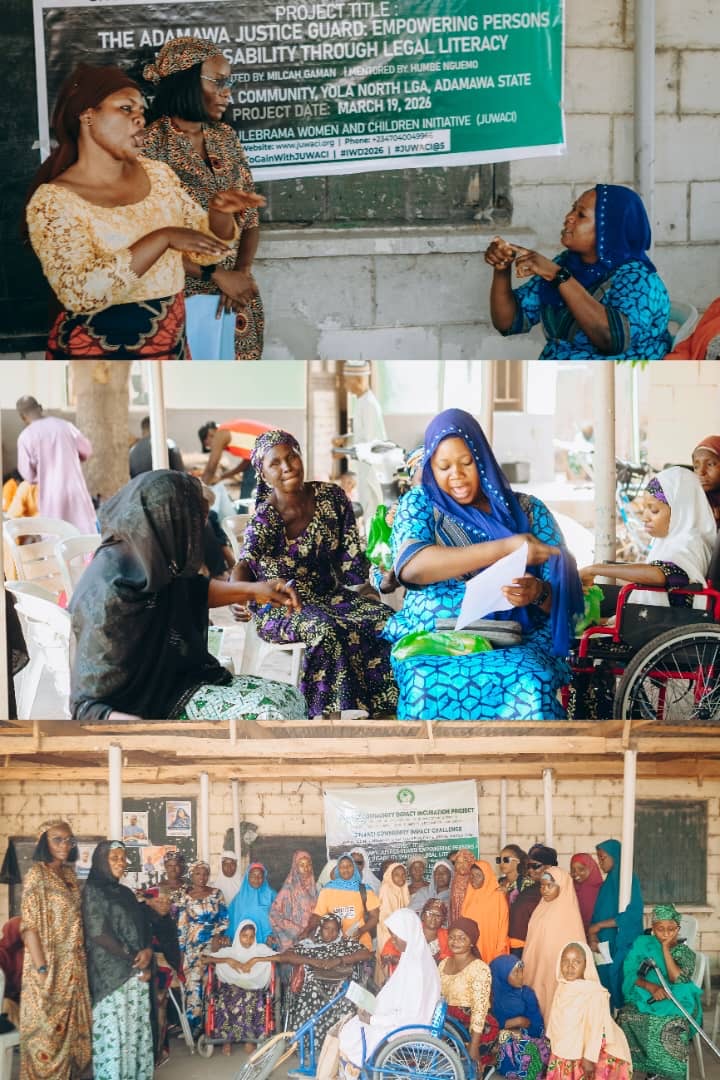
Image Credits
No photo credit
Popular
-

Hidden Gems: Local Businesses & Creatives You Should Know
-

ATL’s Most Inspiring Stories
-

Portraits of Atlanta
-

Satoya Hayes on Turning Beauty 2 Extensions into a Platform for Affordable Confidence and Entrepreneurial Opportunity
-

Asha Ford on Building Krystal Klear Motion and Creating Purpose-Driven Design for Women
-

Truth in Every Verse: Jay Erve on Identity, Experience, and Creating Art That Lasts