


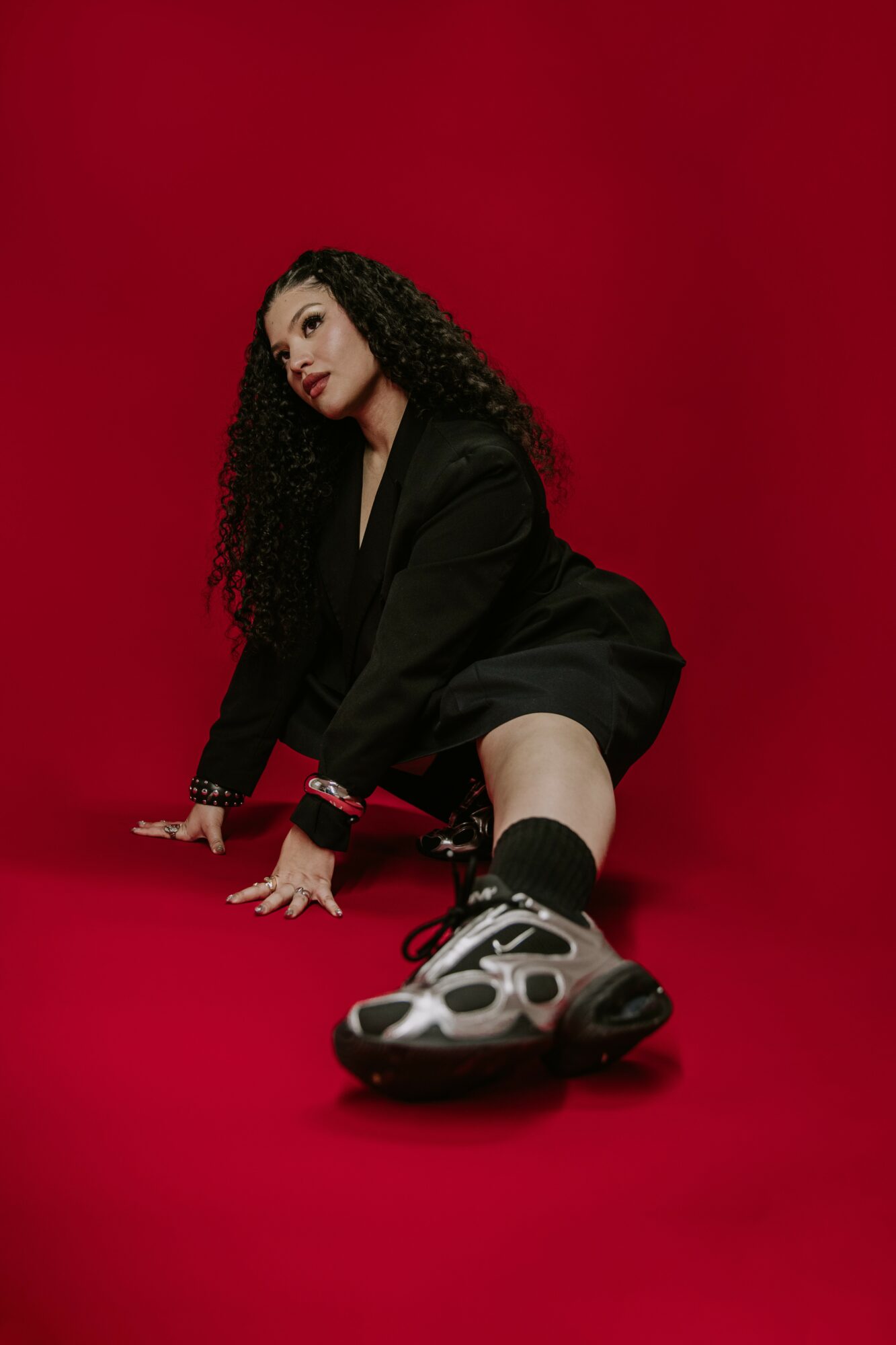
Today we’d like to introduce you to Maria Camila Cardozo.
Hi Maria Camila, please kick things off for us with an introduction to yourself and your story.
My talent and love for dance has always felt very natural to me. Since I was around two years old, my teachers would always note that I had a strong musical ear and that I was constantly moving. From a very young age, I was exposed to multiple styles and trained in different disciplines like Arabic dance, flamenco, burlesque, and urban dance. I grew up in a really supportive and healthy environment around it, performing in shows and staying very active in dance throughout my early years.
As I got into my pre-teen and early high school years, life naturally shifted and I stepped away from dance for a period of time. I’ll go deeper into that on my next question, but that pause became a really important part of my journey.
Later on, in 2019, I moved to the U.S. initially just for vacation, without any intention of staying. But then COVID happened, and life completely reset for me, had to start from zero and rebuild everything.During that time, I was just overworking, eating and sleeping,a very automatic routine, and I realized I needed something more aligned with who I am, I had to start living again.
That’s when I reconnected with dance.
I started training again, taking multiple classes really early in the morning before work, and consistently going back into studios. Eventually, the first studio I trained at here gave me the opportunity to teach. Since then, I’ve been teaching weekly without interruption for the past four to five years across multiple studios. I initially started teaching hip-hop, but after showing them some Latin urban choreography I had created, they encouraged me to develop my own style class—and that’s when I started teaching reggaetón.
reggaetón was and it’s very niche in Atlanta, with very few people offering it, so it naturally carved out its own space. From there, everything started growing very organically through consistency—showing up, teaching classes, performing, and creating work.
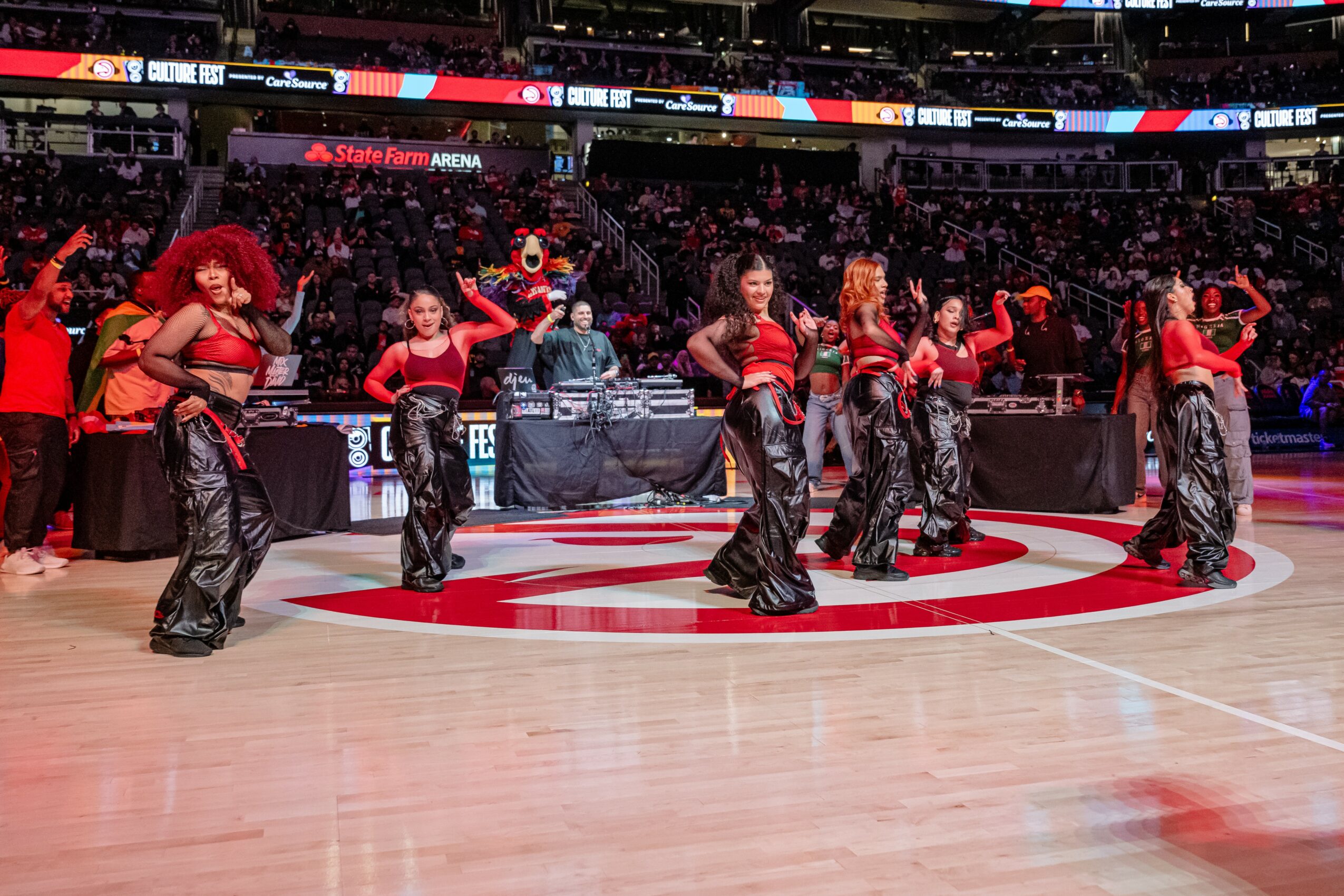
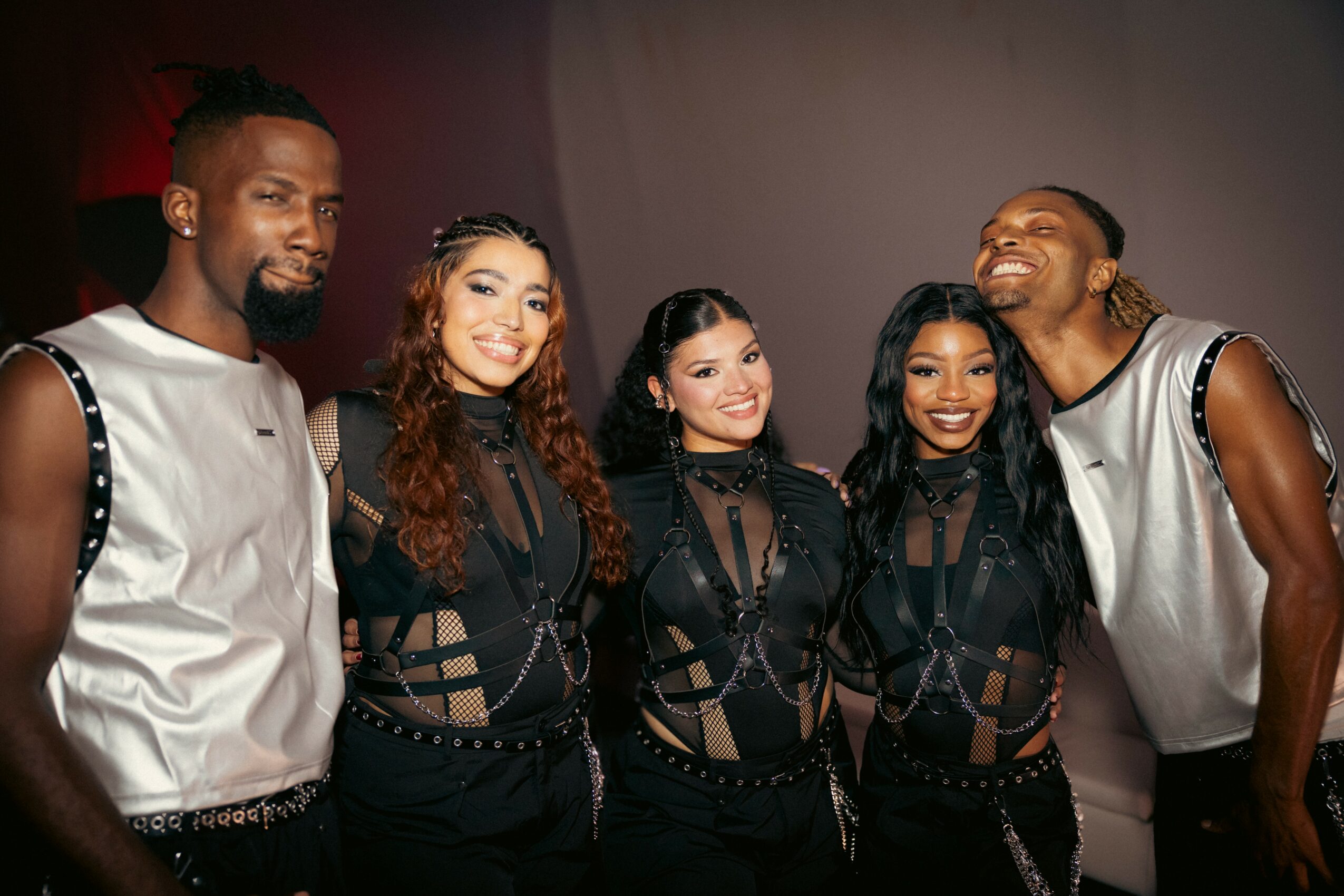
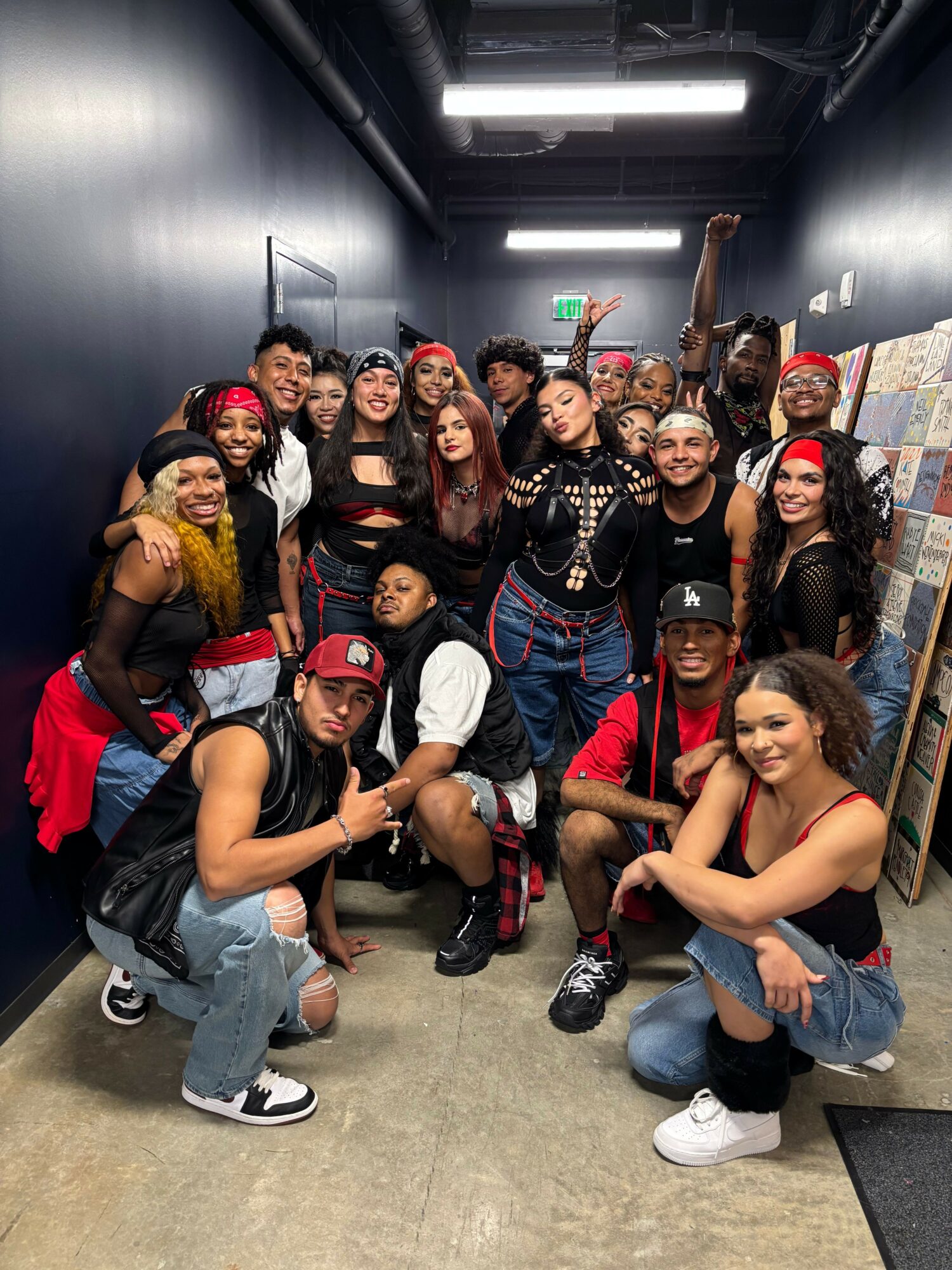
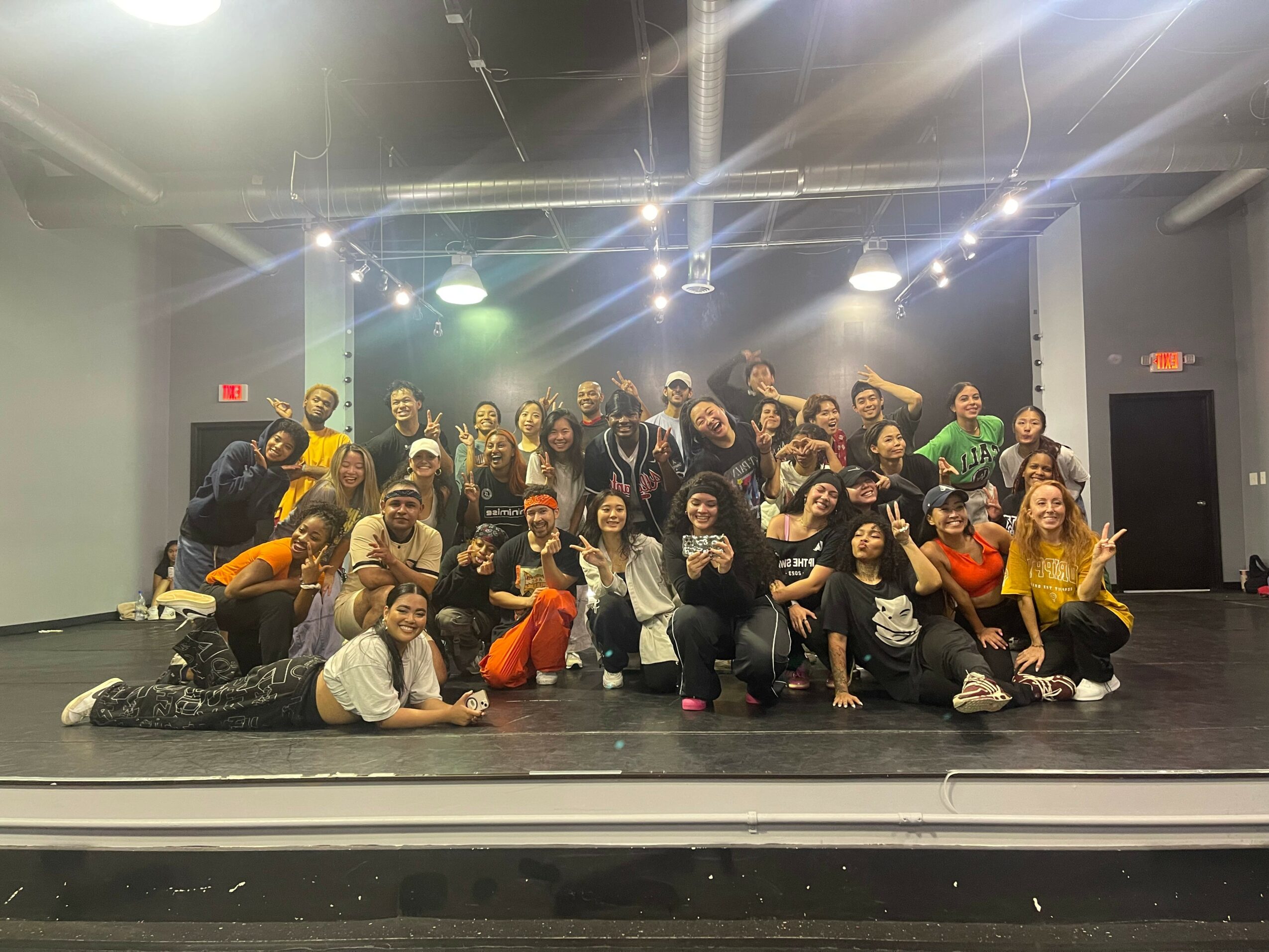
Over time, I began choreographing for artists and festivals, and eventually I had the opportunity to direct and choreograph twice for the Atlanta Hawks representing my Latin community. I’ve also worked in the top reggaetón festivals, and today I run monthly classes that consistently sell out with 40 people each week. It’s been a journey built on passion, integrity, discipline, and simply showing up for what I love.
Can you talk to us a bit about the challenges and lessons you’ve learned along the way. Looking back would you say it’s been easy or smooth in retrospect?
My talent and love for dance has always felt very natural to me. Since I was around two years old, my teachers would always note that I had a strong musical ear and that I was constantly moving. From a very young age, I was exposed to multiple styles and trained in different disciplines like Arabic dance, flamenco, burlesque, and urban dance. I grew up in a really supportive and healthy environment around it, performing in shows and staying very active in dance throughout my early years.
As I got into my pre-teen and early high school years, life naturally shifted and I stepped away from dance for a period of time. I’ll go deeper into that on my next question, but that pause became a really important part of my journey.
Later on, in 2019, I moved to the U.S. initially just for vacation, without any intention of staying. But then COVID happened, and life completely reset for me, had to start from zero and rebuild everything.During that time, I was just overworking, eating and sleeping,a very automatic routine, and I realized I needed something more aligned with who I am, I had to start living again.
That’s when I reconnected with dance.
I started training again, taking multiple classes really early in the morning before work, and consistently going back into studios. Eventually, the first studio I trained at here gave me the opportunity to teach. Since then, I’ve been teaching weekly without interruption for the past four to five years across multiple studios. I initially started teaching hip-hop, but after showing them some Latin urban choreography I had created, they encouraged me to develop my own style class—and that’s when I started teaching reggaetón.
reggaetón was and it’s very niche in Atlanta, with very few people offering it, so it naturally carved out its own space. From there, everything started growing very organically through consistency—showing up, teaching classes, performing, and creating work.
Over time, I began choreographing for artists and festivals, and eventually I had the opportunity to direct and choreograph twice for the Atlanta Hawks representing my Latin community. I’ve also worked in the top reggaetón festivals, and today I run monthly classes that consistently sell out with 40 people each week. It’s been a journey built on passion, integrity, discipline, and simply showing up for what I love.
Ha sido smooth?
There have been magical moments, of course, but also very real challenges that shaped me deeply as both a person and an artist.
One of the earliest and most impactful struggles started when I was younger. I had a beautiful fun and healthy childhood, but I also grew up internalizing the idea that my worth was tied to how I looked. I experienced a lot of body shaming, and that affected me more than I realized at the time. I started believing that maybe I wasn’t “enough” to be seen dancing, that people wouldn’t want to watch me because I didn’t fit the “stereotype of a dancer”.
That created a lot of insecurity for me during those pre-teen and early high school years. I became very self-conscious about everything, my hair, my body, the way I looked in general. I stopped expressing myself the way I naturally used to. I became shy, and I didn’t feel fully authentic. In a way, I disconnected from myself and from dance.
Coming back to dance years later completely shifted that for me. Dance became a form of reconnection—it brought me back to myself. It helped me rebuild my confidence, my self-worth, and my ability to express myself freely again. It reminded me of who I was underneath all of those insecurities.
Another major challenge came when I moved to the U.S. and had to start over completely. I arrived without a clear plan to stay, and suddenly I was rebuilding my entire life from zero while trying to adjust to a new country, a new system, and also mastering the language. At that time, I felt very behind. I would compare myself constantly, especially in an industry like dance in the U.S., where there is so much talent and so many established voices. I struggled with the feeling that I didn’t have anything unique to offer yet.
But that season became very defining for me. At some point, I realized I wasn’t going to find my path by looking at everyone else. I had to look inward and ask myself what I wanted to create, and how I wanted to express it. That shift is what allowed me to start building something that felt true to me. I stopped trying to follow a blueprint and started becoming one.
And then, more recently, one of the most difficult moments in my journey happened while my career was starting to grow more. I was getting opportunities, working with big festivals, concerts, and stepping into bigger stages—but at the same time, my father was diagnosed with cancer. It was an incredibly heavy contrast: externally, things looked like they were rising, but personally, I was going through something very painful.
I had to keep showing up through all of that. And I think that period taught me a lot about resilience and faith and about what it really means to keep going even when life doesn’t feel aligned or easy.
On top of that, being away from my family for years has also been a constant emotional challenge. Moving to the U.S. wasn’t just about starting over, it also meant leaving a lot of important people behind.
So overall, my journey has been shaped by contrast: growth and loss, confidence and insecurity, starting over and rebuilding. And I think that’s what has made me not just a dancer, but someone who dances with intention and lived experience behind it.
Thanks – so what else should our readers know about your work and what you’re currently focused on?
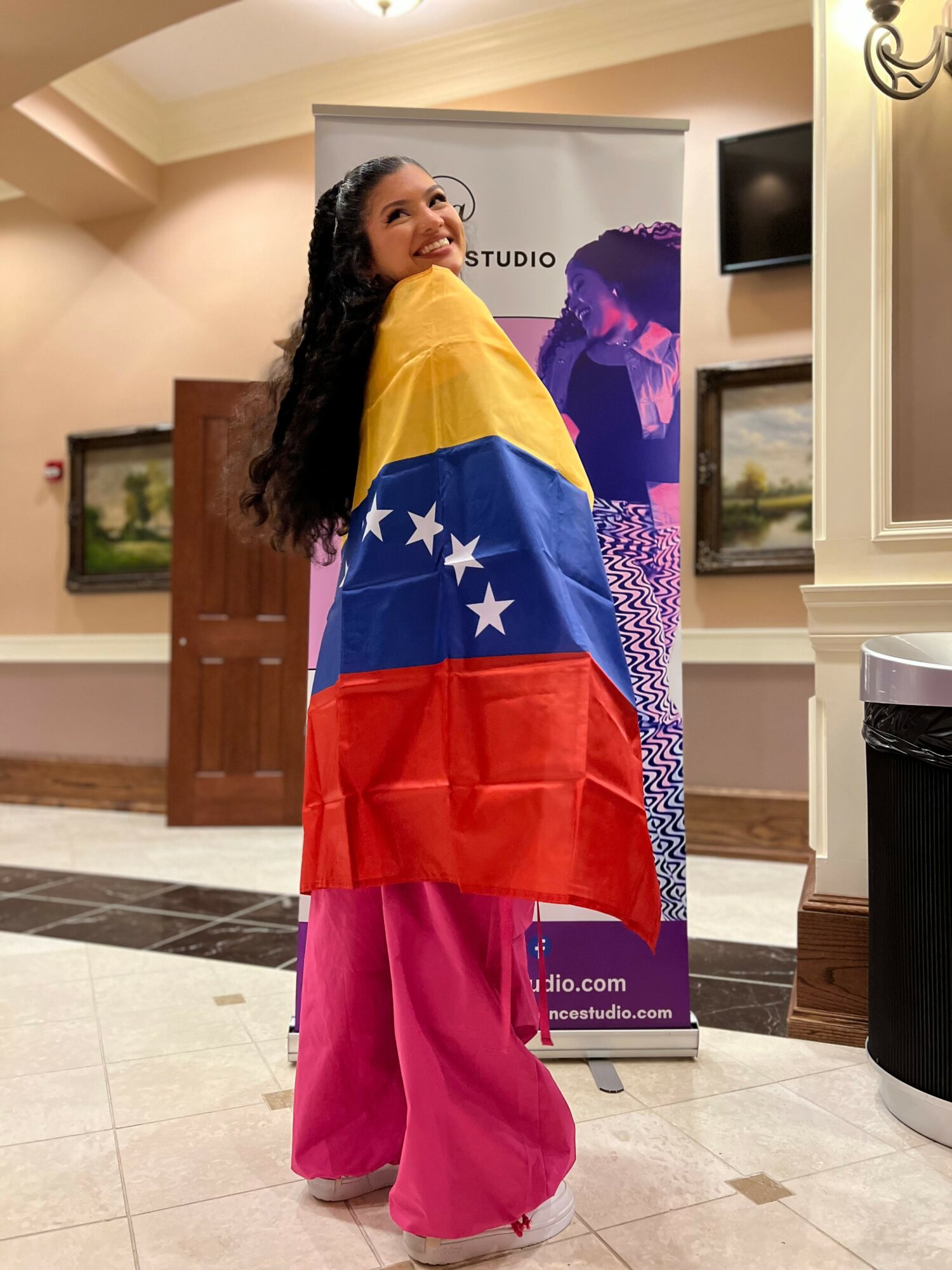
I’m a Venezuelan dancer, choreographer, instructor, and overall creative.
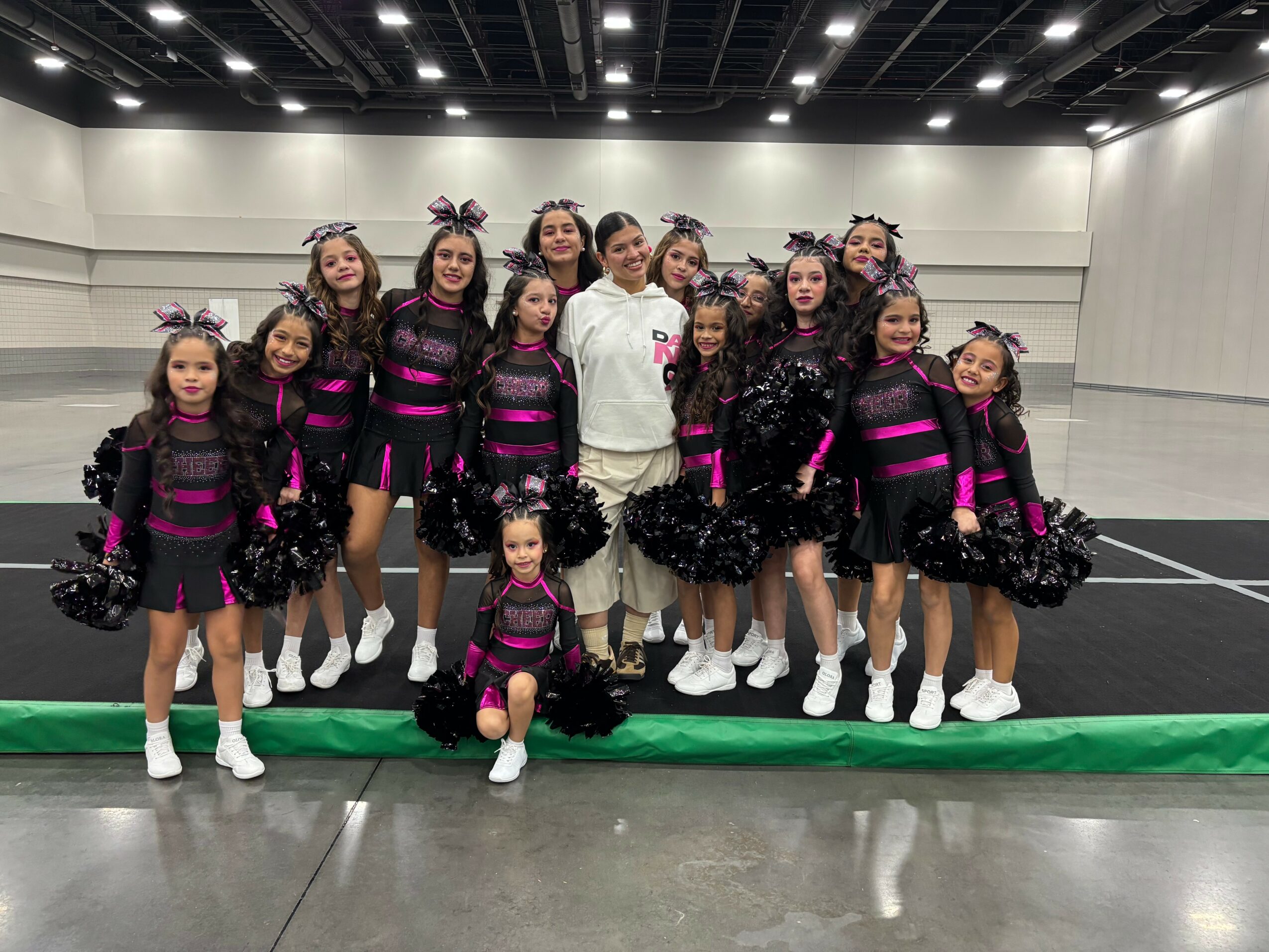
My real specialty, and my strongest skill, has always been choreography and leadership. I’ve always had a deep passion for creating and for serving through what I do. Teaching is one of my favorite parts of my work because it allows me to guide people, help them grow, and create spaces where they feel safe expressing themselves.
One of the experiences I’m most proud of has been working with the Atlanta Hawks. It’s an incredibly respected platform for the world and dancers, and I had the opportunity to choreograph, direct, and perform in a show that highlighted the influence of Latin and Caribbean culture in Atlanta. I’ve been able to do that project twice, and both experiences have been very meaningful to me.
I’ve also had the opportunity to open for artists and be part of live performances within the Latin music industry, which has been really special because it represents growth not just as a performer, but also as a choreographer and creative.
What makes me different is that I’m very people-oriented and deeply community-driven. I care a lot about people’s mental and emotional well-being, and that naturally shows in the way I teach and create my classes.
For me, my class is never just about learning choreography. There’s always something deeper happening. I’ve spent years intentionally curating a space that feels safe for everyone, regardless of where they come from or how they look. A space where people can show up as themselves without judgment. I always try to give emotional encouragement in class because I want people to leave feeling more confident in themselves, more connected to who they are, and even a little closer to discovering that. I also love that my classes can feel like a small corner of Latin culture here, a place where people can feel at home, seen, and connected.
Do you have any advice for those just starting out?
One of the biggest things I wish someone had told me when I started is that I don’t need to worry about anyone else’s path. Success looks completely different for everyone, and the only thing that truly matters is focusing on what my version of success looks like and what actually fulfills me.
I also wish I had understood earlier that personal growth is directly connected to artistic growth. Over time, I realized that the more I grew as a person, the more my dance also expanded. For me, my development as a dancer has always reflected my development as a human being. As I started to work on myself, build self-awareness, and grow emotionally, my artistry naturally became stronger and more aligned. It became less about external validation and more about creating something that truly reflects who I am.
At the end of the day, I want my work to communicate who I am in an authentic way. And I’ve learned that the strongest brands and the most powerful artists are the ones that are rooted in identity and emotional fulfillment, not comparison.
Another thing I wish I had learned earlier is patience and grace with myself. Comparison is honestly one of the most limiting things you can do. For a long time, I compared myself to people who grew up in completely different environments, with different training and different opportunities, and it only took me away from my own journey. Now I understand that no one else has lived my exact story. No one else has had my experiences, my challenges, or my path. And because of that, there is no one I need to compete with.
What really matters is staying in your own lane, trusting your timing, and committing to your authenticity. That, more than anything, is what takes you further.
Pricing:
- $27 per drop in class
- $50 for two classes
- $90 full month packege
Contact Info:
- Instagram: https://www.instagram.com/macamilacardozo?igsh=N21yaWNqcGVvejdh&utm_source=qr
- Other: https://www.tiktok.com/@macamilacardozo
Popular
-

Hidden Gems: Local Businesses & Creatives You Should Know
-

ATL’s Most Inspiring Stories
-

Portraits of Atlanta
-

Satoya Hayes on Turning Beauty 2 Extensions into a Platform for Affordable Confidence and Entrepreneurial Opportunity
-

Asha Ford on Building Krystal Klear Motion and Creating Purpose-Driven Design for Women
-

Truth in Every Verse: Jay Erve on Identity, Experience, and Creating Art That Lasts