






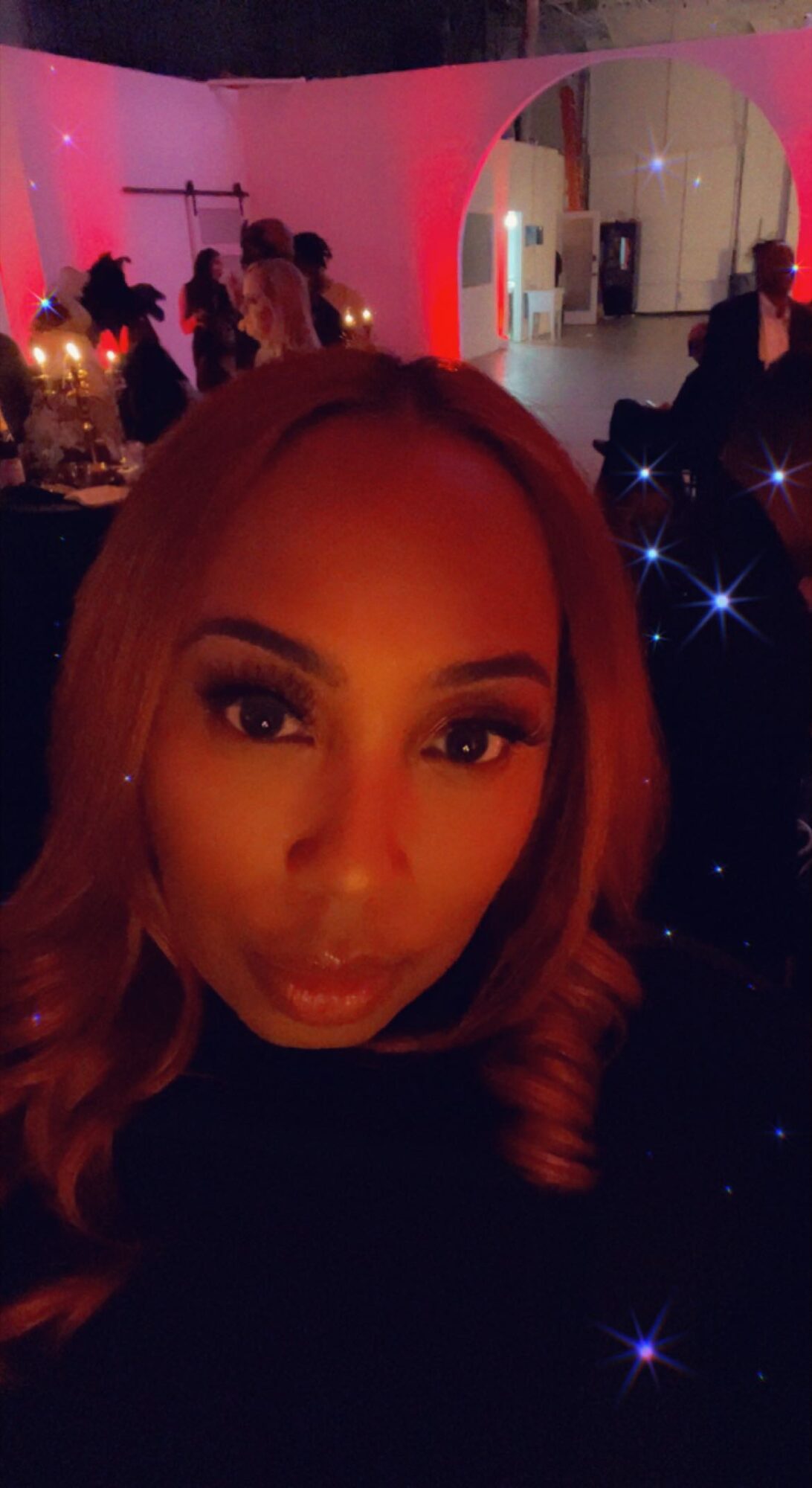
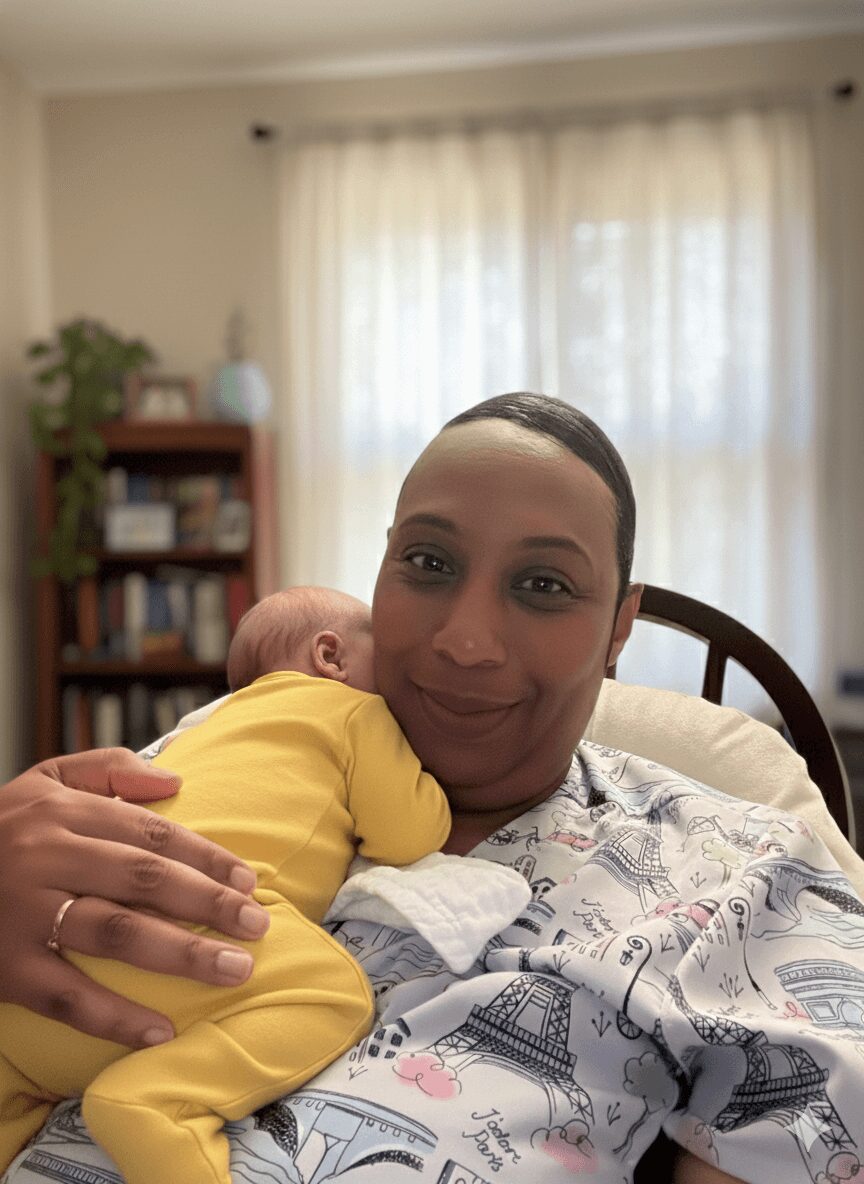
Today we’d like to introduce you to Francisca Shaw.
Hi Francisca, please kick things off for us with an introduction to yourself and your story.
I was born and raised in Seattle, and my journey into birth work started long before I even realized it. I became a young wife and mother, getting married at 21 years old and welcoming my first child at 22 in 2003. Her birth was unmedicated and incredibly fast, and although intense, it showed me just how powerful the human body could be.
At the same time, I was finishing school to earn my BA in Legal Studies and my paralegal certification. After graduating, I began my professional career working in contracts and legal operations for major companies including T-Mobile, AT&T, Crown Castle, and Starbucks.
In 2007, I had my second daughter. She was breech, so I delivered by c-section, and thankfully everything went smoothly. Seven years later, my husband and I decided to have one more baby. I became pregnant quickly and had a beautiful pregnancy. Unlike my previous pregnancies where I was extremely sick and exhausted, this one felt peaceful and healthy.
Everything changed on February 24th. My water had only slightly broken, more of a slow leak than a gush….so I went into the office first to finish projects and prepare for maternity leave before heading to the hospital. Once there, I was aggressively pressured into taking Pitocin because staff believed I delivered babies quickly and wanted to “get ahead of it.” I initially refused, but after repeated pressure, I gave in.
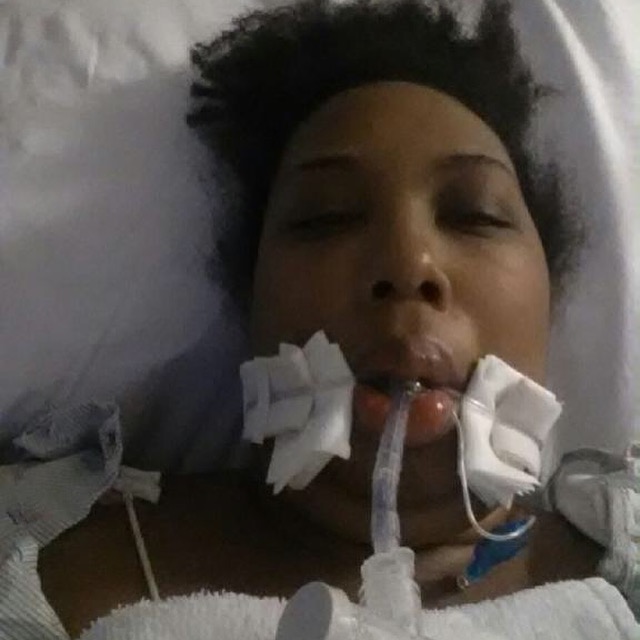
After that, everything spiraled. The Pitocin caused excruciating pain, my baby’s heart rate began dropping, and I was rushed into an emergency c-section. During surgery, my uterus was ruptured, and I began hemorrhaging. I developed three blood clots in my lungs, went into cardiac arrest twice, and ultimately required an emergency hysterectomy to save my life. My family was told that I did not survive.
But that day, at University of Washington Medical Center, there happened to be a medical conference taking place with some of the top physicians in the country. When they heard the code blue, several rushed downstairs to assist. Their efforts saved my life.
My recovery was long, painful, and life changing. During that time, I began writing out a plan for how I could help women better navigate pregnancy, birth, and advocacy in medical settings. At first, I blamed myself and believed my body had failed me. But after reviewing my medical records, I realized the truth: my complications were not simply “bad luck”, there were medical mistakes and failures in my care.
That realization changed the course of my life forever. It opened my eyes to the reality of Black maternal health and the experiences so many women face during childbirth. From that moment forward, I dedicated myself to supporting women and families through birth work. After moving to Atlanta, I officially became a certified doula in 2020.
Then, on June 18, 2025, I was fired from my job with Gwinnett County. The very next day, Juneteenth I launched my doula and nanny business. Since then, I have worked every single day building a mission rooted in advocacy, education, compassion, and making sure women feel seen, heard, and protected during one of the most important moments of their lives.
I’m sure it wasn’t obstacle-free, but would you say the journey has been fairly smooth so far?
Absolutely not. The road has been anything but smooth. While I survived and was blessed with a healthy baby girl, the emotional recovery after my traumatic birth experience was much harder than people could see on the outside. For the first year, my focus was on physically surviving, taking blood clot medication, rebuilding my strength, and learning how to function again after nearly losing my life.
But once the physical recovery slowed down, the emotional and mental impact began to surface. I was only 33 years old when I had an emergency hysterectomy, and I struggled deeply with what that meant for me as a woman. I was surrounded by pregnant women and new mothers through my work, helping families bring life into the world, while privately grieving the fact that I would never be able to carry another child myself. That pain devastated me.
One of the hardest parts of my recovery was the guilt I carried after seeing the emotional damage my traumatic birth caused my family. When I finally read through my medical records, I saw notes about my daughters speaking with the chaplain, asking if their mother was going to die. Reading those words crushed me. My mother became so overwhelmed believing she had lost me that she passed out and became physically sick in the hospital room. My father was all the way in Miami feeling helpless and terrified, trying to process everything from a distance. And my husband…. that image still stays with me. He sat outside the operating room for hours and refused to move until I was rolled out. Knowing the fear, pain, and heartbreak my family experienced because of what happened to me weighed heavily on my heart for years. The guilt was overwhelming, and emotionally, that became one of the toughest parts of healing.
For years, I carried sadness, anger, confusion, and grief. There were moments where I questioned my identity and had to relearn how to see value in myself beyond my ability to have children. My youngest daughter is now 11 years old, and it has taken me years to truly accept that this is my reality.
But through all of that destruction, I found purpose. My experience opened my eyes to the importance of advocacy, informed consent, and compassionate maternal care, especially for Black women. The pain I endured became the foundation for the work I do today. Every family I support, every mother I educate, and every woman I empower reminds me why I survived. That purpose is what continues to keep me going.
We’ve been impressed with Quincy Rae Birth & Family Services , but for folks who might not be as familiar, what can you share with them about what you do and what sets you apart from others?
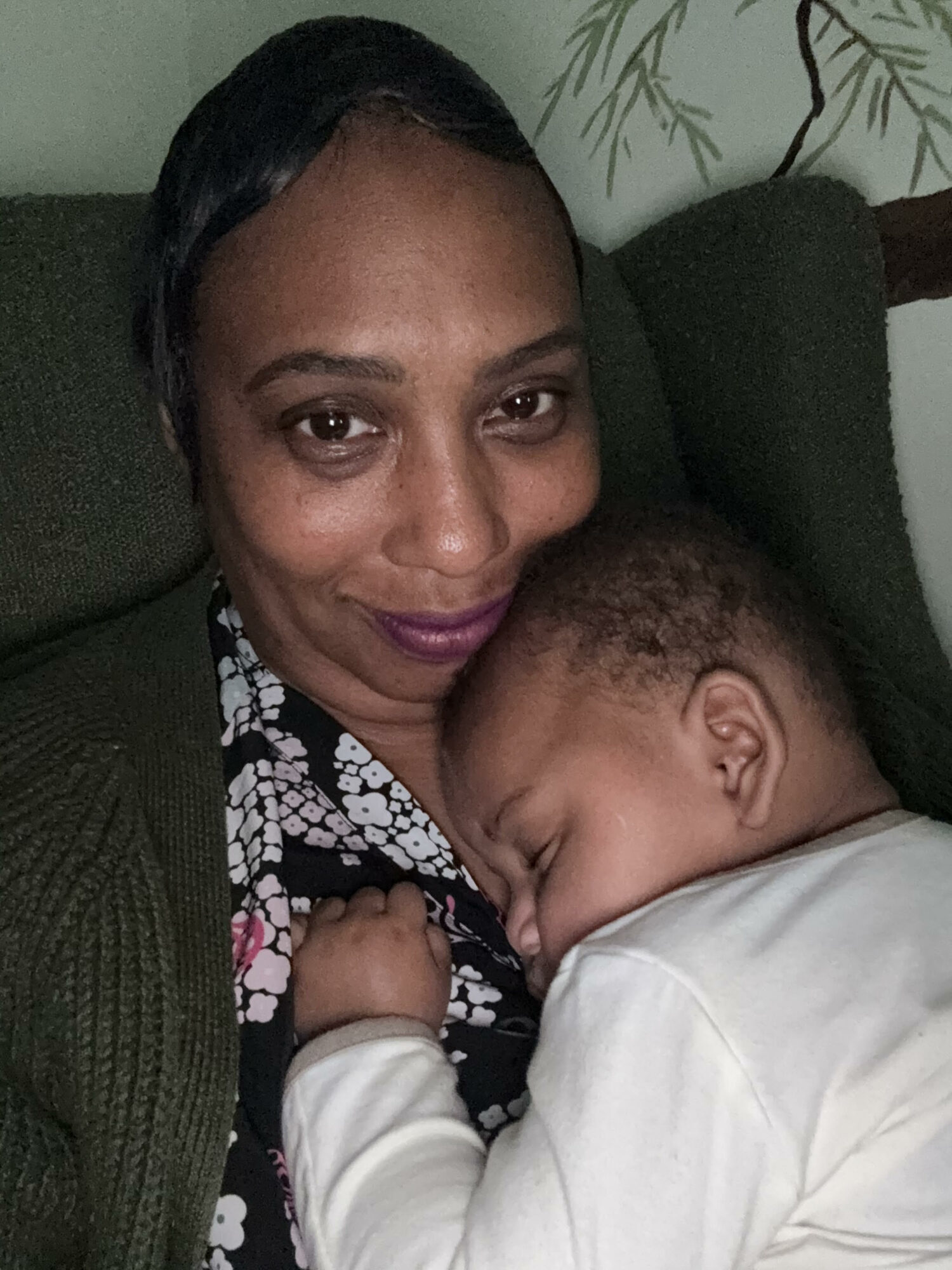
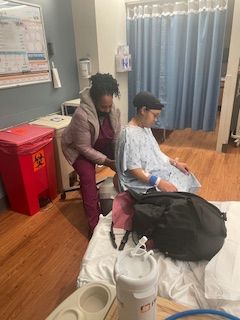
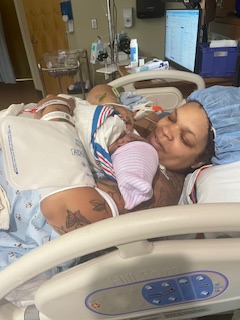
Quincy Rae Birth & Family Services is a doula and family support organization rooted deeply in advocacy, education, and hands-on care. The work goes far beyond traditional doula services, I am present with clients at appointments, actively collaborating on birth plans, and helping families feel informed, prepared, and empowered as they approach labor and delivery. My support continues well into the postpartum period, where I focus on ensuring mothers are getting adequate rest and recovery, recognizing how essential sleep and emotional support are in reducing risks like postpartum depression and supporting overall family wellbeing.
What sets this work apart is that it is not transactional or limited to a checklist of services. It is relational, accessible, and community centered. I teach free classes at churches, answer questions online for anyone who reaches out, and intentionally avoid gatekeeping information that could help someone make safer, more informed decisions about their care. While I understand the importance of being compensated for my work, my mission is never driven by profit at the expense of access, support should not be something only a few can afford.
What I am most proud of as a brand is the trust and connection built with families. Quincy Rae Birth & Family Services exists to make sure people feel seen, heard, and supported in one of the most vulnerable and powerful experiences of their lives, while also advocating for informed consent, respectful care, and dignity in every birth space.
In terms of your work and the industry, what are some of the changes you are expecting to see over the next five to ten years?
Over the next 5–10 years, the doula and broader maternal health industry is expected to shift in some pretty significant ways, both in opportunity and in structure.
One of the biggest changes is mainstream integration into healthcare systems. Doulas are no longer being viewed only as “extra support,” but increasingly as part of the care team. More hospitals, clinics, and insurance companies are beginning to recognize that continuous emotional and physical support during pregnancy and postpartum can improve outcomes and reduce complications. This is pushing doulas closer to formal care models instead of being on the margins.
Another major trend is insurance and Medicaid coverage expansion. More states are approving reimbursement for doula services, and private insurers are beginning to pilot coverage as well. This shift is huge because it moves doula care from being a luxury service to something more families can actually access, especially in underserved communities. That also means the industry is likely to grow, but with more structure, accountability, and documentation requirements.
At the same time, there’s a growing focus on maternal health equity, especially around Black maternal health and reducing preventable complications. This is pushing doulas into more advocacy-based roles supporting informed consent, helping families navigate systems, and addressing disparities in care. That aligns closely with the kind of work I already do through Quincy Rae Birth & Family Services.
We’re also seeing a rise in “hybrid care models”, where doulas work alongside midwives, OBs, social workers, lactation consultants, and mental health providers as part of coordinated care teams. The future is less siloed and more collaborative.
Technology is another shift. There’s more use of telehealth, apps, and virtual postpartum support, which is expanding access but also changing how doulas maintain relationships and continuity of care.
Finally, there’s a real conversation happening around sustainability in the profession. As demand grows, so does concern about burnout, fair pay, and whether the industry will become oversaturated without proper support systems. This is leading to more agencies, group practices, and structured doula networks rather than solo practitioners doing everything alone.
Overall, the direction is clear: doula work is moving from “alternative support” into a recognized, integrated, and increasingly essential part of maternal healthcare. The challenge, and opportunity is making sure it stays rooted in accessibility, compassion, and advocacy as it grows.
Contact Info:
- Website: https://quincyraebirth.com/quincyraebirth
- Instagram: https://www.instagram.com/franciscathedoula/
- Facebook: https://www.facebook.com/francisca.shaw
- LinkedIn: https://www.linkedin.com/in/francisca-shaw-4473a413b/
- Youtube: https://www.youtube.com/@Shawfamilynetwork
Popular
-

Hidden Gems: Local Businesses & Creatives You Should Know
-

ATL’s Most Inspiring Stories
-

Portraits of Atlanta
-
Natasha Dillard on Redefining Beauty Standards and Empowering Women Through Unapologetic Self-Expression
-

Darren Paltrowitz on Blending Investigation, Media, and Culture to Uncover the Stories Behind the Stories
-

Naeemah Jade on Redefining Networking Through Trust, Proximity, and Intentional Community