




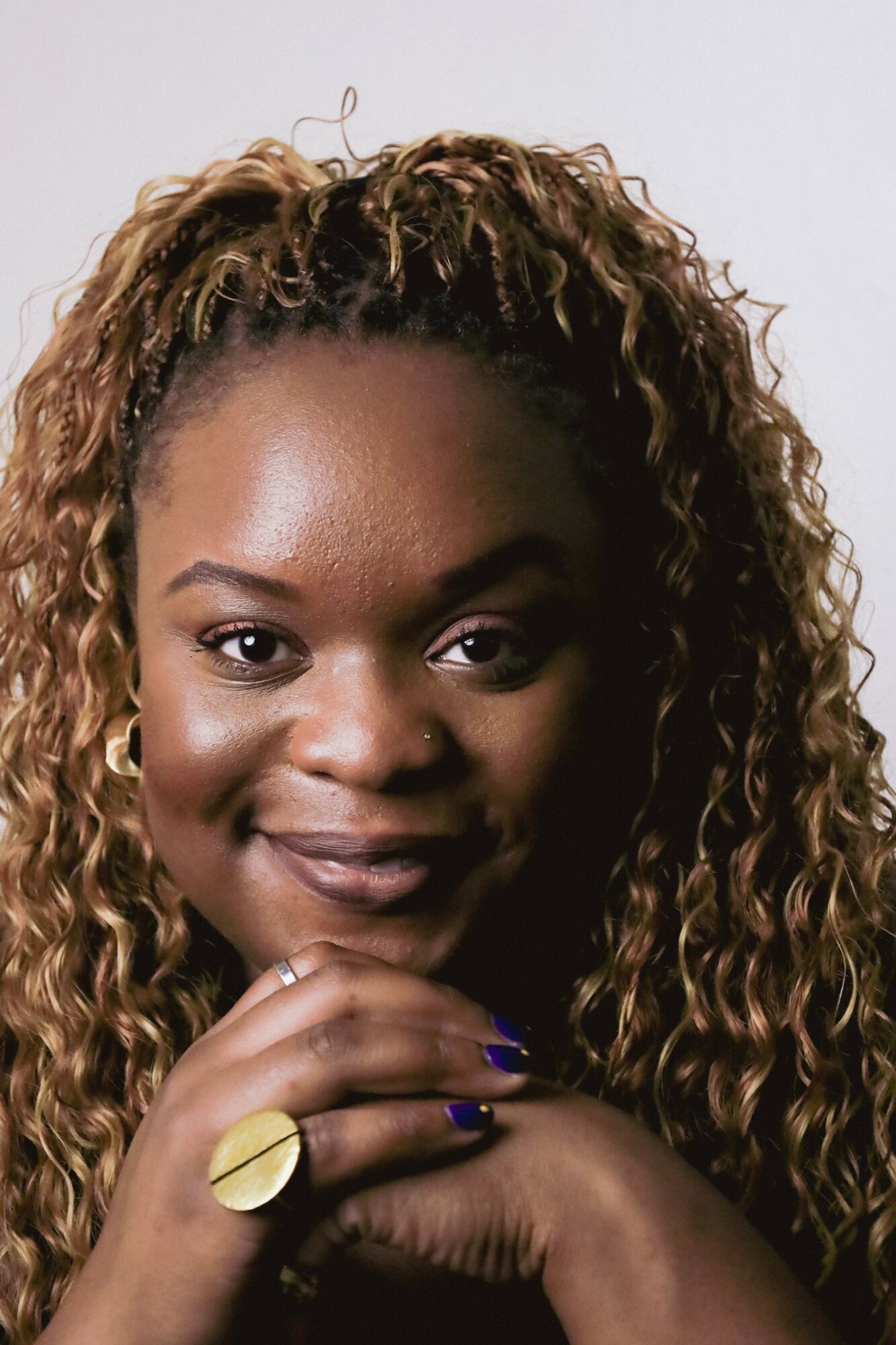
Today we’d like to introduce you to Nneka Mogbo.
Hi Nneka, we’re thrilled to have a chance to learn your story today. So, before we get into specifics, maybe you can briefly walk us through how you got to where you are today?
I grew up in Douglasville, Georgia in a Nigerian-American household. Went to Douglas County High School where I was in the International Baccalaureate program. I think that upbringing planted something in me early. I was always curious about the world beyond what I could see, which is probably why I ended up studying Intercultural Studies at Wofford College and spending a significant chunk of my early twenties living and researching across Tunisia, Italy, Tanzania, and the UAE. Those years weren’t just travel — they were formative. I was learning how culture moves, how music travels, how creative people build lives and legacies across borders.
When the pandemic hit, I came back to Atlanta. And like a lot of people, that stillness gave me clarity. I launched Úrú Collective with a focus on music — specifically the intersection of Middle Eastern and African music and global media. But it evolved quickly. What started as music-focused work expanded into talent management, original IP, and cultural strategy, because that’s what the artists and creatives I was working with actually needed. Someone who could see the full picture.
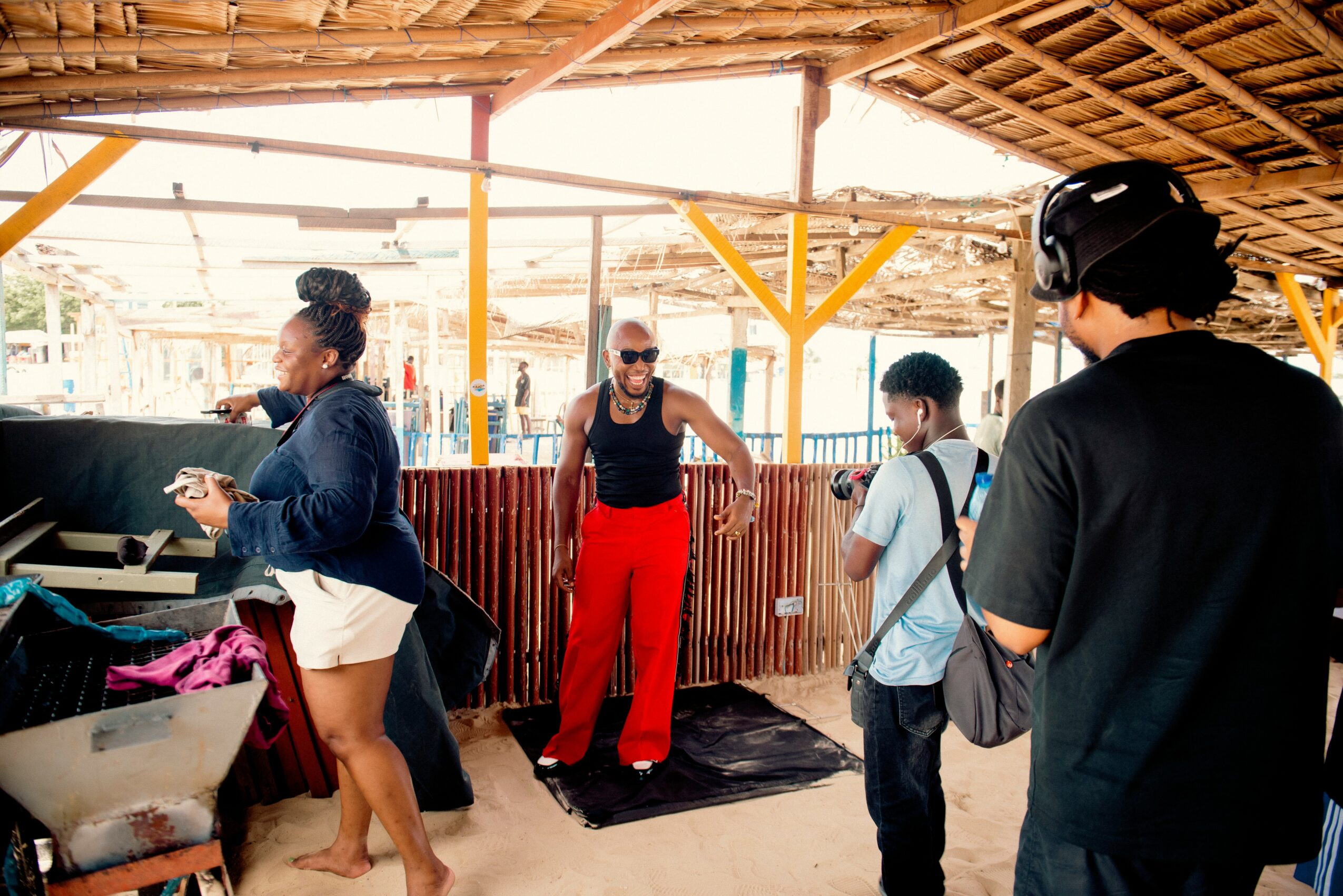
Today, Úrú operates between Lagos and Atlanta, working with thought leaders across Africa, the UK, and the US. The throughline has always been the same — helping remarkable creative people build something that lasts, on a global stage.
Can you talk to us a bit about the challenges and lessons you’ve learned along the way. Looking back would you say it’s been easy or smooth in retrospect?
Honestly? No. And I think anyone who tells you building a business from scratch was smooth is leaving something out.
The hardest part for me has been building my network and my business at the same time, while also figuring out capital. Those three things don’t wait for each other. You’re pitching, connecting, and financing all at once — and some days that’s energizing and some days it’s just a lot.
I split my time between Atlanta and Lagos, and that sounds glamorous until you’re actually living it. It’s expensive. It’s exhausting. But I do it because my network is my business’s lifeline. The relationships I’ve built on both sides of that journey are what make Úrú work.
There’s also the cultural navigation piece, which I don’t think gets talked about enough. Connecting the African diaspora in the U.S. to Nigerians on the ground in Lagos — those aren’t the same conversation. The references are different, the priorities are different, the way trust is built is different. Learning how to hold both without flattening either has been one of the most challenging and most rewarding parts of this work.
Thanks – so what else should our readers know about Úrú Collective?
Úrú Collective is an international talent management and creative agency. We work across three pillars — talent representation, original IP production, and cultural strategy — and the through line across all of them is the same: helping African and diaspora creatives build work that travels.
I built Úrú because I kept seeing an infrastructure gap. There were incredible artists, storytellers, and cultural voices doing important work, but not always the business architecture around them to take that work global. Úrú exists to be that architecture.
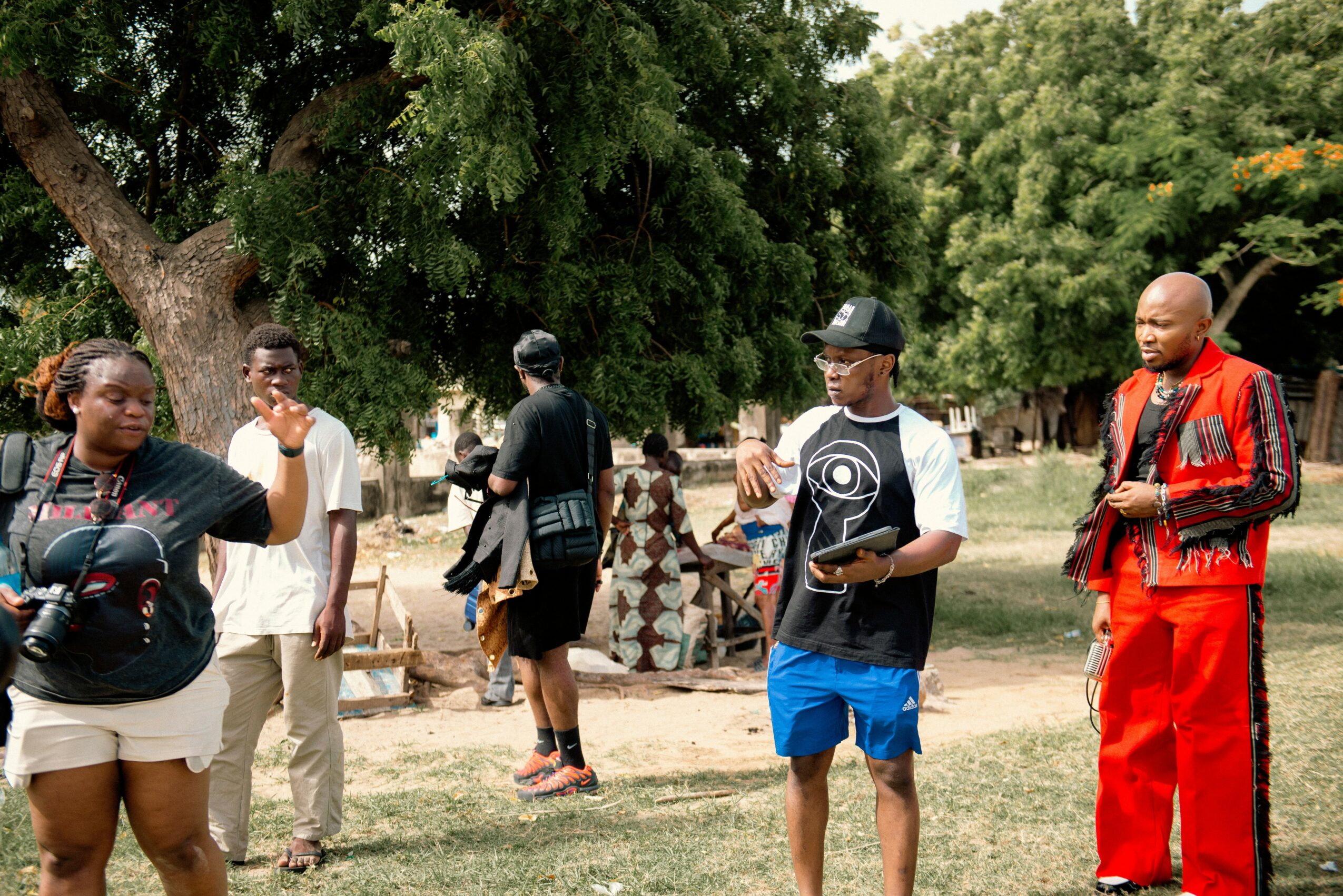
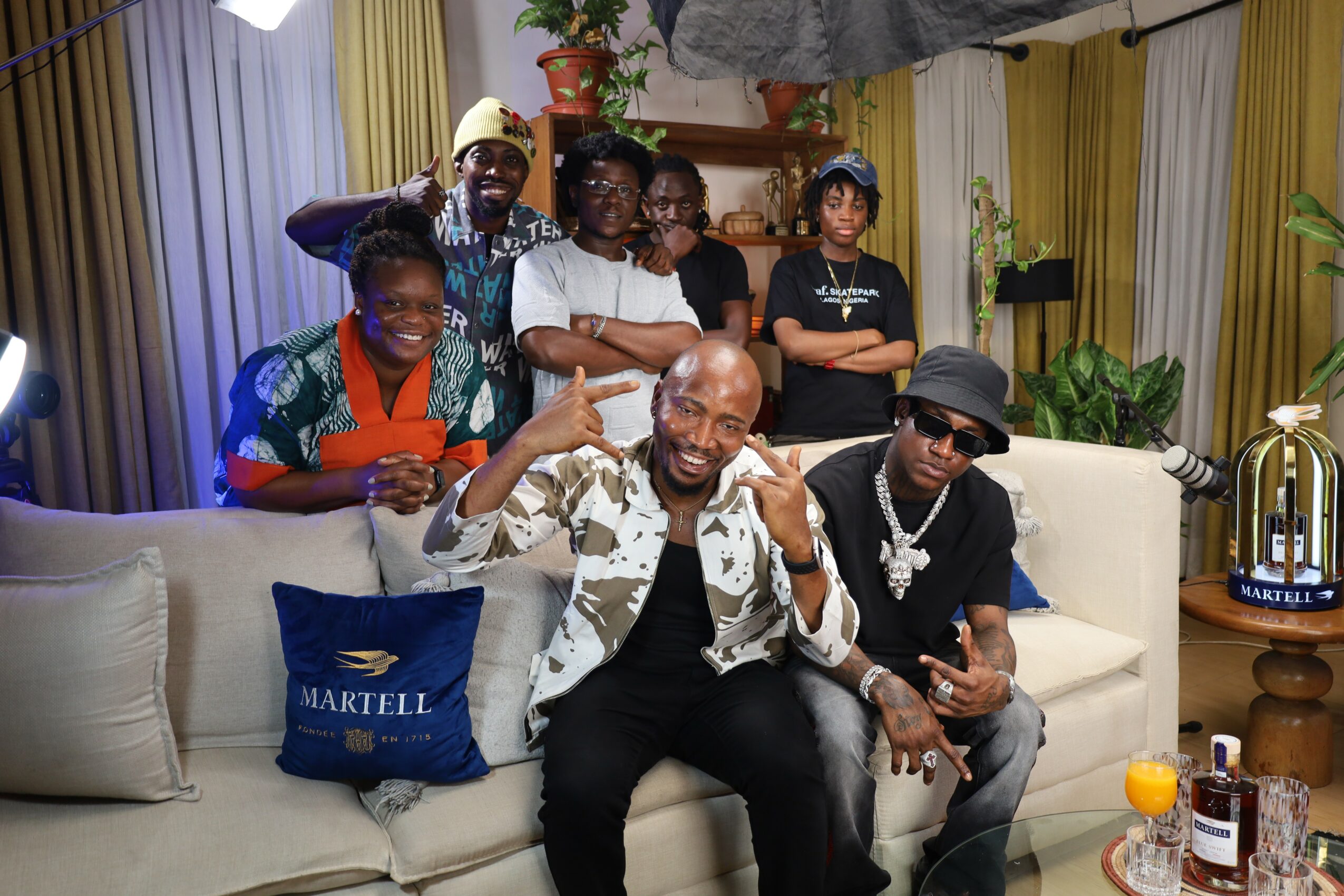
On the talent side, we represent Joey Akan, one of the most respected voices in African music journalism and the creator of Afrobeats Intelligence — a Webby Awards honoree and flagship podcast presented by OkayAfrica with over 3 million streams and downloads. The show has become essential listening for anyone serious about the African music industry, and has attracted brand partnerships with the likes of Martell, Coca-Cola, and Oraimo. That work is a case study in what intentional talent management can do for a creator’s reach, credibility, and commercial value.
On the production side, I host and produce Current Mind, a podcast for creators and talent managers navigating this industry. We’re also developing a slate of short films, and we have a few community events in the works designed to travel — bringing diaspora audiences together across cities.
What sets us apart is that we’re not just a management company that occasionally produces things, or a production house that occasionally advises talent. We’re built to do both, intentionally, because we believe the most powerful thing you can do for a creative is help them own their work and their narrative at the same time.
Who else deserves credit in your story?
unconventional from the jump — it’s rare for journalists in this industry to have management at all, let alone someone also helping build out their IP infrastructure. The fact that Joey trusted me with that, and that we’ve continued to build together through all the uncharted territory that comes with doing something that hasn’t really been done before, means a lot. We’re consistently doing the unconventional and that takes a particular kind of person to say yes to.
World 50, an Atlanta-based organization I had the privilege of working with early in my career, gave me the best possible foundation. The network of colleagues and executives I met there, and the ones who later entrusted me with programming, shaped how I think about curating experiences and building for Fortune 500 executive-level audiences — a muscle I still use constantly, even in the work I do on the continent today.
My alma maters also deserve real credit. The University of Miami’s Music Industry program gave me the technical and industry framework for what I do. But Wofford College is something different — it’s a community and a period of my life I hold close to my heart. I feel like I was genuinely nurtured there to be curious, to pursue unconventional interests, to ask big questions. I look back on some of those early instincts and laugh, but I’m so grateful they humored me.
And finally — my family and my best friends from back home. I’m doing something that doesn’t have a clear blueprint, which means odd hours, a lot of travel, and periods where I go heads down and disappear into the work. My family has shown up for me through all of that, even when it’s been hard to explain. And my friends have been my sounding board in the absence of a co-founder. Some of my best thinking has happened in those conversations with people who’ve known me longest.
Contact Info:
- Website: https://www.urucollective.co
- Instagram: https://www.instagram.com/urucollective.co
- Facebook: https://web.facebook.com/urucollective.co?_rdc=1&_rdr
- LinkedIn: https://www.linkedin.com/company/urucollective
- Twitter: https://twitter.com/urucollective
- Youtube: https://www.youtube.com/@UruCollective
Popular
-

Hidden Gems: Local Businesses & Creatives You Should Know
-

ATL’s Most Inspiring Stories
-

Summer McIntyre Is Building a Career at the Intersection of Sports, Media, Entertainment, and Digital Storytelling
-

DeAnna McIntosh Is Helping Entrepreneurs Move Bold Ideas From Vision to Reality Through Strategy, Innovation, and Execution
-

Portraits of Atlanta
-

Dr. Nicole Brown Expands Her Vision Beyond Design to Inspire Women Through Storytelling, Reinvention, and Intentional Living