



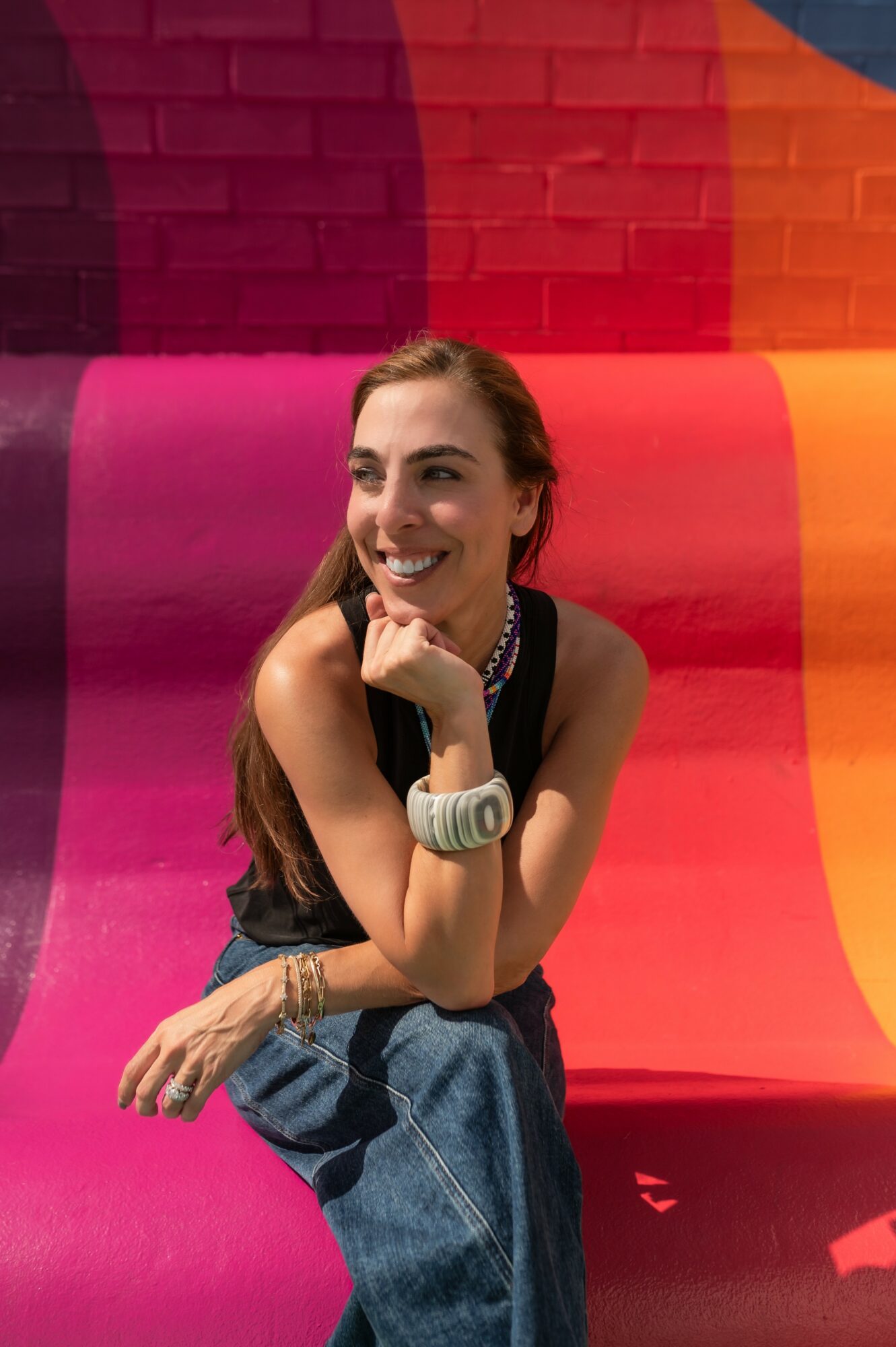
Today we’d like to introduce you to Alice Trahant Phillips.
Hi Alice, it’s an honor to have you on the platform. Thanks for taking the time to share your story with us – to start maybe you can share some of your backstory with our readers?
I grew up in New Orleans, where creativity isn’t reserved for artists — it’s woven into everyday life. People there decorate everything: their houses, their porches, their outfits, their cocktails, their cars. You absorb an appreciation for color, humor, and self-expression long before you have a word for it.
My grandmother was the queen of the kitchen-table art project. Some of my earliest memories are of sorting beads, feathers, ribbon, and fabric scraps — leftovers from costumes and Mardi Gras float projects — and turning construction paper into a pair of dangle earrings. My mother shaped the other half of my eye. She could make a home feel collected rather than decorated; everything was intentional. She taught me that a home should tell your story, not look like a showroom. Between the two of them, I learned that beauty doesn’t have to be formal. It can be playful, a little imperfect, and it can make you smile. That’s still the lens I use.
The business came together more gradually than people assume. Art was a passion long before it was a profession — I followed artists, paid attention, appreciated it at every turn. My one real role in that world was managing one of the largest artists’ markets in the Southeast, and it gave me a front-row seat to how artists build careers, how people actually buy art, and how intimidating the whole thing can feel from the outside. The entire time, I was also making jewelry. Creativity was never separate from my work; it ran right alongside it.
The real shift wasn’t changing careers. It was deciding to stop separating the things I loved — art, design, collecting, interiors, jewelry, color, storytelling. They all come from the same place. ATP became the umbrella that let me show up fully as both a consultant and a designer.
The consulting started the way these things do: friends asking me to help choose a piece, build a gallery wall, or figure out why a room didn’t feel finished. What I noticed was that people usually already knew what they liked — they just didn’t trust that instinct, and they didn’t know where to look. Those are the two gaps I close: I know where to find the work, and I help people trust their own eye once it’s in front of them. The moment I understood that was the whole service, it became a business. One project led to another, and now I source artwork, coordinate commissions, build collections for homeowners and businesses, and design jewelry that goes out into the world — but the thing underneath it hasn’t changed. My job isn’t to tell you what to like. It’s to help you find the right pieces and trust that your eye was right all along.
The jewelry, funnily enough, came first. I’ve always liked working with my hands. What I love about it is that it lives with people in a way art on a wall can’t — it becomes part of a daily ritual, it travels, it collects memories. On the surface the two practices look different, but they solve the same problem: I want people to feel more like themselves, not more like everyone else.
These days my work sits between my two cities. New Orleans is where my visual language comes from — where I learned that elegance and irreverence can share a room. Atlanta is where I built the business, and where the entrepreneurial, anything-is-possible energy gave it momentum. New Orleans gives me the soul; Atlanta gives me the drive. Both taught me the same thing: great style was never about following the rules. It’s about confidence — making something that feels unmistakably like you.
I’m sure it wasn’t obstacle-free, but would you say the journey has been fairly smooth so far?
Absolutely not — and I’ve never trusted a business that looks smooth from the outside. That polish is usually hiding a lot of trial and error.
The biggest challenge was giving myself permission to build a business that reflects who I actually am, instead of what I thought it was supposed to look like. For a long time I felt pressure to fit neatly into a category. Was I an art consultant? A jewelry designer? An artist? A creative director? People want a simple label, and my career has never been linear enough to give them one. The turning point came when I stopped treating those as competing identities — once I saw they all came from the same instinct, the business got a lot clearer.
There’s a funny symmetry to it, because the other big challenge has been that same word from the other direction. The art world — and the design world — can make people feel like they need permission to participate. I’ve watched so many people walk around with great instincts they’ve been taught to doubt. Learning to trust my own is what eventually let me help other people trust theirs.
And then there are the practical challenges every small-business owner knows: the uncertainty, and the seventeen hats — being the CEO, the marketer, the photographer, the bookkeeper, the shipping department, and customer service, often before lunch. But that’s also what made me resourceful, and what made me appreciate every relationship I’ve built along the way.
If there’s one thing I’ve learned, it’s that confidence usually comes after action, not before it. Most of the opportunities that shaped this business happened because I said yes before I felt ready. That’s probably been the most valuable lesson of all.
Can you tell our readers more about what you do and what you think sets you apart from others?
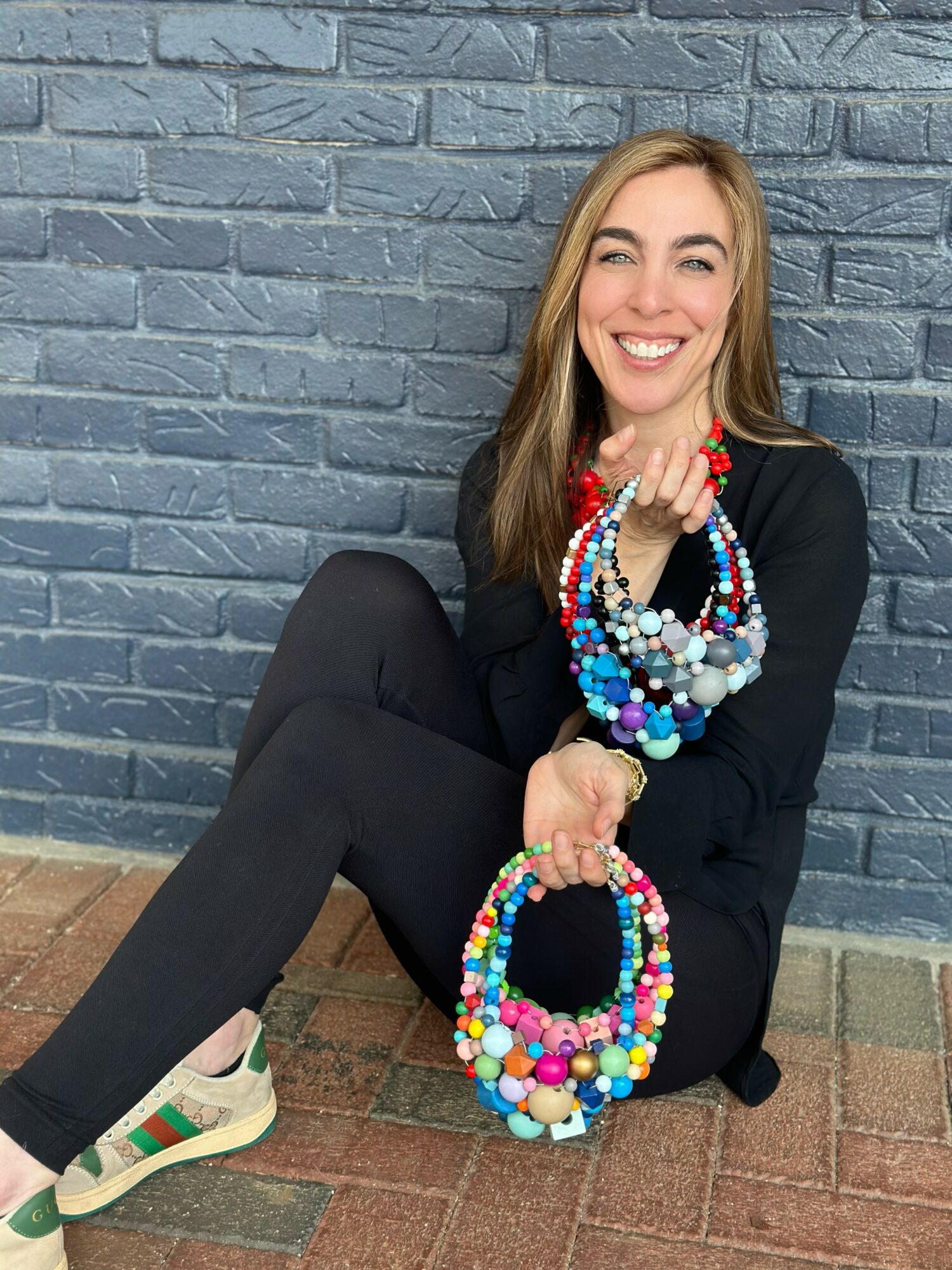
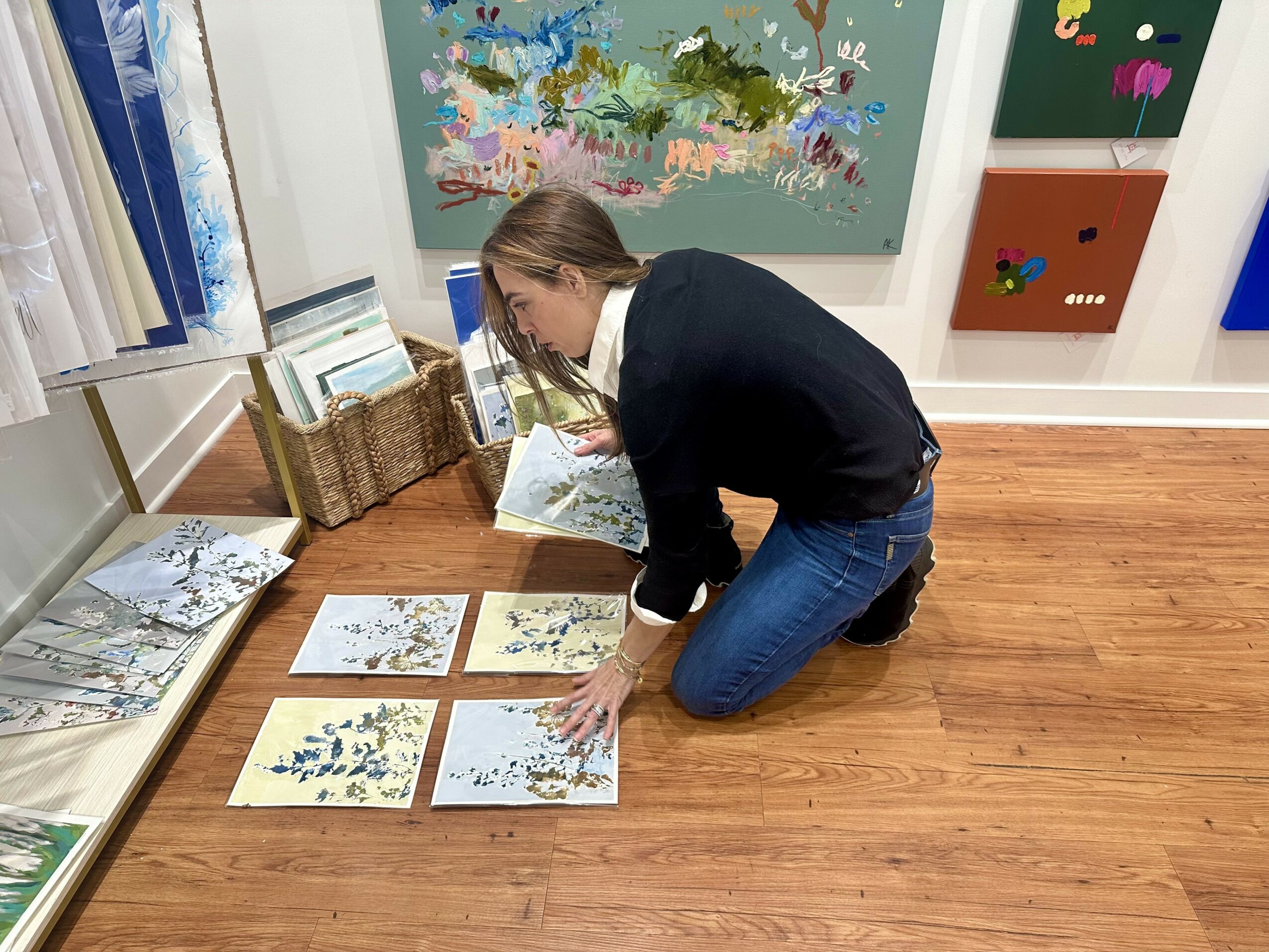
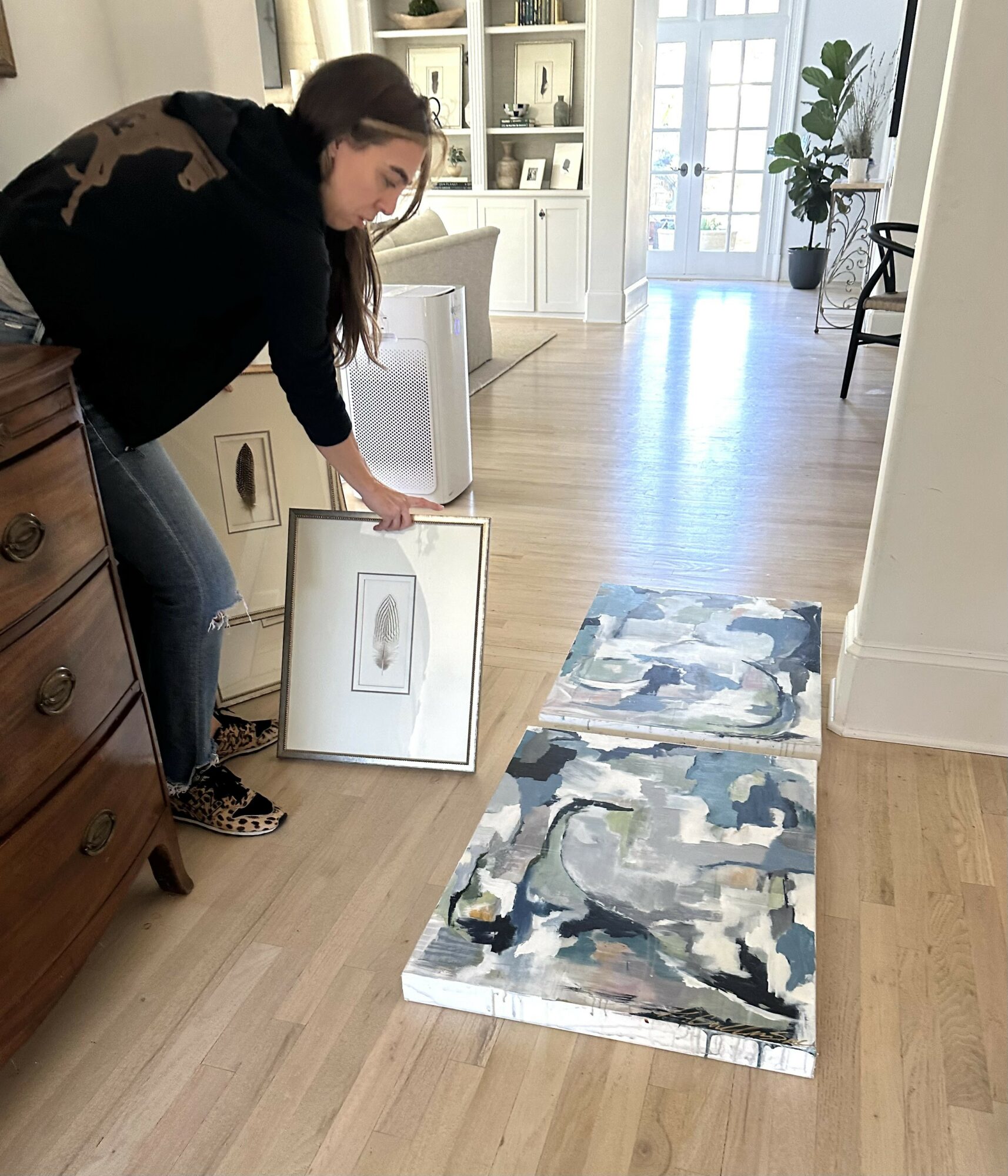
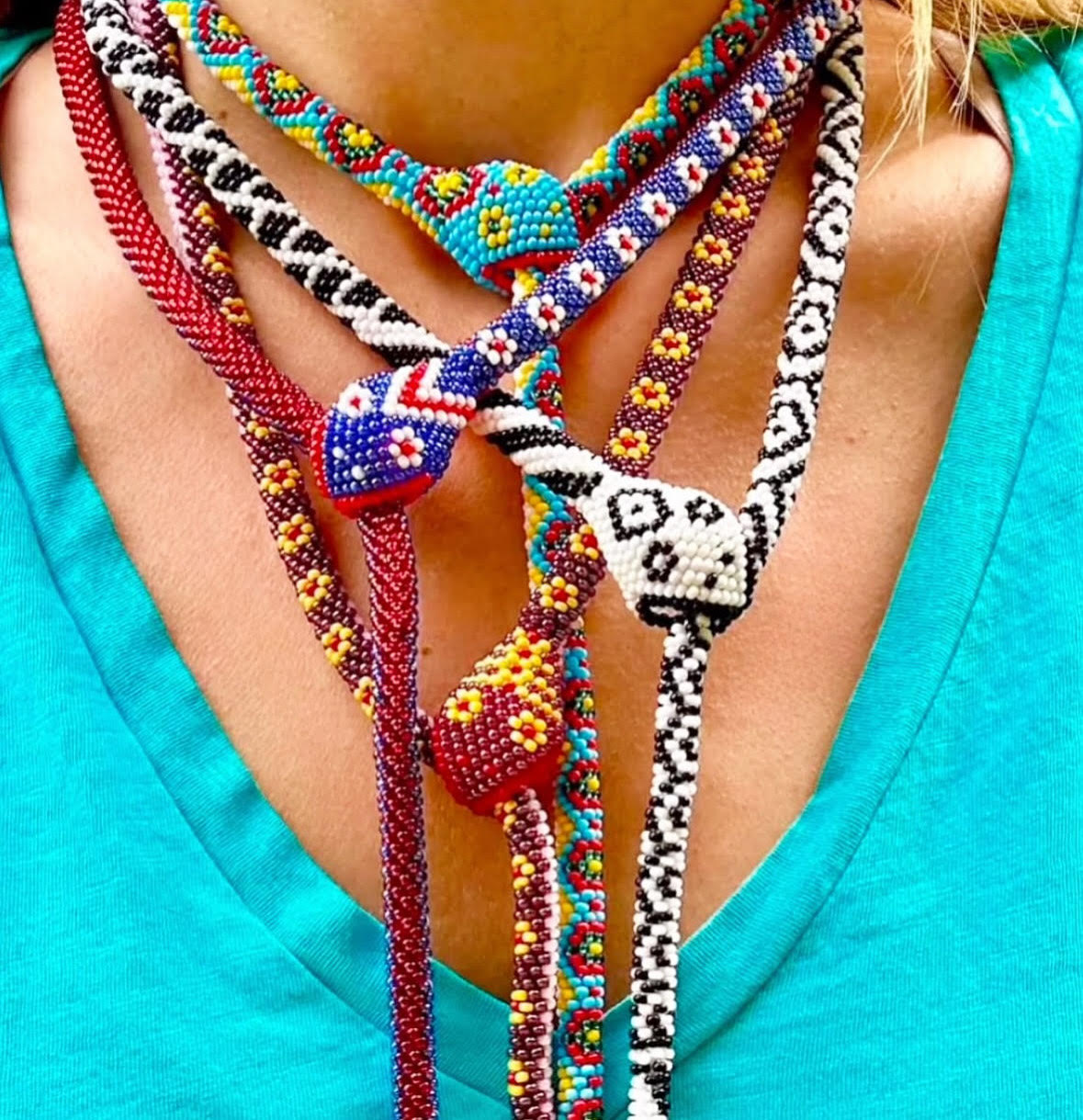
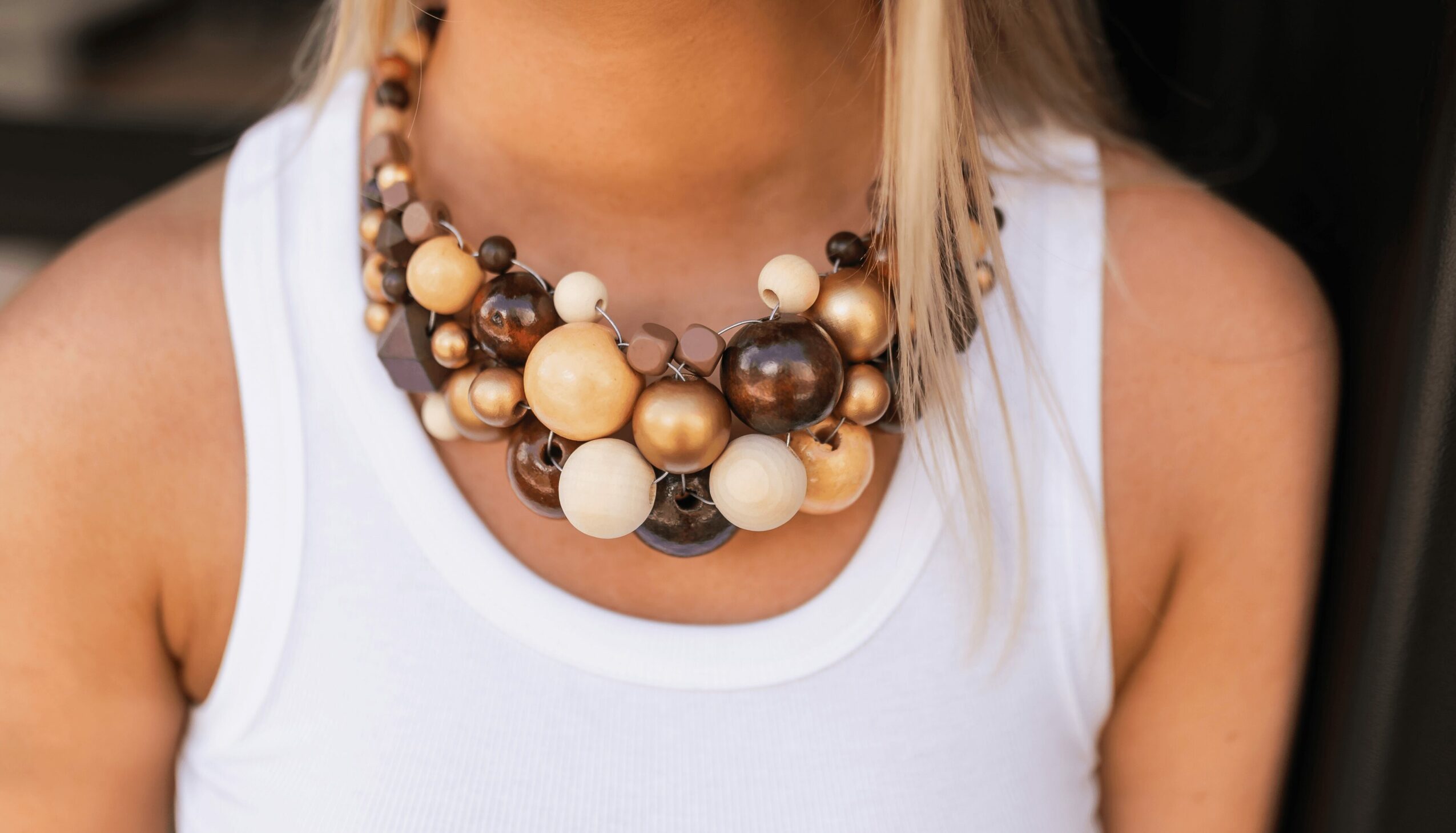
I wear two hats, and they’re more connected than they look. As an art consultant, I help individuals, businesses, and designers source, place, and live with art in a way that feels personal and approachable. Through my jewelry line, I design wearable pieces built around color, collecting, storytelling, and the creative process itself.
What ties both sides together is a single belief: people usually know more than they think they do. Most clients come to me convinced they don’t know anything about art, or that they have no eye for design. My experience is the opposite. The instincts are almost always there — they’ve just been taught to second-guess them. A big part of my job is helping people trust what they’re already responding to, so the decisions they make feel authentic instead of prescribed.
That’s probably what I’m known for: making the art world feel accessible. I’m not interested in telling anyone what they should like — I’d rather help them discover what they already love and build spaces that reflect it. Some of my favorite projects have been the quiet ones: reframing a child’s self-portrait, finding the painting for a room that’s never quite felt finished, helping someone commission a piece they’ll live with for decades. Those mean as much to me as placing a major work.
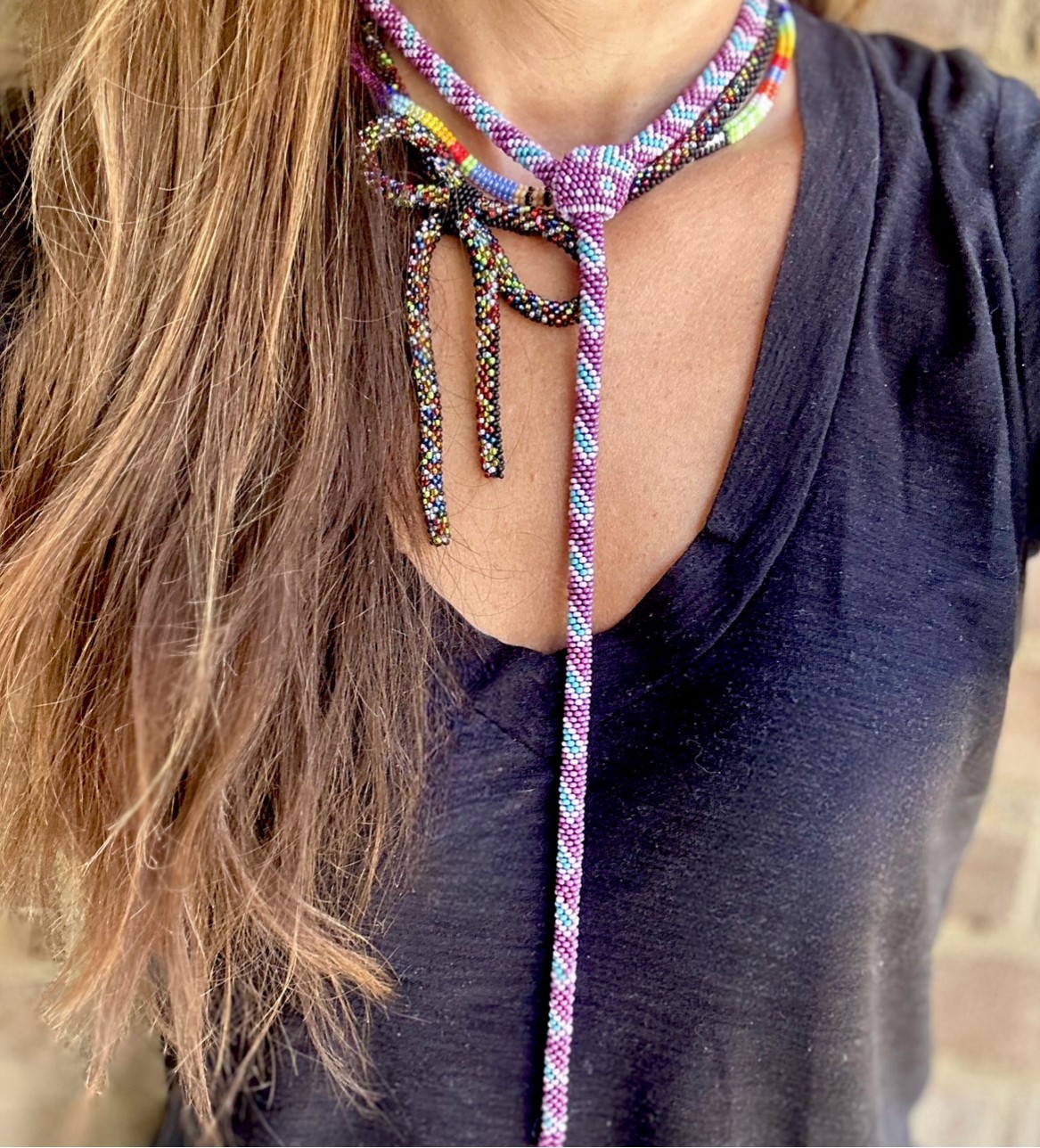
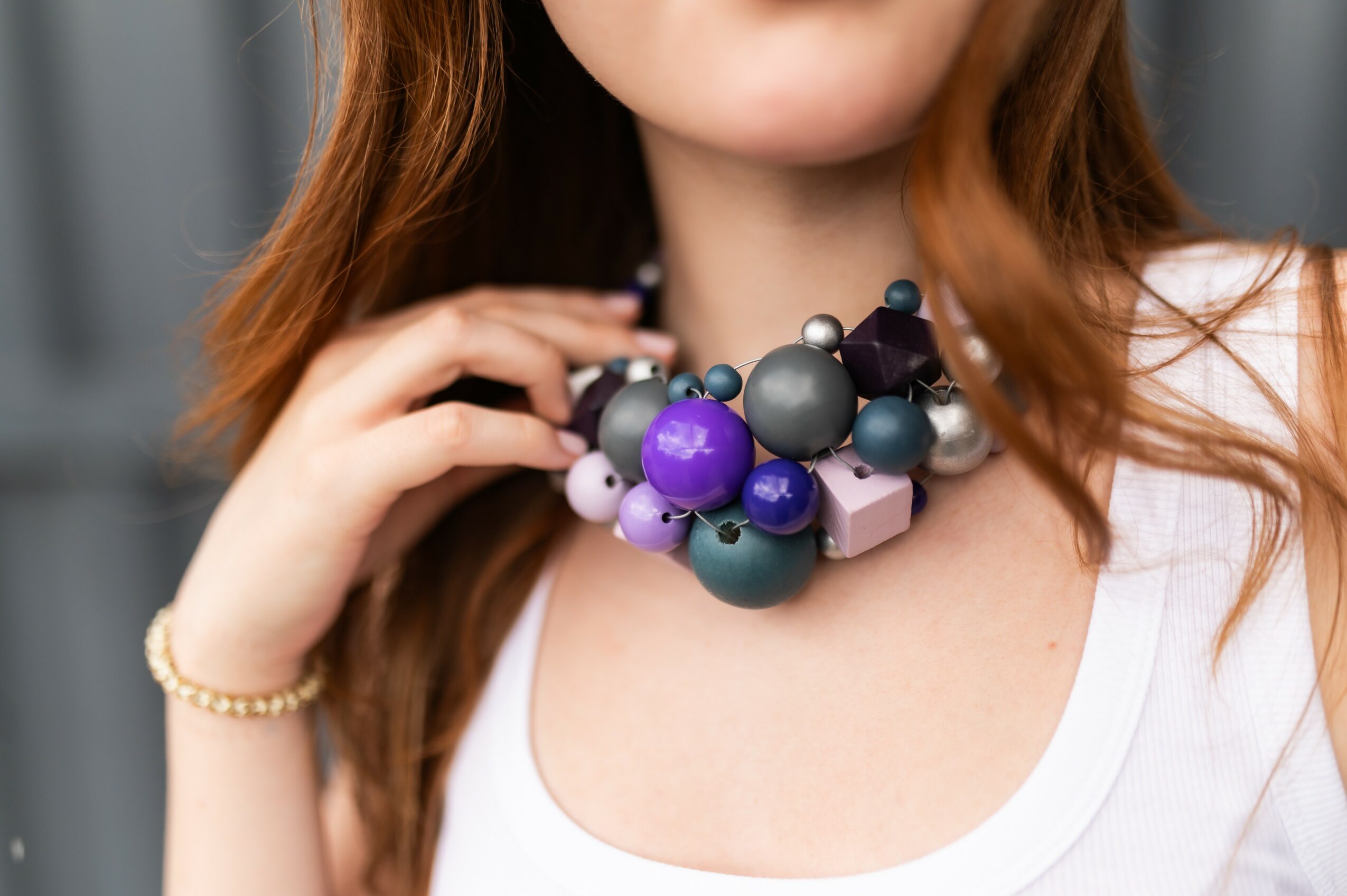
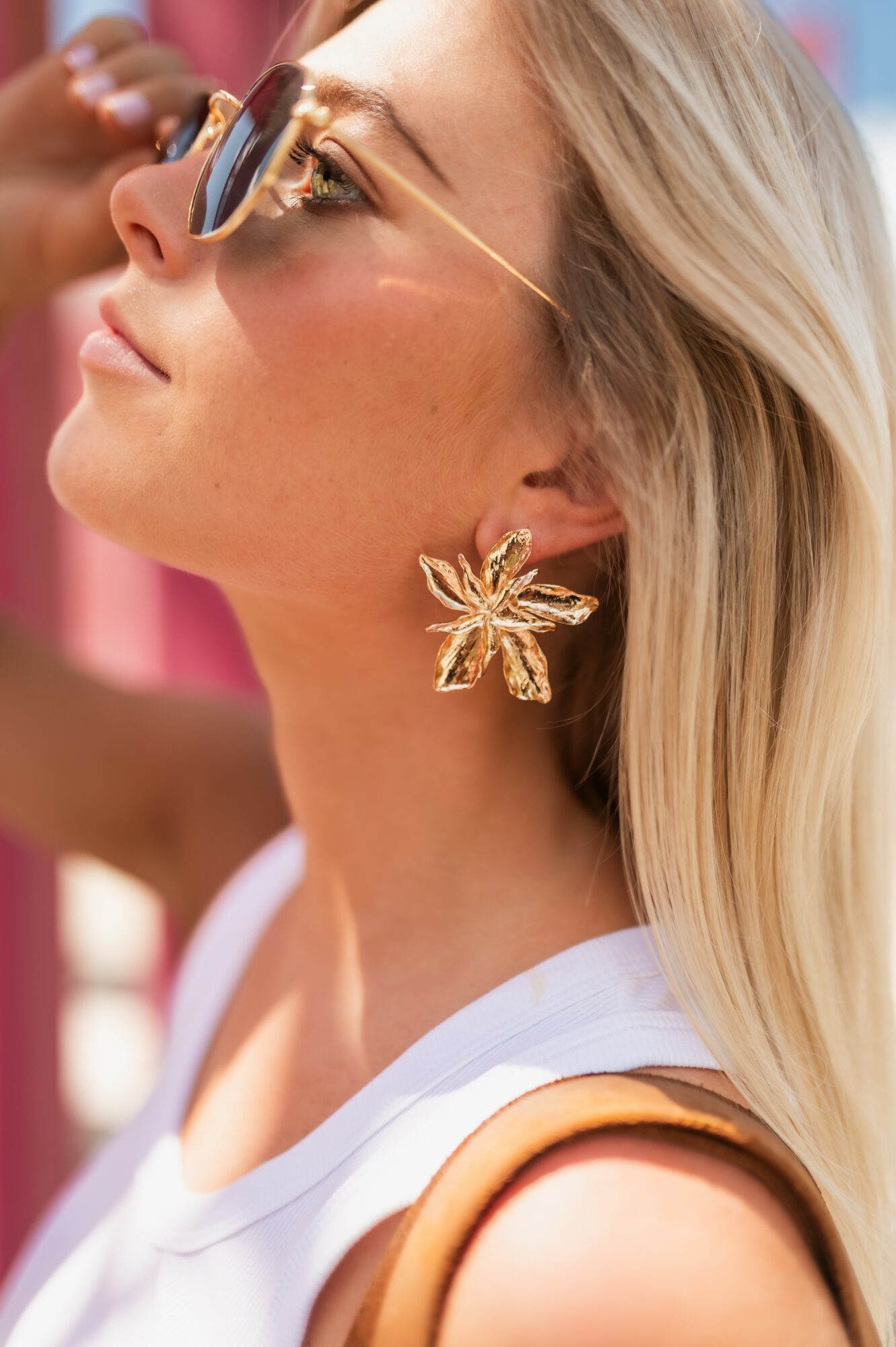
The same philosophy runs through the jewelry. I design pieces that are expressive, colorful, and a little unexpected — collected rather than precious. I want people to wear it the way they live: with confidence, personality, and a sense of fun.
What I’m most proud of is that the business is genuinely mine — it doesn’t borrow anyone else’s template. I get to spend my days helping people surround themselves with things they love, whether that’s a painting on the wall or the necklace they reach for every morning.
What sets me apart is the combination of expertise and approachability. I take the work seriously; I just don’t take myself too seriously. I want clients comfortable enough to ask questions, float ideas, and trust their gut. Because at the end of the day, the goal was never for a room — or a piece of jewelry — to look like something I’d choose. It’s for it to feel like the person living with it.
We’d love to hear about any fond memories you have from when you were growing up?
It’s hard to pick just one — almost all of my favorites come back to creativity, family, and making things. But the one I return to most is lying on my mother’s fur coat while she got ready to go out.
Before parties, Mardi Gras balls, social events, I’d watch her apply her makeup, fasten her jewelry, and transform for the evening, the whole room filling with the scent of her vetiver perfume. There was something about the whole ritual — the glamour, the anticipation, the attention to detail. I could have stretched out on my comfy furry throne and watched her for hours. Long before I had words like “style” or “design,” I was riveted by how a few small details could create an entire feeling.
The other memory I love is producing elaborate plays with my siblings and cousins. We weren’t just acting — we were writing the scripts, assigning the roles, making the costumes and the sets, and recruiting every available adult to be our audience. We took it extremely seriously. Looking back, it’s funny how much of what I do now was already there: the storytelling, the building of an experience, the joy of bringing an idea to life.
What ties those memories together is that none of them were really about the finished product. They were about the process — imagination, experimentation, and the idea that beauty could be part of an ordinary day. That’s the thing I’ve carried with me, and it still drives the work: whatever I’m making or helping someone find, I’m really after that same feeling — connection, personality, and a little delight.
Pricing:
- Art consulting starts with a short paid consultation to understand your space, your taste, and what you’re drawn to.
- When you buy a piece through me — any artist, any gallery — my eye on it costs you nothing. The galleries pay me, not you.
- Original art is far more accessible than most people assume; many small original works start in the low hundreds.
- My jewelry runs from everyday pieces to collected, one-of-a-kind statement designs.
Contact Info:
- Website: https://www.alicetrahantphillips.com
- Instagram: https://www.instagram.com/alicetrahantphillips.art/
Popular
-

Hidden Gems: Local Businesses & Creatives You Should Know
-

ATL’s Most Inspiring Stories
-

Portraits of Atlanta
-

Quinetta Ashford on Reinventing Her Creative Journey, Fighting for Better Healthcare Advocacy, and Finding Healing Through Art and Voice
-

Miguel Carmona III on Democratizing Trucking Knowledge, Helping Operators Avoid Costly Mistakes, and Building Smarter Transportation Businesses
-

Kiara Gardner on Using Storytelling, Mental Wellness, and Creative Media to Build Spaces for Healing and Human Connection