



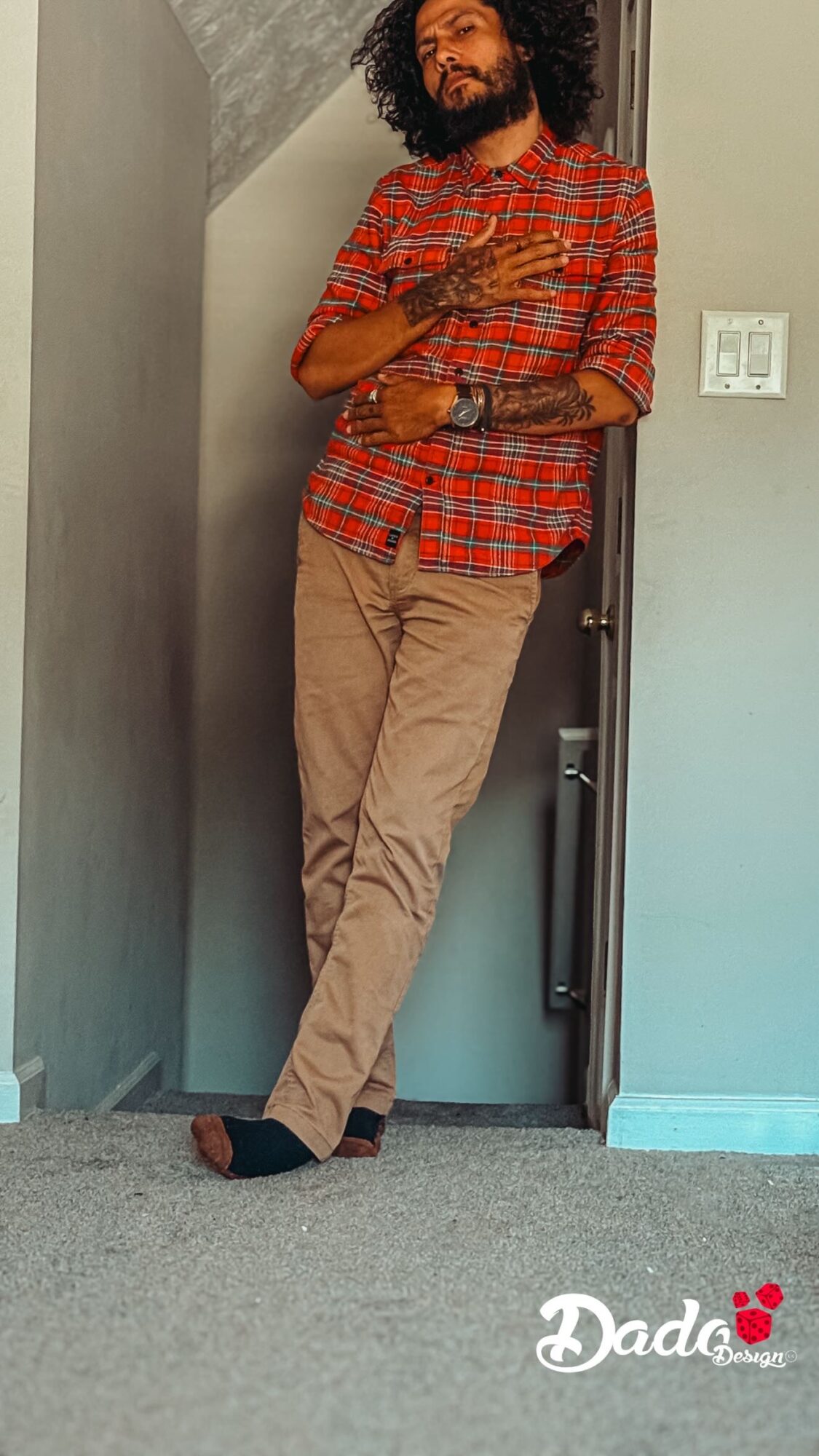
Today we’d like to introduce you to Christian “DADO” Alvarado.
Hi Christian “DADO”, we’d love for you to start by introducing yourself.
I started DADOdesign from a very personal place trying to understand identity, value, and what it truly means for something to feel authentic. As a Taino artist and creative strategist based in Atlanta, I’ve spent years working at the intersection of art, branding, and technology. Early on, I was deeply influenced by design, storytelling, music culture, and the emotional power of experiences. Over time, that evolved into collaborating within the world of authentication and holographic security through my relationship with JPATTON, and their VP Pete Reyes, a global leader in brand protection and anti-counterfeiting technology.
Through that experience, I became involved in designing and developing holographic authentication concepts connected to major global brands and organizations, including authentication work associated with FIFA, UFC, WWE, Fortnite, and other large-scale entertainment and licensing spaces. One of the most defining moments for me was contributing to the design direction surrounding FIFA’s brand authentication label system seeing firsthand how technology, trust, and storytelling could coexist within a single physical experience. With FIFA around the corner, it is an honor to see the hard work shown on such a major scale.
What changed everything for me was realizing that most people never emotionally connect with security or authentication. It’s usually hidden in the background. I became obsessed with the idea of transforming that invisible layer into something people could physically experience and emotionally remember.
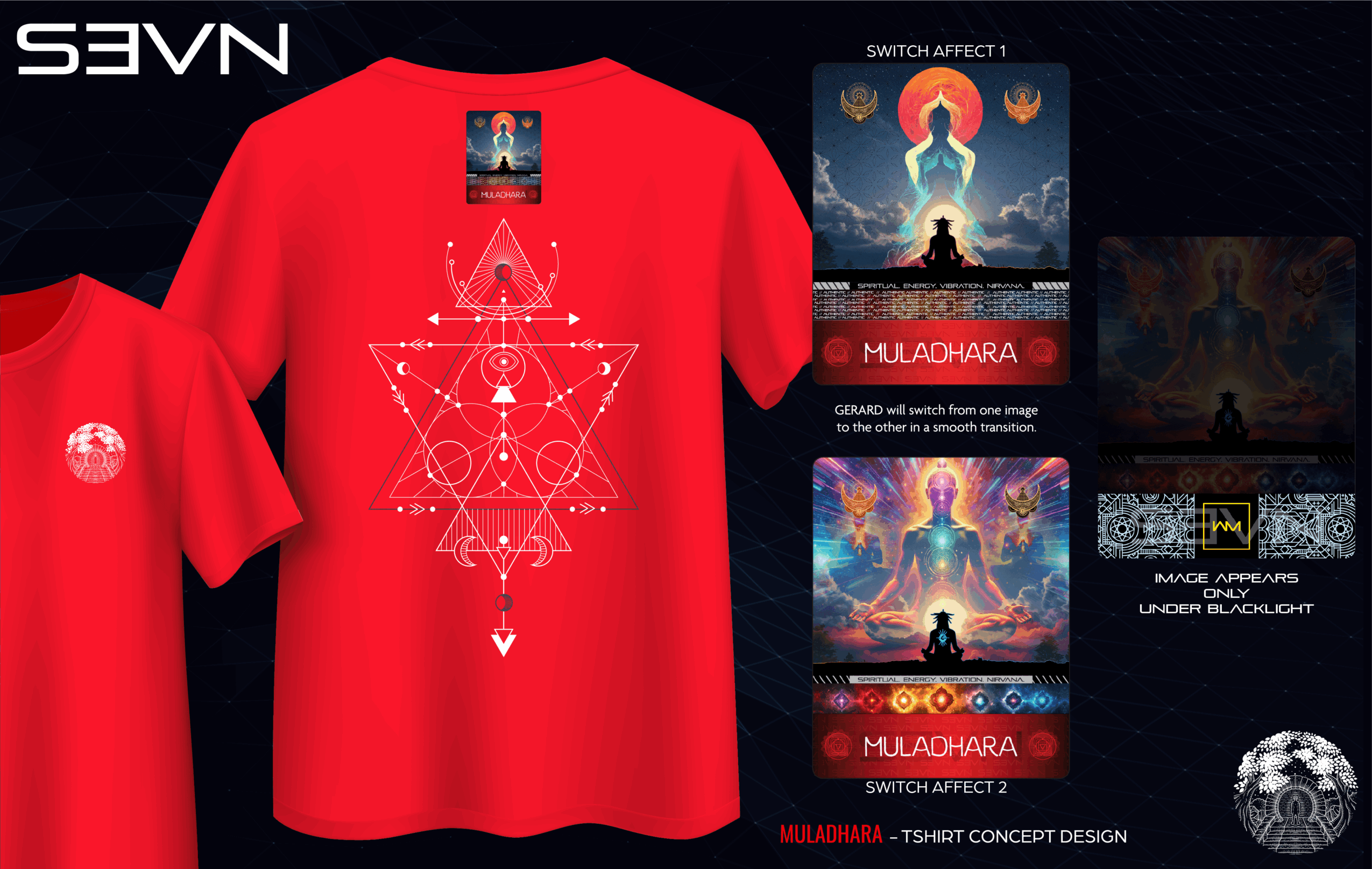
That idea eventually became GERARD.
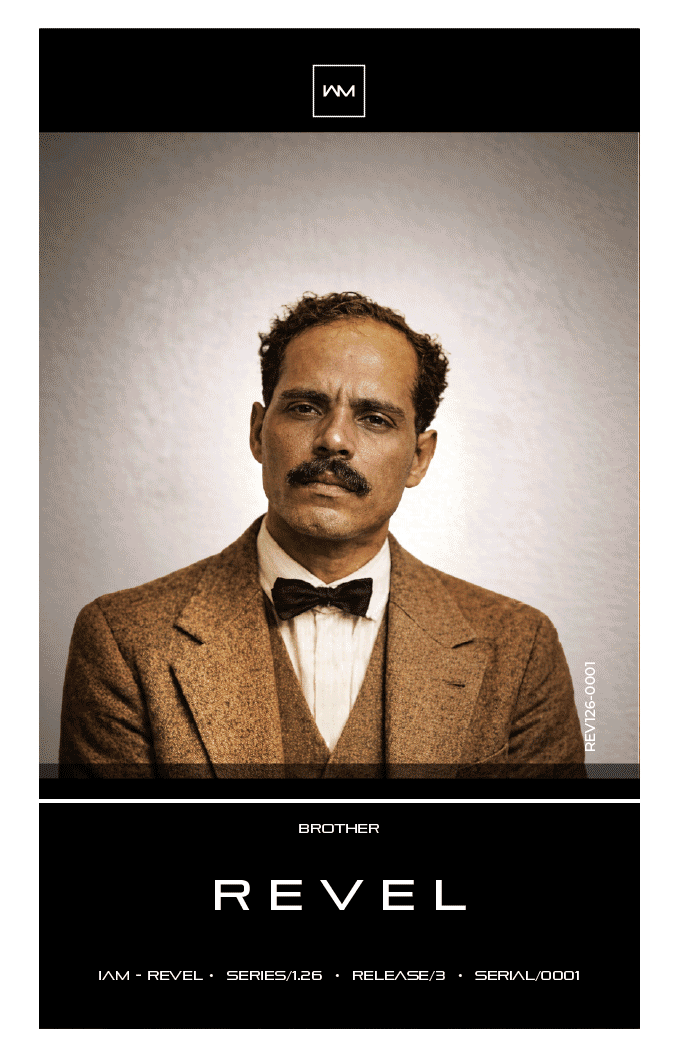
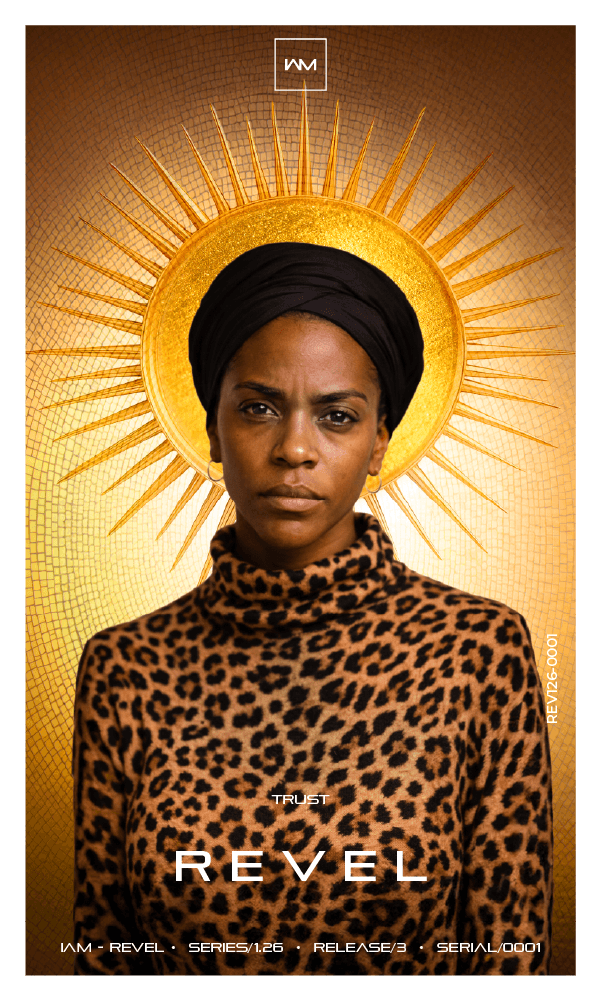
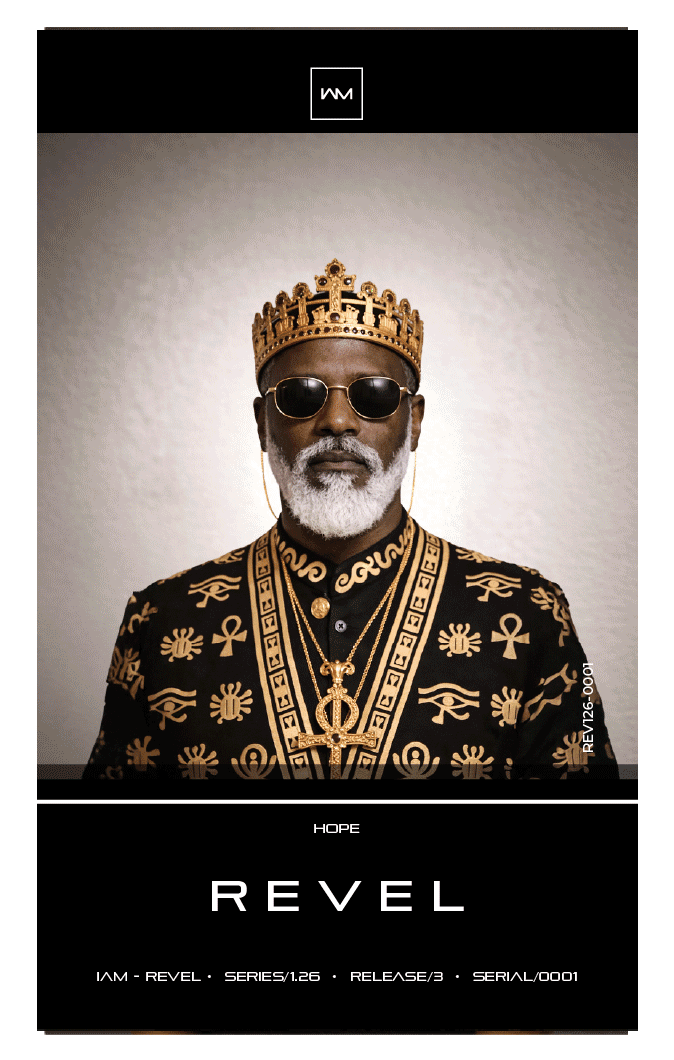
Gerard is my way of merging art and authentication into one experience what I often call “Arthentication.” It combines holographic technology, storytelling, identity, and collectible design into something that feels both futuristic and deeply human. To me, it’s not just about creating visuals; it’s about creating meaning, presence, and proof.
A lot of my philosophy is rooted in the idea of “I AM” understanding who you are and creating from a truthful place. That mindset has shaped everything from my design approach to the way I work with brands and people.
Today, I continue building DADOdesign and Gerard as platforms focused on innovation, storytelling, and authenticity. Bridging luxury branding, art, and verification into something entirely new. Recently, I was also selected as a contestant in The People’s Artist competition presented by Johnny Depp, which has been both exciting and humbling as the work continues reaching wider audiences. I am currently in the top 20.
For me, the journey has never just been about becoming a designer or artist. It’s been about creating something that makes people stop, feel something real, and ask themselves a simple question:
Who are you?
Alright, so let’s dig a little deeper into the story – has it been an easy path overall and if not, what were the challenges you’ve had to overcome?
It definitely hasn’t been a smooth road, but honestly, I think the challenges are what shaped both me and the work into what they are today. in 2021 I asked that “simple” question I do you create something that literally doesnt exist.
One of the biggest struggles has been building something that doesn’t really fit into an existing category. A lot of people understand art. A lot of people understand security or branding. But when you try to merge all three into one experience, people don’t immediately know where to place it. For years, I found myself trying to explain a vision that was much bigger than a logo or a design project.
Another challenge was learning how to balance being both an artist and a strategist. Creativity comes naturally to me, but building something sustainable requires discipline, structure, communication, and patience. There were moments where I had to learn how to navigate business relationships, setbacks, delayed opportunities, and the pressure of trying to create something meaningful while still surviving day-to-day as a creative.
I’ve also experienced what many artists go through having ideas that people may not fully understand until much later. Gerard, for example, started from a very unconventional thought: what if authentication itself could become emotional, collectible, and beautiful? At first, that idea sounded strange to some people. But over time, I realized that innovation often feels unfamiliar before it becomes accepted.
Working within the holographic and authentication space alongside JPATTON also opened my eyes to how massive the worlds of counterfeiting, licensing, and brand protection really are. Seeing holographic authentication connected to organizations like FIFA, UFC, and WWE showed me the scale and seriousness of trust in today’s world but it also motivated me to push the artistic side even further.
On a personal level, one of the biggest lessons has been learning to trust my own voice and perspective. A lot of my work is rooted in identity, self-awareness, and the philosophy of “I AM.” That path requires a lot of self-reflection, especially when you’re creating something different from what people expect.
But every obstacle taught me something valuable. Looking back now, I realize the road was never supposed to be easy. The struggle helped sharpen the vision.
Alright, so let’s switch gears a bit and talk business. What should we know about your work?
I’m the founder of DADOdesign, a creative studio focused on the intersection of art, branding, storytelling, and authentication technology. At the core of my work is the idea that design should do more than just look good it should create emotion, trust, memory, and experience.
I specialize in creative direction, brand strategy, holographic design, and what I call “Arthentication,” which is the merging of authentication and art into a single physical experience. A large part of my work has evolved through my collaboration with JPATTON, a global leader in anti-counterfeiting and brand protection technology. Through that world, I’ve contributed to holographic authentication concepts and design work connected to brands and organizations like FIFA, UFC, WWE, and other major entertainment and licensing platforms.
What I’m probably most known for is taking something highly technical like holographic security and verification and transforming it into something emotional, artistic, and collectible. Instead of hiding authentication in the background, I became interested in making it part of the actual experience.
That philosophy eventually became Gerard.
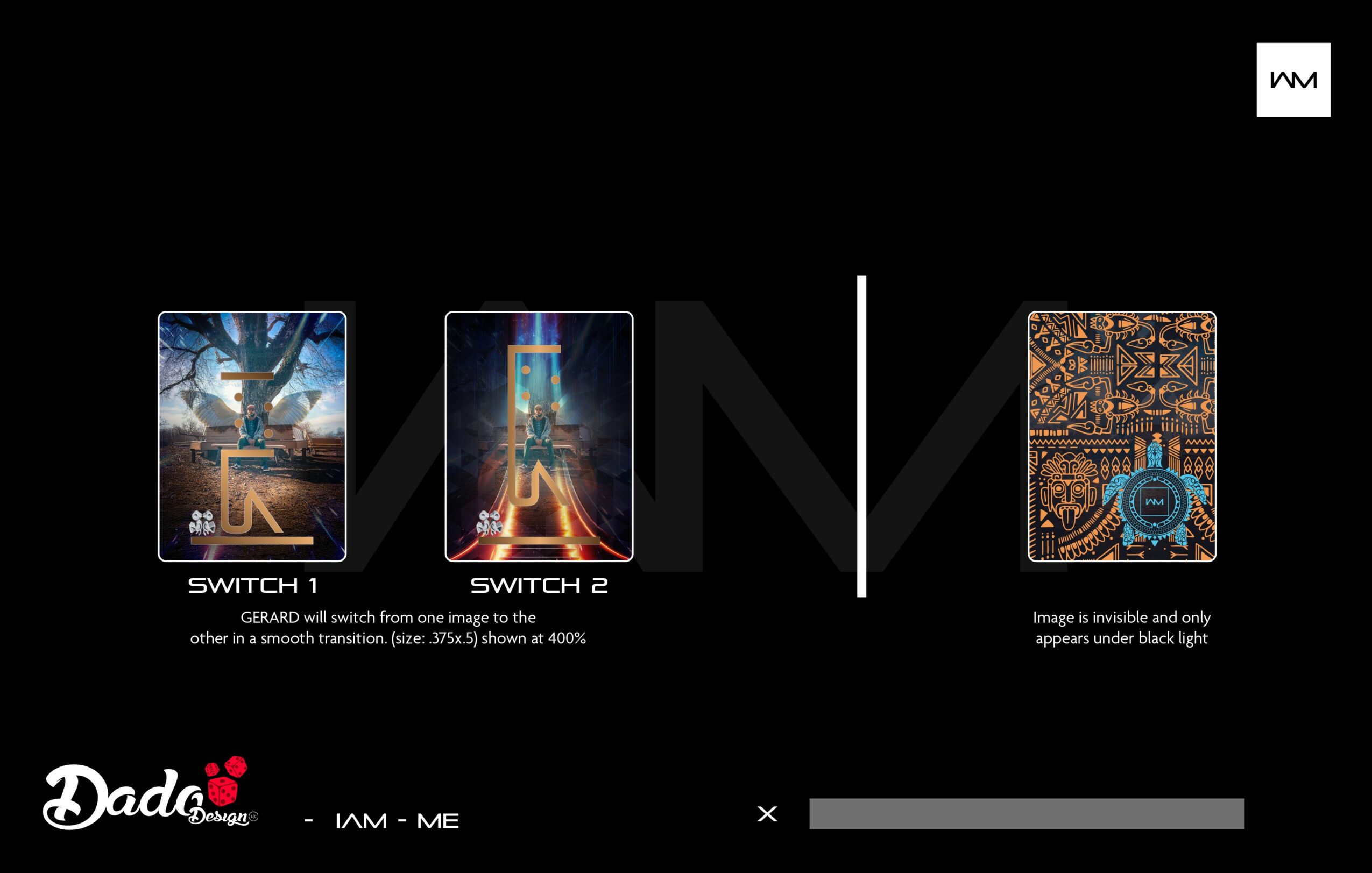
Gerard is a platform and concept I created that blends holographic technology, storytelling, identity, invisible ink, serialization, and collectible design into something that feels both luxurious and futuristic. I often describe it as turning proof into art. To me, it represents the future of provenance, branding, and human connection.
What I’m most proud of is not necessarily one single project, but the fact that I stayed committed to a vision that was unconventional. I’m proud that something which started as an abstract idea has grown into a real platform that’s beginning to resonate with artists, brands, and larger cultural conversations around authenticity and value.
I also take pride in representing a different perspective creatively. As a Taino artist, a lot of my work is rooted in identity, symbolism, self-awareness, and the philosophy of “I AM.” That perspective influences everything I create, from visual design to the emotional intention behind the experience itself.
One of the strongest examples of that philosophy is the Gerard symbol itself. At first glance, many people see it as a “WM,” but hidden within the form are the words “I AM.” The symbol was intentionally designed that way to represent the idea that even when identity feels hidden, distorted, or unseen by the outside world, you still know who you are internally. In many ways, it reflects the entire foundation of my work: authenticity, self-awareness, and truth.
That message becomes even more meaningful through holography because holograms are all about perspective, light, movement, and revelation. Things appear, disappear, transform, and reveal hidden layers depending on how you view them. I became fascinated by how closely that mirrors human identity and experience.
What also sets me apart is the rarity of the medium itself. There are painters, sculptors, photographers, musicians, and digital artists everywhere but very few people in the world can truly call themselves holographic artists, especially within the space of authentication and brand protection. Holography exists at the intersection of science, engineering, illusion, storytelling, and art. It’s an incredibly specialized world that most people never get access to creatively.
As a Taino artist, that rarity means something deeply personal to me. Representation matters. There are very few Indigenous or Taino creatives working within holography and authentication technology at this level, and I carry that responsibility with pride. A lot of my work is about showing that Indigenous creativity is not stuck in the past it can exist in futuristic spaces, luxury branding, advanced technology, and global conversations about identity and authenticity.
What sets me apart overall is that I don’t see art, branding, technology, and authentication as separate worlds. I see them as one language. My goal has never been to simply design products it’s to create experiences that people remember, emotionally connect with, and believe in.
Is there any advice you’d like to share with our readers who might just be starting out?
One thing I would tell anyone starting out is this: don’t wait for the world to fully understand your vision before you begin building it. Most meaningful ideas feel strange at first because they don’t already exist in culture yet. If you’re creating something truly original, there will be moments where people don’t immediately understand you and that’s okay.
I also wish I understood earlier that creativity alone is not enough. Vision is important, but discipline, patience, communication, and consistency are what allow vision to survive long enough to become real. A lot of success comes from learning how to continue creating even when things move slower than you hoped.
Philosophically, I’ve always viewed life as being much simpler than people think. In many ways, life is like a basic equation: 1 + 1 either equals a green check mark or a red X. We all know the feeling of receiving a green check mark alignment, clarity, progress but we also know what it means to solve for X. The challenge is part of the process. Obstacles are not there to stop you; they are there to teach you how to think deeper.
One of the biggest things that shaped me was realizing that almost every problem in life can be approached through six simple words: who, what, where, when, why, and how. I see those words as tools or even weapons of choice. If you ask the right question with honesty and depth, the answer usually reveals itself.
A lot of my work and philosophy is rooted in the belief that depth is the path to joy, and joy ultimately leads you to the feet of love. We live in a world that moves fast and rewards surface-level thinking, but the deeper you’re willing to go into understanding yourself, your purpose, and your craft, the more meaningful your work becomes.
I’d also tell young creatives not to underestimate their uniqueness. There are countless designers, painters, musicians, and photographers in the world but your perspective is the one thing nobody else can replicate. For me, being a Taino holographic artist taught me that rarity itself has value. Sometimes the thing that makes you feel different is actually the thing that makes your voice necessary. Face fear then grow from it…
Contact Info:
- Website: https://www.thedadodesign.com
- Instagram: https://www.instagram.com/thedadodesign/
- LinkedIn: https://linkedin.com/in/christian-alvarado-6635a48
- Other: https://jpattonondemand.com/
Popular
-

Hidden Gems: Local Businesses & Creatives You Should Know
-

ATL’s Most Inspiring Stories
-

Portraits of Atlanta
-

Natasha Dillard on Redefining Beauty Standards and Empowering Women Through Unapologetic Self-Expression
-

Darren Paltrowitz on Blending Investigation, Media, and Culture to Uncover the Stories Behind the Stories
-

Naeemah Jade on Redefining Networking Through Trust, Proximity, and Intentional Community