





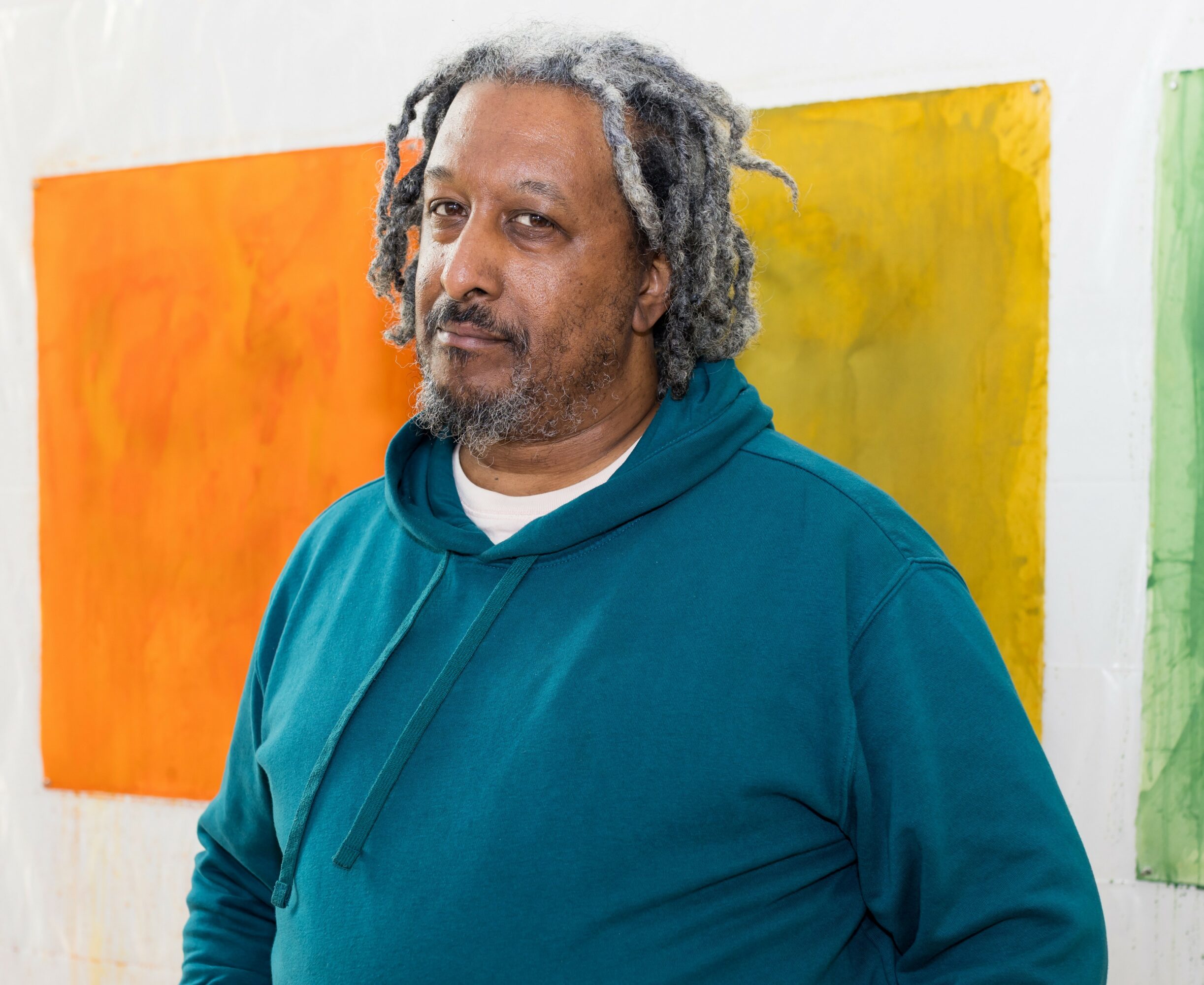
Today we’d like to introduce you to Jamele Wright Sr..
Jamele, we appreciate you taking the time to share your story with us today. Where does your story begin?
I came to art through making, long before I imagined it as a profession. I was raised in Ohio, and later moved to Atlanta, where I was involved in organizing jazz, poetry, and visual art events and eventually founded Neo Renaissance Art House, a small gallery created to support emerging artists who were not finding space elsewhere. That experience of building cultural space for others pushed me back toward my own studio practice.
After years of exhibiting, I returned to school to deepen the historical and conceptual foundations of my work, studying Art History at Georgia State University and later earning an MFA from the School of Visual Arts in New York. Those experiences helped me understand painting not simply as image-making, but as a language shaped by memory, material, and place.
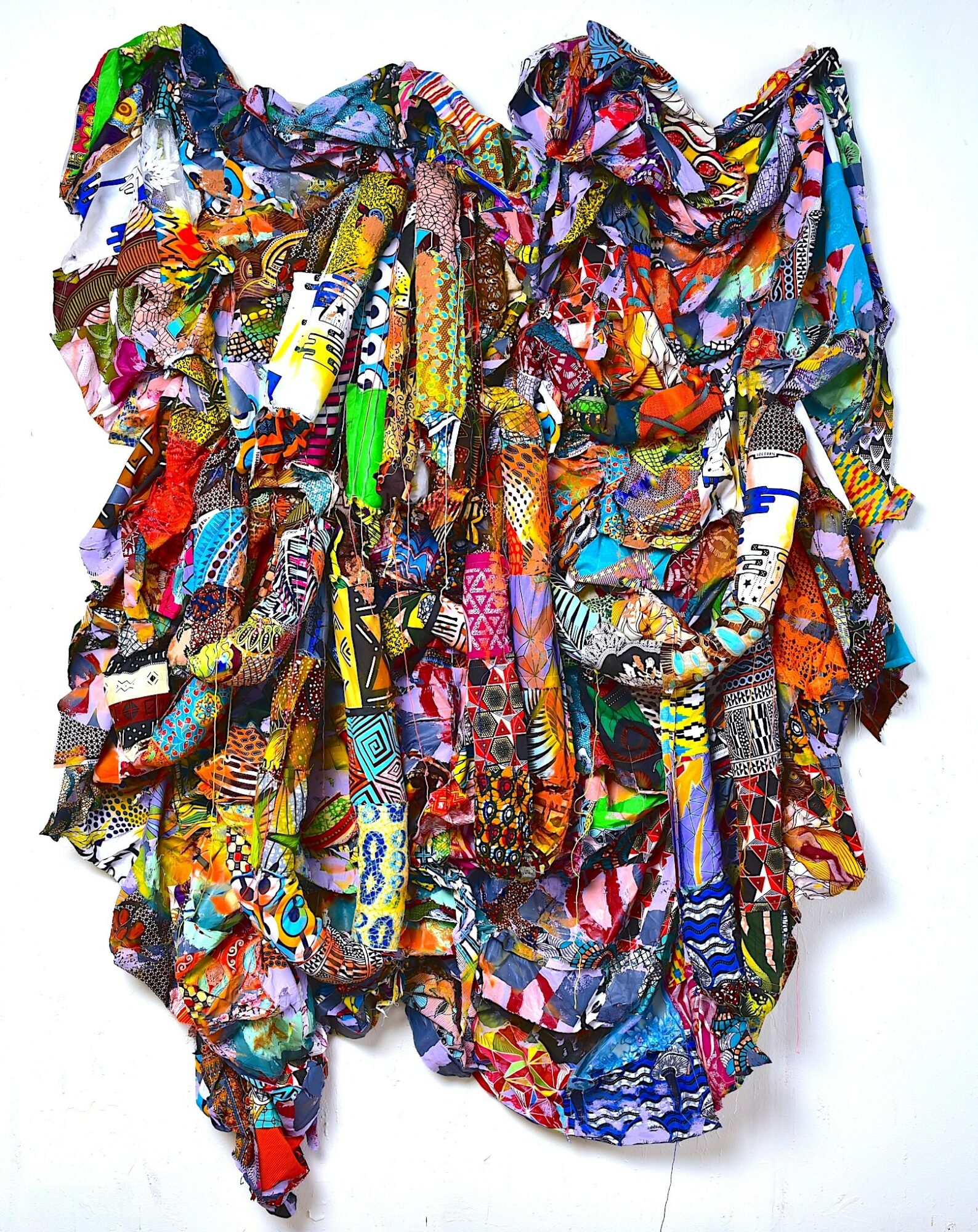
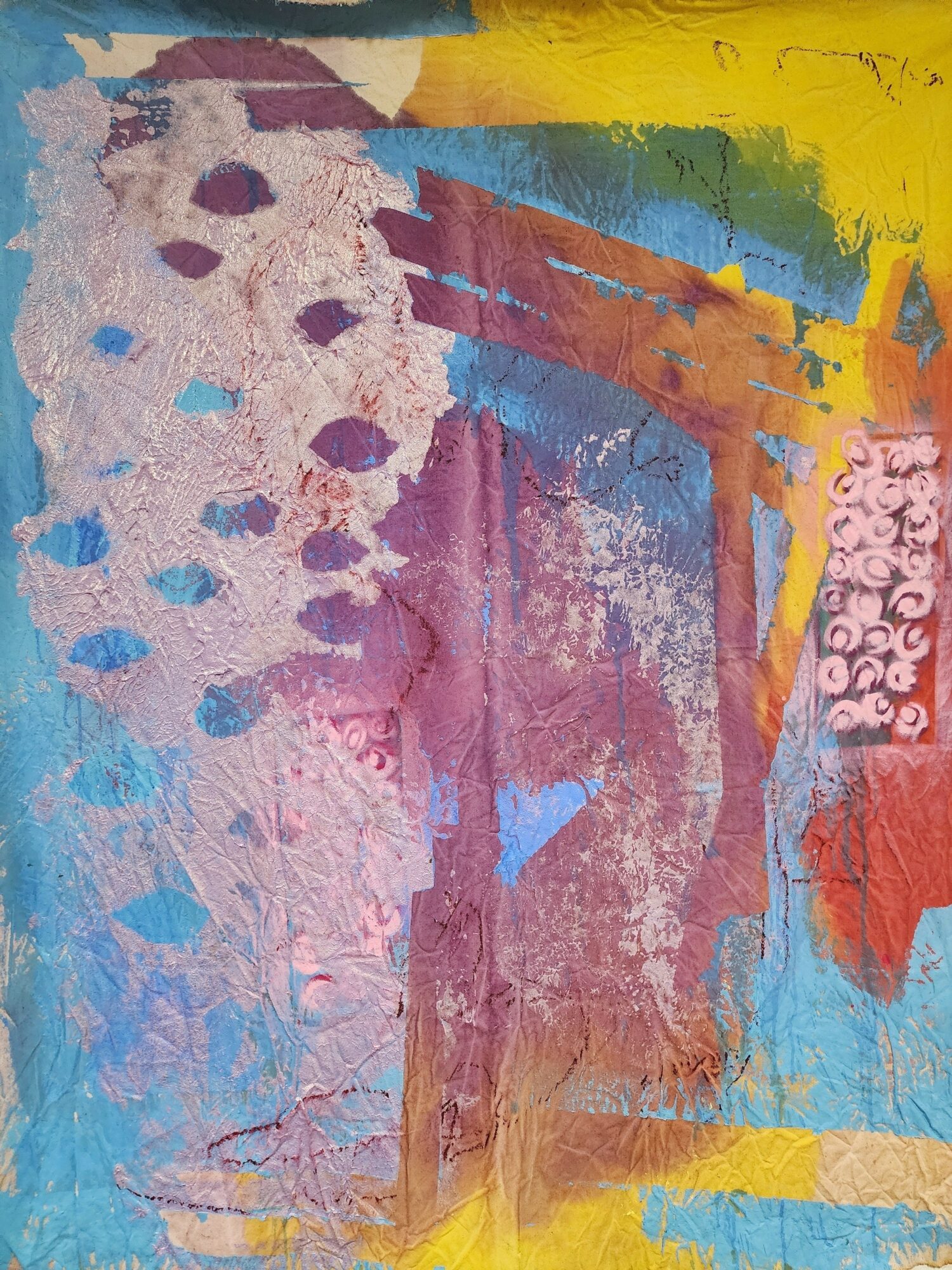
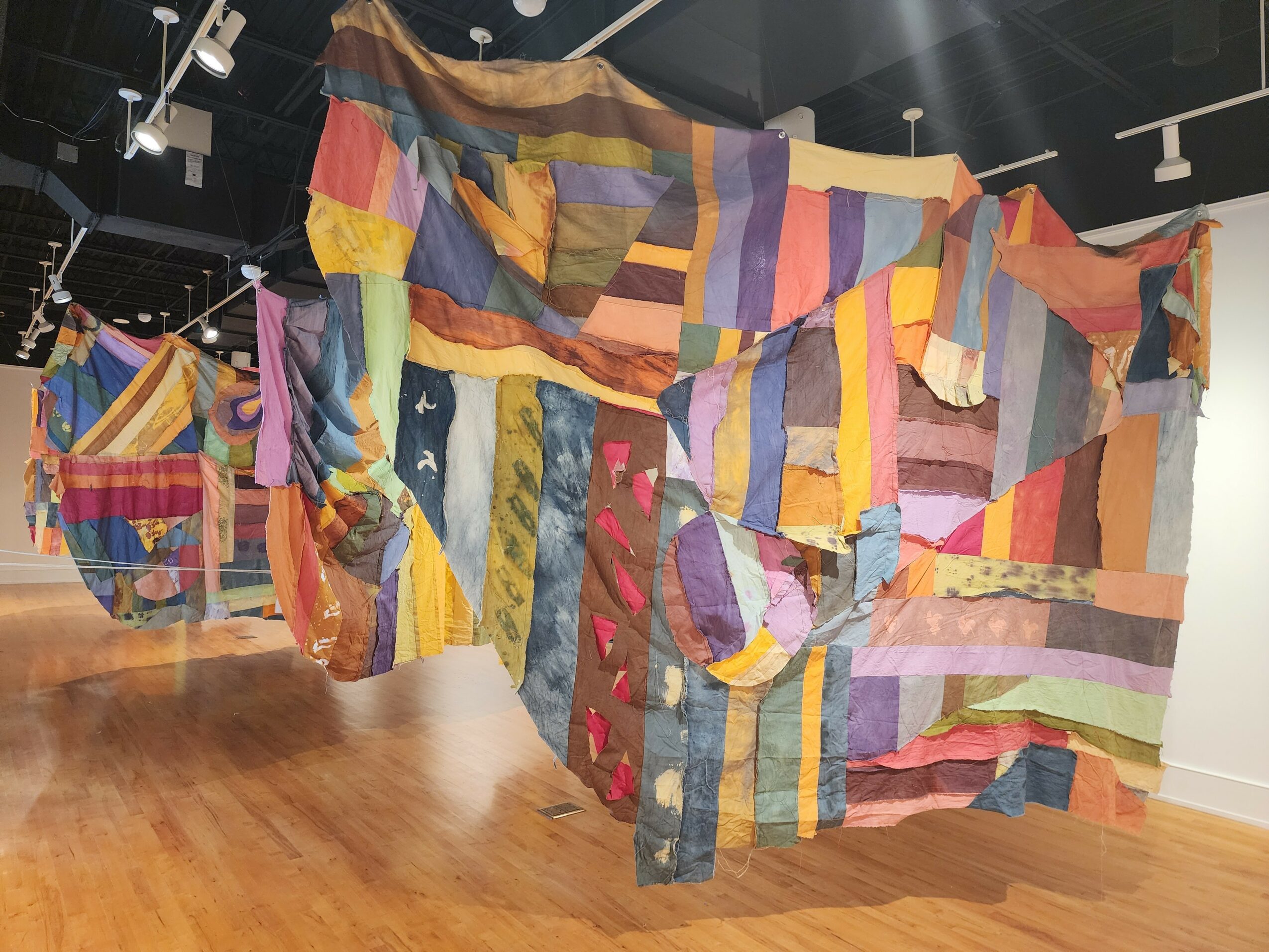
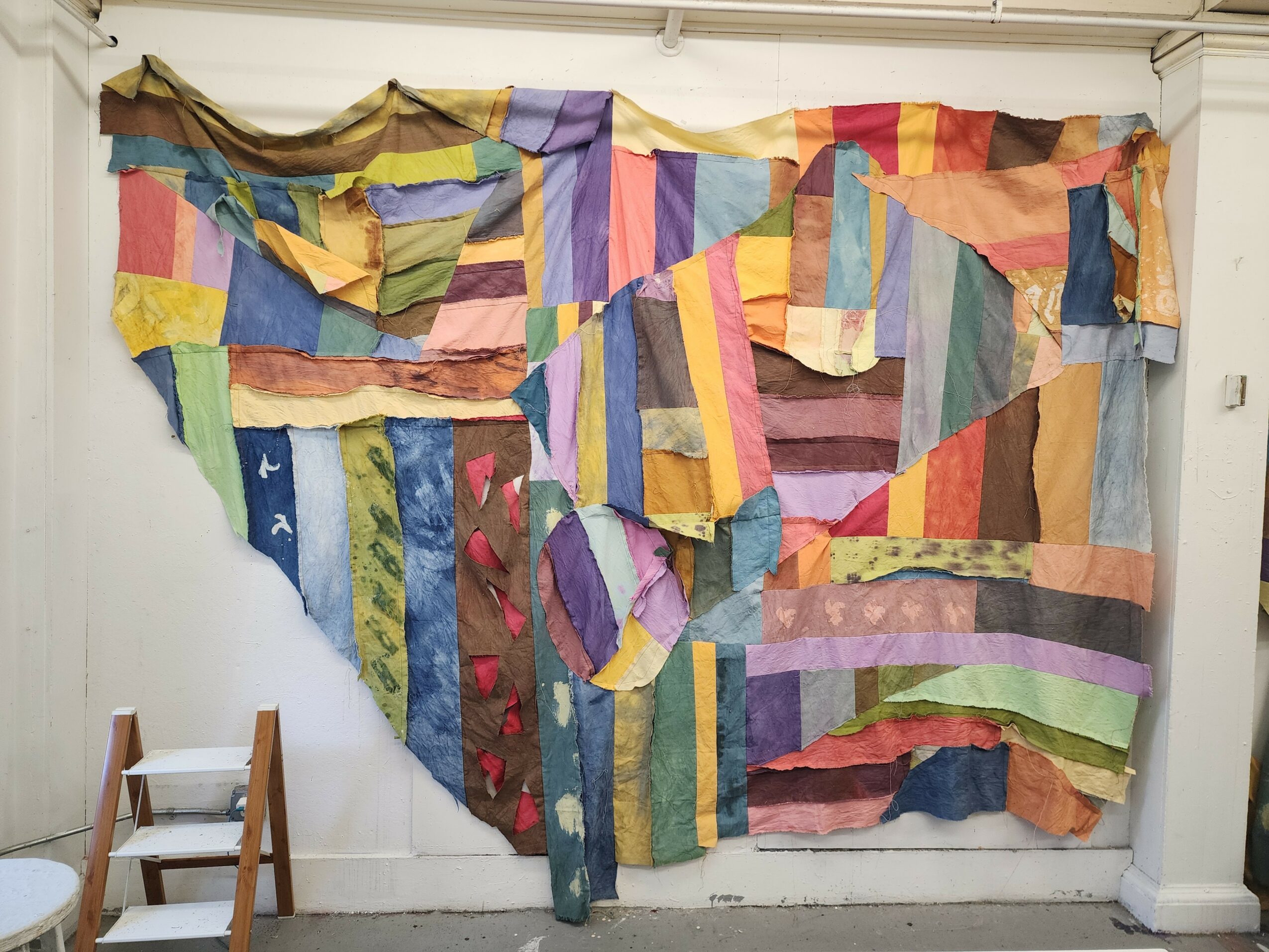
My practice has continued to evolve through teaching, residencies, and sustained studio work. Working with materials such as red clay, textile, pigment, and gesture, I think about abstraction through landscape, presence, and history. Atlanta has been central to that development, as both a home and a site of cultural memory. Today I move between studio and classroom, and I see those spaces as deeply connected, each sharpening how I think, make, and engage others through art.
We all face challenges, but looking back would you describe it as a relatively smooth road?
I would say the challenge has been less about the road itself and more about the ongoing work of developing the work and pushing it to become what it needs to be. Making paintings is one thing; sustaining a practice, deepening it, and continuing to make the work stronger over time is another.
A great deal of that challenge has been learning how to stay open, how to keep questioning the work, and how to avoid settling into repetition or comfort. Each body of work asks for something different, and often the difficulty is in discovering what the work is asking before you fully understand it yourself.
I have come to see that challenge as a gift. It is what refines perception, strengthens the work, and keeps growth possible. The pressure to make something honest, rigorous, and alive, and then return to do it again at a deeper level, is part of the discipline and joy of being an artist. I think every serious artist carries that challenge, and in many ways it is what keeps the work evolving.
Alright, so let’s switch gears a bit and talk business. What should we know about your work?
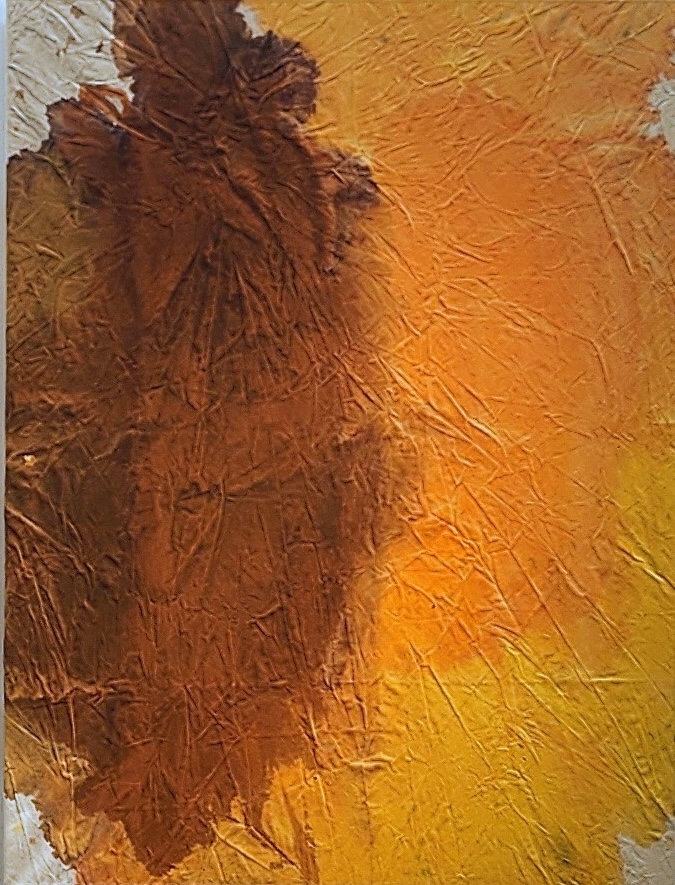
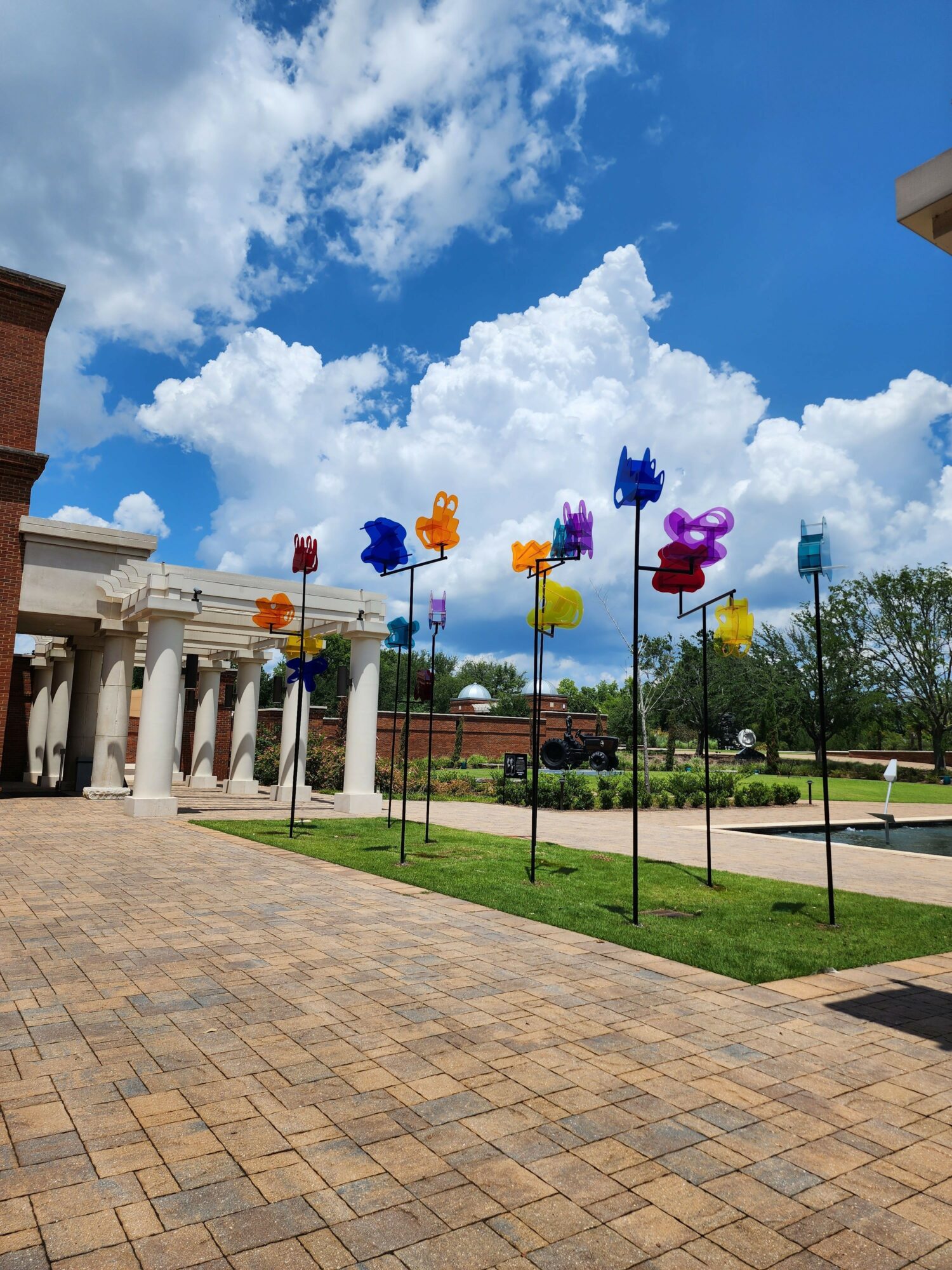
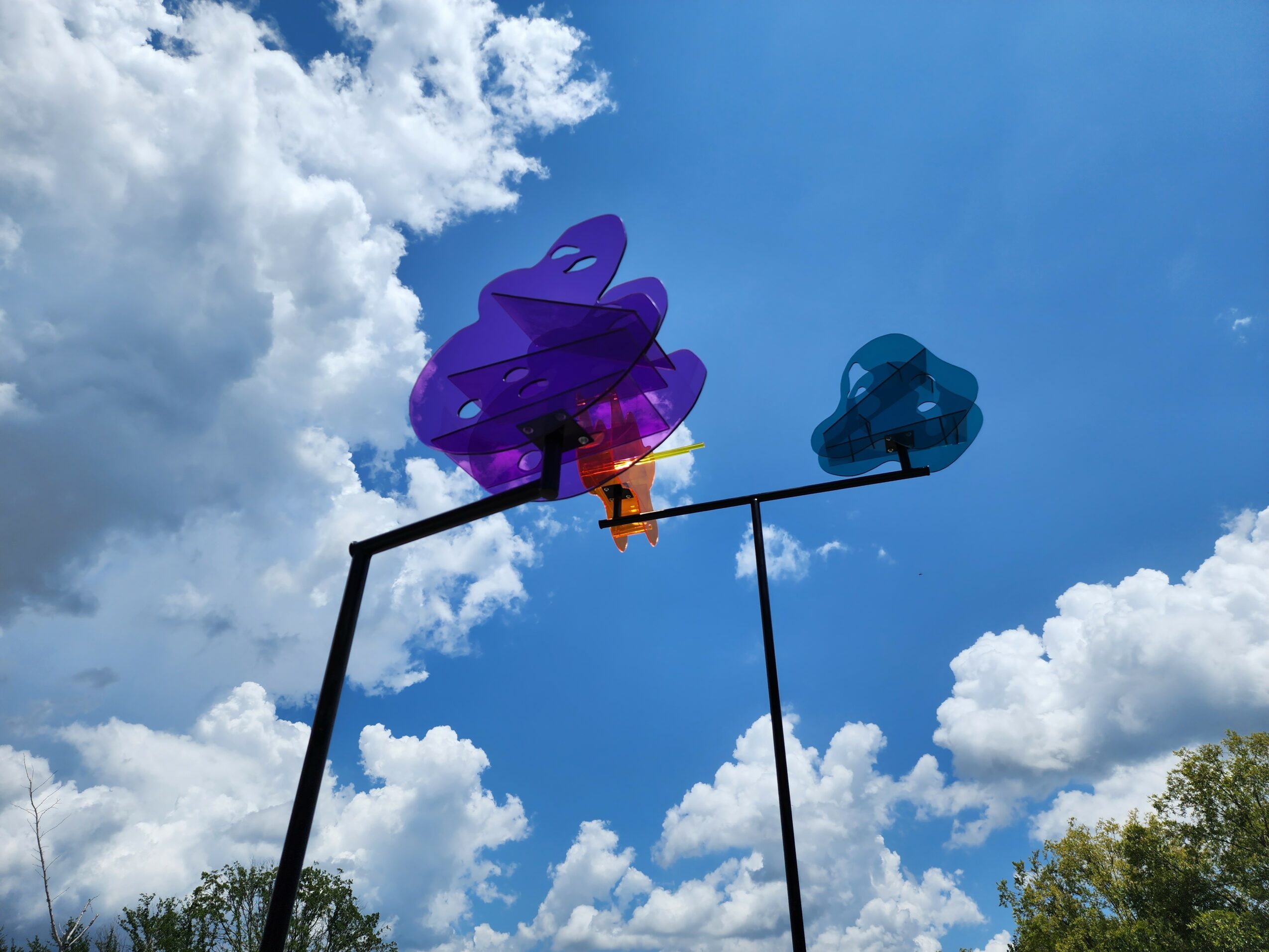
I am an artist working through expanded painting, textile, and material abstraction, rooted in landscape and memory. I often work with red clay, dyed fabric, pigment, and gesture to create works that hold together earth, atmosphere, and histories embedded in place. Much of my practice is concerned with presence, how a work can slow perception and create a space for reflection.
I am especially interested in how materials carry meaning. Georgia red clay, for example, is not only color or surface for me, but a way of thinking through land, history, and transformation. That relationship between material and idea is central to what I do.
I feel grateful for the ability to make art and continue to learn through it. I see myself as a person working through the world through this practice, using materials, questions, and forms to better understand what surrounds me.
If something sets the work apart, I hope it is the way abstraction, material, and cultural memory are held in dialogue without one illustrating the other. I want the work to feel discovered rather than imposed, and alive to both rigor and openness.
What has been the most important lesson you’ve learned along your journey?
One of the most important lessons I have learned is to stay open and remain present to what the work, and life, are trying to teach. So much of growth comes not from control, but from attention, patience, and learning how to listen.
I have also learned to see challenge as part of that learning rather than something separate from it. Difficulty often carries instruction. What appears as resistance can refine perception, deepen the work, and make you better if you stay with it.
Another lesson has been the importance of community. Art may be made in solitude, but it is sustained through dialogue, generosity, and shared belief. I have learned a great deal from students, peers, mentors, and from the simple act of being in conversation.
If I had to reduce it, I would say the lesson is to keep showing up with rigor, humility, and gratitude, and to trust that the work continues to reveal itself over time.
Contact Info:
- Instagram: artthenewreligion
Popular
-

Hidden Gems: Local Businesses & Creatives You Should Know
-

ATL’s Most Inspiring Stories
-

Portraits of Atlanta
-

Satoya Hayes on Turning Beauty 2 Extensions into a Platform for Affordable Confidence and Entrepreneurial Opportunity
-

Asha Ford on Building Krystal Klear Motion and Creating Purpose-Driven Design for Women
-

Truth in Every Verse: Jay Erve on Identity, Experience, and Creating Art That Lasts