



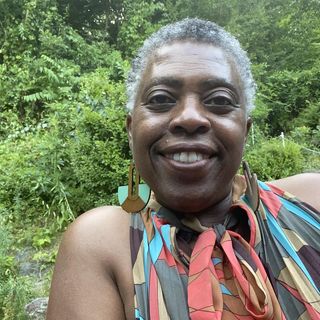
Today we’d like to introduce you to Lydia Douglas.
Alright, so thank you so much for sharing your story and insight with our readers. To kick things off, can you tell us a bit about how you got started?
My story began quite by accident. My mother taught me how to sew when I was just 8 years old. I made all of my own clothes. At that point I thought that I wanted to be a fashion designer. Once in college, when I registered for fashion design, I discovered that I hated drawing. Fortunately I got inspired to take pictures with a 35 mm camera by watching my best friend take pictures. This was in 1977, We used black and white film and a 35 mm camera. Working in the darkroom excited me and I became a photographer.
My printing technique needed some help. When my favorite photography professor took me under her wing and taught me the nuances of black and white darkroom printing, my career took off. It was at that point that I was able to turn what I saw in mind’s eye into the photographic poetry on paper.
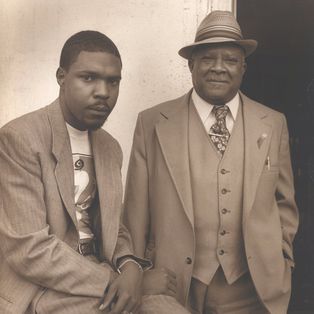
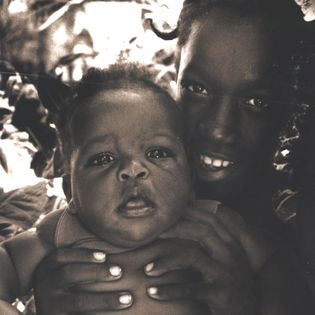
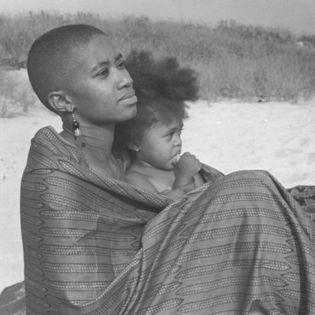
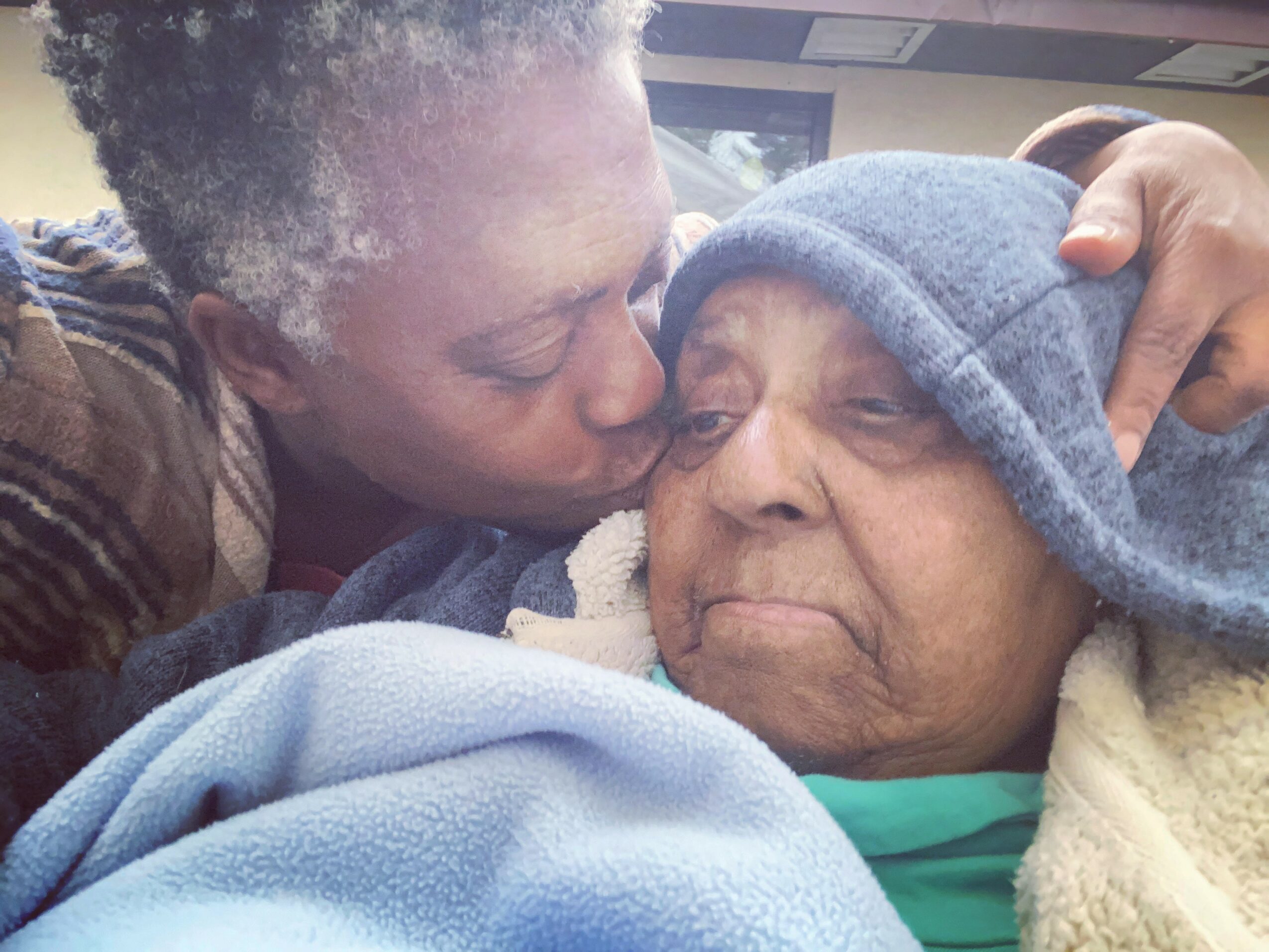
My work always centered people of African ancestry, highlighting their inner and outer beauty. I capture their history, culture and contributions by making images of them that are honest. These images counter the stereotypical photographs that dominate the mainstream media.
It gives me a sense of gratitude to know that my work in photography is satisfying my mission to show the beauty of black people all over the world. My photographs have been published, exhibited and shown all over the world. Exhibits of note are National Geographic, The Reginald F. Lewis Museum, The Oprah Winfrey Show and Reflections in Black: A History of Black Photographers 1840 to the Present (exhibited at the Smithsonian Institute).
After a while I decided that I needed my work to reach more people, so I went to Howard University and studied film production. There I earned an MFA degree, Master of Fine Arts in film. My thesis film Nappy, a documentary about black women and girls who decided to stop straightening their hair and “go natural” came out of that program. Nappy, a ground breaking film in the area of black women and hair, is the recipient of numerous awards and grants, It has been screened nationally and internationally. I am proud to say that it turned 30 years old in May 2026. Its message continues to support and empower women and girls to embrace the natural texture of their kinky curly hair.
Current projects include preproduction on a sequel, Nappy 2. My current photography project is creating cyanotypes, a non-darkroom method of making contact prints using sunlight and blue light sensitive paper.
Would you say it’s been a smooth road, and if not what are some of the biggest challenges you’ve faced along the way?
My career has not been a smooth road. Struggles that have impeded my success are racism, sexism and health problems. Racism reared its head at a job where I was a part time freelance photographer for a small town newspaper chain. The director of the photography department hired me with the intention of diversifying the staff. The management and other staff at the newspaper were hostile and had a double standard for me. While the full time photographer was allowed to play her rock music in the darkroom when she worked, they complained about my reggae and South African music.
At an interview for another photography position the director of photography asked my why I didn’t have any white people in my portfolio. When I was a photographer in the Washington, DC area, I was part of a tightly knit community of artists and photographers. My partner and his photography over shadowed my work. It was not until I had an exhibition at a local gallery that the community appreciated my work, however I still never got the recognition that I deserved, and remained in his shadow.
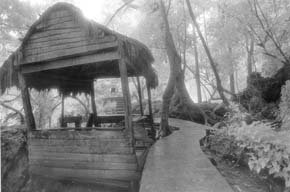
Working full time as an art teacher to make a living was another thing that was a difficult challenge to creating photographs. In spite of the long and arduous hours of teaching over 350 students each year, I managed to earn a grant to Costa Rica with a group of teachers. That provided a pathway to explore nature photography.
Finally, contracting Lyme Disease and several other auto-immune illnesses and struggling to heal my body naturally made it difficult to work at a consistent pace. I’ve never given up.
Thanks – so what else should our readers know about your work and what you’re currently focused on?
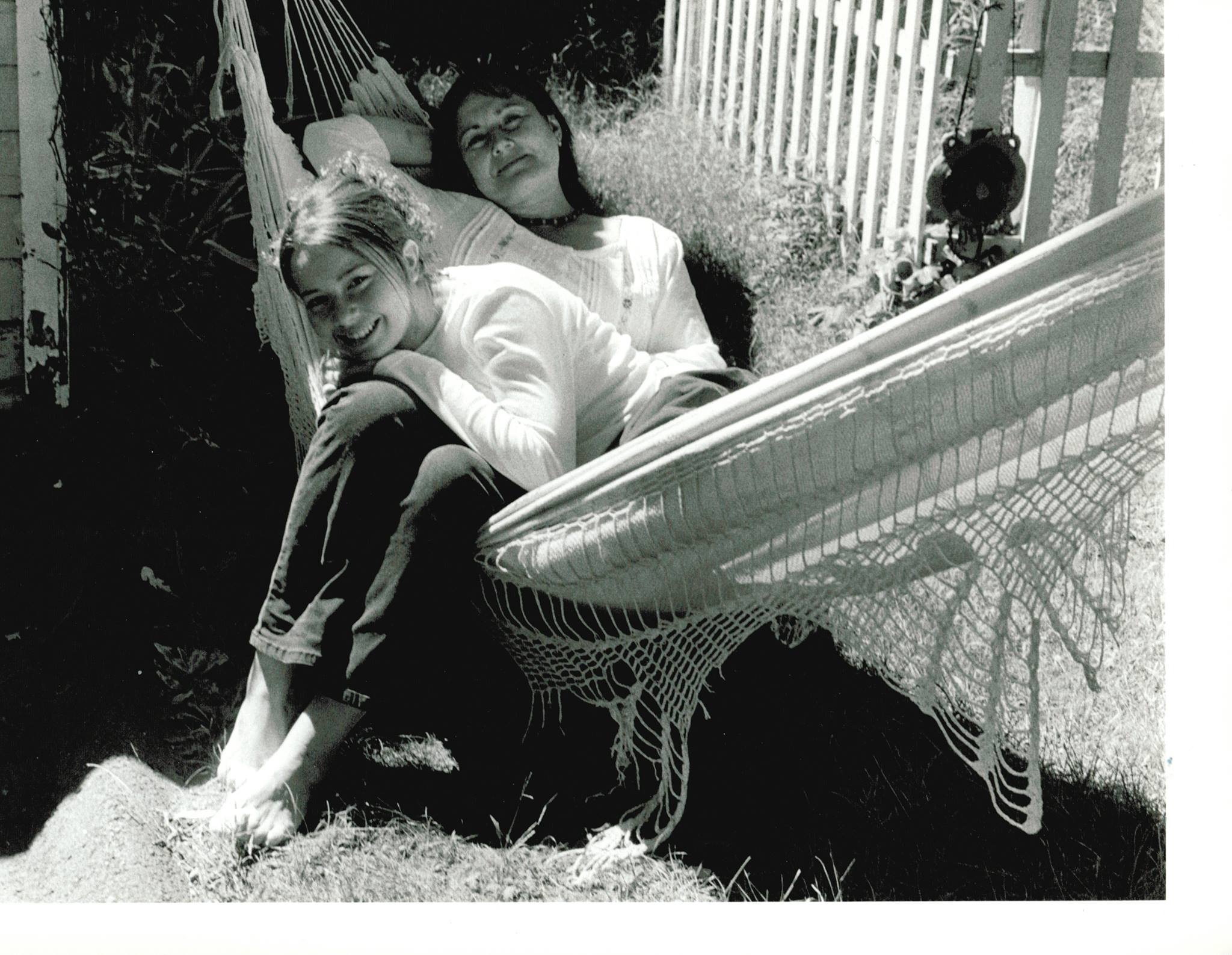
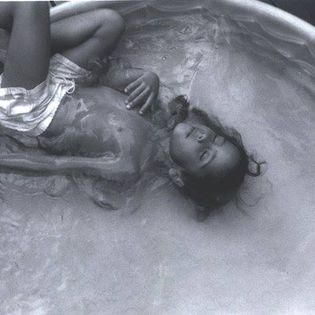
I am a fine art photographer. I specialize in creating portraits of photographs of black people all over the diaspora. I am most proud of my black and white photographs and my skill as a master black and white printer. I’ve mastered the art and technique of using natural light for my subjects. Natural light, when metered correctly, gives a rich feeling of silver gelatin on melianated skin.
I am known for and most proud of my black and white portraits. They capture the essence of the person in the photograph. Since the scarcity of black and white darkrooms, I’ve recently been using my digital camera. My visual eye carried over to digital photography.
What sets me apart from other photographers is the way I capture the soul, the beauty of my subjects. Whether the photograph is of a child, a street person, or an elder dressed in her Sunday best, there is a deep respect and sense of regalness that comes through my photographs.
Can you talk to us a bit about happiness and what makes you happy?
I am happiest when I can carve out time from my busy schedule and make photographs.
Pricing:
- I want to be paid for what I charge.
- I want people to understand that they are not paying for the cost of the film, paper or what it costs me to make the photograph. The buyer is paying for my vision and how I captured the moment.
- I want people to value the medium of photography.
- I want people to appreciate realistic/representational photography.
- I don’t want to haggle the price. I am willing to put a photograph on lay-a-way/hold until they can pay for the entire asking price.
Contact Info:
- Website: https://www.lydiadouglas-pzhead.com/
- Instagram: @pzhead
- Facebook: https://www.facebook.com/lydia.douglascordova
- LinkedIn: https://www.linkedin.com/in/lydia-douglas-ab25ab154/
- Twitter: @pzhead
- Other: https://www.productionhub.com/
Popular
-

Hidden Gems: Local Businesses & Creatives You Should Know
-

ATL’s Most Inspiring Stories
-

Portraits of Atlanta
-

Quinetta Ashford on Reinventing Her Creative Journey, Fighting for Better Healthcare Advocacy, and Finding Healing Through Art and Voice
-

Miguel Carmona III on Democratizing Trucking Knowledge, Helping Operators Avoid Costly Mistakes, and Building Smarter Transportation Businesses
-

Kiara Gardner on Using Storytelling, Mental Wellness, and Creative Media to Build Spaces for Healing and Human Connection