



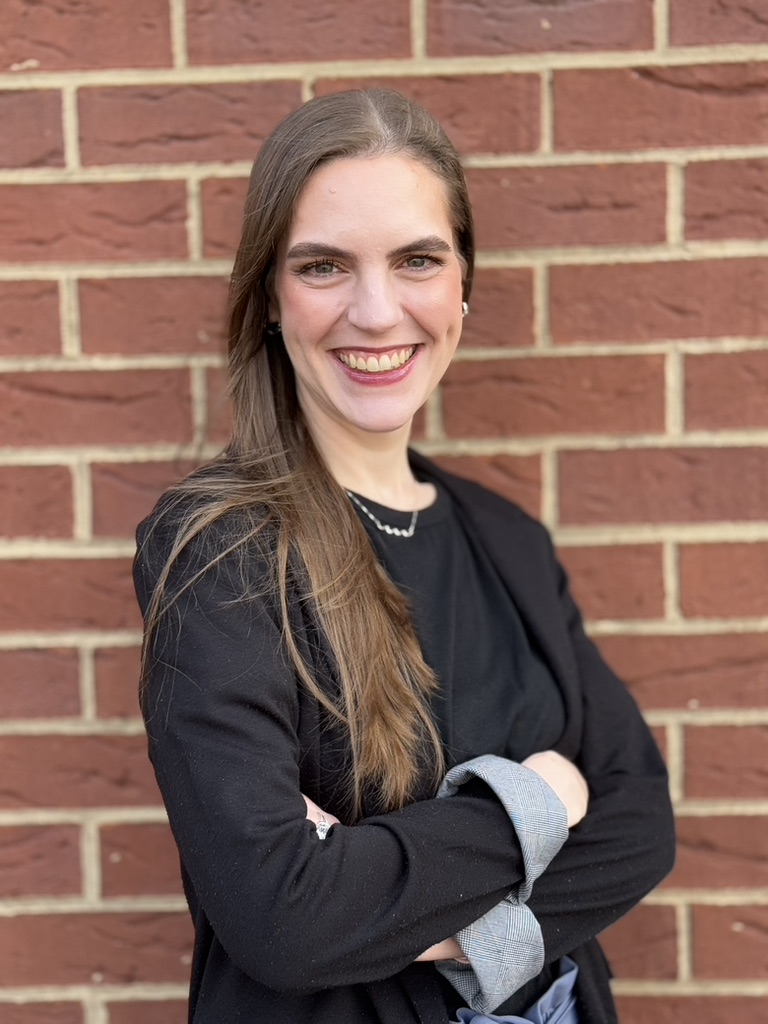
Today we’d like to introduce you to Sarah Jones.
Hi Sarah, thanks for sharing your story with us. To start, maybe you can tell our readers some of your backstory.
“So what do you want to do about your convergence insufficiency?” asked the fourth year optometry student doing my eye exam in the Southern College of Optometry clinic. My first year of optometry school had just begun; I hadn’t yet learned about convergence insufficiency, but I couldn’t possibly have it—after all, I’ve never been insufficient in anything in my life! I thought my only vision problem was a small amount of nearsightedness because that’s the only diagnosis I ever received from an eye doctor growing up.
It turned out that I did, in fact, have convergence insufficiency, along with a whole host of other functional vision problems that I had no idea about until I went to optometry school. Once I started learning about binocular vision disorders and realized I did have those symptoms (like double vision, trouble keeping my place when reading, poor eye-hand coordination, etc.), I started vision therapy at the school clinic, and it changed my life! I could read without using my finger or losing my place, I didn’t fall asleep after reading for 10 minutes, I became less clumsy…all through improving my visual skills.
I made it through my K-12 education graduating at the top of my class, and then I graduated summa cum laude with a BS in biology. I was a high achiever in spite of my visual deficits, and I had to work SO much harder in order to be successful.
This experience completely changed the trajectory of my life. I decided early in my optometry school career that I wanted to specialize in the types of vision problems that no optometrist ever identified in me. I don’t want any kids (or adults!) to struggle like I did. I want everyone to be able to experience the richness of life that having great vision can provide.
After graduating from optometry school in 2016, I did a residency in pediatrics and vision therapy. My initial plan was to incorporate vision therapy into a primary care optometry practice, but instead, I eventually started my own practice in 2019 where I specialize in functional and binocular vision problems. Any eye doctor can prescribe glasses or contact lenses to help people see more clearly (which is valuable, and I also do that), but I also help people understand and move within space.
Would you say it’s been a smooth road, and if not what are some of the biggest challenges you’ve faced along the way?
I opened my practice in August of 2019 (when I was also newly pregnant with my first child), and in less than a year, I was dealing with both COVID-19 and a newborn. The pandemic significantly delayed the growth of my practice, and although it has grown a lot since then, I’m still behind where I would have been without it.
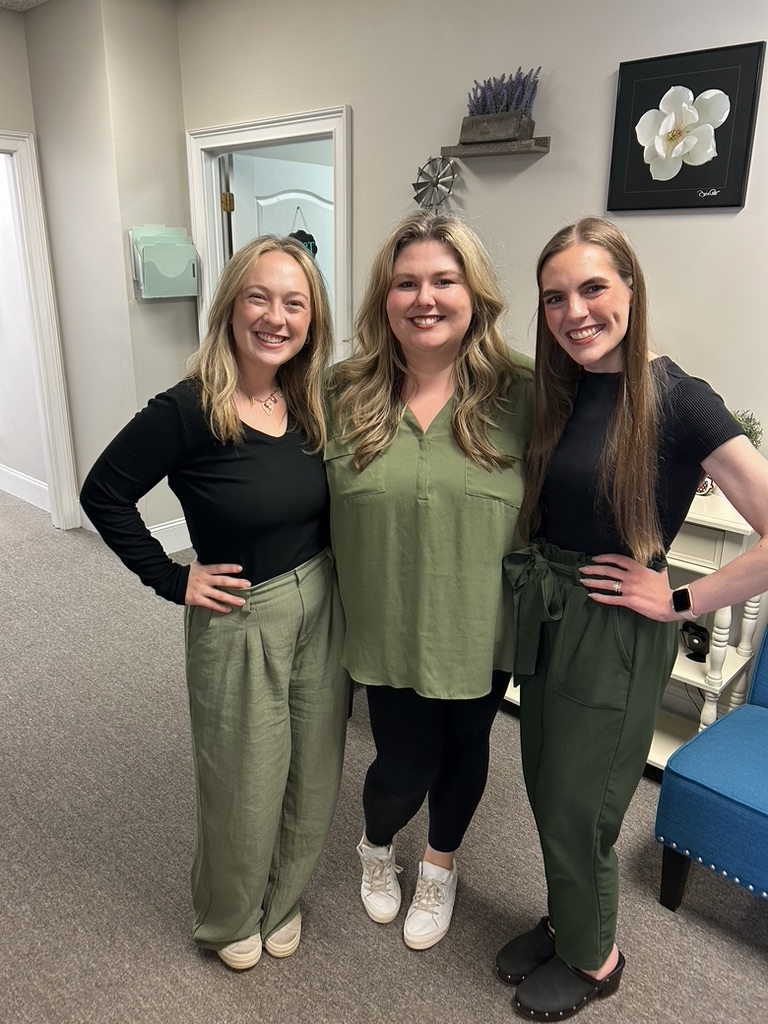
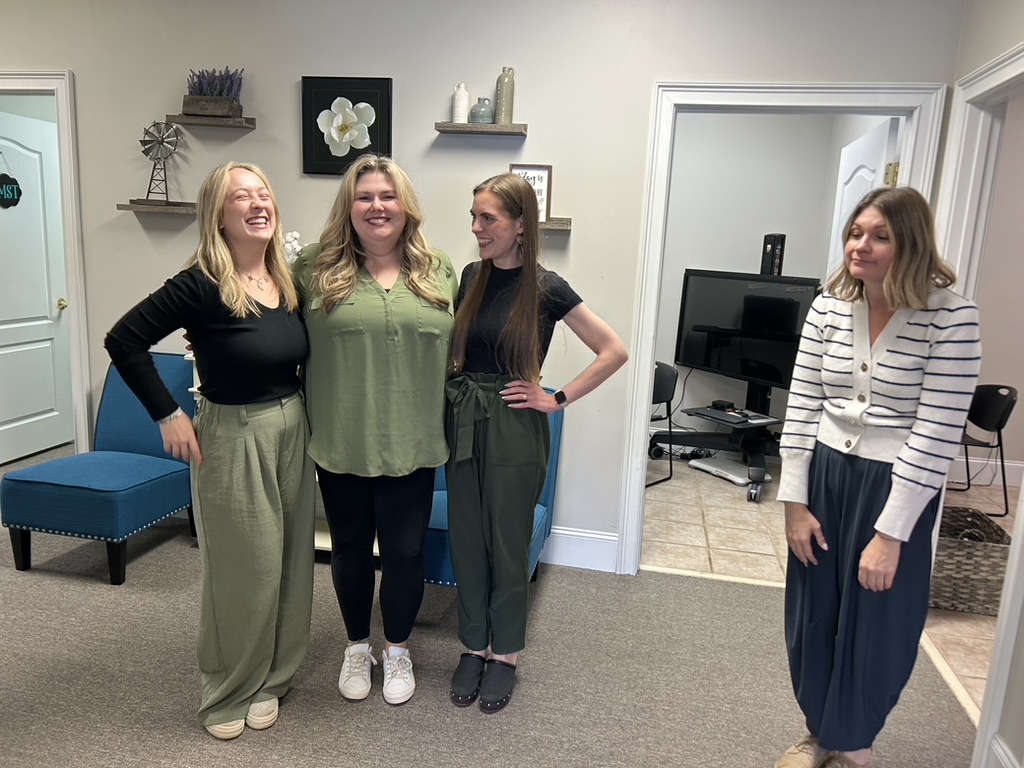
Like any other business, there have been general ebbs and flows, and I’ve had to make some staffing changes along the way. Although it has been incredibly difficult to navigate at times, and I don’t enjoy hardship, I admit that every challenge I’ve been forced to confront has made me better.
Thanks – so what else should our readers know about your work and what you’re currently focused on?
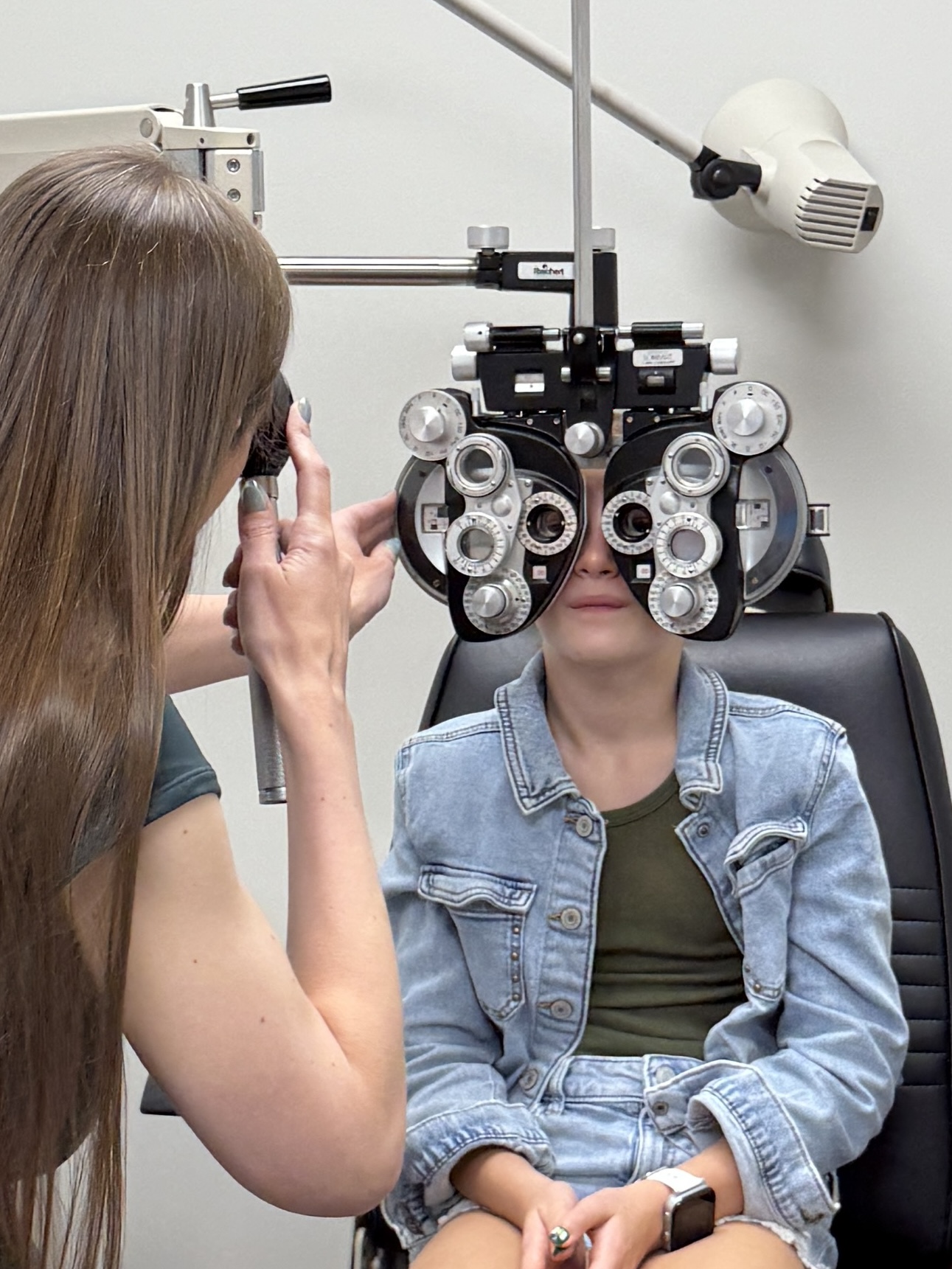
The way I approach vision is different from most of my fellow optometrists (and also ophthalmologists). Most people equate sight and vision, and they assume that a lack of clarity is the only possible vision problem. But it doesn’t matter how clearly each eye sees if the two eyes don’t work together (and you’re seeing double) or if you can’t point them in the right place (and you lose your place when reading), for example. I use lenses and optometric vision therapy* to improve visual function, which can drastically improve quality of life at any age! There’s nothing better than when a concussion patient tells me, “I feel like myself again,” or when a parent tells me their child has started reading for fun when it used to be a fight.
*Optometric vision therapy is kind of like physical therapy but for training the eye-brain connection. It’s a great tool for treating a variety of vision problems, including: strabismus (eye turn), amblyopia (“lazy eye”), oculomotor dysfunction (eye tracking problems), accommodative dysfunction (eye focusing problems), convergence insufficiency (and other eye coordination/teaming problems), etc. These treatments are safe, fun, effective, and non-invasive (no patching and no surgery).
What was your favorite childhood memory?
My dad told me I was his favorite child, but that was a secret I had to keep from my brother. Of course, my dad also told my brother he was his favorite child, and that was a secret he had to keep from me. Years later, my brother and I were arguing over who had the better secret, and to our shock and indignation, we had the same secret! We angrily confronted my dad, who had entirely forgotten about the whole thing. He thought it was hilarious, and we still joke about who’s the favorite child (obviously I am, but don’t tell my brother!).
Contact Info:
- Website: https://southernvisiondevelopment.com
- Facebook: https://www.facebook.com/SouthernVisionDC/ and https://www.instagram.com/southernvisiondevelopment
Popular
-

Hidden Gems: Local Businesses & Creatives You Should Know
-

ATL’s Most Inspiring Stories
-

Portraits of Atlanta
-

Alexander Lewis on Betting on Himself, Building Momentum at Coco Studios, and Turning Opportunity into Ownership
-

Satoya Hayes on Turning Beauty 2 Extensions into a Platform for Affordable Confidence and Entrepreneurial Opportunity
-

Asha Ford on Building Krystal Klear Motion and Creating Purpose-Driven Design for Women