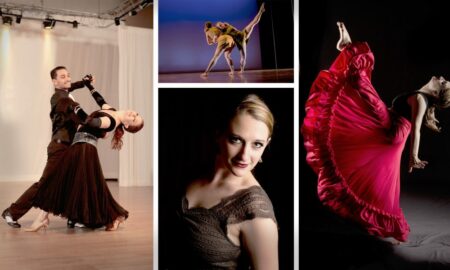


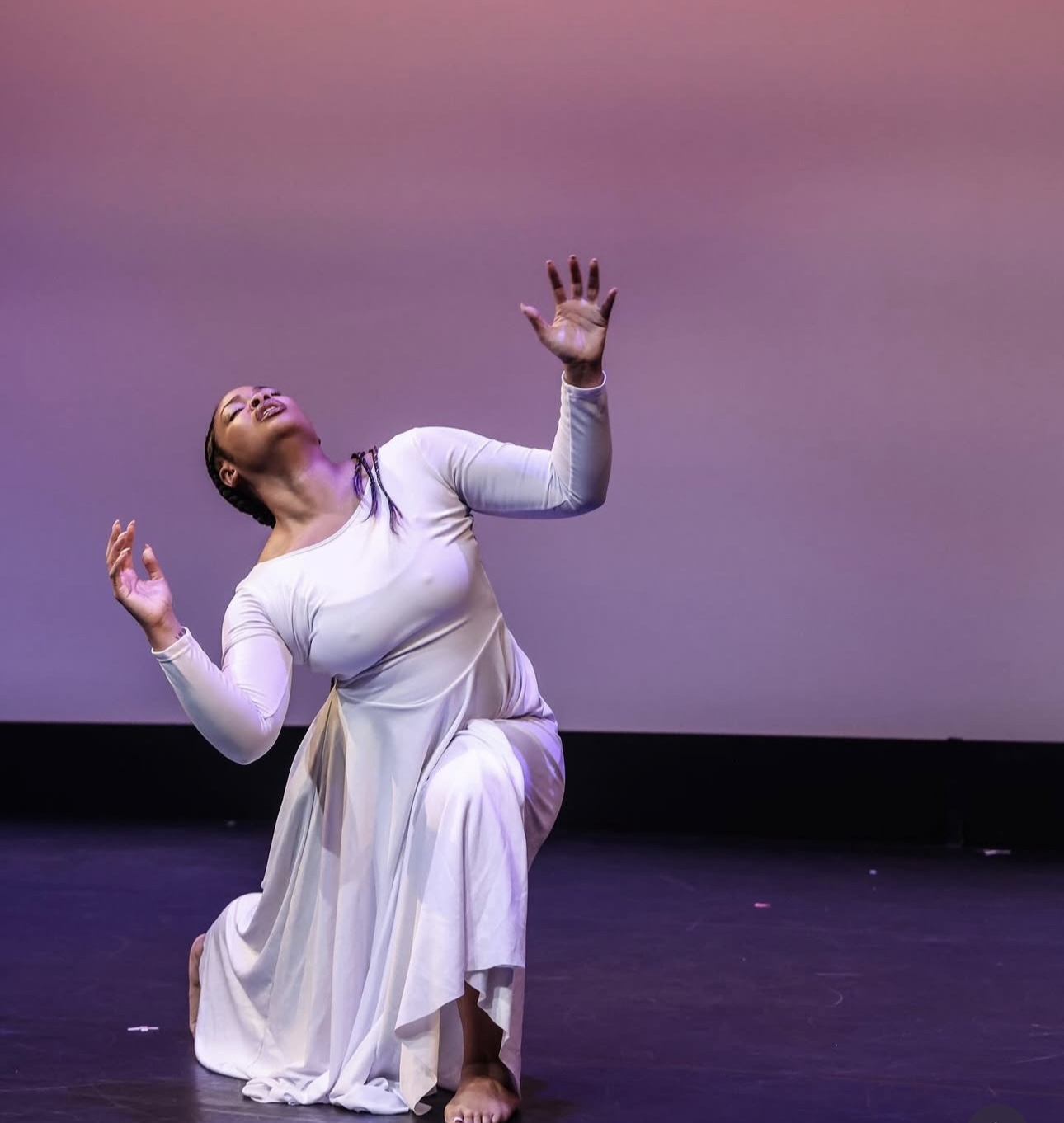
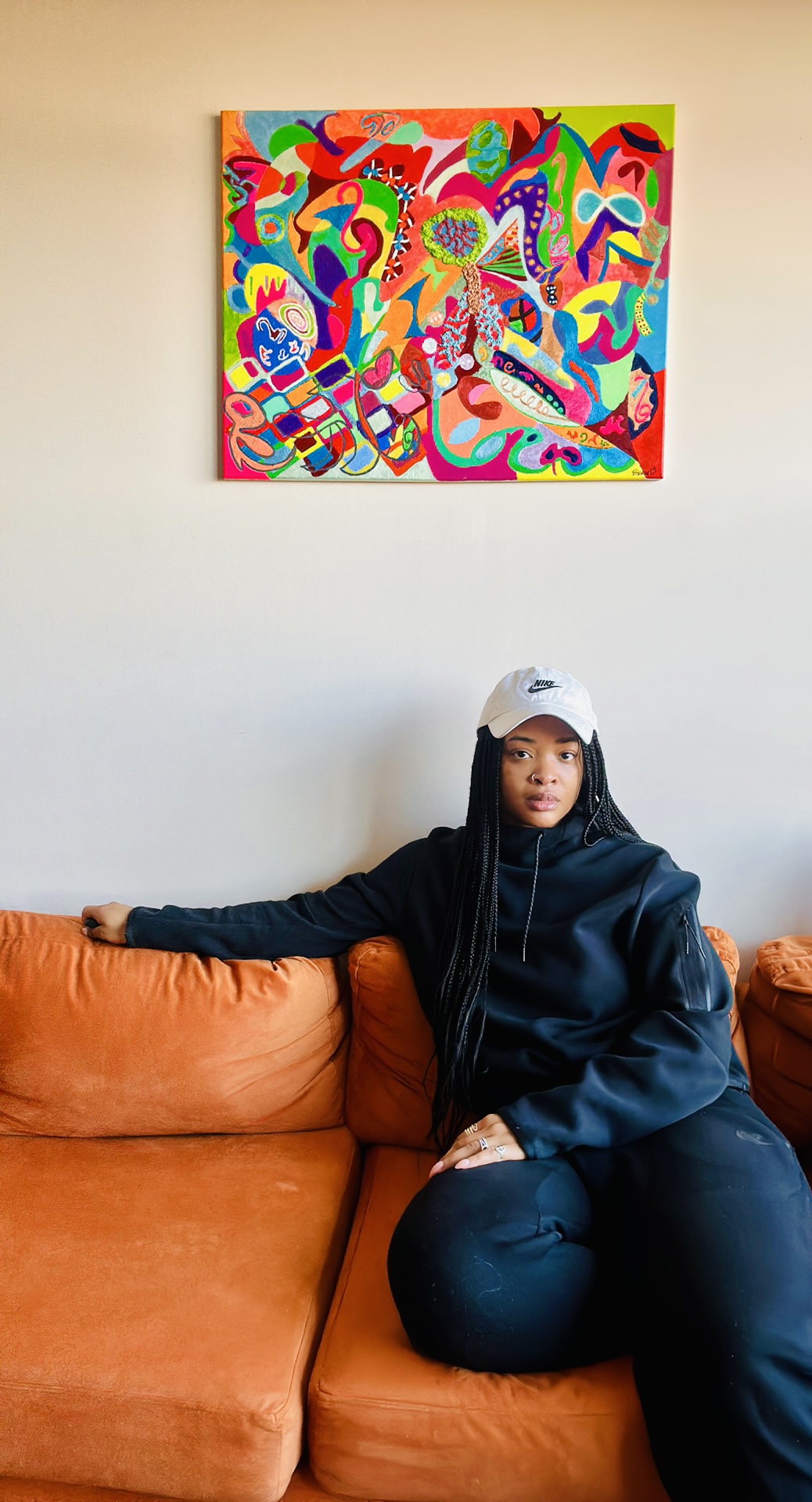
Today we’d like to introduce you to Bre Seals-Rankin.
Alright, so thank you so much for sharing your story and insight with our readers. To kick things off, can you tell us a bit about how you got started?
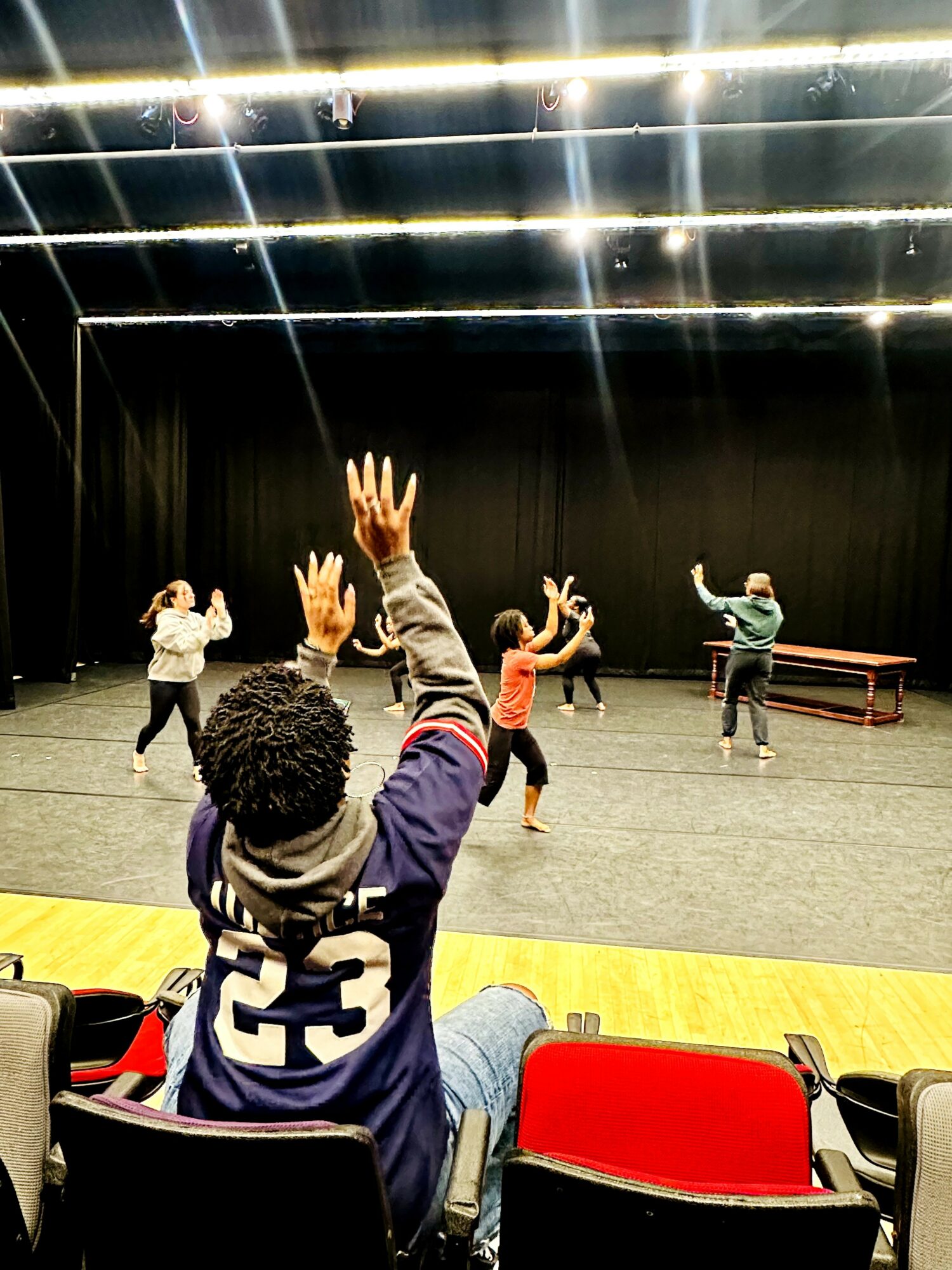
How did I get here? Honestly, my dance journey really started in my living room. I’m originally from Atlanta, and growing up I was obsessed with old Disney Channel and Nickelodeon shows like Kenan & Kel, That’s So Raven, and In Living Color. I remember seeing the word “choreographer” in the credits as a kid and being completely intrigued by it. I’ve always been a mover and someone who naturally created movement before I even fully understood what choreography was.
I told my dad I wanted to dance, and he put me into classes, and from there I was lucky to be surrounded by teachers and mentors who really poured into me early on. A huge part of my foundation came from attending Tri-Cities High School in the Visual and Performing Arts Magnet Program under the tutelage of Bridget L. Moore and Don Aksum. Being immersed in dance, theater, musical theater, and band culture shaped how I view performance and storytelling as a whole.
My path has taken me through several different institutions and creative spaces, and each experience has helped shape me into the artist I am today. I’m currently attending the University of Maryland as a Dance major with a minor in Music & Cultures, and I feel like I’m in a season where everything I’ve experienced creatively and personally is finally coming together.
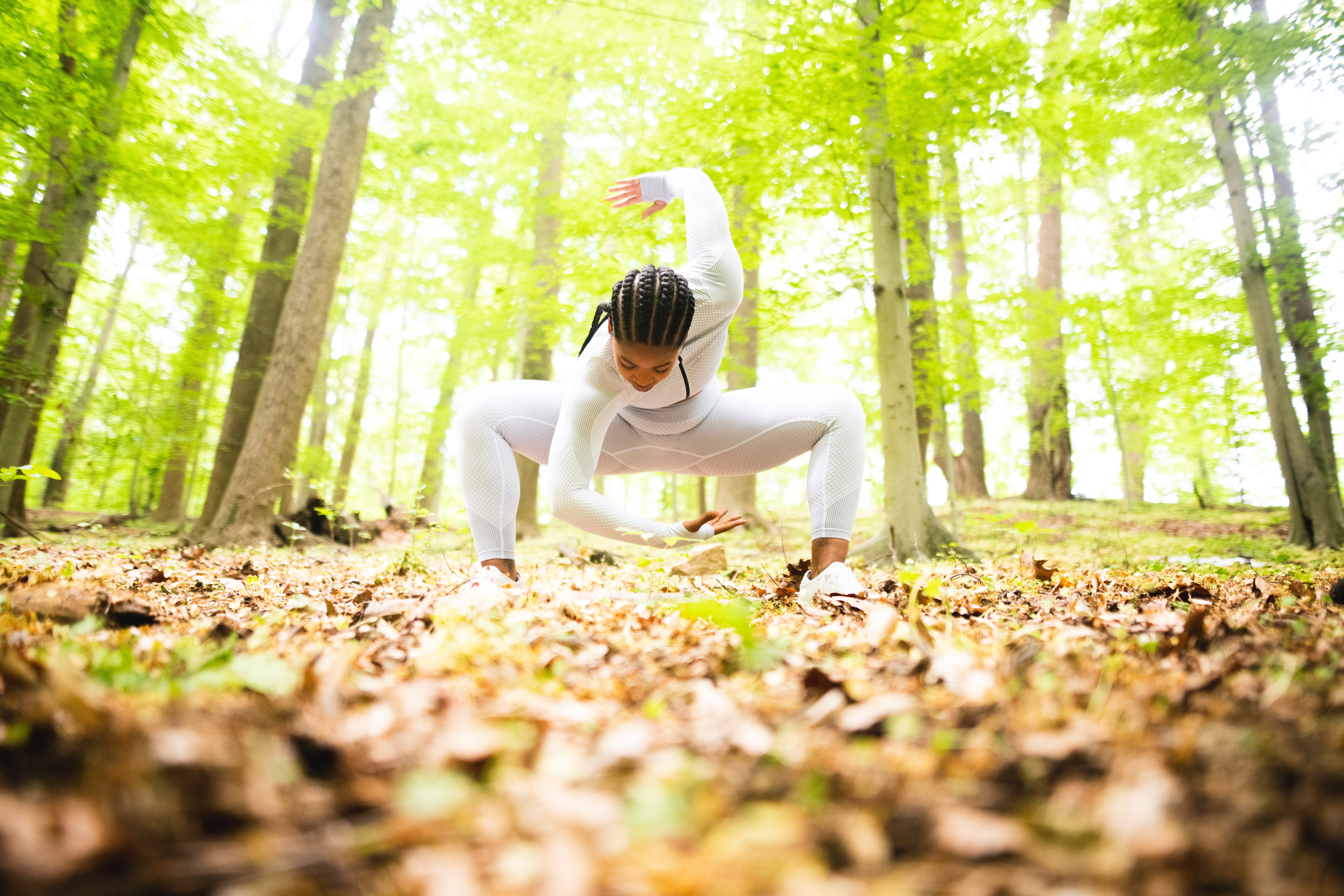
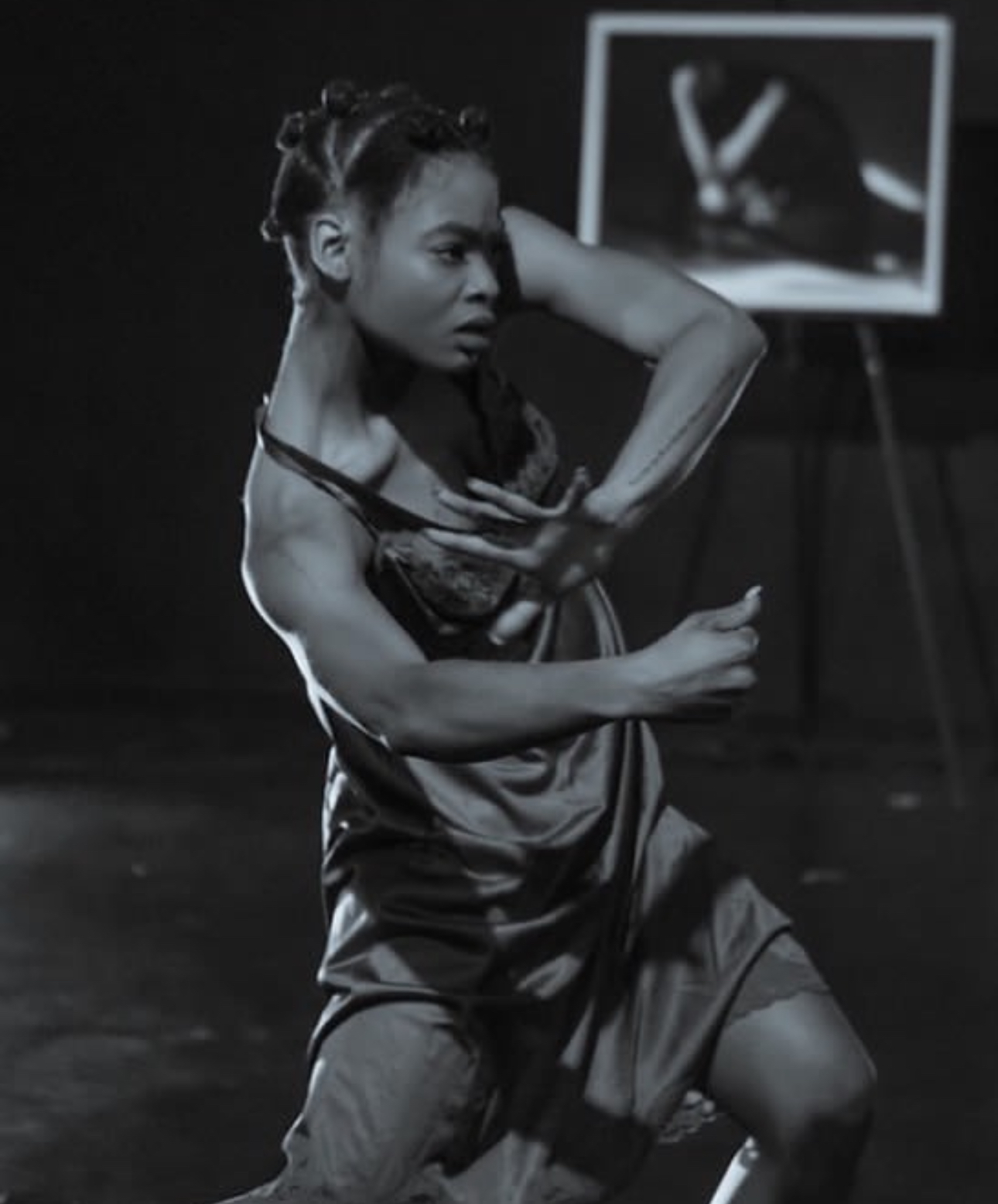
Over time, my work has evolved beyond traditional choreography into immersive and experimental performance experiences. I’m really interested in audience interaction, multimedia, site-specific work, and creating performances that feel alive and deeply human. A lot of my work explores themes like conflict, identity, transformation, and connection, and I’m excited to continue building work that pushes beyond conventional performance spaces.
Can you talk to us a bit about the challenges and lessons you’ve learned along the way. Looking back would you say it’s been easy or smooth in retrospect?
Wow, that’s such a loaded question haha! No, it definitely has not been a smooth road. Honestly, it’s probably been everything except smooth. There’s been rejection, opportunities and doors closing in my face, financial hardship, and even moments of housing instability while still trying to pursue being the artist I knew I wanted to become.
I lost my mom when I was six years old, and I think that forced me to grow up very quickly. At an age where most kids are just focused on playing and being carefree, I was already developing survival instincts and carrying responsibilities that felt much heavier than what most young people around me were experiencing. I’ve always had to fend for myself in a lot of ways and learn how to be both the dreamer and the provider at the same time.
A lot of my educational journey also came with challenges. After high school, I attended California Institute of the Arts, but ultimately left after experiencing racial profiling. Later, I attended Howard University, but financial issues and the university’s financial aid scandal impacted my ability to stay. Those experiences were painful because institutions that are supposed to support and nurture artists sometimes ended up being spaces where I felt unsupported or unseen.
At the same time, those struggles shaped me. They taught me resilience, adaptability, and how to create even when conditions aren’t ideal. I think a lot of the depth in my work now comes from having lived through uncertainty and still choosing to continue creating anyway. I like to say every rejection was protection, because even though some of those moments felt devastating at the time, they redirected me toward the spaces and opportunities that were truly meant for me.
Appreciate you sharing that. What else should we know about what you do?
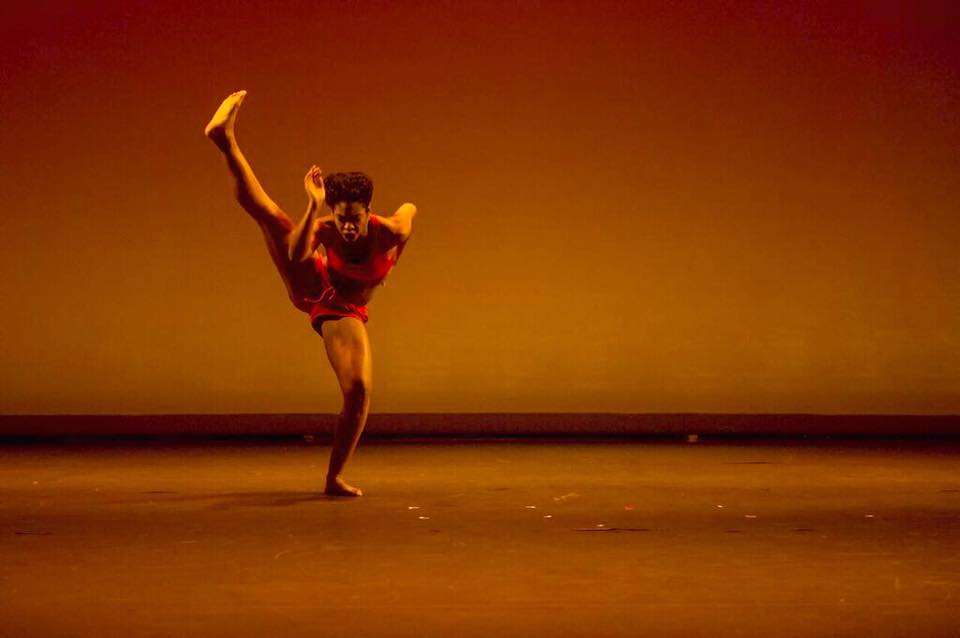
I’m a choreographer, creative director, movement artist, and experiential producer whose work exists at the intersection of dance, storytelling, multimedia, and human connection. While my foundation is in concert dance, my work has evolved into creating immersive and site-specific experiences that invite audiences to engage with performance in a more active and emotional way. For the past decade, I’ve also served as the Artistic Director of BREathe Dance Project, which has been a major part of my growth as both an artist and leader. Building and sustaining a creative platform for ten years taught me not only how to choreograph, but how to cultivate community, produce work, collaborate with artists, and create spaces for storytelling through movement.
A lot of my work explores themes like conflict, identity, memory, intimacy, and breath — both literally and metaphorically. I’m deeply drawn to creating experiences that feel alive, sensory, and emotionally immersive rather than distant or overly polished. As someone who experiences synesthesia, my creative process is heavily influenced by the relationship between sound, emotion, color, texture, and atmosphere. Many of my works are built through sensory connections first. Color symbolism, spatial energy, music textures, and emotional frequencies all play a major role in how I choreograph and conceptualize experiences. Movement, for me, is rarely just physical — it’s visual, emotional, sonic, and instinctive all at once.
I think what sets me apart is that I don’t approach dance as just performance; I approach it as world-building. I’m deeply inspired by music artists, installation art, immersive theater, film, and community experiences, so my creative process naturally blends disciplines together. I care just as much about how audiences arrive at a performance, what they feel inside the space, and what stays with them afterward as I do the choreography itself. I’m interested in creating moments people remember, not just pieces people watch.
I’m also proud of my ability to continuously reinvent myself creatively. My journey hasn’t been linear, and because of that I’ve learned how to adapt, rebuild, and continue creating through every transition. I’ve balanced artistry with survival, stepped into leadership positions across multiple spaces, mentored younger artists, and still remained committed to evolving my voice as a creator. I think that resilience shows up both in my work and in the way I move through the world.
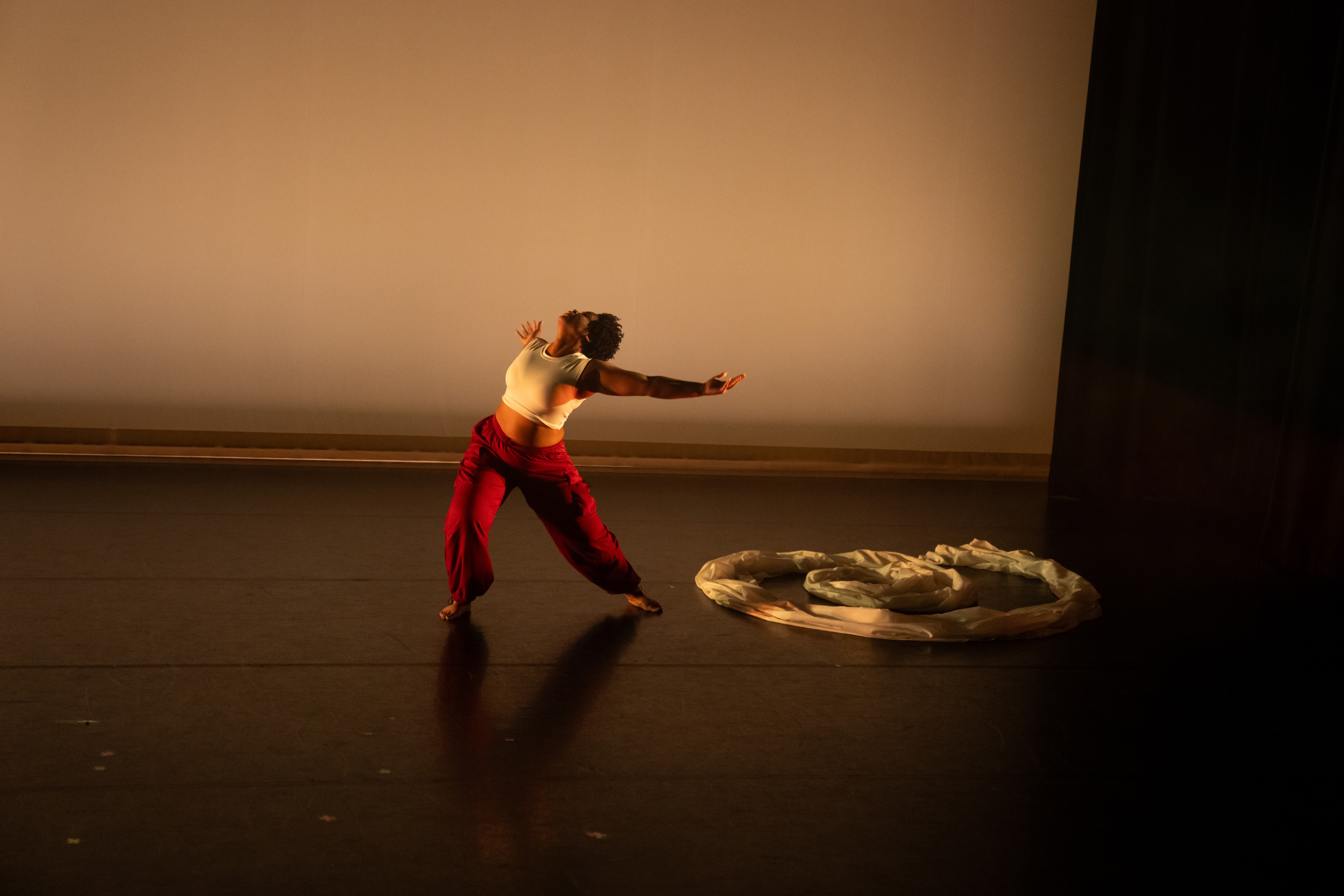
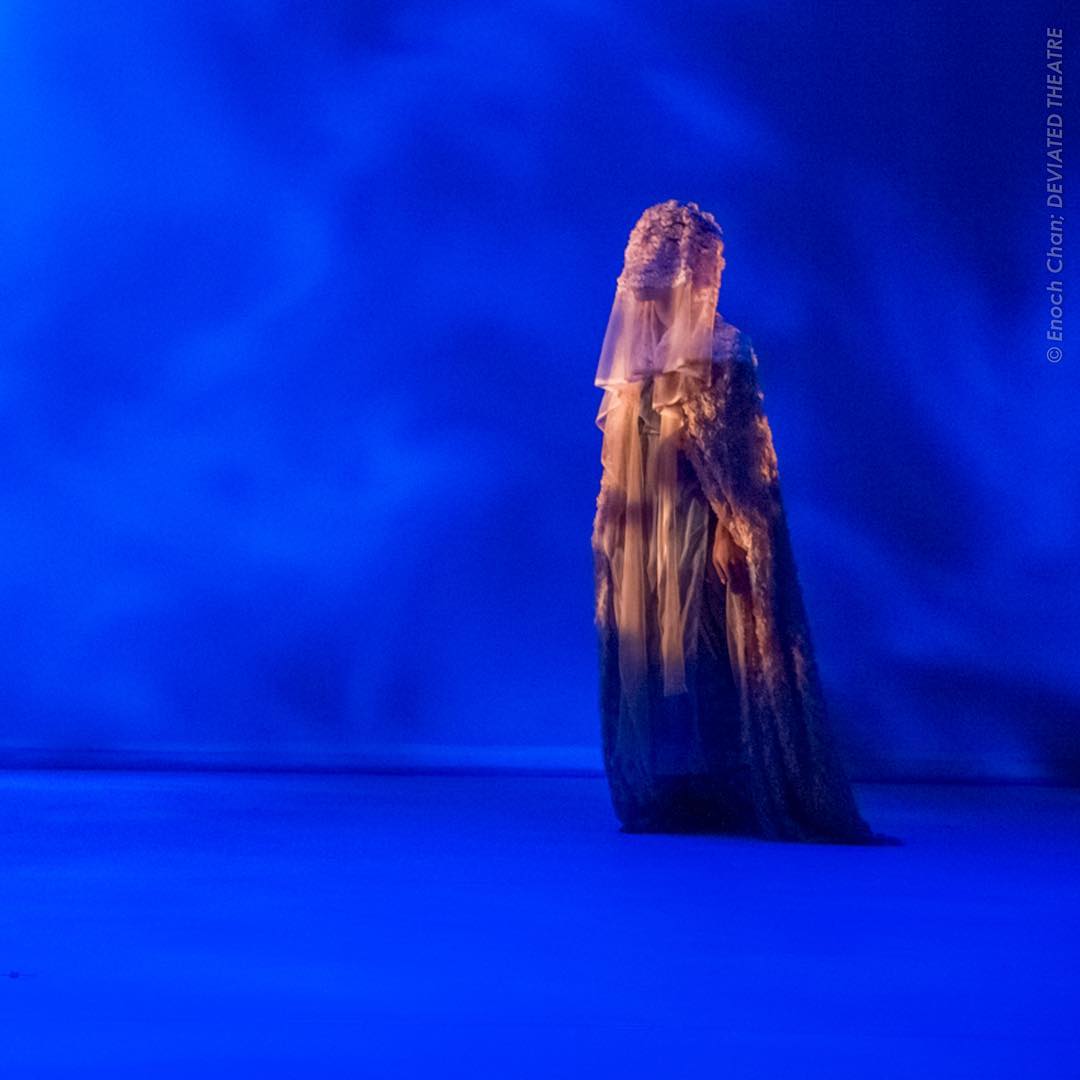
Right now, I’m especially proud of the direction my current work is moving in creating immersive performance experiences like “Conflict is Vital- The Choreographic Album” that challenge traditional performance structures and encourage audiences to become part of the experience itself. It feels like I’m finally stepping fully into the kind of artist and creative visionary I’ve always wanted to become.
Networking and finding a mentor can have such a positive impact on one’s life and career. Any advice?
The advice I would give to people looking for mentors or trying to network in general is to never limit yourself to one circle, and don’t limit your artistry. A lot of the opportunities I’ve had came from being open to where connections can happen, even in unexpected spaces.
One of the things that’s worked best for me is not being too proud to exchange value in different ways. There have been times where I couldn’t afford class, but I still wanted to be in the room, so I offered my time or services — whether that was helping clean the studio or supporting in exchange for access. I’ve learned that relationship-building in this industry is often reciprocal, and there are many ways to show up and contribute.
I’m also very intentional about doing my research. If there’s an audition, an opportunity, or a space I want to be in, I make sure I understand who is running it, who will be there, and what the environment is. That level of due diligence has helped me move with more clarity and purpose, instead of just moving blindly.
At the same time, I’ve learned the importance of knowing your worth. There have definitely been moments where I’ve been in spaces where I knew I deserved more, and I had to learn how to recognize that without shrinking myself. The industry can be complicated — sometimes people show you who they are, sometimes ego or insecurity shows up in different ways — but I’ve learned not to internalize that.
What matters most is staying grounded in who you are, setting clear boundaries, and protecting your energy. Your name will always hold weight in a room, even when you’re not physically in it, so I’ve learned to move in a way that reflects who I am and what I stand for.
Contact Info:
- Website: https://breseals.com
- Instagram: https://www.instagram.com/bretheseals/
Popular
-

Hidden Gems: Local Businesses & Creatives You Should Know
-

ATL’s Most Inspiring Stories
-

Portraits of Atlanta
-
Natasha Dillard on Redefining Beauty Standards and Empowering Women Through Unapologetic Self-Expression
-

Darren Paltrowitz on Blending Investigation, Media, and Culture to Uncover the Stories Behind the Stories
-
Naeemah Jade on Redefining Networking Through Trust, Proximity, and Intentional Community