





Today we’d like to introduce you to Joseph Cartright.
Alright, so thank you so much for sharing your story and insight with our readers. To kick things off, can you tell us a bit about how you got started?
Photography wasn’t a dream I chased—it was a door that opened when I needed one. I’m of Haitian and Dominican descent, and in an immigrant household there wasn’t a roadmap for becoming an artist. Like many first-generation kids, I followed the practical path first, studying avionics before moving into telephony and computer technology. None of it felt quite right. At the same time, I was always involved in creative work—DJ’ing, music production, artist management, and eventually visual arts.
What I understood early is that the camera is almost beside the point. I used to say, “Get paid for your brain, not your finger.” That philosophy shaped everything that followed.
Over the years, I’ve had the opportunity to work with brands including Victoria’s Secret, L’Oréal, Ralph Lauren, Escada, Wella, and Halston, with work appearing in publications such as ELLE, Allure, Essence, and The New York Times. Along the way came collaborations that led to numerous NAHA nominations and wins, a contract photographer role with L’Oréal Matrix, teaching as an Adjunct Professor at Parsons, and lecturing for Apple and Adobe.
But there was always something pulling at me beyond client work—a need to create work that was entirely my own. That tension between commercial success and artistic exploration eventually gave birth to Painting on Darkness, my fine art practice. It also led to Winnaha.com, a platform built to help beauty professionals better understand what separates participation from truly competitive, award-winning work.
The story isn’t a straight line, but looking back, every chapter connects. Whether through photography, motion, education, publishing, AI, or fine art, I’ve always been interested in the same thing: ideas, storytelling, and helping people see something they may not have seen before.
Alright, so let’s dig a little deeper into the story – has it been an easy path overall and if not, what were the challenges you’ve had to overcome?
Nothing about this was smooth. Breaking into any creative industry is difficult, and I didn’t have a blueprint for how to do it. Coming from an immigrant family, pursuing a career in the arts wasn’t the obvious path, so a lot of what I learned came through trial and error, persistence, and a willingness to create my own opportunities.
Early on, I realized that talent alone wasn’t enough. I became obsessive about preparation, craft, and understanding the business side of creativity as much as the artistic side. What started as necessity eventually became an advantage. Every challenge forced me to become better, more resourceful, and more intentional about the work I was creating.
The second challenge was subtler: balancing commercial success with personal artistic growth. There were periods when I was creating work for great clients, winning awards, and checking all the boxes of professional success, yet I still felt the need to create something that was entirely my own. Maintaining your artistic voice while building a career can be a difficult balance.
That search eventually led me back to my fine art practice and to Painting on Darkness. Looking back, I’ve learned that professional success and artistic fulfillment aren’t always the same thing. Both matter, but they require different kinds of courage and commitment.
Can you tell our readers more about what you do and what you think sets you apart from others?
My work exists across several interconnected areas, each informing the others.
The commercial side focuses on beauty, fashion, and conceptual imagery across both still photography and motion. Throughout my career, I’ve had the opportunity to create work for brands such as Victoria’s Secret, Ralph Lauren, L’Oréal, Escada, Wella, and Halston, along with editorial publications including ELLE, Allure, Essence, and The New York Times. Much of that work has centered around the professional beauty industry, where concept, storytelling, and collaboration are at the heart of the creative process.
One of the most rewarding aspects of my career has been collaborating with fellow artists through the North American Hairstyling Awards (NAHA), often considered the highest honor in professional beauty. Over the years, I’ve worked alongside many exceptional hair artists, contributing to collections that have earned dozens of nominations and wins, including a Masters-winning collection with Ruth Roche. For me, the greatest satisfaction comes from helping creative people bring their ideas to life and seeing their talent recognized on one of the industry’s biggest stages.
My fine art work lives under the umbrella of Painting on Darkness, an exploration of how light, shadow, memory, and emotion interact. Butterfly Shadows is one example of this approach, exploring the relationship between light, memory, and perception. The work has been exhibited in multiple galleries and collected internationally.
I’m also passionate about education, mentorship, and supporting creative communities. Over the years, I’ve taught as an Adjunct Professor at Parsons and have lectured for organizations including Apple, Adobe, and ASMP. I’ve also had the opportunity to serve as Creative Director of LIVID Magazine and Editor-in-Chief of Hair and Motion Magazine, both of which allow me to spotlight talented artists and celebrate exceptional creative work. More recently, I launched Winnaha.com to help beauty professionals better understand what separates participation from truly competitive, award-winning work and to share the knowledge I’ve gained throughout my career.
What sets me apart is that I’ve always been driven by ideas and storytelling. Whether I’m creating images, directing motion, experimenting with AI, teaching, or collaborating with other artists, my goal is to create work that reveals something people may not have seen before—in the subject, or in themselves. The tools continue to evolve, but my curiosity about people, ideas, and storytelling remains the same.
Do you have any memories from childhood that you can share with us?
I grew up between two cultures—Haitian and Dominican—and what that gave me more than anything was an education in perspective. Two countries sharing one island, often telling different stories about the same reality. Growing up around that duality taught me early that everything depends on who’s holding the frame. That lesson has stayed with me throughout my life and continues to influence how I see the world and the work I create.
One of my favorite childhood memories was building a pinhole camera out of a cardboard box and being amazed that light alone could create an image. Around the same time, I spent a lot of time sitting quietly in dimly lit rooms, watching the light change as the day faded and shadows slowly took over the space. I was fascinated by how the same room could feel completely different depending on the light. Even then, I was paying attention to mood, atmosphere, and the things that weren’t immediately obvious.
Looking back, I realize those moments shaped me more than I understood at the time. When I later developed Painting on Darkness as a fine art philosophy, I wasn’t inventing something new—I was giving a name to something I’d been exploring since childhood. I’ve always been interested in what exists just beneath the surface, in the spaces between certainty and mystery, light and shadow.
Contact Info:
- Website: https://cartright.com/
- Instagram: https://www.instagram.com/josephcartright/
- LinkedIn: https://www.linkedin.com/in/cartright/
- Youtube: @winninghair
- Other: https://winnaha.com/
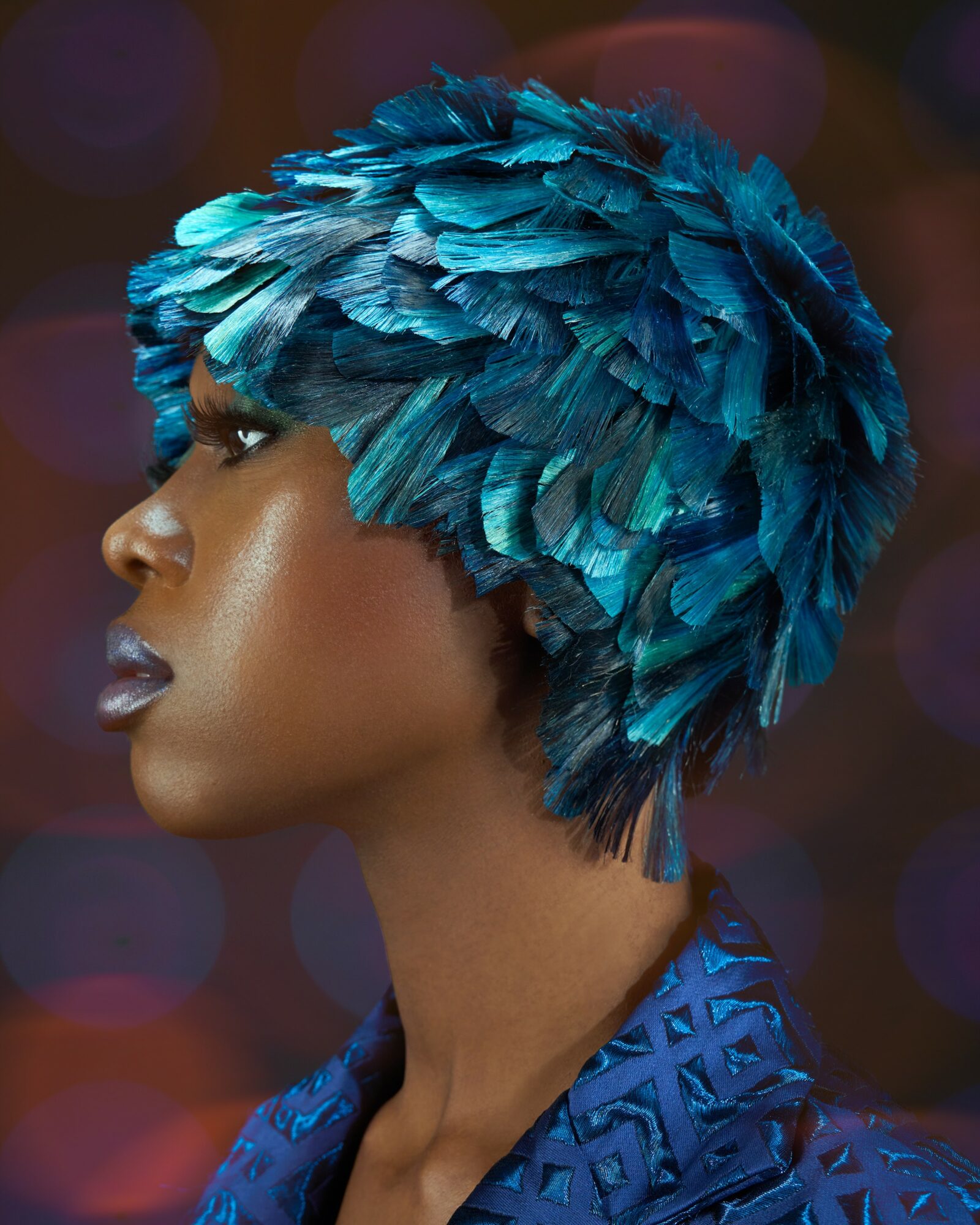
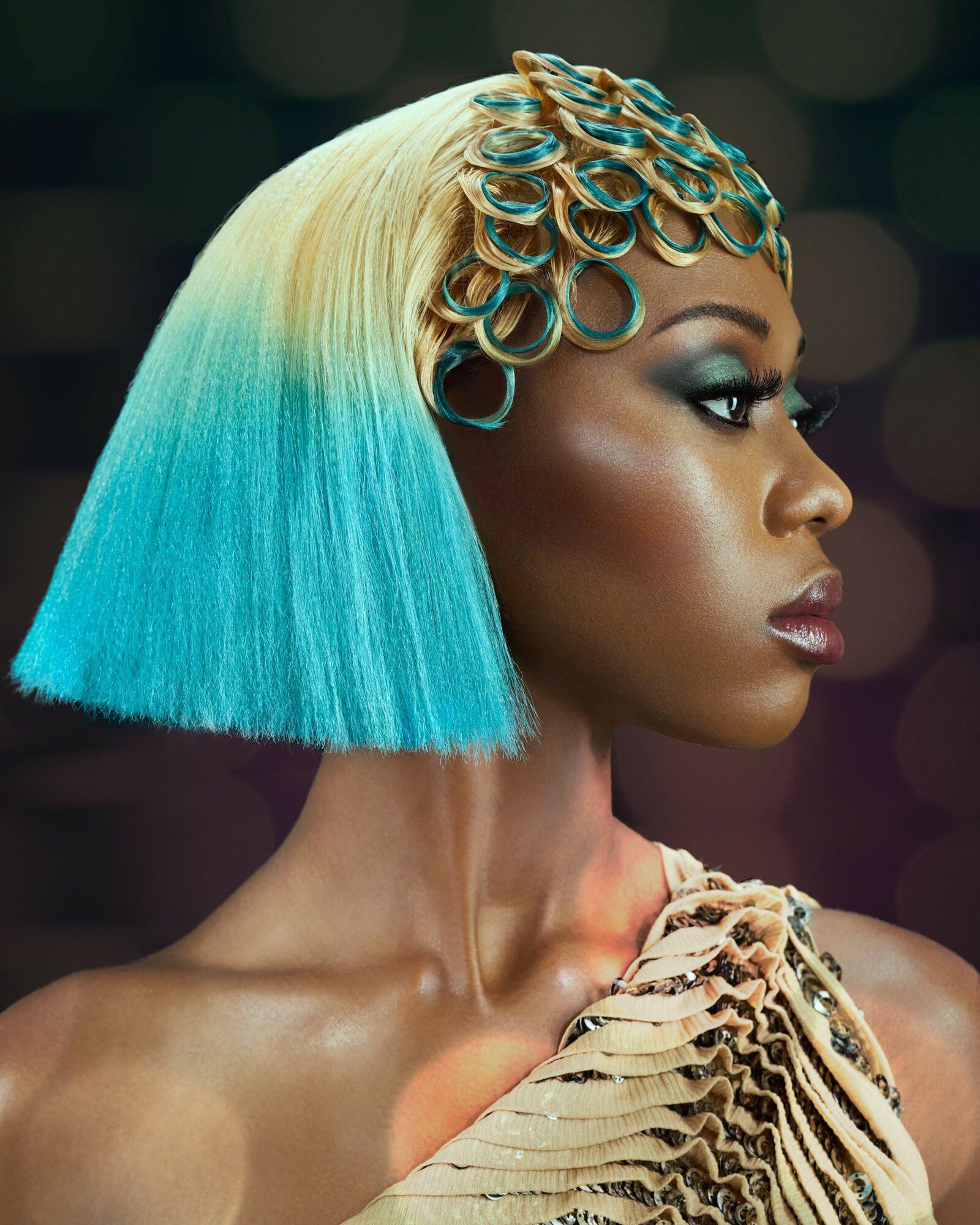
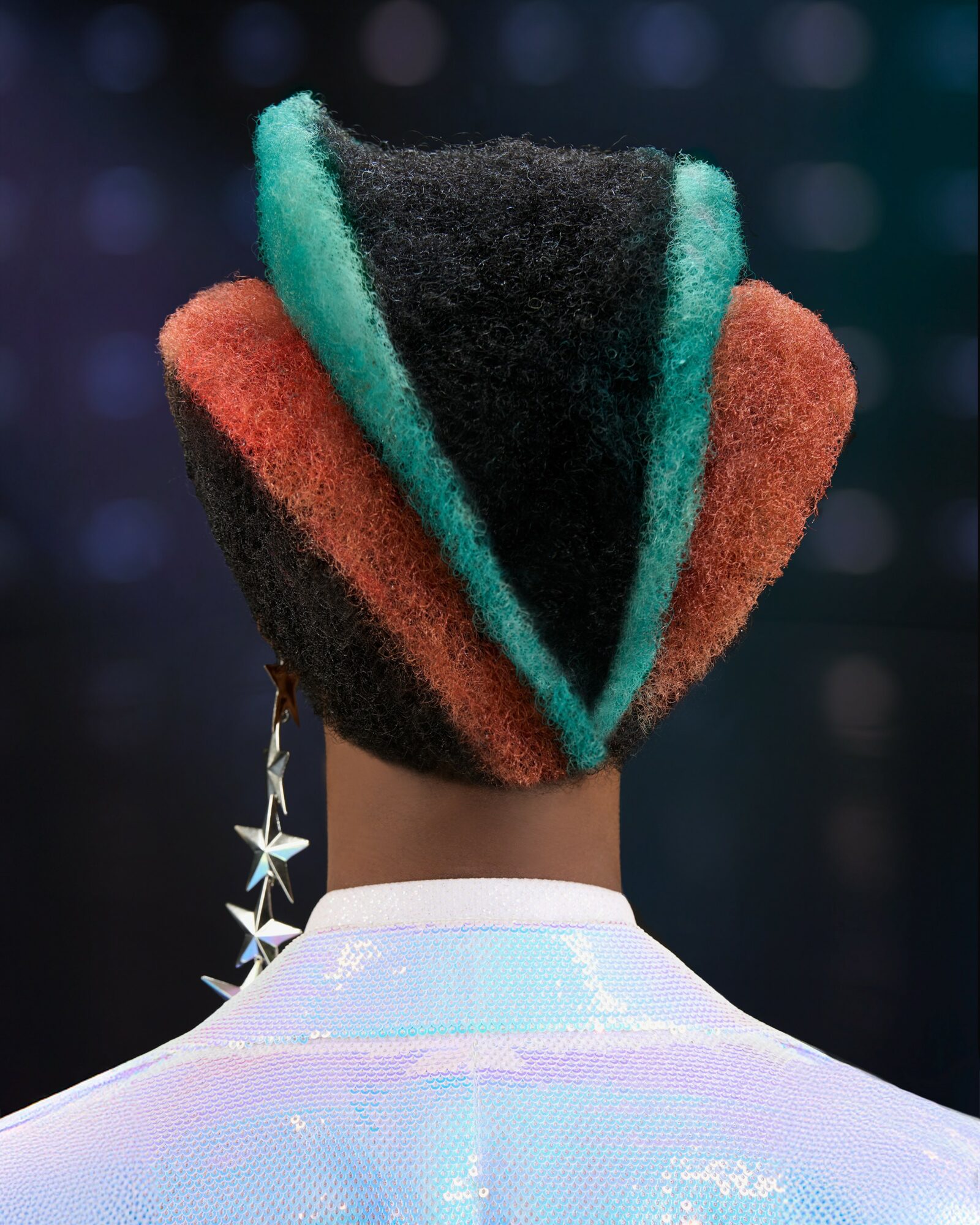
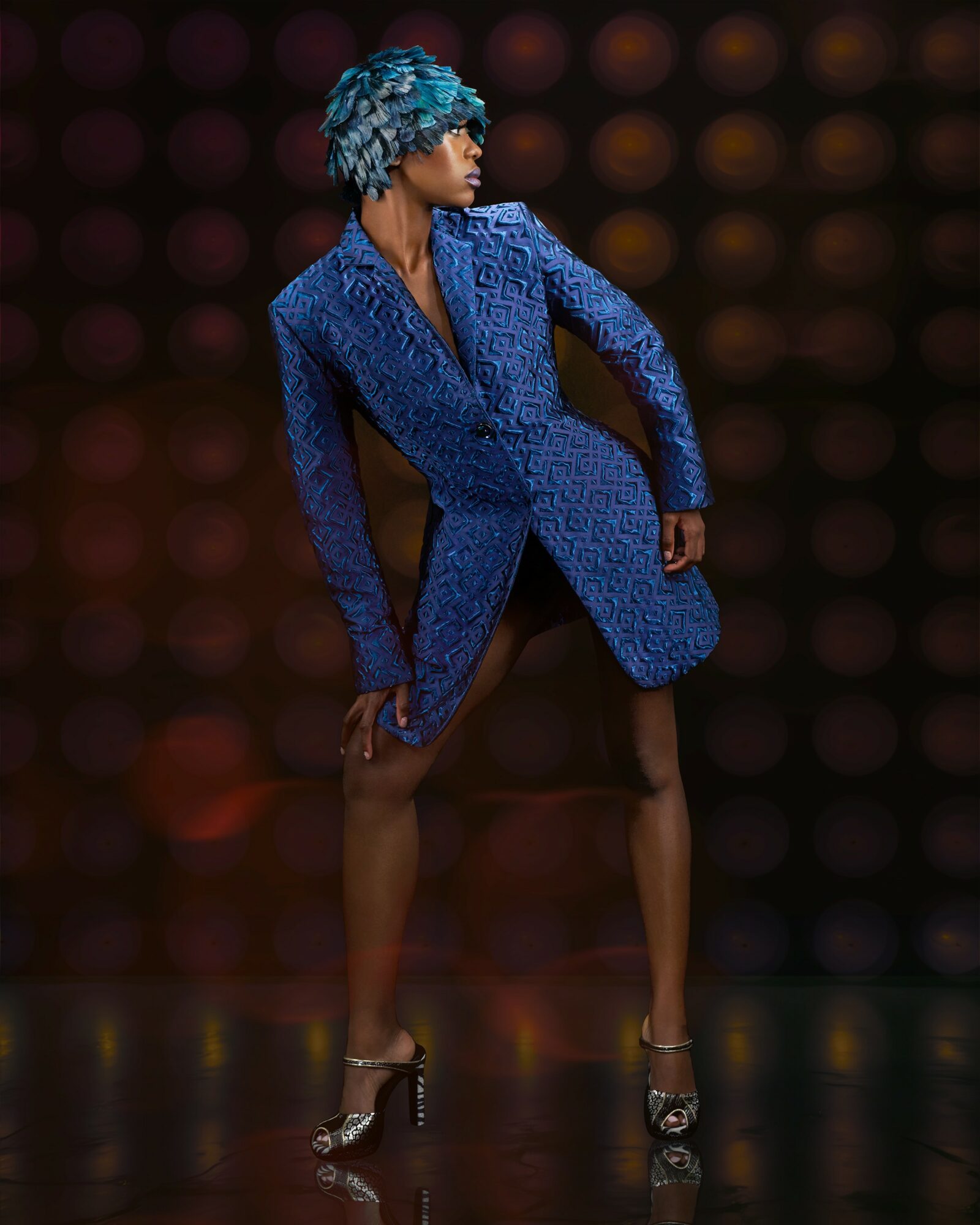
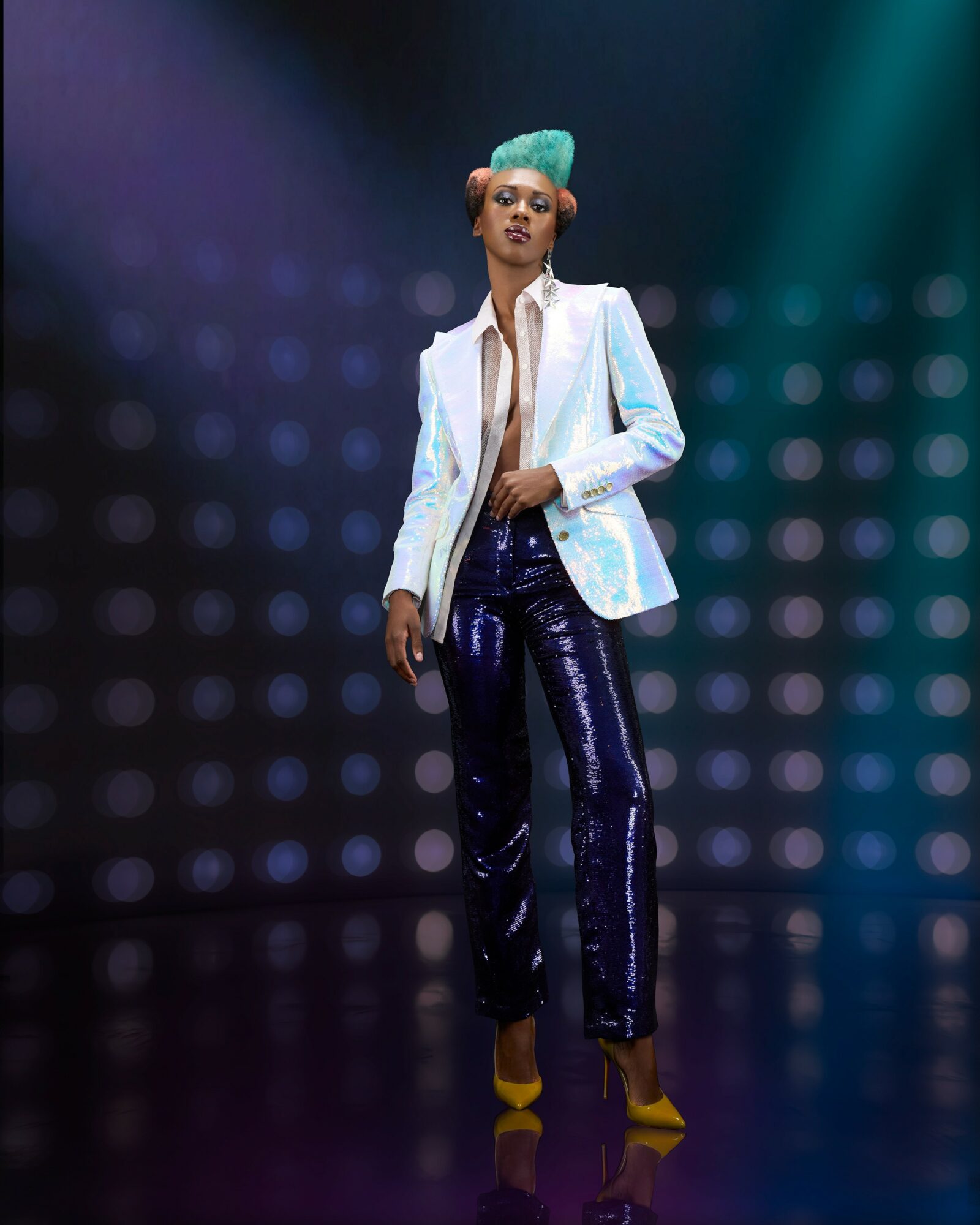
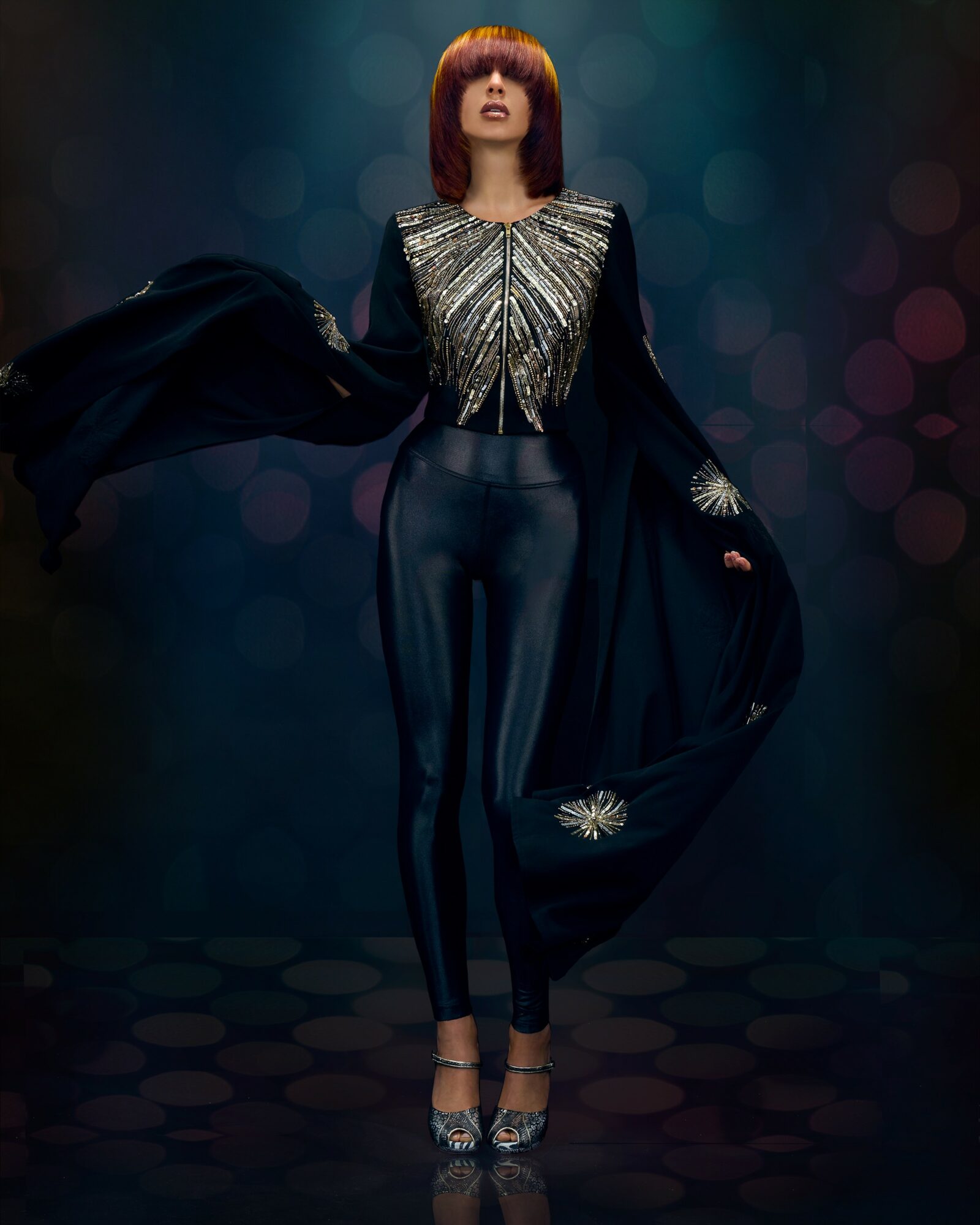
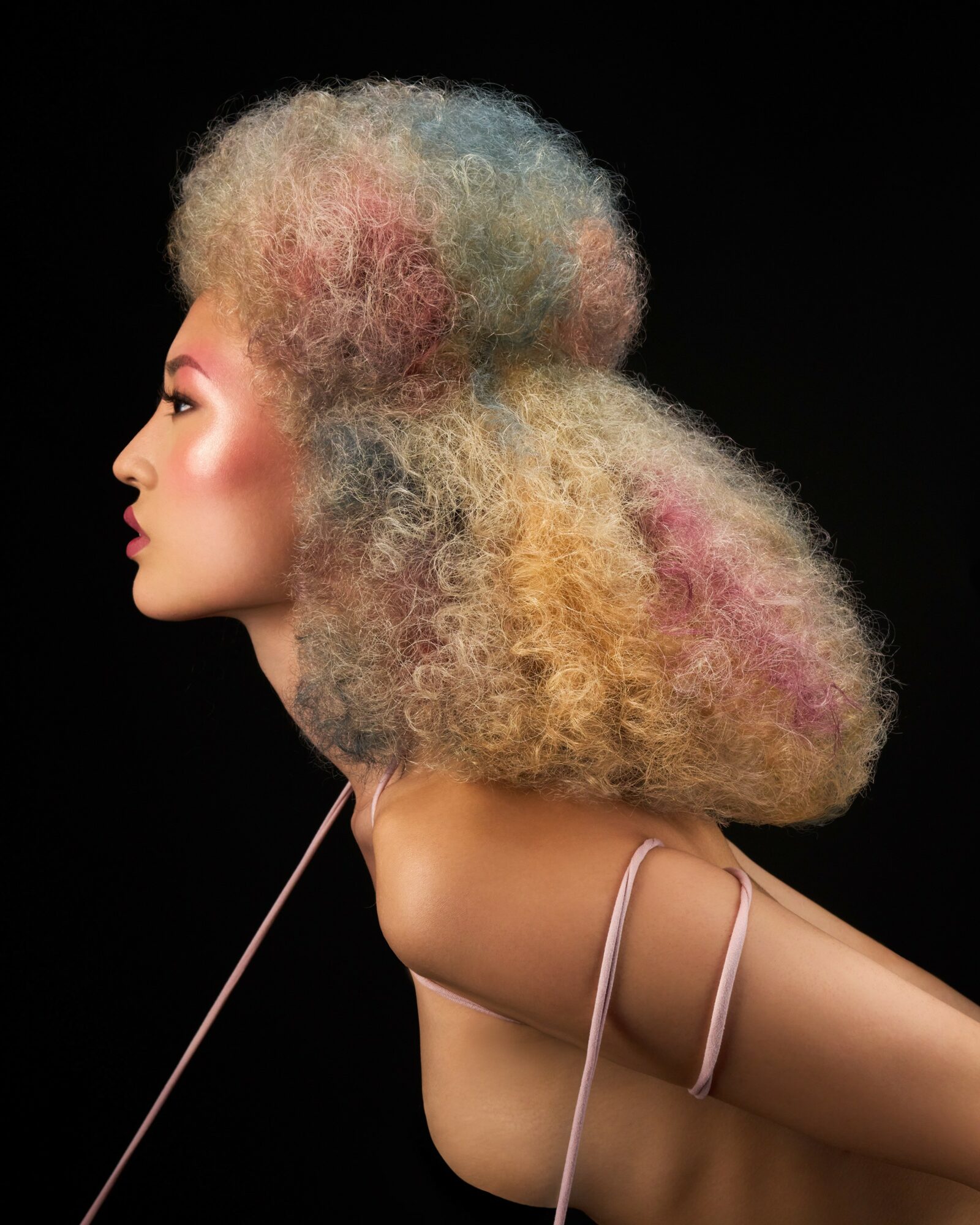
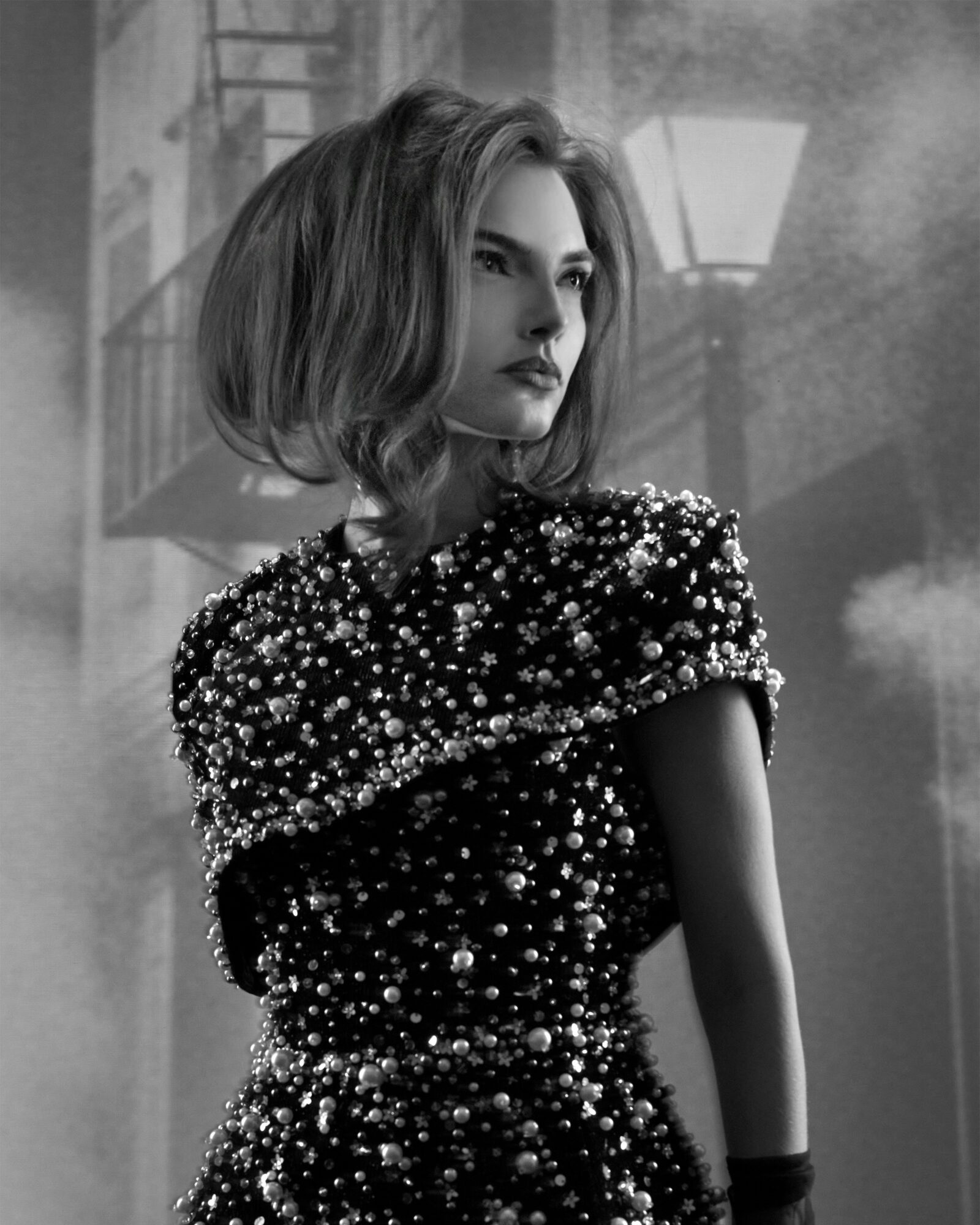

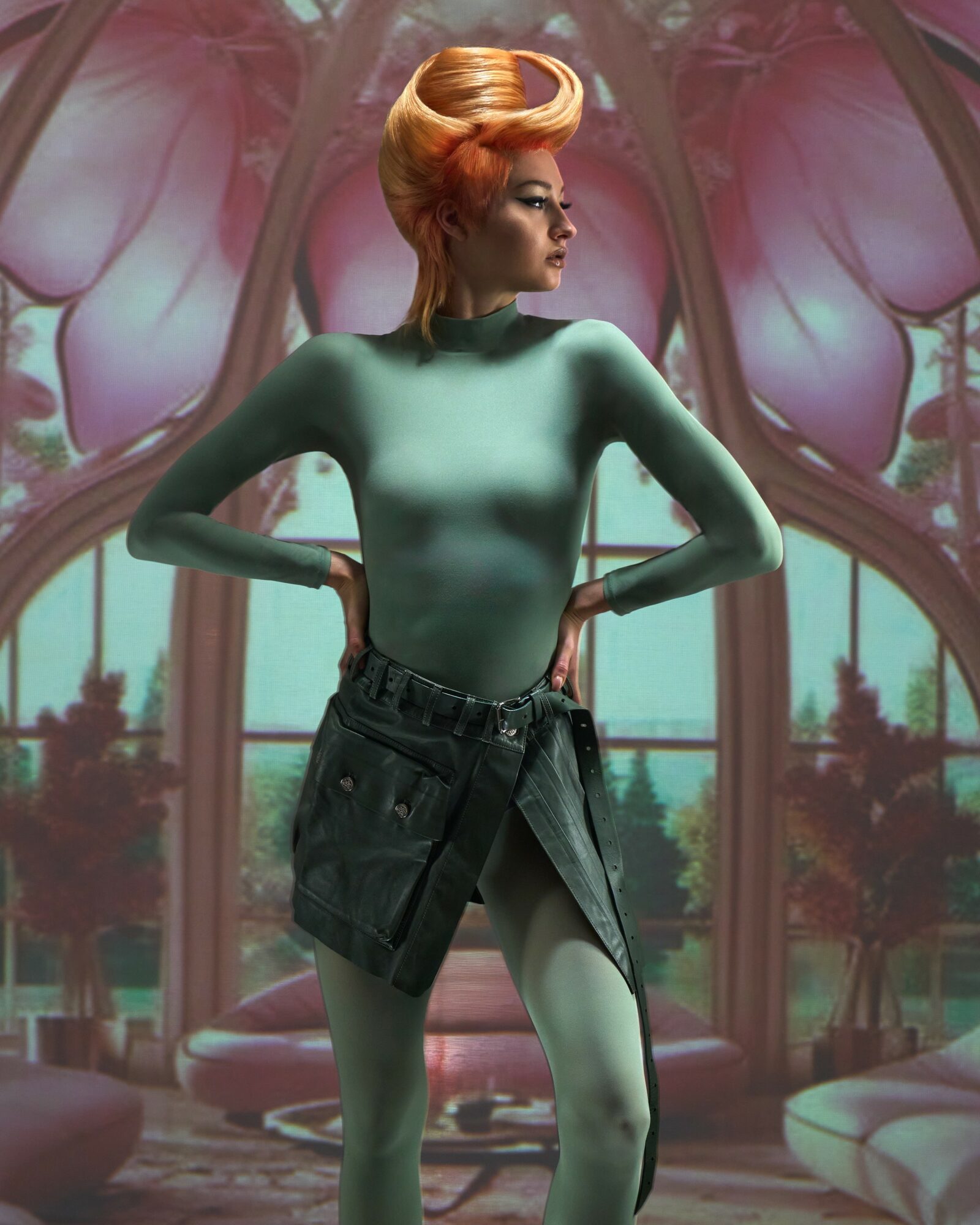
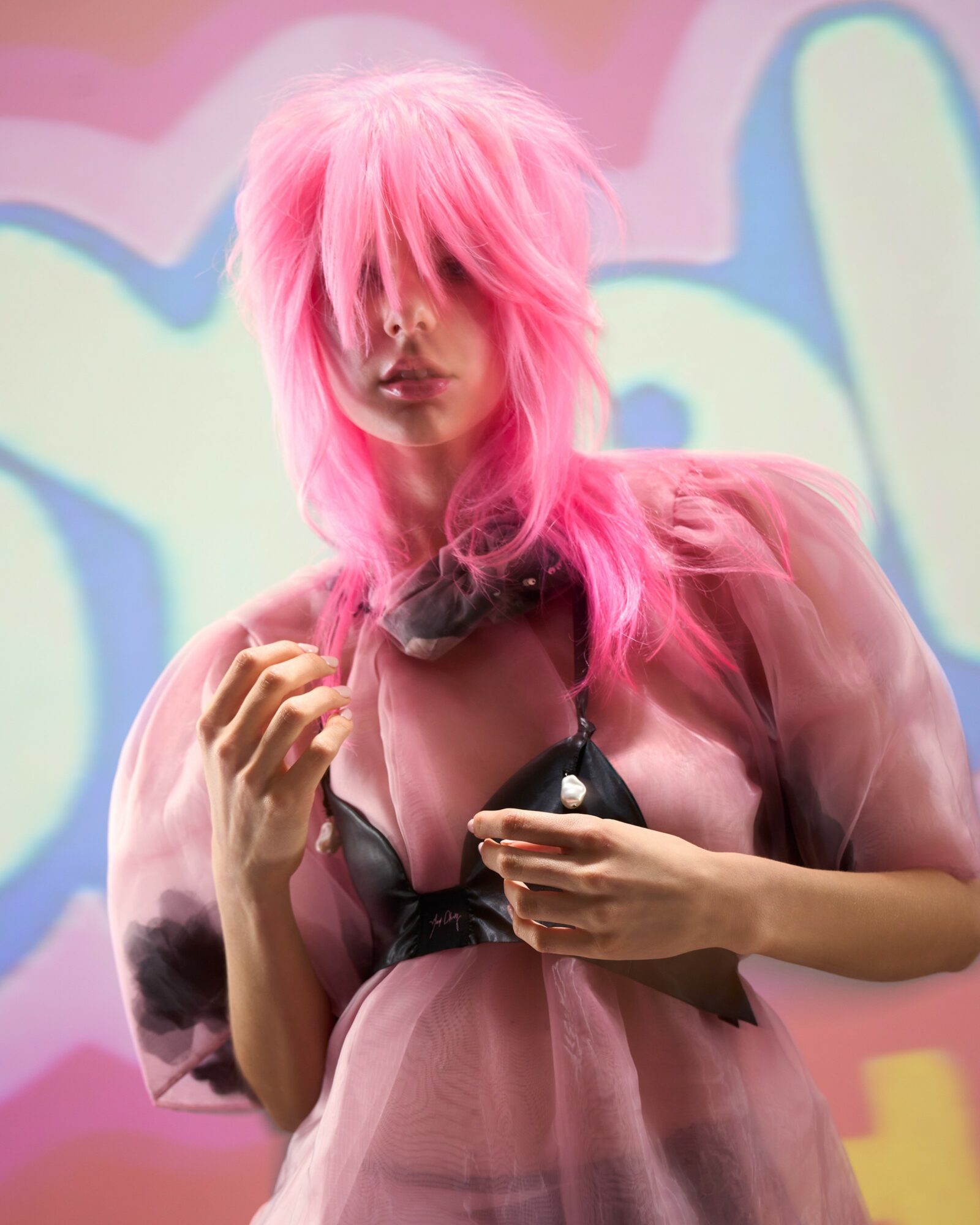
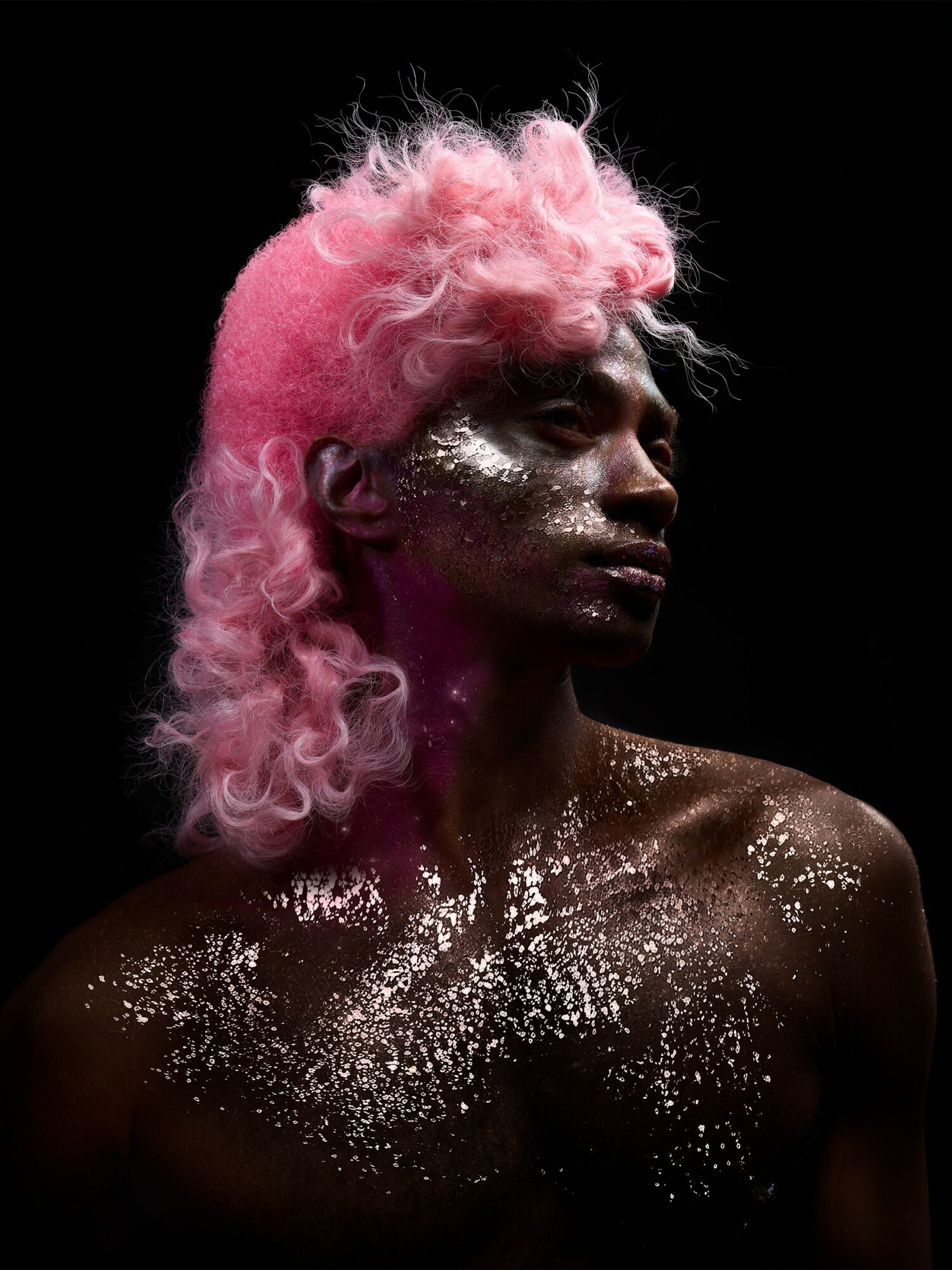
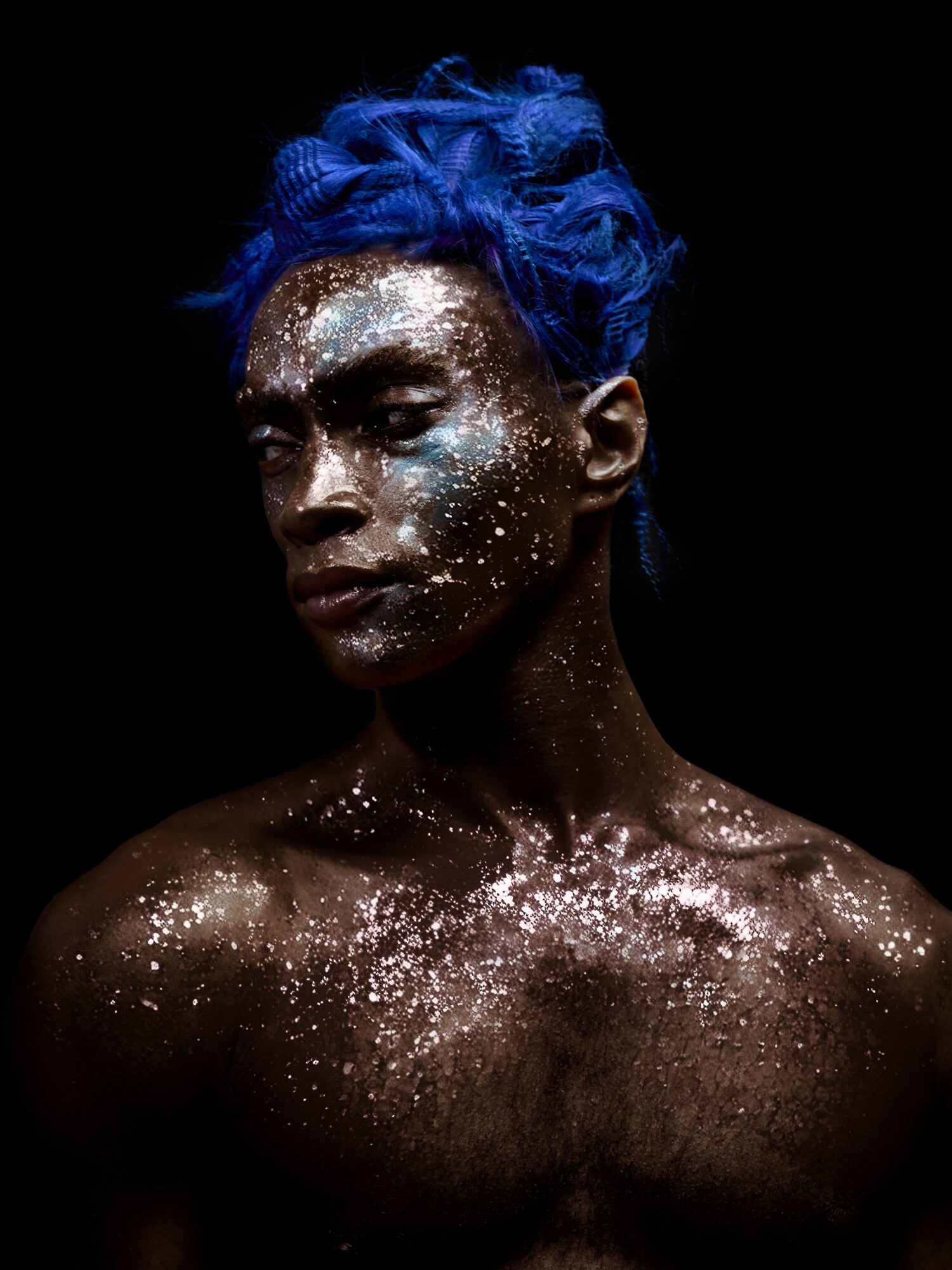
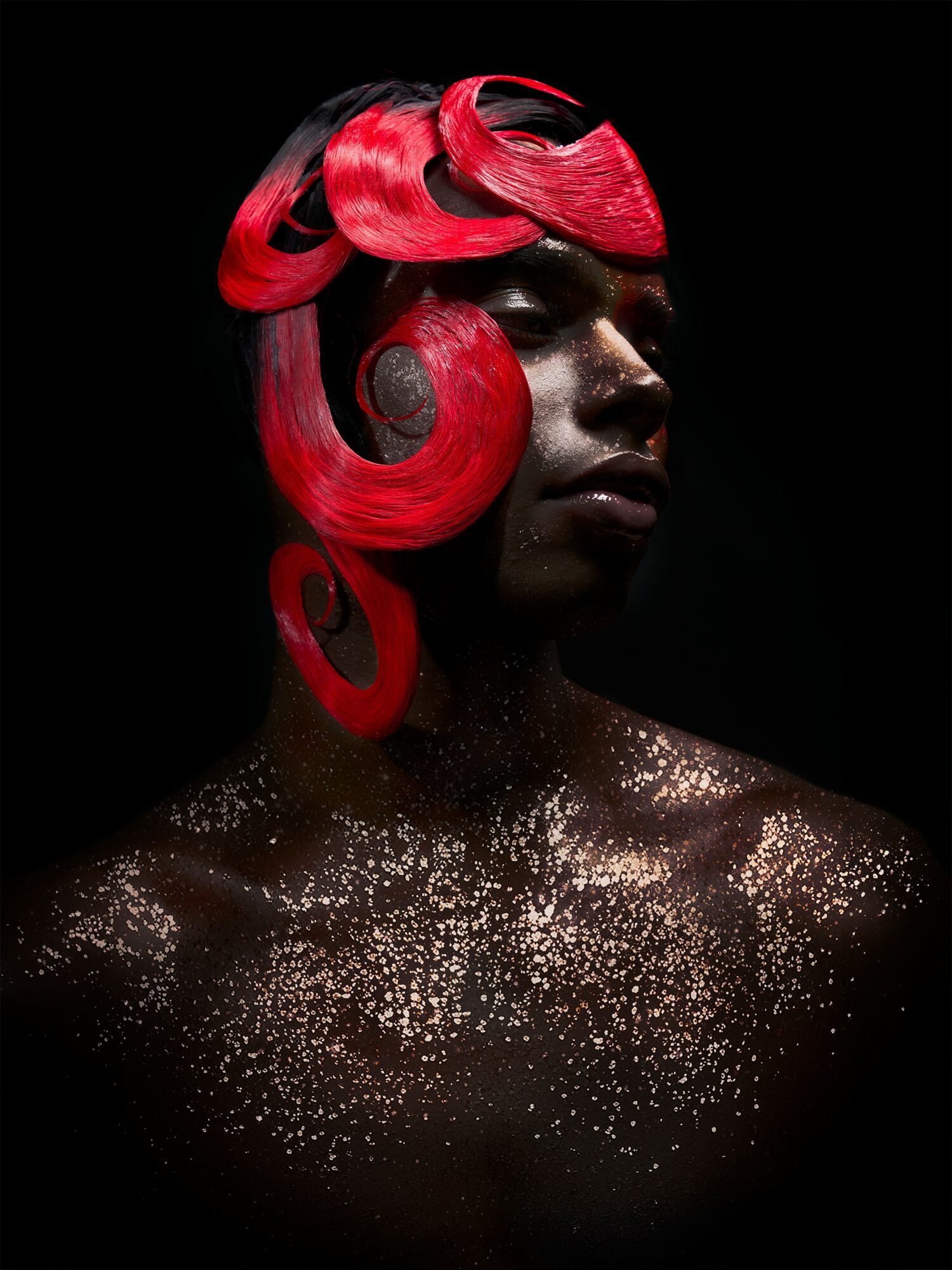
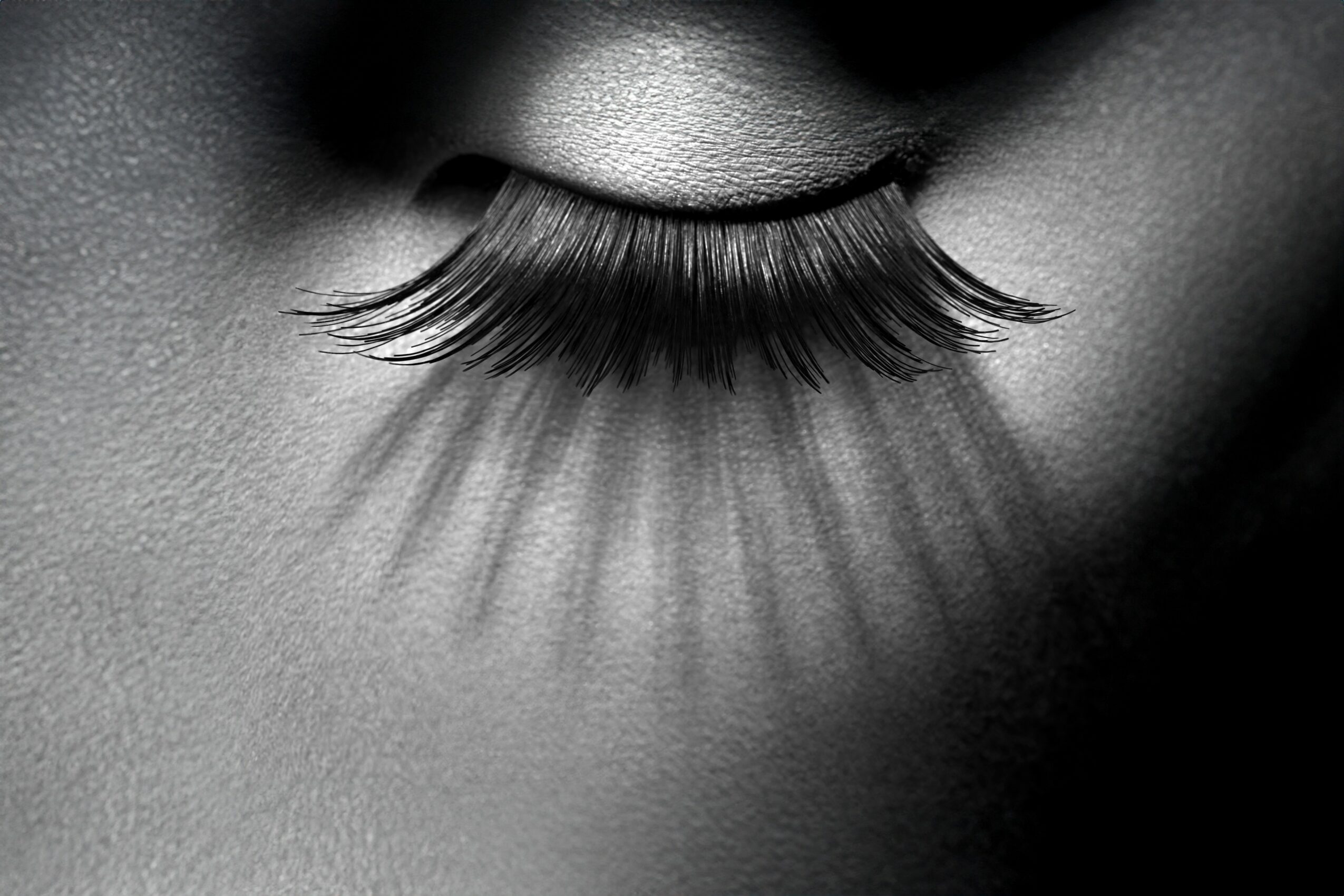
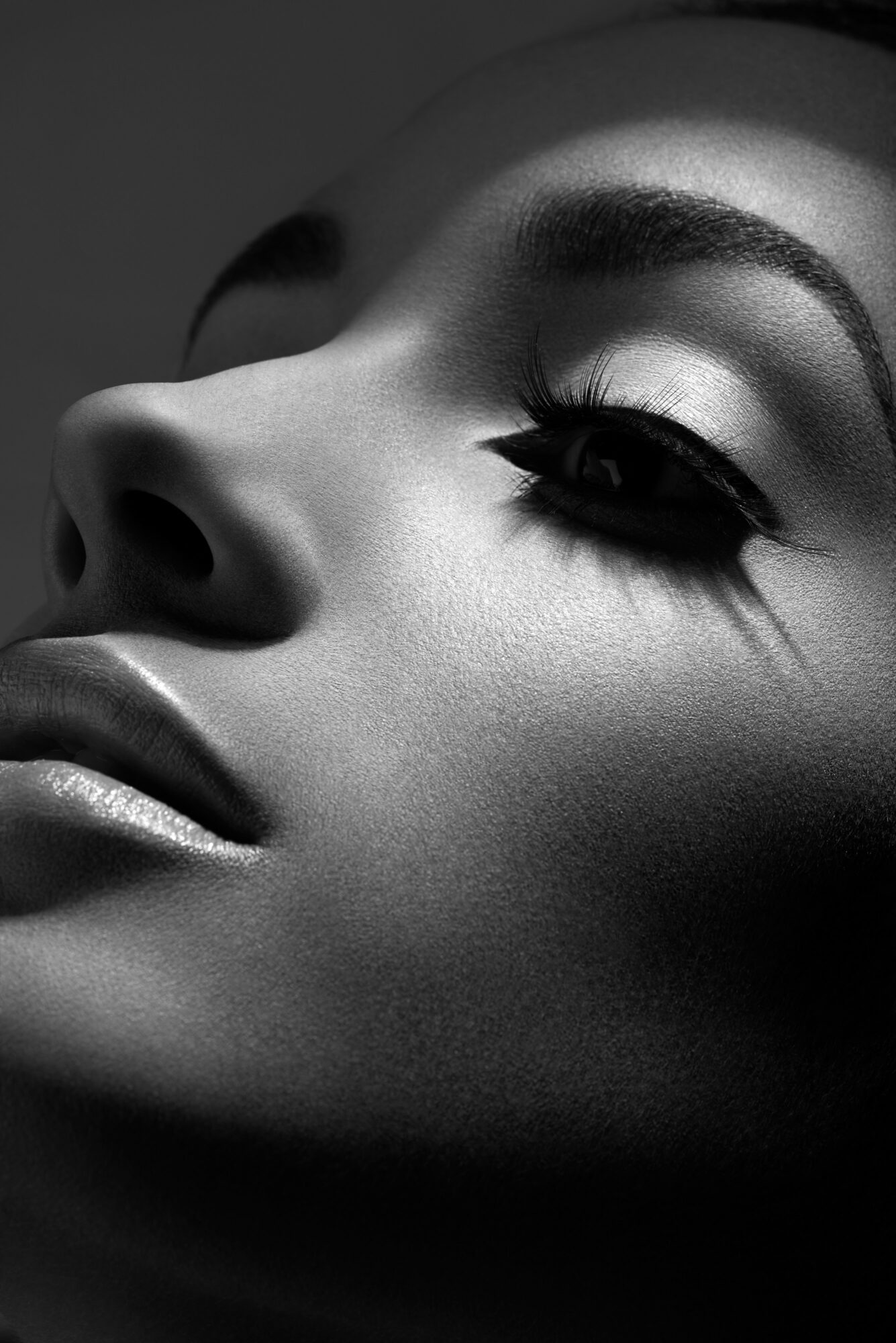
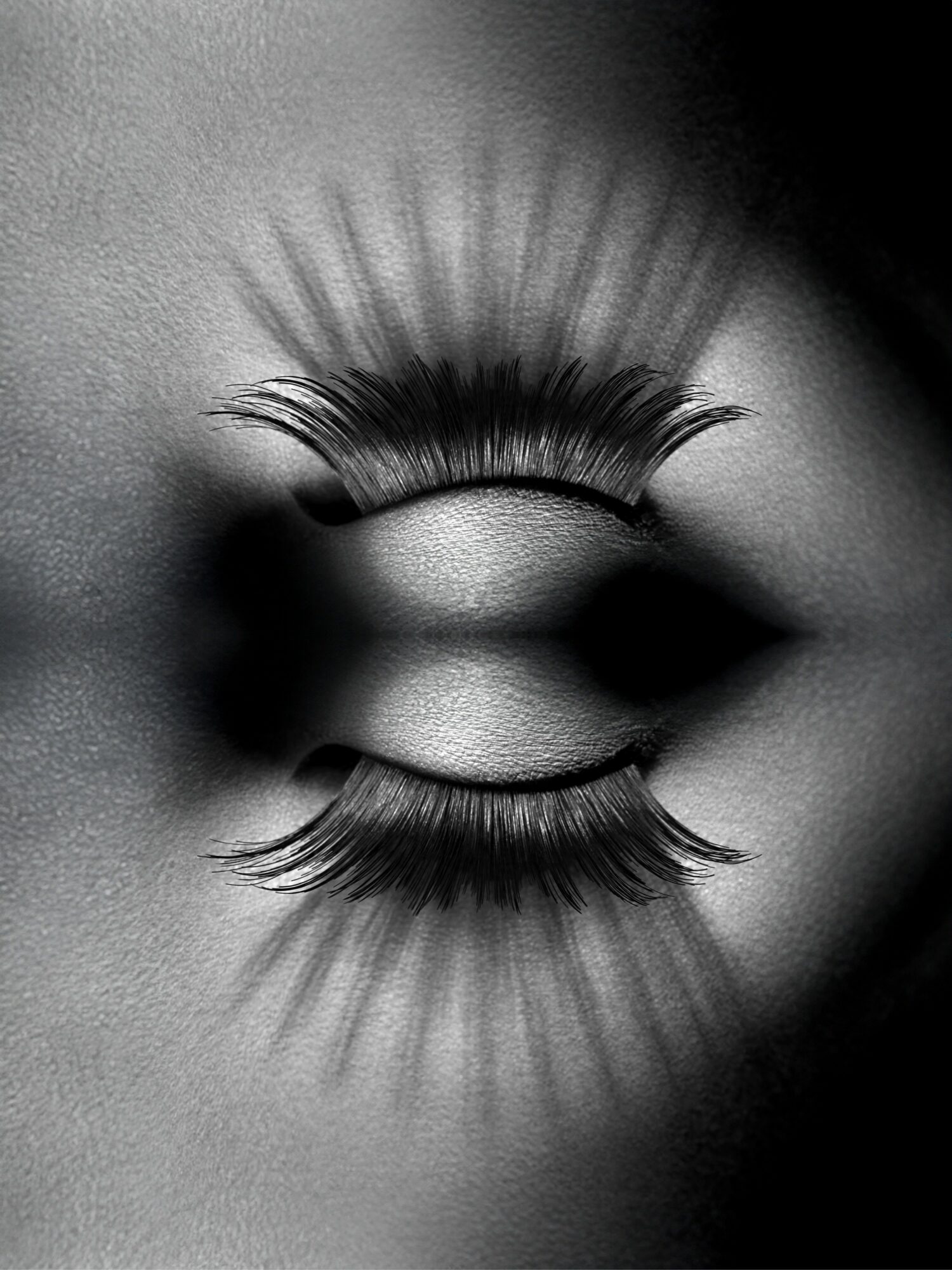
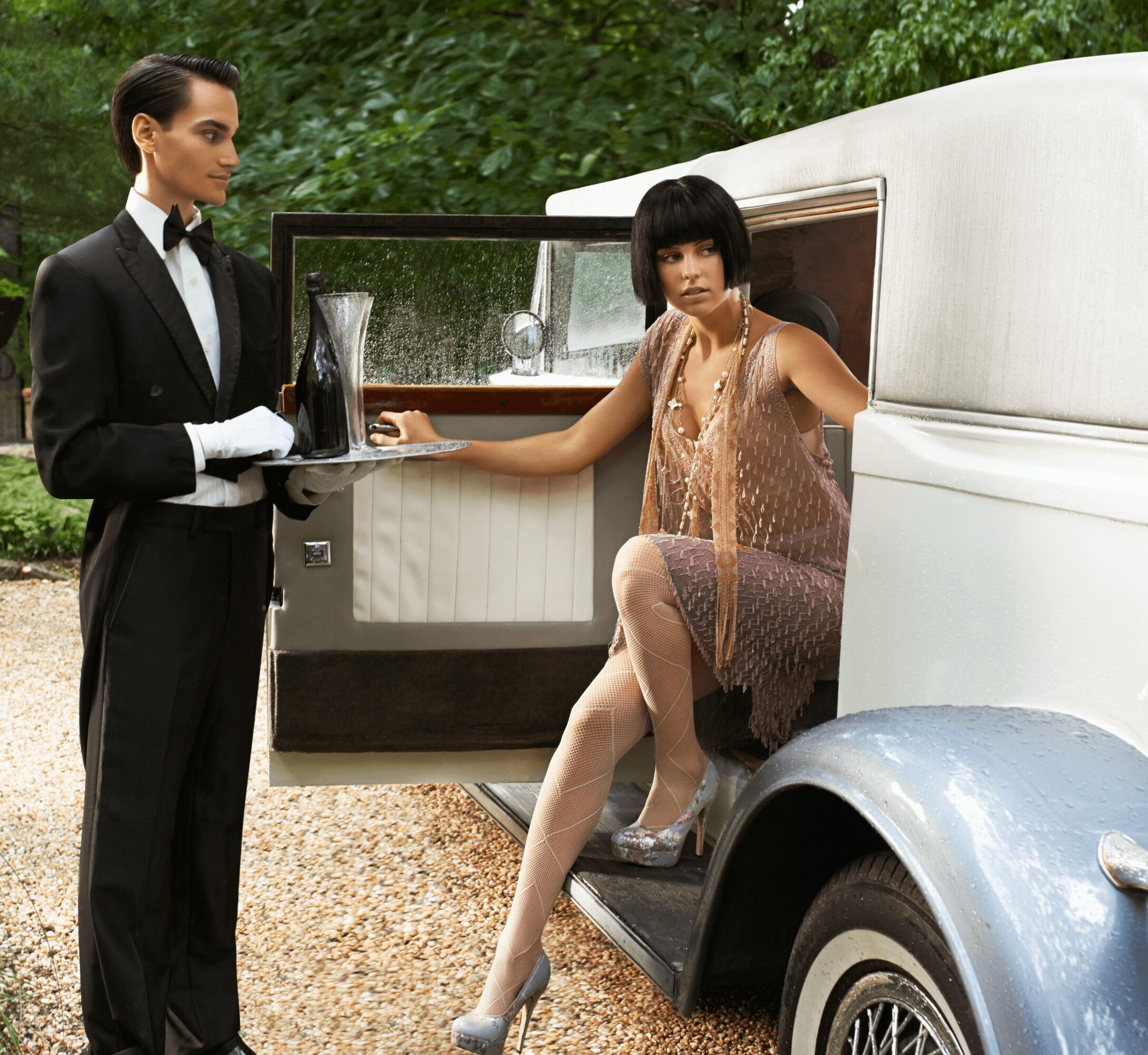
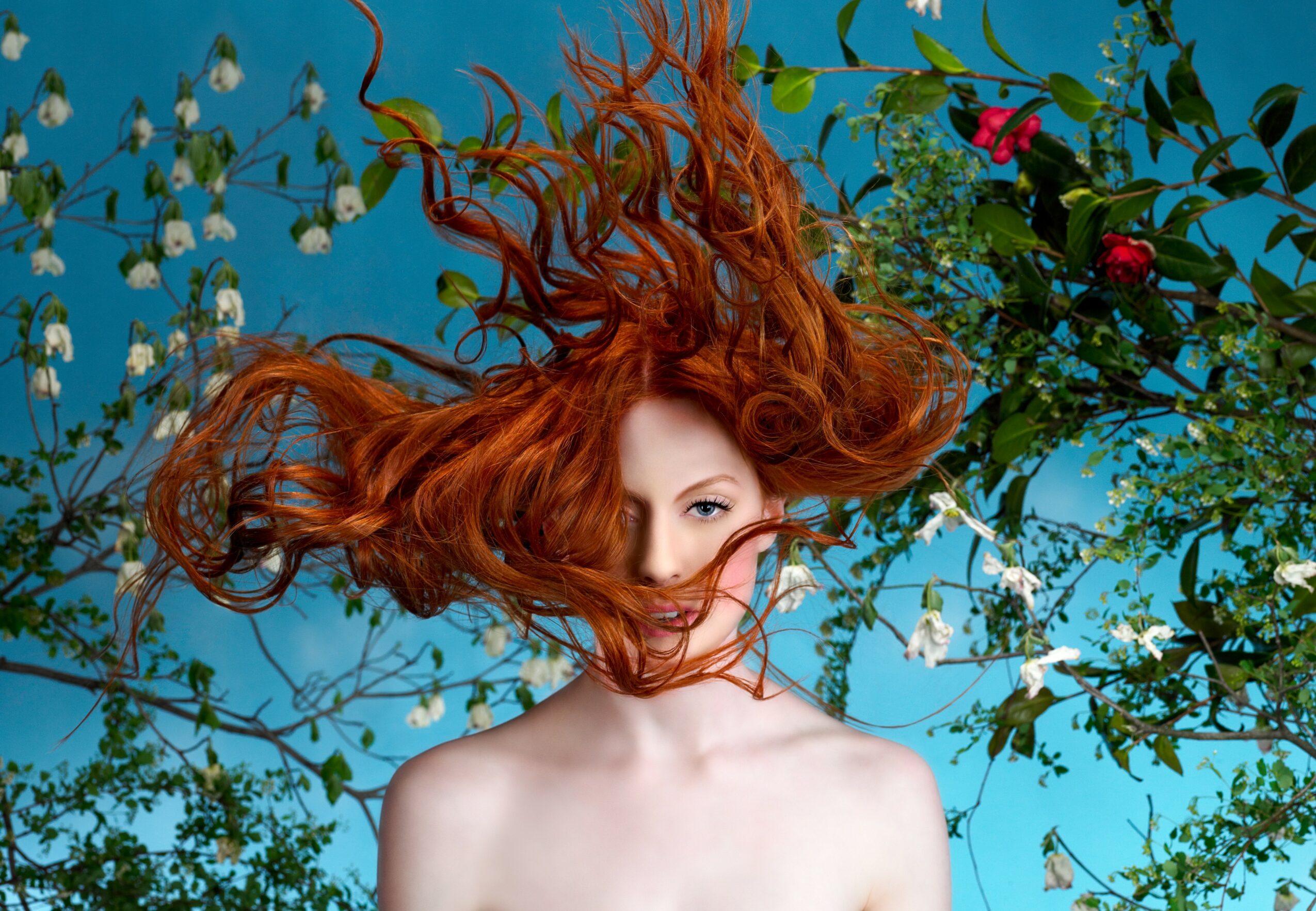
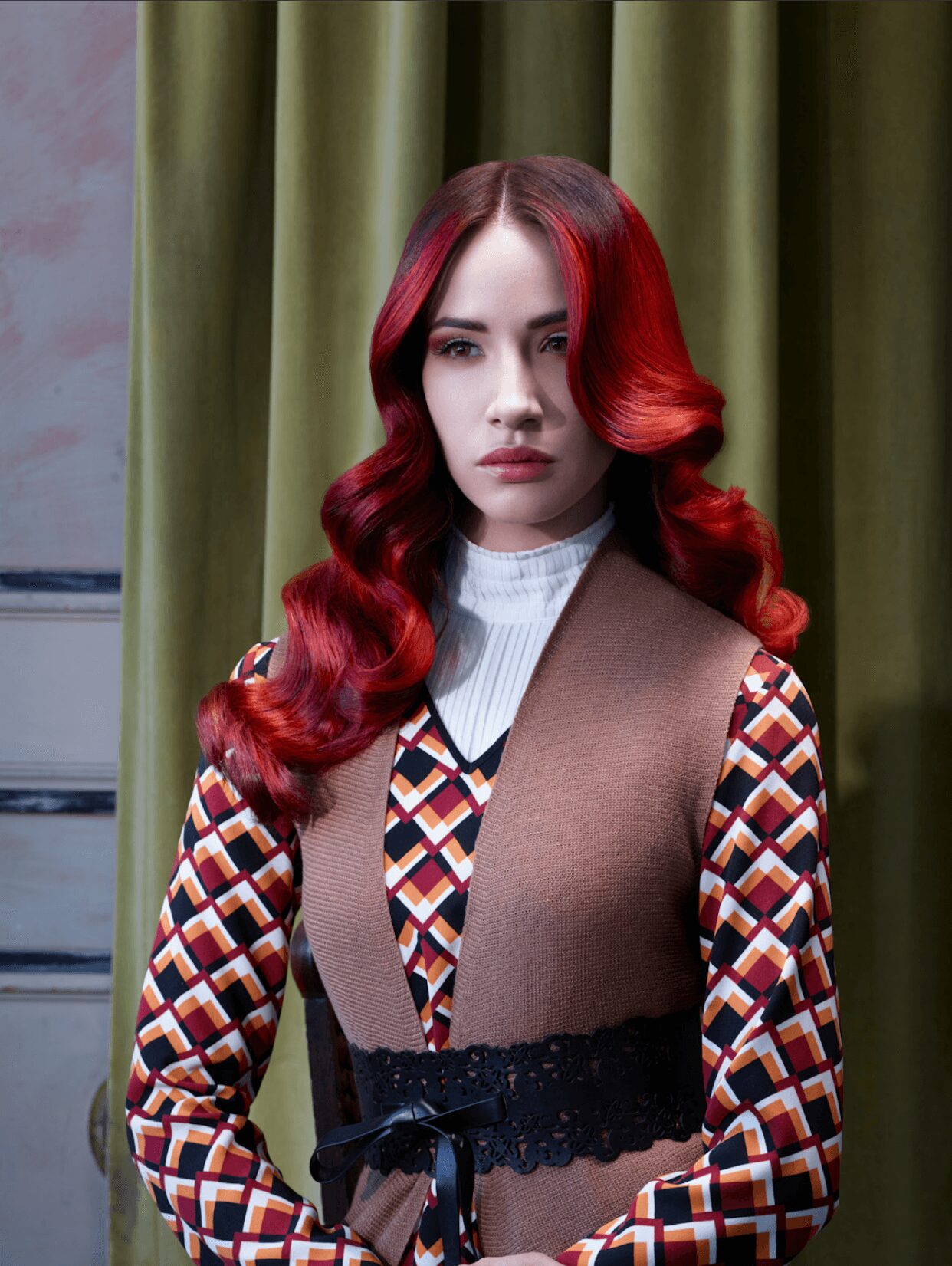


Image Credits
Joseph Cartight
Popular
-

Hidden Gems: Local Businesses & Creatives You Should Know
-

ATL’s Most Inspiring Stories
-

Portraits of Atlanta
-

Quinetta Ashford on Reinventing Her Creative Journey, Fighting for Better Healthcare Advocacy, and Finding Healing Through Art and Voice
-

Miguel Carmona III on Democratizing Trucking Knowledge, Helping Operators Avoid Costly Mistakes, and Building Smarter Transportation Businesses
-

Kiara Gardner on Using Storytelling, Mental Wellness, and Creative Media to Build Spaces for Healing and Human Connection