




Today we’d like to introduce you to Megan Patiry.
Hi Megan , can you start by introducing yourself? We’d love to learn more about how you got to where you are today?
The sudden realization that I was free to enter any world I wanted was the moment I knew I had to be involved, somehow, in the world of books. Thousands upon thousands of books—of worlds—and I could choose to dive into any one of them? It felt like a childhood dream. As I grew older, I began to realize that words hold a certain power that extends beyond creating fantastic worlds to disappear into. Maybe it was coming across the cliche but ever-true quote, “The pen is mightier than the sword,” or the lesser known, “Better a good journalist than a poor assassin,” but I began to consider that words truly are our greatest tool. For better or for worse.
We experience this phenomena daily. A politician or public figure posts a controversial line on social media, and the world shifts. The perfect sequence of words is formed into a sentence and given at a commencement speech, which then inspires a graduate to create a groundbreaking innovation in their field. A declaration of love shapes a stable family across generations. A declaration of war reshapes the lives of an entire people.
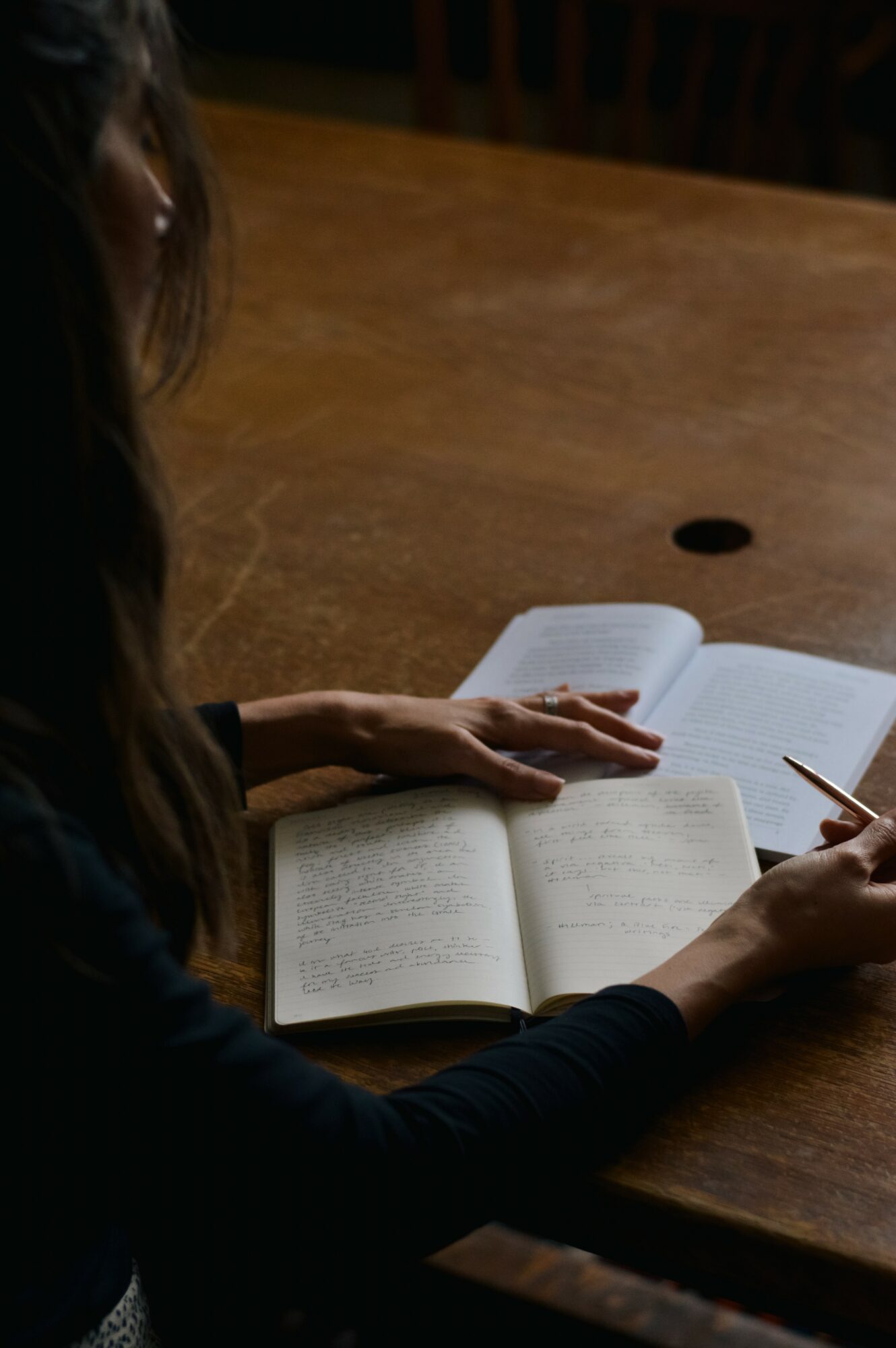
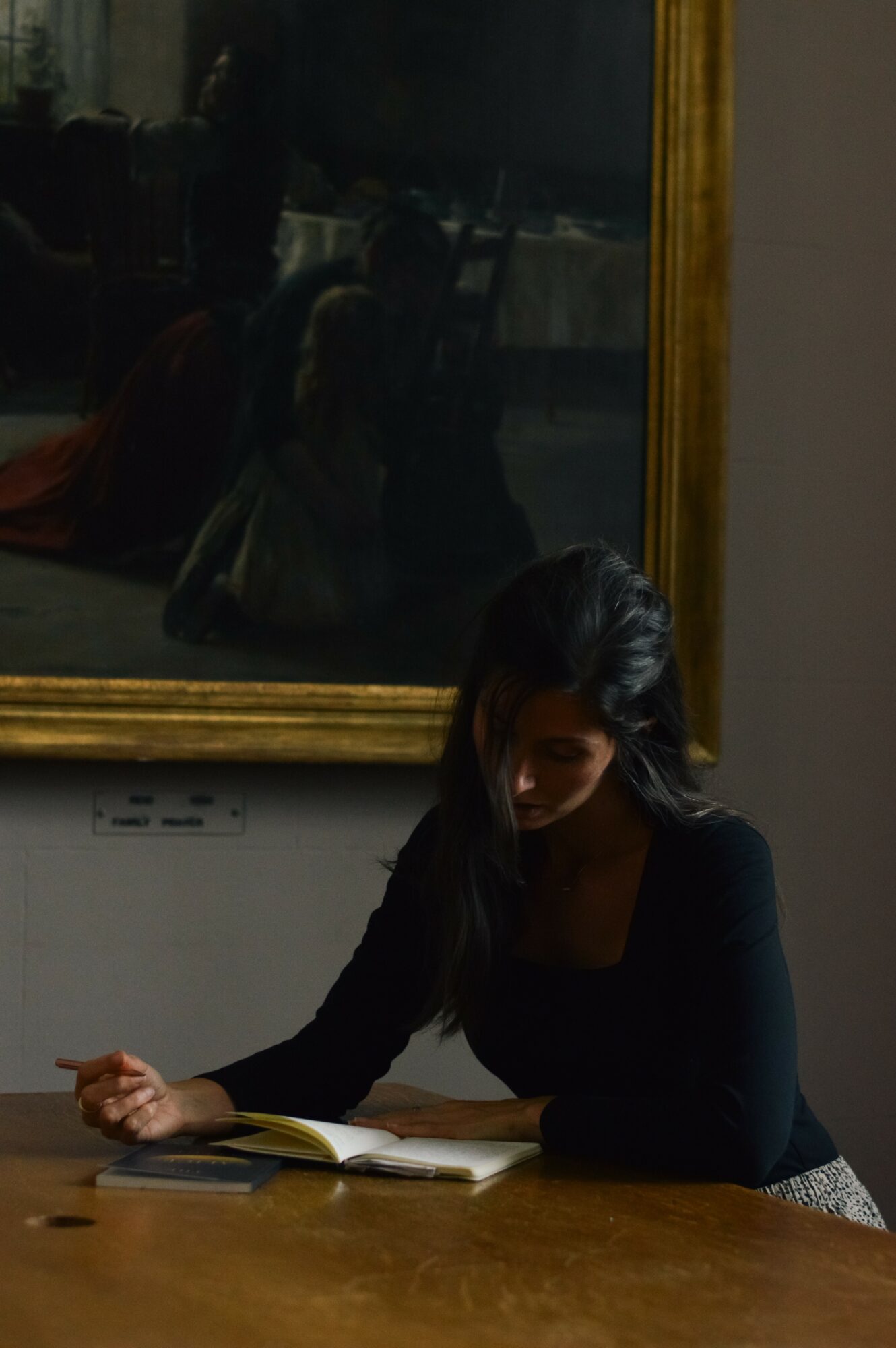
This realization was what led me to truly commit to being a writer after I dabbled in a few other career avenues. After all, being a “writer” was also associated with being penniless, so I’ll admit that I did try to avoid it for a while! But I kept coming back to it because I sensed it held a type of weight. What you say and how you say it has meaning, and if you don’t fully understand that meaning, you can get yourself into real trouble. So, I moved into freelance writing, and eventually into poetry and becoming an author and editor, as well as a certified Neurologist-Linguistic Programming Practitioner (NLP). NLP places a heavy focus on language as a psychological tool for healing traumas and working with the subconscious for solutions, which I found to be a fascinating bridge between writing, language, and psychology. Now, my focus is on fusing poetry, one of the most ancient storytelling mediums, and the tools of NLP to help others shine a light on their subconscious drives.
Alright, so let’s dig a little deeper into the story – has it been an easy path overall and if not, what were the challenges you’ve had to overcome?
Aside from the typical fear of putting my work out there (which is always a struggle, even to this day), I would say that the biggest hurdle to overcome is happening as we speak, and not just for myself. The rise of Ai and LLMs has significantly impacted anyone who works with language. Of course, most of us have used an Ai model at this point, but even if you haven’t, I’ve found that you are still exposed to them daily, especially if you are active on social media. One thing I’ve noticed in the past year is how nearly piece of short-form content, including emails, has a similar structure and tone to it, and if I’m not careful, I can see the phrasing of my own work being affected by it. It has led me to have to significantly curate what I read. Ironically, several years ago, I was asked in an interview to give advice on becoming a writer. My sole answer was to READ. Now, I look back and wish I could amend that to say, “Read, but make sure what you’re reading is pre-2022.”
I suppose the larger struggle would be “keeping up” with the industry as things move faster due to Ai. My personal feelings regarding this are that, sure, machines may speed up processes, but when something moves too fast, it becomes a blur; its parts indecipherable. We should not strive to become blurs, but to become clearer in our authenticity … even if that road is a bit longer.
As you know, we’re big fans of you and your work. For our readers who might not be as familiar what can you tell them about what you do?
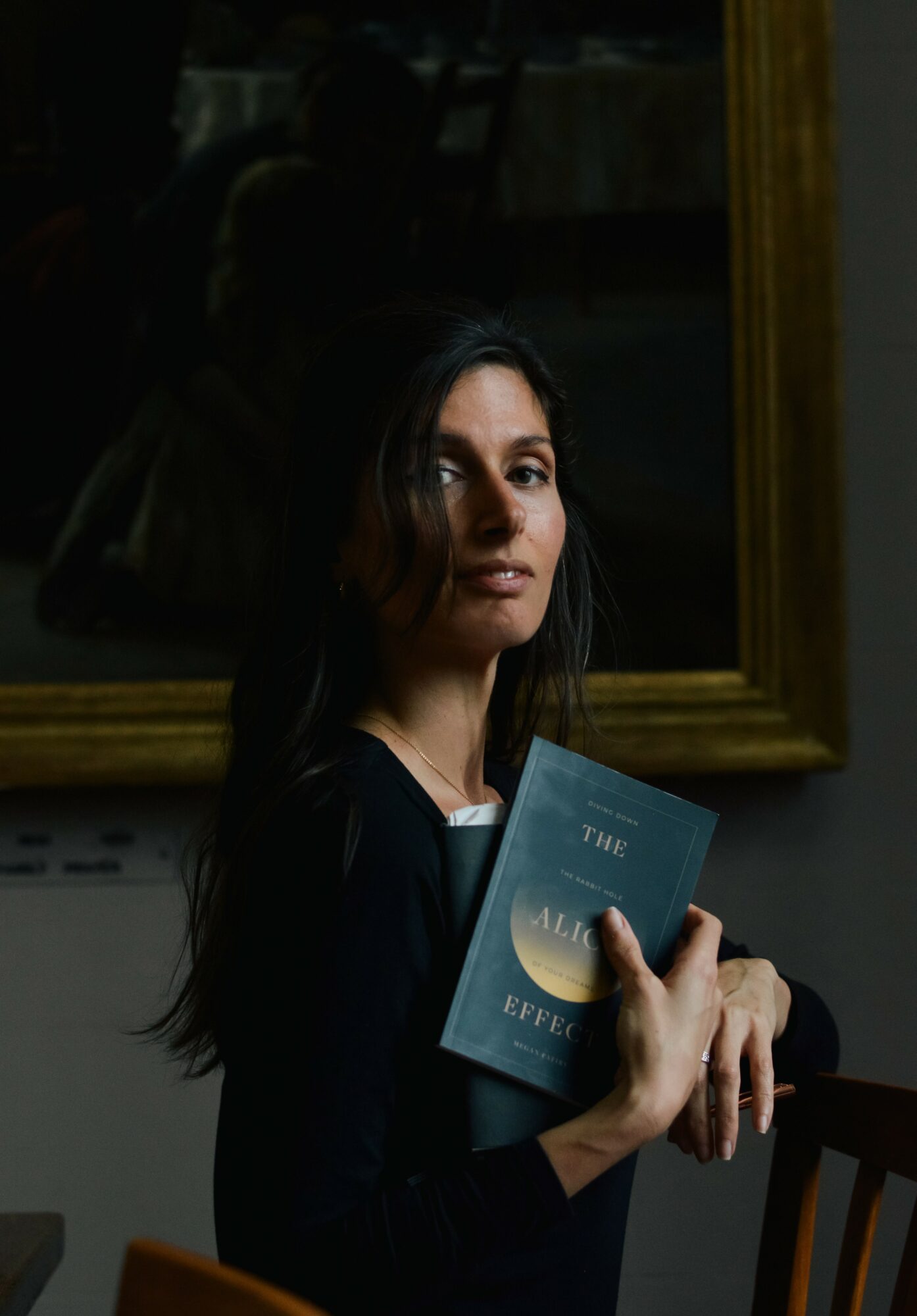
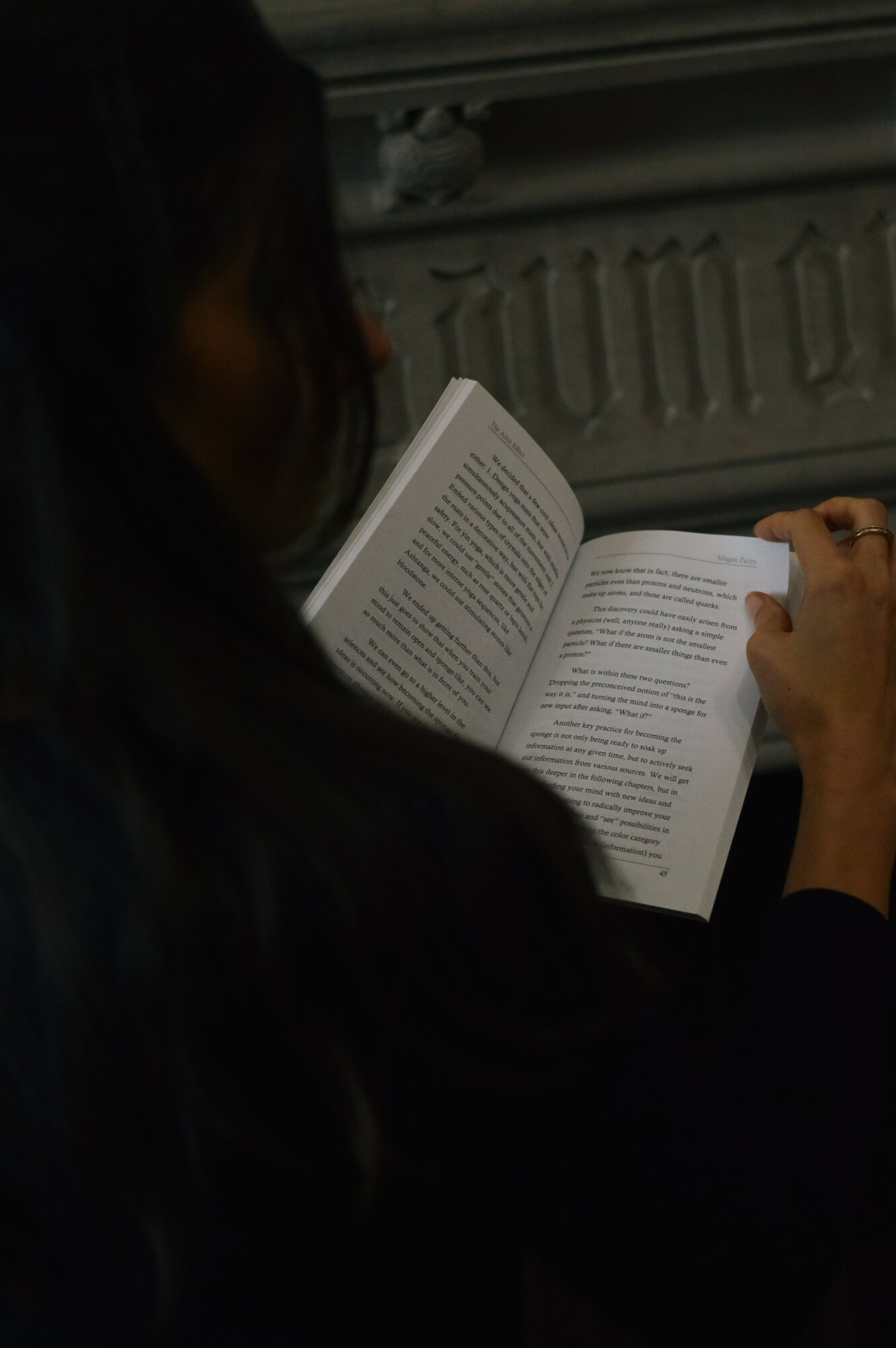
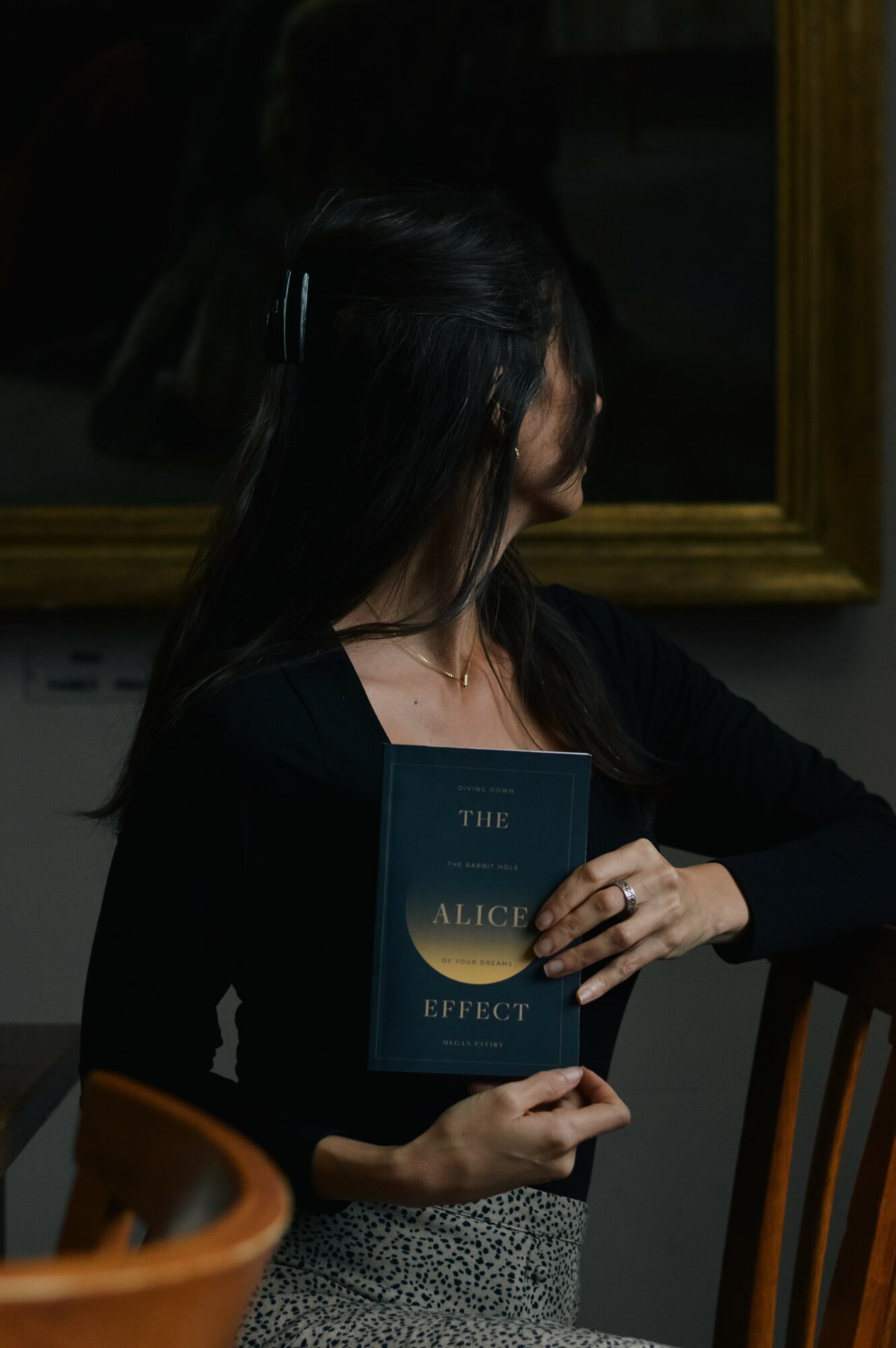
As I mentioned earlier, I am a writer first and foremost, but also a certified Neuro-Linguistic Programming (NLP) Practitioner, author, and part-time book editor. My first book, The Alice Effect, was published in 2021 with A.B. Baird Publishing, which deals with how perspective is the true driving force behind innovation, and reveals how anyone can generate “genius” and creative solutions by simply questioning their own perspectives, often with very simple, childlike musings. It was here I dabbled in how inner dialogue and pausing during observation can truly shape our entire lives, and even lead to inventions.
Here is an example: My boyfriend owns a company that produces herbal elixirs. These are crafted in large pots, which I like to think of as “cauldrons.” When we first started dating, he brought me into his company kitchen to show me the production, which, to be brief, consisted of mixing a ton of loose-leaf herbs in a specific formulation into a large pot of spring water to “brew” before pouring that “brew” into bottles for customers. While I watched, I thought, “Huh, it looks like he’s making tea for a giant” (because tea is typically herbs steeped in water). I wanted to say this out loud, but held back because it felt childish, and we were newly dating. Instead, I continued watching as the water was strained out of the “cauldrons,” and he set to work on scraping out all of the herbs left in the pot, which was taking an inordinately long amount of time. While I was waiting, I had a thought: what if there are “giant” tea bags? Then, all the herbs could be stuffed in, and none of this clean up would be necessary. It would save so much time! I finally got over myself and mentioned it, and at first, I thought I had overstepped by the look on his face; however, he was just in shock that he hadn’t thought of it before!
To his credit, this is common in industries: it is often someone from outside of the industry who makes a breakthrough (not that my “giant tea bag” is anything close to a “breakthrough,” although it did lead to higher production) in that industry, simply because those in the industry are too used to how “things are always done.” Whereas, when someone from outside comes in who has no idea of how anything works (aka, who has a different perspective), they are able to “see” things that the regulars miss. The Alice Effect dives into how we can cultivate this type of perspective by questioning the objects we see every day.
Now, my focus is on poetry. My poetry has been published in a few journals and a shared chapbook called Solace: Nature-Woven Words, but I have always hesitated to fully submerse myself in poetry’s ambiguous waters. However, I’ve discovered several unique avenues of using poetry as a psychological tool for overcoming trauma and removing subconscious blocks, which, while I can’t directly outline yet, I can say that they involve aspects of NLP. I’m also working on a poetry book that will be available later this year, [Redacted], which uses a unique angle to reveal truths regarding reality.
What matters most to you? Why?
Meaning matters most to me. The idea of creating something meaningful, not just useful to a commercial system. In my opinion, much of our work here has been stripped of meaning; whittled down to punching in prompts to generate a decent salary for ourselves, and a much larger salary for a corporation, without any realization of what our efforts are creating in the world. Much of this is out of necessity, of course, but we will, at some point soon, have to ask ourselves what life was actually meant for. Because it does mean something, even if we don’t know what that something is. We just have to become brave enough to put our foot down and discover it.
Pricing:
- Book Editing: $0.03/word (developmental and copy editing)
Contact Info:
- Website: https://meganpatiry.substack.com
- Instagram: https://www.instagram.com/meganrosepatiry/
- LinkedIn: https://www.linkedin.com/in/meganpatiry
- Other: https://meganpatiry.journoportfolio.com
Popular
-

Hidden Gems: Local Businesses & Creatives You Should Know
-

ATL’s Most Inspiring Stories
-

Summer McIntyre Is Building a Career at the Intersection of Sports, Media, Entertainment, and Digital Storytelling
-

DeAnna McIntosh Is Helping Entrepreneurs Move Bold Ideas From Vision to Reality Through Strategy, Innovation, and Execution
-

Portraits of Atlanta
-

Dr. Nicole Brown Expands Her Vision Beyond Design to Inspire Women Through Storytelling, Reinvention, and Intentional Living