

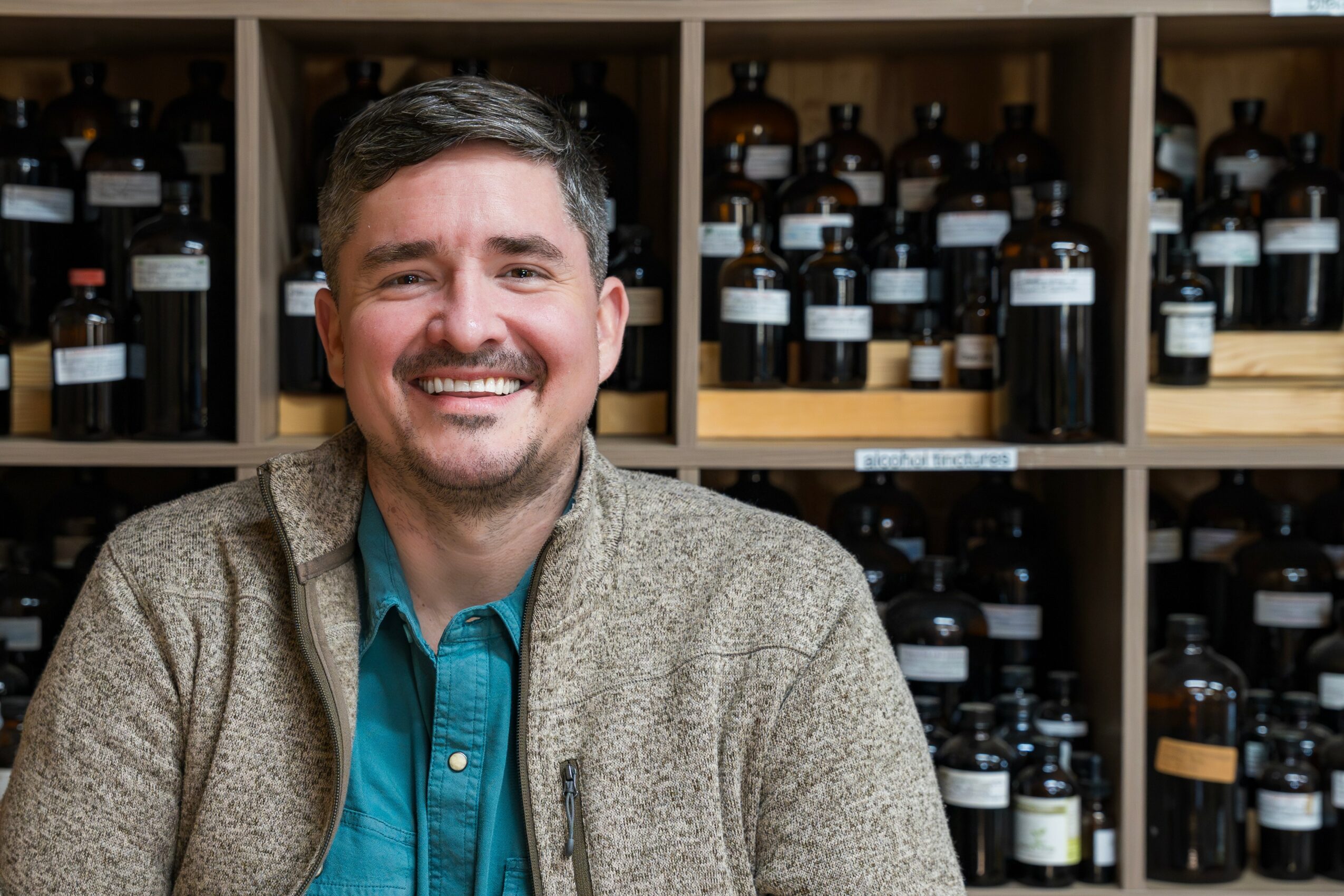
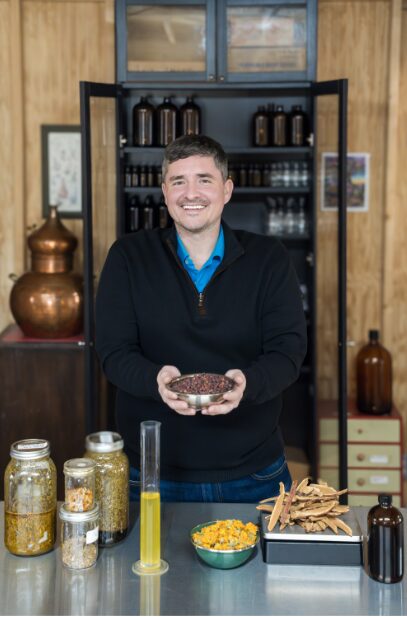
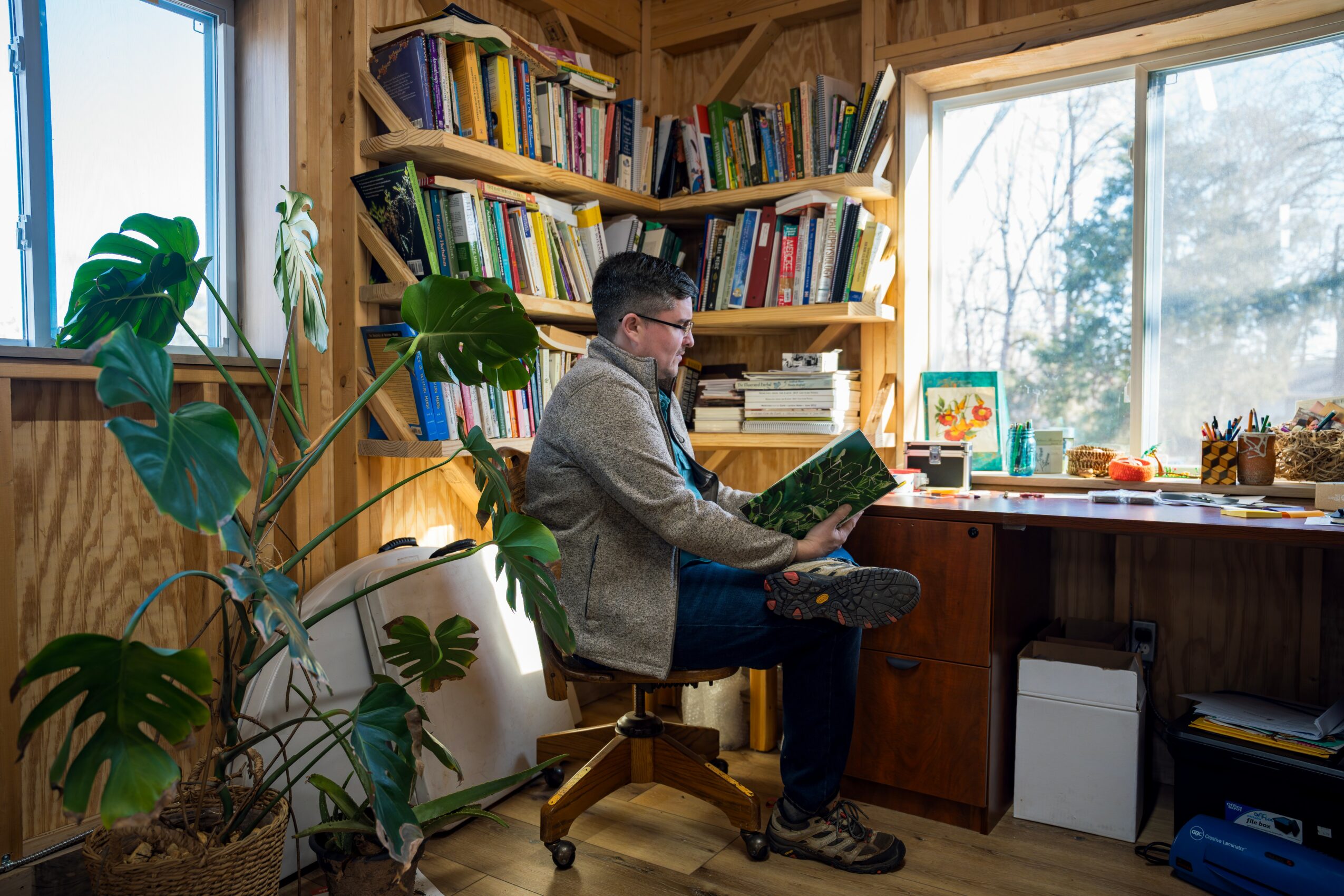
Today we’d like to introduce you to Trevor Clark.
Hi Trevor, so excited to have you on the platform. So before we get into questions about your work-life, maybe you can bring our readers up to speed on your story and how you got to where you are today?
My path into herbal medicine started in a hospital bed, not a classroom.
In 2003, a car accident during my senior year of high school left me with a fractured spine. It took One year to get the spinal fusion and as I waited I wore a full body brace to finish my senior year of high school. When I finally had surgery, it made things worse. I awoke from surgery with numb hands and feet and they felt like they were on fire! I had developed peripheral neuropathy and later fibromyalgia. My endocrine system shut down, my muscles were rigid and in horrible pain and I spent four years largely bedridden on 11 medications, told by my doctors that I would never fully recover. I spent most of my days in a haze of medications and in tears because of the pain. I went through a number of different physicians trying to find someone who could actually help me, but doctors said there was no real way to treat my conditions other than symptom management. Painkillers for the pain, hormones for the low testosterone and low thyroid, muscle relaxers for the muscle pain, uppers so I could stay awake during the day and a downer so I could go to sleep. It was a nightmare and it is the medical standard of care for fibromyalgia and neuropathy.
What changed everything was an offhand comment from my doctor, who had grown up a missionaries kid in Guatemala, where he said sometimes the locals used herbs instead of drugs for their illness. He suggested I look into herbal remedies. I had zero background in natural health at the time, but I was desperate enough to try anything. I limped into the library with my walking cane and asked a librarian if they could help me research herbs for pain in the ethnobotany journals. God bless librarians because they were excited to help me on my project! The third herb I read about and tried changed my life. My fibromyalgia began to clear, my mobility came back and I walked into my doctor’s office without a cane for the first time in years. He was stunned! I still had pretty bad neuropathy but my health was 70% or so back to normal and an obsession was ignited in me to study botanical medicines.
I read everything I could get my hands on, but there was a lot of mixed information out there. So I went looking for a place to study herbs and discovered Bastyr University outside Seattle, home to one of the only accredited botanical medicine bachelors of science programs in the country. This is where I was introduced to Western herbalism, the idea of treating the root cause of an illness, research methods and more. While I was still an undergraduate I identified a pharmaceutical compound in a forgotten Cherokee herb called Crossvine and funded my own preliminary research out of student loan money because no one wanted to fund an undergrads hunch about an herb. That work opened the door into the research world, and I eventually found myself working under Dr. Leanna Standish, a senior researcher and my research mentor, on her NIH-funded integrative breast cancer outcomes study at the Bastyr Integrative Oncology Research Clinic and Fred Hutchinson Cancer Research Center. I also assisted her with product standardization, analytical testing, managing Opihihale plant preserve and FDA Investigational New Drug application work on a study of the Amazonian botanical tea ayahuasca.
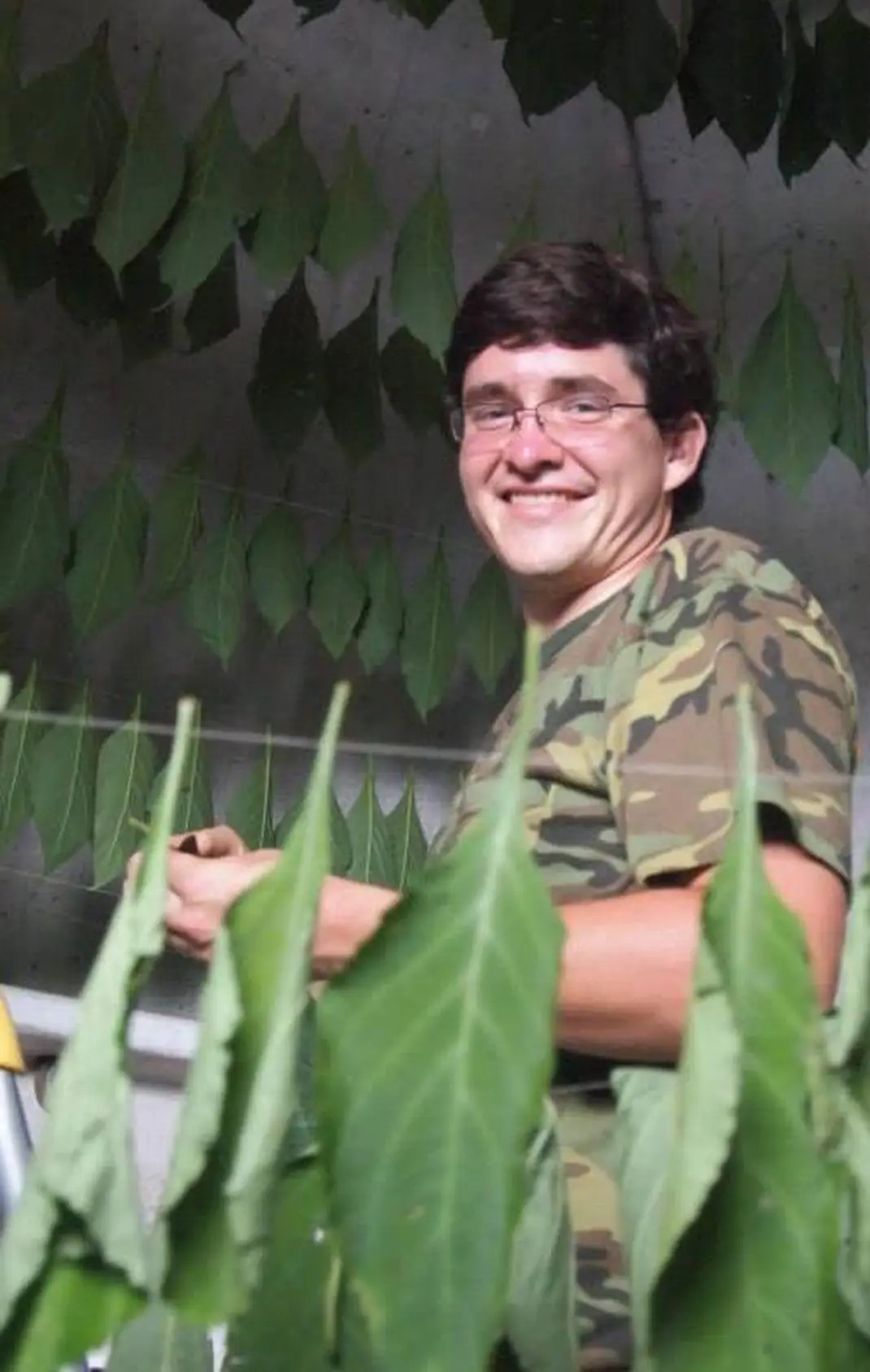
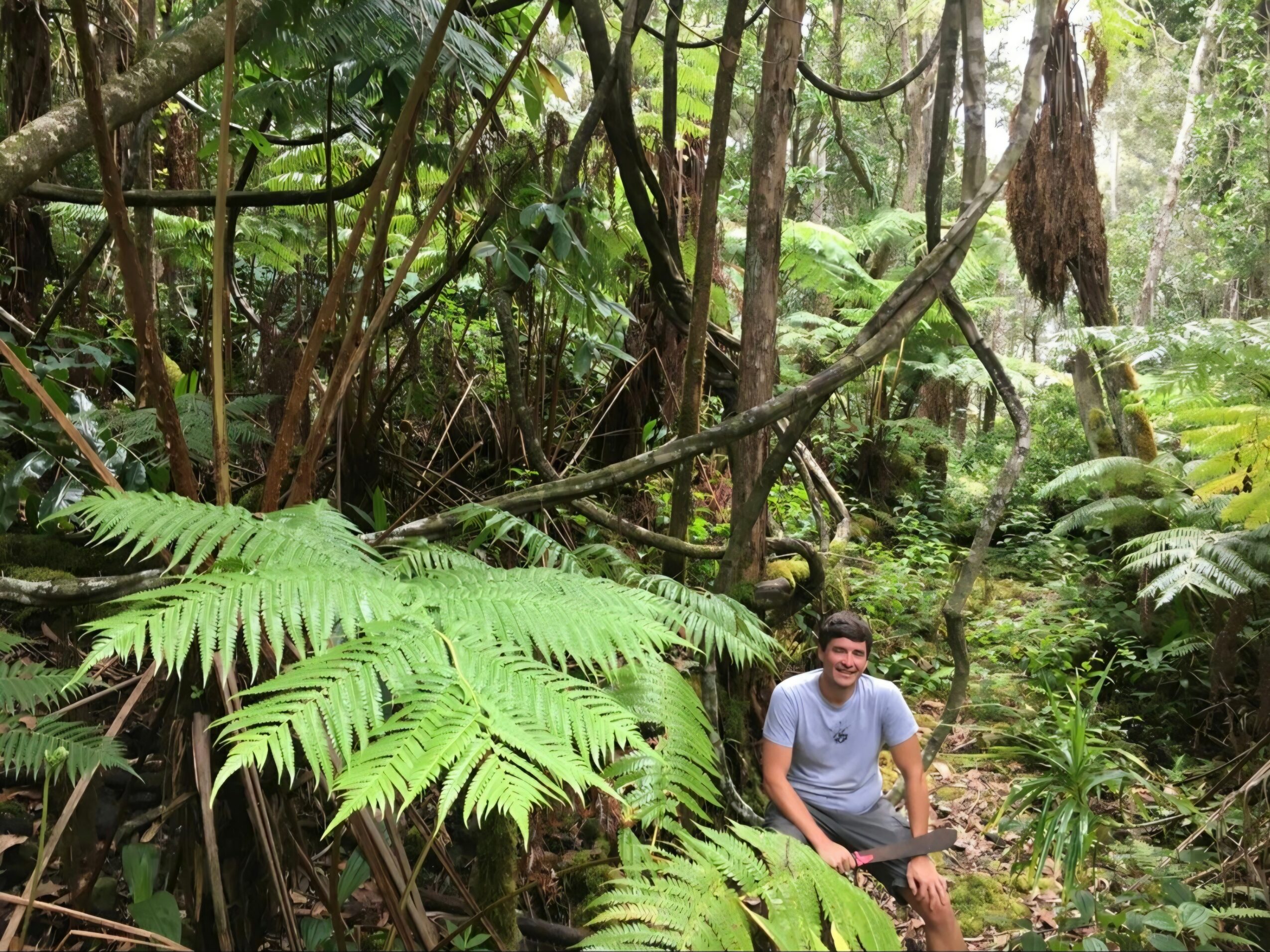
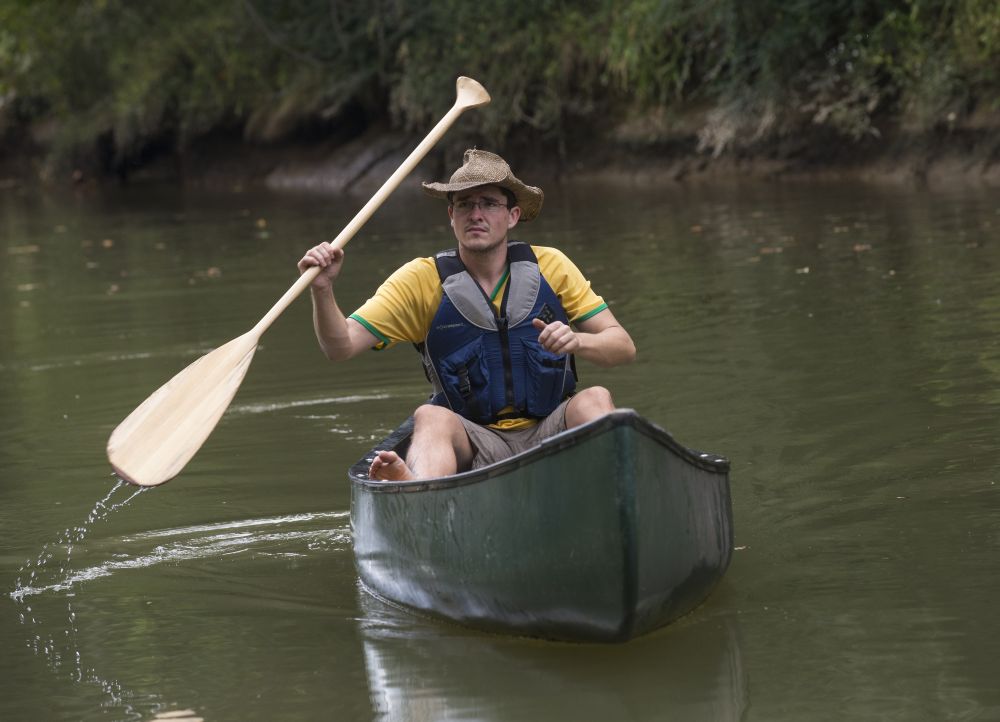
When that chapter closed I did not go straight to a desk. I had spent too much time in windowless labs and offices. So I paddled 650 miles solo down the Alabama Scenic River Trail over two months with nine national corporate sponsors, documenting medicinal plants along the way. I then traveled to Peru for botanical field research with Dr Standish, followed by two weeks in Brazil meeting plant researchers and herbalists from across the country that a contact in the presidential cabinet introduced me to. After that I spent over a decade in commercial botanical supplement formulation, designing product lines, developing a production facility, writing FDA compliance documentation, and sourcing ingredients globally for both contract and in-house clients.
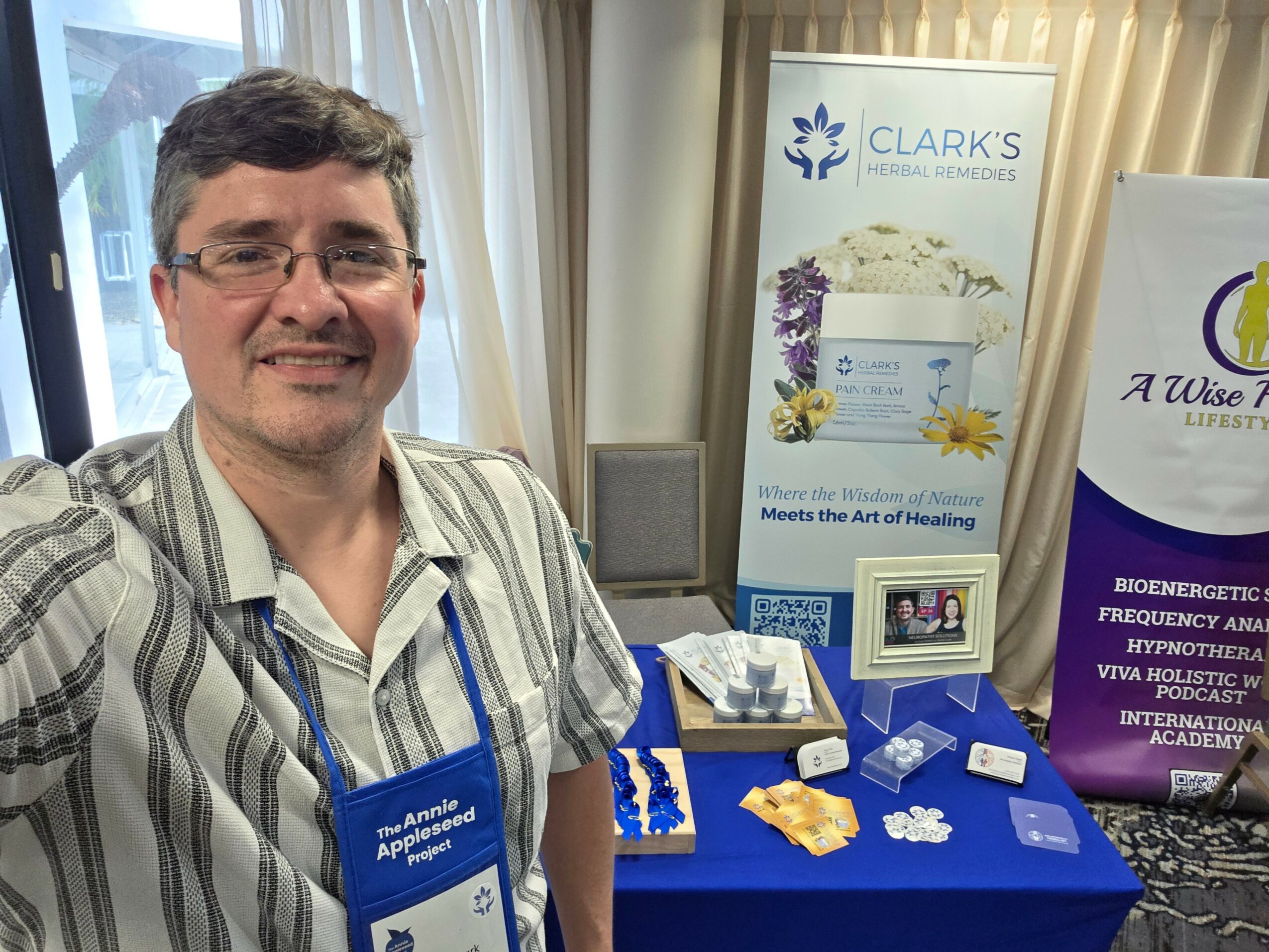
Throughout all of it I kept seeing clients. I founded Clark’s Herbal Remedies to bring my formulations to a broader audience and recently launched The Neuropathy Herbalist, a focused telehealth practice dedicated to the condition that nearly defined my life before herbs gave me another one.
Alright, so let’s dig a little deeper into the story – has it been an easy path overall and if not, what were the challenges you’ve had to overcome?
Smooth is not the word I would use.
The hardest years were the early ones, four years bedridden in horrifying pain, told I would never fully recover. That was the hard road. When herbs gave me my life back and I realized it was not over, something ignited in me that is hard to explain. I had been given back a life I thought was gone and I came out of it completely obsessed with plants and driven to understand everything botanical medicine had to offer.
Everything that followed, university, research, botanical expeditions, commercial supplement formulation, seeing clients as an herbalist, was just me passionately chasing that obsession through every door it opened. Hard at times, yes, but nothing compared to what came before. Those years were the education, and everything I learned has distilled down into what I am building now.
One chapter that stands out is my undergraduate research years. Getting my research off the ground and published as an undergrad meant funding my own preliminary work out of my student loan money, which is not exactly the conventional path. And I was doing all of it while still managing my own nerve pain. My neuropathy did not fully resolve until years into my university studies. Driven by passion but not always running at full capacity.
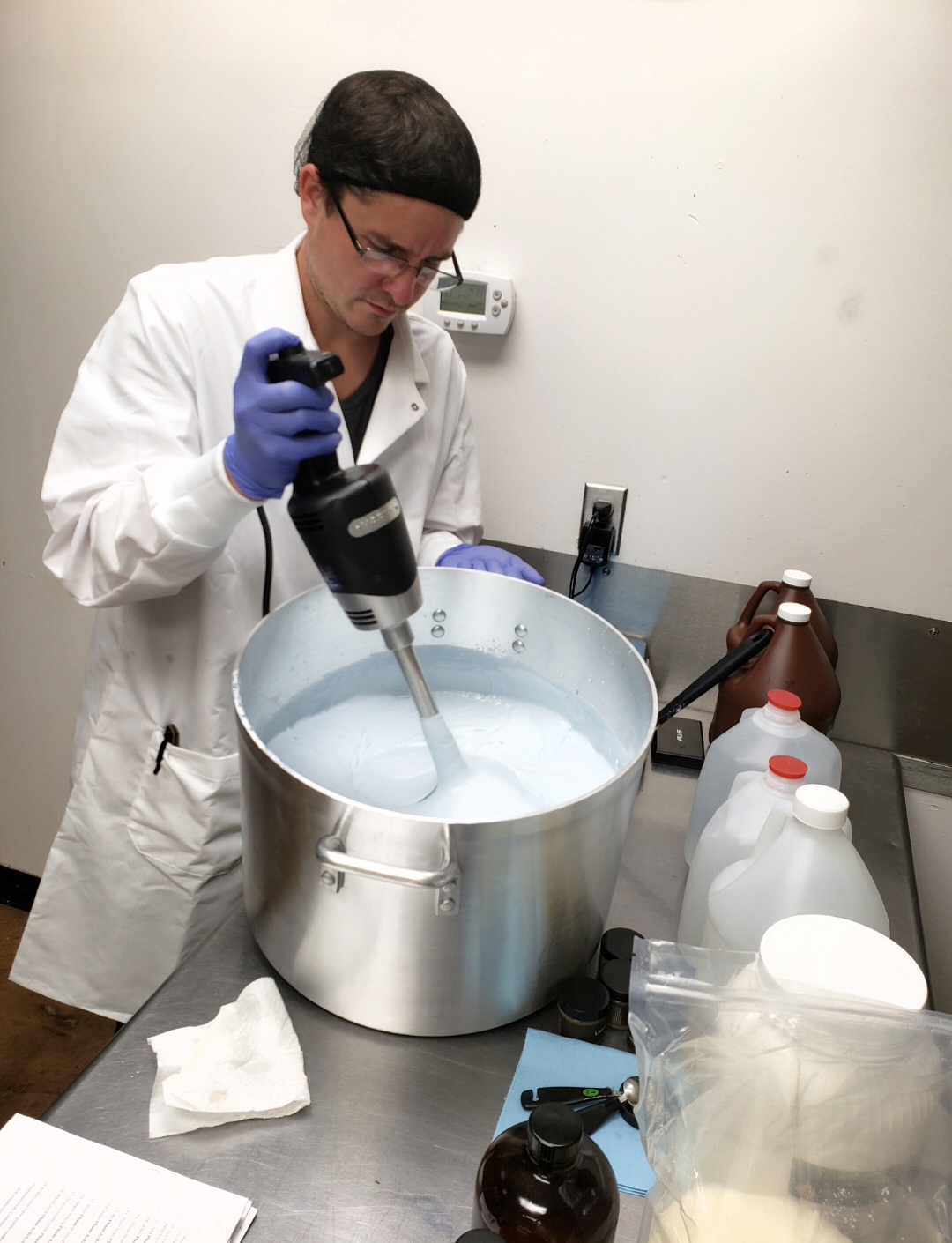
The commercial formulation years were an education in an entirely different language. Manufacturing, regulatory compliance, ingredient sourcing, COGS reports and scalability plans across significant projects in Colorado and Ohio. The work itself I could do, although I had to learn many new formats. The harder part was translation. As a founding team member on several of those startups I had a real voice in the room, but I spent a lot of time converting deep botanical and manufacturing knowledge into something that made sense to marketing teams, packaging designers, and lawyers. I had to challenge the Denver health department once, because they wouldn’t allow essential oils to be used in shelf stable products; and I won. Months working with attorneys to get technical manufacturing and regulatory language into a form that actually worked for our needs. Explaining the herb world to corporate business people who had never thought about a plant in their lives. That was a different kind of work.
The most unexpected challenge lately has been social media. Launching The Neuropathy Herbalist meant learning newer digital marketing techniques. Not my cup of tea. Luckily a friend who runs her own business was kind enough to show me the ropes and it is making a real difference. People who have been told by their doctors that nothing can be done for their neuropathy are finding me and reaching out. Those connections are exactly what I set out to make possible.
Appreciate you sharing that. What else should we know about what you do?
My work sits at the intersection of traditional herbalism and modern clinical science. Through The Neuropathy Herbalist I work with people suffering from peripheral neuropathy of all causes, but a large portion of my clients are cancer patients dealing with chemotherapy induced peripheral neuropathy. This matters not only because of the pain and numbness and the way it can devastate a person’s ability to function in daily life, but also because severe CIPN can force patients to reduce or stop an otherwise effective chemotherapy regimen. Helping people manage that nerve damage is work I take seriously and I want to be clear that I am not against pharmaceuticals. I believe in doing what works and what produces the best outcome for the person and their health. There just aren’t many options for people with neuropathy.
What I specialize in is understanding plants the way I think they deserve to be understood, from three directions at once. The first is traditional and ethnobotanical use, what indigenous cultures and historical herbalists observed over centuries. The second is current research, what the science is actually showing us. The third, and most important, is clinical application, what actually has effects when you give it to a real person with a real condition. The overlap between these three areas is where the most powerful and reliable medicine lives.
What sets me apart, it is probably the fact that I have been the patient. I spent seven years with intense neuropathy and four years bedridden with fibromyalgia, conditions I was told nothing could treat. I found my way out through plants, and that experience never leaves the room when I am working with someone.
As for what I am most proud of, the answer is simple even if it is hard to put into words. It is the people. The ones who were told nothing could be done and found something that helped. Every one of those outcomes matters more to me than anything else on my resume.
But if I am being completely honest, at the deepest level this is just a life lived in pursuit of plant knowledge. Every research trip, every vacation, every formulation project, every client session has really been about the same thing: trying to understand the secrets that plants hold and helping people build a healing relationship with them. That has been the guiding light for everything I have done and I cannot imagine it any other way.
If we knew you growing up, how would we have described you?
I grew up in Slidell, Louisiana, running through the hills and swamps, active in Cub Scouts and church. When I was eleven my family moved to Hoover, Alabama, just outside Birmingham. I was very active in the Boy Scouts, going on camping trips nearly every month, and earned my Eagle Scout at seventeen. My Eagle Scout project was building a trail to an old prohibition era liquor still in a nature preserve near my house, that found while playing in the woods there. I called it the white lighting trail, now known as the white trail at Moss Rock Preserve. I loved being outside, loved music, loved concerts, had a big circle of friends and was generally pretty outgoing. I was a good student, stayed out of trouble for the most part, made solid grades, and especially loved history. Before my back injury I was planning on studying history in college.
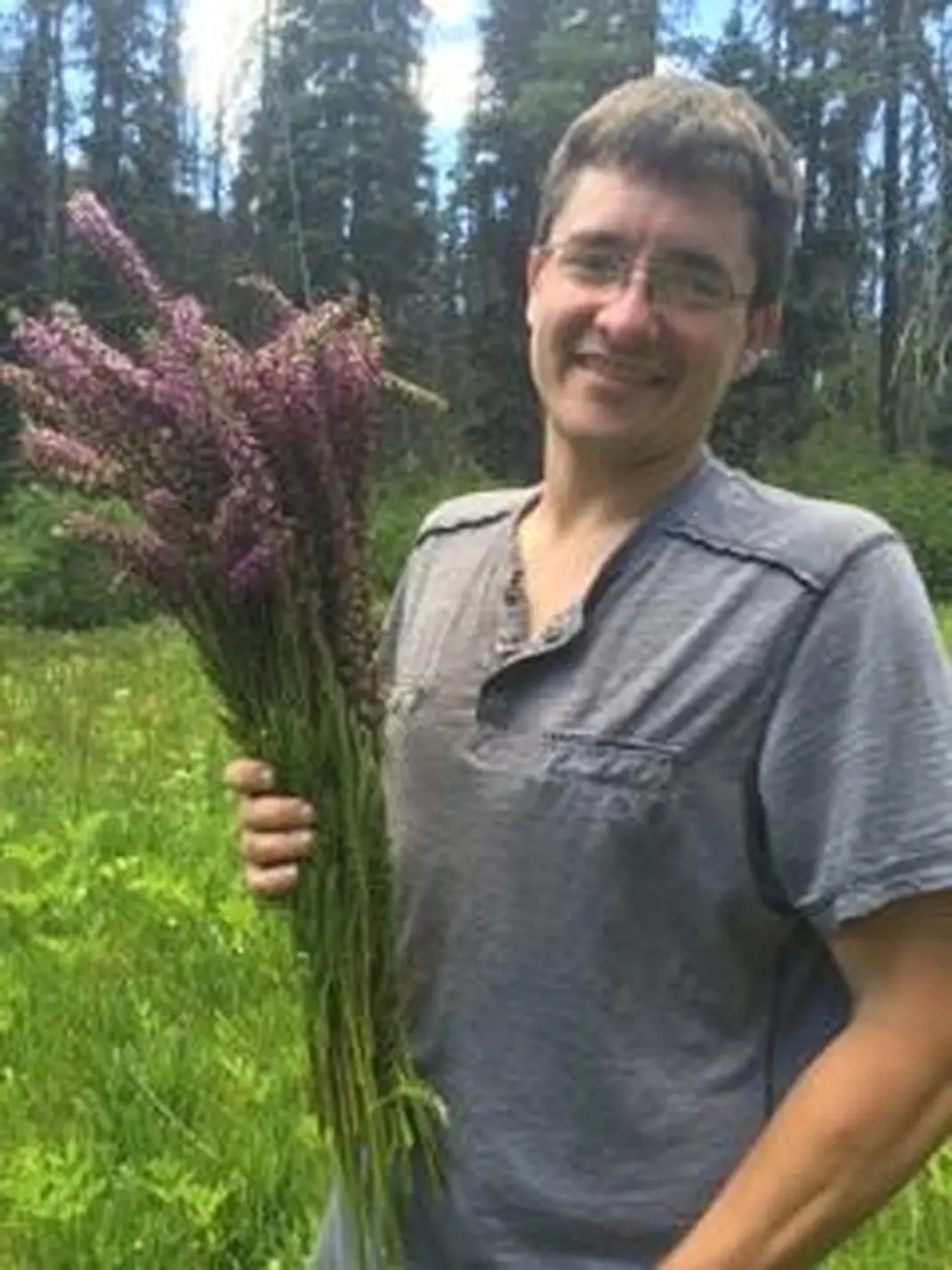
What is funny in hindsight is that I spent my entire childhood camping and hiking through the Southeast, which happens to be one of the most medicinally rich plant ecosystems in North America, and I did not know a single medicinal plant. I could identify an oak tree and poison ivy and that was about it. The plant obsession came entirely later. It was not until I moved to Seattle to study at Bastyr that I started learning plants in any serious way, and the irony is that I was studying medicinal plants from back home from afar.
The Boy Scouts gave me more than I realized at the time. The emergency medicine training especially. When I was eighteen, still wearing a full body brace waiting for my spinal fusion, my older brother and I were on a camping trip in South Carolina when he slipped and fell head first, 120 feet off a waterfall. I had to scale down that same cliff face, in a back brace, and get to him. He was partially submerged in a pool at the bottom, head underwater and the water was streaming red from him bleeding. I pulled him out, And his scalp was inside out and he had a hole in his skull about an inch wide with dirt and debris sticking out. I cleaned the hole in his skull, pulled his scalp back over his head and tore my shirt and fashioned a bandage to reattach his scalp. I then pulled him onto the shore and stabilized him on the ground. I started to build a stretcher out of my blue jeans and some small downed trees and luckily a stranger with a satellite phone appeared and called medics and a helicopter to evacuate him. He had a skull fracture, some fractured vertebrae in his neck, and a couple broken ribs. He survived and recovered. I honestly do not know if I would have known what to do in that moment without the first aid training from Scouts.
The Scouts also gave me my first real wilderness expedition. At sixteen I paddled over a hundred miles into the Boundary Waters of Canada on a week and a half Scout trip with friends. Looking back that trip gave me the confidence to go into my 650 mile solo canoe expedition years later.
I was a pretty happy, active, curious kid who loved the outdoors and had no idea that the plants he was walking past his entire childhood were going to become his life’s work.
Contact Info:
- Website: https://www.neuropathyherbalist.com
- Instagram: https://www.instagram.com/neuropathy_herbalist/
- Facebook: https://www.facebook.com/profile.php?id=61587036700066
- LinkedIn: https://www.linkedin.com/in/trevor-clark-b9a5b977/
- Other: https://www.clarksherbs.com
Popular
-

Hidden Gems: Local Businesses & Creatives You Should Know
-

ATL’s Most Inspiring Stories
-

Portraits of Atlanta
-
Natasha Dillard on Redefining Beauty Standards and Empowering Women Through Unapologetic Self-Expression
-
Darren Paltrowitz on Blending Investigation, Media, and Culture to Uncover the Stories Behind the Stories
-
Naeemah Jade on Redefining Networking Through Trust, Proximity, and Intentional Community