

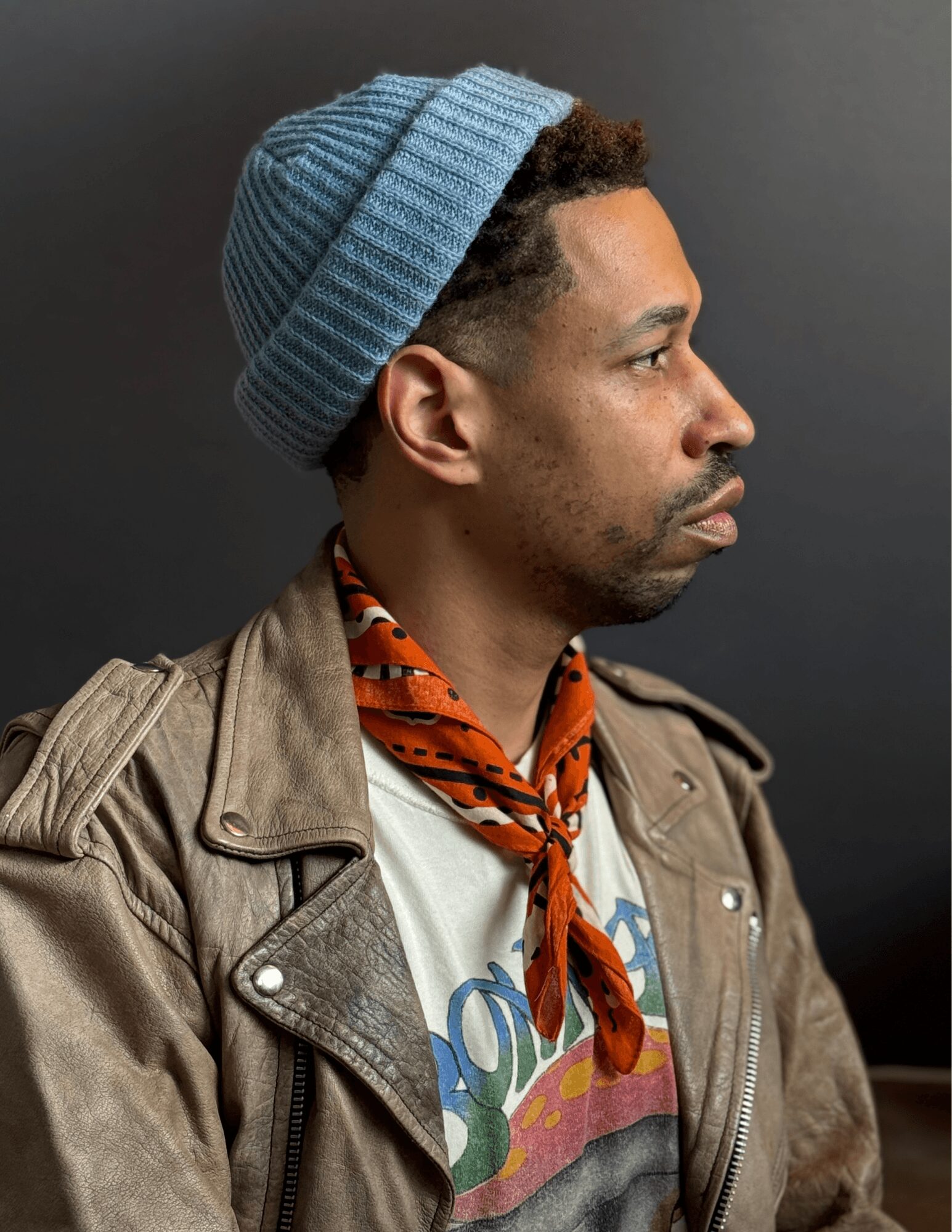
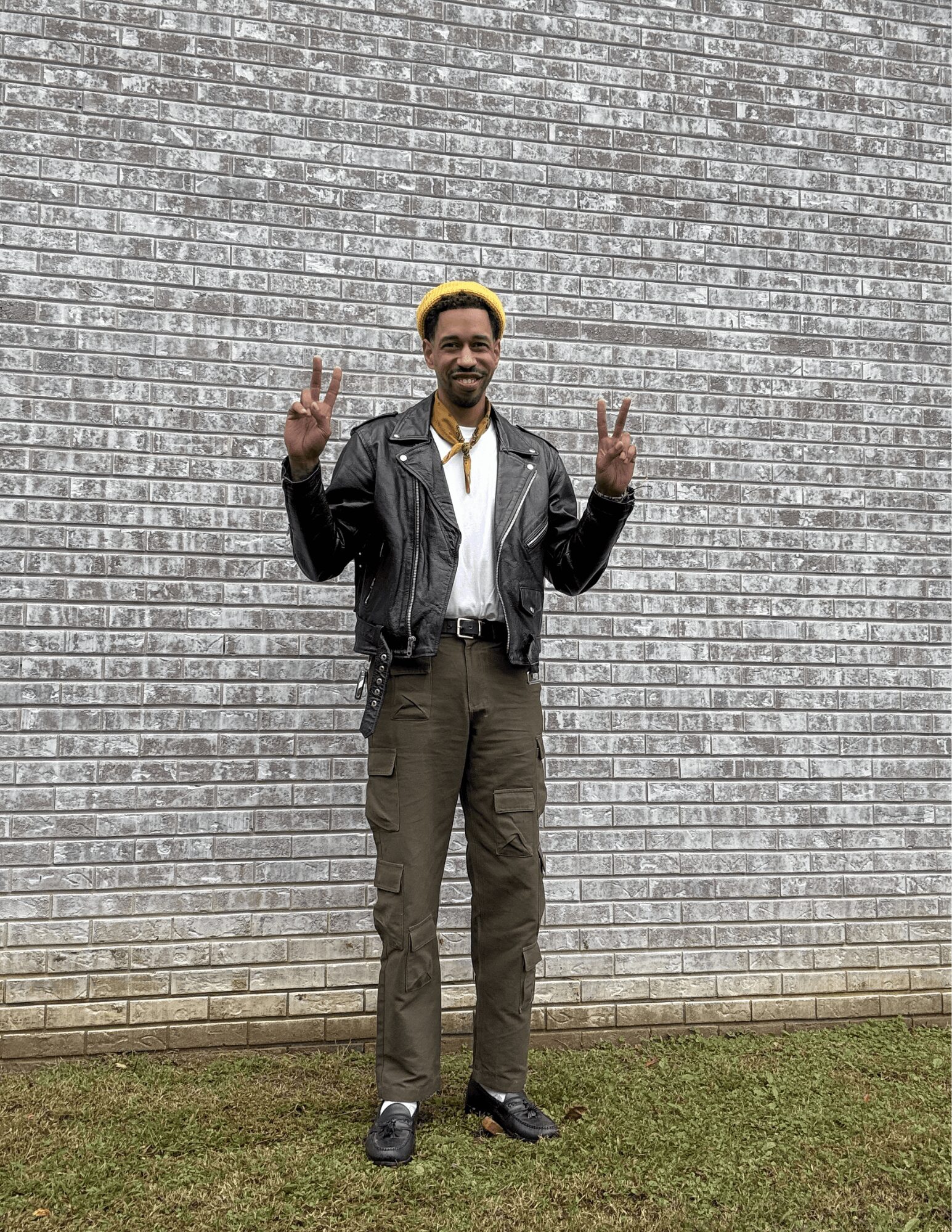
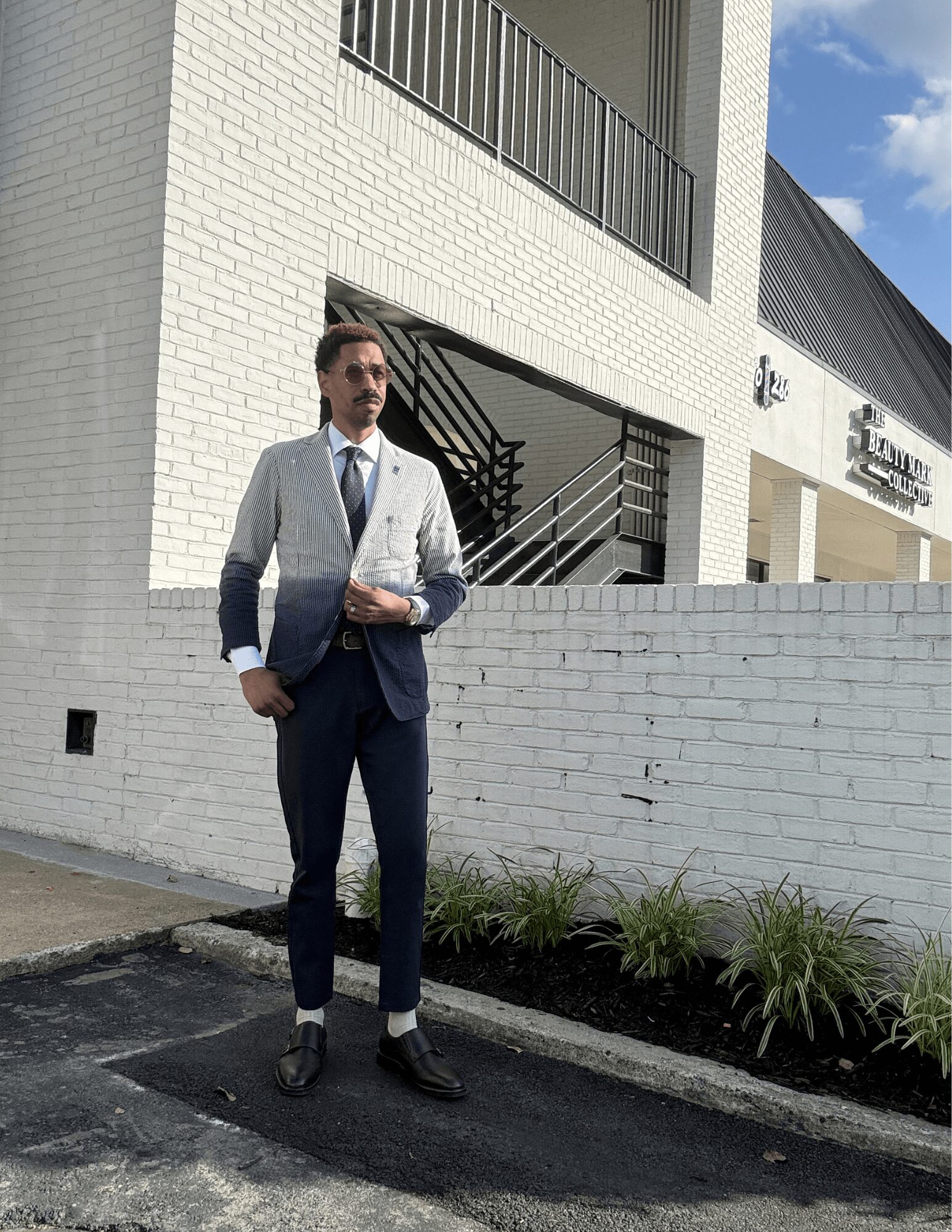
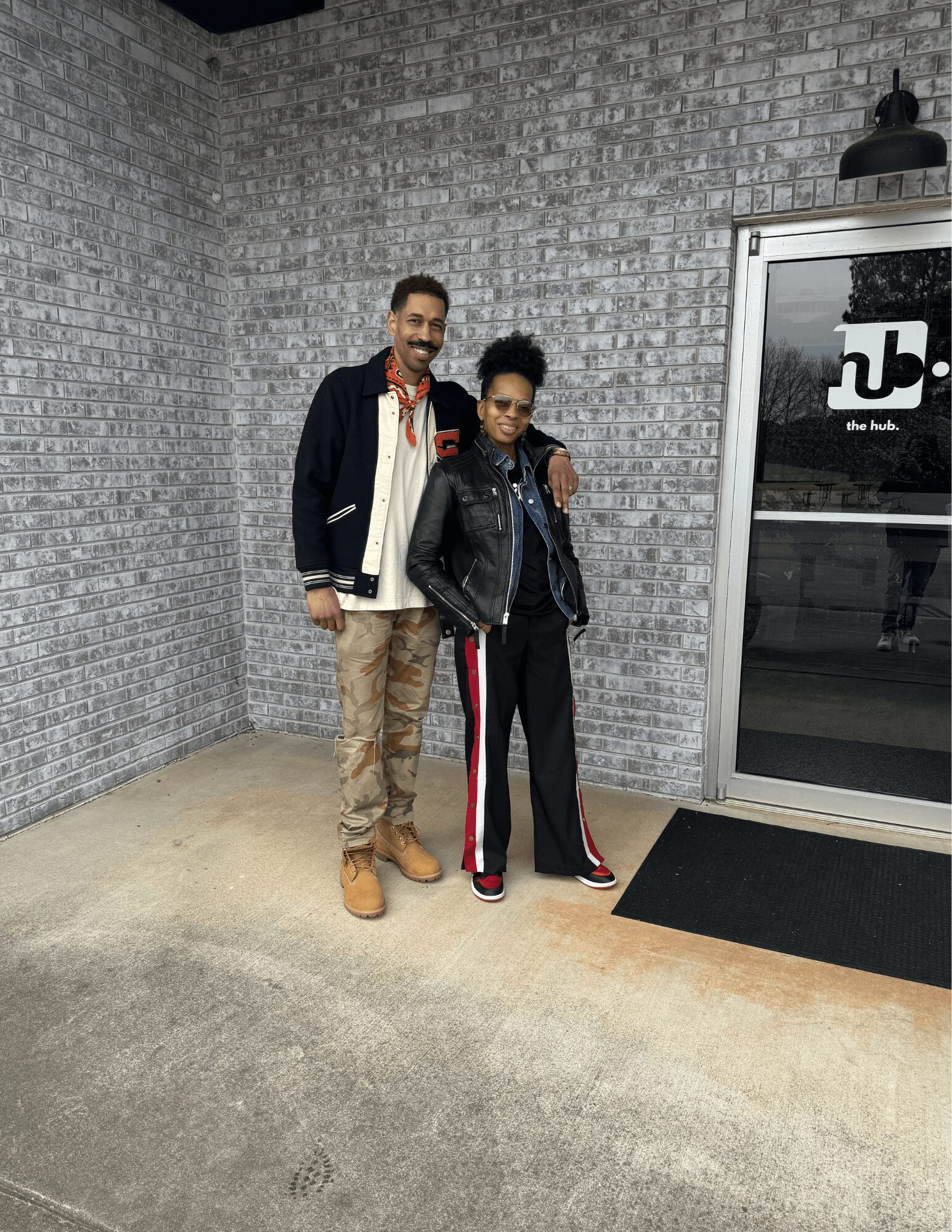
Today we’d like to introduce you to Dr. Will Gravely.
Dr. Will, we appreciate you taking the time to share your story with us today. Where does your story begin?
I founded The Stained Glass Project in 2016 as a response to the social and cultural tension I witnessed in society. The Stained Glass Project was birthed as the focus of my doctoral research at Emory (Candler School of Theology). I took a leap when beginning my doctoral studies by quitting my job just after beginning the program. As in the past, I knew that whatever I committed to I needed to do so with great intentionality and integrity and I discovered, at the time, I could not stay rooted where I was and continue to grow. I was being shaped for this moment of pioneering and pivoting throughout my educational journey. While at Morehouse College, I was challenged by and cultivated within a rich history of social change and community organizing/ engagement. As a creative I also knew that the status quo doesn’t bring about societal change, so I knew innovation needed to accompany integrity on this journey. When I went on to grad school, I learned the importance of leveraging my access to education and resources (including relationships) to equip and empower those who did not share the same access. So in the midst of a vocational pivot, I decided to pioneer.
TSGP initially functioned as a consulting firm for companies and community orgs (non-profits and churches) on how to navigate cultural conflict and create connections across diverse communities. We trained orgs, community leaders, and executives on implicit bias, cross-cultural literacy, community development, and conflict resolution. We learned a lot in 2016-2017 while training orgs and speaking at conferences across the country. The lesson revealed that we had to be on both the intellectual/ educational side as well as the implementation/ engagement side. We recognized that educating on the theories of Asset Based Community Development and Cross-Cultural Engagement needed a balance of curated and creative space(s) for people to form deeper relationships and build together. The opportunity became clear that, for us, church buildings could serve as the prime venue for this type of community development. We recognized the need to create a safe space where trust could be built and neighbors could come together to be equipped to empower and engage their own neighborhood(s).
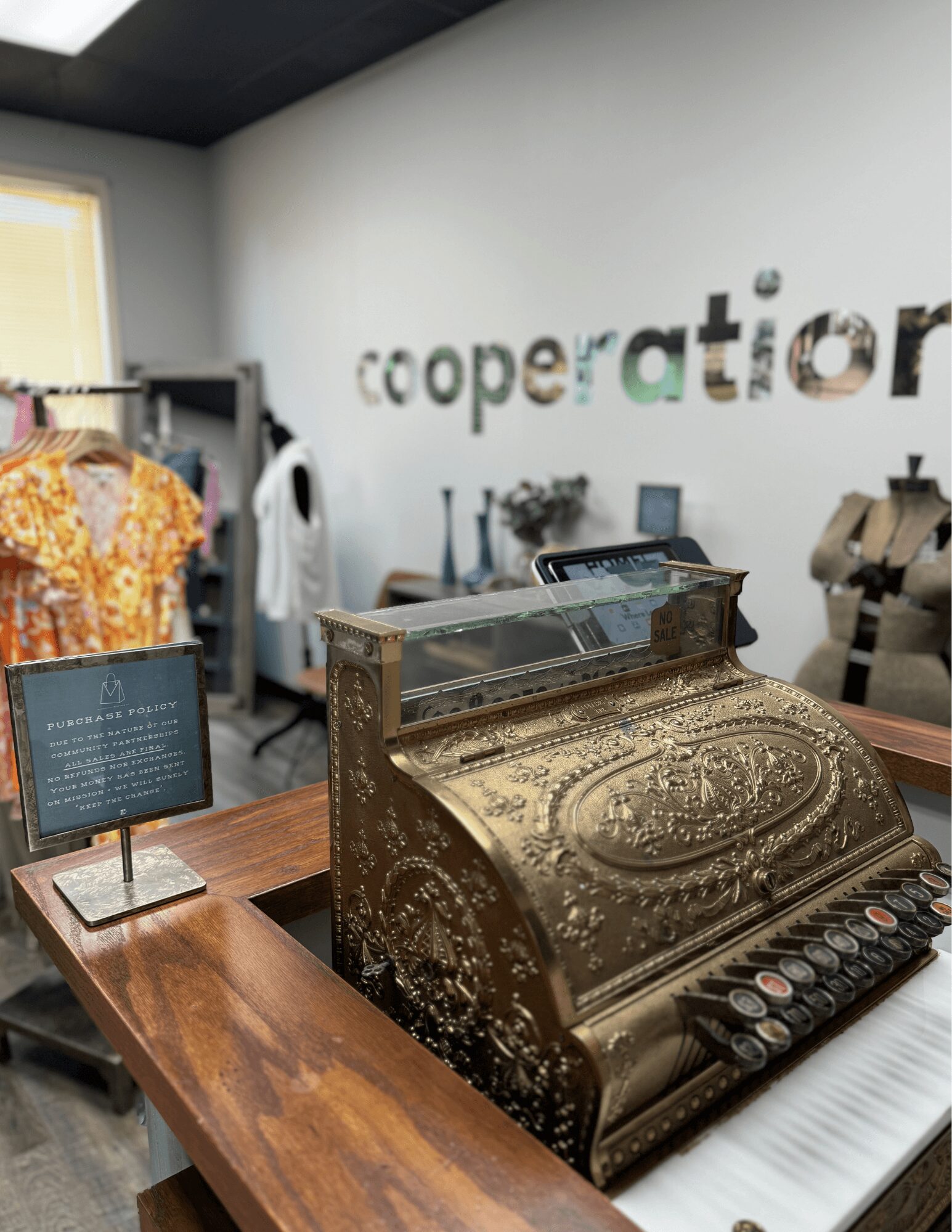
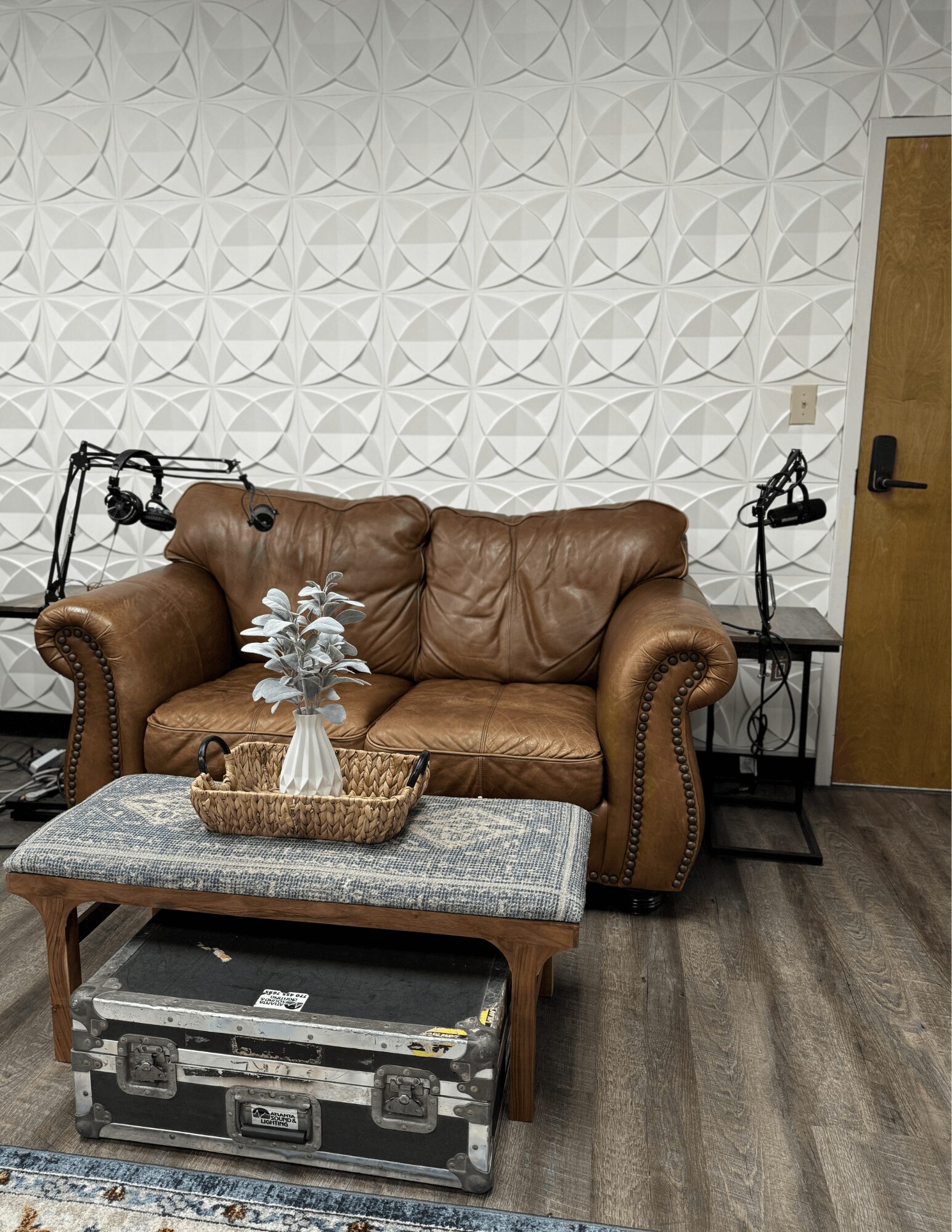
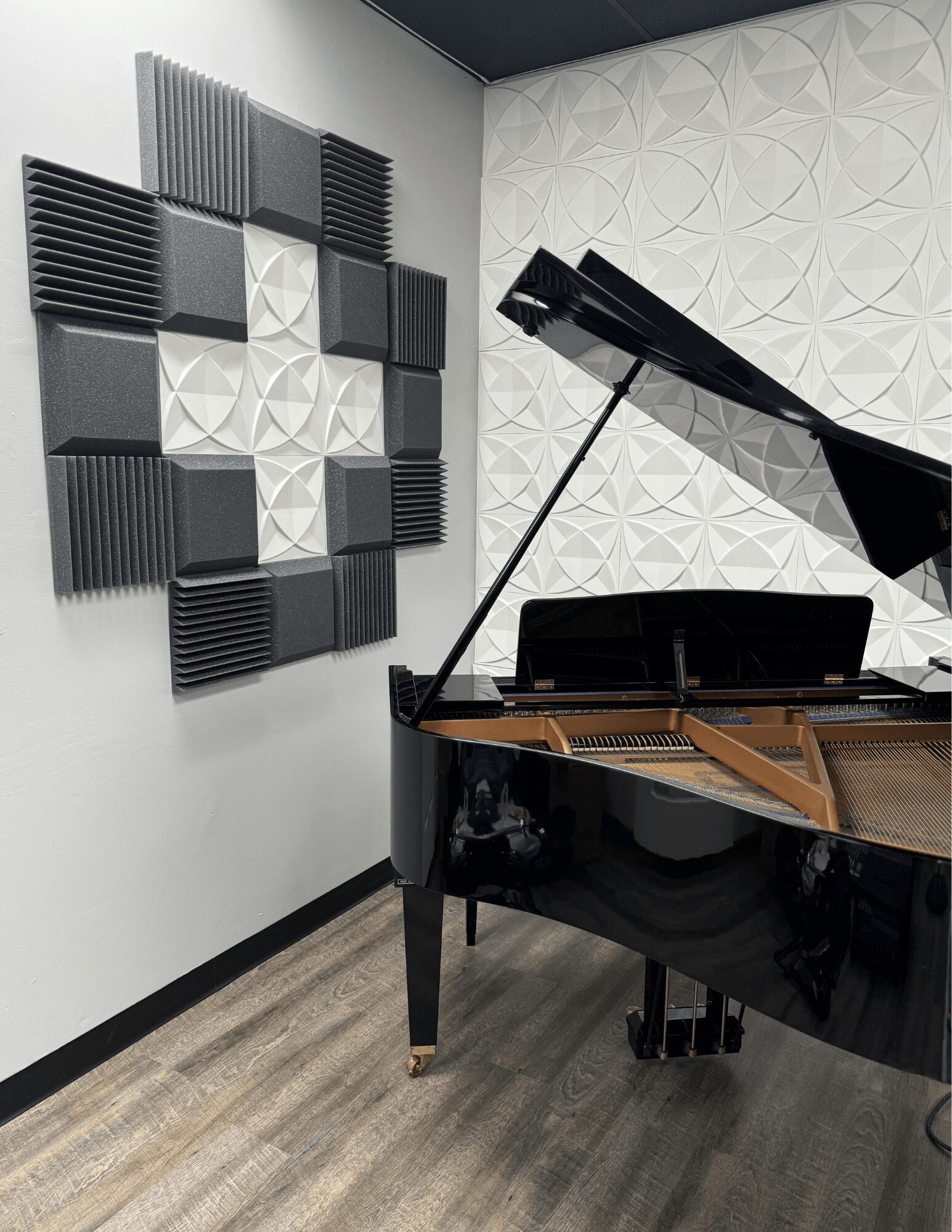
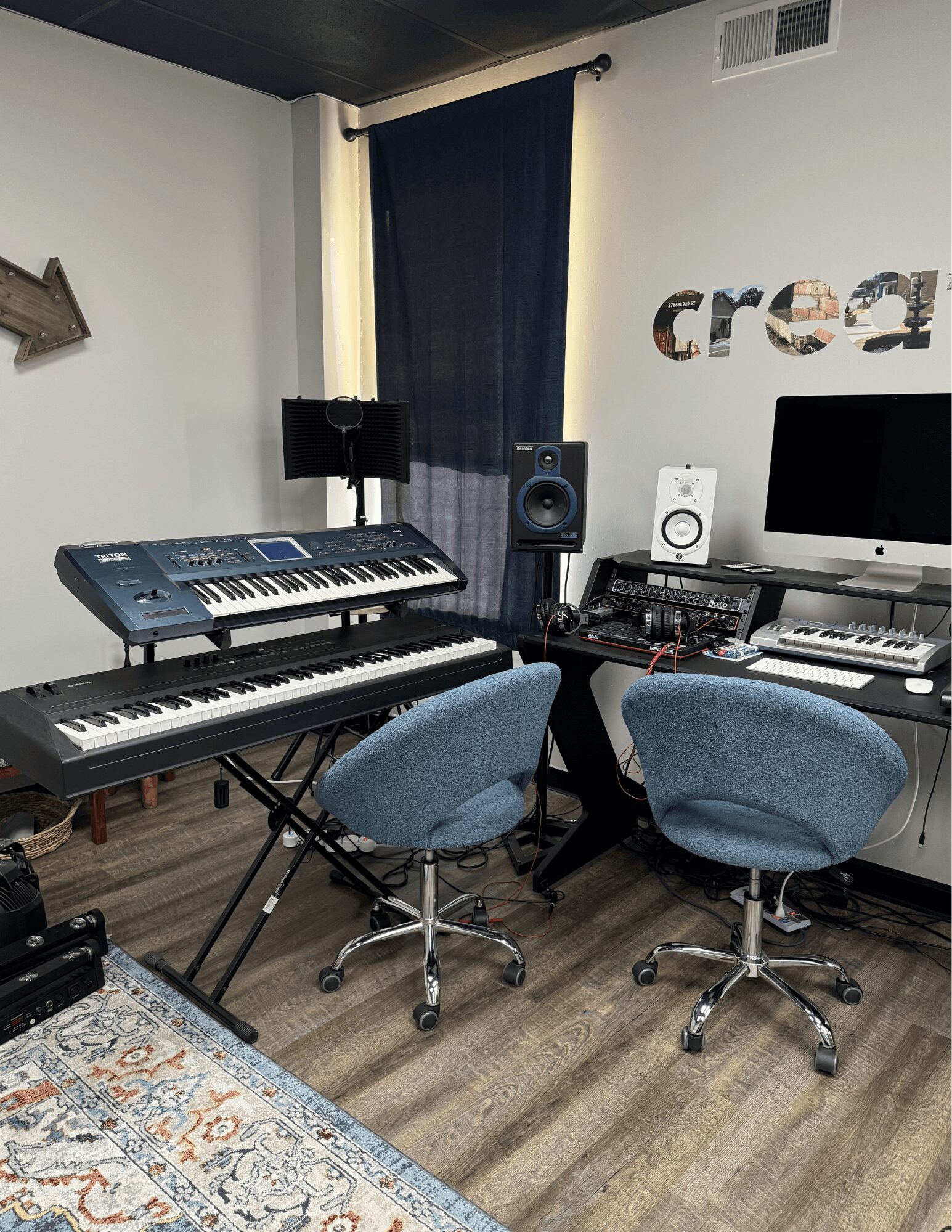
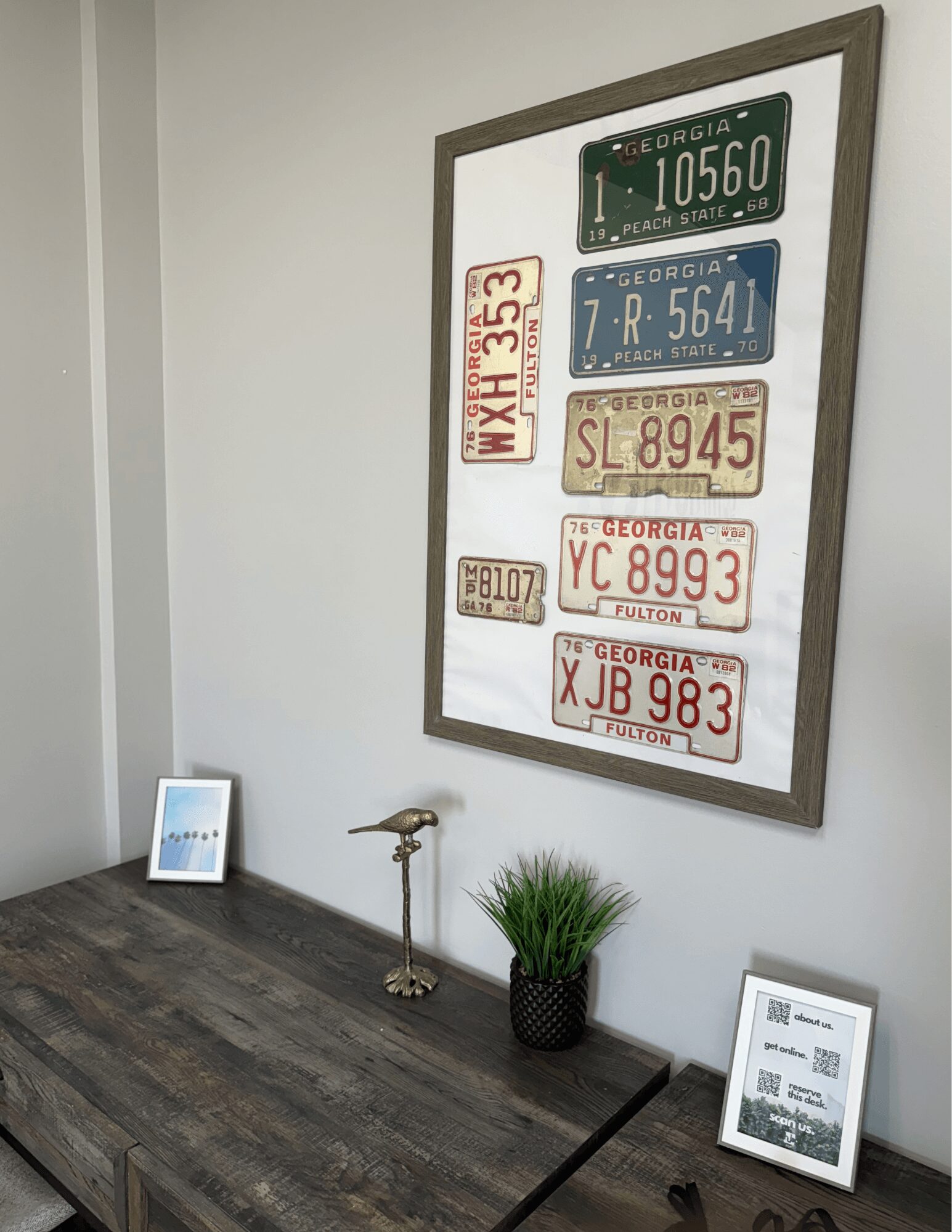
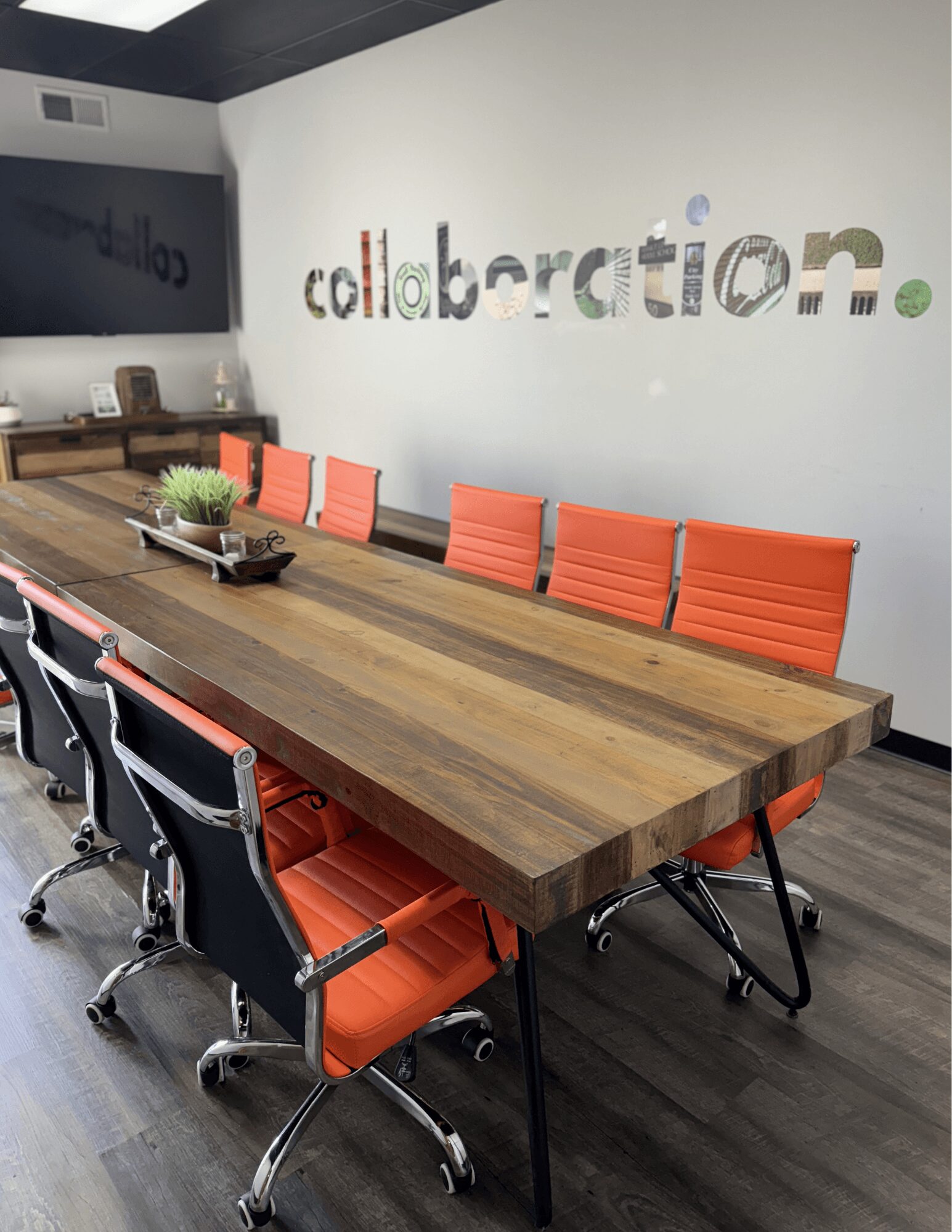
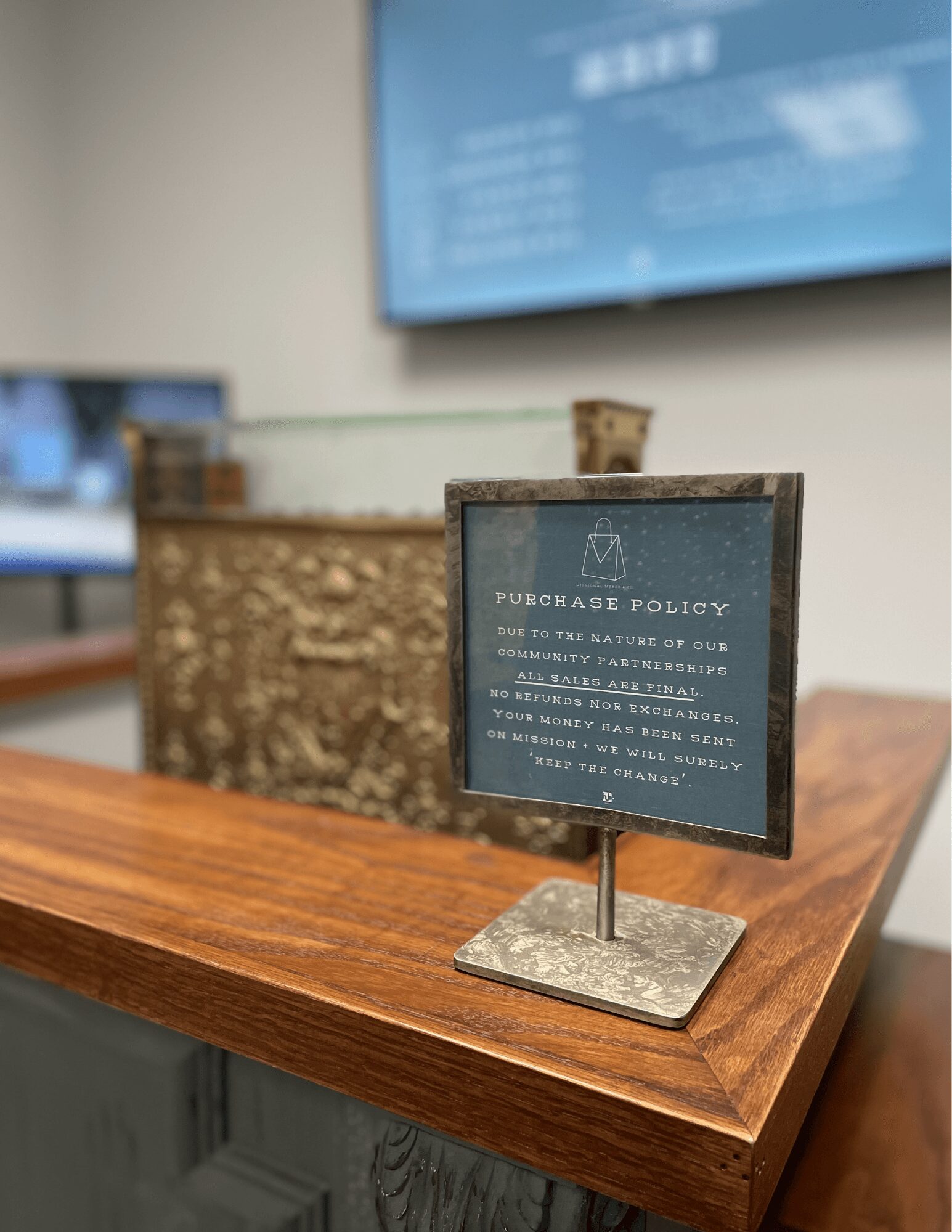
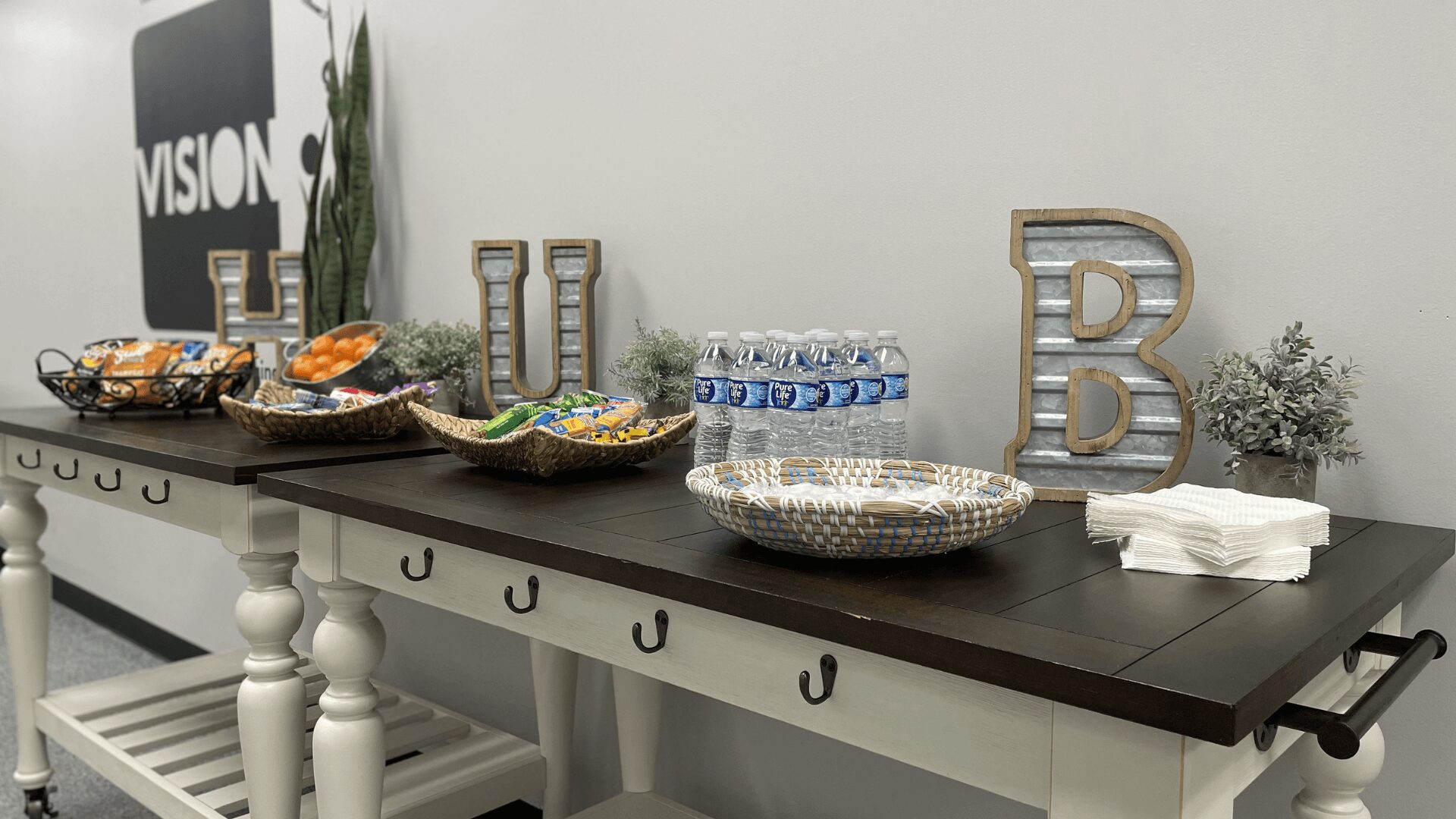
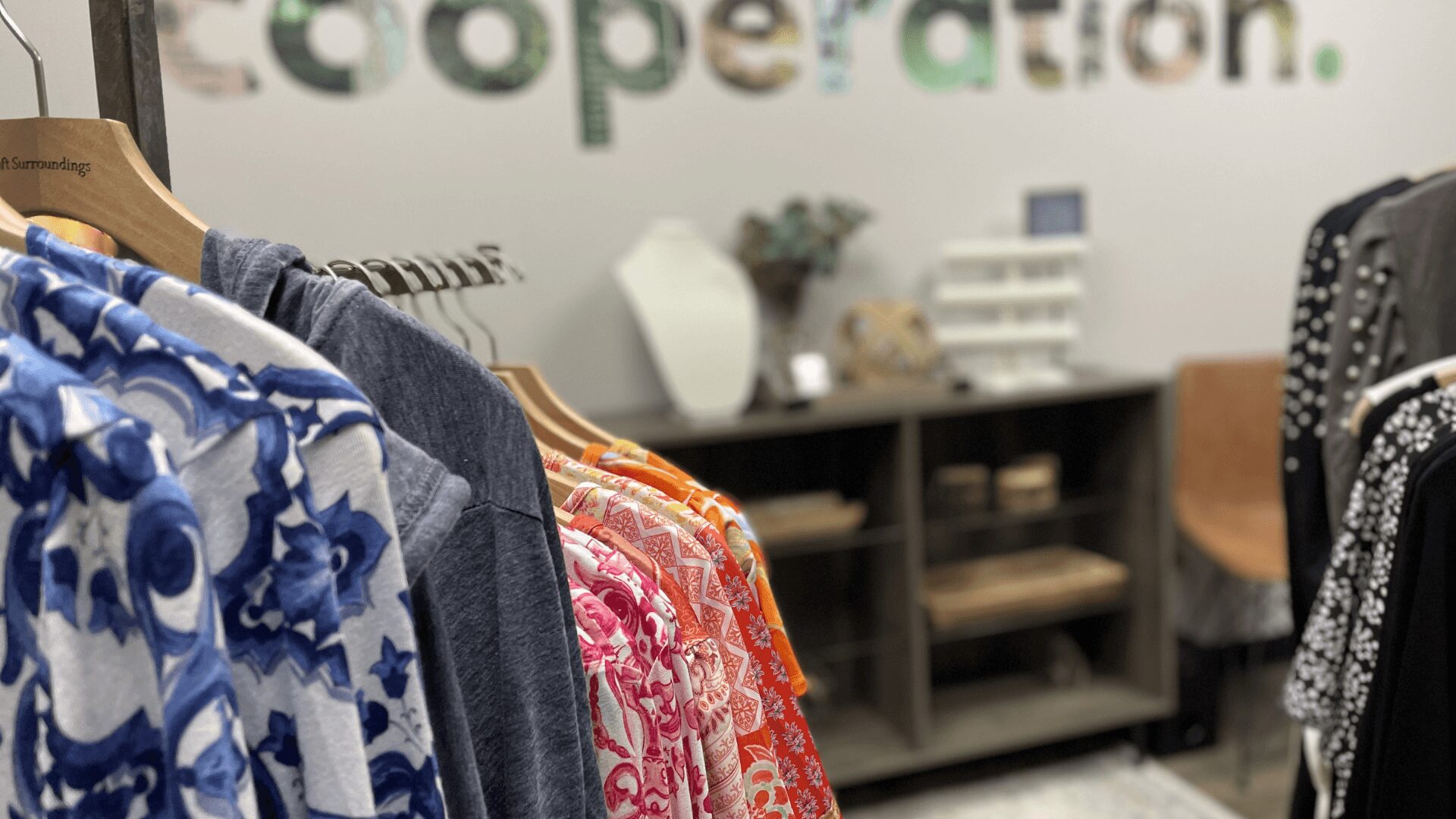
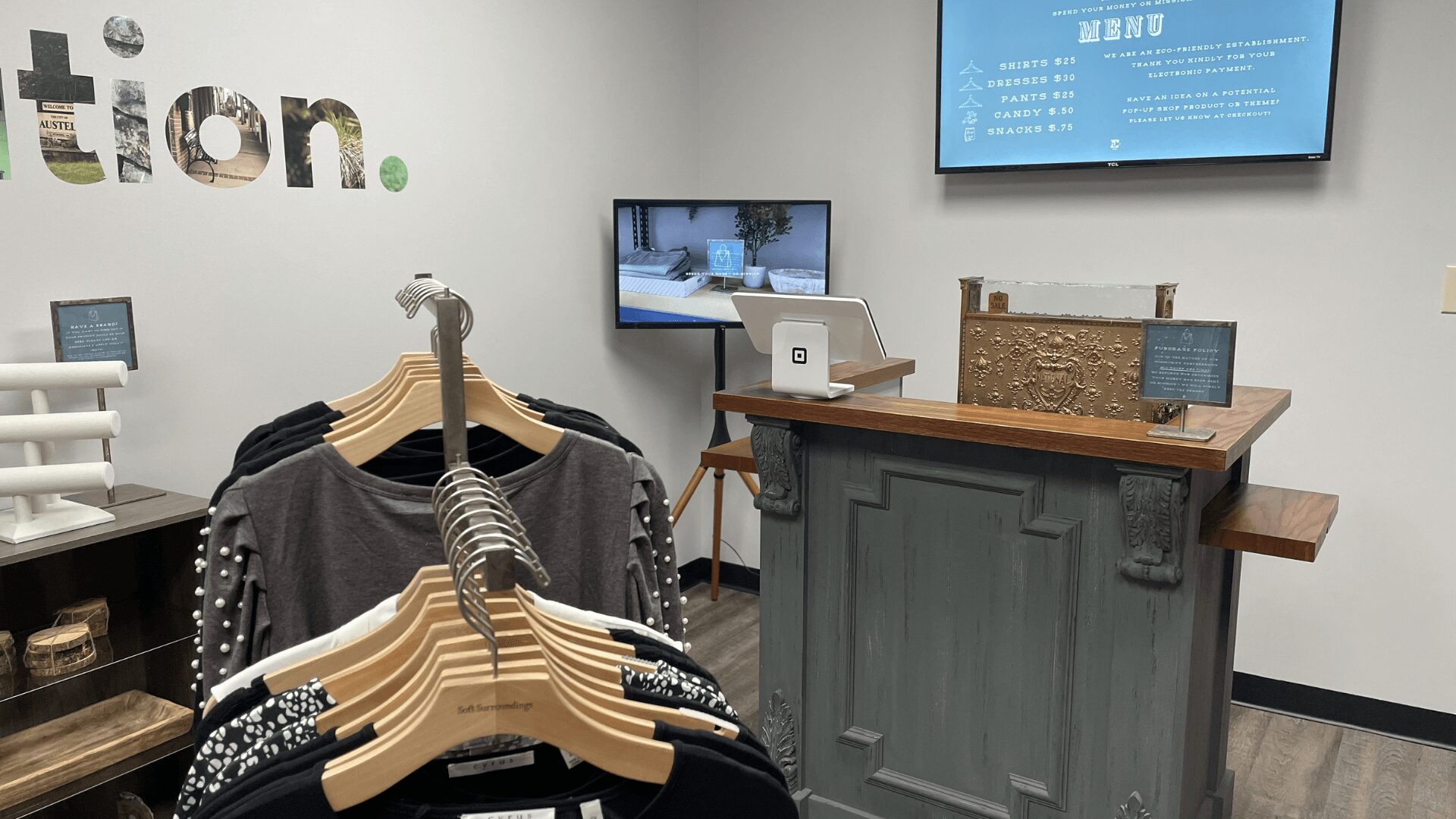
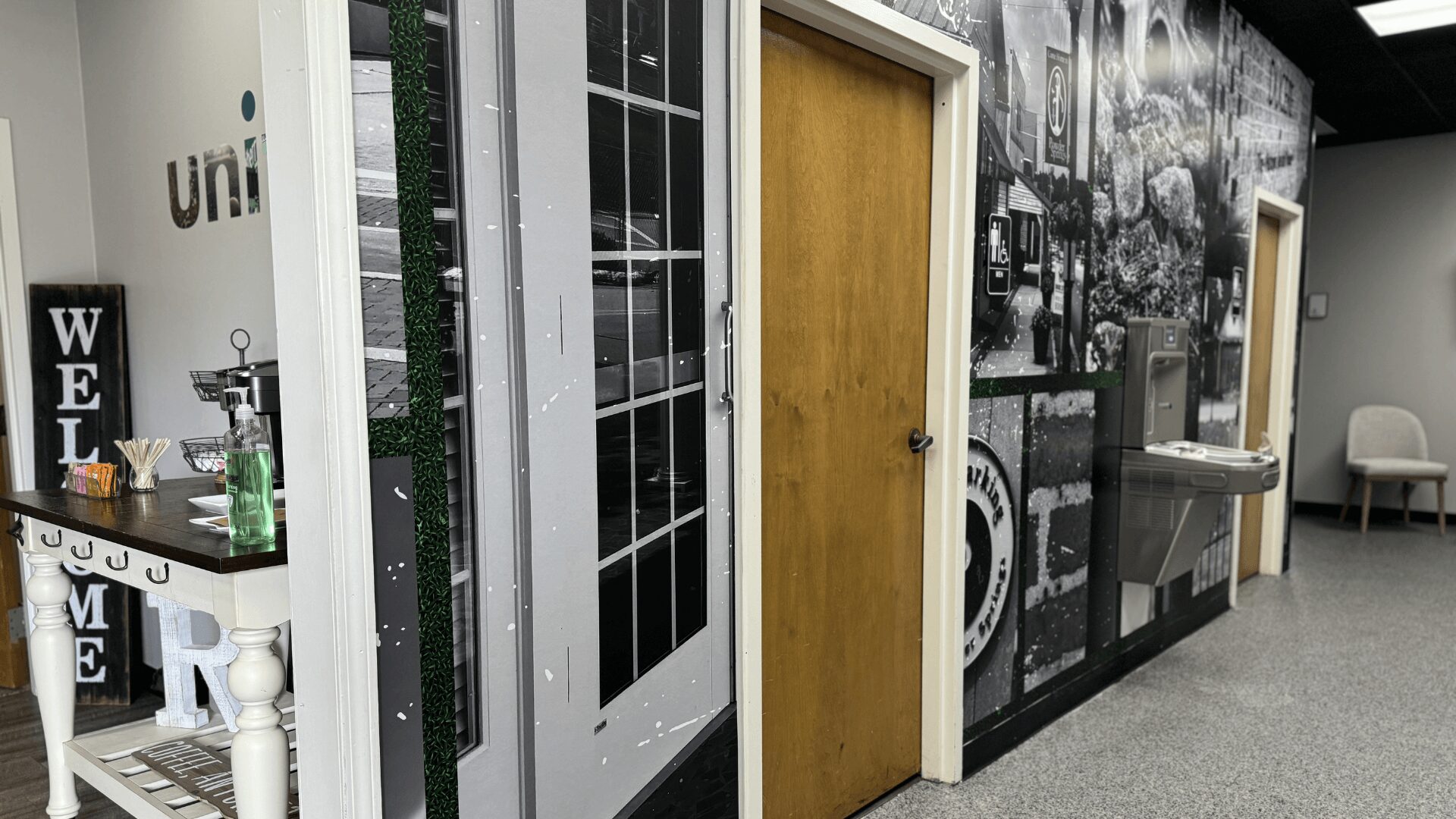
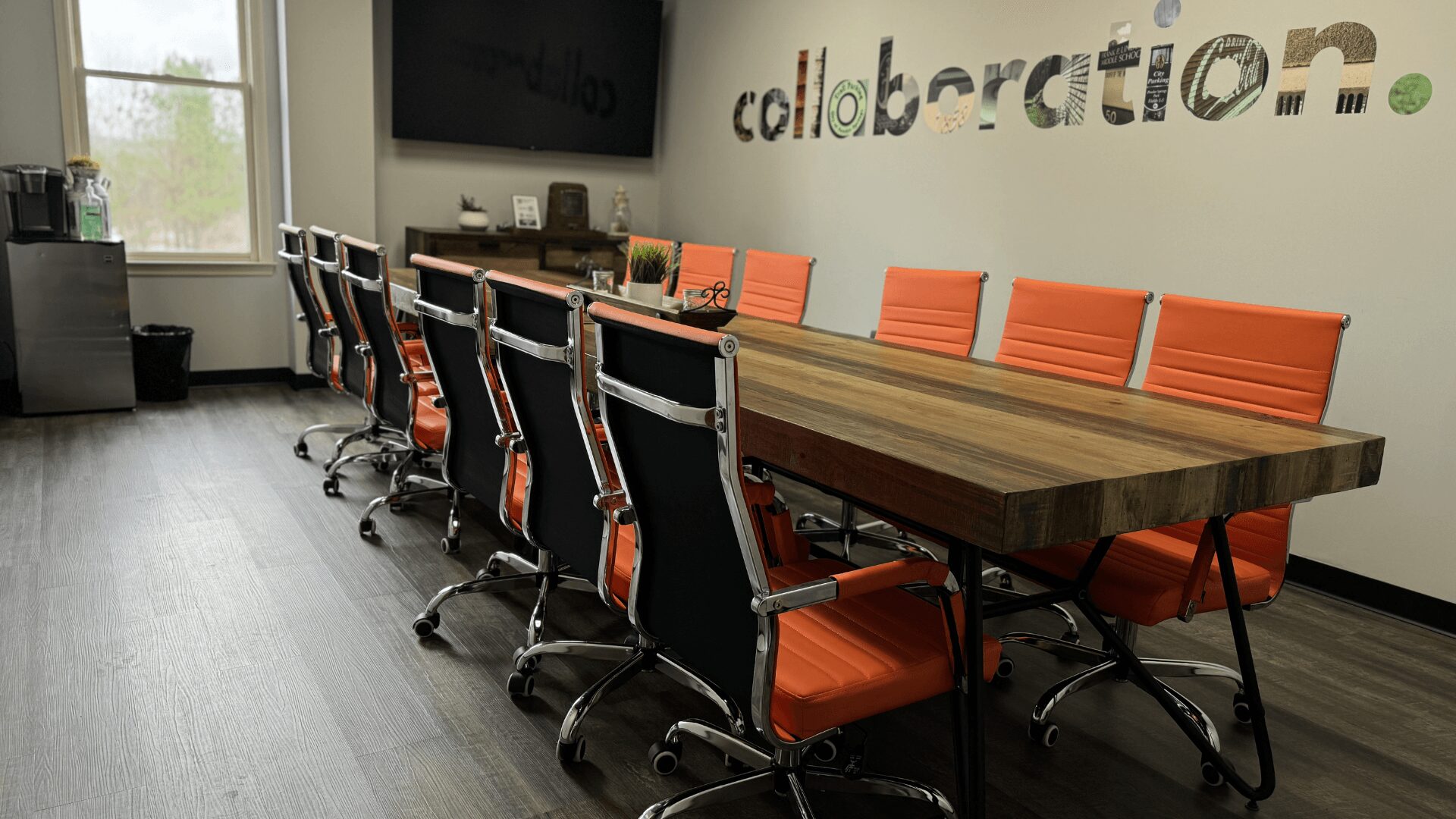
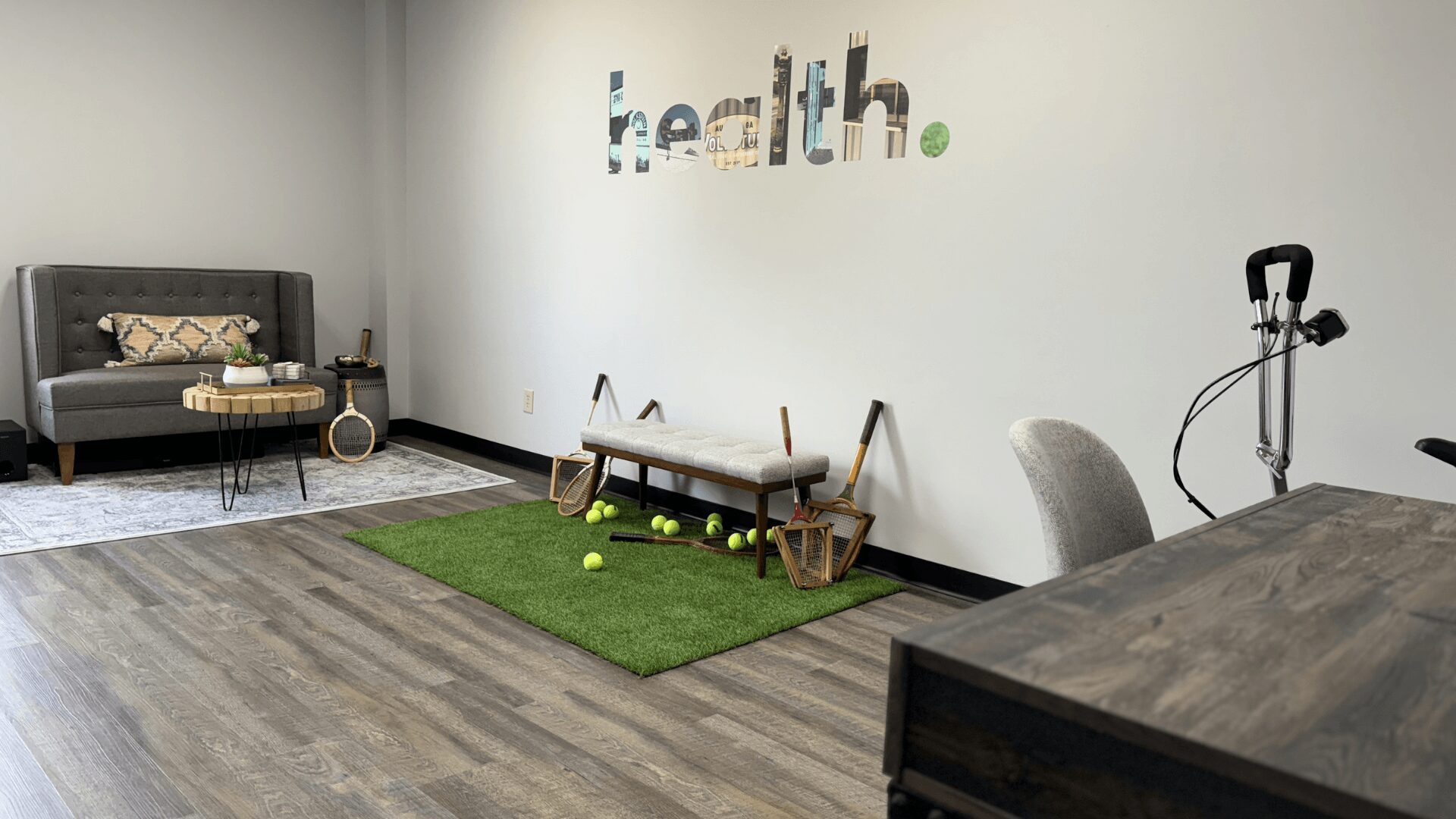
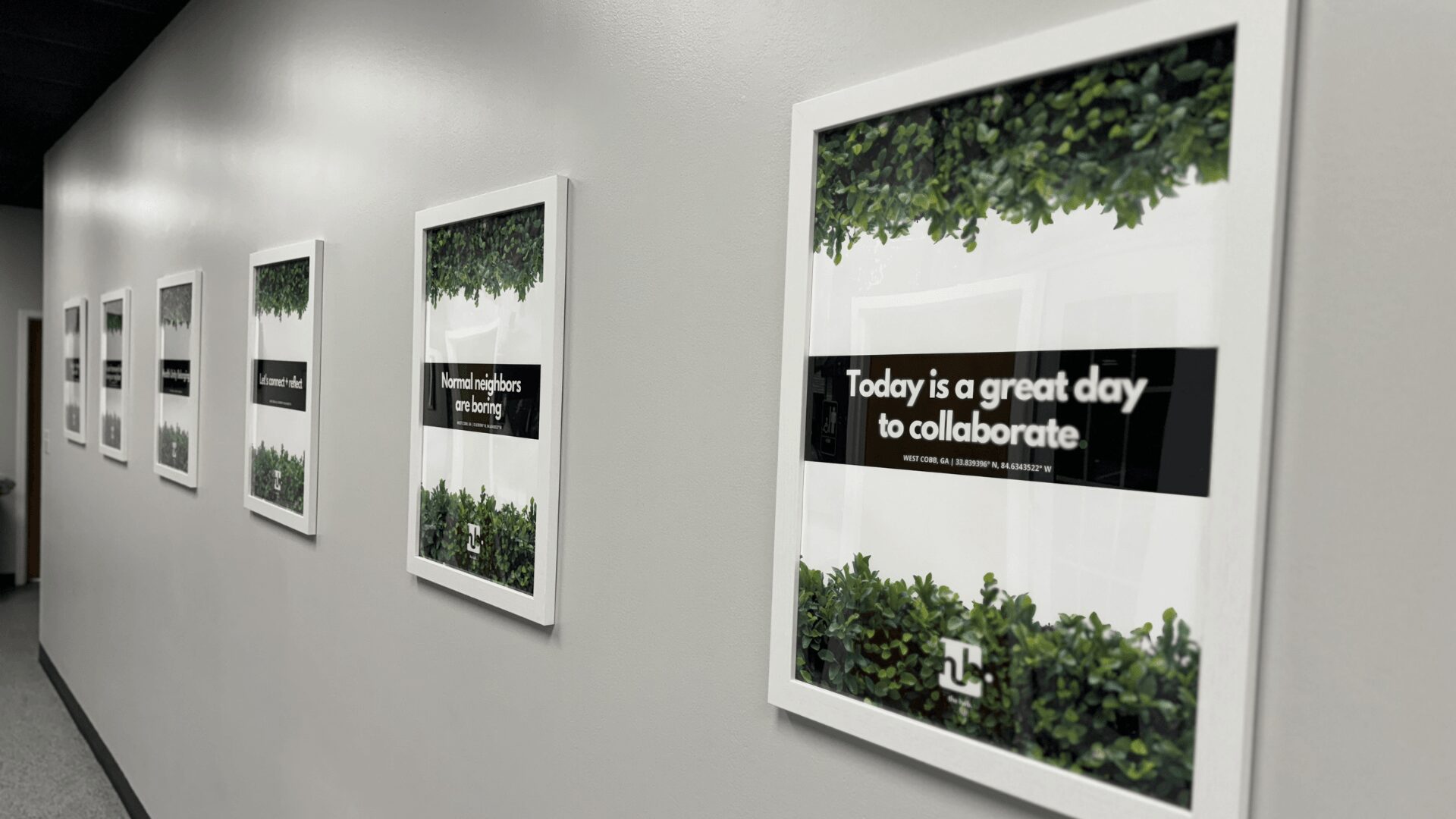
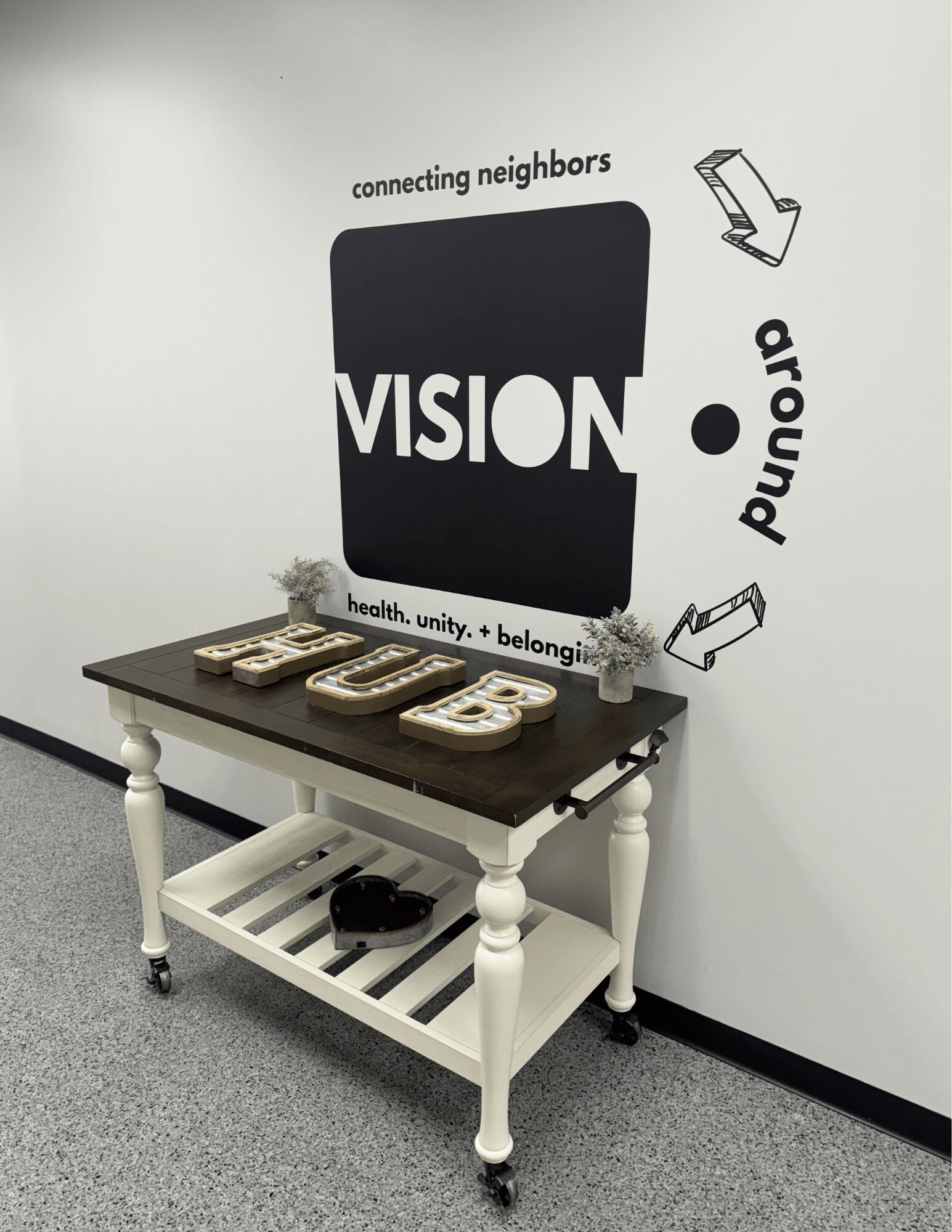
We immediately began to incubate “The Community Hub” through The Stained Glass Project model. As a result, The Hub West Cobb was born during the Covid-19 pandemic. The perfect storm of community need, community tension, and communal pause had arrived. We transformed a dated 2-story church building into a creative and cutting edge community space, gave thousands of pounds of food to families in need in partnership with Refuge Community Church, and turned a building that was solely about it’s own members, into a facility that was wholly about the surrounding community. The pandemic provided the break in weekly activities within the church that allowed us to transform and cultivate the physical space. As a result, co-working spaces, offices, a conference room, auditorium, game room, lounges, music studio, commercial kitchen, retail space, and multi-purpose rooms were curated for our community. The Hub West Cobb is the flagship Community HUB, a creative cultural center situated on 29.6 acres in Metro-Atlanta. The Hub is the proof of concept for The Stained Glass Project, which seeks to multiply this model across the southeast and eventually the country. Churches used to be the center of connection for communities. What would happen if these spaces were transformed, not to make more church members, but for neighbors to know they are already members of a wider community. The Stained Glass Project, is “a clear framework for loving our neighbor.” Community Development is not just about resources and buildings…community development is about relationships and belonging.
Alright, so let’s dig a little deeper into the story – has it been an easy path overall and if not, what were the challenges you’ve had to overcome?
The pioneering journey is not a series of perfect decisions, rather a series of strategic pivots. Initially, the greatest obstacles were in the shift from theory to application. We thought we would remain a consulting firm built on education, but we recognized that this community development work wasn’t ‘head work’, this was ‘heart work’; and heart work is hard work. We discovered that without spaces that created excuses for people to connect, they could be better equipped from education and training, but not better connected through engagement and shared space/ time together. We had to cultivate a physical space that screamed community. Then more challenges came.
As people, we can be averse to change. Change is hard. As with our initial cross-cultural work, we realized that true cultivation of community in the midst of conflict, is that everyone is uncomfortable. When bringing divergent groups together, if one sub-group is happy, then another sub-group has not received compromise. We were building bridges between sectors and circles that had not previously touched. The challenge became creating a 3rd space between two existing worlds. The faith space can feel exclusive or as though you have to agree in order to engage. We needed a church that could understand why church was no longer solely a positive experience for many. We had to remove the barriers to entry for people that made associations and assumptions about faith spaces, whether from experience or innocent ignorance. Next, we had to get community orgs to think more creatively and to recognize that aesthetics are just as important as the activities. When many people hear the words “community center”, they think dusty gym, bingo, bulletin board, and mis-matched seating (although mis-matched seating can be dope lol). We were creating a something in the space between church and community, faith and fun, aesthetics and activities, strategy and simplicity, creativity and common good. We realized, along the way, that we weren’t following a map; we were drawing one.
Thanks – so what else should our readers know about The Stained Glass Project?
The Stained Glass Project is a community development organization driven to connect and reflect local communities through their model, The Community HUB. The Community HUB model connects neighborhoods around the core human needs of health, unity, and belonging in order to equip and empower neighbors to collaborate in transforming their own communities.
We were initially founded around racial reconciliation in 2016 and have since pivoted into community development.
Our flagship community hub, The Hub West Cobb, is situated on 29 acres in Cobb County and includes co-working spaces, an auditorium, lounges, a podcast studio, music studio, game room, commercial kitchen, classrooms, and multi-purpose spaces.
We want our hubs to serve as the central connection point of communities where we can empower neighbors to take ownership and leadership of their own neighborhoods. The Hub West Cobb, in partnership with Refuge Community Church, has hosted anything from back 2 school drives serving over 600 families with schools supplies, free haircuts, and free food, to conferences, concerts, plays, HOA meetings, weddings, and given out around 2,000 lbs. of food to families in need. We want to partner with other community orgs and local officials to creatively cultivate spaces that allow for connection and true community to form.
What does success mean to you?
Success for us is measured in the transition/ transformation from a stranger into a neighbor. We are around each other, but rarely connect with each other. When people see their neighborhood as more than just where they live, but as a community to which they belong… we believe we have done our job. We don’t believe people were created to live in isolation, but in order to break the ice, we have to be intentional. Environment is the key to engagement, so we want to be at the forefront of transforming spaces so that we can transform society.
Contact Info:
- Website: https://thestainedglassproject.com
- Instagram: https://www.instagram.com/thehubwestcobb and https://www.instagram.com/thestainedglassprojectatl
Popular
-

Hidden Gems: Local Businesses & Creatives You Should Know
-

ATL’s Most Inspiring Stories
-

Summer McIntyre Is Building a Career at the Intersection of Sports, Media, Entertainment, and Digital Storytelling
-

DeAnna McIntosh Is Helping Entrepreneurs Move Bold Ideas From Vision to Reality Through Strategy, Innovation, and Execution
-

Portraits of Atlanta
-

Dr. Nicole Brown Expands Her Vision Beyond Design to Inspire Women Through Storytelling, Reinvention, and Intentional Living