





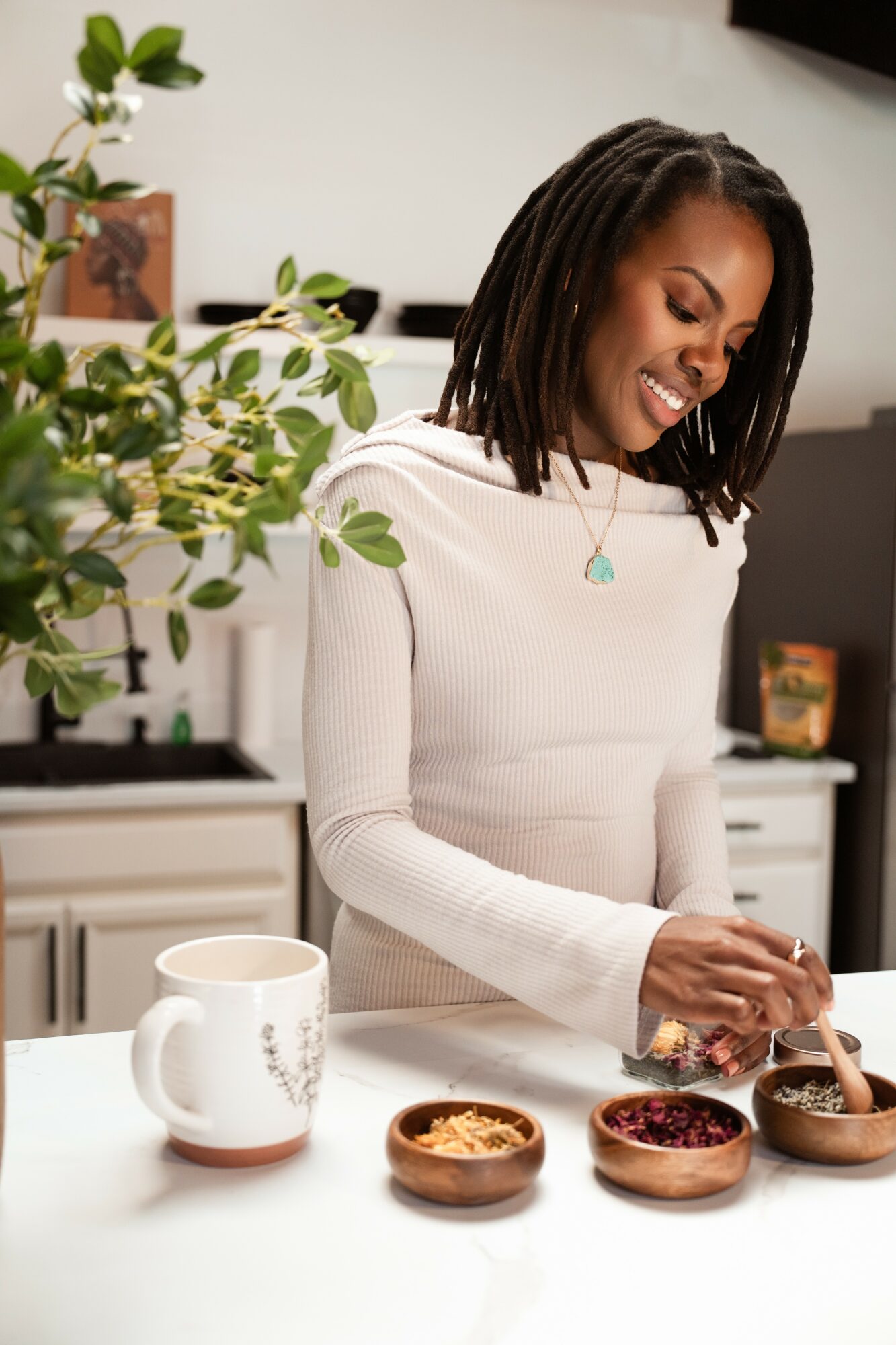
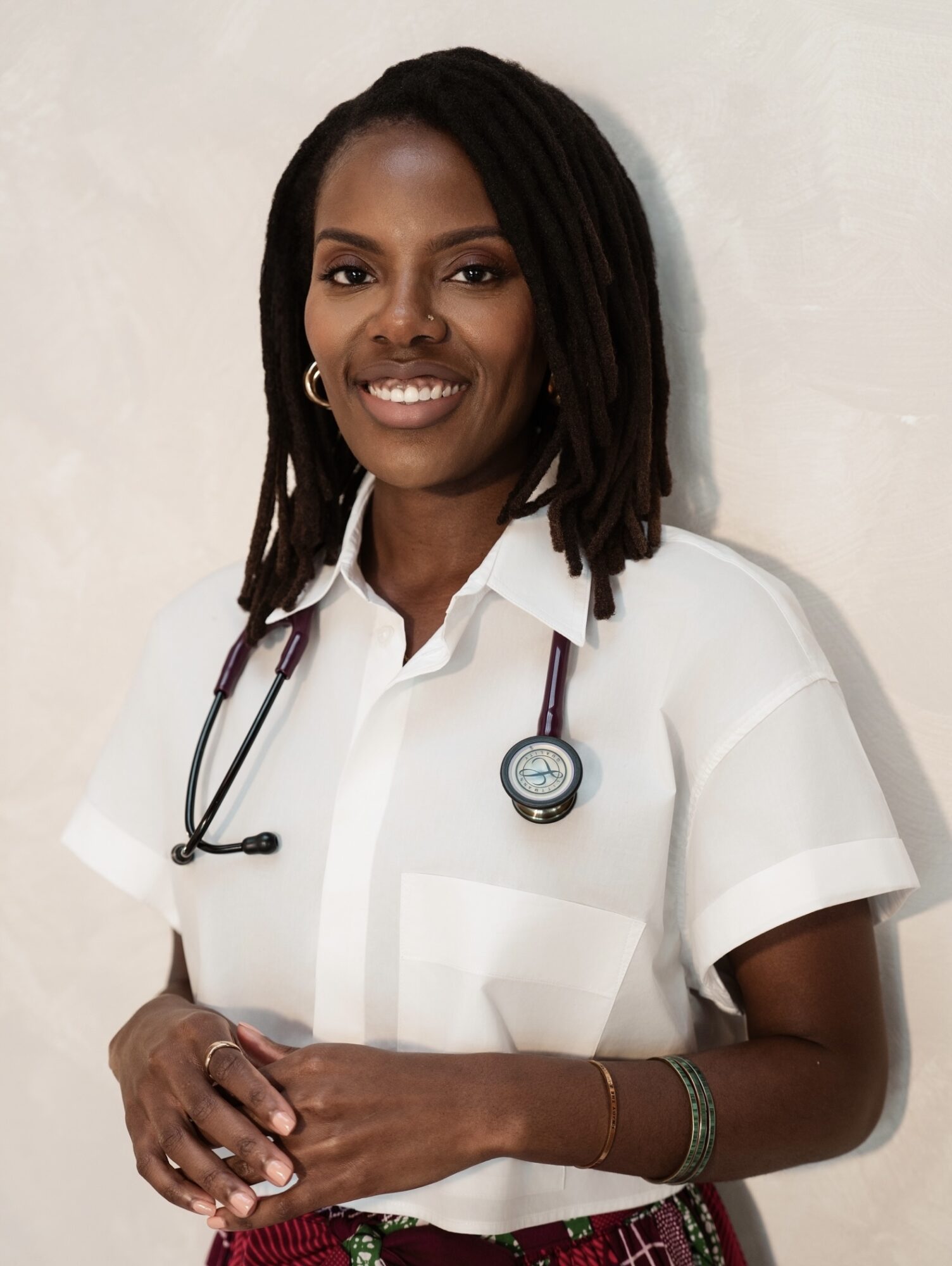
Today we’d like to introduce you to Natondra Powell.
Hi Natondra, please kick things off for us with an introduction to yourself and your story.
I have wanted to be a doctor for as long as I can remember. It was a desire that settled within me as early as kindergarten. Even then, before I had the language for it, I felt called toward healing work. Before medical school, I had already begun developing a vision for something different, one shaped by my study of herbal medicine, my own healing journey, gardening, reconnecting with the earth and my food, and learning what it meant to deeply nourish and nurture myself in community.
By the time I entered medical school at Howard University, I knew that one day I would have my own practice. I saw it no other way. I did not yet have all the pieces of the puzzle, but I knew what I was meant to create would not fit neatly within the traditions and confines of conventional allopathic medicine. It was both a knowing and a calling from the depth of my soul.
In medical school I could sense the disconnect between the kind of healing I believed in and the way medicine was often taught and practiced. At one point, that tension became so strong that I seriously considered leaving medical school to pursue herbalism and midwifery. I had even secured a job and an apprenticeship. However, the guidance of my elders encouraged me to stay the course. Herbalists, naturopaths, and allopathic physicians practicing more holistically, people who had walked the road before me, advised me to stay. They reminded me that my presence in medicine mattered. I was told that my ancestors demanded it, and that the way would be kept open for my success and for the healing of my community.
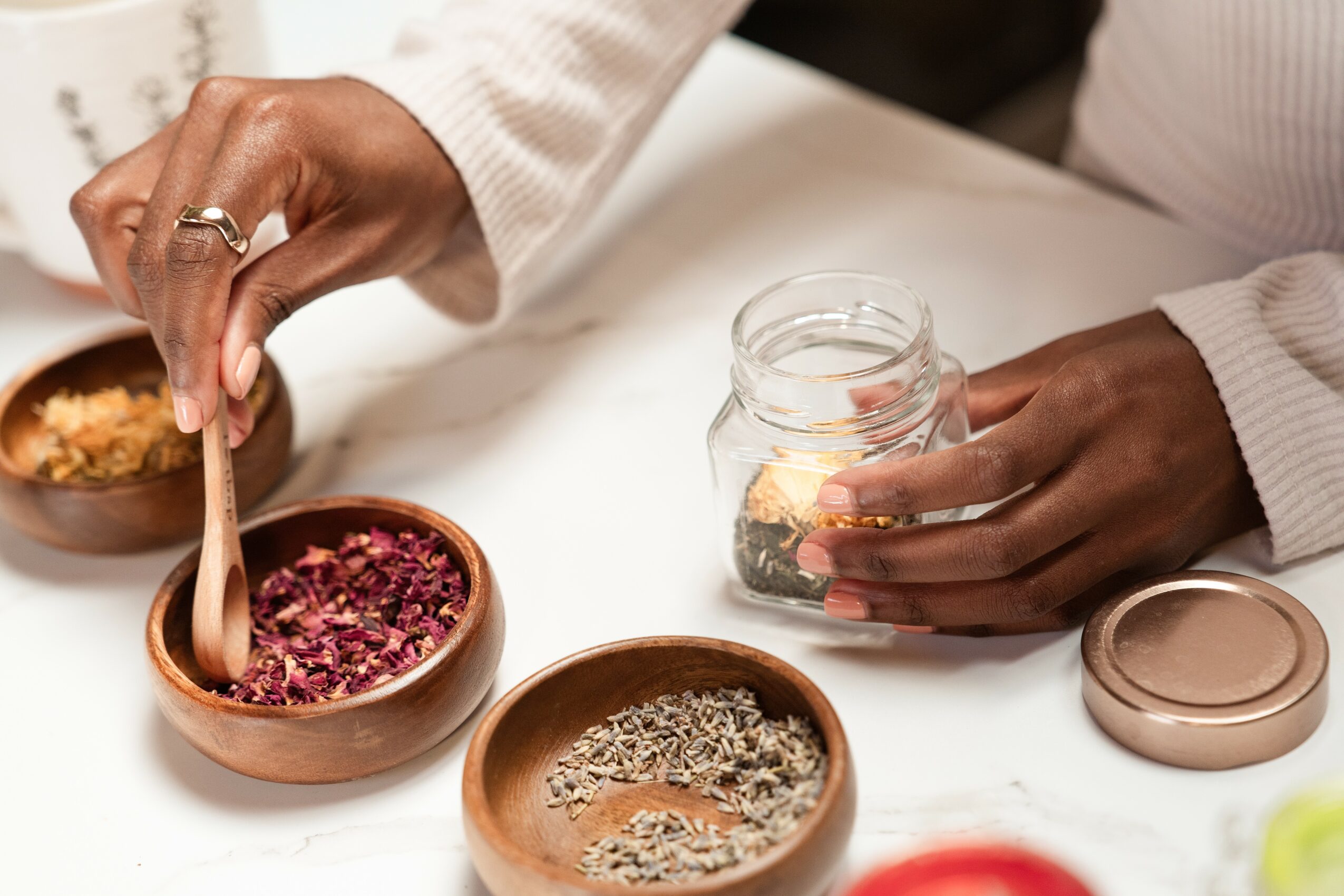
So I stayed, and I continued to build bridges between the worlds of medicine, healing, and community. During medical school, I became a doula through my training and work at Mamatoto Village in Washington, D.C. I studied energy medicine and Reiki through Zawadi Arts & Leadership Training Institute and continued deepening my knowledge of botanical medicine. In many ways, I consider herbal medicine a form of energy healing, working not only through the physical body, but through relationship, spirit, and the wisdom of the natural world. I also organized a health lecture series taught by one of my mentors, a prominent Black naturopath in the city. The series served as a bridge between the university and the larger community, creating space for learning, dialogue, and connection around health and wellness. These experiences grounded me as I navigated medical school. They kept me rooted in community and purpose, allowing me to serve while I studied to become a physician. They also helped me to expand my skillset in the healing arts.
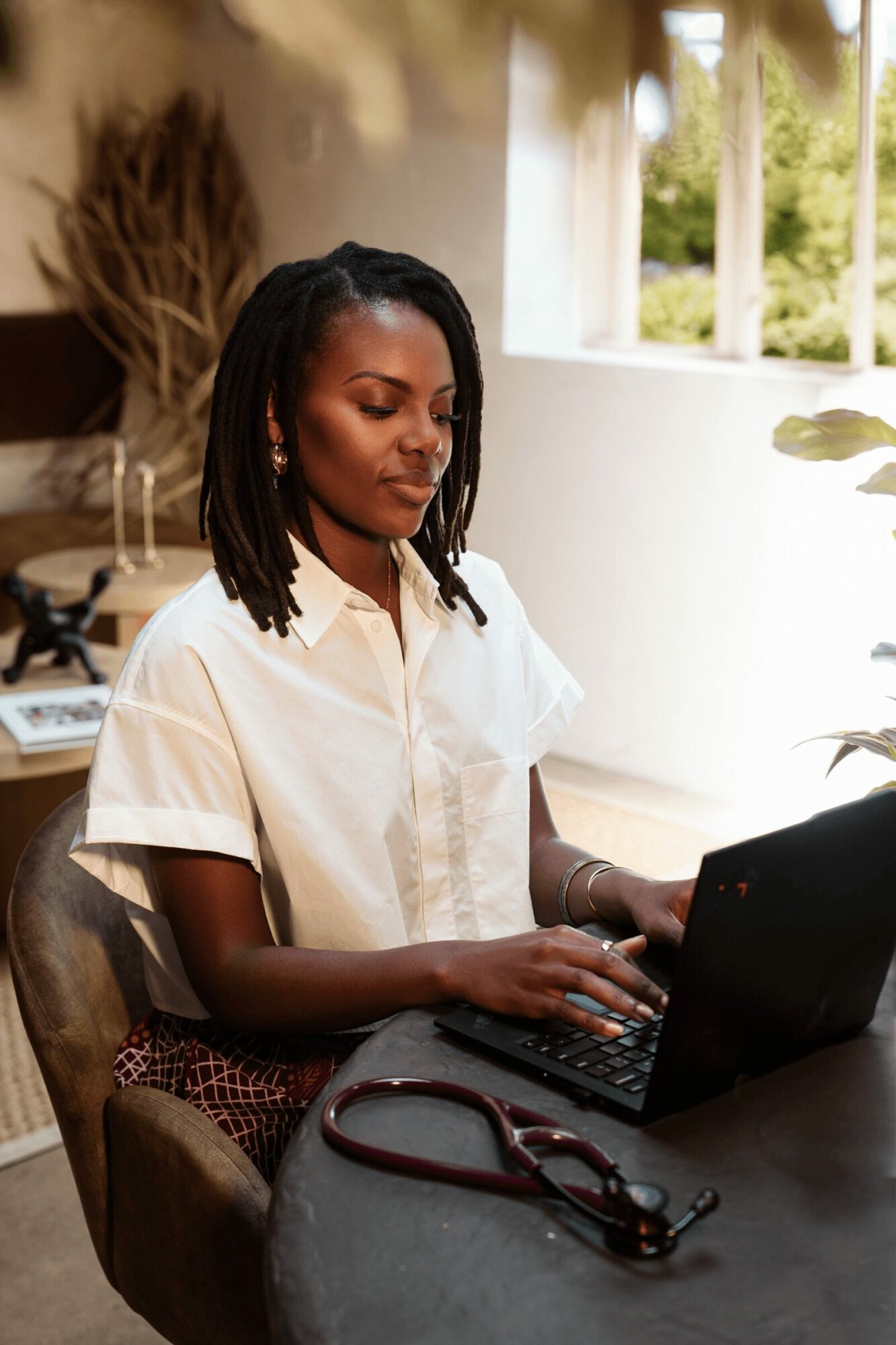
My commitment to holistic medicine led me to residency at the University of Arizona, a place widely recognized as one of the leading institutions for integrative medicine, where I became a board-certified family medicine physician. I went on to complete two fellowships in integrative medicine and continued learning how to weave together evidence-based medicine, nutrition, botanical medicine, lifestyle medicine, and mind-body healing.
My journey has been a process of integrating my values, authenticity, and purpose into this work. I learned to move beyond the conventional path in order to become the physician my community deserves and to build something extraordinary in service of our healing.
That process helped me to refine my vision and give birth to Jumuiya Holistic Health, a direct primary care and wellness practice created to offer holistic and integrative family medicine, with a foundation of serving the BIPOC community. Jumuiya is my way of bringing together the worlds I have always felt called to honor: evidence-based medicine, ancestral wisdom, cultural alignment, and whole-person healing. In this time, when people of color, women, and historically marginalized communities deeply need spaces of safety and refuge, including within healthcare, Jumuiya feels both timely and necessary.
Through Jumuiya, I bring forth all that I am, my training, skills and life experiences. My focus is on root causes, prevention, and transformative, sustainable lifestyle changes, not medication alone. To achieve true balance, we must address the whole person.
I also believe healing is collective. Isolation is so common, I aim to cultivate spaces for connection. That means extending care beyond the exam room through workshops, community education, and intentional gatherings that support wellness, belonging, and shared healing.
I feel I am just at the beginning. My vision for how Jumuiya Holistic Health will evolve, as both a practice and a healing space, is expansive. I see it growing into a place where medicine, culture, community, education, and restoration come together in service of collective wellness.
I’m sure it wasn’t obstacle-free, but would you say the journey has been fairly smooth so far?
The journey has not been without challenges. It has come with many moments of inner stretching, questioning, and deep personal growth. My earliest struggle was reconciling who I am and the kind of healing I believe in within the structure of allopathic medicine. I often felt the disharmony between my holistic values and medical training. At the same time, I was learning how to balance my own wellness with the demands of becoming a physician and mothering. I became a mother in the middle of medical school and was guiding a toddler during residency! So much of my journey required resilience, discipline, and an unwavering commitment to my purpose.
More recently, the challenges have centered around entrepreneurship: learning the business side of medicine, navigating systems, making decisions, understanding legal and compliance responsibilities, and building something from the ground up while staying true to my passion and the quality holistic care I want to offer my community.
I also consider myself a creative, and in this season of my life, business has become one of my main creative outlets. Building Jumuiya has taught me that entrepreneurship requires vision, flexibility, and trust. When something does not unfold exactly as I imagined, I get to return to the canvas, sometimes starting fresh, sometimes painting over what is already there, and allowing the vision to keep revealing itself.
Still, I have never been without support. Throughout the journey, I have been guided, encouraged, and held by mentors, elders, family, friends, and community. I have learned to trust my intuition and the spiritual guidance that often arrives in unexpected ways.
One of the beautiful parts of building a direct primary care practice has been connecting with a community of other physicians who are also following their passion and creating a different way forward outside of conventional, corporate medicine. I have made meaningful connections with doctors who are thriving in this space, and they have offered encouragement, wisdom, guidance, and resources that have been invaluable in helping me bring Jumuiya Holistic Health to life.
More challenges will undoubtedly continue to arise, it is the way of life, yet I have the resources, support, and drive to move through them with grace and grounding.
Appreciate you sharing that. What should we know about Jumuiya Holistic Health?
Jumuiya Holistic Health is a direct primary care and wellness practice offering holistic and integrative family medicine, rooted in service to BIPOC communities. Through Jumuiya, I provide relationship-centered holistic and integrative primary care that blends evidence-based medicine with lifestyle medicine, nutrition, botanical medicine, and mind-body practices.
At its core, Jumuiya was created to offer health care that feels more human, intentional, and whole. I focus on prevention, root-cause care, chronic disease support, women’s health, wellness education, health coaching, and sustainable lifestyle change. My approach extends beyond medication. It is about understanding the whole person, their story, stress, environment, culture, nourishment, relationships, and lived experiences, and recognizing how each of these shapes health and their unique path toward wellness.
What sets Jumuiya apart is the depth of time, presence, and cultural alignment woven into the care. As a direct primary care practice, Jumuiya offers longer visits, more direct access, transparent negotiated membership-based pricing, and a personalized health care experience that is not rushed nor dictated by insurance billing. Patients are able to be seen, heard, and supported in a way that allows for deeper healing and meaningful change. Jumuiya is not just a medical practice, it is a vision for community wellness.
Beyond the exam room, I envision the practice growing through workshops, community gatherings, wellness education, and spaces that help people reconnect with themselves, their bodies, and each other. Jumuiya Holistic Health was created with intention. It is for people who desire a different kind of healthcare experience, one grounded in relationship, community, cultural alignment, and holistic wellness.
In the future, I hope to acquire land where we can cultivate both food and medicine. I believe that reconnecting with the earth is a powerful part of the healing process. My vision is to invite patients and community members into that experience, to plant, grow, learn, and remember our relationship with the natural world. In many ways, I see this as part of the healing work: returning to the land, reconnecting with our food, and reclaiming wisdom that has always been available to us.
If we knew you growing up, how would we have described you?
Growing up, I was quiet, introverted, imaginative, and deeply sensitive. I spent a lot of time outdoors communing with nature, mostly playing in the dirt, picking leaves and flowers, and being fully present with the natural world. Looking back, I like to think I was making medicine even then.
In my elementary years, I learned what it meant to navigate being “the only.” I was an only child, and often the only Black child in my class. That experience shaped my awareness early. It made me observant, reflective, and deeply attuned to belonging, identity, and the importance of being seen.
I loved to read, and I still do. Reading remains one of my favorite hobbies, though early on I struggled with it in school, mostly because I was not always interested in the books we were given. But once I found stories and subjects that spoke to me, I could get lost in them. In fact, I would sometimes skip out on playing with the neighborhood kids just to finish a book. To me, reading was even better than watching television.
I was also very creative. I loved making things: picture frames, paintings, jewelry, and anything I could put my hands on. I could turn a paper towel roll into a masterpiece by my own standards. I could be content for hours with a poster board and a few markers.
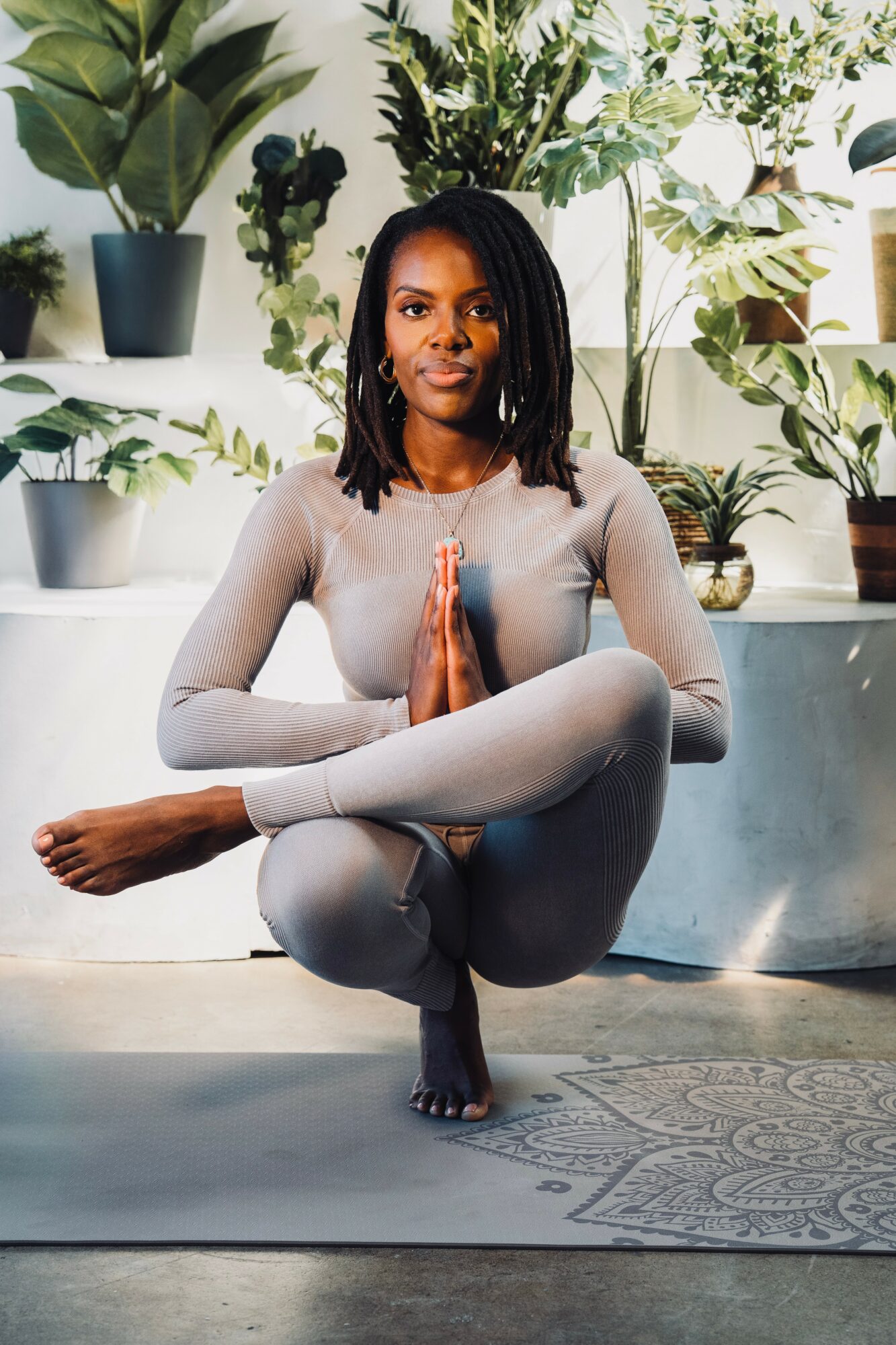
I was an athlete. I ran track from middle school through high school and cheered from elementary school through my first year of college. Movement has always been a part of how I care for myself. I still run now; it helps balance and ground me. While I no longer cheer, I maintain my flexibility and mind-body connection through yoga.
I was definitely a nerd, and I fit the description well: tall, skinny, glasses, often at the top of the class, and my favorite subject was science. I knew from a very young age that I wanted to be a doctor, and my parents nurtured that dream every step of the way. I also had amazing teachers who believed in me so deeply that some called me “Dr. Powell” even in middle school. That kind of unwavering belief fortified my drive. It gave me confidence and helped me believe there was no doubt that I would accomplish what I set out to do.
Family was also a huge part of my childhood and remains central to who I am today. I grew up surrounded by a large family, with countless gatherings, reunions, cookouts, Super Bowl parties, and “get-togethers” just because. Food was often one of the ways we shared love, care, and connection. I spent a great deal of time with elder women, especially my grandmother and great-aunt. They taught me, at a very young age, how to be still, to sit in silence, and just be with myself. I owe much of my “old spirit” to that sacred and cherished time with them. In fact, some of my college friends used to call me “Grandma.”
As an only child, I spent a lot of time in solitude, and that solitude gave me a vivid imagination. I learned how to dream, how to envision, and how to create the reality I desired to experience. I believe that is part of what fuels my creativity and manifestations today. Looking back, so much of who I am now (the lover of nature, the physician, the creative, the visionary) was already present in me as a child.
Contact Info:
- Website: jumuiyaholistichealth.org
- Instagram: @natondrapowellmd


Popular
-

Hidden Gems: Local Businesses & Creatives You Should Know
-

ATL’s Most Inspiring Stories
-

Portraits of Atlanta
-

Quinetta Ashford on Reinventing Her Creative Journey, Fighting for Better Healthcare Advocacy, and Finding Healing Through Art and Voice
-

Miguel Carmona III on Democratizing Trucking Knowledge, Helping Operators Avoid Costly Mistakes, and Building Smarter Transportation Businesses
-

Kiara Gardner on Using Storytelling, Mental Wellness, and Creative Media to Build Spaces for Healing and Human Connection