







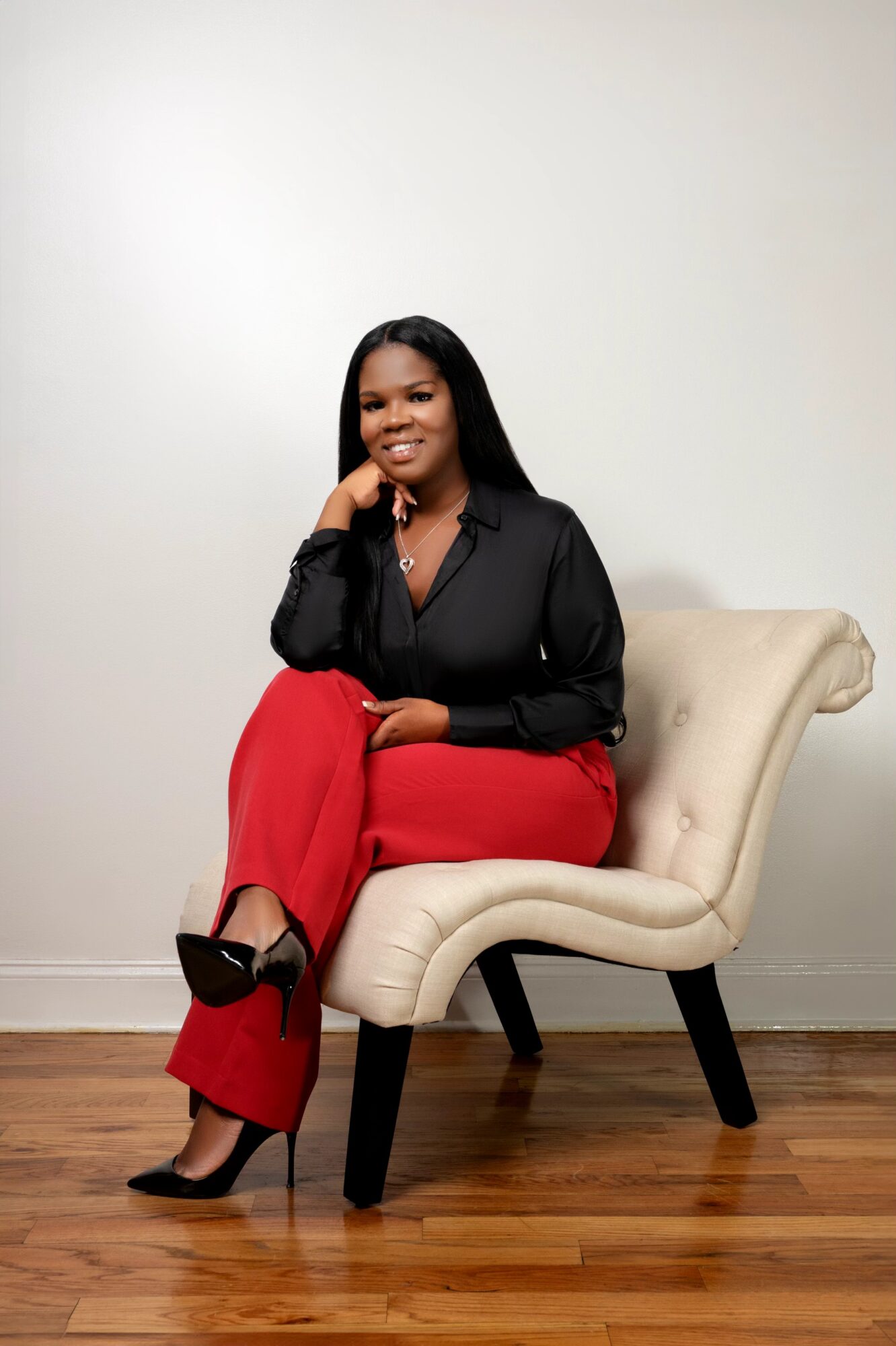
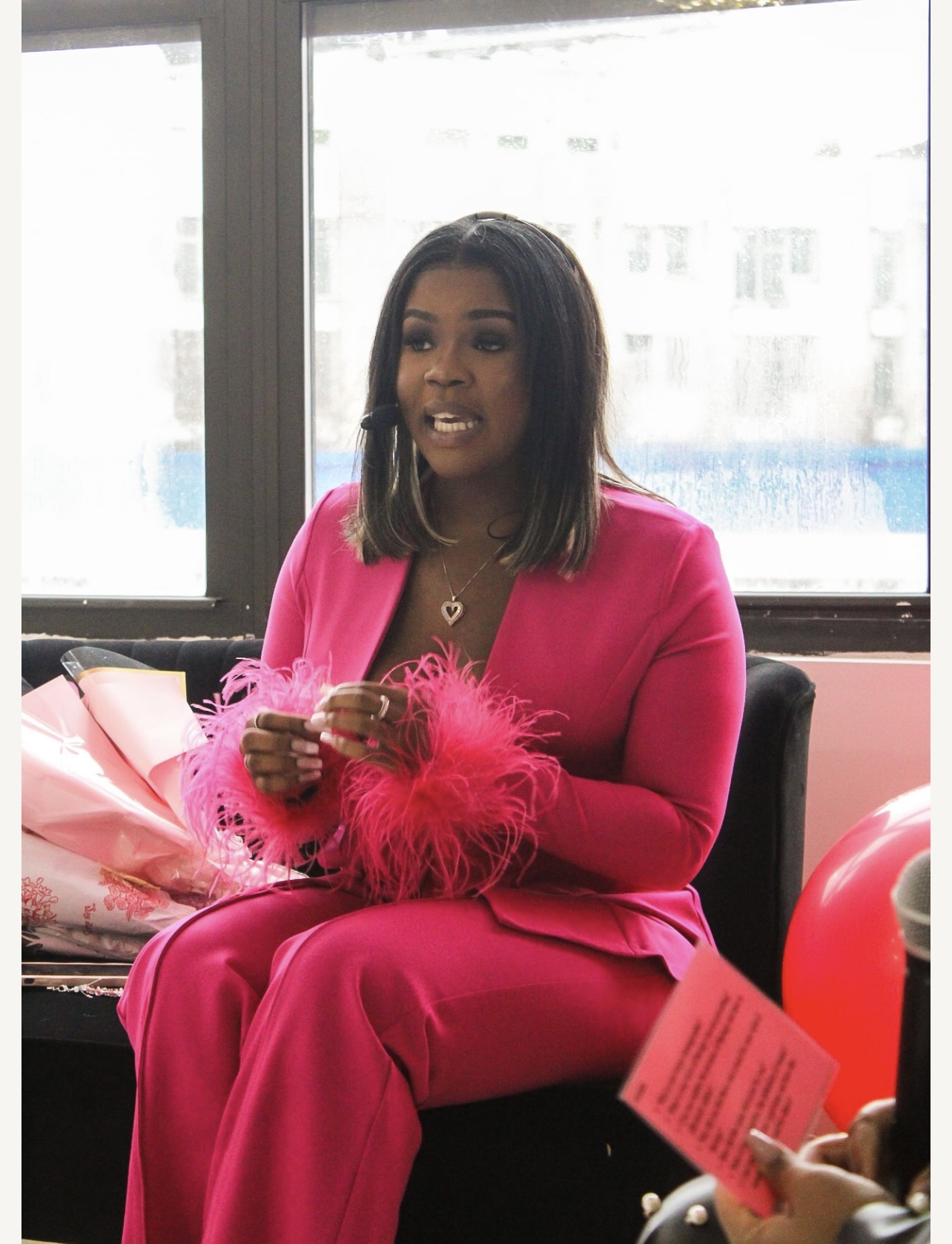
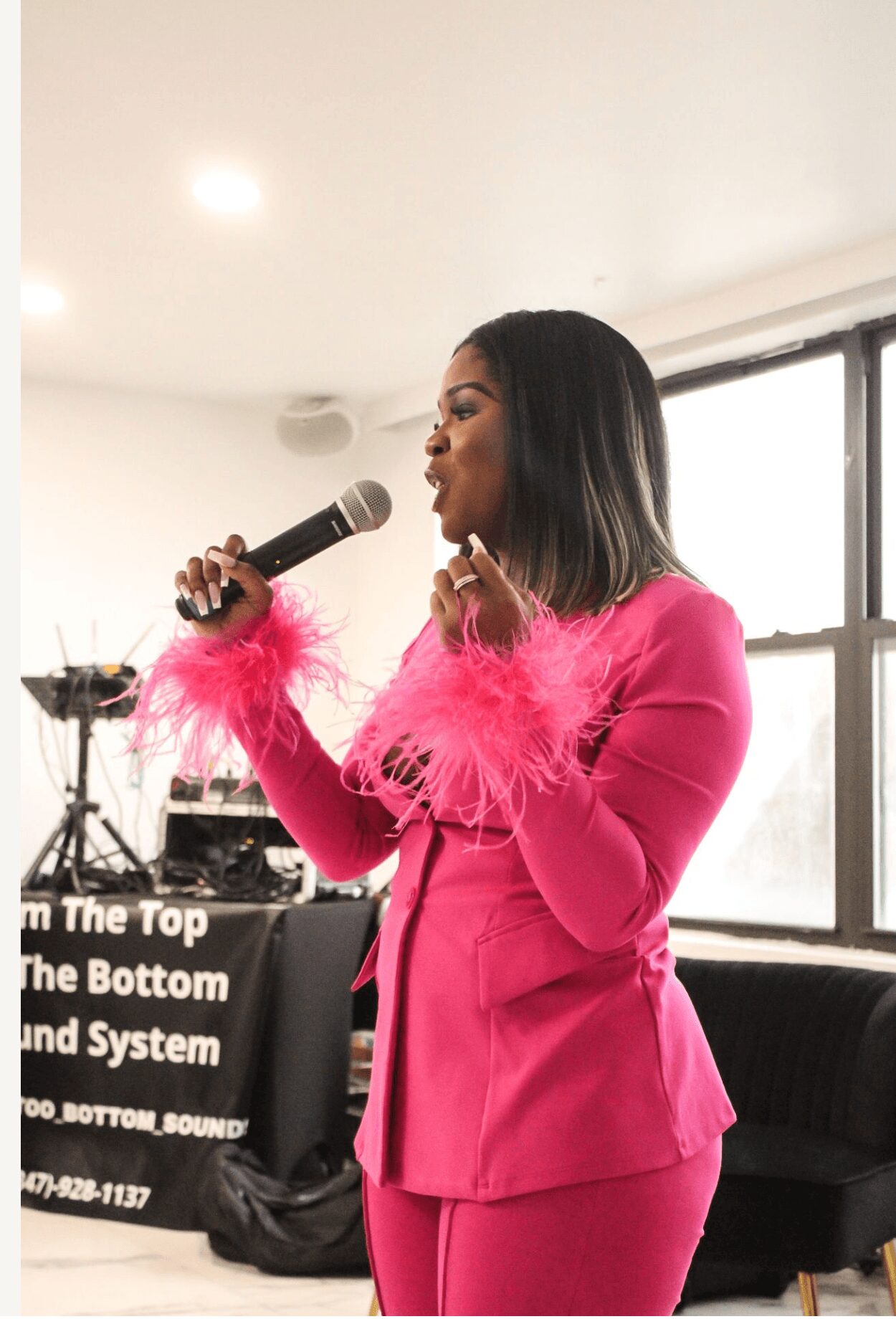
Today we’d like to introduce you to Assata Thomas.
Assata, we appreciate you taking the time to share your story with us today. Where does your story begin?
My journey into this work really started with a simple desire: I’ve always wanted to give back and serve my community. As a young girl, I didn’t quite know what that would look like, but I knew it was there.
As I got older, I started to notice a pattern—friends and family naturally came to me for advice, for support, for a listening ear. That’s when things began to click. I decided to study psychology in college, and from there I was introduced to the depth and complexity of mental health. I didn’t just want to understand people—I wanted to help them heal.
Pursuing licensure was a journey in itself. It challenged me academically, professionally, and personally. And in the middle of building my career, life happened in a very real way. I went through a significant shift in a romantic relationship that brought me an overwhelming amount of pain. It was one of the lowest points in my life.
And in that space, I came to a hard truth: there wasn’t anyone who could simply fix how I felt.
That realization changed me.
I turned inward, and I deepened my personal relationship with God. Although I was raised in a Baptist church and had always been a believer, this was different—it became personal, intentional. I found my way back to community, back to church, and I committed to my own inner healing and growth.
I often say that this was the moment I became an alchemist.
I took pain and transformed it into purpose. That pain became passion—and that passion became a calling to help others heal in a real, grounded way.
From that point on, I stopped second-guessing my path. I made the decision to walk fully in my purpose, even when it felt uncertain. And that decision ultimately led me to where I am today—building a practice, serving others, and creating spaces where people can do the same kind of transformative work that changed my life.
I didn’t get here by having all the answers. I got here by staying committed to the process, trusting my growth, and allowing both my personal and professional experiences to shape the work I do today.
We all face challenges, but looking back would you describe it as a relatively smooth road?
The road to building my private practice has been anything but smooth—and honestly, that’s the part I don’t want to skip over.
Before I ever stepped into entrepreneurship, I was deeply rooted in clinical work. I spent nearly nine years at the New York Foundling, where I served as a clinical supervisor. I had a full team, I was overseeing 24 cases, and on paper, everything was working. I was doing what I was trained to do, and I was doing it well.
But at some point, something shifted.
I started feeling this persistent pull to move on. Not because I was unhappy—I actually loved my role—but because something in me kept saying, “There’s more.” And the hardest part was, I didn’t have clear instructions for what that “more” was supposed to look like. I knew how to provide therapy. I knew how to lead a team. But I didn’t yet know how to build something of my own.
And then I made a decision that didn’t make logical sense to a lot of people—I relocated to Atlanta. At the time, I wasn’t even licensed in the state. So here I was, leaving a position I loved, stepping away from stability, and moving into the unknown without a clear roadmap.
And I’m not going to romanticize that part—it was difficult.
Starting a private practice from the ground up challenged me in ways I didn’t expect. I had to learn how to show up not just as a clinician, but as a business owner. I had to build systems from scratch, figure out operations, train interns to become strong, ethical therapists, and at the same time, continue serving my own clients and caring for my family.
There were moments of doubt. Moments where I questioned if I had made the right decision. Moments where the weight of responsibility felt overwhelming.
But I stayed with it.
And when I pause now, and I look back over the last two years, I see something completely different. What started as an idea—something I couldn’t fully articulate at the time—has become a fully operational practice. A space where not only I can serve, but where other clinicians are growing and clients are being supported every single day.
So when I say the road hasn’t been smooth, I mean that. But I also mean that every challenge forced me to become more clear, more intentional, and more aligned with the kind of impact I wanted to make.
This journey taught me that clarity doesn’t always come before the decision. Sometimes, clarity is the result of movement. Of trusting yourself enough to take the step, even when the full picture isn’t there yet.
And if there’s anything I stand on today, it’s this: what felt uncertain at the beginning was actually the foundation for everything I’m building now.
Alright, so let’s switch gears a bit and talk business. What should we know?
When people ask about my practice, I like to start with what matters most—how people experience us.
We are a Black-owned private practice that serves a wide range of clients: couples, individuals, families, adolescents, and the elderly. At our core, we believe there is no one who cannot be served. Every person who walks through our doors comes with a story, and we take that responsibility seriously.
But what truly sets us apart isn’t just who we serve—it’s how we serve.
In a field where numbers can sometimes take priority, we’ve made a very intentional decision: it’s not about how many clients we see, it’s about how our clients leave. What did that interaction feel like? Did they feel heard, respected, and genuinely cared for? Did they experience something that shifted them, even in a small way?
We focus on creating an experience.
There is no “big me, little you” dynamic here. Therapy, in our space, is not about hierarchy—it’s about connection. It’s about meeting people where they are, walking alongside them, and creating a space where they feel safe enough to do the work that healing requires.
And that extends beyond just me. I’ve been very intentional about building and training a team of clinicians who share that same level of passion, care, and integrity. Because the truth is, a practice is only as strong as the people within it.
What I’m most proud of, brand-wise, is that we’ve been able to build something that feels human. Something that prioritizes impact over image. We are not trying to be everything to everyone—we are committed to being meaningful to the people we serve.
For me personally, this work is bigger than a business.
I wake up every morning with a desire to impact someone—to make a difference in at least one person’s life that day. And that keeps me grounded. It keeps the work honest.
So if there’s one thing I want people to know about our brand, it’s this: when you come to us, you’re not just receiving a service—you’re stepping into a space where your experience matters, your voice matters, and your healing is approached with intention, respect, and care.
Before we go, is there anything else you can share with us?
If there’s one thing I want to leave readers with, it’s this: mental health is not something we should pick up only when life becomes overwhelming and then put back down when things feel “okay.” It’s something we should be tending to consistently.
You don’t have to be in crisis to prioritize your mental health.
We’ve normalized maintaining so many other parts of our lives—our phones, our cars, our appearance—but we often neglect the one thing that impacts how we experience all of it: our minds. Mental health is maintenance. It’s daily, intentional care.
Our nervous systems are constantly responding to the world around us. They carry stress, adapt to pressure, and try to keep us functioning. But they also need rest. They need moments of safety, regulation, and healthy experiences to balance everything we ask of them.
So I encourage people to start treating their mental health with the same level of priority they give to the things they check every single day. Just like you wouldn’t ignore a phone that needs charging, don’t ignore the signs that your mind and body need care.
When we begin to approach mental health this way—not as a last resort, but as a lifestyle—we create more space for clarity, stability, and overall well-being.
Contact Info:
- Website: https://stan.store/Assatallc
- Instagram: @theywhostruggle @assatathomas

Popular
-

Hidden Gems: Local Businesses & Creatives You Should Know
-

ATL’s Most Inspiring Stories
-

Portraits of Atlanta
-

Satoya Hayes on Turning Beauty 2 Extensions into a Platform for Affordable Confidence and Entrepreneurial Opportunity
-

Asha Ford on Building Krystal Klear Motion and Creating Purpose-Driven Design for Women
-

Truth in Every Verse: Jay Erve on Identity, Experience, and Creating Art That Lasts