






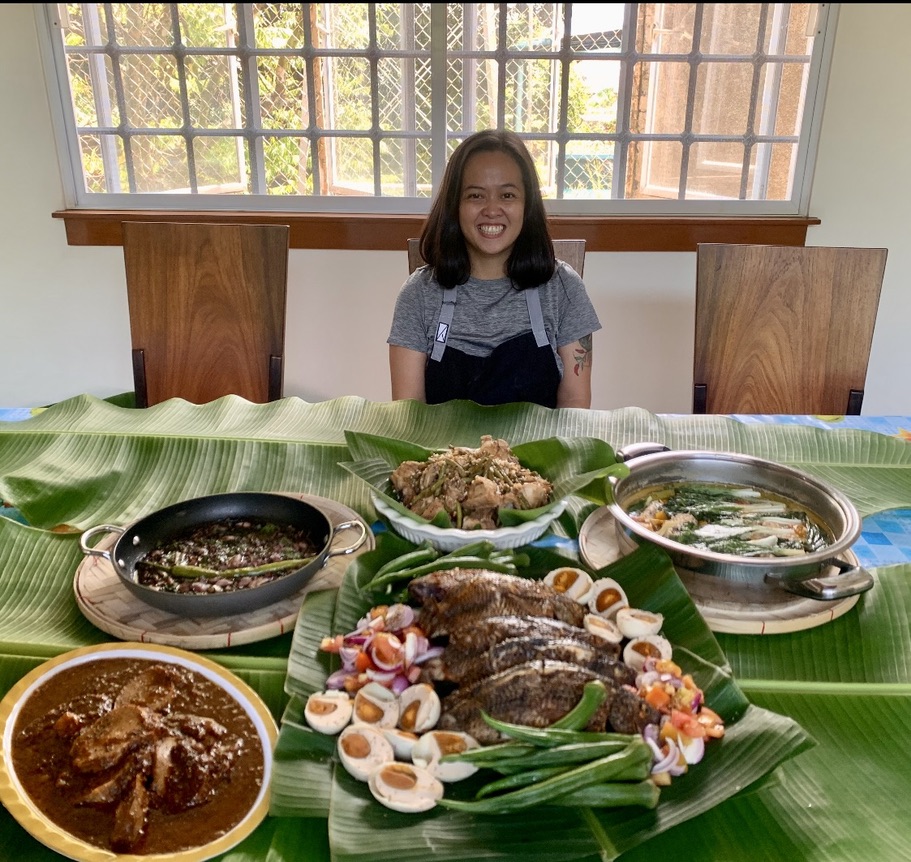
Today we’d like to introduce you to Isi Laureano.
Hi Isi, so excited to have you on the platform. So before we get into questions about your work-life, maybe you can bring our readers up to speed on your story and how you got to where you are today?
1983: I was born and raised in Trias Street, Hulong Duhat, Malabon, surrounded by generations of women and elders who cooked not as a profession, but as a way of life. I grew up in a household where food was always freshly made, never stored, because the palengke was just there—part of our daily rhythm. There were no fast-food chains, no malls, no convenience stores then. Only family-run stalls, bakeries, and neighbors who fed each other.
My grandparents, Lolo Virgilio “Pido” Laureano and Lola Concordia Laureano, ran sari-sari stores at the Hulong Duhat market. One sold bread, candies, and biscuits; another household and laundry items; another nuts, butong pakwan, and snacks like fish and shrimp crackers that were cooked fresh daily. Food was labor, memory, and survival. Everything was made from scratch.
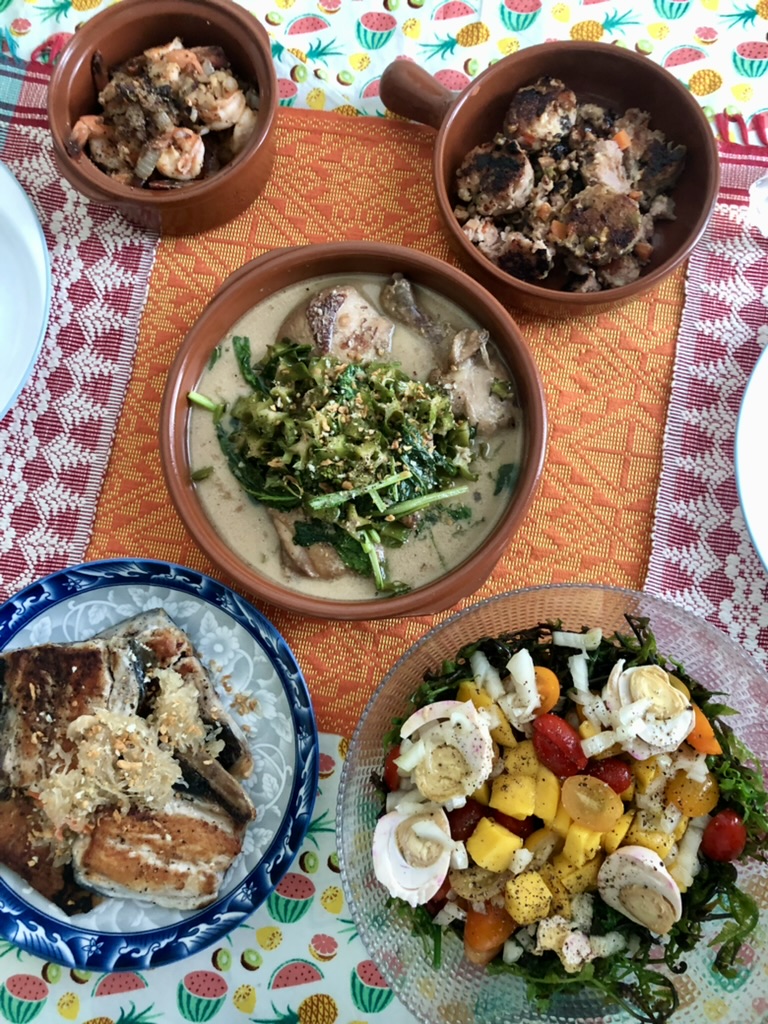
We lived simply. No helpers. Ingredients were bought daily, only what was needed. Malabon, being a fishing and coastal city, meant that seafood shaped our table: tinapa, tuyo, daing, rellenong isda, halabos na mga lamang-dagat, sugpo sinigang, torta, adobo, and sarciado. Coconut milk was not common in our everyday cooking—fish soups and seafood dishes were. One unique dish my lola fed us was tapang kabayo. I didn’t even know it was horse meat until years later.
My weekdays were structured around food. Breakfast at 5AM, cooked by Nanay Cordia before my parents—Jigger and Beth Laureano, both working at the Philippine Orthopedic Center—headed to work and beside it, I went to Saint Theresa’s College. Lunch was always home-cooked. Dinner was prepared by Tatay Pido. Meryenda was sacred: Valencia (triangle turon with pinipig malagkit) from Aling Tessie on Flores Street, or any kind of pancit. Her champorado remains incomparable to me—no other version ever came close.
Our neighbors were our extended kitchen. A nearby carinderia run by Mother Helen and Ate Virgie fed us for years. Another, Aling Mely’s, still does. Their food mirrors what my grandparents cooked, which is why it still feels like home to me now that my elders are gone.
Weekends were feasts. My lola’s weekend BBQ meant marinated pork chops, fresh talaba, prawns, crabs, inihaw na bangus stuffed with tomatoes and onions, paired with homemade sago’t gulaman or fresh melon juice. Sundays meant Malabon lechon, not as a luxury, but as a practical rest-day food. You could short-order lechon at the palengke—served with tinumis and paksiw na lechon—always sold out before lunchtime.
This was my food education. My gauge of taste. Malabon was isolated then—known only for floods, Pancit Malabon, Rufina patis, and sapin-sapin. Flooding was part of life; we had boots ready. We adapted.
Food was everywhere. Betsy’s Cakeshop, run by my grandaunt Mama Bella Serna, was our second home. The mother of Tita Betsy, the eldest sister of my grandfather, Lolo Pido. Our family of bakers worked there. All our birthdays, celebrations, and milestones happened inside that bakery. Mama Bella invented the soft broas with buttercream inside—something you had to go to Malabon to taste. There were no deliveries, no phone cameras back then. Everything I carry now is memory.
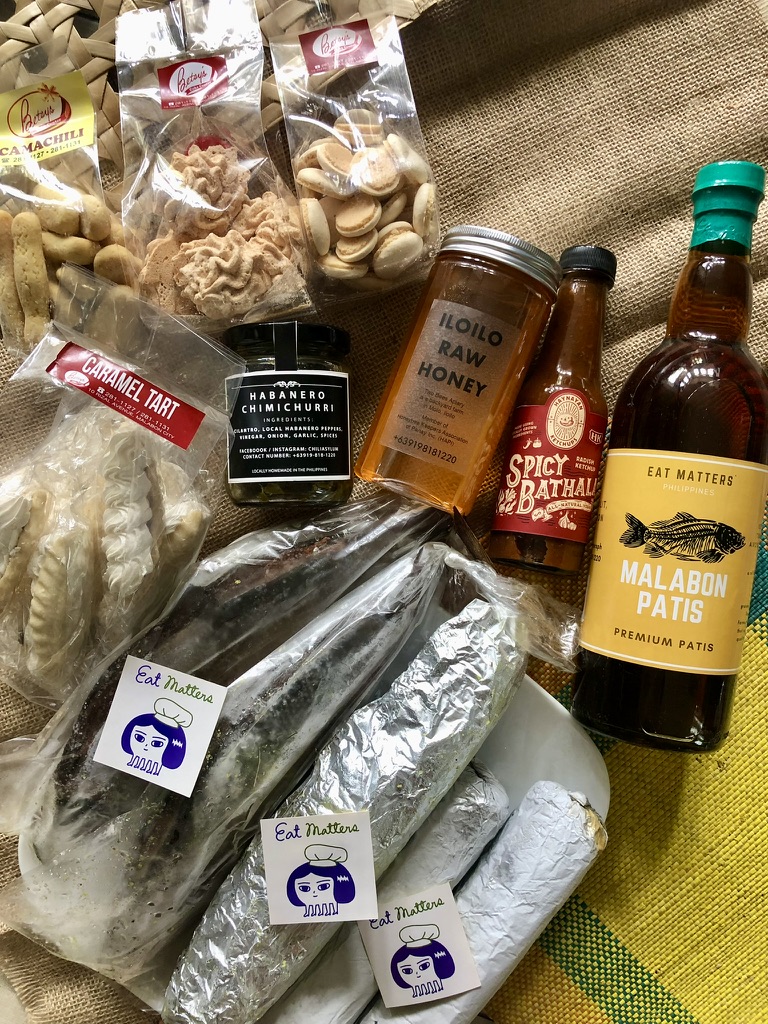
On my mother’s side, my uncle Tito Bong Guillen, from Dampalit, is the best cook I know. He makes the mechado recipe we now sell. He cooks rellenong pusit, sopas, ginataang munggo, mais, bilo-bilo, lugaw with sumpia and tokwa’t dila. Lugaw is breakfast in Malabon. Lugaw ni Onoy existed long before trends—its bamboo structure reflecting Dampalit’s kawayan trade. My maternal grandparents were seafood dealers, which meant we always had the best fish and shellfish.
This is why Malabon food is distinct: not just pancit Malabon and sapin-sapin, but a deep everyday cuisine shaped by water, markets, preservation, and community—tortang alimasag, rellenong bangus, mechado, tapang kabayo, kikiam, tinapa, bagoong, sukang Paombong, sawsawan culture, and endless varieties of kakanin.
Can you talk to us a bit about the challenges and lessons you’ve learned along the way. Looking back would you say it’s been easy or smooth in retrospect?
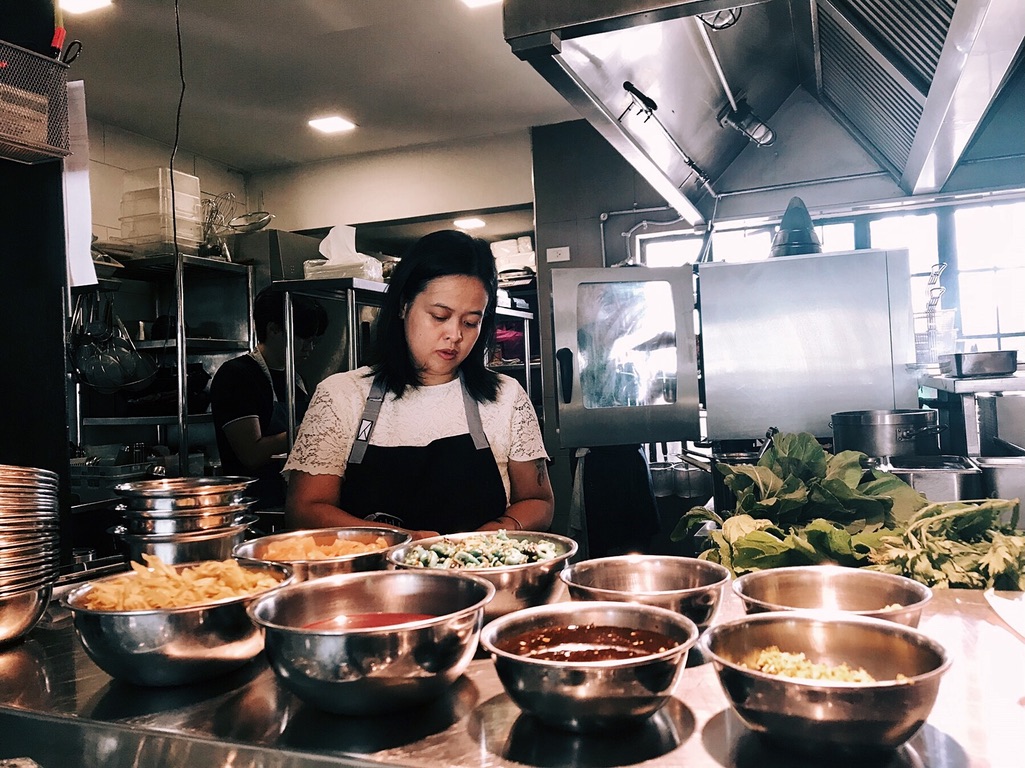
My parents did not like what I wanted, to operate inside the kitchen vs. operate in a hospital. But now they have learned that this is my passion and purpose. I have been cooking professionally, since 2005.
I am still the underdog in the industry, and that is okay.
Thanks – so what else should our readers know about EAT MATTERS?
Food and cooking have always been my language.
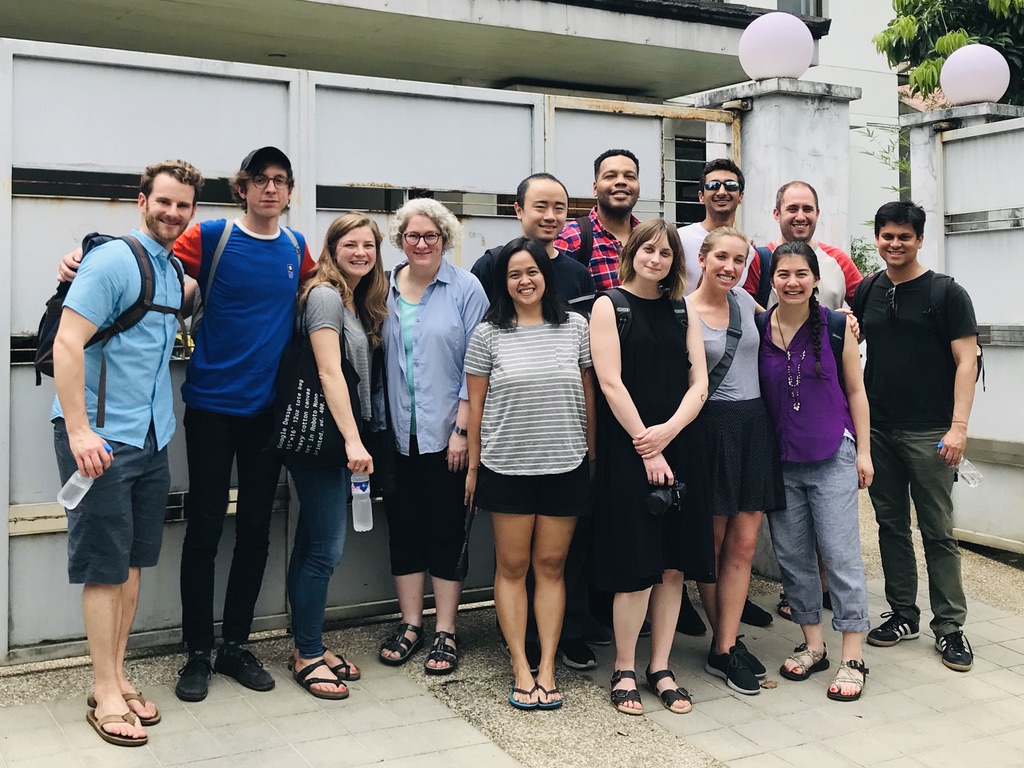
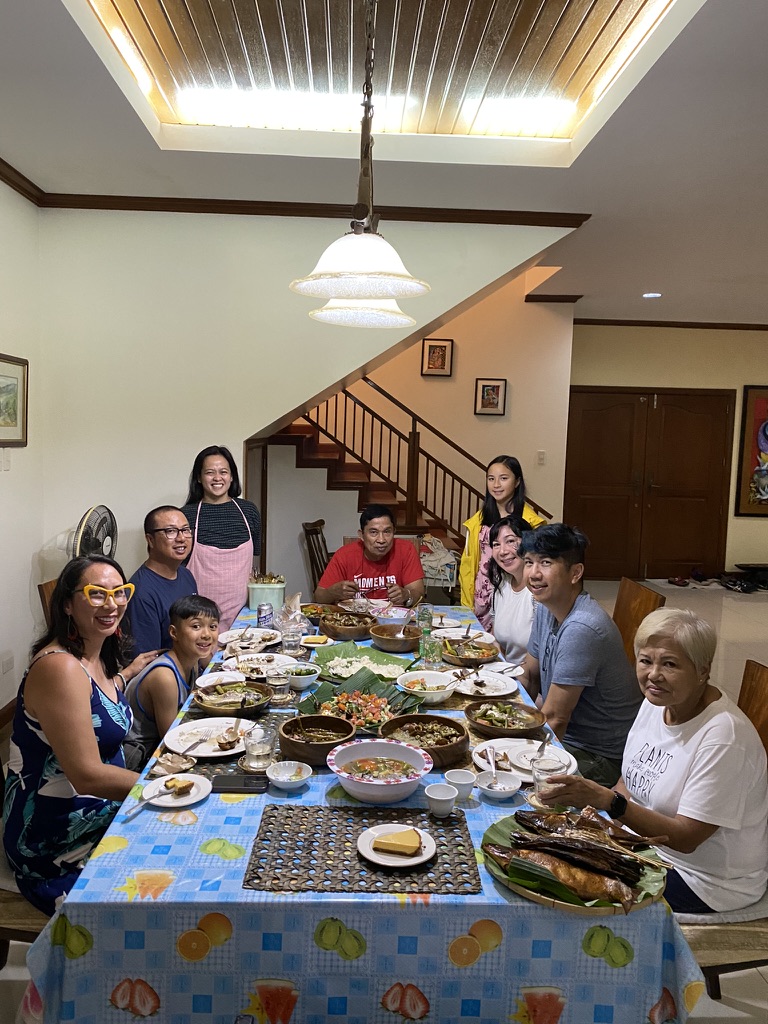
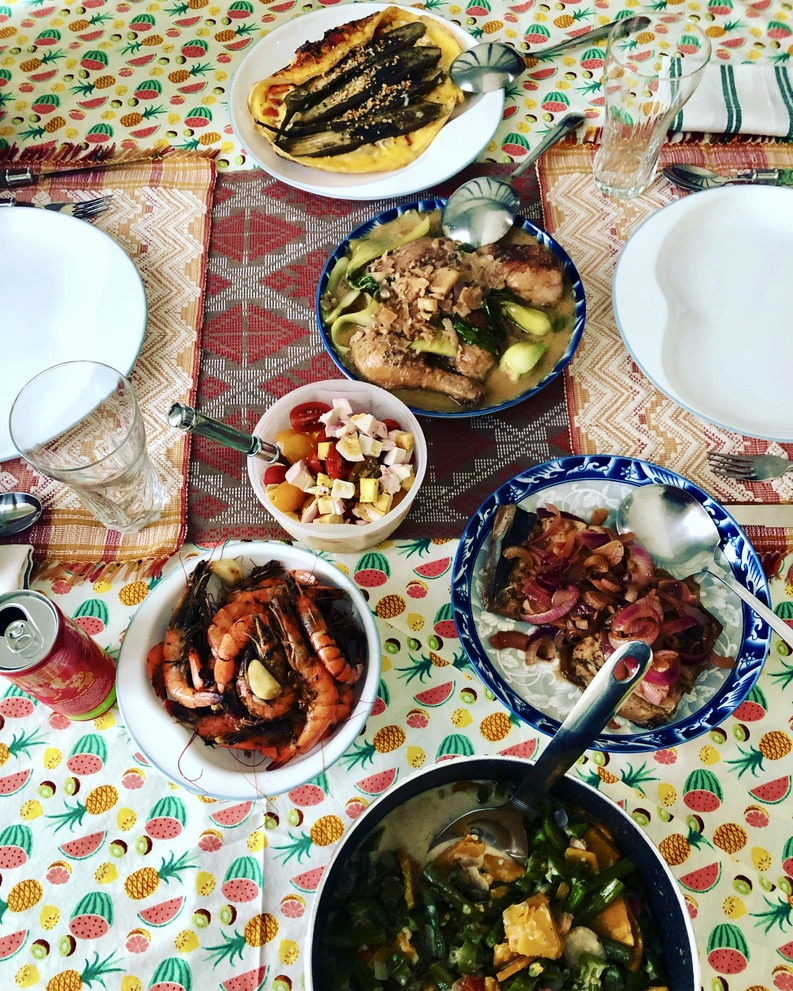
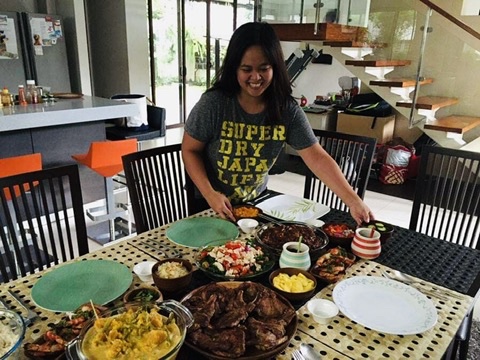
In 2016, through Traveling Spoon, I began opening my home to the world—not as a restaurant, but as a living Malabon kitchen. I became one of the pioneer hosts in the Philippines, offering market tours, home cooking, and eventually, a full Malabon Food Tour rooted in memory.
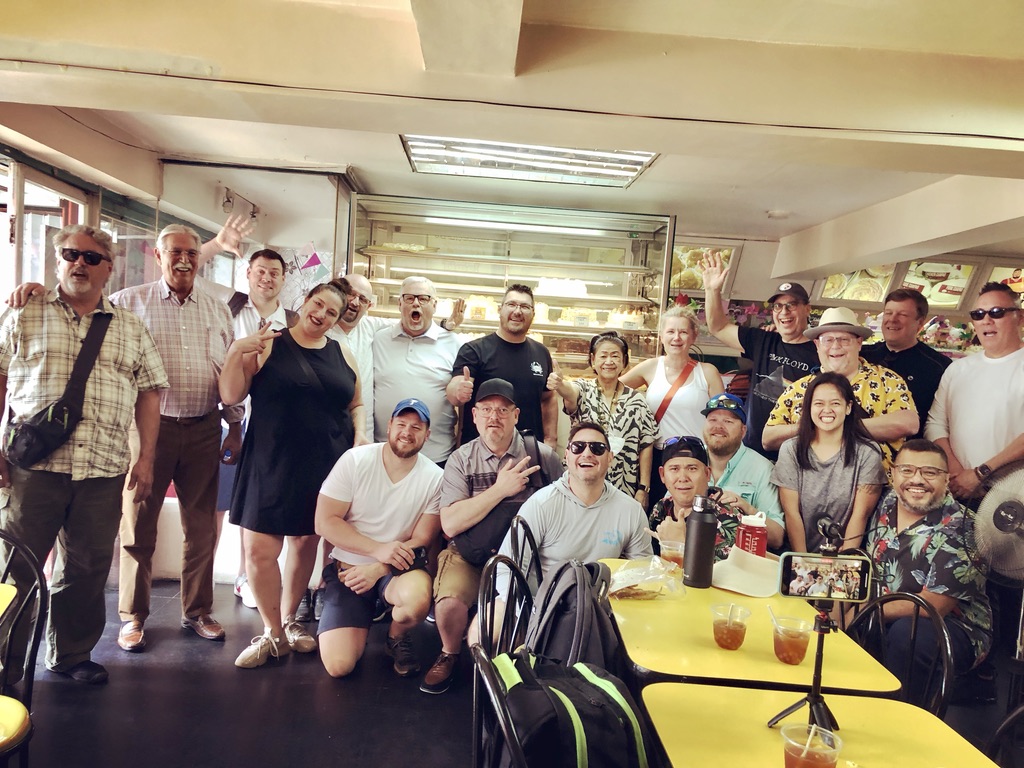
After the pandemic, when the Malabon LGU food tour program did not resume, I initiated my own in 2022 with my aunt Tita Betsy. We created a heritage and food tour via the e-tricycle, featuring churches, ancestral streets, the small Malabon museum, and most importantly, the food makers who shaped my childhood.
The tour also became a fundraising initiative for my alma mater, St. Theresa’s College QC, for our batch jubilee. The Theresiana community supported it wholeheartedly, allowing the tour to grow beyond alumni and reach people who had never been to Malabon. Now it is available in Traveling Spoon too.
In terms of your work and the industry, what are some of the changes you are expecting to see over the next five to ten years?
I will probably end up opening a deli, with all my homemade products and specialities. Run a farmstead and an animal sanctuary. I would probably cook for the rest of my life and teach cooking. If I had alot of funds, I would probably open a Filipino Cooking School.
Contact Info:
- Website: https://campsite.bio/eatmatters
- Instagram: eatmattersph
- Facebook: eatmattersph
- LinkedIn: https://www.linkedin.com/in/isilaureano/
- Other: https://solo.to/spicydiwata
Popular
-

Hidden Gems: Local Businesses & Creatives You Should Know
-

ATL’s Most Inspiring Stories
-

Summer McIntyre Is Building a Career at the Intersection of Sports, Media, Entertainment, and Digital Storytelling
-

DeAnna McIntosh Is Helping Entrepreneurs Move Bold Ideas From Vision to Reality Through Strategy, Innovation, and Execution
-

Portraits of Atlanta
-

Dr. Nicole Brown Expands Her Vision Beyond Design to Inspire Women Through Storytelling, Reinvention, and Intentional Living