




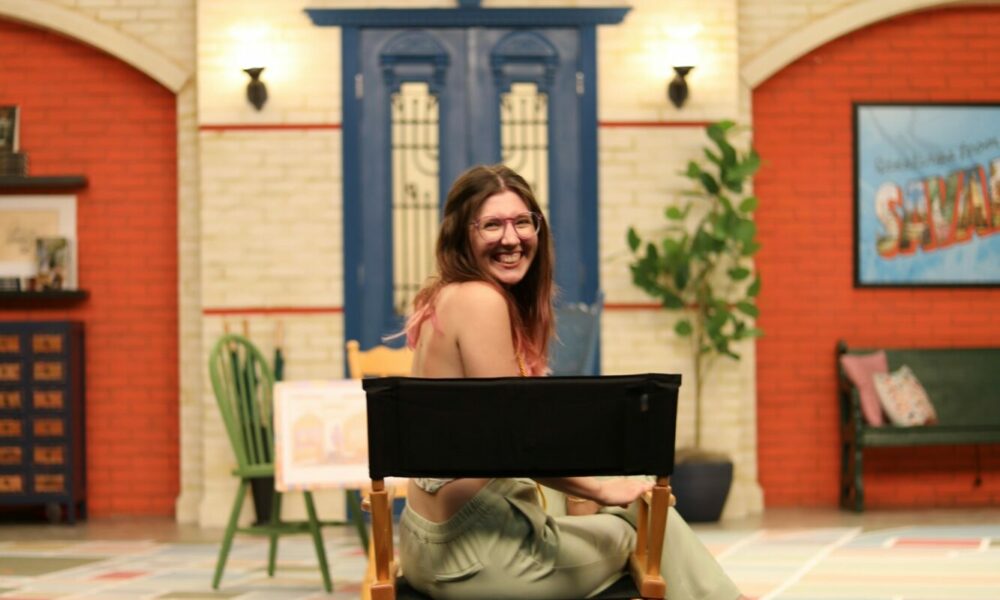
Today we’d like to introduce you to Ashley Wehrs.
Hi Ashley, so excited to have you on the platform. So before we get into questions about your work-life, maybe you can bring our readers up to speed on your story and how you got to where you are today?
Honestly, when I was younger my dad told me I should be a comedian and it went straight to my head. From then on, I was convinced I was the funniest person I knew, would ever know, and if I had to spend time with only one person for the rest of my life it would be myself. Was I twelve? Yes. Was I wrong? No comment.
My dad might’ve told me I was funny, but he was intent on humbling me with child labor. My parents don’t appreciate me calling it that, and maybe it’s kind of sort of (not really) a joke, but I’m proud of it. They own a small board game company, Calliope Games, and I don’t remember a time in which I wasn’t watching them throw their all into everything they do. My parents started their company to make games that bring people together. I learned very early on the value of shared experience, connection, and a living wage– all of which have become priorities in my work.
While I had my child-comedian ego and child labor background, I also had a short attention span and big dreams. I’ve always been a passionate person, and when it came down to choosing a career path when I was applying to college, I was stuck between pursuing Human Rights Law and Screenwriting. I always processed both as requiring a lot of empathy, perseverance, and the ability to stand unwavering behind a point of view.
I chose to pursue the Dramatic Writing B.F.A. program at the Savannah College of Art and Design’s Savannah, GA campus. I grew up just outside Seattle, WA so moving to Savannah was a really big leap for me, but I can confidently say it was one of the best decisions I’ve ever made. I was lucky to take my first Dramatic Writing class pretty early on in my education and immediately knew that screenwriting was a great medium for me. I graduated from SCAD in June 2023 and am currently working as a Junior Narrative Writer at Endless Adventures, Inc.
Would you say it’s been a smooth road, and if not what are some of the biggest challenges you’ve faced along the way?
No, but I think that’s a good thing. Fortunately, things going wrong is good for what I do. My writing operates on things that have “gone wrong”: identity theft, death, and religious trauma. I process the world by trying to make things that aren’t funny, funny. It’s like extra therapy, so my insurance gets a break.
I feel like people grow the most when they’re uncomfortable. Feeling out of place or confused… even alone can be really jarring, but ultimately those times give you what you need to be better informed about who you are, what you want to do, and all the other things.
Otherwise, I initially struggled with balancing my own voice and critiques. I’ve always loved receiving feedback, but it took me a bit to find the best way to process it and utilize it. I found when I received unexpected feedback from someone that I respected, my world would shake for a few days, and I thought I needed to fix and/or do exactly what they said, even if it felt wrong. And then I received a piece of advice I’ll never forget: a suggested change and critique isn’t necessarily the solution to a problem. However, you can use that critique to identify the feeling someone is experiencing that makes what you’re doing not work for them. From there, you can decide what to do with that information.
The people pleaser in me came to realize that if everyone liked what I was writing, I probably wasn’t doing my job right.
Alright, so let’s switch gears a bit and talk business. What should we know about your work?
I’m a writer and producer and a recent first-time director. I thrive in the dark comedy space, but truly just love to mix comedy with things you wouldn’t think it belongs with.
During my time at SCAD, I wrote over 45 works, produced two short films, and collaborated in two student writers’ rooms, one of which was for the SCAD multi-cam sitcom, “Tours and Attractions”. I wrote across various mediums, but my favorites were feature films, television, and short films. One of my favorite collaborations was with the SCAD Animation Studios for a mini-series called “The How Book”.
SCAD’s Dramatic Writing program tends to stick to the page, but you’re encouraged to collaborate across departments. I was intent on producing and directing. Two projects in particular that I’m so proud of having brought from script to screen are “For Jamie” and “American Woman”.
“For Jamie” is an LGBQT+ horror comedy about an unlikely allyship between two horror buffs and a killer lurking in the night. In many ways, this film was a love letter to horror movies and unintentionally became a cathartic expression and exploration of the queer experience. “For Jamie” was the brainchild of a car drive to Kroger with my friend and Director BreAnna Romero. She pitched a base story and asked if I could take a shot at giving it a unique twist. We quickly became intent on paying homage to the thrills and chills that have inspired our filmmaking, and I felt we had the perfect opportunity to involve horror’s long-term prominence in queer spaces and cinema. Early on in the process, I asked what she thought about me taking on a lead-producing role. I had absolutely no experience, but couldn’t have been more passionate about the project. Fortunately, we were on the same page. As my first producer credit, it completely changed my perspective on filmmaking. I loved getting involved in the nitty-gritty details, both organizationally and creatively. I was extremely excited to work with Kit Gleason, our amazing Art Director, to focus on including subtle nods to queer horror. I always knew I was interested in producing and directing my work, but this confirmed my love for being hands-on. “For Jamie” is nearing the end of the sound mixing process and gearing up to be submitted to festivals.
In my last quarter at SCAD, I co-wrote and co-directed a short film with my friend Matison LeBlanc, titled “American Woman”. Between a phone call and a trip to the dog park, our inspiration stemmed from one question: what would happen if a woman walked into the American Psycho business card scene? “American Woman” evolved into a horror satire about a woman’s experience interviewing in corporate America. That film was one of the most unexpected and quick projects I had ever worked on – we had a four-week deadline for development, pre-production, production, and an assembly cut while being able to meet in person two times a week. Gathering our crew was a miracle, and I feel like there was every reason in the world for it not to happen, but this film allowed me to do the only thing I had wanted to do at SCAD but hadn’t: directing. Since graduation, “American Woman” has been a remote project where Matison and I have been working with our incredible editor and lead producer, Stephanie Carrillo. We’re nearing picture lock and are excited to move on to coloring and sound.
Can you talk to us about how you think about risk?
I’d like to say I have a risk-taking range. I can be an impulsive risk-taker or an anxiously overaware “I know every hypothetical to this situation” risk-taker. Regardless, I’d say I’m pro risk-taking. Take the risk or lose the chance, right?
You’d think as a writer, using my voice may not feel like a risk, but at times I really felt like it was. It turns out that advocating for yourself, saying no, and asking for more can make people very uncomfortable. But I wouldn’t take back any moment in which I did any of those things. Not every interesting opportunity is a good opportunity for you, and you never know what you can get from being honest about how you feel.
In a directly creative sense, staying true to your voice can feel like a risk. There would be times I’d be doing script read-throughs with other screenwriters, and leading up to different jokes in my script, I’d squeeze my eyes shut, waiting for the second after for someone’s reaction. I knew what I wrote might’ve been perceived as a little crazy or unanticipated– I’ve had a lot of people tell me that they wouldn’t look at me and think I write what I do. There’s something so inherently human and remarkably stereotypical of an emotional artist about wanting approval. Yet regardless of someone’s reaction to our work, I think there is a risk in being true to your voice and not compromising it for the approval of other people.
I also think identifying things you want to learn and just going for it can also be really scary but rewarding. The Dramatic Writing program at SCAD doesn’t actively overlap with working on set yet, but you have every opportunity to if you try. It was so important to me to be on set. Watching how a set operates truly influences your writing: what you write and how you write it. I wasn’t taking the film classes that the students around me were, but I was really eager to learn about it. I read a lot, asked a lot of questions, and watched so many YouTube videos. I decided to shoot my shot at Script Supervising. I ended up really enjoying it and, before graduating, script supervised on a Coca-Cola Refreshing Films commercial, a Capital One commercial, and over ten short films. I got to interact with every department and learn by observing and doing.
Contact Info:
- Linkedin: https://www.linkedin.com/in/ashleywehrs/
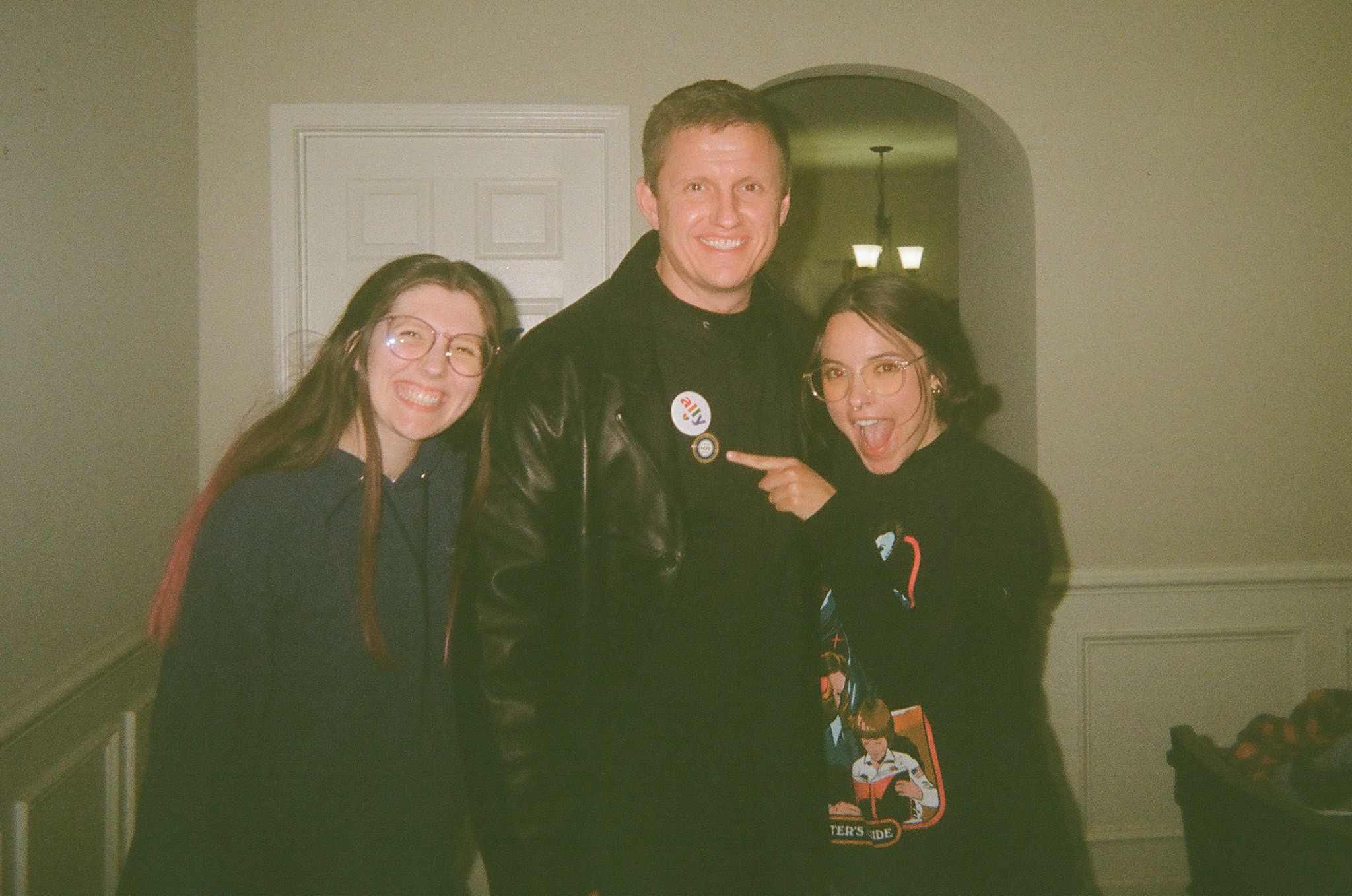
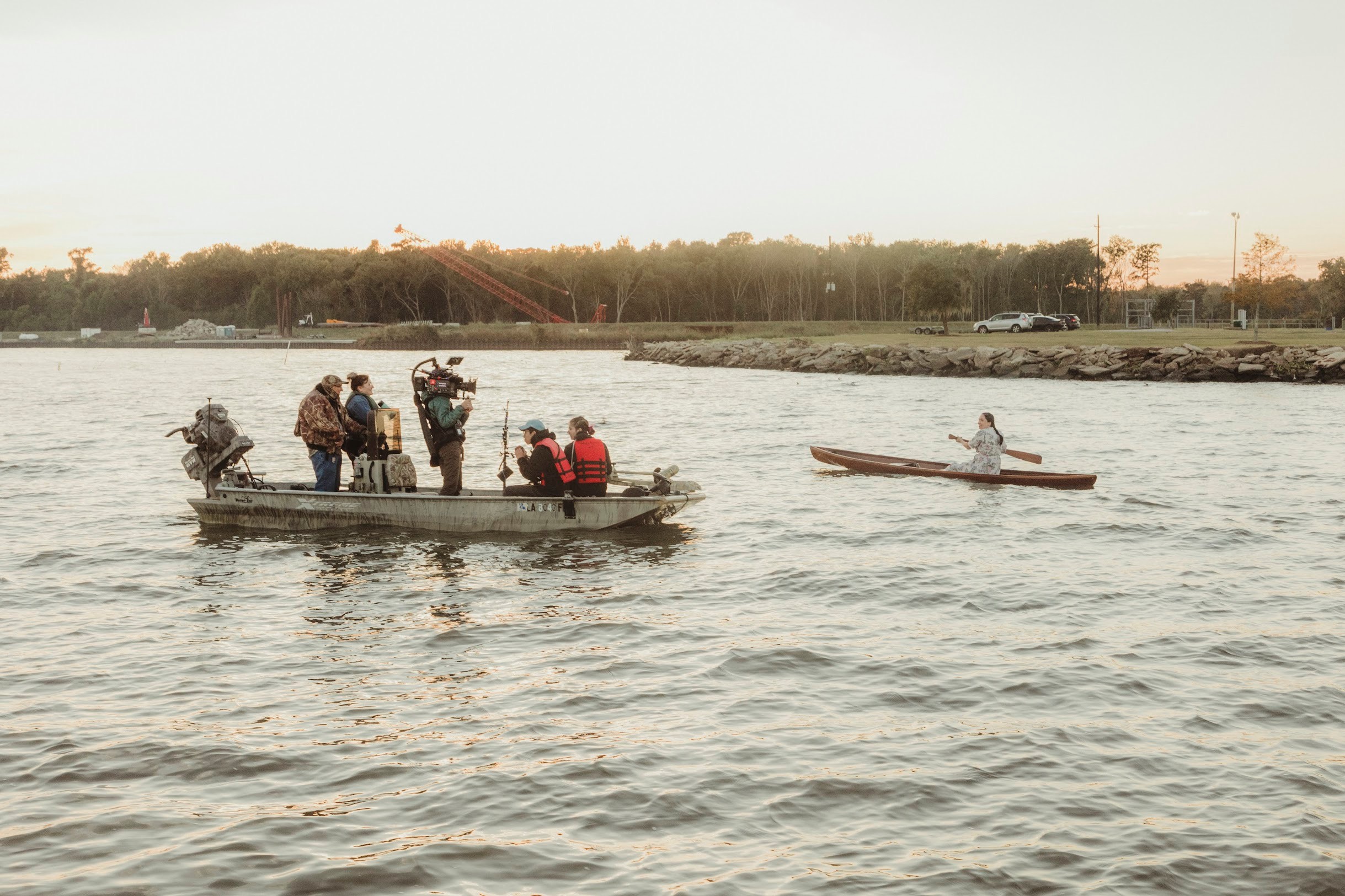
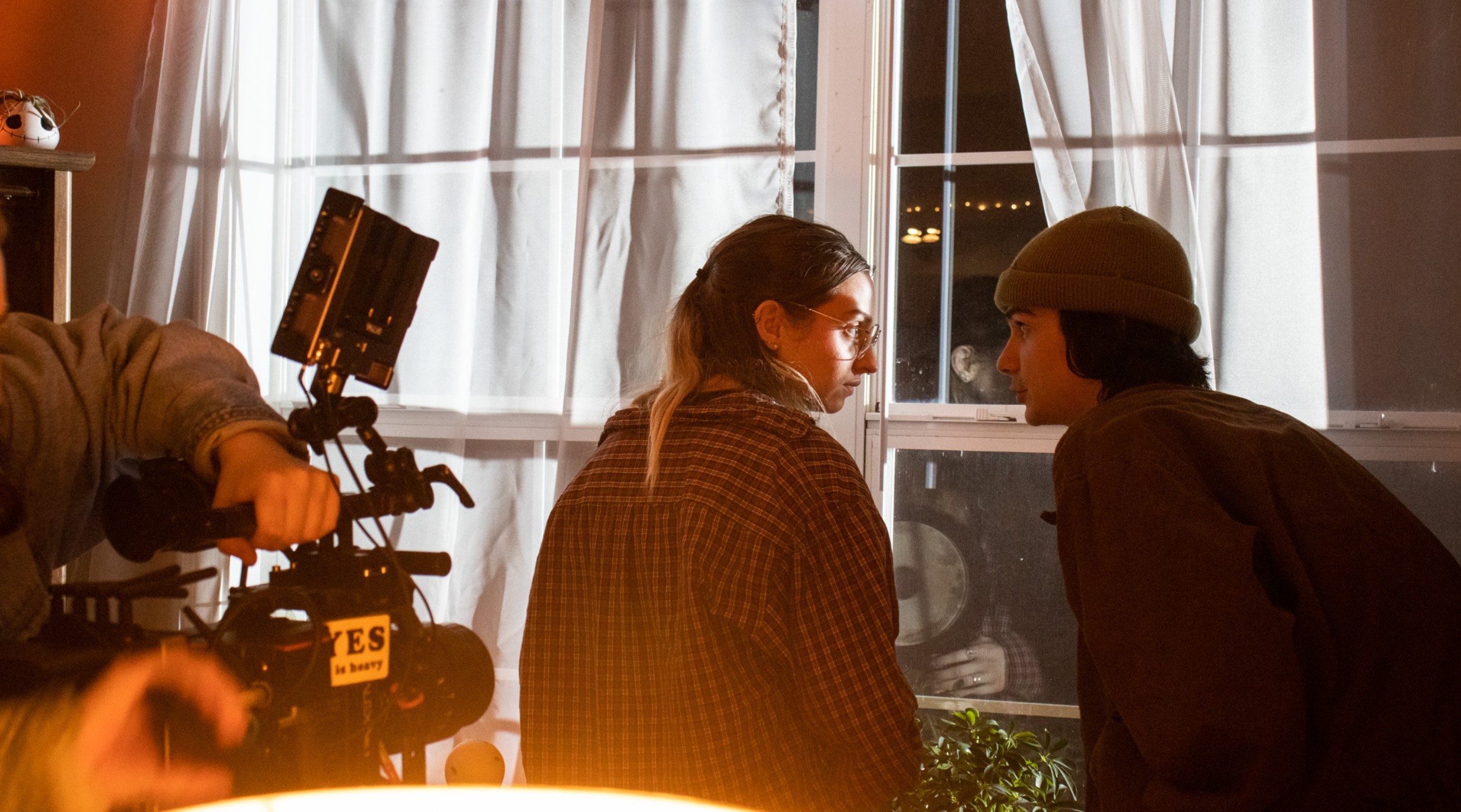
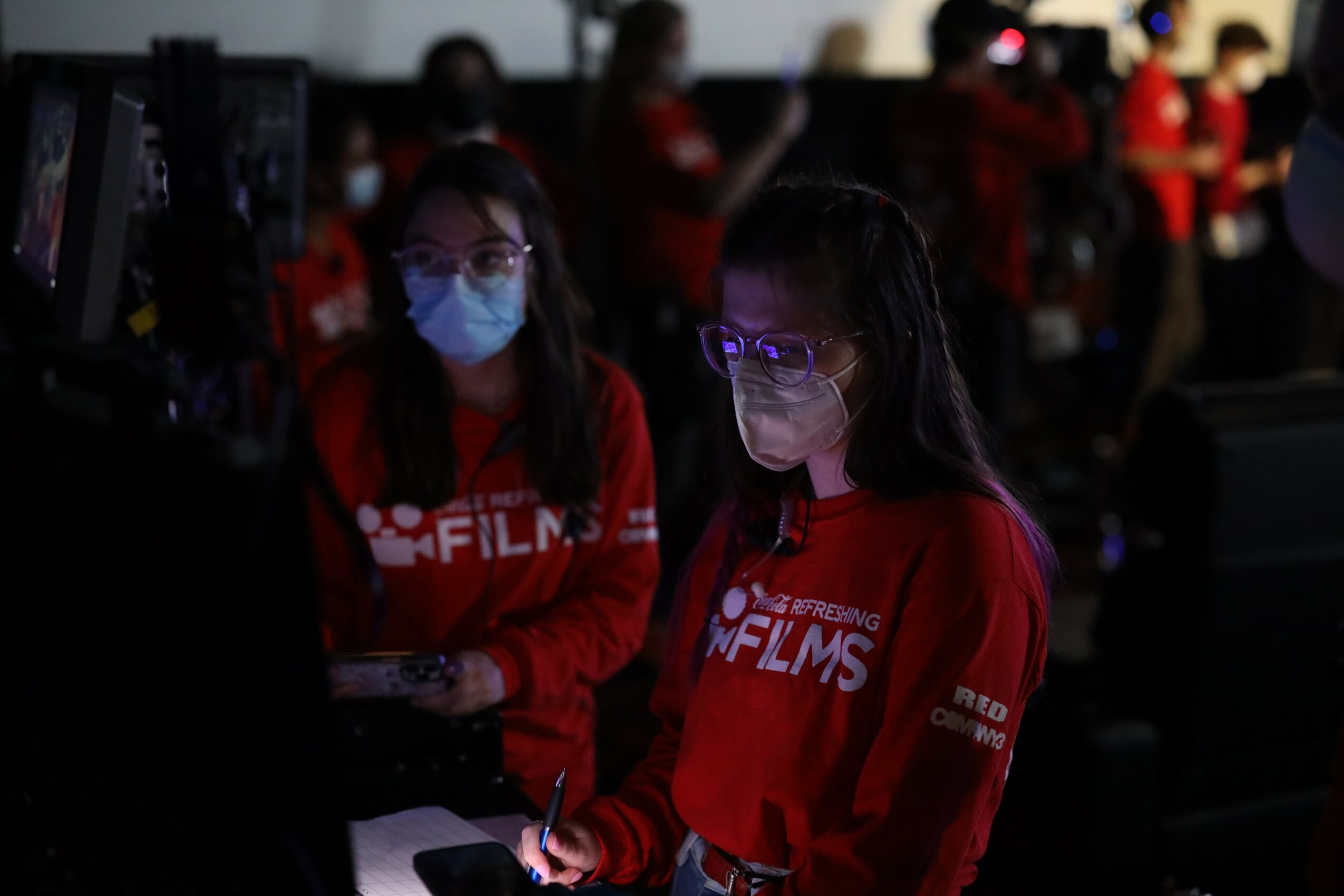
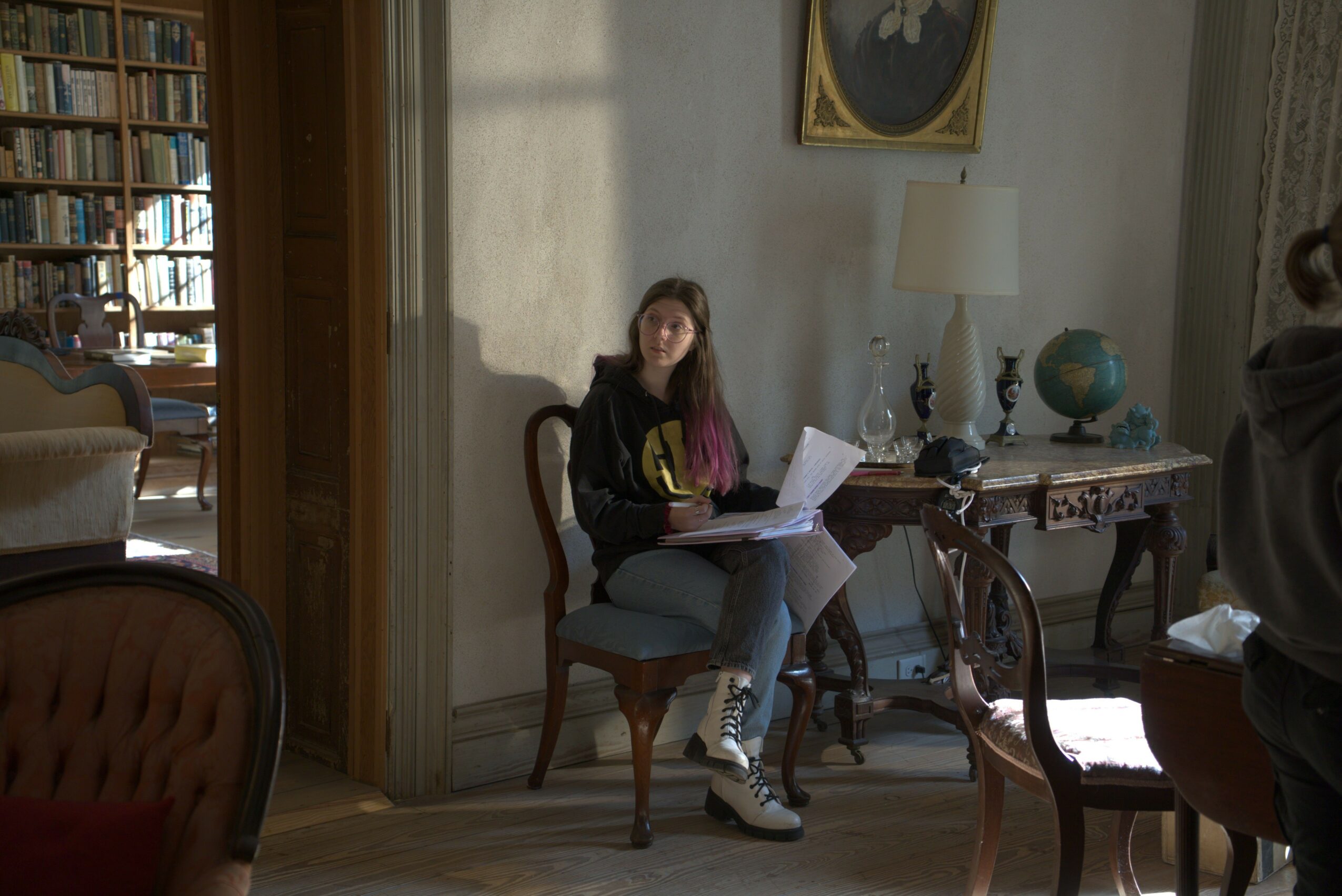
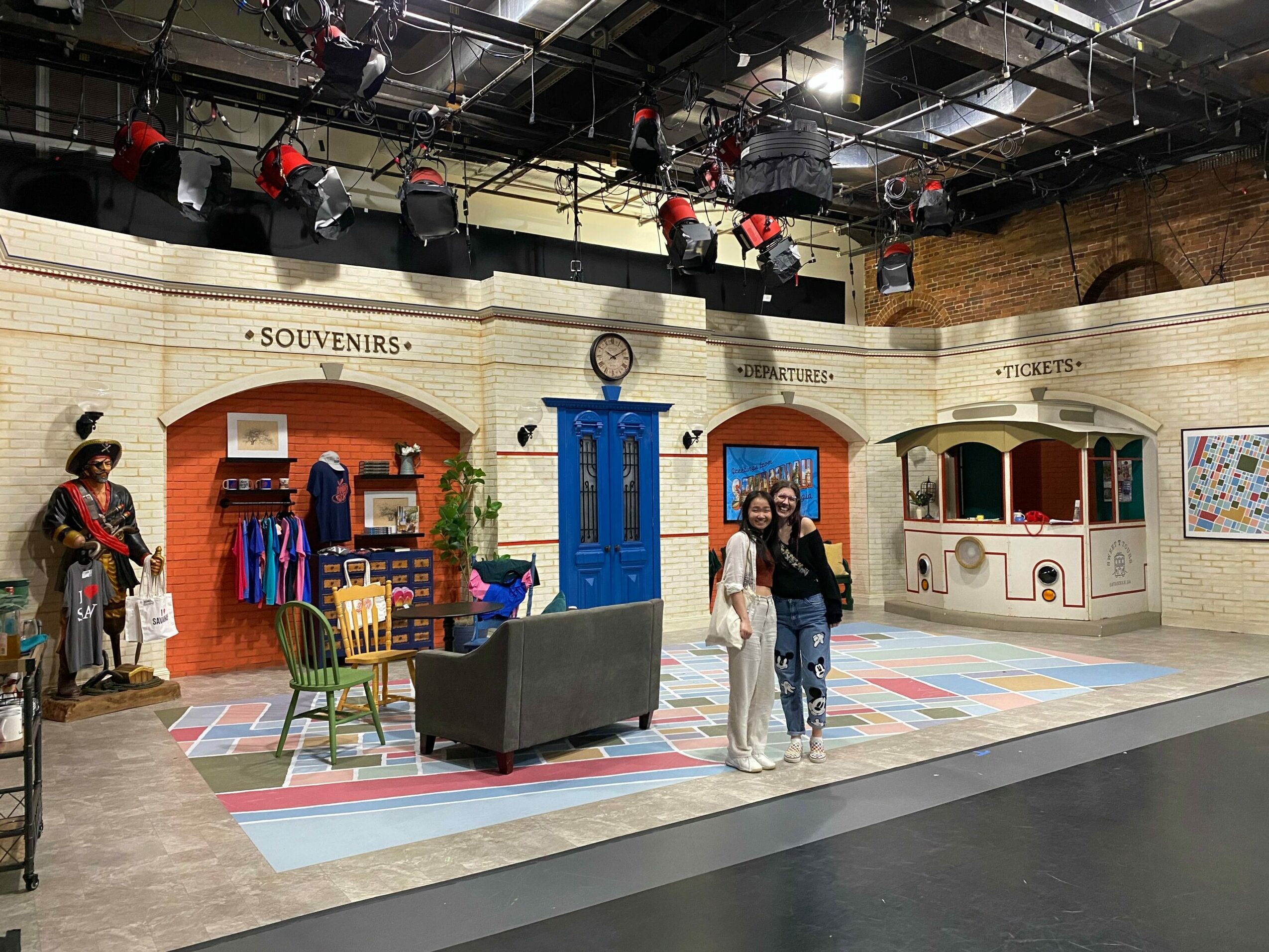
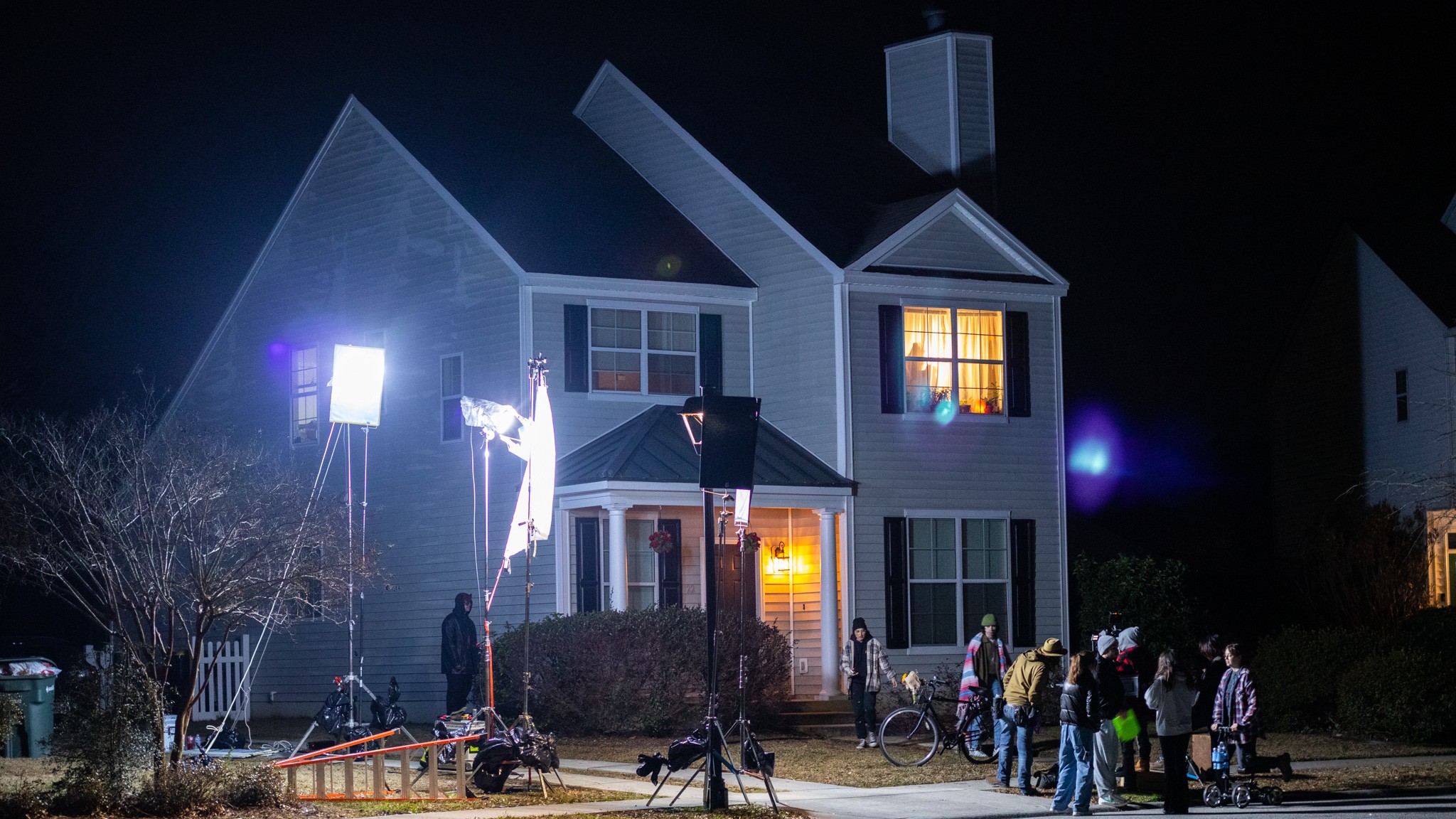
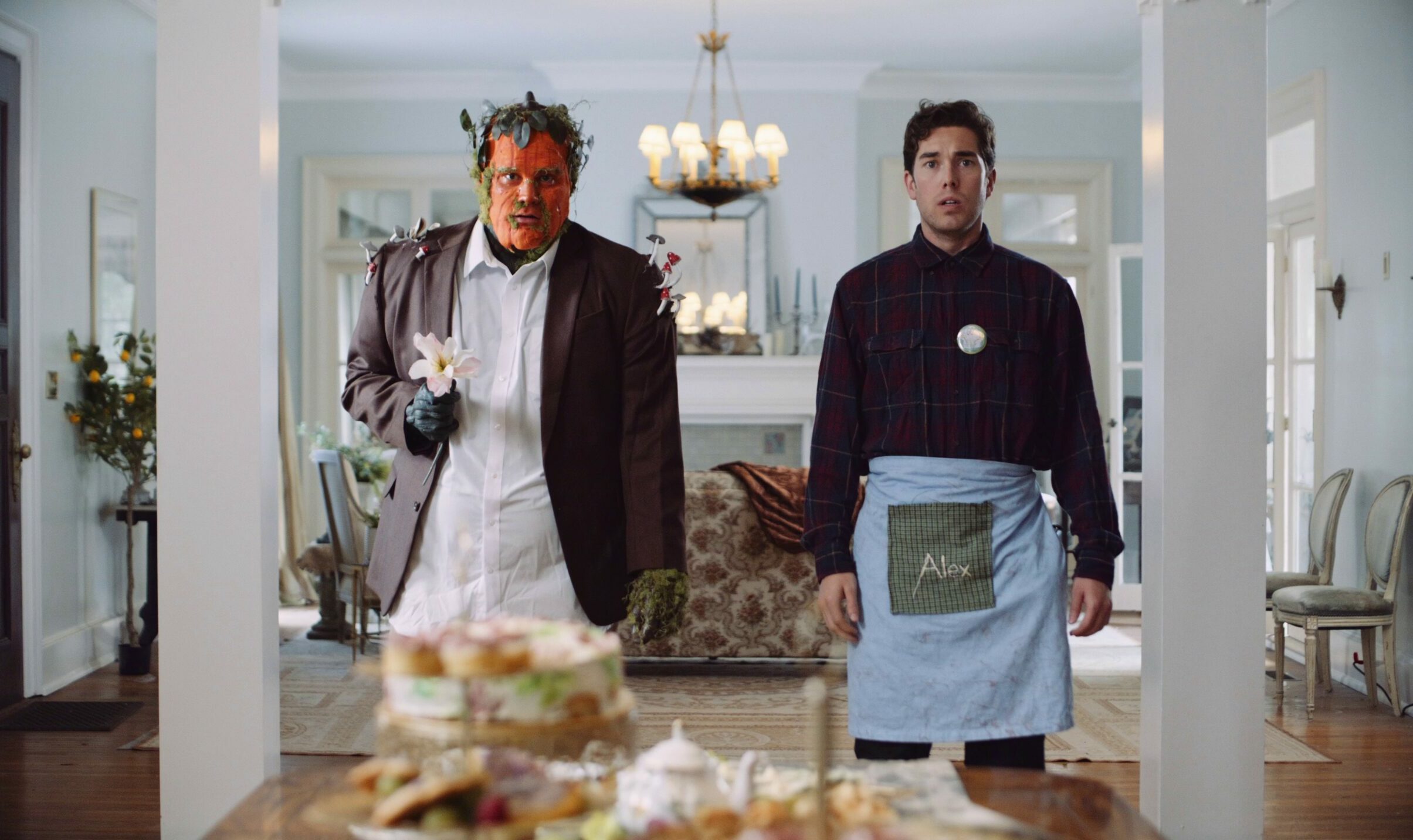
Image Credits
“Tours and Attractions” BTS – Photographed by Jules Santamauro “For Jamie” – Director of Photography, Sammie White “For Jamie” BTS – Photographed by Anthony Pedroza “Frankensprout” – Director of Photography, Nate Rinehart “Ada & the Doc” BTS – Photographed by Wyatt Junnila
Popular
-

Hidden Gems: Local Businesses & Creatives You Should Know
-

ATL’s Most Inspiring Stories
-
Satoya Hayes on Turning Beauty 2 Extensions into a Platform for Affordable Confidence and Entrepreneurial Opportunity
-

Portraits of Atlanta
-

Asha Ford on Building Krystal Klear Motion and Creating Purpose-Driven Design for Women
-

Truth in Every Verse: Jay Erve on Identity, Experience, and Creating Art That Lasts