





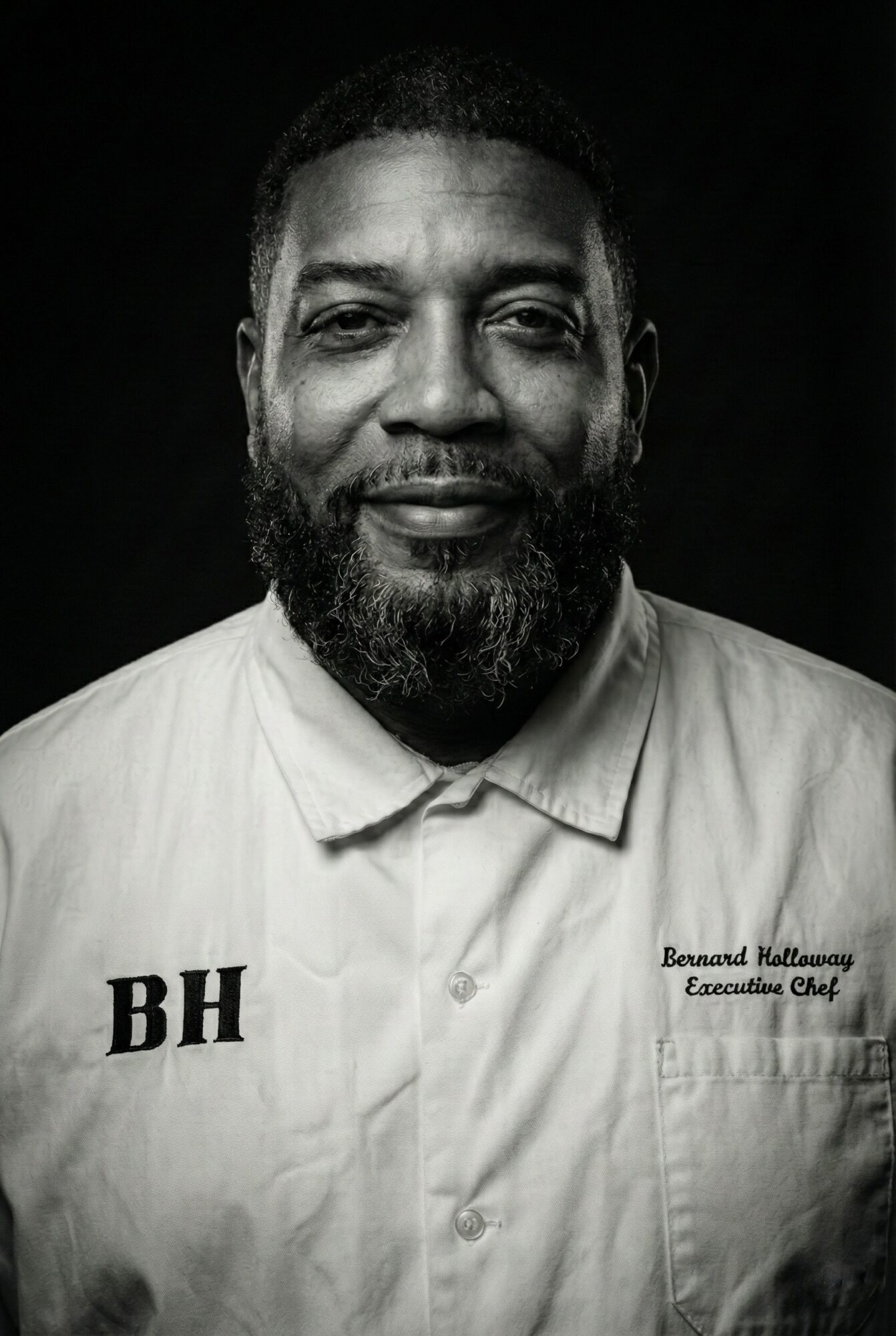
Today we’d like to introduce you to Bernard Holloway.
Alright, so thank you so much for sharing your story and insight with our readers. To kick things off, can you tell us a bit about how you got started?
I’m originally from Queens, New York, and my passion for cooking began at a young age while spending countless hours in the kitchen with my grandmother. Those early moments sparked something in me that eventually led me to pursue formal training at The International Culinary School at the Art Institute of Tennessee, where I began building the foundation for my professional culinary career.
After culinary school, my journey in the industry was far from easy. Like many young cooks, I started at a very low pay rate, working long hours and dealing with the uncertainty that often comes with this profession. The stress, lack of stability, limited benefits, and financial challenges were real. There were times when family members and even people close to me questioned whether this career path was worth it. But despite the struggles, I genuinely loved what I was doing. I kept my head down, stayed focused, and continued learning every day.
During those early years I had the opportunity to work alongside some incredible chefs and mentors, including mentorship under Joe Schafer, Digby Stridiron, Brandon Chavannes, James Beard Award-winning Chef Ford Fry. Many of the chefs and colleagues I met along the way are still friends and professional connections today, and watching each other grow in this industry has been a rewarding part of the journey.
Over time, the experience and dedication began to pay off. I developed my skills in high-level kitchens, events, and private dining, eventually transitioning into private chef services where I catered high-profile events and intimate dinners for clients who valued elevated culinary experiences. I also worked as a consultant with Cheflife Consulting Group alongside Chopped winner Chef Ed Harris, contributing to restaurant development, menu innovation, recipe creation, and product evaluation.
Throughout my career I’ve also been involved in Atlanta’s pop-up dining scene, creating unique dinner experiences that combine thoughtfully prepared food with curated music and atmosphere. Those events helped shape my philosophy of creating memorable experiences around food, not just meals.
Looking back now, it’s incredible to see how far the journey has come. Today I’m in one of the highest points of my career, earning the most I ever have while continuing to grow and evolve as a chef. What’s especially meaningful is that I’m now able to hire and work alongside friends and even family members—some of whom once questioned my path in this industry. Being able to create opportunities for others while doing something I love is something I’m extremely proud of.
Along the way I’ve also competed in national and international cooking competitions such as Culinary Fusion 2017 and Culinary Fight Club, and made television appearances in major markets. Beyond the professional side of things, giving back to the community has always been important to me. I regularly volunteer my time teaching cooking techniques through charity events and conducting cooking classes for students and families in local schools.
Today I’m focused not only on continuing to grow as a chef, but also on mentoring the next generation. I’ve learned how to better manage stress, lead teams, and continue building knowledge and confidence in this craft. One of my biggest goals moving forward is to expand my community programs, teach more classes, and help young people discover opportunities within the culinary world.
This industry is challenging, and not everyone who starts the journey finishes it. But for me, the combination of passion, discipline, mentorship, and perseverance made all the difference. I’m grateful for every lesson along the way and excited for what the future holds.
Alright, so let’s dig a little deeper into the story – has it been an easy path overall and if not, what were the challenges you’ve had to overcome?
The journey has definitely not been a smooth road. Like many chefs starting out, the early years were filled with challenges that tested my commitment to the craft. While I was attending culinary school, I was also working in kitchens at the same time, trying to balance learning in the classroom while gaining real-world experience. The hours were long, the pay was very low, and the expectations were extremely high.
Being at the bottom of the kitchen hierarchy comes with its own set of challenges. In some kitchens the environment can be calm and supportive, but in others it can be very intense. I experienced kitchens where there was yelling, harsh criticism, and sometimes even chefs throwing things during high-pressure services. It can feel almost military-like at times. As difficult as those moments were, I learned to keep my head down, stay focused, and absorb as much knowledge as I could from every situation.
Financially, those early years were also a struggle. There were times when I didn’t have a car and had to take the bus to work long shifts, often working weekends, nights, and holidays. Like many cooks in the industry, I went through periods without health insurance and had to push through being sick just to keep working. Those schedules can also take a toll on personal relationships, because while everyone else is off during holidays or vacations, you’re usually in the kitchen working.
Another challenge in the industry is that not every kitchen is focused on teaching. Sometimes you find yourself in environments where you’re simply there to perform a task rather than develop your skills. Early on, I realized that if I wanted to grow, I had to actively seek out mentors and chefs who were willing to share knowledge and help develop the next generation.
The physical side of the job is also something people don’t often see. Burns, cuts, fatigue, and long hours on your feet are part of the daily reality of kitchen life.
Despite all of those challenges, those experiences shaped who I am as a chef today. They taught me discipline, resilience, and the importance of mentorship and leadership in the kitchen. Those struggles also gave me a deep appreciation for creating better environments for the teams I work with now.
Looking back, every challenge helped build the foundation for where I am today, and it continues to motivate me to grow, lead, and create opportunities for others in this industry.
Thanks for sharing that. So, maybe next you can tell us a bit more about your work?
Professionally, my career has been built around both leadership in the kitchen and creating unique dining experiences. Currently, I work in a leadership role at Druid Hills Golf Club in Atlanta where I help oversee banquet and event operations, executing everything from plated dinners to large-scale events. That environment has taught me how to combine creativity with organization and consistency, especially when producing high-level food for hundreds of guests at a time.
Outside of my role in private clubs, I’ve also developed a strong background in private chef services, pop-up dining experiences, and culinary consulting. Those opportunities allow me to be more creative and connect with guests in a more personal way. My cooking style reflects a blend of classical technique with Southern influence, with a strong focus on seafood, seasonal ingredients, and thoughtful presentation.
What I’m most proud of is the journey itself. I started from the bottom of the kitchen hierarchy, working long hours and learning every position in the kitchen. Over time, that experience helped me develop not just as a cook, but as a leader who understands how important mentorship and teamwork are in this industry.
What sets me apart is my versatility. I’ve worked in high-pressure restaurant kitchens, large-scale banquet operations, private dining environments, and consulting roles. That range of experience allows me to adapt to different culinary environments while maintaining high standards of quality and professionalism.
Today, I’m also passionate about teaching and mentorship. I enjoy sharing what I’ve learned with younger cooks, students, and aspiring chefs, and I hope to continue expanding that through cooking classes, community programs, and mentorship opportunities in the future. For me, success in this industry isn’t just about the food—it’s about the people you grow with and the knowledge you pass on to the next generation
Any advice for finding a mentor or networking in general?
Throughout my journey, mentorship and networking have happened very naturally for me. I’ve always believed that if you work hard, stay focused, and carry yourself with purpose, people will notice. Early in my career I often had chefs or coworkers tell me that my energy reminded them of themselves when they were younger. I’ve even had servers or colleagues ask me if I planned to own my own restaurant one day, and my answer has always been yes. Their response was usually that they could tell by the way I carried myself, the way I spoke about food, and the way I approached learning and teaching in the kitchen.
My biggest advice for finding a mentor is to seek out people who are like-minded and who inspire you. Look for chefs or professionals whose work ethic and values align with your own. Be willing to learn, be willing to work hard, and sometimes even sacrifice short-term comfort for long-term knowledge. Early in a career, there are times when you may work for less money or put in extra hours simply to gain experience and be around people who can teach you something valuable.
Another important part of mentorship is staying connected with people along your journey. The culinary world is smaller than people realize, and many of the relationships you build early on can grow with you over time. Some of the chefs and colleagues I met years ago are still people I stay in touch with today.
Most importantly, stay focused on your goals and be intentional about your growth. Surround yourself with people who challenge you to improve and who share your passion for learning. When you combine hard work, curiosity, and strong relationships, mentorship tends to develop naturally and can become one of the most valuable parts of your career
Contact Info:
- Website: https://chefbernardhollowa.wixsite.com/chefbernardholloway
- Instagram: Chef.Bernard.Holloway
- Facebook: Bernard Holloway
- LinkedIn: Bernard Holloway
- Youtube: Chef Bernard Holloway
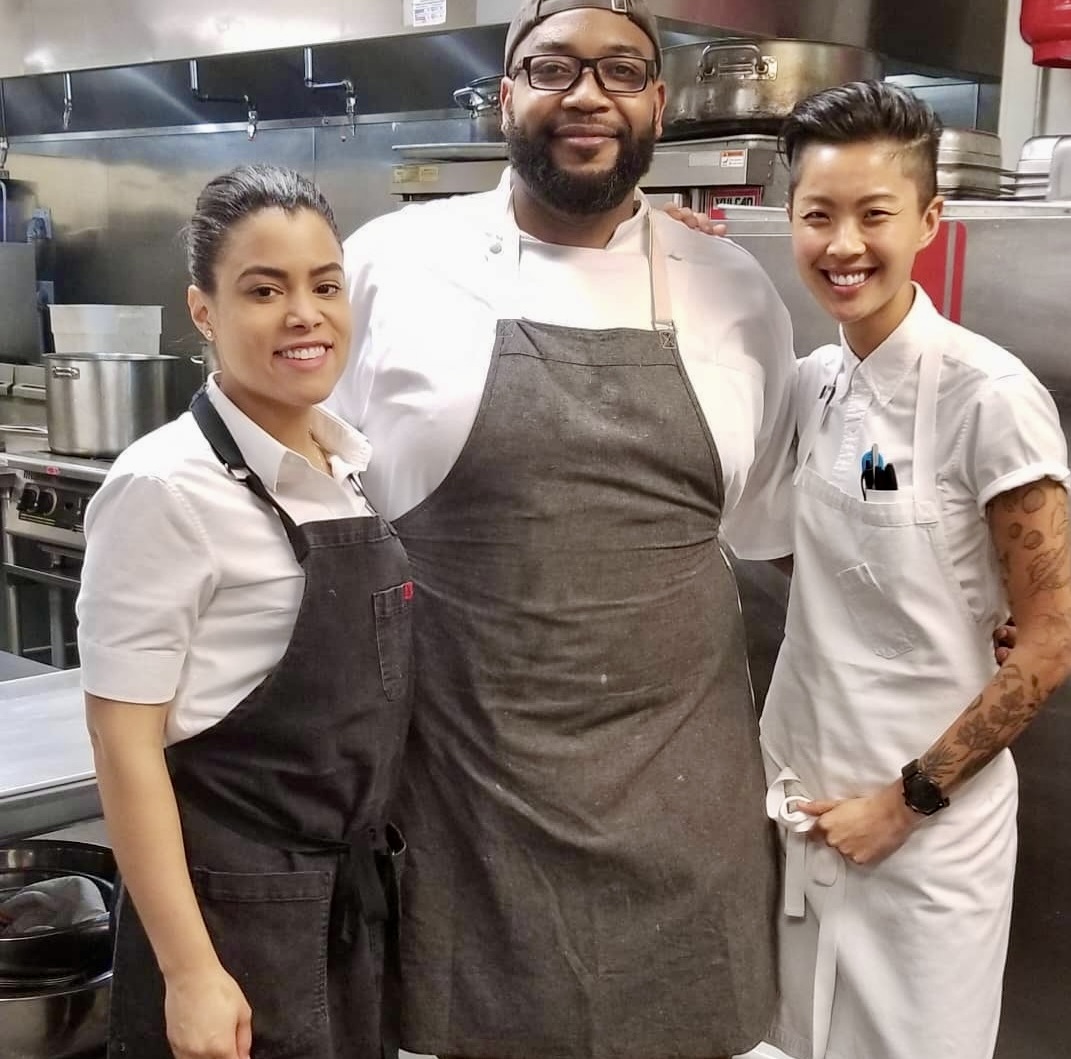
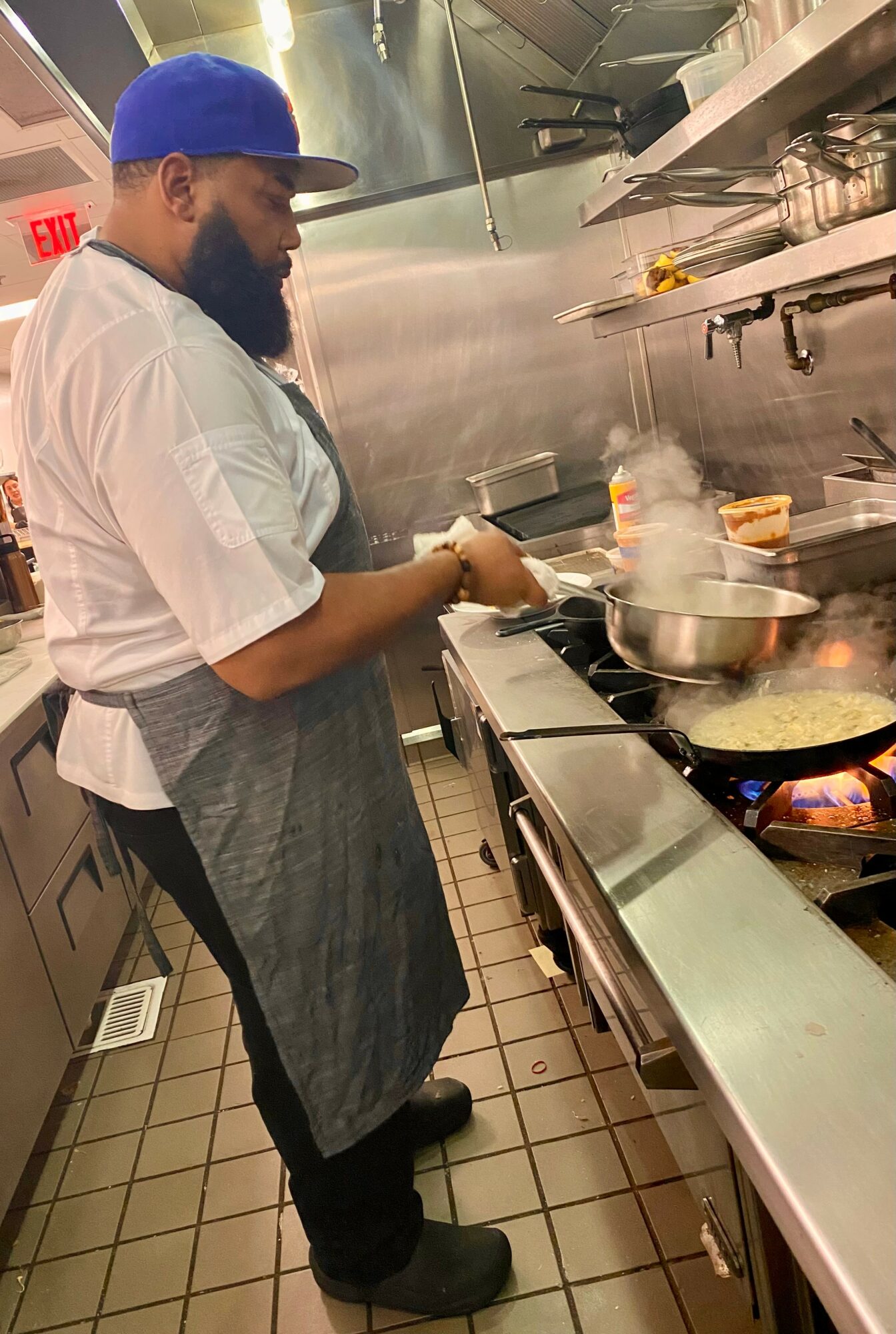
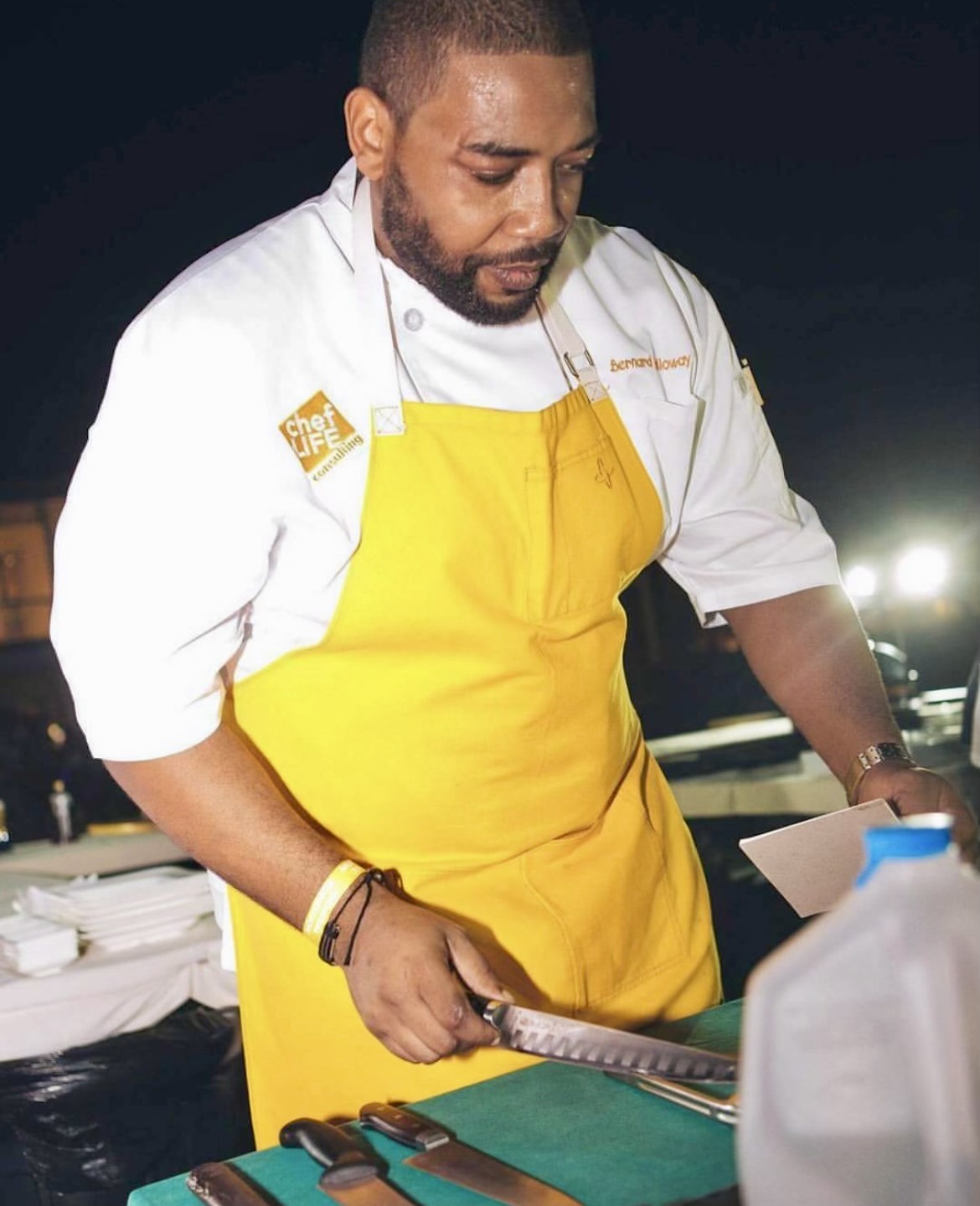
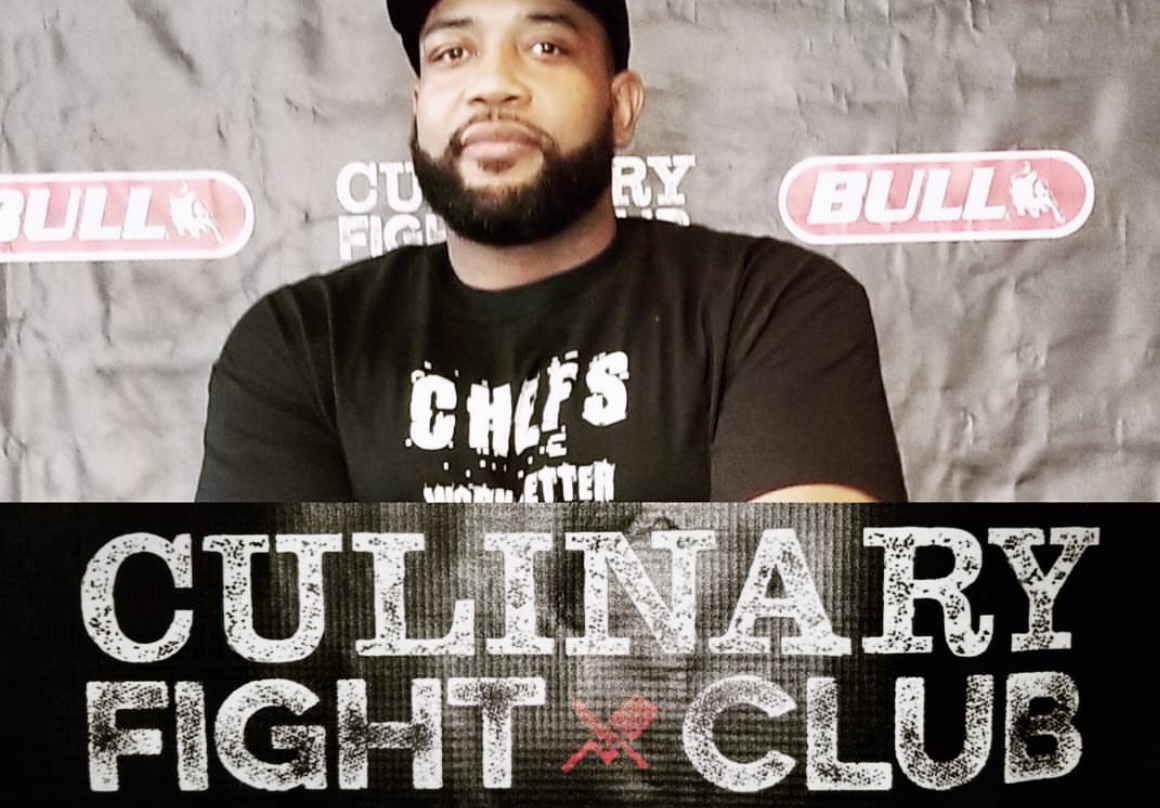
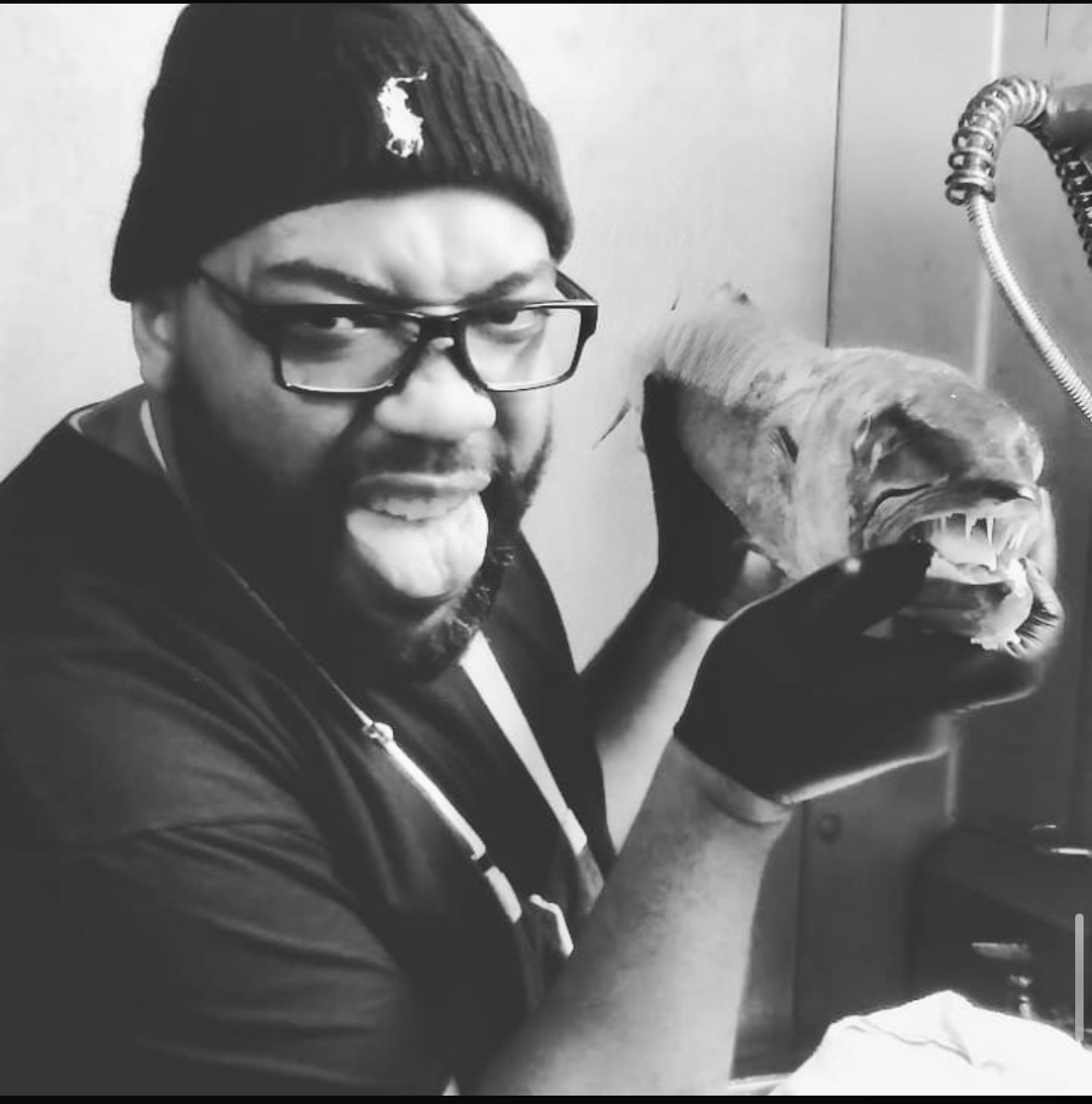
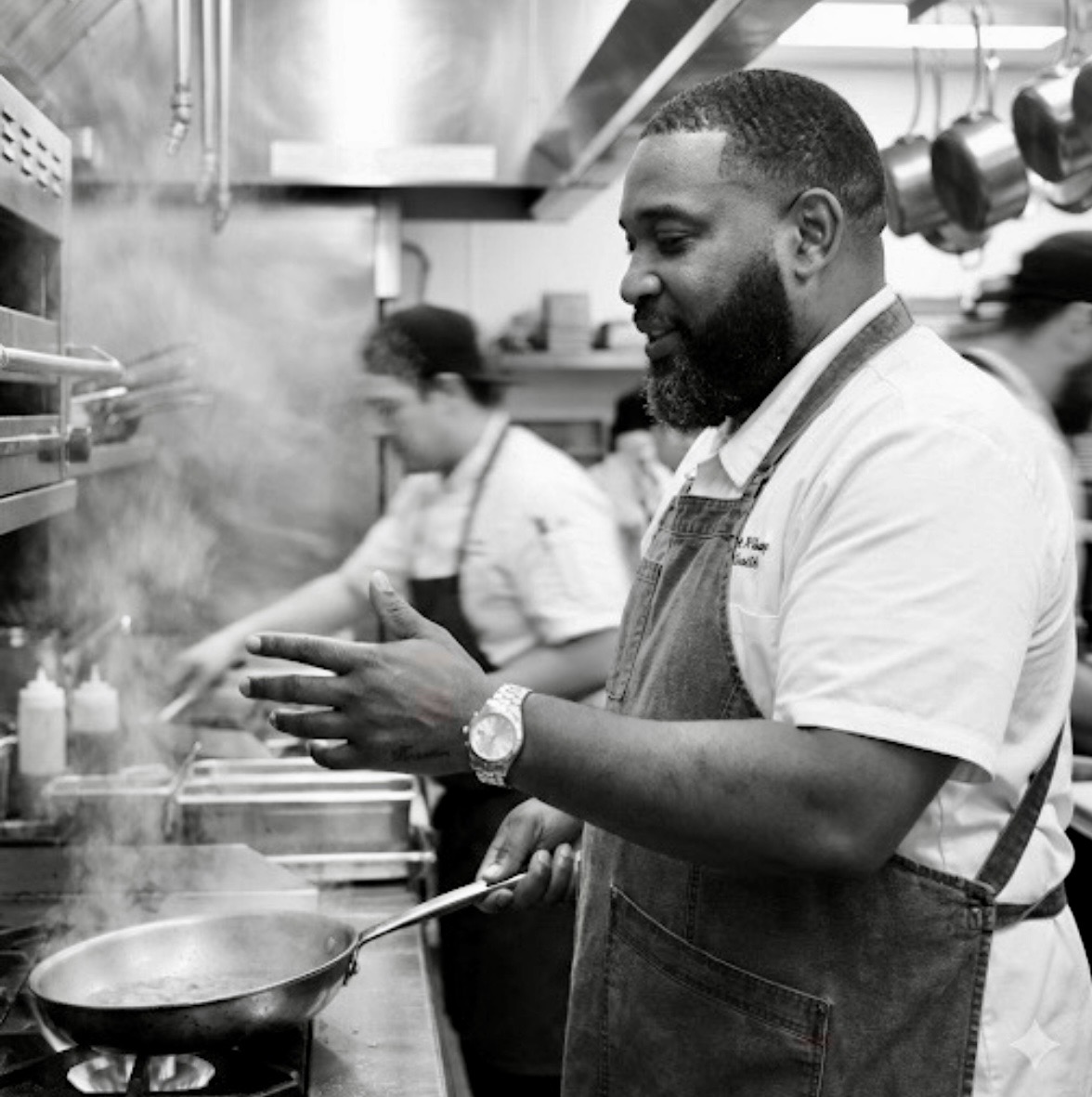
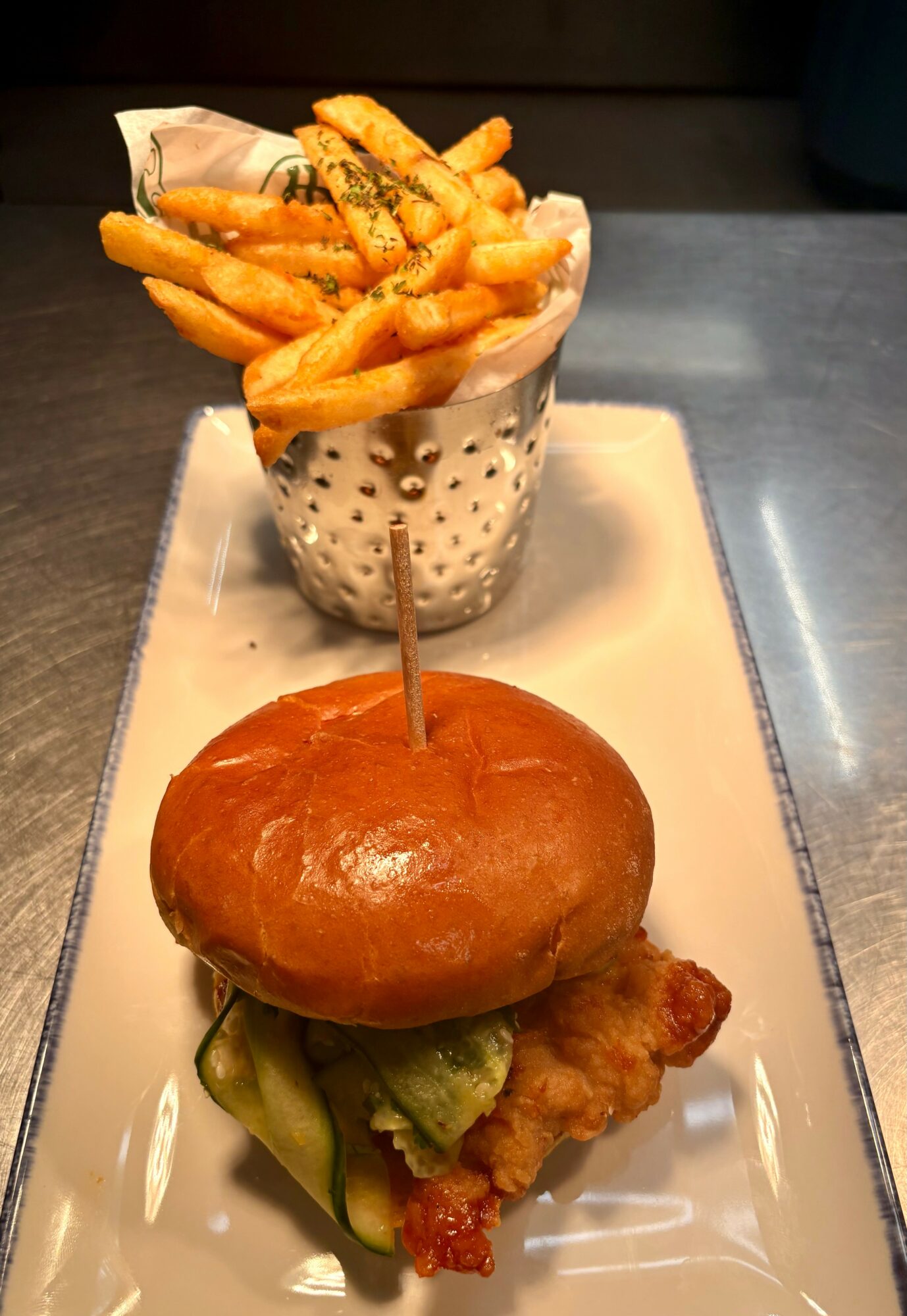
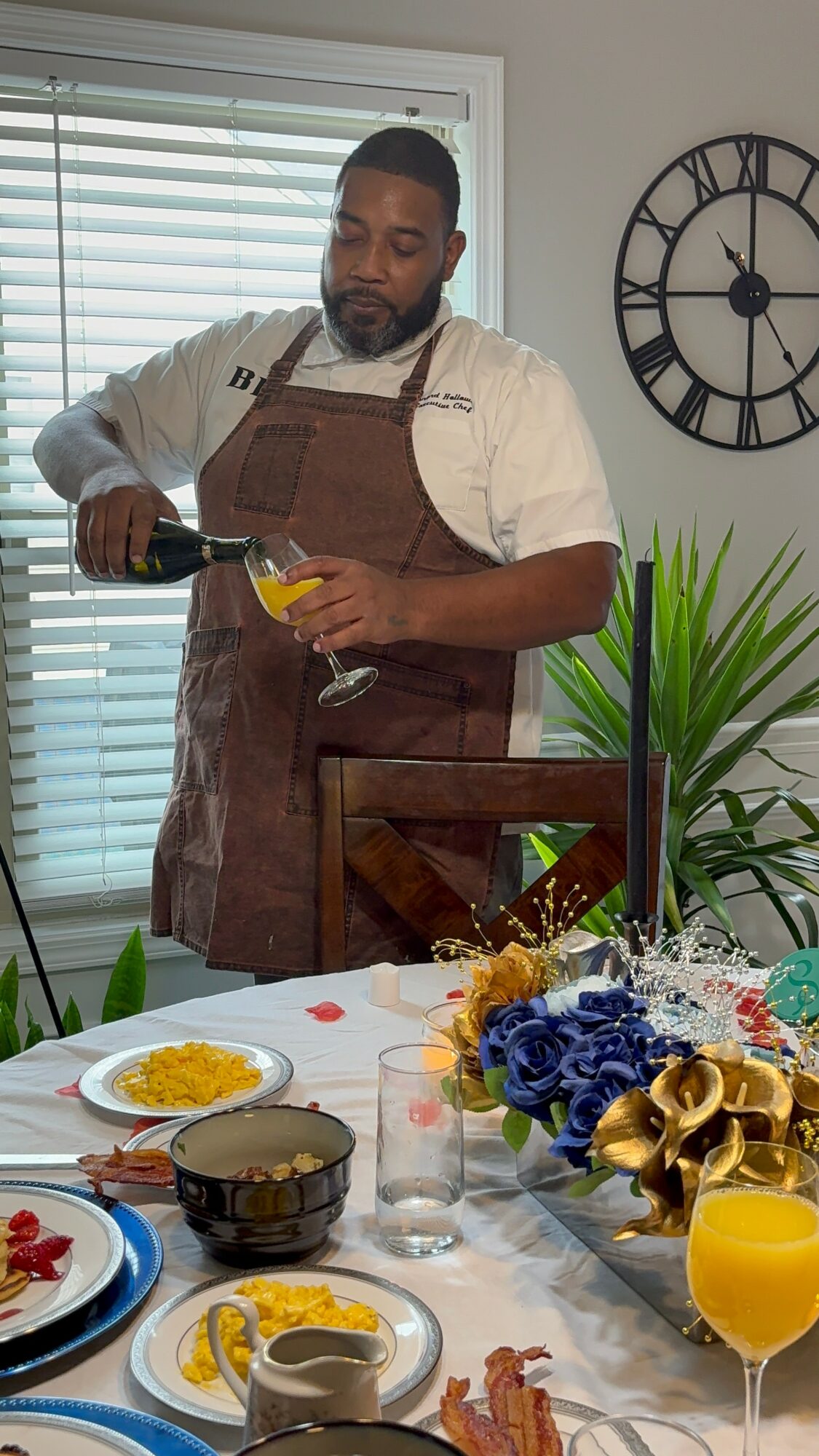
Image Credits
Chef Bernard Holloway
Popular
-

Hidden Gems: Local Businesses & Creatives You Should Know
-

ATL’s Most Inspiring Stories
-

Portraits of Atlanta
-
Natasha Dillard on Redefining Beauty Standards and Empowering Women Through Unapologetic Self-Expression
-

Darren Paltrowitz on Blending Investigation, Media, and Culture to Uncover the Stories Behind the Stories
-

Naeemah Jade on Redefining Networking Through Trust, Proximity, and Intentional Community