




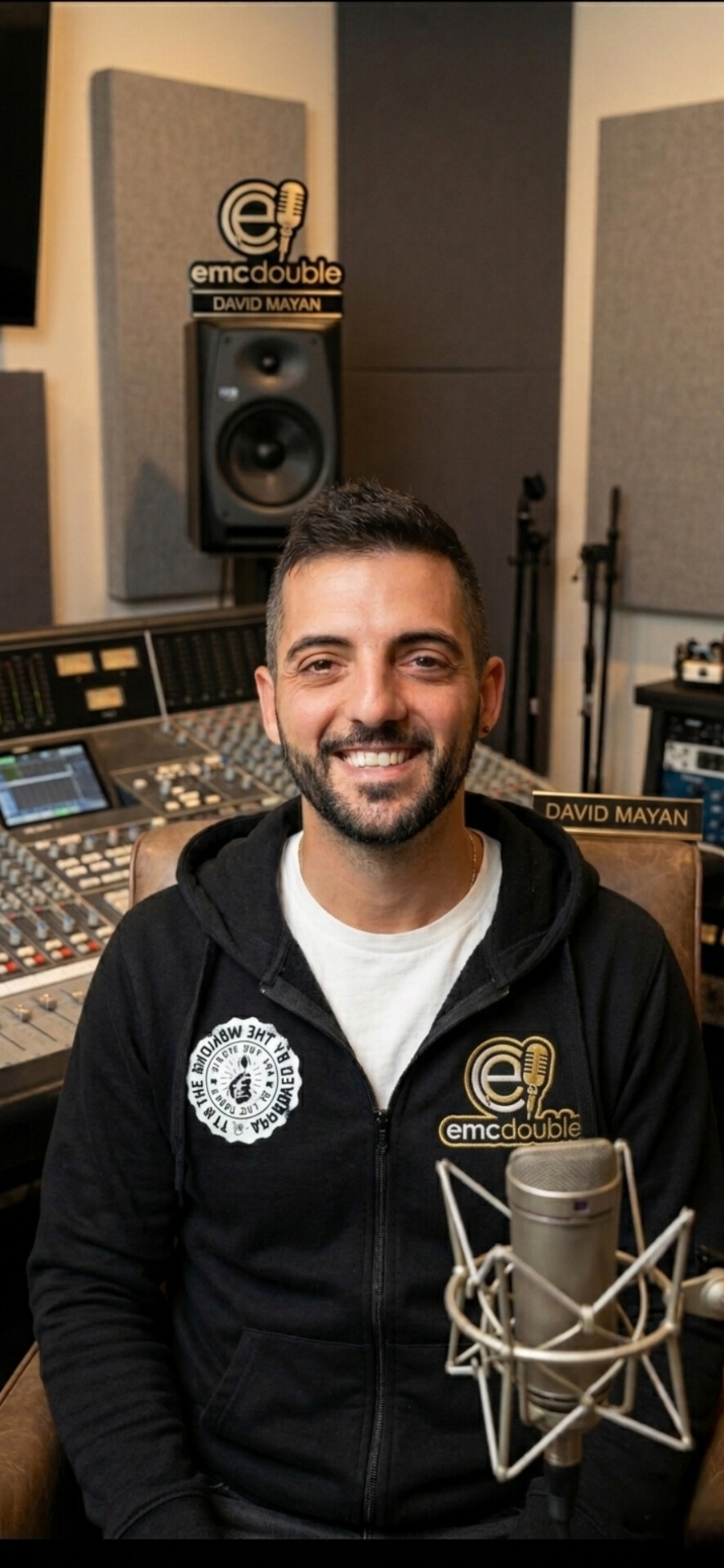
Today we’d like to introduce you to David Mayan.
Hi David, it’s an honor to have you on the platform. Thanks for taking the time to share your story with us – to start maybe you can share some of your backstory with our readers?
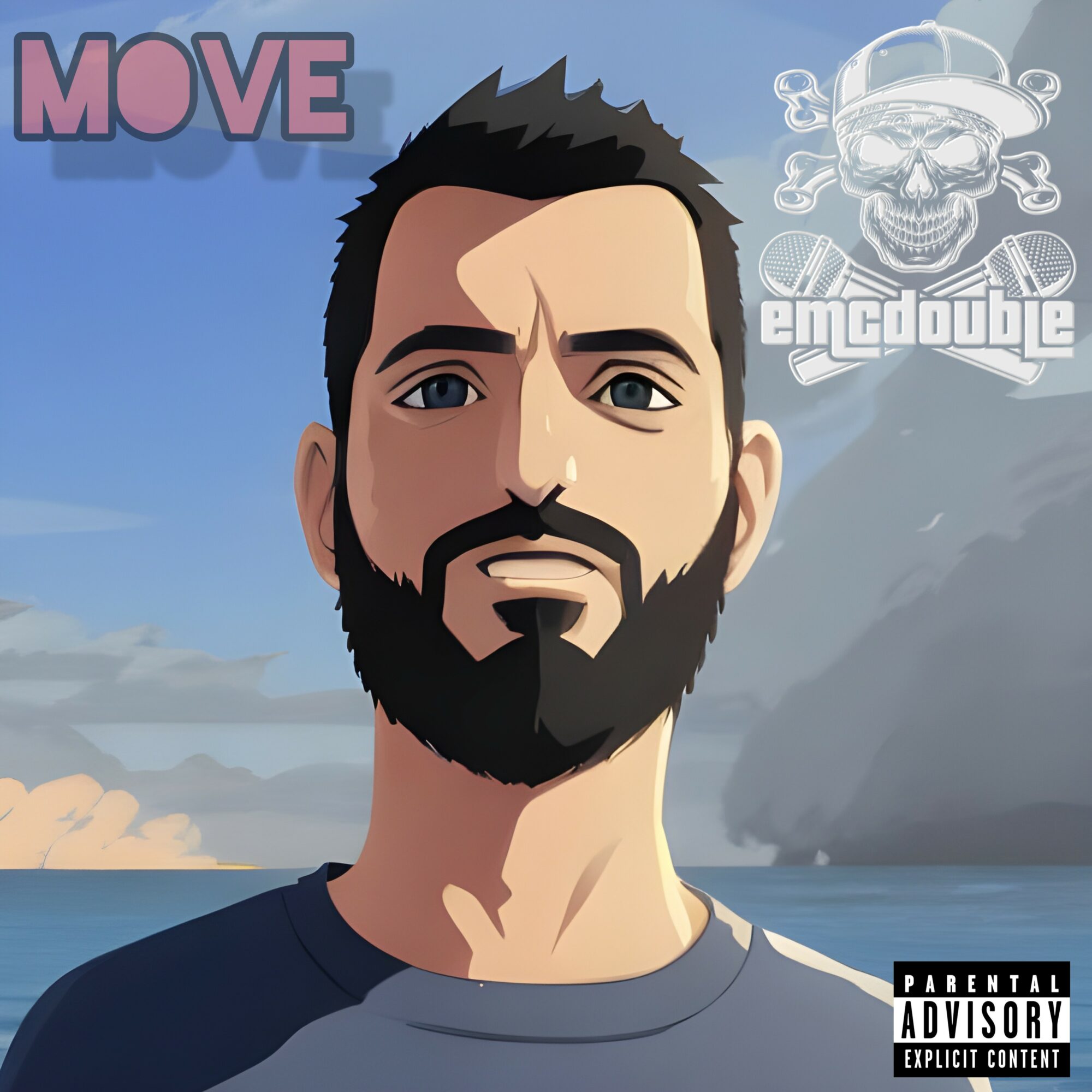
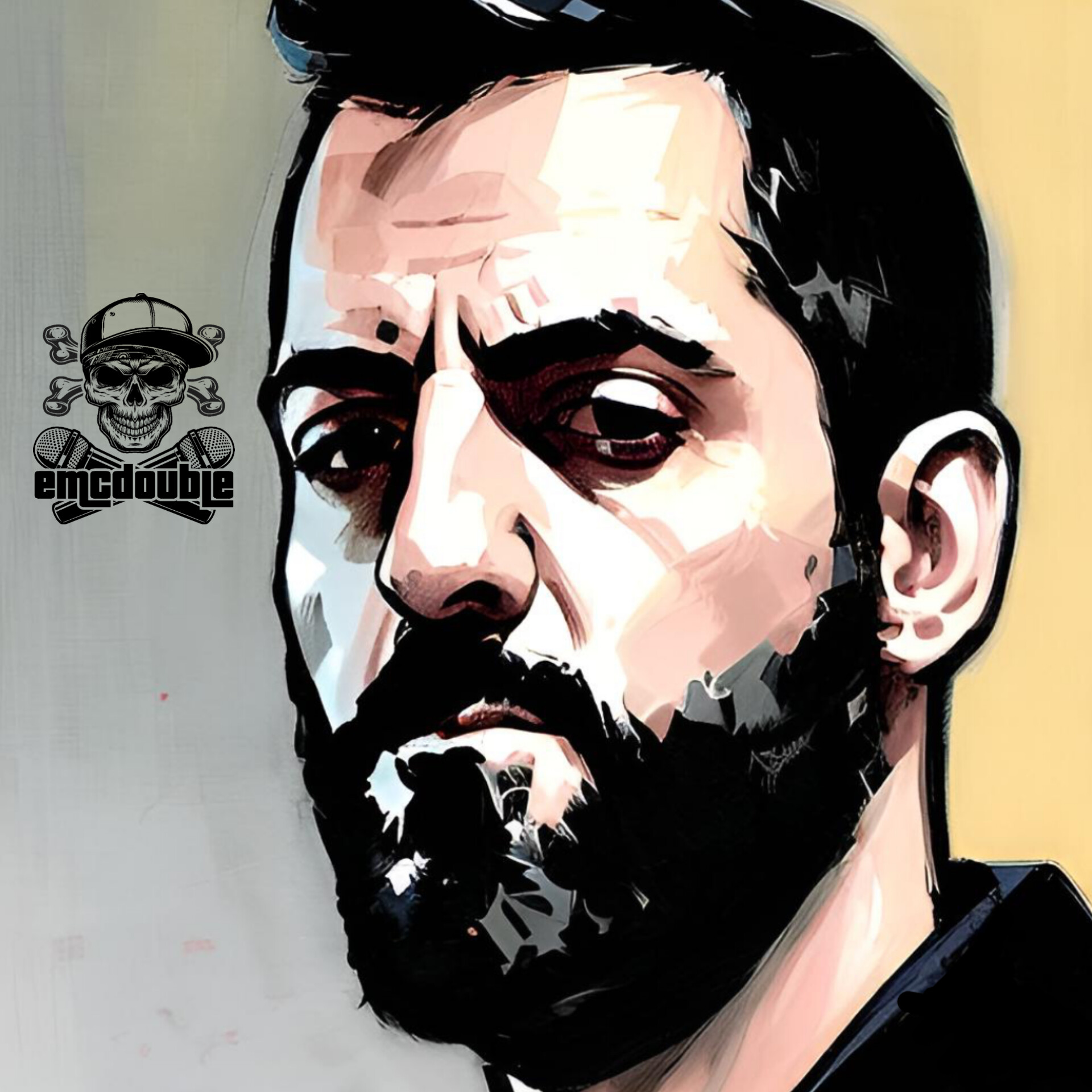
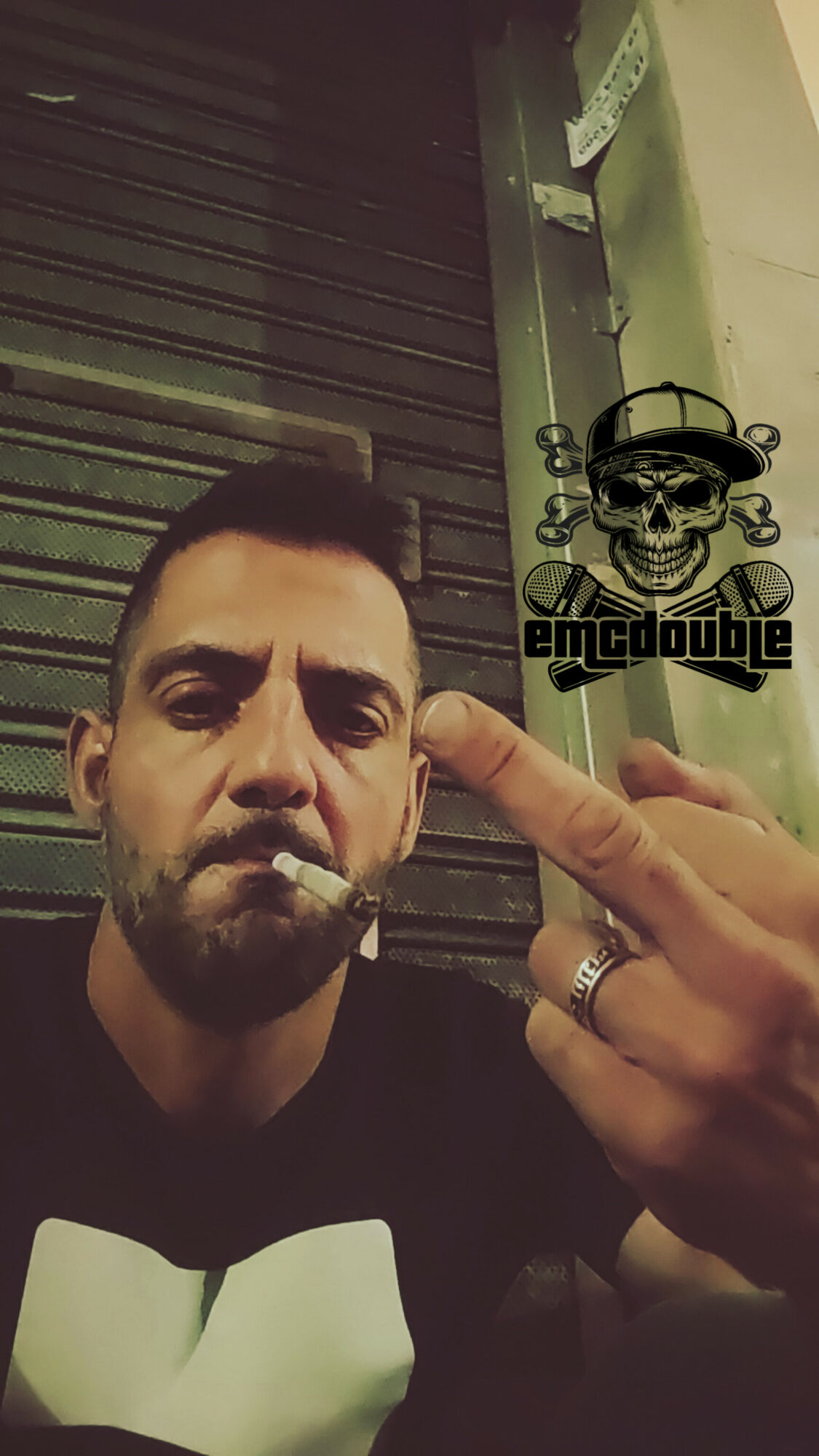
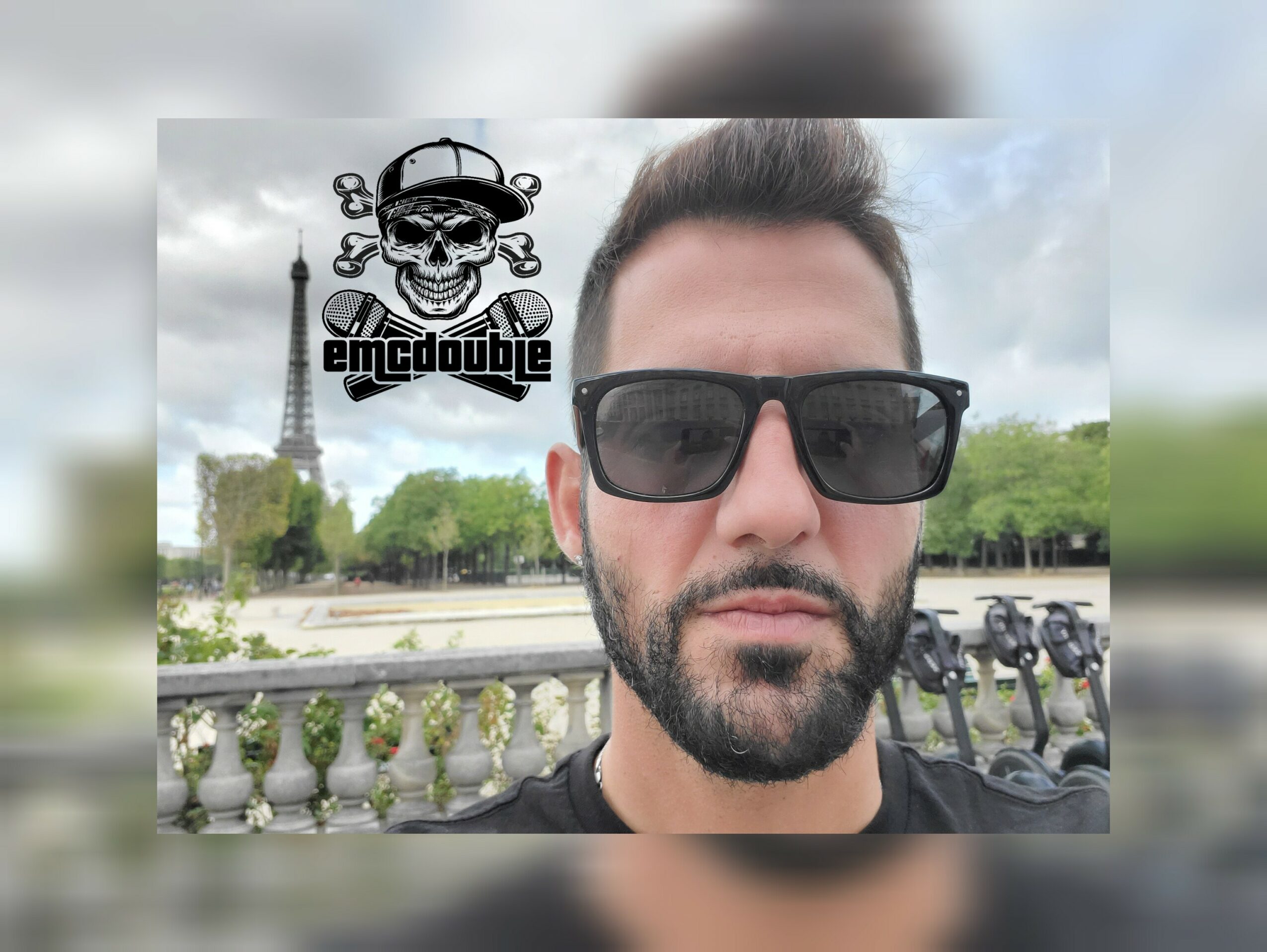
I’m David Mayan, known professionally as emcdouble, a recording artist, songwriter, and producer originally from Newark, New Jersey, raised between Linden and Elizabeth, and currently based in Queens, New York.
My relationship with music started early. During high school in Linden, I was involved in freestyle battles and informal recording sessions with friends, which eventually led me into early collaborative projects. One of those early efforts was an informal collective called MWD (Mass Weapons of Destruction), which I formed with two close friends during that time.
Music was always something I approached hands-on rather than from a distance. In 2001, I co-founded Ace & Deuce Records with my friend and collaborator Christopher Harris, which became an early structure for releasing and organizing my work independently.
My first official releases came in the mid-2000s, including my debut album No Parental Advisory, Just My License (2005), followed by The Infection (2006) and The Masterpiece (2007). These projects were part of my early development as an artist, built around underground hip-hop influences and a very raw, independent approach to production and writing.
After that early period, I stepped back from releasing music publicly for a number of years. During that time, my life and perspective evolved, and so did my relationship with music. I eventually returned in the 2020s with a more refined approach and renewed focus.
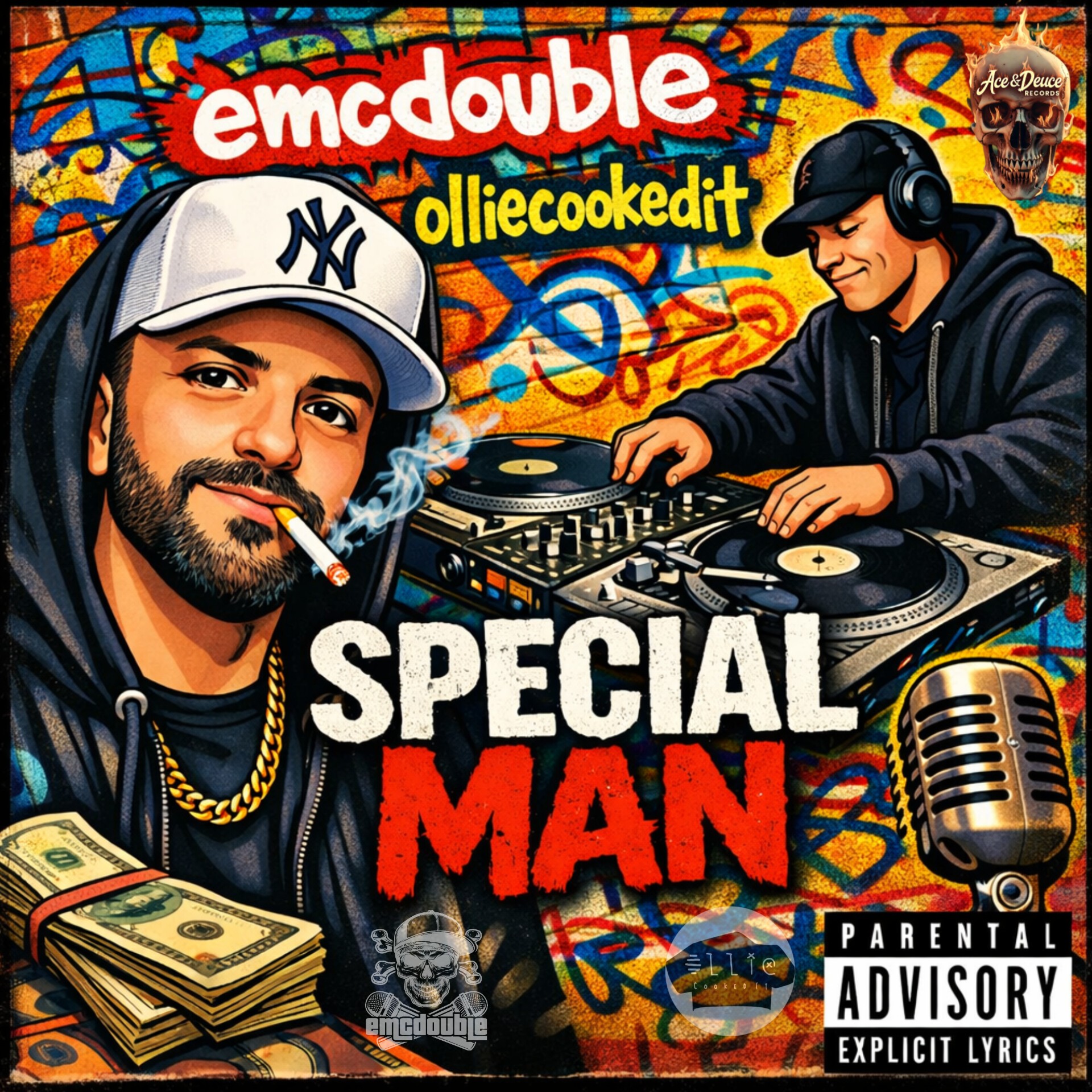
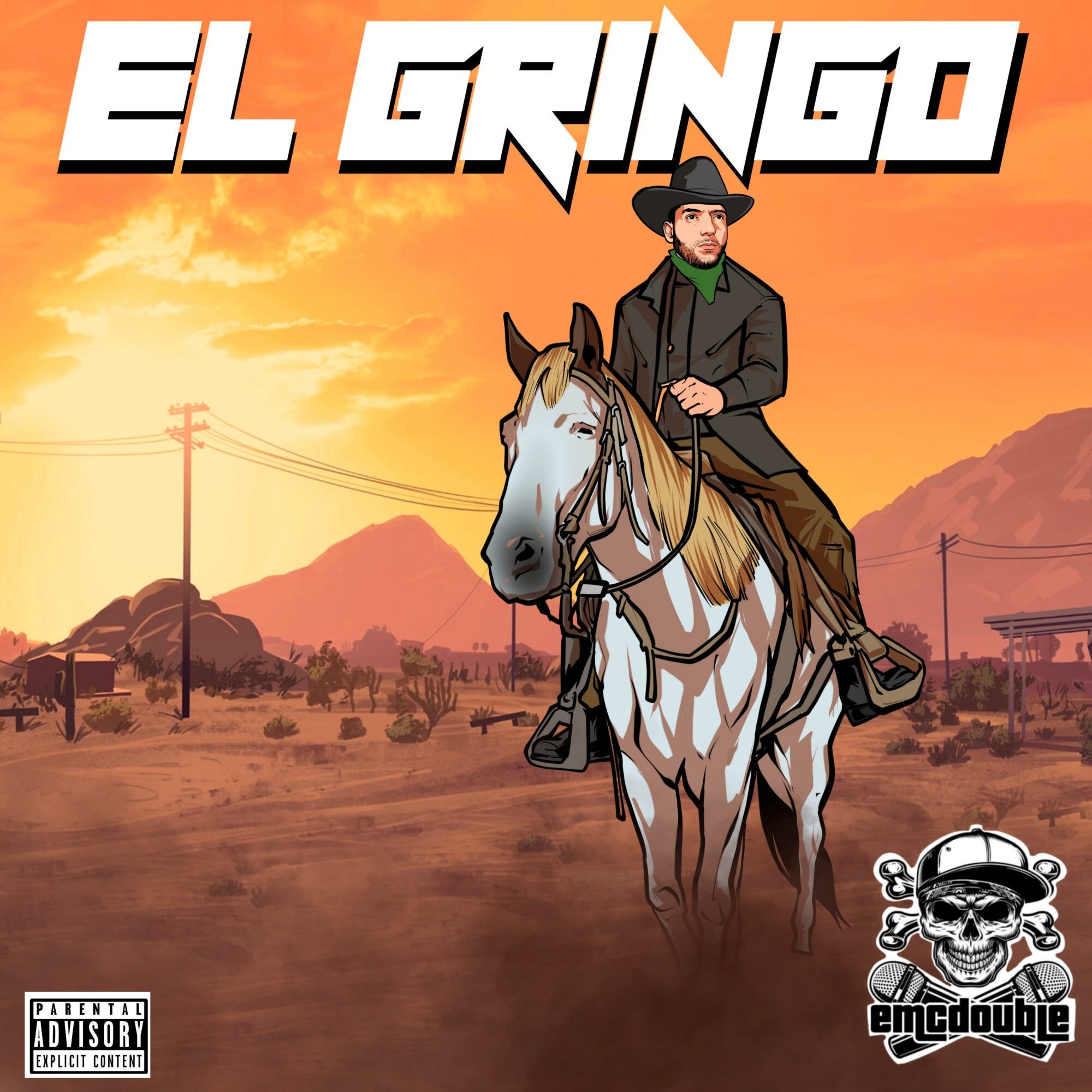
My comeback included projects like El Gringo (2022), followed by emcdouble: The Mixtape (2023), and Punk Rap, Volume 1 (2024). Across this later phase, I’ve continued working independently while also collaborating with other recording artists and producers across different projects.
Music has also been personal for me beyond just performance and production. In interviews, I’ve spoken about how it connects to communication, self-expression, and personal challenges I’ve worked through over time. It’s always been more than just output—it’s been a way of structuring thought and experience.
Today, I see my work as a continuation rather than a restart. Everything I’ve done—from early freestyle battles to more recent releases—connects as part of a longer process of growth as an artist.
Can you talk to us a bit about the challenges and lessons you’ve learned along the way. Looking back would you say it’s been easy or smooth in retrospect?
One of the earliest and most consistent challenges I’ve dealt with is stuttering. It’s something I’ve lived with since I was young, and while it hasn’t disappeared completely, I’ve made significant progress over time. Music actually played a role in that process for me. Over the years, I’ve become much more comfortable expressing myself verbally, especially in performance and interview settings, even though it can still come out occasionally when I’m nervous.
Another challenge has been navigating perception and acceptance within the music industry. Hip-hop is something I’ve always had a deep connection to, and I’ve approached it from a place of respect and genuine passion. At times, that has meant dealing with assumptions or resistance from different sides of the industry, but I’ve always stayed focused on the work rather than letting that define my path.
Those experiences have been part of why my career hasn’t followed a straight line. There were periods where I stepped back, and periods where I returned with a clearer sense of direction. But through all of it, I’ve stayed committed to developing as an artist and continuing to build my catalog on my own terms.
At this point, I see those challenges as part of the process rather than obstacles that stopped me. They’ve shaped how I work, how I communicate, and how I approach music today.
Thanks – so what else should our readers know about your work and what you’re currently focused on?
I specialize in hip-hop as a recording artist, songwriter, and producer. My work isn’t limited to just performing—I’m involved in building songs from the ground up, from writing and structure to shaping the overall sound and direction of a record.
A lot of my background comes from freestyle culture and early recording experiences, so improvisation and lyricism have always been part of my foundation. Over time, that evolved into full project development and long-form releases.
I’m known for having a long-form, evolving catalog that spans different phases of my life and career. I started in the early 2000s with underground releases, stepped away from releasing music publicly for a period, and later returned in the 2020s with new projects.
People who follow my work tend to recognize me for consistency over time rather than a single moment or trend. My catalog reflects different eras, but it stays connected through my writing style and approach to music.
I’m most proud of the fact that I stayed with music through different stages of my life. There were periods where I wasn’t actively releasing publicly, but I never stopped creating or thinking about music.
I’m also proud of the body of work I’ve built over time—being able to come back later and still add to my catalog in a way that feels authentic and intentional. Not everyone gets to step away and return on their own terms, and I value that.
What sets me apart is that I’m very hands-on with my work. I don’t approach music as just recording vocals—I treat it as building records from the ground up.
My background also spans different phases: early freestyle culture, independent releases, a long break, and then a return with a more refined perspective. That gives my music a layered identity instead of a single-era sound.
I also focus more on longevity and development rather than chasing short-term moments. My catalog reflects growth over time rather than just a snapshot of one period.
How do you think about luck?
I think luck plays a role in everyone’s life and career, but I don’t see it as the main driver of anything I’ve done. For me, it’s more about timing, persistence, and staying consistent over long periods of time.
There have definitely been moments where timing worked in my favor—like being in the right creative spaces at the right time, or reconnecting with music when I was ready to return to it. But there were also periods where things didn’t line up, or where progress took longer than expected. I don’t really view those as “bad luck” as much as just part of the process.
A lot of my path has been about continuing to build even when things weren’t immediately visible or moving quickly. So I see luck as something that might open a door, but it doesn’t really keep you in the room—you still have to do the work and develop over time.
At this point, I’d say consistency and staying connected to my craft have mattered more than luck in shaping my career.
Pricing:
- Negotiable
- Negotiable
- Negotiable
- Negotiable
- Negotiable
Contact Info:
- Website: https://www.emcdouble.net
- Instagram: https://www.instagram.com/emcdouble
- Facebook: https://www.facebook.com/share/1882s4bwJ7/
- LinkedIn: https://www.linkedin.com/in/david-mayan-255b7390
- Twitter: https://www.x.com/edubnewjeruz
- Youtube: https://youtube.com/@emcdouble
- Soundcloud: https://on.soundcloud.com/Rx9cGa3H5QTn8Og0mk
Popular
-

Hidden Gems: Local Businesses & Creatives You Should Know
-

ATL’s Most Inspiring Stories
-

Portraits of Atlanta
-

Satoya Hayes on Turning Beauty 2 Extensions into a Platform for Affordable Confidence and Entrepreneurial Opportunity
-

Asha Ford on Building Krystal Klear Motion and Creating Purpose-Driven Design for Women
-
Truth in Every Verse: Jay Erve on Identity, Experience, and Creating Art That Lasts