





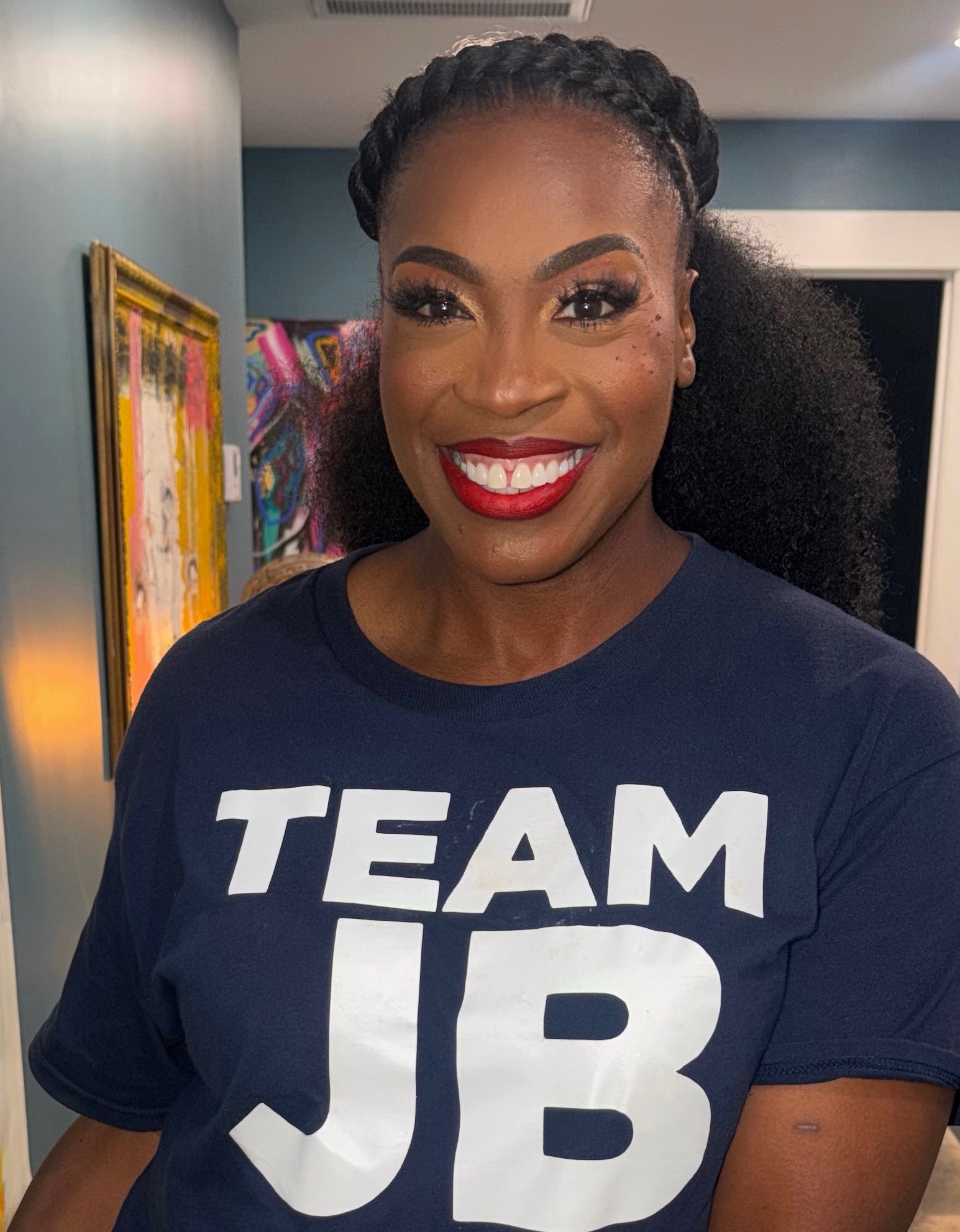
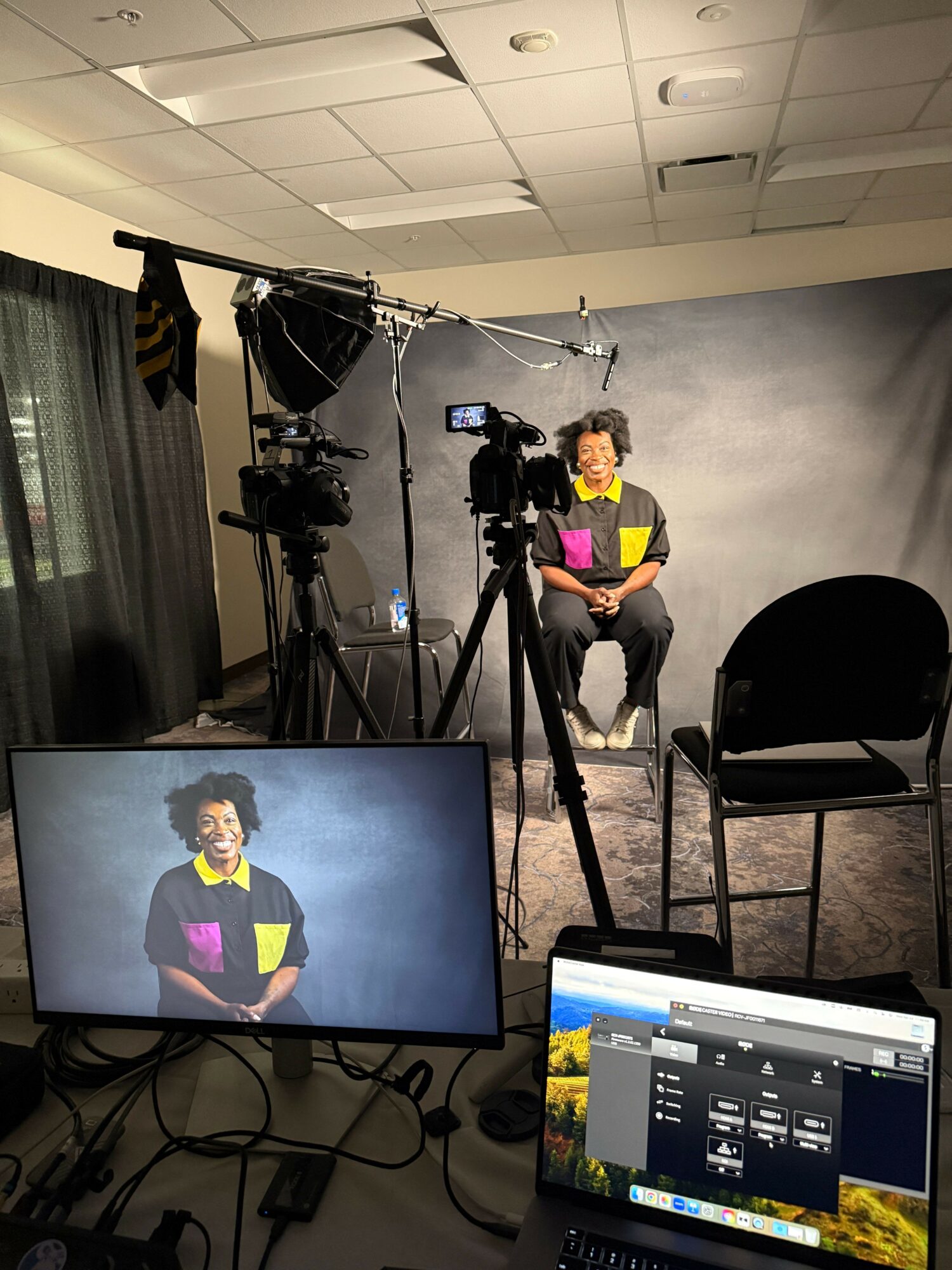
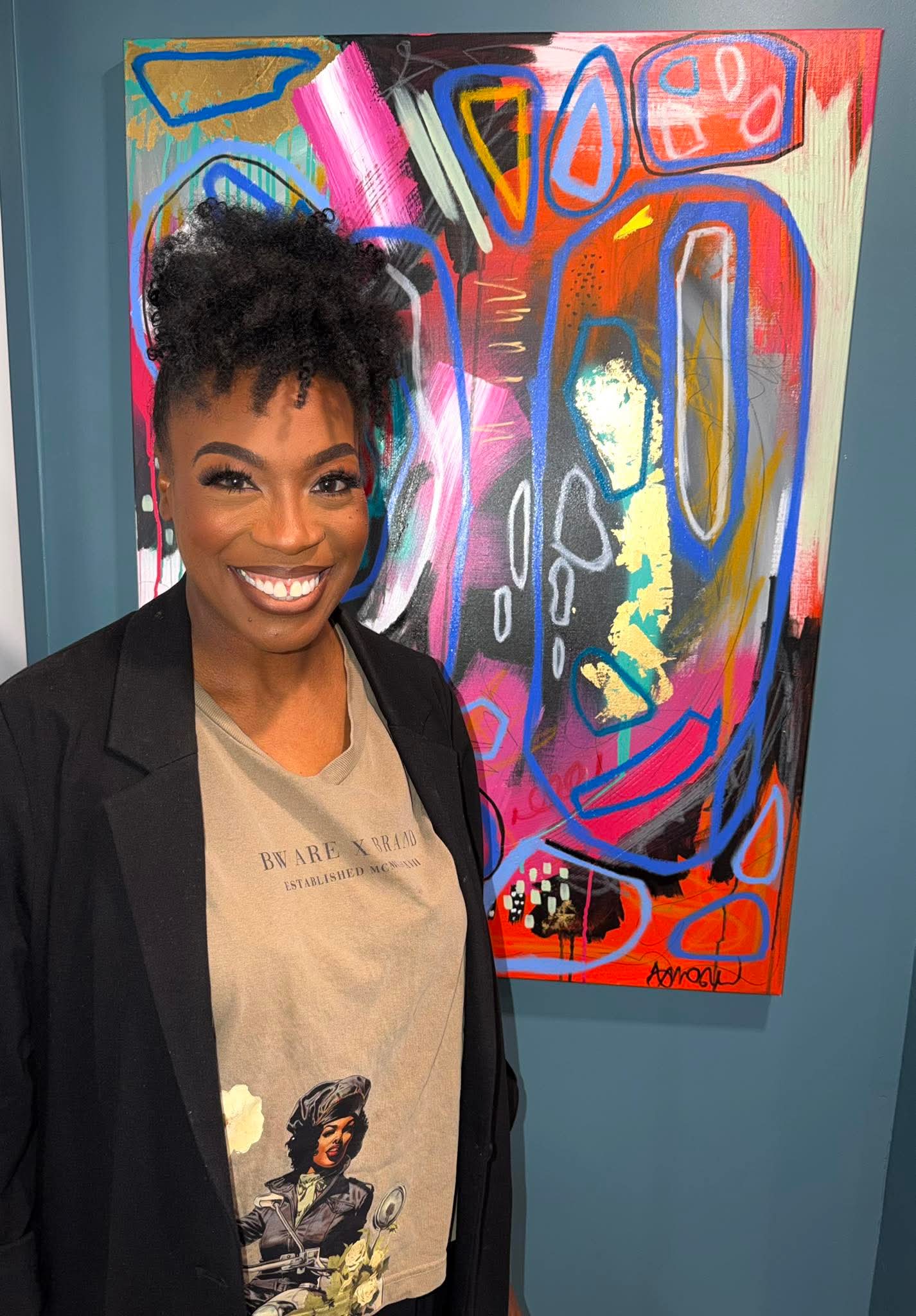
Today we’d like to introduce you to Dr. Jaketra Bryant.
Hi Dr. Jaketra, thanks for sharing your story with us. To start, maybe you can tell our readers some of your backstory.
I’m a former mayoral candidate, a community advocate, and a mental health professional. My journey into public service really started from my work in mental health and what I was seeing in real time while serving people.
As a counselor and mental health professional, I started to realize I was often working from a limited position. I could support people in the moment, but I was constantly seeing how much bigger the issues were—policy gaps, healthcare access, insurance barriers, and systems that were directly impacting whether people could even receive care in the first place.
What became very clear to me was how interconnected everything is. A person not having healthcare affects their ability to get mental health services. Housing instability can lead to incarceration. Incarceration affects employment. All of that impacts a parent’s ability to care for their children and maintain stability. These weren’t separate issues—they were all working together in people’s lives.
That awareness pushed me toward policy and advocacy. I participated in programs like the Georgia Women’s Policy Institute, where I learned more about legislation, policy development, and how bills are researched and shaped. With my background as a PhD-level professional and advocate, I began to understand how I could move from being part of the service system to also engaging the systems that shape it.
But advocacy has always been part of who I am. Even growing up, I was involved in leadership and service—junior class president, SGA, safety patrol, and always very engaged in student life and my peers. I’ve always been someone who pays attention and steps in where I see a need.
Running for mayor came from that same place. It wasn’t about politics for me—it was about being a visible, relatable voice in the community and bringing attention to real, everyday issues that affect people’s mental wellness and quality of life.
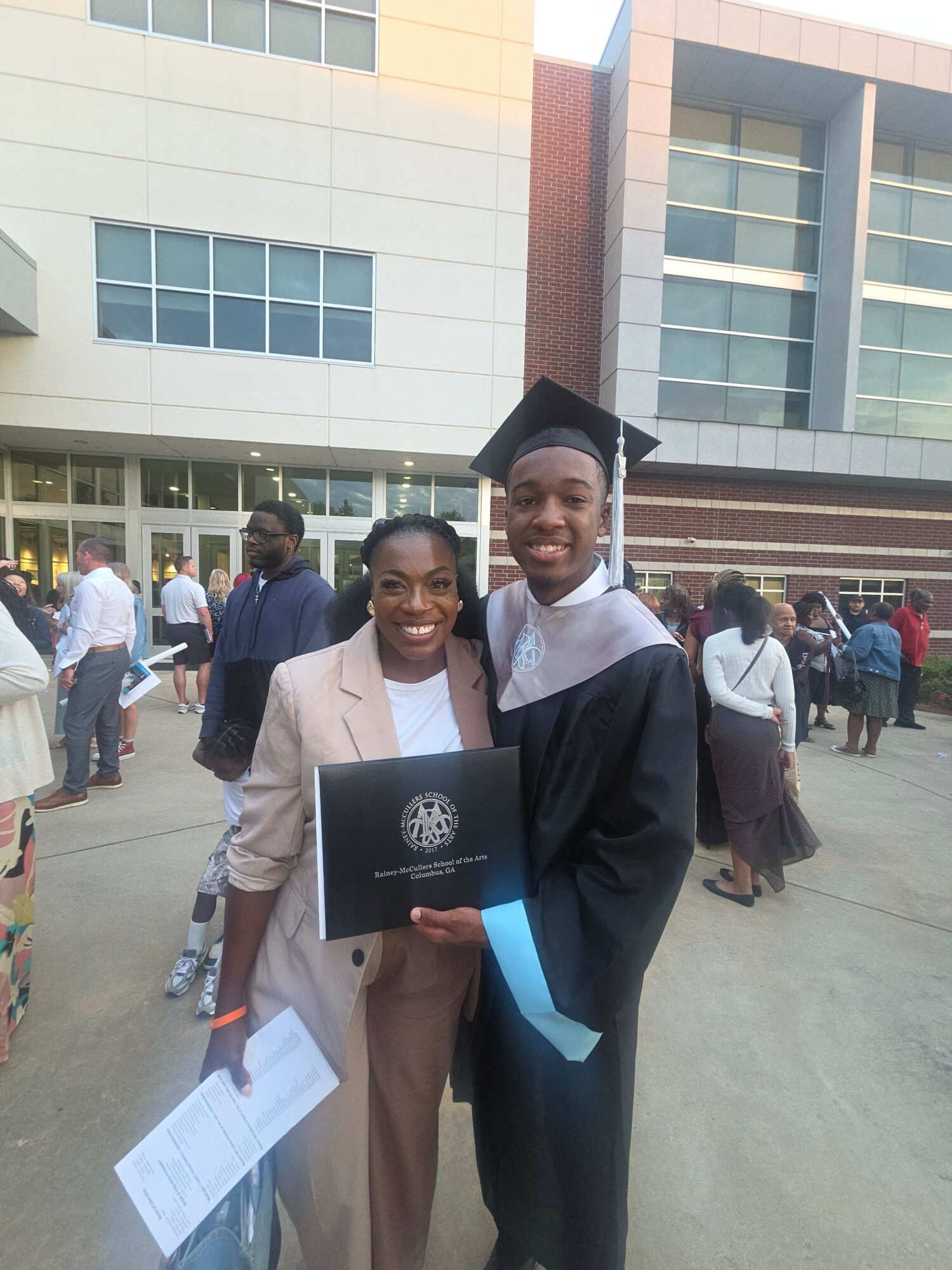
As a mother of a teenager and a young Black man who recently graduated high school, my perspective is also deeply personal. I’ve lived through and witnessed the realities families are facing today—from academic challenges and opportunity gaps, to the way young people are treated and perceived, to the impact of violence, bias, and inequity in our communities.
All of that shaped my understanding that we don’t just need services—we need systems to change. We need policies that reflect today’s realities and that actually support people where they are.
So while running for mayor was part of my journey, at my core I am and remain a community advocate and a community voice—focused on bridging lived experience, mental health, and policy so people can actually have better outcomes in real life.
Would you say it’s been a smooth road, and if not what are some of the biggest challenges you’ve faced along the way?
It has not been a smooth road, especially through my journey of running for office.
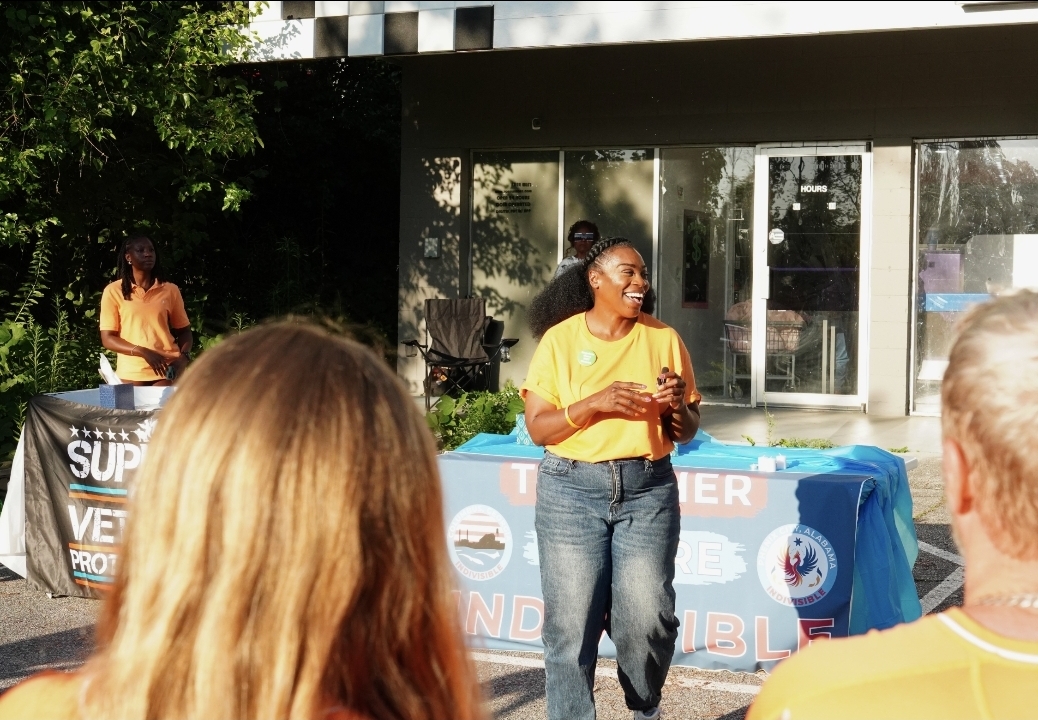
One of the most meaningful parts of that experience was actually the people I met along the way. During my campaign, I became the first Black woman on the ballot for mayor, and that opened the door for me to connect with so many families across the community. I met Hispanic families, Asian families, small business owners, single mothers, grieving mothers, first-time voters who had just turned 18, college students, Muslim women, Black and white women, entrepreneurs, single Black men, and men who had lost hope but were trying to rebuild their lives. It was a powerful reminder of how diverse and layered our community really is.
At the same time, one of the hardest parts was feeling like that human connection and those stories were sometimes being watered down or gatekept within the campaign environment. That made the process very emotionally and mentally challenging for me. There were a lot of long, exhausting nights where I had to stay grounded while carrying the weight of what I was hearing and witnessing from people.
As a mental health professional, I know how important self-care is, but I also had to actively practice it in real time. I made sure I stayed in therapy during that season. I remember my therapist reminding me that I had to be intentional about modeling what good mental health looks like, even while under pressure. That became a grounding point for me.
Still, it was difficult because I was constantly witnessing people’s pain—families struggling, communities feeling unheard, and systems not fully responding to what people were experiencing. And I cared deeply about that.
Another layer of struggle was balancing everything in my personal life. I’ve been a single mother throughout this journey, and I had to constantly balance being present for my son while also showing up fully in my work, my advocacy, and my professional responsibilities.
I also had to navigate being a mental health professional, a community voice, a candidate, and an entrepreneur all at the same time—while still making sure my son had stability, support, and opportunities. That balance has not always been easy.
But through all of it, I’ve learned how to stay authentic, set boundaries, make mistakes without losing myself, and still show up fully in every role I carry. That, more than anything, has been part of the growth in the journey.
As you know, we’re big fans of you and your work. For our readers who might not be as familiar what can you tell them about what you do?
When people ask what I do, the easiest answer is that I’m a mental health therapist, and I’ve been practicing for over 16 years. But that’s really only one part of who I am and what I do.
At my core, I’m someone who helps people, organizations, and communities identify patterns, remove barriers, and create healthier systems.
My work extends far beyond traditional therapy. I travel across the country training agencies, organizations, and professionals on topics related to mental wellness, leadership development, workplace culture, organizational health, bias awareness, team building, retention, policy development, and community engagement. I design many of these trainings myself, drawing from research, evidence-based practices, surveys, community feedback, lived experiences, and ongoing conversations with people from all walks of life.
What makes my approach unique is that I bring together multiple lenses. I combine psychology, organizational development, policy awareness, leadership, and human-centered practices. I look at both the individual and the systems surrounding them. I’m interested not only in helping a person succeed but also in understanding the environments, policies, and structures that influence their success.
What I’m probably most known for is helping people see themselves differently. Whether someone met me as a client, a student, a training participant, or a community member, they often come back years later and tell me they still remember something I said. They tell me a conversation changed how they viewed themselves, their career, their relationships, or their future.
That’s what I’m most proud of.
I have had the privilege of watching people become leaders, earn advanced degrees, start businesses, strengthen families, improve workplaces, and discover confidence they didn’t know they had. My greatest accomplishment isn’t a title or a position—it’s seeing people grow into who they were capable of becoming.
What sets me apart is that I don’t just teach information. I help people make meaningful shifts. I help individuals, organizations, and communities connect the dots between personal wellness, leadership, systems, and policy. Psychology is the study of patterns, and much of my work is about helping people recognize patterns that can be transformed into opportunities for growth.
No matter the setting, my goal remains the same: to leave people, organizations, and communities stronger, healthier, and more empowered than when I found them.
How do you think about luck?
I honestly don’t look at my journey through the lens of good luck versus bad luck. When I look back, I see a series of meaningful connections, unexpected conversations, and opportunities that all seemed to build on one another.
There have been many moments where I thought I was headed in one direction, only for something completely different to happen that ended up being exactly what I needed. For example, there was a time when I thought I was supposed to run for a particular office, and another person and I could have ended up as opponents. Instead, through a series of events and conversations, we became friends. What initially looked like competition turned into collaboration.
I’ve had countless moments like that. I’ve met people while simply walking to get coffee, and they’ll remember me from a role I held years earlier when I first moved to the city. Those encounters remind me how connected our journeys really are. When I first arrived here, I was serving in a leadership role and simply trying to find my place in the community. Years later, after running for mayor, advocating for policy changes, helping pass legislation, and serving in new ways, those same connections often come full circle.
Even the experiences that felt disappointing at the time eventually revealed their purpose. Opportunities that didn’t work out, relationships that ended, pauses in my journey that felt frustrating, or moments where I questioned what was next—all of those experiences taught me something. They helped me become emotionally stronger, more self-aware, more culturally aware, and more prepared for the work I’m doing today.
So I wouldn’t say bad luck has played a role. I would say that life has presented me with a series of lessons, relationships, and opportunities that often didn’t make sense in the moment but made perfect sense later. Looking back, each step connected to the next in a way that helped shape who I am today.
If anything, I’ve been fortunate to encounter people, experiences, and moments that continually reminded me to stay open, stay curious, and trust the process—even when I couldn’t yet see where it was leading.
Contact Info:
- Website: https://www.jaketrabryantincludeus.us
- Instagram: https://www.instagram.com/drbryantforcolumbus/
- LinkedIn: https://www.linkedin.com/in/dr-jaketra-bryant-lpc-57a36390/
Popular
-

Hidden Gems: Local Businesses & Creatives You Should Know
-

ATL’s Most Inspiring Stories
-

Portraits of Atlanta
-

Quinetta Ashford on Reinventing Her Creative Journey, Fighting for Better Healthcare Advocacy, and Finding Healing Through Art and Voice
-

Miguel Carmona III on Democratizing Trucking Knowledge, Helping Operators Avoid Costly Mistakes, and Building Smarter Transportation Businesses
-

Kiara Gardner on Using Storytelling, Mental Wellness, and Creative Media to Build Spaces for Healing and Human Connection