






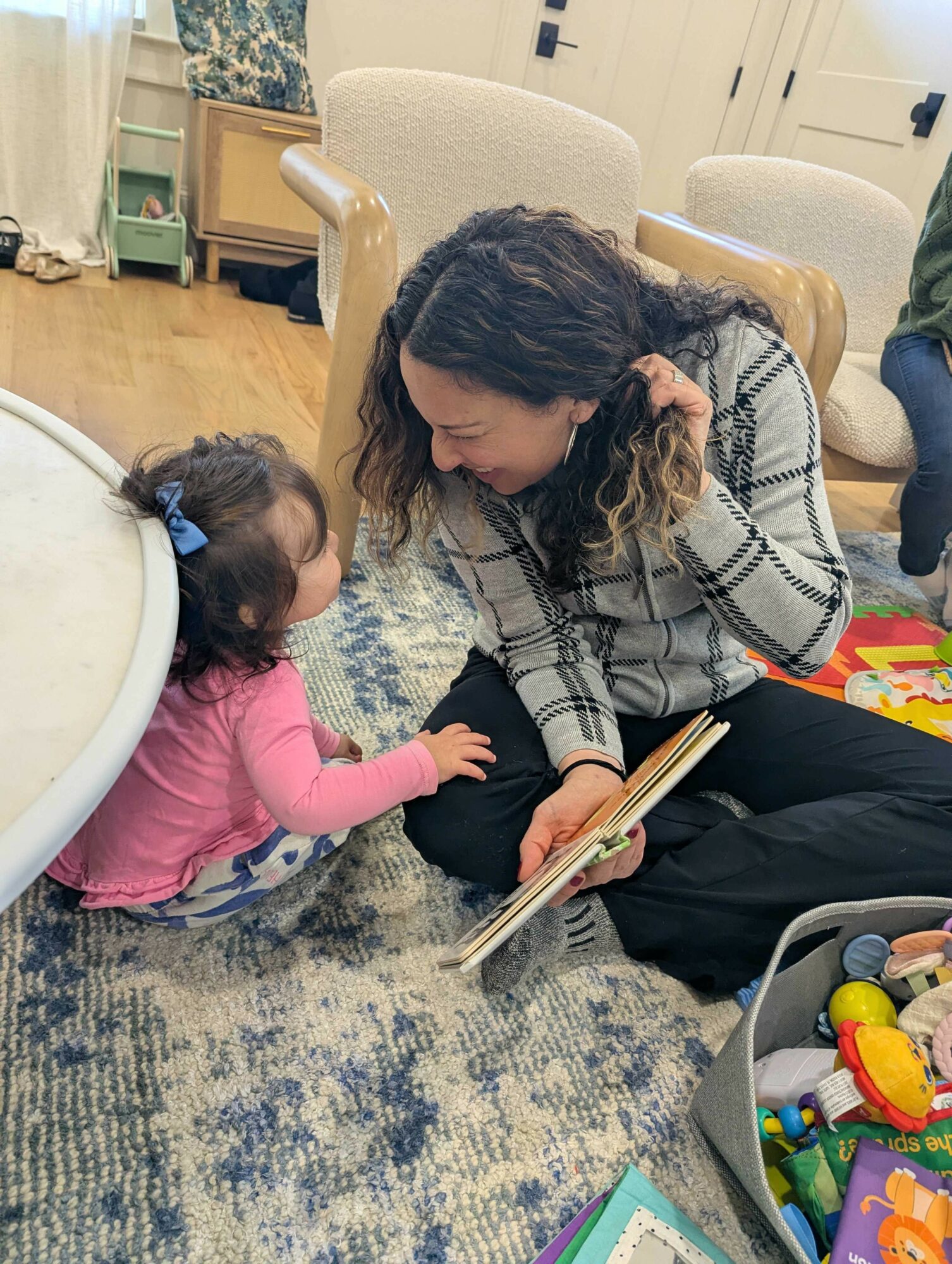
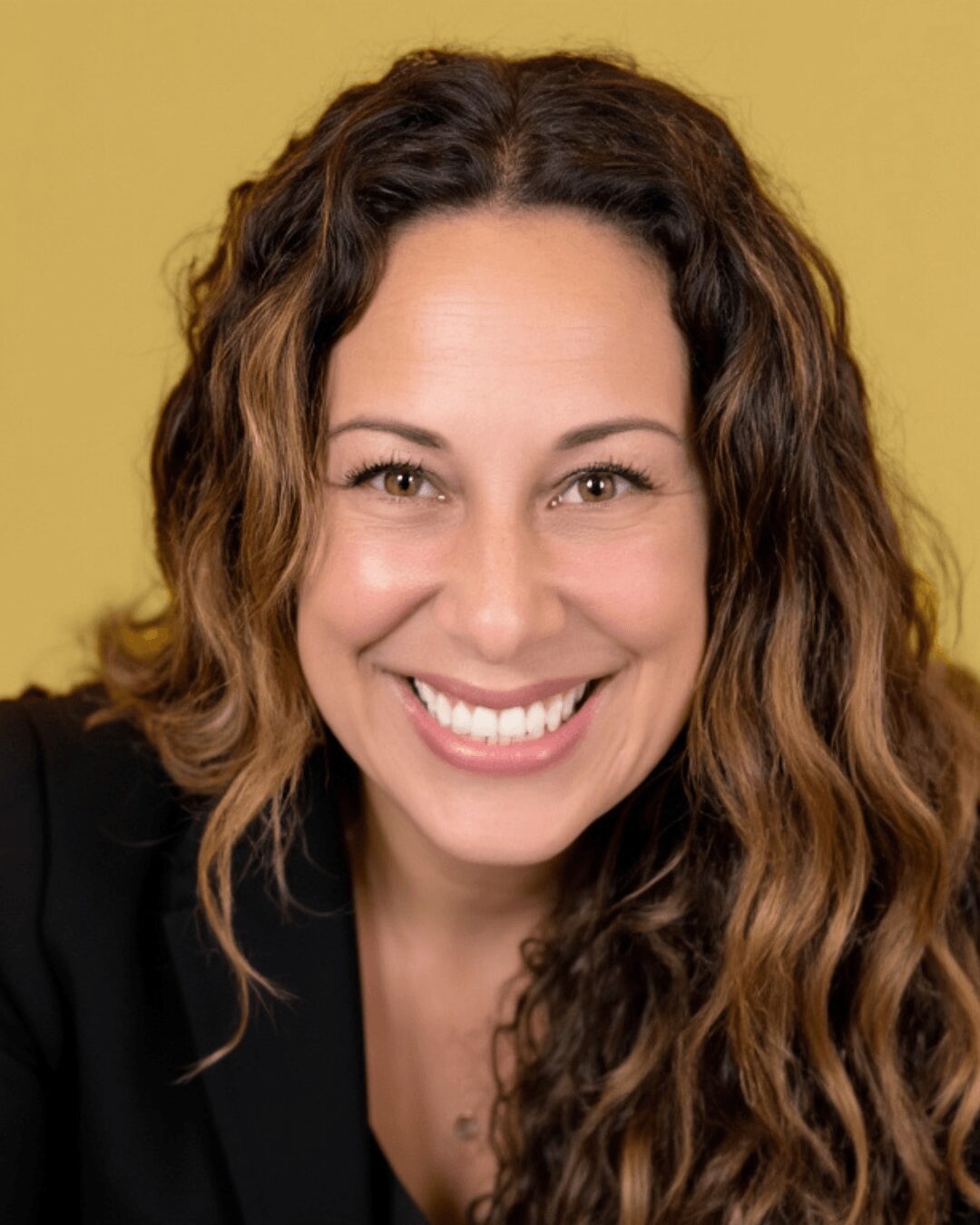
Today we’d like to introduce you to Elana Frank.
Hi Elana, so excited to have you on the platform. So before we get into questions about your work-life, maybe you can bring our readers up to speed on your story and how you got to where you are today?
My story starts not in Atlanta, but in Israel, where I lived in my late-twenties and went through IVF to have my first child. What struck me, almost as an afterthought at the time, was that Israel paid for it. Fully. No out-of-pocket costs, no insurance battles, no debt. Family-building was treated as basic healthcare.
When I moved back to the United States, I sat in a JCC baby pool with two other Jewish women who had also built their families through IVF. One had spent $20,000. Another had spent $60,000. I had spent almost nothing. Same age, same religion, same education level. The only difference was geography. I sat with that for a long time — and then I stopped sitting with it and started doing something about it.
I went home and founded the Jewish Fertility Foundation. That was eleven years ago. What started as a small grant program has grown into a national organization providing financial assistance, emotional support, and community to Jewish individuals and families navigating fertility challenges across the country. I’m based in Atlanta, and this community has been central to everything we’ve built.
Would you say it’s been a smooth road, and if not what are some of the biggest challenges you’ve faced along the way?
Not even a little! And I say that with gratitude, because the hard parts taught me everything.
Building a nonprofit around fertility meant convincing people to talk openly about something deeply private. In the early years, the silence was the biggest obstacle. Infertility carries so much shame and grief, and the Jewish community ( for all its warmth) wasn’t immune to that. Getting synagogues, JCCs, and community leaders to engage with the topic publicly took years of relationship-building, patience, and a lot of uncomfortable conversations that I had to be willing to start first.
There was also the financial reality of running a small nonprofit. In the beginning, every grant we gave out felt like a miracle we had to fight for. Fundraising while simultaneously serving a vulnerable population is its own kind of tightrope walk.
And personally, I came to this work because I lived it. Carrying the emotional weight of the stories our grant recipients share never gets easier. You don’t build calluses around that. You just learn to hold it carefully.
As you know, we’re big fans of you and your work. For our readers who might not be as familiar what can you tell them about what you do?
JFF exists at the intersection of financial assistance, emotional support, and community, because fertility challenges rarely arrive alone. They come with grief, isolation, relationship strain, financial devastation, and a particular kind of silence that can make people feel completely alone in a crowded room.
We provide financial assistance through Fertility Grants and partner with local interest-free loan organizations to help make treatment more accessible and manageable for our grantees.
One of the best things we’ve done is build partnerships with local fertility clinics so grantees can also benefit from up to 25% discounts on treatment. Together, grants, loans, and clinic discounts help reduce the burden of these ridiculously expensive fertility journeys for Jewish individuals and families who otherwise could not afford care.
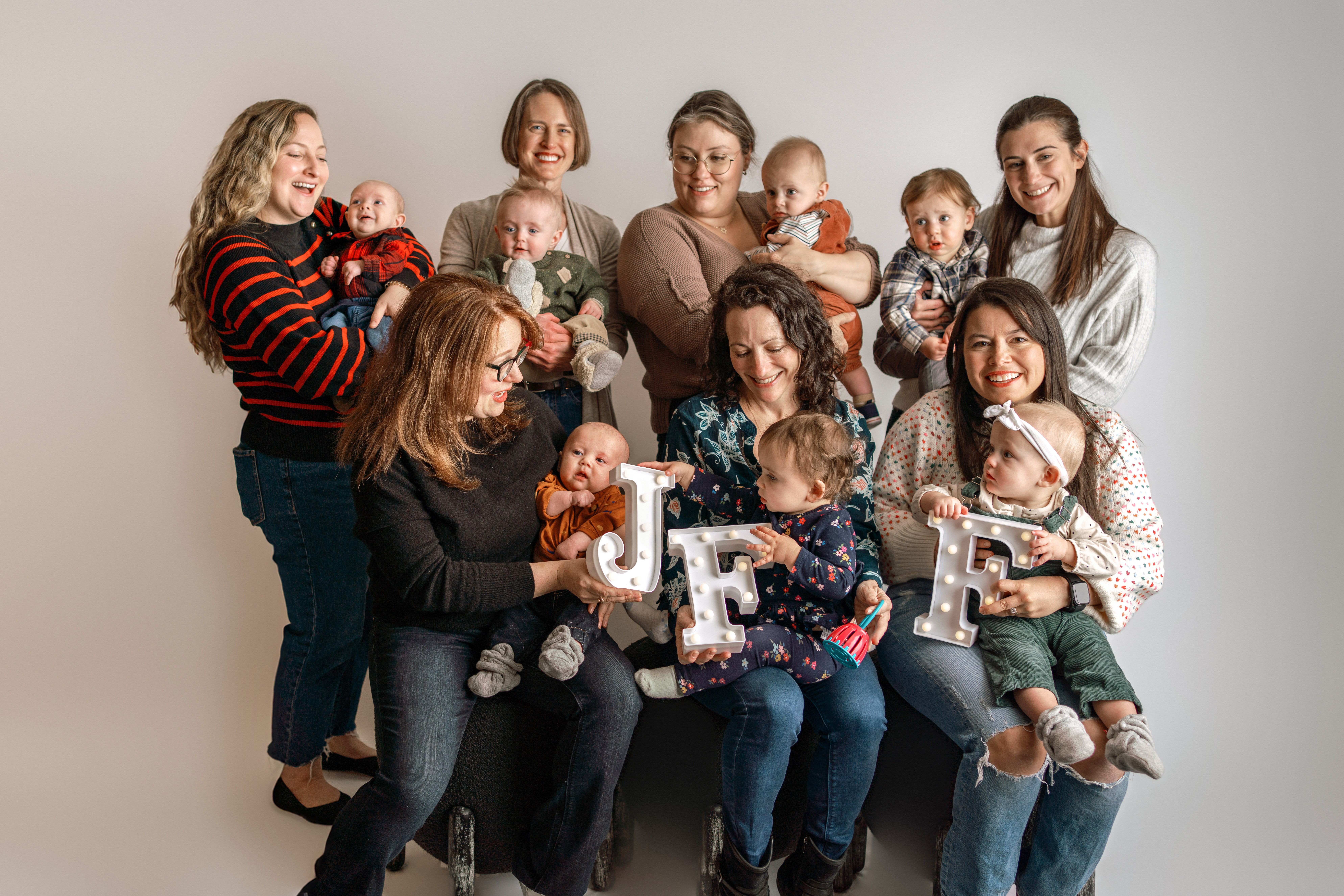
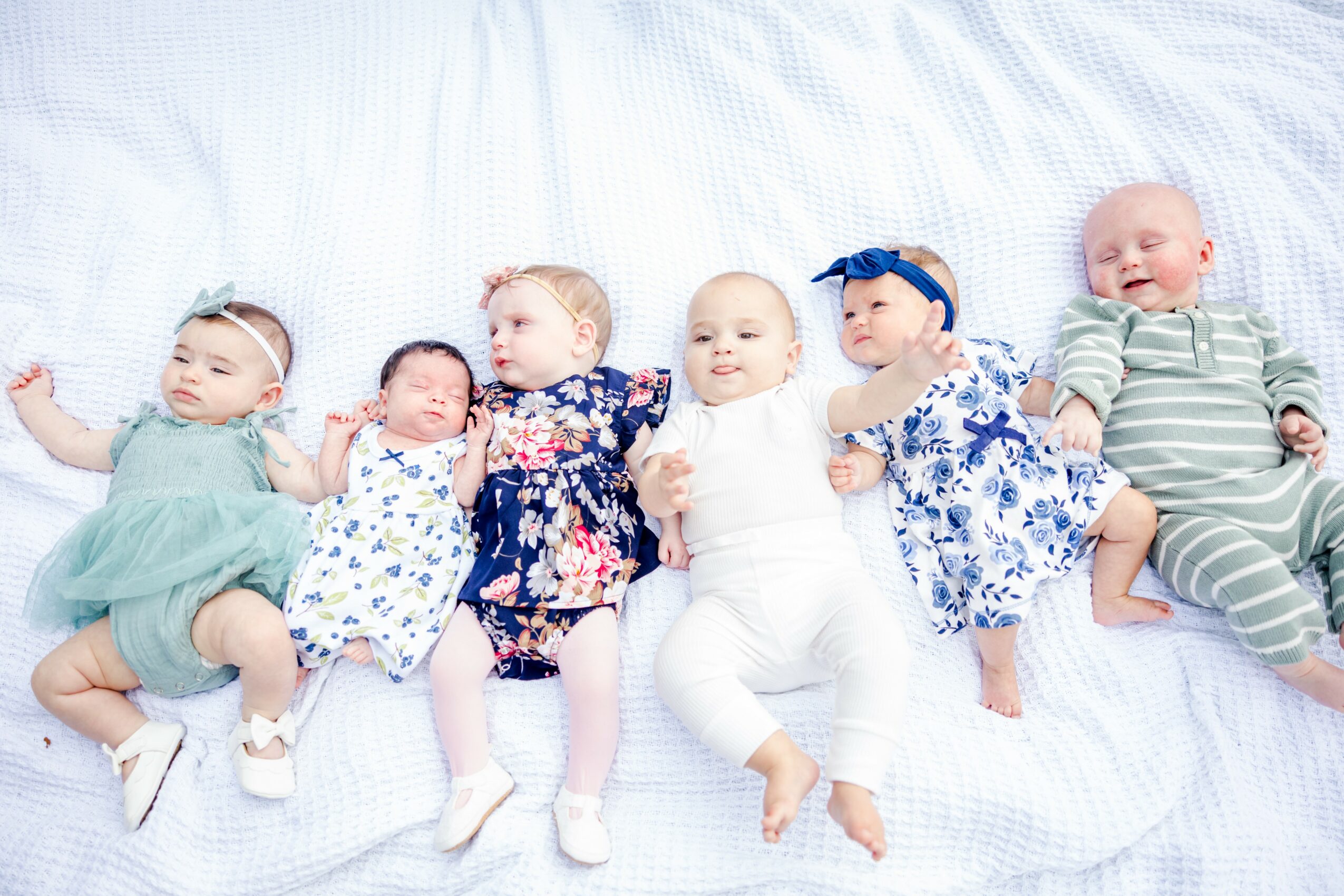
To date, we’ve distributed 557 fertility grants and allocated over $3.26 million in financial assistance. But the number I’m most proud of is 367 — the number of babies born to families who came through JFF. There are 79 more pregnancies underway right now.
We’re also known for breaking the silence. JFF has trained Jewish institutions across the country to engage with fertility, pregnancy loss, and infertility with openness and compassion. We run support groups, community education programs, and workplace trainings for Jewish nonprofit leaders.
What sets us apart is that we meet people in the most vulnerable moments of their lives and we don’t look away. We stay. We also understand the specific landscape of Jewish fertility: the genetic conditions like Tay-Sachs and BRCA mutations that make this community uniquely vulnerable, the cultural pressures around family-building, the intersection of faith and medicine. That specificity matters.
What’s next?
We’re in an exciting and important moment. JFF is launching Belonging While Longing, a workplace training program for Jewish nonprofit HR and executive leaders, because we believe the next frontier is getting Jewish institutions to extend real support to their own employees: better fertility benefits, more compassionate leave policies, and a workplace culture where people don’t have to hide what they’re going through.
We’re also presenting at the SRE Network Convening in New York this June, which feels like a meaningful step in bringing this conversation into broader Jewish communal leadership.
The bigger vision hasn’t changed: I want a world where no family has to choose between financial survival and becoming a parent. We’re not there yet. But eleven years in, with 367 babies and counting, I know this work is possible. And I’m just getting started.
Pricing:
- All of our support programs and educational programs are FREE and open to anyone!
Contact Info:
- Website: https://jewishfertilityfoundation.org
- Instagram: https://www.instagram.com/jewishfertilityfoundation/
- Facebook: https://www.facebook.com/JewishFertilityFoundation
- LinkedIn: https://www.linkedin.com/company/jewish-fertility-foundation
- Youtube: https://www.youtube.com/channel/UCeK5_Cnth9yRSP1TV3iz0aA
Popular
-

Hidden Gems: Local Businesses & Creatives You Should Know
-

ATL’s Most Inspiring Stories
-

Portraits of Atlanta
-
Natasha Dillard on Redefining Beauty Standards and Empowering Women Through Unapologetic Self-Expression
-

Darren Paltrowitz on Blending Investigation, Media, and Culture to Uncover the Stories Behind the Stories
-

Naeemah Jade on Redefining Networking Through Trust, Proximity, and Intentional Community