





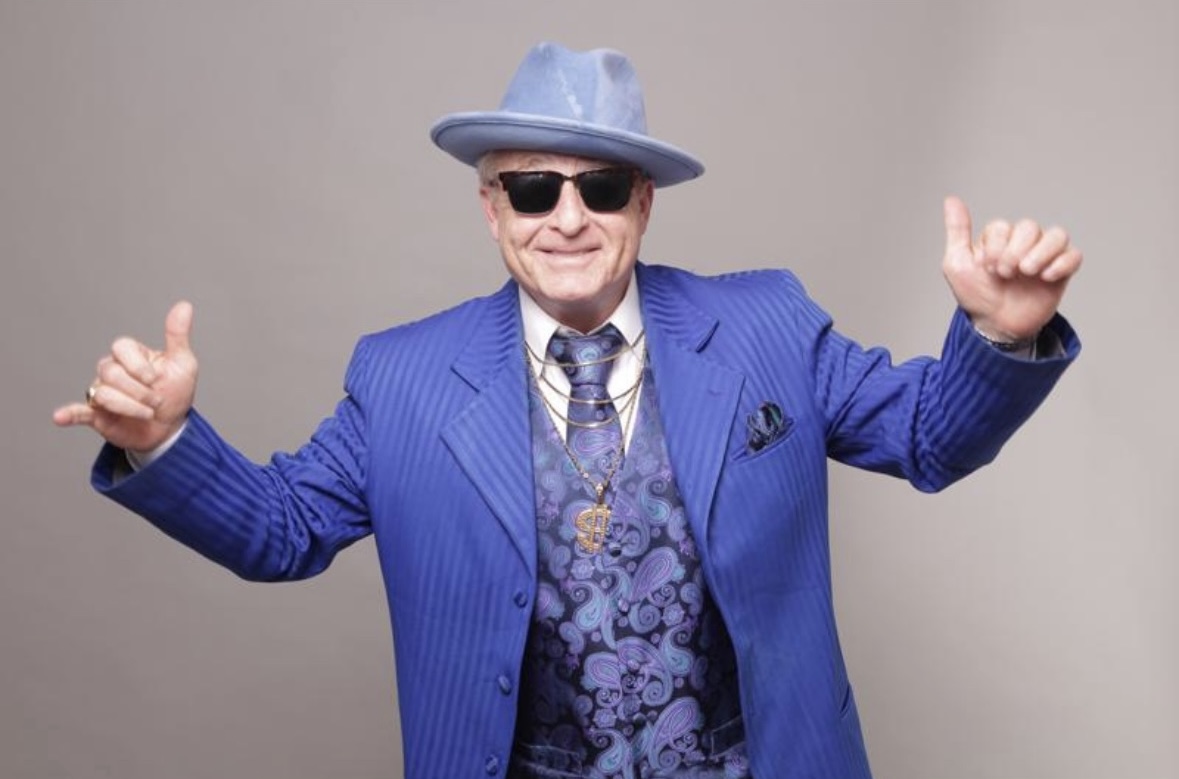
Today we’d like to introduce you to Greg Langford Langford.
Hi Greg Langford, so excited to have you with us today. What can you tell us about your story?
I was born and raised in Winder, Georgia, the fourth of five children in a hardworking Southern family. From an early age, I learned the value of community, resilience, and finding humor wherever I could. Those lessons would later become essential to my survival.
By my early forties, I was struggling with alcoholism and the cumulative weight of unimaginable loss. Within just a few years, I lost my father, mother, then two brothers to suicide, a cousin to suicide, and later my best friend to suicide. Another brother survived a suicide attempt as a teenager. The grief, trauma, and addiction nearly consumed me.
On February 3, 1999, I entered recovery and have remained sober ever since. That decision changed the trajectory of my life. Over the next two decades, I built a successful 43-year career in banking, worked in real estate and business ventures, and dedicated myself to helping others through recovery and suicide prevention advocacy.
At age 56, I took an unexpected turn and stepped onto a comedy stage for the first time. What began as a personal challenge became a second career. Over the past decade, I’ve performed in 27 states, toured for three years with Jess Hilarious, appeared at venues including Caroline’s on Broadway, Hollywood Improv, and Kevin Hart Studios, and accumulated millions of views through comedy content online.
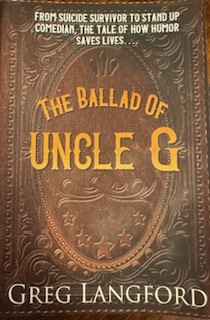
Today, I combine those two worlds, the pain of survival and the healing power of laughter. As a comedian, speaker, author, and suicide prevention advocate, I share a message that humor and tragedy can exist in the same space. My work is focused on helping people build resilience, find connection, and recognize that even in life’s darkest moments, hope is still available. My book “THE BALLAD OF UNCLE G” from suicide survivor to stand up comedy is a testimony to resilience, hope, and survival,
The experiences that once nearly destroyed me have become the foundation of my mission: helping others endure, heal, and discover that sometimes laughter is not the opposite of pain—it is what helps us carry it.
I’m sure it wasn’t obstacle-free, but would you say the journey has been fairly smooth so far?
No, it has not been a smooth road.
Much of my life has been shaped by loss, addiction, and the challenge of rebuilding. Within a relatively short period of time, I lost my father, two brothers to suicide, my mother, a cousin to suicide, and later, my best friend to suicide. Another brother survived a suicide attempt. Those experiences left me carrying grief that I didn’t always know how to process.
For years, I struggled with alcoholism and eventually reached a point where I knew I needed help. Entering recovery on February 3, 1999, was one of the hardest decisions I have ever made, but it was also the most important. Recovery taught me that healing is not a single event, it’s a daily commitment.
One of the greatest surprises of my life was discovering the healing power of humor. Long before I ever stepped onto a comedy stage, being funny helped me survive difficult circumstances. Humor became a coping mechanism, a way to connect with people, and a way to find light in some very dark places. I genuinely believe that comedy saved my life. It gave me perspective when I was overwhelmed by grief, helped me stay connected when I wanted to isolate, and reminded me that joy and pain can exist in the same space.
What makes comedy especially meaningful to me is that it requires honesty. The humor that resonates most with audiences comes from telling the truth about our struggles, imperfections, fears, and failures. By being open about my own experiences with loss, addiction, recovery, and mental health, I have found a genuine connection with audiences. That honesty has given me more than laughs—it has given me a platform to help others. Time and again, people approach me after a show or a presentation to share their own stories, struggles, and hopes. Those conversations remind me that when we are honest about our humanity, we permit others to be honest about theirs.
Later in life, I faced another challenge when I stepped onto a comedy stage for the first time at age 56. Most people were slowing down or retiring, while I was starting an entirely new career. Like many comedians, I experienced rejection, bad sets, self-doubt, and long nights on the road before finding success. Over time, I toured for three years with Jess Hilarious, performed in 27 states, and appeared at some of the country’s most respected comedy venues.
I’ve also faced significant health challenges, including heart disease that resulted in multiple stents, forcing me to confront my own mortality and make changes in how I approached my physical well-being.
Looking back, the struggles have shaped who I am. They taught me resilience, humility, and the importance of human connection. Most importantly, they taught me that humor is more than entertainment. For some people, including me, it can be a lifeline. Today, those lessons form the foundation of my work as a comedian, speaker, and suicide prevention advocate, helping others discover that laughter isn’t the opposite of pain—it can be part of the path through it.
Can you tell our readers more about what you do and what you think sets you apart from others?
I am a comedian, motivational speaker, suicide prevention advocate, author, and Certified Peer Specialist. For more than a decade, I have used humor as a tool to help people navigate some of life’s most difficult challenges, including grief, addiction, mental health struggles, and suicide loss.
Professionally, I spent 43 years in banking before retiring and reinventing myself through comedy and public speaking. Over the past ten years, I have performed stand-up comedy in 27 states, toured for three years with Jess Hilarious, appeared at Caroline’s on Broadway, Chocolate Sundaes at the Hollywood Improv, Kevin Hart Studios, and accumulated millions of views through comedy content online. I am also the creator of the E=MC² framework—Endurance = Misery × Comedy², which explores the role humor plays in building resilience during adversity.
What I specialize in is helping people find hope, connection, and practical tools for navigating hardship. Whether I am speaking to healthcare professionals, first responders, recovery communities, corporate audiences, or the general public, my goal is to make difficult conversations approachable through honesty, humor, and lived experience.
What I am most proud of is not my comedy credits or professional accomplishments. I am most proud that after losing two brothers, a cousin, and a best friend to suicide, battling alcoholism, and experiencing profound personal loss, I chose recovery and have remained sober since February 3, 1999. I am proud that I have been able to transform pain into purpose and use my experiences to help others who may be struggling.
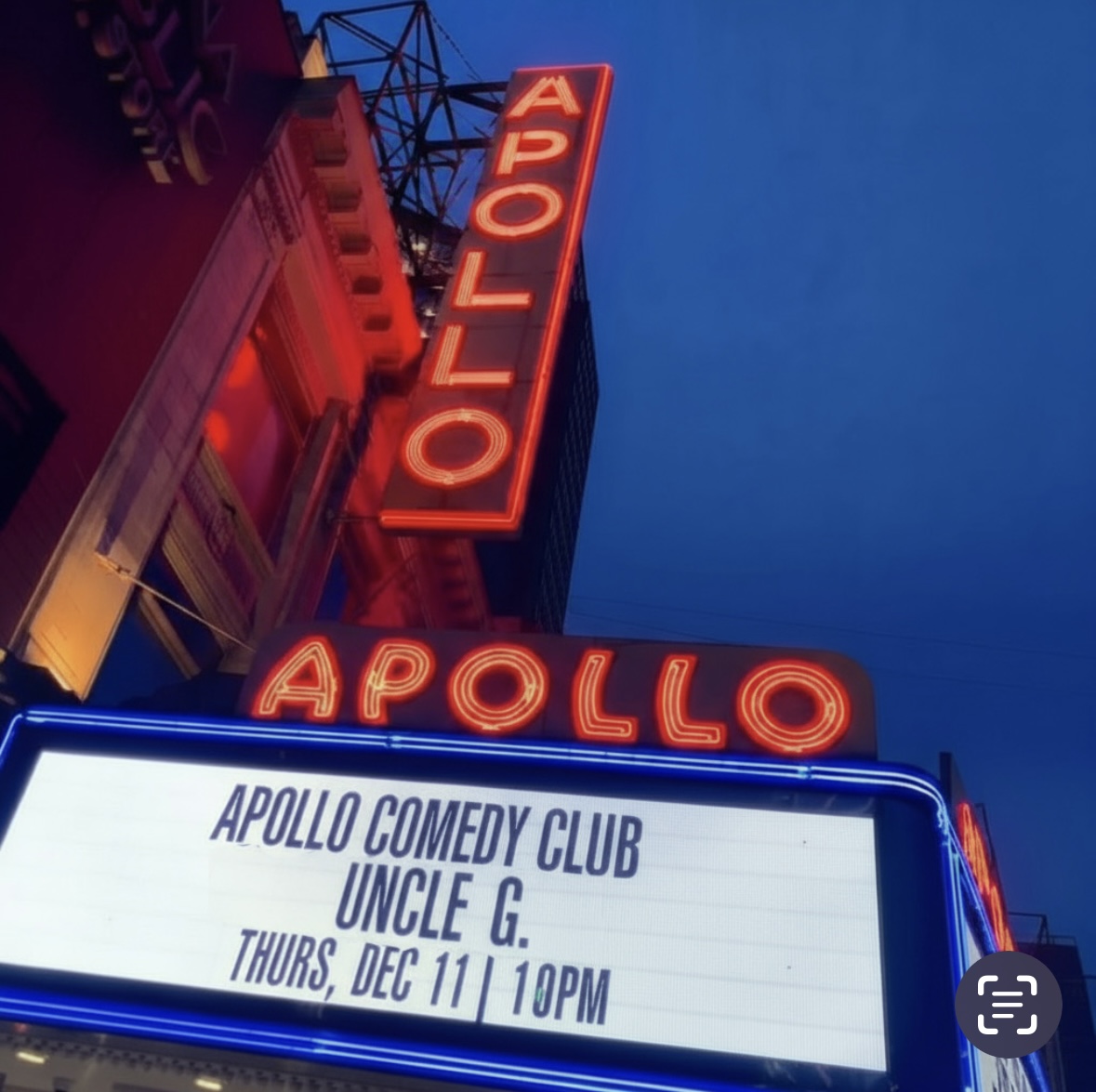
That said, on the comedy front, one accomplishment stands above the rest. Early in my comedy career, I set a goal of one day performing at the historic Apollo Theater. Years later, I achieved that goal and saw my name displayed on the Apollo marquee. For a white kid from Winder, Georgia, who didn’t start comedy until age 56, standing beneath that marquee represented far more than a booking. It symbolized growth, perseverance, and the willingness to step far outside my comfort zone. It remains one of the proudest moments of my comedy career.
What sets me apart is the unique combination of my life experiences. I have lived through family suicide, addiction, recovery, grief, heart disease, and reinvention later in life. At the same time, I have spent a decade making people laugh professionally. Few speakers can speak authentically about both tragedy and comedy because they have lived deeply in both worlds. My message is not based solely on research or theory; it is grounded in personal experience and delivered with the honesty, vulnerability, and humor that create genuine connection.
If there is one thing I am known for, it is showing people that laughter and suffering can exist in the same space, and that sometimes the very thing that makes us laugh can also help save our lives.
Are there any books, apps, podcasts or blogs that help you do your best?
I’m turning 68 next month, so I probably have many of the same technology challenges that people associate with their parents or grandparents. I didn’t grow up with smartphones, social media, or artificial intelligence, and there are still days when technology reminds me of that. But I’ve learned that staying curious is one of the best ways to keep growing.
One tool that has had a surprisingly positive impact on my life is ChatGPT. As a speaker, comedian, author, and advocate, I use it to help organize ideas, brainstorm content, refine presentations, research topics, and challenge my thinking. It’s become a valuable creative partner that helps me work more efficiently and continue learning.
My only complaint is that I probably use it so much that we argue from time to time. I use the speaking mode regularly, and there are moments when it sounds less like a conversation with artificial intelligence and more like an old married couple having a debate. Fortunately, unlike most married couples, one of us usually has instant access to all the facts. The experience has taught me that good ideas often come from being challenged, not just being agreed with.
I’m also a big believer in the power of social media when it’s used intentionally. Instagram, in particular, has allowed me to connect with audiences across the country, share comedy, promote mental health awareness, and stay engaged with people I might never have met otherwise. For someone who didn’t grow up in the digital age, it’s been exciting to see how technology can create meaningful connections.
Beyond technology, some of the most important resources in my life are much simpler. Recovery programs, daily prayer and reflection, reading, exercise, and conversations with people I trust have played a major role in my personal growth. I’ve learned that no app can replace genuine human connection, honesty, and community.
If there’s one lesson I’ve learned, it’s that growth doesn’t stop at a certain age. Whether it’s stepping onto a comedy stage for the first time at 56, learning social media in my sixties, or embracing artificial intelligence at 68, I’ve found that staying open to new ideas has helped me continue evolving both personally and professionally.
Contact Info:
- Website: https://workplacesuicidepreventionspeaker.com/about/
- Instagram: https://instagram.com/unclegcomedy
- Facebook: https://www.facebook.com/greg.langford.92

Popular
-

Hidden Gems: Local Businesses & Creatives You Should Know
-

ATL’s Most Inspiring Stories
-

Portraits of Atlanta
-

Quinetta Ashford on Reinventing Her Creative Journey, Fighting for Better Healthcare Advocacy, and Finding Healing Through Art and Voice
-

Miguel Carmona III on Democratizing Trucking Knowledge, Helping Operators Avoid Costly Mistakes, and Building Smarter Transportation Businesses
-

Kiara Gardner on Using Storytelling, Mental Wellness, and Creative Media to Build Spaces for Healing and Human Connection